Porto River Cruise Port: You Do Not Dock at the Ribeira
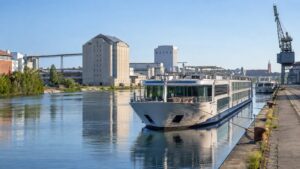
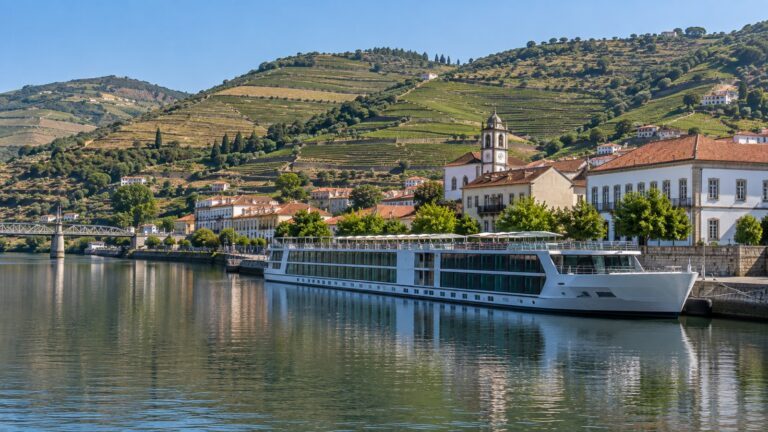
A Douro river cruise that lists Porto rarely places its ship beside the postcard Ribeira waterfront. Most passengers board or leave from a functional quay on the Vila Nova de Gaia side, then use a transfer, taxi, or carefully planned walk to reach the historic center.
That distinction prevents the most common mistake at this port. Porto, Gaia, the ocean cruise terminal at Leixões, and the river berths are different places, so every transfer should be booked with the exact quay printed by the cruise line.
Porto river cruise port quick facts
- Typical berth area: Vila Nova de Gaia, often at Cais de Quebrantões or another assigned Douro quay
- Arrival: Alongside, sometimes rafted against another river ship
- Into town: Cruise transfer, taxi, or a substantial walk depending on the berth
- Best compact plan: São Bento station, upper Dom Luís I Bridge, and one port lodge
- Useful transit: Metro Line D between Gaia and central Porto
- Currency: Euro
- Language: Portuguese
- Main challenge: Steep hills, cobbles, and changing local berth assignments
Where Douro river ships dock
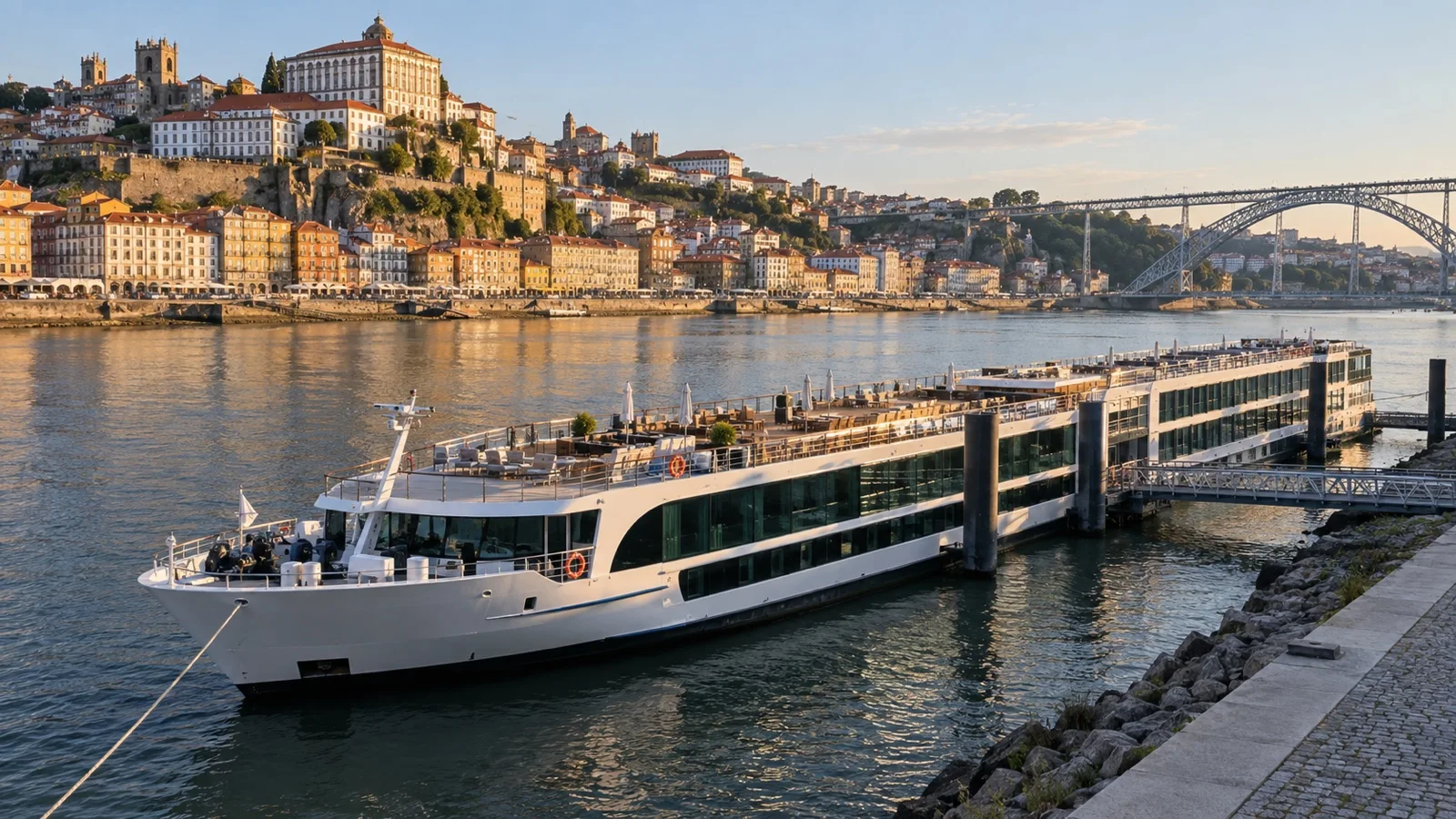
Douro river ships use assigned quays on the river rather than the ocean cruise facilities at Leixões. A common Porto area berth is Cais de Quebrantões on the Gaia bank upstream from the tourist waterfront, but operators can use other locations.
The boarding document is more reliable than a generic map pin. Send the full quay name, street access, ship name, and cruise line to a driver because asking for the Porto cruise terminal can result in a trip to Matosinhos and the wrong port.
The APDL port authority manages the Douro navigable waterway, which runs about 210 kilometers from the river mouth to Barca d’Alva. Five locks overcome roughly 125 meters of elevation between the coast and the Spanish border.
Gangways and rafting
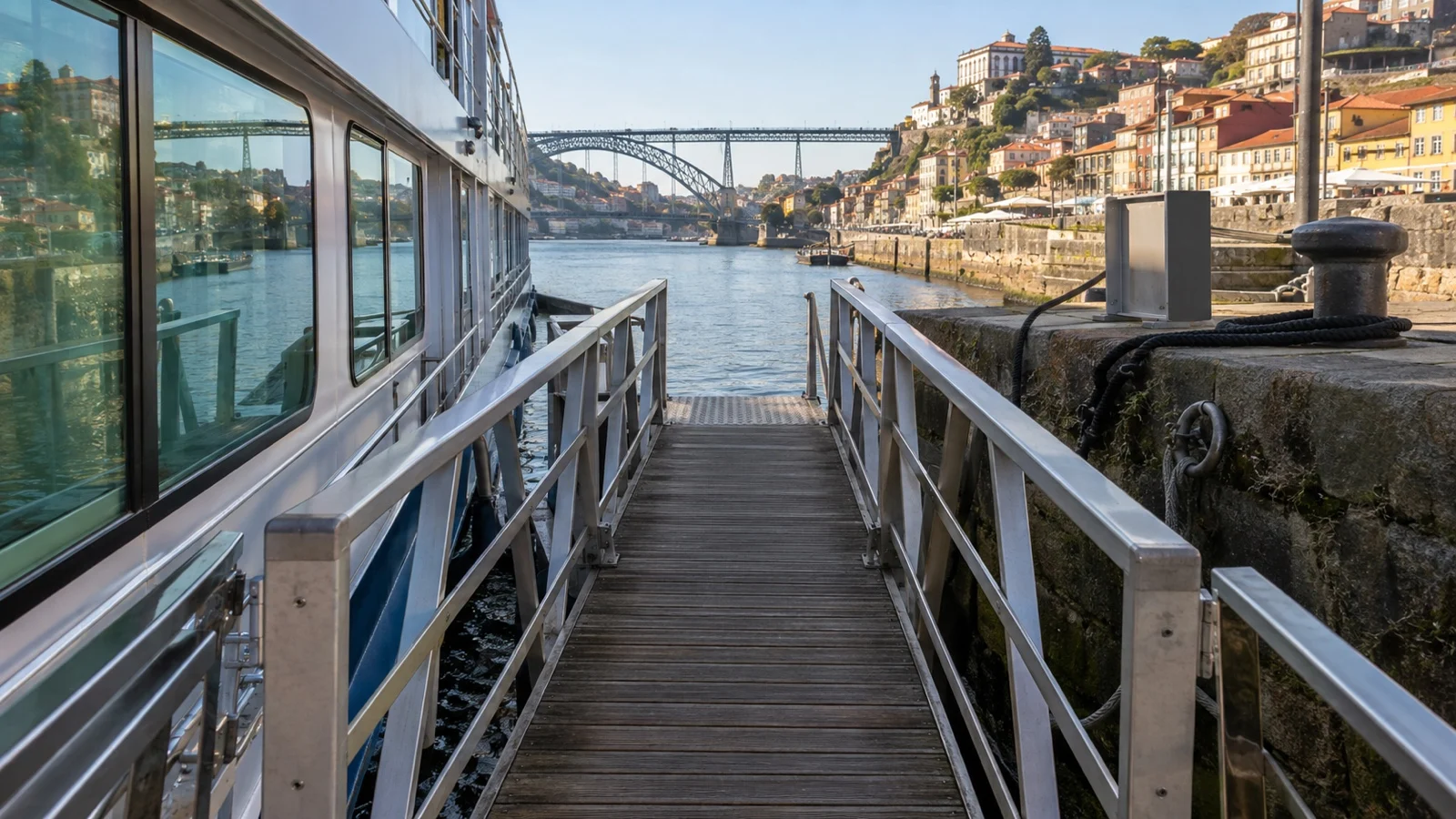
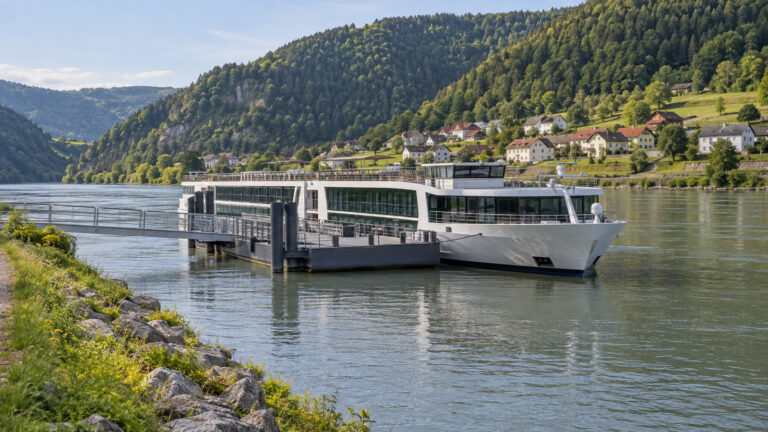
River ships arrive alongside and do not tender, yet a busy quay may require two vessels to moor side by side. Passengers on the outer ship then cross one or more neighboring vessels to reach land.
Crossing routes can include lobbies, open decks, short steps, and gaps between gangways. Travelers with mobility needs should discuss rafting and alternative arrangements with the line before booking, since an inside berth cannot always be guaranteed.
Transfers from the quay
Many itineraries include a shuttle or organized transfer between the river berth and a central meeting point. Confirm whether that service operates on embarkation day, during sightseeing hours, and after independent time because the answer can differ at each stage.
A taxi is useful when carrying luggage or when the assigned berth sits beyond an easy transit connection. Build extra time around weekday traffic, one-way streets, roadwork, and restricted vehicle access in the historic center.
Porto, Gaia, and the Dom Luís I Bridge
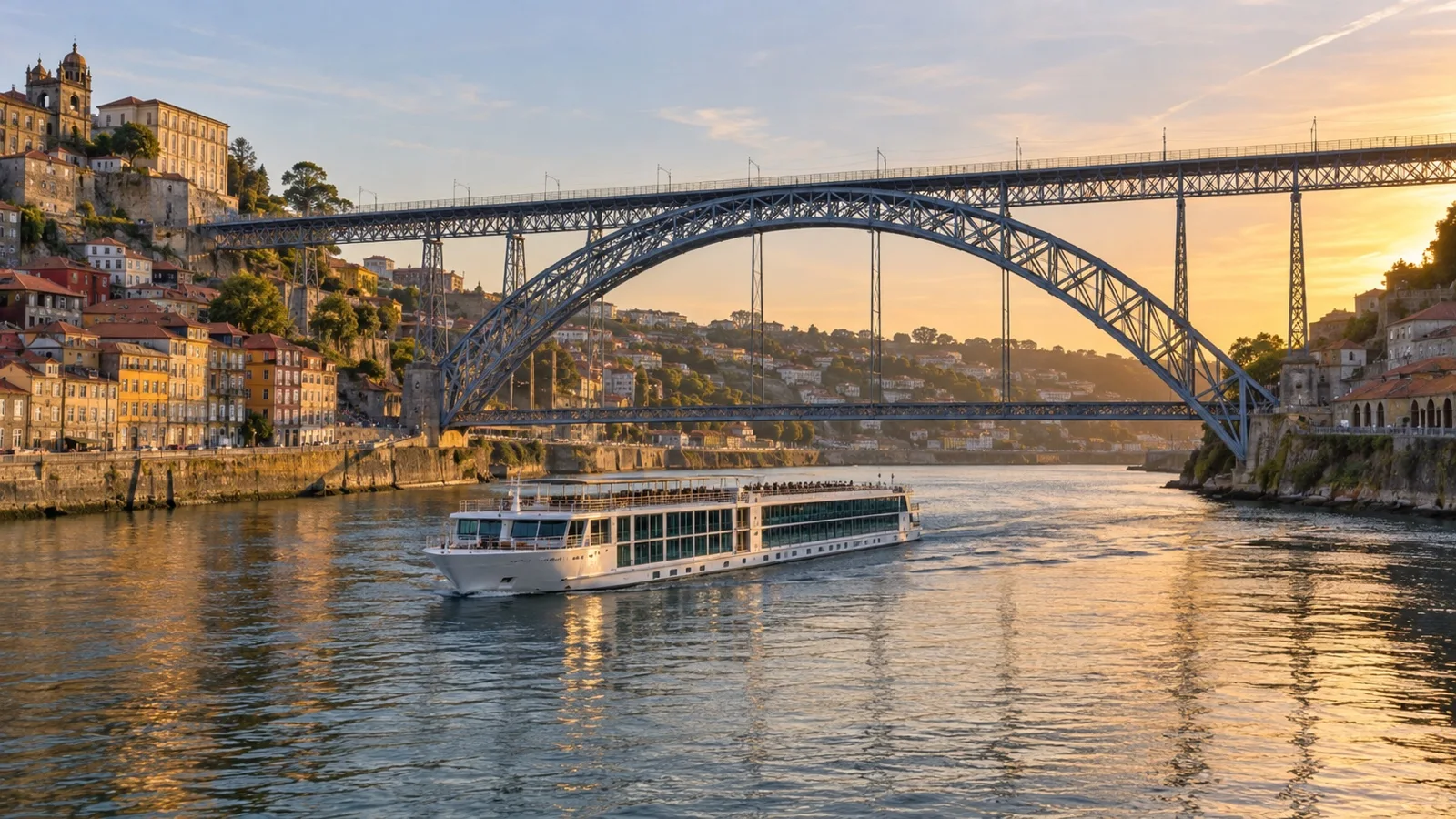
Porto rises on the north bank while Vila Nova de Gaia faces it from the south. The Dom Luís I Bridge links the two levels of the city with a lower crossing near the water and an upper deck shared by Metro Line D and pedestrians.
The upper crossing provides the broadest view but is high and exposed to wind. The lower route keeps pedestrians nearer the Ribeira and port lodges, though construction or temporary traffic controls can alter access to either deck.
UNESCO’s property includes the Historic Centre of Oporto, Luiz I Bridge, and Monastery of Serra do Pilar. The official description recognizes a 2,000-year urban landscape shaped by its position above the Douro and its maritime connections.
Using Metro do Porto
Metro Line D crosses the upper bridge and connects Gaia with central Porto. Jardim do Morro station sits near the Gaia end, while São Bento and Trindade provide useful access on the Porto side.
Metro do Porto lists a 2026 Z2 single journey at €1.40 and a 24 hour Z2 ticket at €5.35, with a reusable occasional card costing €0.60. The appropriate zone depends on the complete trip, so check the station information or official journey planner before loading a ticket.
Validate the card before boarding and again as required for each journey. The river berth itself may not be close to a station, which means a cruise transfer or taxi can still be necessary before the metro becomes useful.
São Bento station
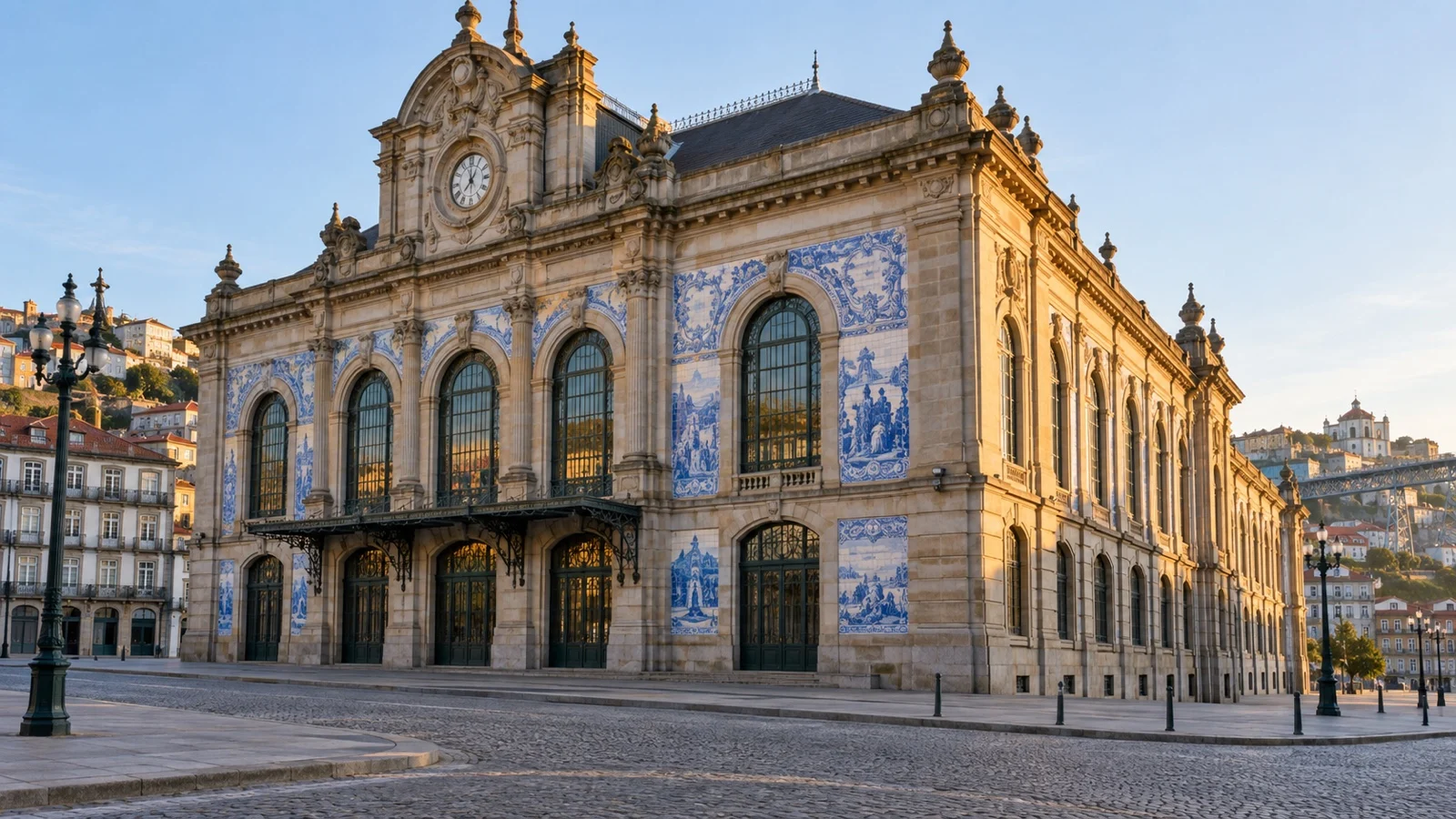
São Bento is a working railway station as well as one of Porto’s most admired interiors. Blue and white azulejo panels cover the entrance hall with scenes from Portuguese history and daily life.
A short visit fits easily between the cathedral, upper bridge, and central streets. Stay clear of passenger flows and platforms, and remember that transport operations take priority over sightseeing.
Ribeira and the historic center
The Ribeira provides Porto’s famous riverfront scene with narrow facades, arcades, restaurants, excursion boats, and bridge views. It is atmospheric and busy, particularly when day tours arrive.
The streets behind it climb sharply toward the cathedral, São Bento, and the upper city. Plan the route by elevation as well as distance, and use a funicular, metro, taxi, or elevator where available if repeated climbs would drain the day.
Port lodges in Gaia
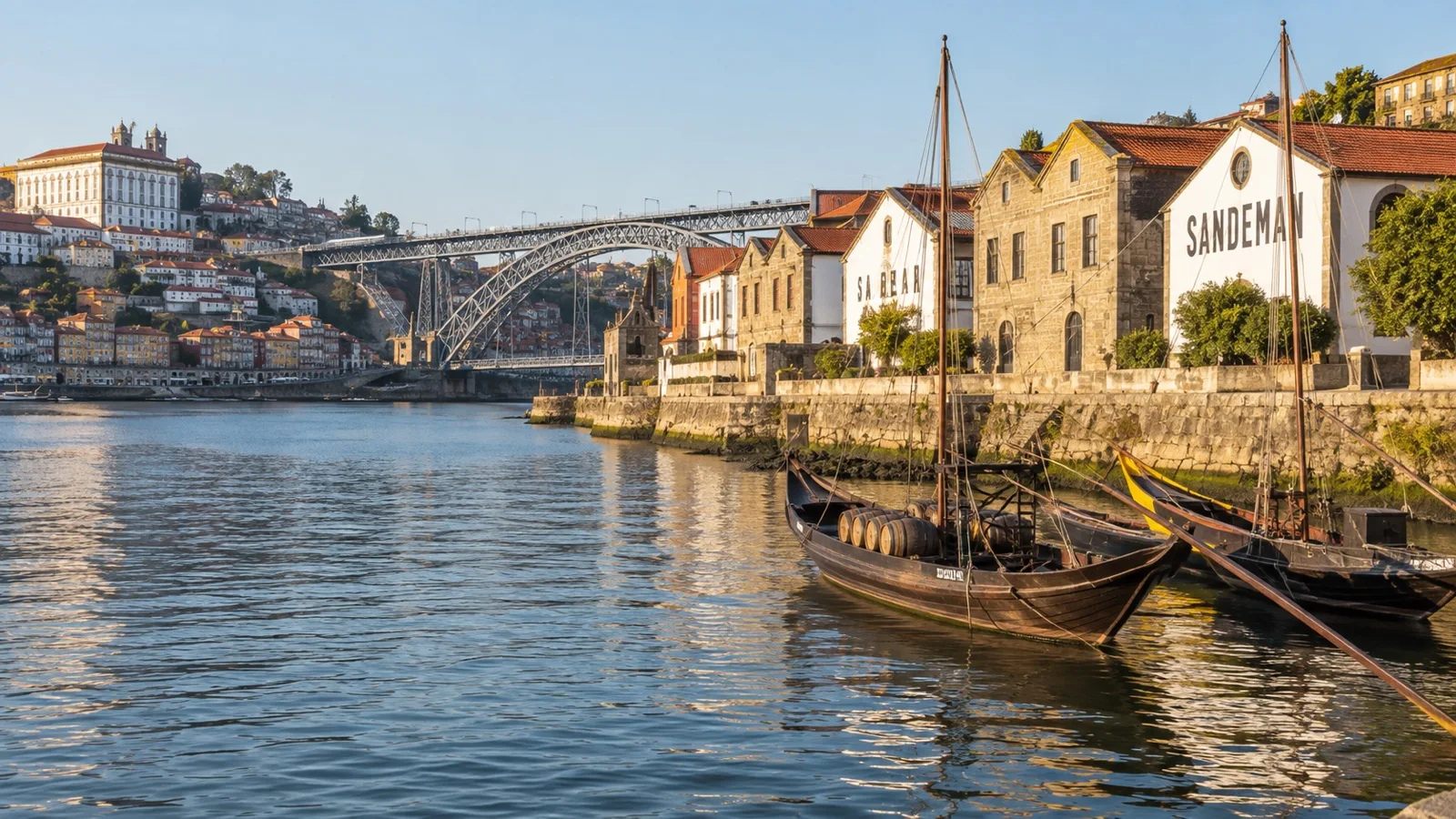
Port wine lodges cluster on the Gaia side of the river. Tours commonly explain aging styles, blending, the Douro growing region, and storage in Gaia before ending with a tasting.
Book one lodge that suits your interests rather than stacking several similar tours. Exact duration, stairs, temperature, tasting inclusions, age restrictions, and accessibility vary widely, so review the producer’s own visitor information.
The Douro wine region was formally demarcated in the eighteenth century and is regulated today by the Instituto dos Vinhos do Douro e do Porto. The wine story along the cruise route therefore connects the vineyards upriver with the aging and trading traditions of Gaia.
Livraria Lello, Clérigos, and Bolhão
Livraria Lello is a small ticketed bookshop known for its ornate interior and curved staircase. Timed entry can sell out, so reserve through the official site if the visit is important and check how the ticket value applies to a purchase.
Nearby Clérigos Tower offers another high viewpoint but requires a substantial stair climb. Travelers who have already crossed the upper bridge may prefer to use that time elsewhere rather than collect two similar panoramas.
Mercado do Bolhão is a restored traditional market in the city center. It works well for produce, prepared foods, and small purchases, while opening hours and stall activity vary by day.
Food in Porto
Porto’s food ranges from seafood and petiscos to the famously heavy francesinha sandwich. A sit-down lunch can become one of the day’s best experiences, but choose a location that does not force an extra uphill detour before the return transfer.
Popular restaurants may require reservations, especially on weekends. A bakery, market counter, or simple cafe offers more flexibility when embarkation formalities or ship timing shorten the day.
Accessibility
Porto and Gaia are challenging for travelers with limited mobility because of steep gradients, polished cobbles, narrow sidewalks, and historic thresholds. Rain can make the stone especially slippery.
Metro stations provide elevators and step-free features, but outages or street approaches can still disrupt a planned route. Check the current accessible path and use a vehicle between elevations when necessary.
The ship creates another variable through gangway slope and rafting. Confirm whether the line accepts the mobility device, how assistance works when crossing another vessel, and whether a suitable transfer vehicle must be reserved in advance.
River conditions and itinerary changes
The Douro can be affected by high water, strong flow, fog, wind, lock restrictions, or other navigation limits. A sunny day in Porto does not guarantee that every section upriver is open to the scheduled vessel.
Cruise lines may change berths, adjust sailing times, transfer guests by road, or alter the sequence of visits. Keep the operator’s contact information available and avoid locking independent arrangements to a quay that has not been reconfirmed.
Three realistic ways to use the day
Porto essentials
Start at São Bento, walk toward the cathedral, cross the upper bridge, and descend in Gaia for one port lodge. This gives a strong mix of tiles, city views, architecture, and wine without crossing the city repeatedly.
A slower Gaia day
Use a transfer toward the lodges, tour one cellar, walk the Gaia waterfront, and take in the view from Jardim do Morro or Serra do Pilar. It reduces transit complexity and works well when embarkation time limits the usable hours.
Historic center focus
Concentrate on Ribeira, São Bento, Clérigos, and one timed attraction such as Livraria Lello. Plan the walking direction around the hills and leave enough time for a taxi or shuttle back to the correct quay.
Common questions
Do river ships dock at the Ribeira?
Most use working berths elsewhere on the Douro, commonly on the Gaia bank. Confirm the exact quay in the operator’s final documents because assignments can change.
Is Leixões the same cruise port?
No, Leixões is the ocean cruise port in Matosinhos. Douro river vessels use river quays closer to Porto and Gaia.
Can I walk from the river ship into town?
It depends on the assigned berth, luggage, weather, and mobility. Even where the distance is manageable, hills and cobbles can make a transfer or taxi the better choice.
Is the metro useful?
Yes, especially Line D across the upper bridge between Gaia and central Porto. The berth may still require a separate transfer before reaching the nearest station.
Final thoughts
Porto is a superb beginning or end to a Douro cruise once the berth is understood. Confirm the exact Gaia quay, plan around elevation, and choose a few experiences that connect the river, historic city, bridge, and port wine story.
Berth assignments, transfers, metro fares, attraction hours, and river conditions can change, so verify essential details with the cruise line and official local sources before traveling. This guide is for independent planning and is not affiliated with the port, transit agencies, attractions, or cruise operators.
How this guide was researched: This guide was checked on September 12, 2026 against current APDL, Metro do Porto, Andante, UNESCO World Heritage Centre, and Portuguese government information. Berths, transfers, fares, attraction hours, and river conditions can change, so verify live details with your cruise line and official local sources.