Spitz an der Donau River Port: Vineyards, Hinterhaus and Ferry
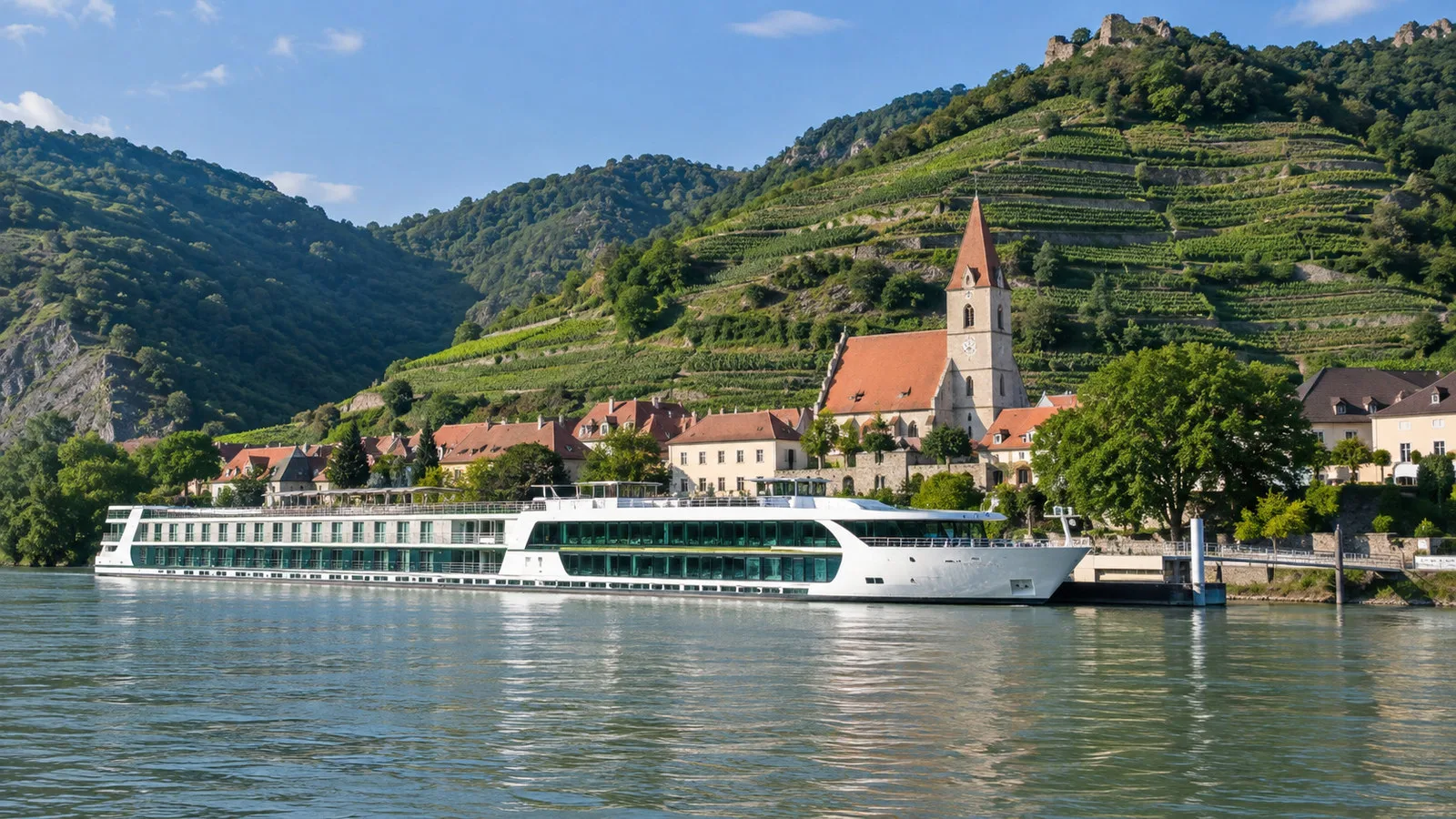
Spitz an der Donau is a compact wine village in Austria’s Wachau, where vineyard terraces rise behind the rooftops and the Danube remains close to the historic center. A river call here is easy to enjoy independently if you choose a walk that matches your mobility and time.
The village, Hinterhaus ruin, Tausendeimerberg vineyards, seasonal Wachaubahn, and rope ferry create more options than the small scale suggests. Check current operations before committing because river level and seasonal timetables matter.
My quick take
Walk the village and lower vineyard lanes independently, then choose either Hinterhaus or a wine stop as the day’s larger activity. Trying to combine the ruin, ferry, train, tasting, and a distant excursion creates unnecessary timing risk.
Spitz is not a lesser version of Melk or Dürnstein. It is a wine-growing community within the Wachau cultural landscape, and its slower pace is the main reason to stop.
Spitz an der Donau quick facts
- Country: Austria
- State: Lower Austria
- River: Danube
- Region: Wachau
- Typical cruise access: Direct river mooring, sometimes with vessels rafted together
- Main walk: Village center and lower vineyard lanes
- Uphill option: Hinterhaus castle ruin
- Currency: Euro
- Seasonal transport: Wachaubahn and the Spitz to Arnsdorf rope ferry
- Best first check: Mooring position, river conditions, ferry or train status, and all-aboard time
Mooring beside Spitz
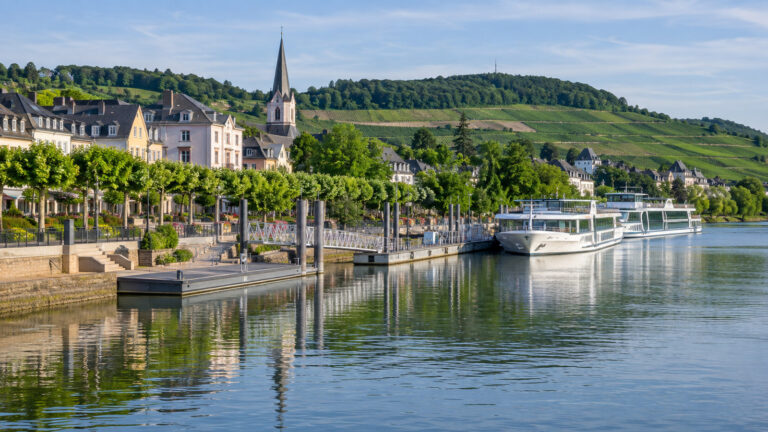
River ships that call at Spitz normally use direct moorings along the Danube rather than tenders. The exact landing point and walking distance depend on berth assignment and river traffic.
Ships may raft side by side, requiring passengers to cross another vessel. This can add narrow transitions, steps, and a second gangway.
River level changes the gangway angle and may affect both the call and the broader itinerary. Ask the crew about the actual landing arrangement, especially if anyone uses a wheelchair or walker.
Photograph the vessel and surrounding landmarks before leaving. Similar ships can be moored close together, and a vessel may reposition during the visit.
Stay out of working areas around ropes, bollards, and vehicle access. The Danube promenade is scenic, but the mooring remains an operational space.
Walking into the village
Spitz is compact, and most passengers can reach the central streets without a shuttle. Expect a mix of smooth pavement, old surfaces, curb changes, and gentle slopes.
Hauptstraße and the church area provide useful orientation. The municipal Spitz website publishes local notices, events, ferry updates, and links to businesses that are open.
A relaxed loop can include the parish church exterior, winegrowers’ courtyards, small shops, and views toward Tausendeimerberg. Keep private entrances and working farm areas clear.
Opening hours are seasonal and individual wine taverns rotate their service. Check the current Heurigen listings instead of assuming every tasting room opens daily.
Tausendeimerberg
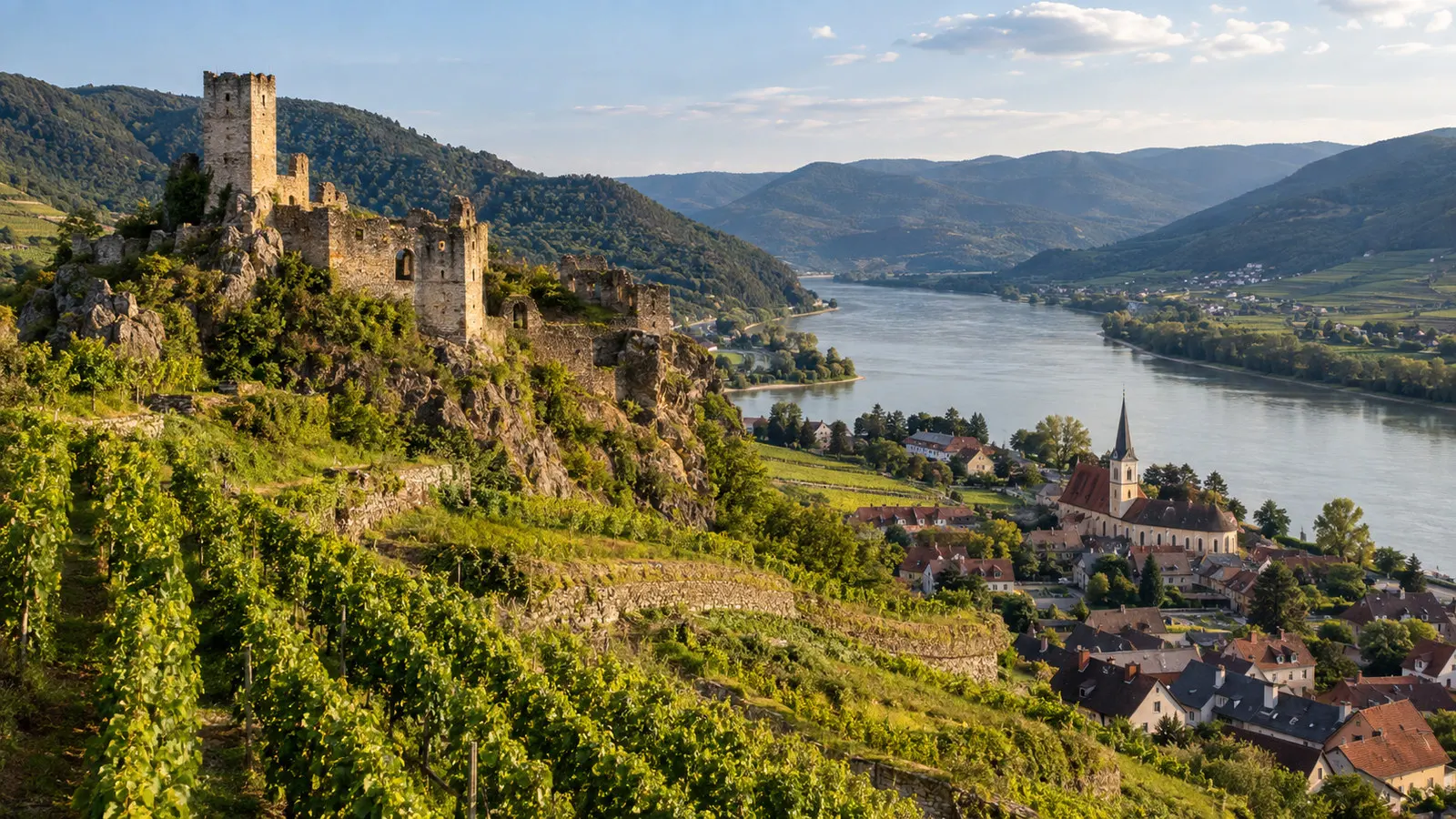
Tausendeimerberg, often translated as Thousand-Bucket Hill, rises immediately behind the village. Its terraced vines are central to the visual identity of Spitz.
You do not need to climb high to appreciate the vineyard pattern and Danube views. Lower lanes offer a useful compromise for passengers with limited time.
The paths become steeper, narrower, and more exposed as you gain height. Wear shoes with grip and turn back before fatigue makes the descent unsafe.
Vineyards are working agricultural land, not unrestricted public parks. Stay on approved routes, do not pick grapes, and give equipment and workers room.
Hinterhaus castle ruin
The ruins of Hinterhaus stand above Spitz and provide a rewarding viewpoint for fit visitors. The walk is uphill and the final surfaces can be uneven, rocky, or slippery.
Allow more time for the descent than an optimistic map estimate suggests. Heat, rain, loose footing, and photo stops can all slow the return.
There are no elevators or smooth step-free routes through a medieval ruin. Travelers with mobility limitations can enjoy exterior views from lower in the village.
Do not climb walls or enter closed sections for a photograph. Historic masonry and steep edges require ordinary caution.
Parish church and historic lanes
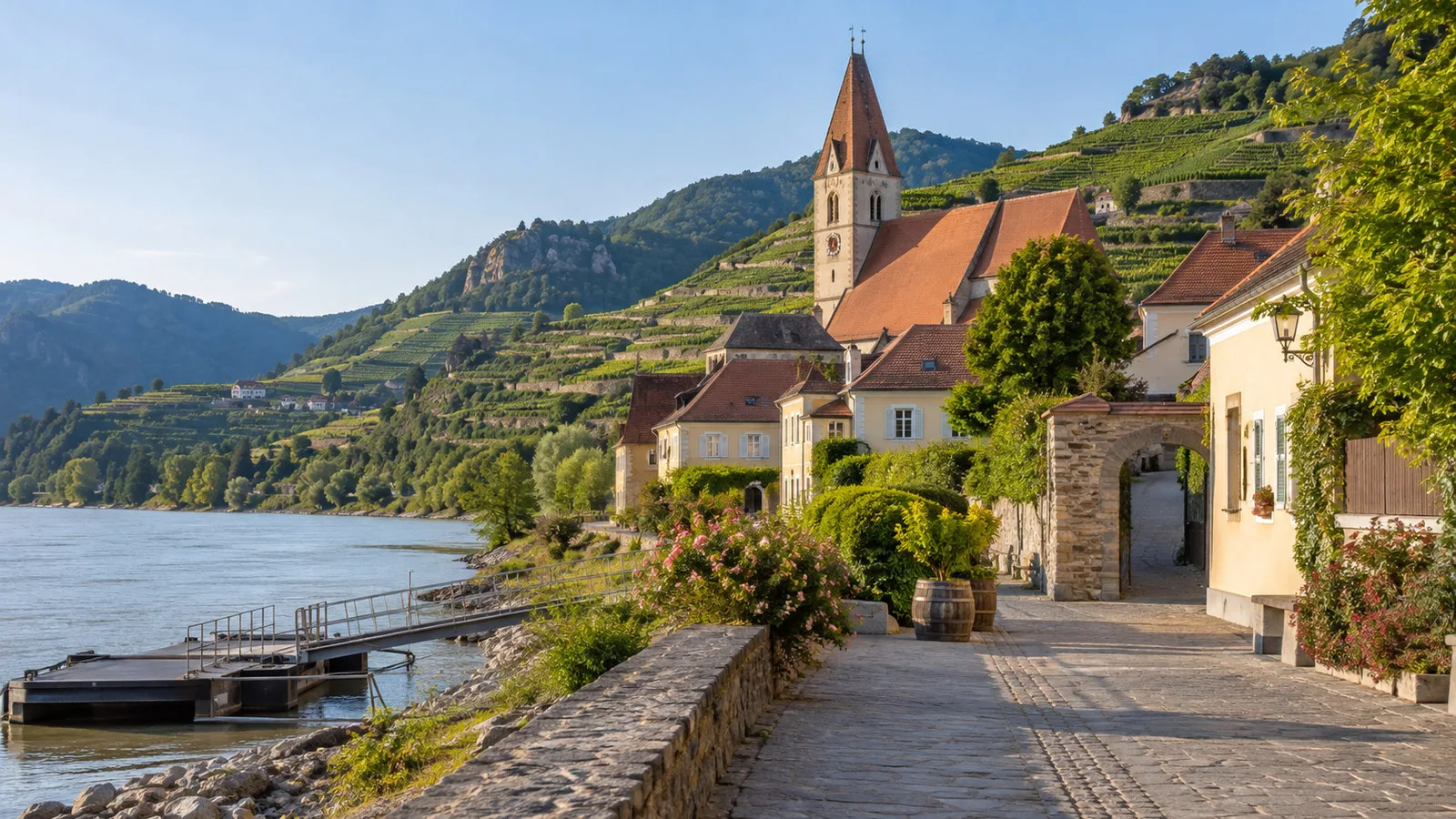
The parish church of Saint Mauritius is an important landmark in the village center. Access depends on services, events, and current opening arrangements.
If the church is open, visit quietly and avoid disrupting worship. Photography rules and access to particular areas may vary.
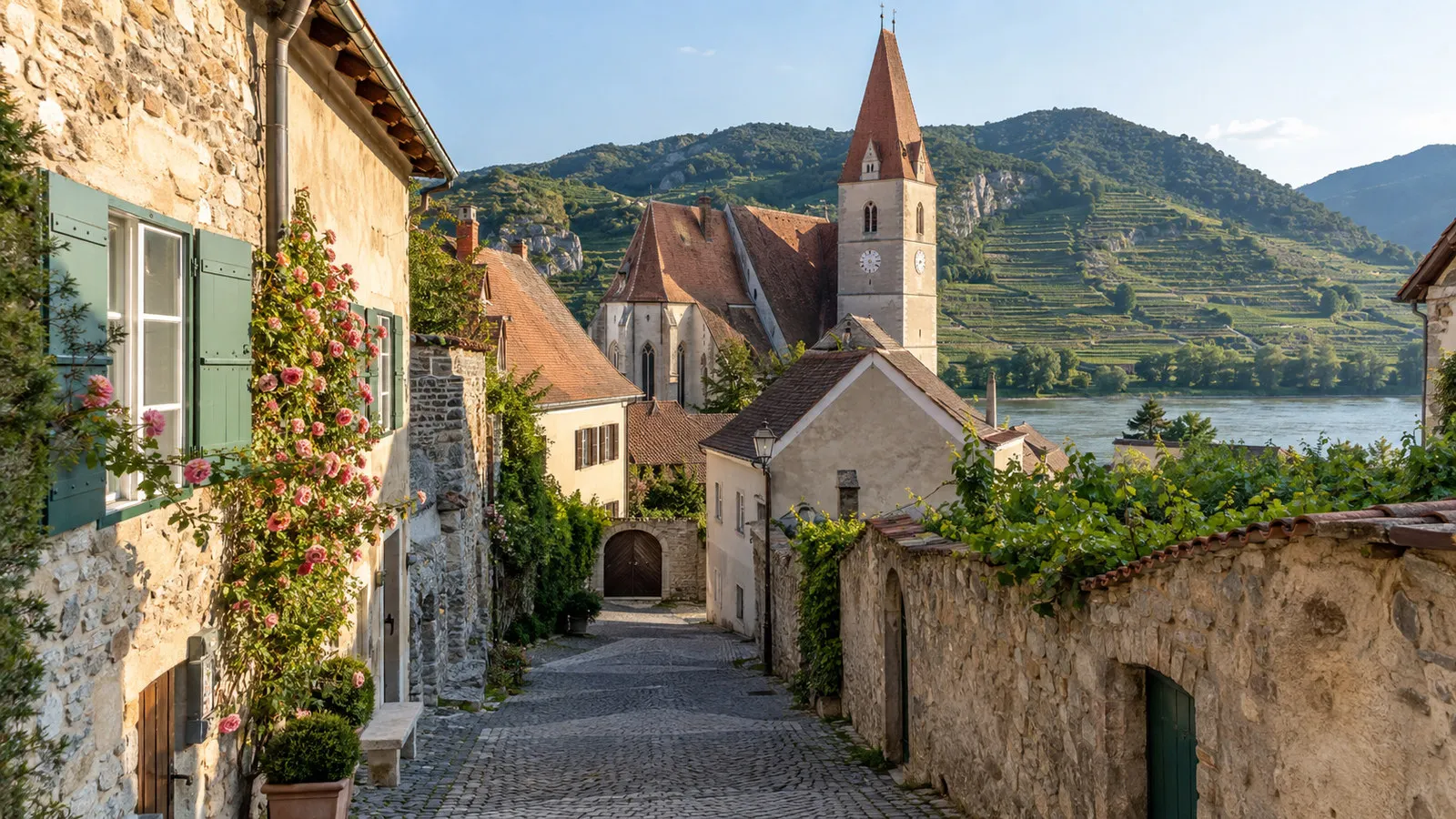
The surrounding lanes show the relationship between village houses, wine courtyards, and the steep cultivated slopes. Look for details without blocking residents or entering private property.
Spitz works best as a living landscape rather than a checklist of monuments. The connection among river, settlement, and vineyards is the real sight.
Wine tasting in Spitz
The Wachau is known for dry white wines, especially Grüner Veltliner and Riesling. Producers and taverns in Spitz range from casual seasonal service to structured appointments.
Vinea Wachau represents many regional growers and explains the Wachau wine categories. Use current producer information rather than treating an old recommendation as a guaranteed opening.
Steinfeder, Federspiel, and Smaragd are traditional Wachau style categories connected with ripeness and alcohol levels. A host can explain what those terms mean for the specific wines being poured.
Taste moderately because the ship may have a narrow gangway or rafted crossing. Eat something, drink water, and do not turn a short tasting into a missed departure.
Small taverns may prefer cash or have limited card connectivity. Carry euros as a backup and ask the price before ordering a full flight.
The rope ferry to Arnsdorf
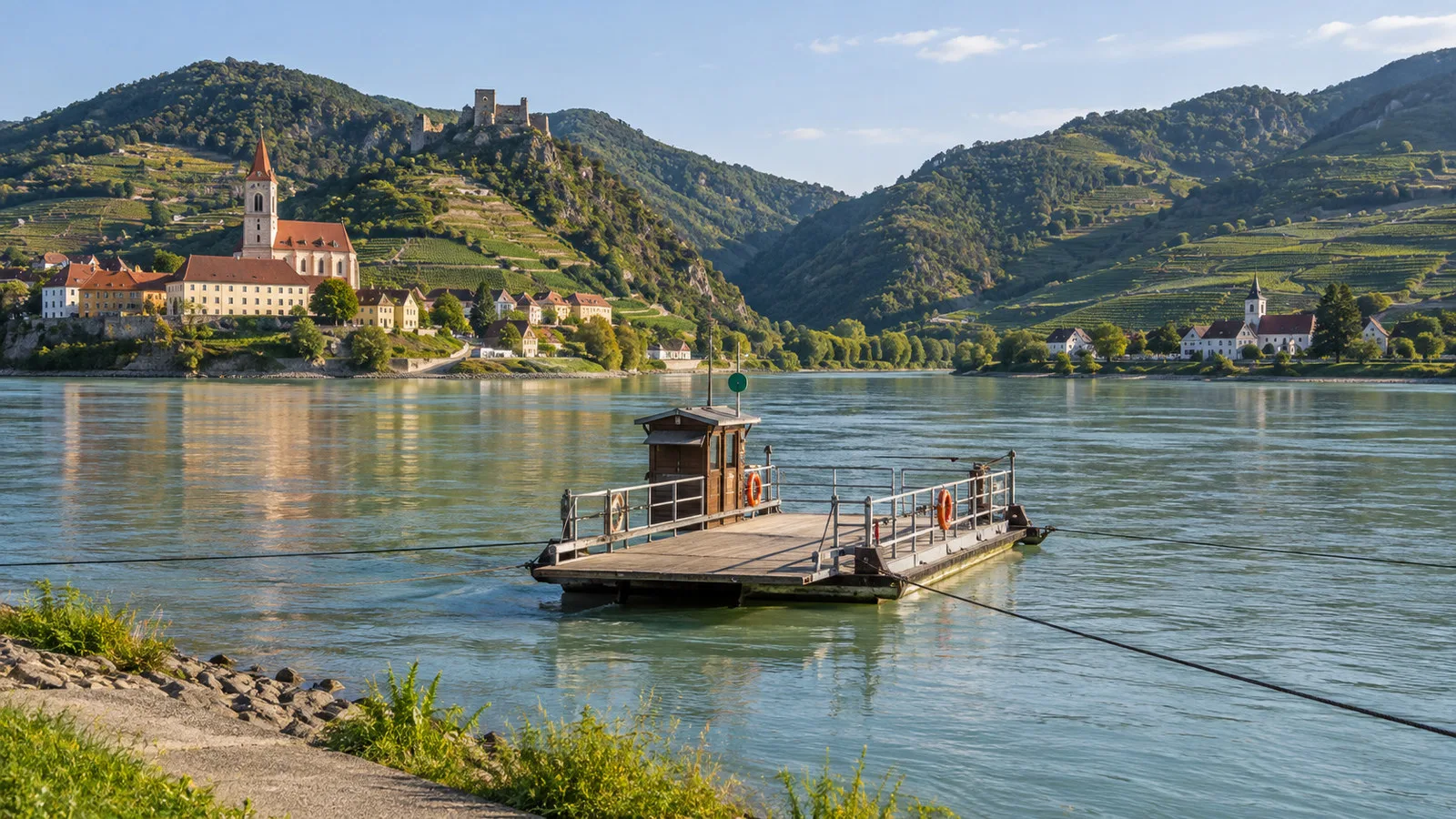
The roll ferry between Spitz and Arnsdorf uses the river’s current and an overhead cable system. It is both local transport and an interesting part of Danube life.
Operation depends on water level, weather, maintenance, and seasonal hours. The municipal site currently shows how low water can restrict vehicles or stop service entirely, which is exactly why cruise passengers must check the day of travel.
Do not cross merely to say you did it unless a confirmed return leaves a wide margin. A paused ferry can strand you on the opposite bank from the ship.
Boarding surfaces and slopes may vary with river level. Contact the operator or ask locally if accessibility is important.
Wachaubahn
The Wachaubahn links Krems with Emmersdorf along the north side of the Wachau and includes a station serving Spitz. It runs a seasonal schedule rather than an all-day urban frequency.
The official Wachaubahn site publishes current operating dates, times, tickets, station information, and accessibility guidance. Check the specific day because service patterns change through the season.
A train ride can work as part of an excursion only when the cruise schedule and return plan align. Do not treat the next train as a guaranteed fallback.
The elevated route offers landscape views, but a cruise passenger already sees much of the valley from the river. Choose it for the transport experience rather than from fear of missing the Wachau.
UNESCO Wachau cultural landscape
UNESCO describes the Wachau as the Danube valley between Melk and Krems, shaped by settlement, architecture, vineyards, orchards, monasteries, castles, and ruins. Spitz is a clear example of that continuing cultural landscape.
The designation does not turn every vineyard into public access. Respect signs, agricultural work, protected structures, and local rules.
Apricot orchards are also part of the regional landscape and economy. Blossom and harvest timing vary with weather, so do not promise a seasonal scene months in advance.
The strongest way to understand the listing is to notice how the town sits between the river and terraces. A high-speed checklist misses that relationship.
Ship excursion or explore independently?
Explore independently for the village center, church area, lower vineyard paths, and a nearby wine stop. Distances are short and orientation is straightforward.
Choose a guided option for a structured wine program, cycling route, or transport to another Wachau town. The ship excursion provides return protection when road or rail travel is involved.
Hinterhaus is possible independently for fit walkers with adequate time. Skip it in rain, heat, or when the call is brief.
The ferry and train require current timetable checks and a large buffer. Neither should be used as a casual last-minute detour.
Cycling in the Wachau
The Danube cycle routes make the region attractive for bike excursions. A guided ship tour can simplify equipment, route choice, and rendezvous.
River paths still include other cyclists, pedestrians, road crossings, and occasional narrow sections. Wear the helmet provided and do not ride after a substantial tasting.
An e-bike reduces effort but does not remove handling risk. Ask for a proper fit and a quick control briefing before joining the route.
If weather or crowding makes cycling uncomfortable, the village walk provides a full alternative. There is no need to force the activity.
Accessibility and mobility
The riverside and central village offer the gentlest surfaces, but cobbles, slopes, and curb changes remain. A short route near the church and promenade can minimize barriers.
Gangway conditions depend on river level and rafting. Ask the ship about steps, assistance, and whether mobility devices can cross another vessel.
Hinterhaus and the upper vineyard paths are not suitable for step-free access. Lower viewpoints provide a better option.
Train and ferry accessibility should be checked with the current operator, not inferred from a general destination page. Historic stations and changing ramps can create specific barriers.
Public restrooms may have limited hours. Use the ship before a longer outing and ask locally for the closest accessible facility.
Weather, water levels, and safety
Summer can be hot on exposed vineyard paths, while spring and fall may bring cool rain and slick stone. Carry water, sun protection, and a light waterproof layer.
Low water can affect navigation and the rope ferry, while high water can alter moorings or cancel a call. The cruise line and local operators make the relevant operational decisions.
The municipal site publishes local alerts such as ferry restrictions and wildfire risk. Follow current notices and do not use open flame in dry vineyard or forest areas.
For emergencies in Austria, 112 is the general European emergency number. Carry the ship’s contact details and exact mooring location.
Return timing
A village walk allows a comfortable return, but Danube ships depart on tight navigation schedules. Aim to be aboard at least 30 minutes before cutoff unless the cruise line requires more.
Allow extra time after Hinterhaus because downhill travel can be slow. Wet stone and fatigue make rushing especially risky.
Cross the river or board a train only with a confirmed return and substantial margin. A service interruption can leave you far from the vessel despite the short map distance.
Listen for announcements about a changed mooring. The ship may move along the waterfront while passengers are ashore.
How Spitz fits a Wachau cruise
Spitz may appear alongside Melk, Dürnstein, Weißenkirchen, and Krems on a Wachau itinerary. Cruise lines choose different combinations based on timing and mooring availability.
Compared with Melk, Spitz is less monument-focused and more directly tied to wine terraces. Compared with Dürnstein, it often feels quieter and less concentrated around visitor shopping.
A short call still works because the landscape begins almost at the gangway. Prioritize one uphill or wine activity and leave time for the village itself.
Quick answers
Do river ships dock in Spitz?
Ships that call normally use direct Danube moorings. The exact position, rafting, and gangway arrangement vary.
Can I walk to Hinterhaus?
Yes, fit visitors can reach the ruin independently, but the route is uphill and uneven. Allow a generous descent buffer.
Can I use the rope ferry during a cruise call?
Possibly, when it is operating and the return fits comfortably. River level can restrict or stop service with little value in arguing against the decision.
Does the Wachaubahn run every day?
Not throughout the entire year. Check the official seasonal timetable for your exact date and direction.
Do I need cash?
Cards are common, but euros are useful at small wine taverns and when connectivity is unreliable. Carry a modest backup amount.
What is the best short plan?
Walk the central village, enjoy the lower vineyard views, and choose either a brief tasting or a modest uphill route. Return without relying on a transport connection.
The last word
Spitz rewards a simple plan built around the village and its terraces. It does not need to compete with the Wachau’s larger names.
Follow current directions from the ship, municipality, ferry, railway, and local businesses. If access changes after your call, our editorial policy explains how to send a correction.