Washington, DC River Cruise Port: The Wharf, National Mall, and Potomac Logistics
Washington rewards a focused port-day plan. The monuments look close together on a map, but the National Mall is enormous, museum security takes time, and traffic can turn a short transfer into a slow crawl.
Start with the berth and all-aboard time printed in your cruise documents. Small-ship itineraries may use Washington, Alexandria, or another Potomac landing, and those locations are not interchangeable.
Washington, DC cruise port quick facts
- Likely arrival area: A Potomac-area landing identified in your cruise documents; do not assume The Wharf until your cruise line confirms it.
- Best first-time plan: Choose one monument cluster and one museum or neighborhood.
- Good independent base: The Wharf and Southwest Waterfront when your ship or transfer uses that area.
- Transit: Metrorail, Metrobus, taxis, rideshare, walking, and seasonal or route-specific water transportation.
- Biggest time trap: Combining too many Mall sights with a timed museum or Mount Vernon visit.
- Return rule: Use the ship’s stated all-aboard time and build in extra margin for traffic, events, security closures, and transit disruptions.
First, confirm where your ship actually stops
Washington does not have one universal river-cruise berth. Your itinerary may label the call Washington while using a landing elsewhere in the metropolitan area, so check the terminal name, street address, shuttle instructions, and emergency contact in the cruise line app or daily program.
If your documents name The Wharf, use the official Wharf website for current directions and waterfront information. The Wharf is at 760 Maine Avenue SW and sits south of the National Mall, but the precise gangway or pickup point still matters.
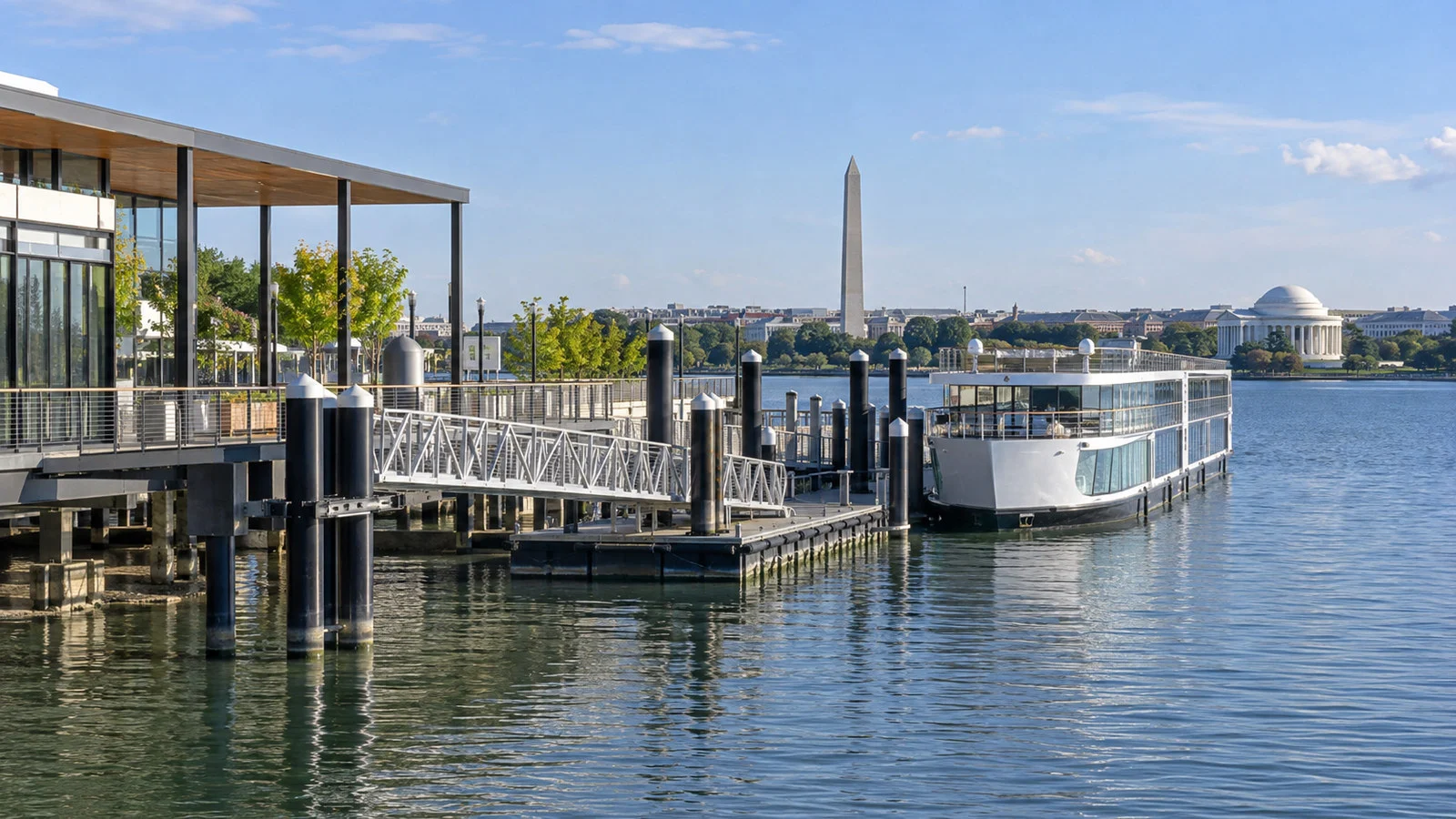
Getting around from The Wharf and Southwest Waterfront
The waterfront is pleasant for a short stroll, meal, or low-stress start. From there, the Mall is reachable by a combination of walking, taxi, rideshare, shuttle, or public transit, depending on your mobility and the day’s conditions.
L’Enfant Plaza and Waterfront are the useful Metrorail stations for much of Southwest, but neither eliminates walking. Check live routes, fares, service alerts, and elevator status with WMATA rider tools before setting off.
A taxi or rideshare can save energy, although security perimeters, demonstrations, major events, and road closures may change the best drop-off point. Ask for a specific landmark entrance rather than simply requesting “the National Mall.”
A realistic National Mall plan
The strongest short call pairs nearby sights instead of zigzagging across the city. The Capitol, Washington Monument, Lincoln Memorial, and major Smithsonian museums occupy different parts of a long park corridor.
Use the National Park Service National Mall page for current maps, conditions, accessibility information, and monument details. Decide which sight is nonnegotiable before leaving the ship.
Plan A: Lincoln Memorial and the western monuments
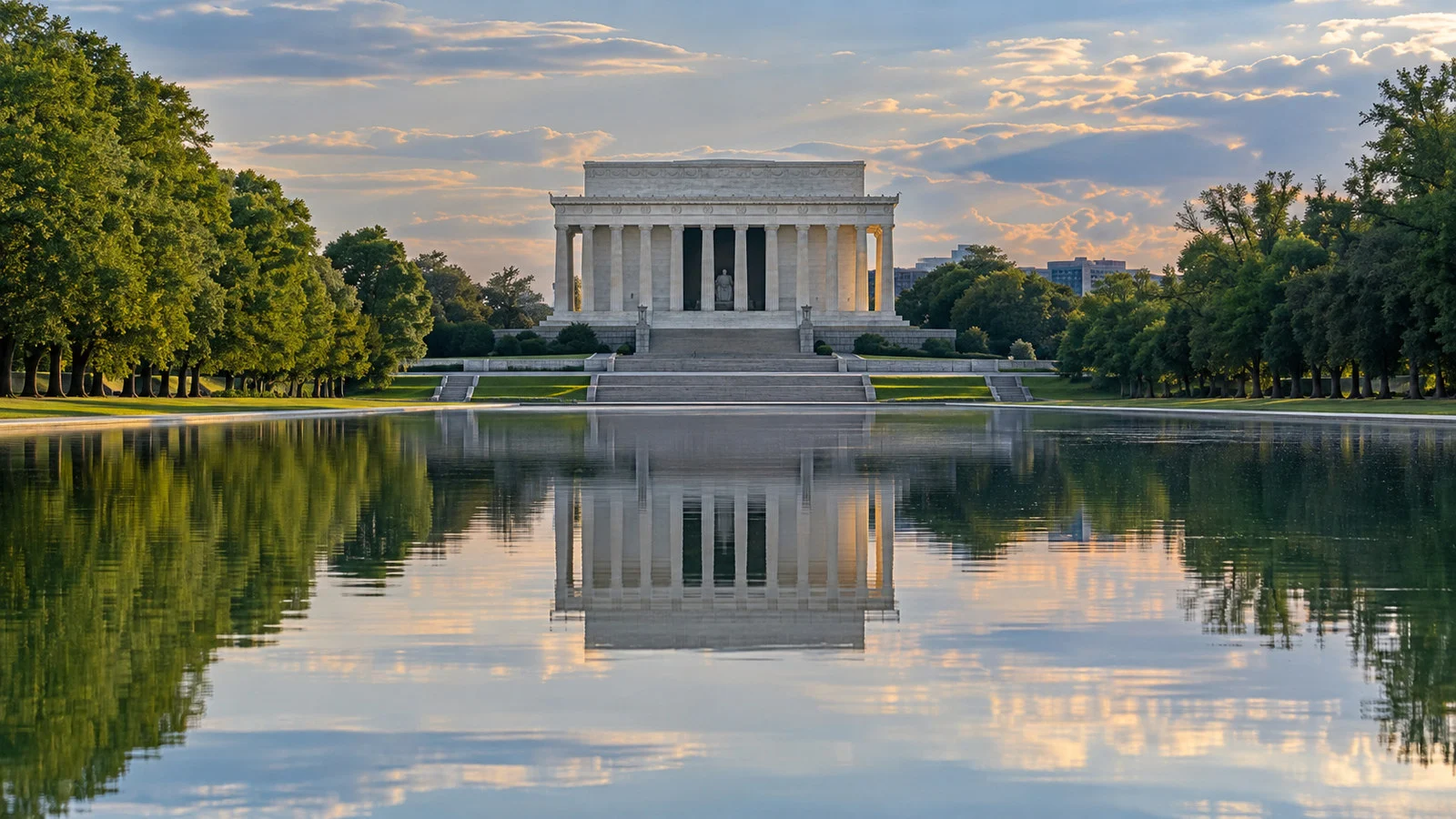
Focus on the Lincoln Memorial, Vietnam Veterans Memorial, Korean War Veterans Memorial, and Reflecting Pool area. This grouping delivers several signature sights without requiring a cross-Mall march.
Plan B: Smithsonian and the central Mall
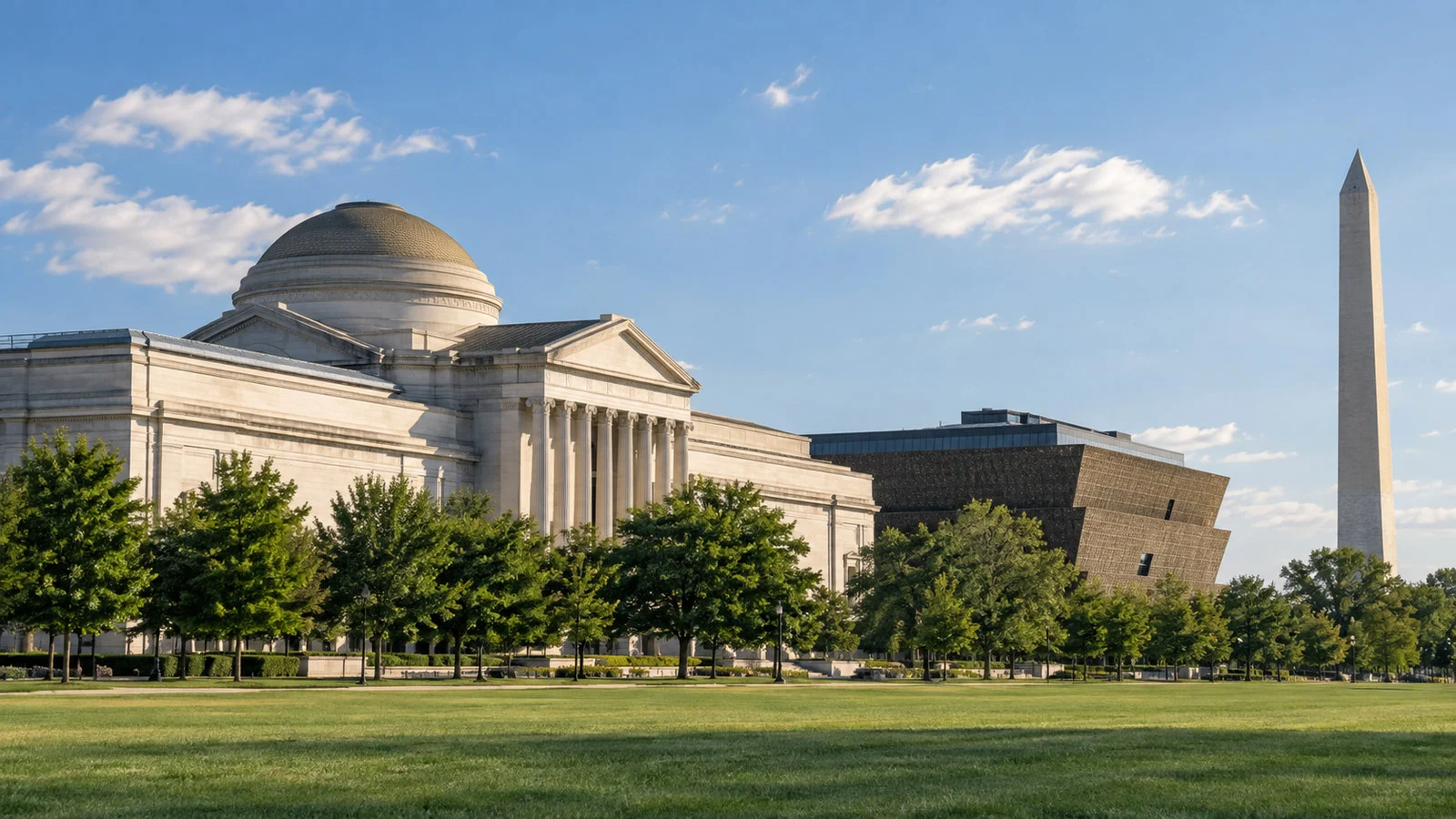
Choose one museum, then add a nearby outdoor landmark if time allows. Museum hours, entry procedures, and timed-pass policies can change, so confirm them on the museum’s official site before your call.
Plan C: Capitol-side highlights

Center the day on the U.S. Capitol grounds, Library of Congress, or another east-end attraction. Government-building tours often require advance arrangements, identification, and additional screening.
The Wharf as the main attraction
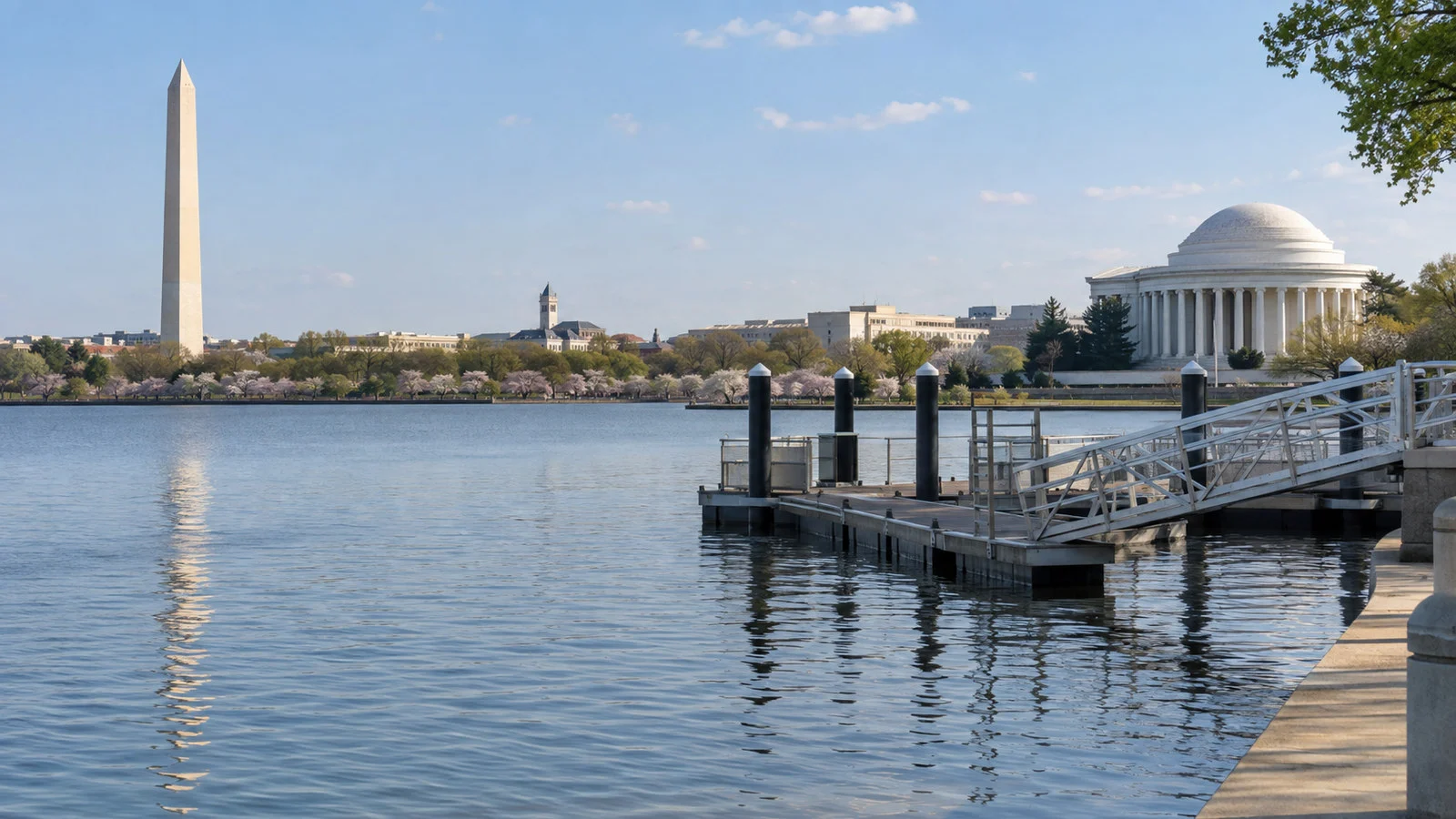
Not every call needs to become a monuments marathon. The Wharf offers waterfront promenades, restaurants, shops, public spaces, and views that make it a comfortable choice for a relaxed half day.
This is also a sensible fallback when heat, storms, crowds, or limited mobility make a long Mall route unappealing. Confirm opening hours for any specific restaurant or attraction rather than relying on the ship’s arrival time.
Can you visit Mount Vernon on a port call?
George Washington’s Mount Vernon is about 15 miles south of downtown Washington, so it is a separate excursion rather than a quick add-on. The estate recommends reserving Mansion tours, and you need time for transport, admission, security, and the grounds.
Review current hours, ticket options, accessibility details, and transport choices on the official Mount Vernon planning page. A ship excursion may be the calmer choice when the port window is tight because return logistics are coordinated.
Independent travelers should confirm the exact route in both directions and set a firm departure time. Boat service, when offered, is schedule-dependent and should never be assumed from the word “river” in the itinerary.
Ship excursion or explore independently?
A guided excursion is useful for Mount Vernon, timed government tours, or a panoramic introduction when walking endurance is limited. It also reduces the mental load of navigating a city where closures can appear with little notice.
Independent exploration works well for one museum, a compact monument cluster, or a Wharf-centered day. Keep your plan geographically tight and avoid stacking several timed reservations.
Accessibility and walking realities
Washington’s headline sights involve more distance than many visitors expect. A workable accessible plan must cover the complete chain from gangway to curb, vehicle or transit, security checkpoint, attraction entrance, restroom access, and return.
Ask the cruise line about gangway slope, steps, tendering, shuttle lift capacity, and the actual drop-off point. On Metro, check elevator status before both the outbound and return trip, because an outage can require a different station.
Mobility devices are most useful when arranged before sailing. If you use a scooter or wheelchair, confirm whether every vehicle on a booked excursion can accommodate it rather than assuming the destination’s accessibility guarantees the transfer.
Weather, crowds, and what to carry
Summer can be hot, humid, and stormy, while winter may bring cold rain or icy surfaces. Carry water, sun protection, and a light rain layer, then check an official forecast shortly before arrival.
Comfortable shoes matter even for a vehicle-heavy tour because drop-off zones may be set back from entrances. Keep photo identification and any reservation confirmations accessible, but bring only what you need to simplify screening.
Getting back to the ship
The time that matters is the all-aboard time stated by the ship, not a generic online schedule. Note the berth address and ship contact number before leaving, and save an offline map or screenshot in case mobile service is unreliable.
For the return, allow more margin than the fastest map estimate. Rush-hour traffic, presidential movements, demonstrations, sports events, road closures, and Metro service changes can all alter travel time.
If your ship provides a shuttle, confirm its final pickup location and departure. “Last shuttle” and “all aboard” may be different times.
How Washington fits a U.S. river itinerary
A Washington call often anchors a broader Potomac or Chesapeake-focused route, but ports and sequence vary by sailing. Read the itinerary line by line because a Washington-area call, Alexandria visit, and Mount Vernon excursion may appear as separate items.
Passport and identification requirements depend on the entire itinerary, your citizenship, and cruise-line policy. A domestic Washington stop by itself does not determine which documents you need.
Frequently asked questions
Do river cruise ships dock at The Wharf in Washington, DC?
Some small-ship operations use the Washington waterfront, but there is no single berth that applies to every sailing. Confirm the landing name and address in your cruise documents before making transport plans.
Can I walk from The Wharf to the National Mall?
Yes, many travelers can walk from Southwest Waterfront to portions of the Mall, but the total distance grows quickly once sightseeing begins. A short taxi, rideshare, or transit ride can preserve energy.
How many Smithsonian museums should I plan?
For a short port call, one museum is usually the smart target. Add a second only if it is nearby, entry is straightforward, and your return buffer remains generous.
Is Mount Vernon easy to do independently?
It is possible with advance planning, but it is outside downtown and requires a reliable round trip. A ship excursion can be safer for a tight schedule.
What is the best low-walking option?
Consider a panoramic ship excursion, a vehicle transfer to one compact attraction, or a relaxed Wharf day. Verify the walking required between the gangway, vehicle, and venue.
What should I do if the berth changes?
Follow the cruise line’s latest instructions and rebuild your route from the new address. Do not rely on a saved plan based on The Wharf or another earlier listing.
Port details, attraction rules, transit service, and security conditions can change. Confirm the latest information with your cruise line and the official destination sites before travel.