Giurgiu and Oltenița River Cruise Ports: Bucharest Transfer Guide
Bucharest is not on the Danube, so its river cruises need a waterside accomplice. Giurgiu and Oltenița both take that role, sometimes on the same itinerary and occasionally on the same day.
They are separate Romanian cities with separate ports, not two names for one cruise terminal. The most useful thing you can bring is the operator’s exact transfer instruction, followed closely by patience and a tagged suitcase.
Giurgiu and Oltenița River Cruise Port Quick Facts
Into Town: Giurgiu and Oltenița are separate Romanian ports, not Bucharest neighborhoods. Most passengers use cruise-arranged motorcoaches; confirm the exact meeting point and ship location.
Currency and Language: Romanian leu; Romanian is official. English is standard on international ships.
Bulgaria across the Danube uses the euro and Bulgarian.
Time Zone: Eastern European Time, UTC+2; Eastern European Summer Time, UTC+3, from the last Sunday in March through the last Sunday in October.
Call Changes: No reliable public cancellation rate is available. Lower Danube water, berth access, traffic, fog, or operating changes can shift these gateway ports.
No port or cruise line publishes a reliable combined cancellation rate for these calls. A swap between Giurgiu, Oltenița, Ruse, or a motorcoach arrangement may preserve the wider Bucharest program, but no trustworthy percentage can be assigned.
Are Giurgiu and Oltenița Active River Cruise Ports?
Yes. Current and forthcoming programs use both ports in distinctly different ways.
Riverside Luxury Cruises publishes a 2026 Bucharest-to-Belgrade itinerary that transfers guests from Bucharest to board in Giurgiu. AmaWaterways also lists Giurgiu as the disembarkation endpoint of a Budapest cruise, followed by an airport transfer.
CroisiEurope’s current lower-Danube itinerary boards in Oltenița, sails to the Danube-Black Sea Canal and Constanța, then returns through Oltenița before continuing toward Ruse and Belgrade.
AMADEUS publishes an especially useful example: its ship calls briefly at Oltenița, passengers tour Bucharest, and the vessel later appears at Giurgiu. That is why the name in the morning program may not match the gangway used after the excursion.
For the wider region, our European cruise ports guide helps connect these Romanian gateways with Ruse, Vidin, Belgrade, Budapest, and other Danube calls.
Giurgiu Port: What Is Actually Documented?
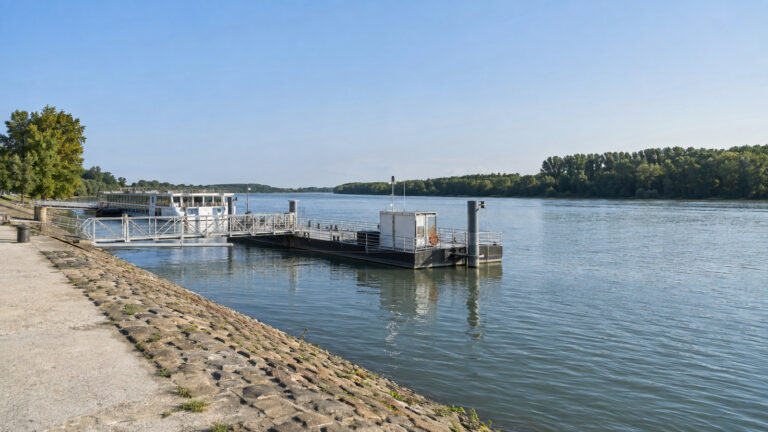
Romania’s public Danube port administrator describes the Giurgiu complex along the left bank between river kilometers 489 and 497. It includes the Ramadan riverfront sector, Bazinul Plantelor, Veriga basin, and other commercial areas.
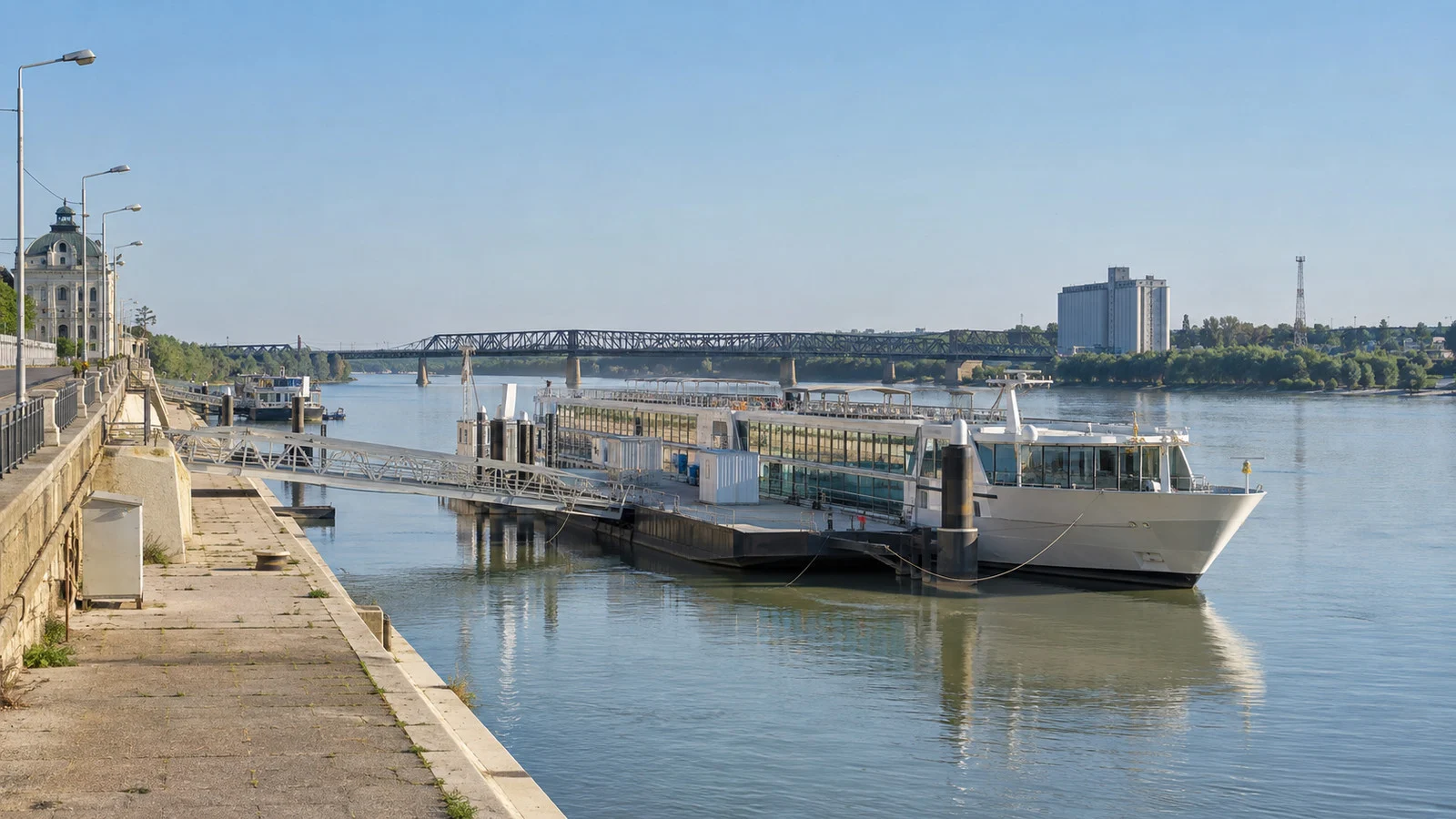
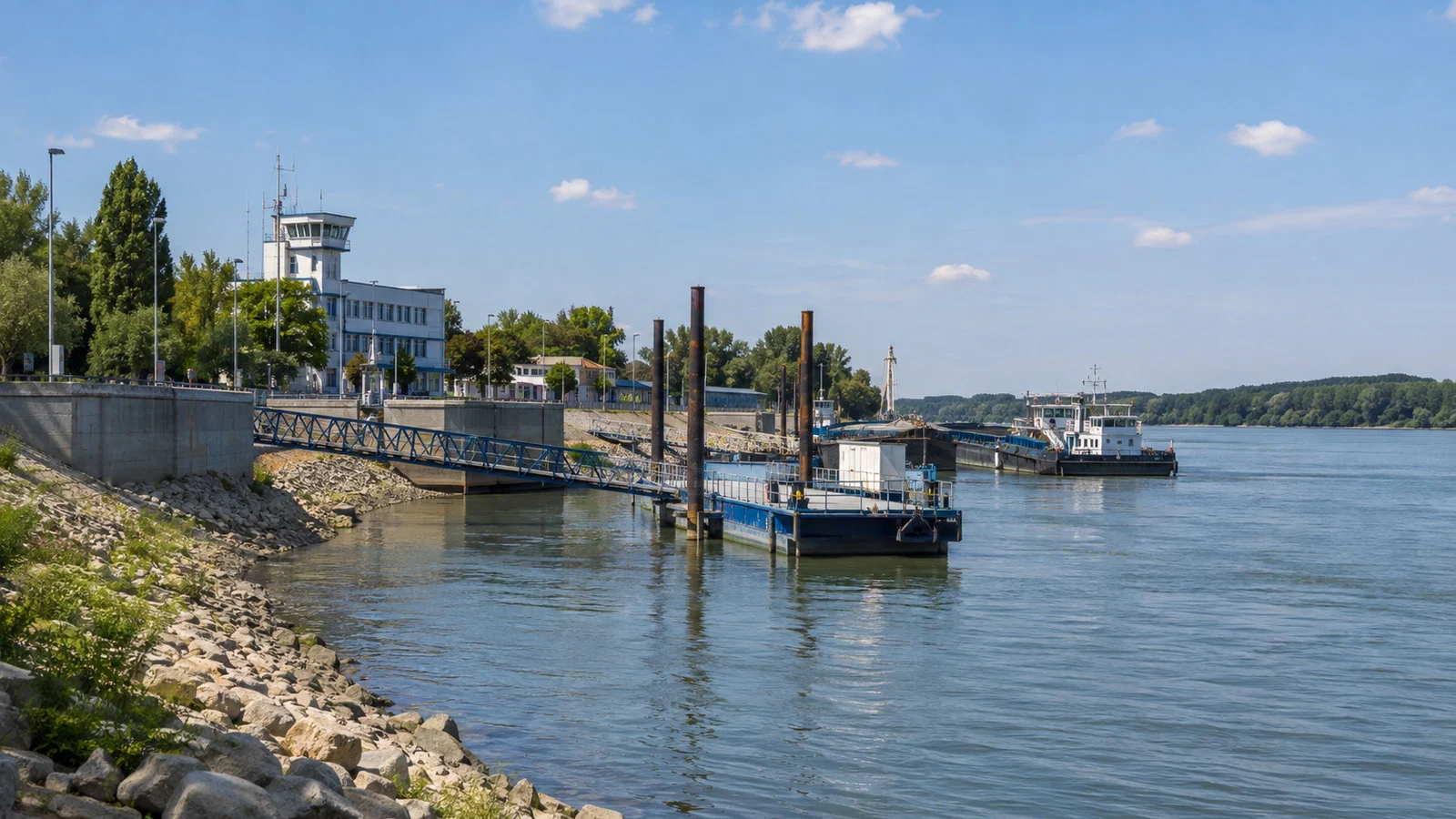
The official APDF Giurgiu page identifies a roughly 1,310-foot passenger frontage with four berths in the Ramadan sector. Direct access from the Danube channel and a published alongside depth distinguish this from the industrial basins.
That confirms real passenger infrastructure without proving the exact berth for your vessel. Four berths, other ships, water level, security, maintenance, and operational needs leave plenty of room for assignment changes.
“Port of Giurgiu” is also broader than the passenger frontage. Do not instruct a taxi merely to drive toward cranes, silos, or the free-zone entrance and then hope the captain appears.
Use the cruise line’s dock contact, motorcoach meeting point, and emergency number. If self-arranging a ride, send the driver the final pin or Romanian address provided for that sailing.
Oltenița Port: What Is Actually Documented?
Oltenița lies farther downstream on the Romanian left bank, near the mouth of the Argeș River. It is a separate port city in Călărași County and not an eastern district of Giurgiu.
APDF’s published port instructions place Oltenița’s Danube berths between river kilometers 428 and 430.8. The administrator maintains a dedicated Oltenița office and publishes port regulations, while cruise operators explicitly publish boarding and disembarkation there.
The official material describes a working port area and two vertical quays, but does not provide travelers with one universal cruise-ship street address. Your operator’s final transfer document remains the practical source for the gangway.
Oltenița can look quiet compared with major Rhine terminals. Quiet is not the same as abandoned, and a warehouse-adjacent view does not mean the motorcoach has brought you to the wrong river.
Giurgiu and Oltenița Are Not Interchangeable
The ports sit roughly 47 to 56 road miles apart depending on route, an editorial estimate. Driving between them commonly takes about 90 minutes or more, especially with local traffic, road work, and a large motorcoach.
A taxi waiting at Giurgiu cannot solve an Oltenița boarding time with a brisk turn around the corner. Verify the Romanian diacritics, city name, hotel lobby, baggage deadline, and departure date before leaving Bucharest.
Operators may deliberately use one port for an excursion departure and the other for rejoining the ship. That is an itinerary design, not a typographical error.
If the ship sails while passengers tour Bucharest, independent travelers must rejoin at the announced later port. Returning to the morning quay can produce a beautiful view of absolutely no ship.
Which Port Is Used for Bucharest Transfers?
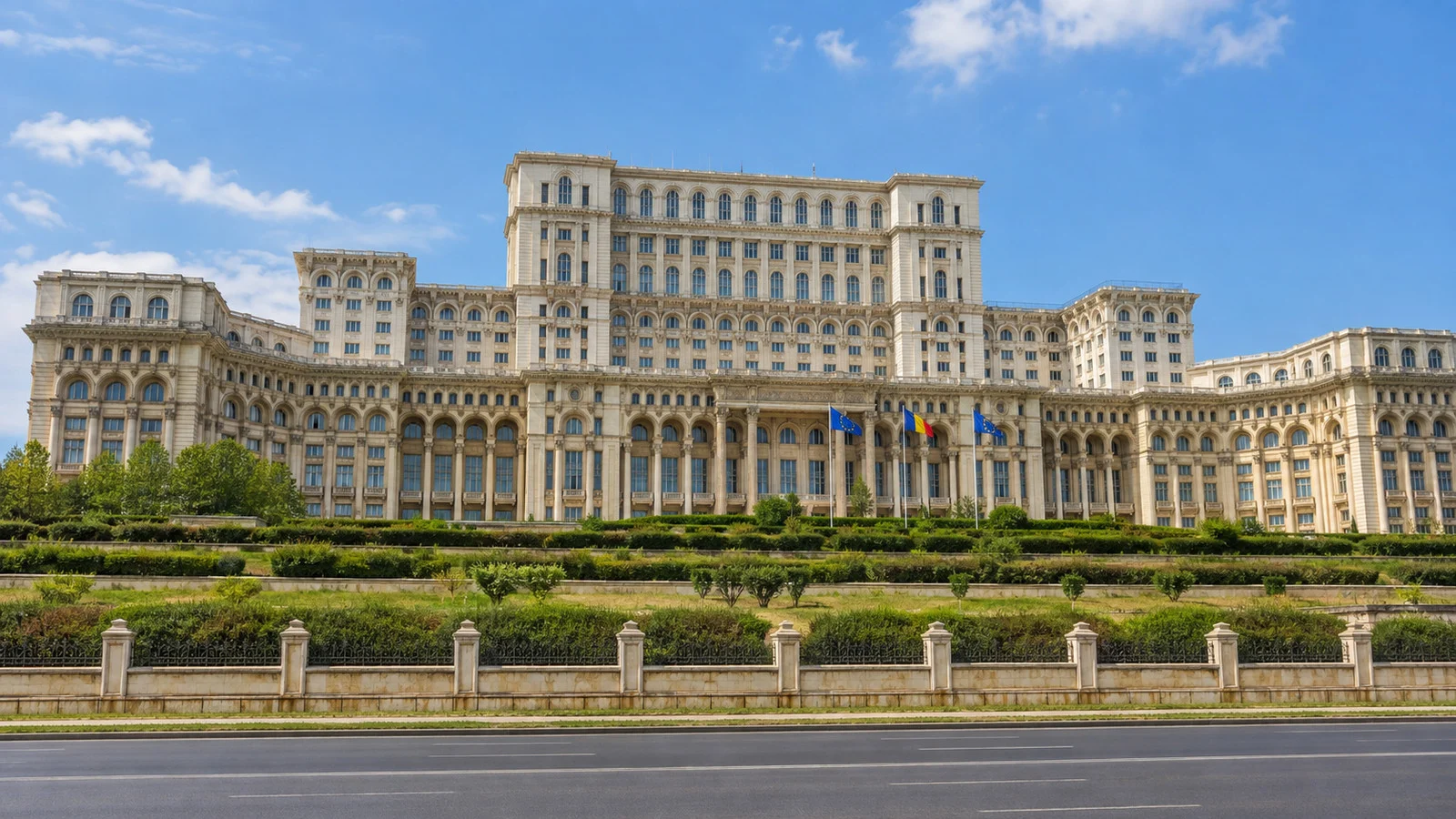
Both are used. Giurgiu is common for lower-Danube embarkation, disembarkation, and Bucharest excursions, while Oltenița serves Black Sea or Danube Delta-oriented programs and newer Bucharest cruise packages.
Published programs show both patterns. Riverside transfers guests from Bucharest to Giurgiu on its 2026 itinerary, while CroisiEurope begins some lower-Danube journeys in Oltenița.
CroisiEurope uses Oltenița for boarding on some Danube-Black Sea programs, then may use Giurgiu as the starting point for a Bucharest excursion before passengers return to the ship at Oltenița. Other directions reverse the logic.
The correct answer is therefore the port printed on your exact sailing documents. A blog guide can explain the system, but it should not overrule a same-day message from the cruise director.
How Long Is the Bucharest Transfer?
Central Bucharest is roughly 37 to 43 miles from either port, depending on the exact starting point and road route. A cruise motorcoach commonly needs about 75 minutes to two hours, an editorial estimate.
Henri Coandă International Airport sits north of central Bucharest, adding city traffic and distance. Allow roughly 90 minutes to two and a half hours between the airport and either ship, an editorial planning range rather than a schedule.
Rush hour, road work, airport lines, weather, motorcoach loading, and the chosen quay can lengthen the trip. The Giurgiu route uses the DN5 corridor, while Oltenița generally approaches from southeast of the capital.
Do not book an independent arrival that lands shortly before embarkation. Travel the day before when possible, sleep in the hotel specified by the cruise line, and use its baggage and transfer process.
Romania and Bulgaria Across the Danube
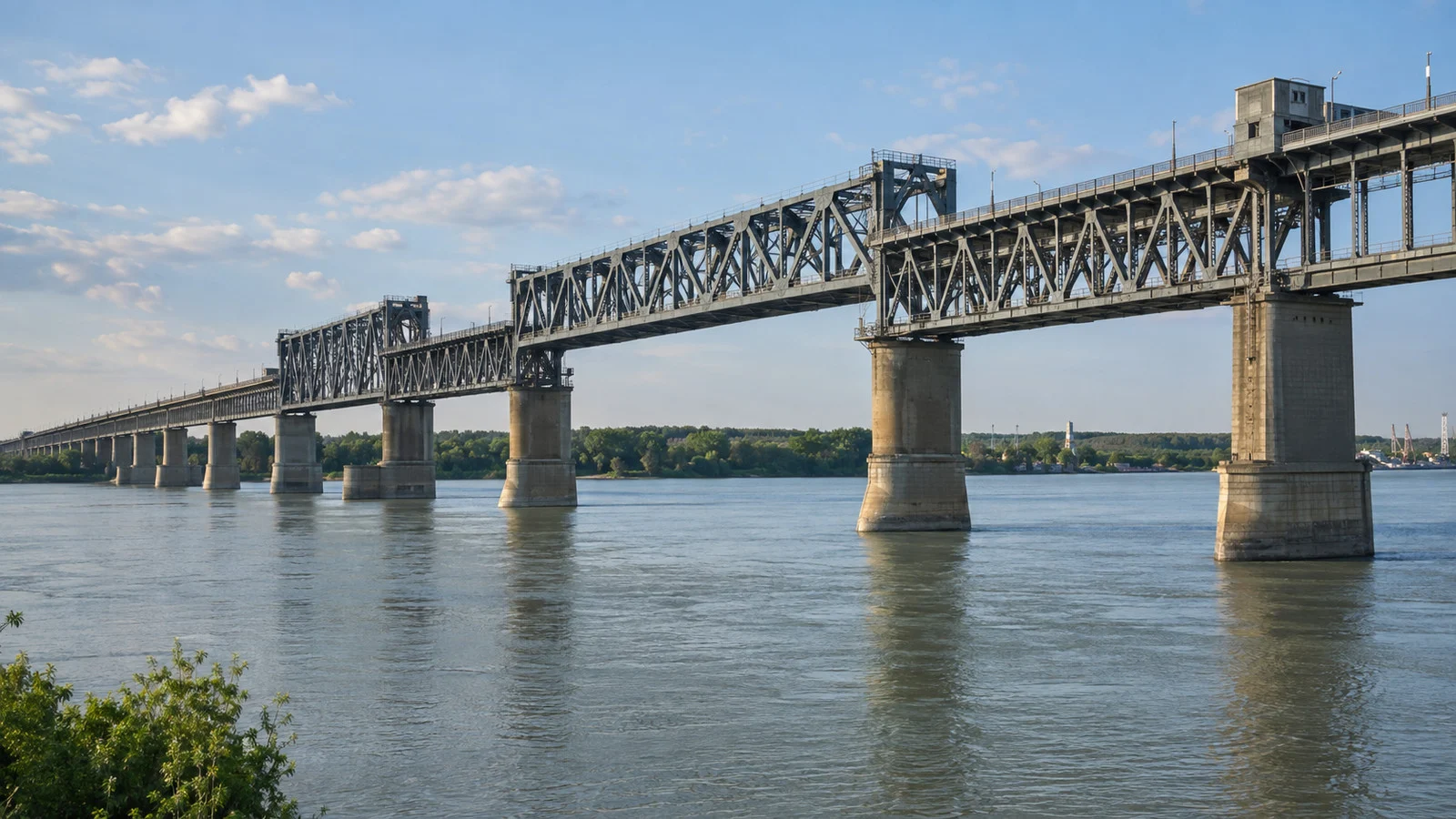
Giurgiu stands on the north, or Romanian left, bank of the Danube. Ruse, Bulgaria, lies opposite on the south bank, linked by the Giurgiu-Ruse Friendship Bridge.
River itineraries may call at Ruse for Bulgarian sightseeing and cross to Romania by motorcoach for Bucharest. They may also dock at Giurgiu and send passengers over the bridge toward Ruse, Ivanovo, or Veliko Tarnovo.
Romania and Bulgaria are both in the Schengen area, but police checks remain legally possible and temporary controls can return. Carry the valid passport or identity document required for your nationality, even when the motorcoach expects no routine booth stop.
Bridge traffic, repairs, toll processing, or an incident can disrupt excursion timing. The cruise line may change the order, landing, or return point to keep the larger itinerary moving.
Oltenița and Bulgaria Are Different Geography
Oltenița faces the Bulgarian side of the lower Danube near Tutrakan, but no Giurgiu-style road bridge connects the two cities. It should not be described as a walk-across border port.
A ship can continue between Romanian and Bulgarian calls without passengers seeing a highway crossing. Excursions that change countries require whatever boat or road transfer the operator has specifically arranged.
Bulgaria adopted the euro on January 1, 2026, while Romania continues to use the leu. That matters if the daily program includes Ruse or another Bulgarian stop after a Romanian morning.
What Can You See in Giurgiu?
Giurgiu has its own center, Clock Tower, churches, museums, and Danube history, but many cruise schedules treat it primarily as a transfer gateway. Independent sightseeing depends on berth, security access, luggage status, and actual free time.
From the passenger sector, central sights may require a taxi or a purposeful walk through mixed port and city streets. Ask the cruise director before leaving because the motorcoach or ship may move sooner than the published departure column suggests.
The Friendship Bridge is not a casual stroll from every passenger berth. Distance, traffic approaches, border documentation, and return time make Ruse a planned excursion rather than an improvised leg stretch.
What Can You See in Oltenița?
Oltenița’s local identity includes the Argeș-Danube confluence, archaeology from the Gumelnița culture, and a small city center. Most international cruise guests encounter the port during embarkation, disembarkation, or a scheduled Bucharest program.
Do not assume there will be a staffed cruise terminal full of restaurants and shops. Carry water, essential medication, and a charged phone while following the transfer group’s timing.
A long unscheduled wait is best handled through the cruise representative, not by wandering into an operating quay. Port security and industrial traffic can make the shortest visible path the wrong one.
Embarkation Day Without the Drama
Read the itinerary direction first. Giurgiu or Oltenița may be the ship’s start, finish, brief call, excursion departure, or rejoining point.
Keep passport, medication, phone, charger, valuables, and one change of clothes in hand luggage. Checked bags may travel separately from the passenger motorcoach and can reach the cabin after boarding.
Use cruise-issued luggage tags only when instructed, and photograph the bags before transfer. Save the local emergency number somewhere that does not depend on mobile data.
If arranging a private transfer, request written confirmation of the exact quay and latest acceptable arrival. “Giurgiu port” and “Oltenița port” are operating areas, not single front doors.
Accessibility and Long Motorcoach Transfers
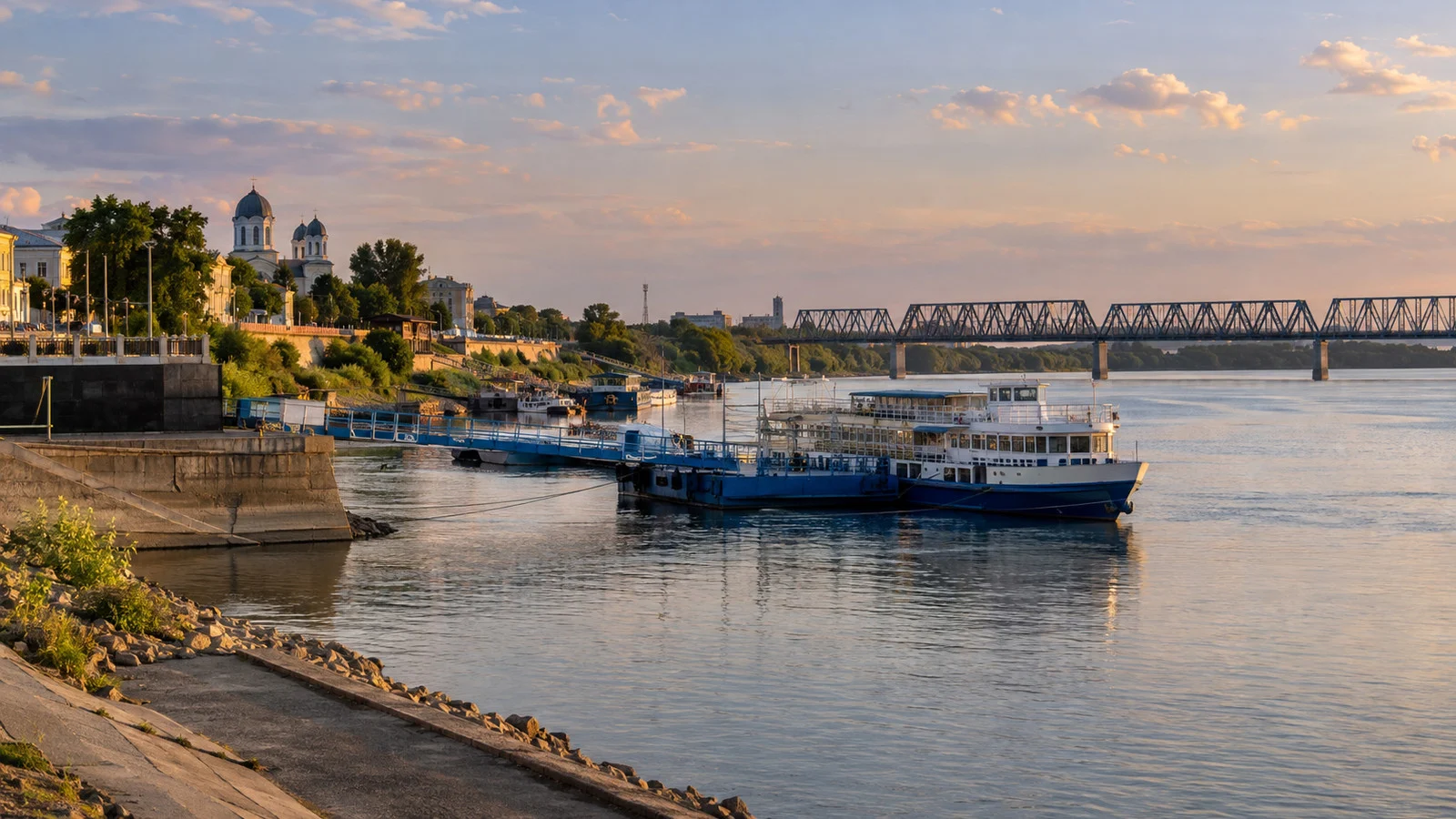
Ask about the complete journey from hotel or airport to cabin. Motorcoach steps, luggage handling, rest stops, quay surface, gangway slope, railings, rafting, and ship elevator access all matter.
A long transfer described as “included” is not automatically wheelchair accessible. Confirm lift-equipped transport, chair dimensions, securement, assistance, accessible restroom plans, and whether the mobility device travels on the same motorcoach.
River level changes the gangway angle at both ports, while a berth substitution changes the surrounding surface. Our river cruise accessibility guide provides a fuller pre-booking checklist.
Weather, River Conditions, and Safety
Lower-Danube summers can be very hot, bright, and stormy. Spring and fall bring wind, cool mornings, rain, and fog that can delay navigation or transfers.
High or low water, current, lock and bridge restrictions farther along the itinerary, and berth availability can alter the call. A motorcoach substitution may protect the sightseeing program while changing where passengers meet the ship.
Stay with the marked group in operating port areas, obey security barriers, and keep away from mooring lines and cargo equipment. Use normal awareness in cities, stations, hotel lobbies, and crowded stops.
Three Common Lower-Danube Scenarios
Giurgiu embarkation: Meet the cruise representative in Bucharest, transfer south by motorcoach, board in Giurgiu, and sail toward Ruse or upstream. Exact hotel and baggage times are sailing-specific.
Oltenița embarkation: Stay in Bucharest, transfer southeast to Oltenița, and sail toward Cernavodă or upstream. This pattern appears on current Black Sea and lower-Danube programs.
Two-port excursion day: Leave the ship at one Romanian port for Bucharest and rejoin at the other after the vessel sails. Follow the guide because the original gangway will not wait.
Treat the port and rejoining point as two separate instructions
Giurgiu and Oltenița are different Romanian ports with different roads to Bucharest, and some itineraries drop guests at one before rejoining at the other. Write down both the morning landing and evening reboarding location because returning to the original quay can mean returning to no ship.
Bucharest transfers commonly take 75 minutes to two hours, while Henri Coandă Airport can require longer in traffic. Use the cruise coach for a sailing-day city visit and leave a full buffer day before a separate international flight rather than betting on the fastest map estimate.
Romania and Bulgaria are in the Schengen Area, but temporary checks remain possible, and a Ruse excursion crosses an international border. Carry the required passport or identity document; Romania uses the leu, while Bulgaria has used the euro since January 1, 2026.
Commercial port surfaces, long coach rides, rest stops, and gangways need individual accessibility checks. Ask for the exact luggage process, a lift-equipped vehicle, and secure mobility-device storage before booking an embarkation package.
Research note
This guide was checked September 12, 2026 against APDF port limits and Giurgiu passenger-frontage data, published Riverside, AmaWaterways, AMADEUS, and CroisiEurope itineraries, European Commission border guidance, and official 2026 Bulgaria currency information. It treats Giurgiu and Oltenița as separate active ports without inventing one universal berth.
Transfer, distance, and visit figures are labeled editorial estimates where no sailing-specific publication exists; no numerical missed-call rate or unverified firsthand visit is claimed. Our sourcing and correction process appears in the CruisePorts.co Editorial Policy.
How this guide was researched: This guide was checked against current official port, waterway, immigration, transit, attraction, operator, and weather information. Operational and time-sensitive details were reviewed September 12, 2026; confirm the live berth, daily program, entry rules, accessibility, and cancellation terms before travel.
See our Editorial Policy.