Conflans-Sainte-Honorine River Cruise Port: Seine and Oise Guide
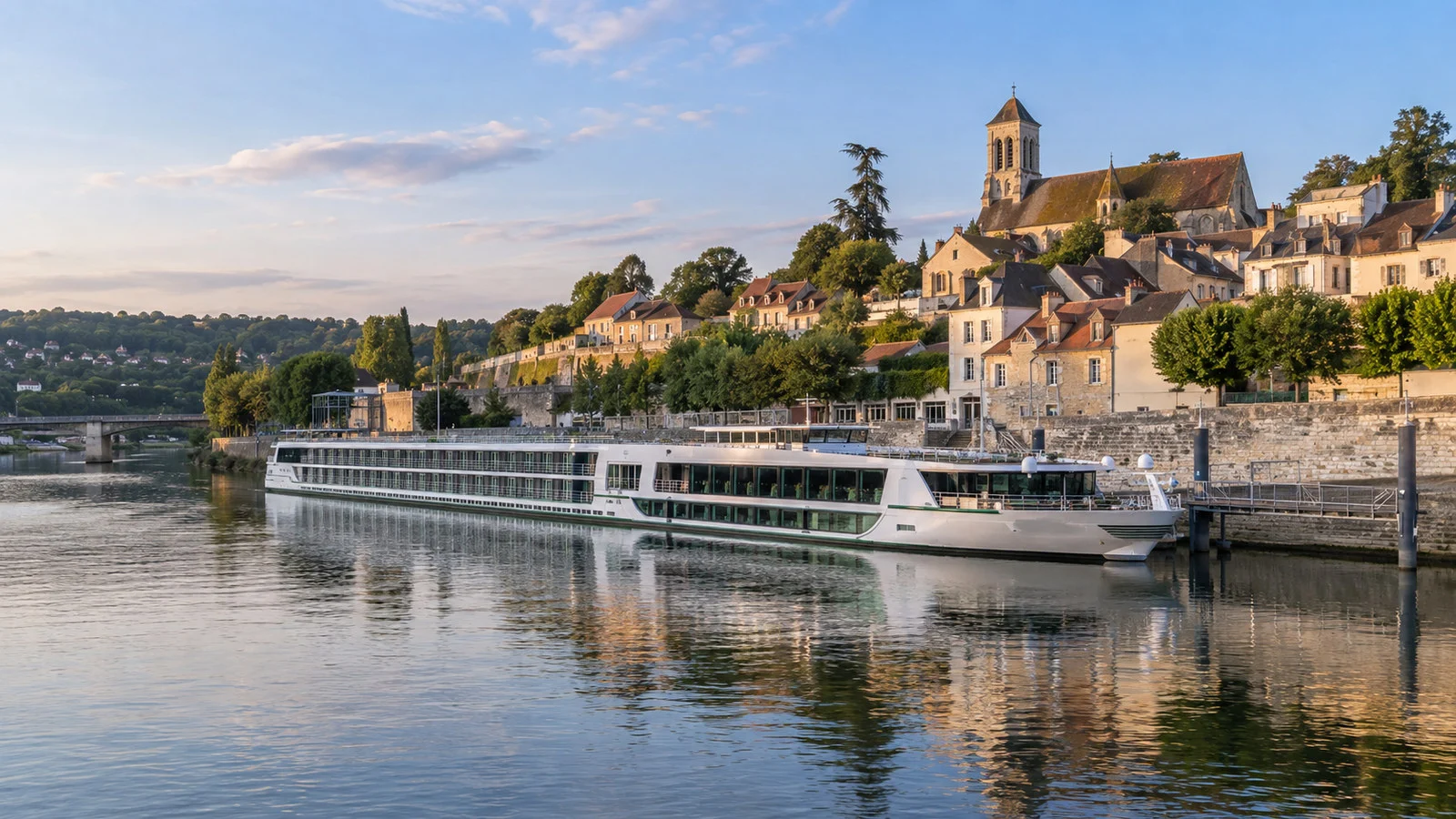
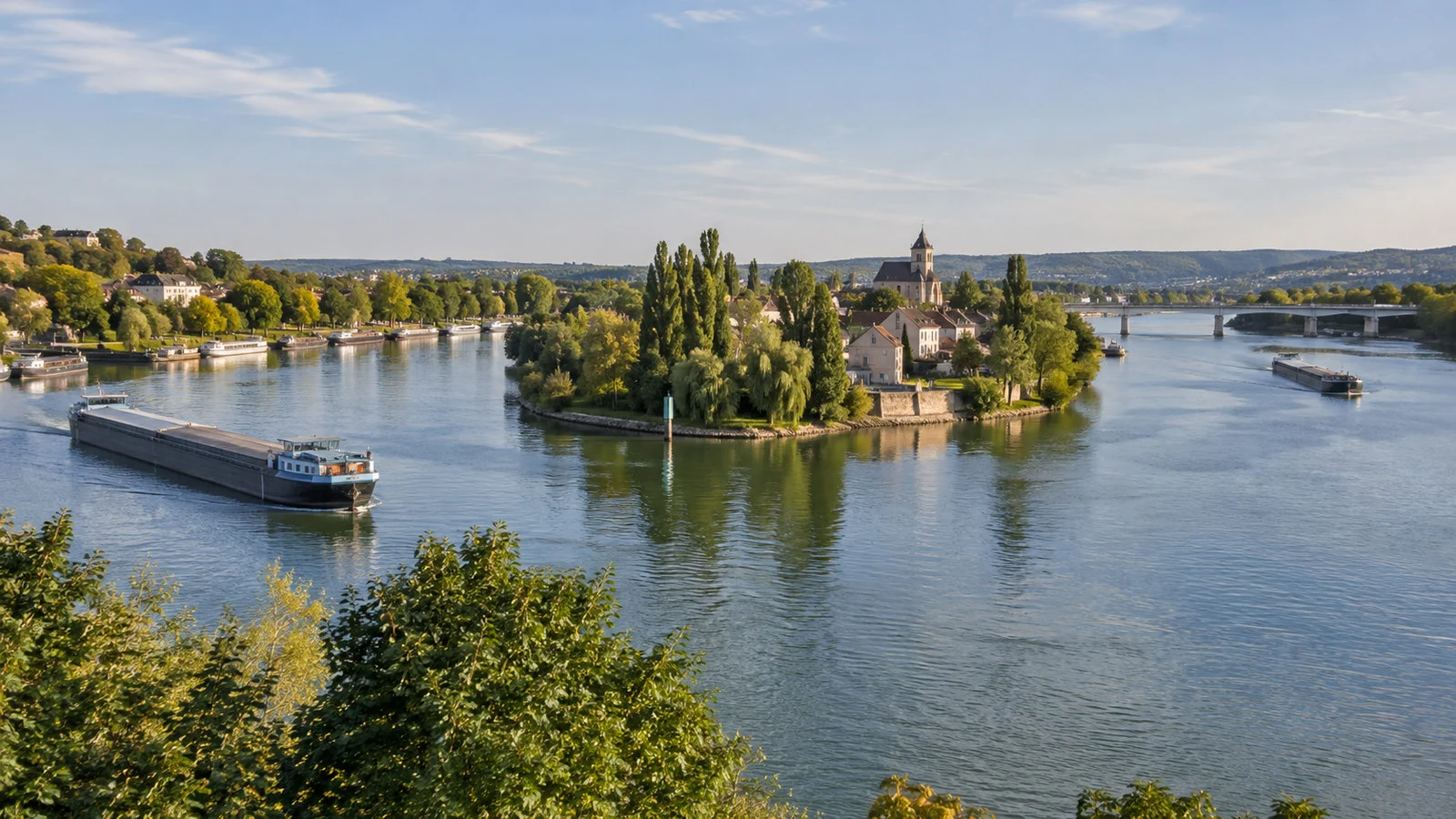
Conflans-Sainte-Honorine sits where the Oise joins the Seine, and the meeting of those rivers explains almost everything about the town. This is a place shaped by working barges, river families, towage, and the trade routes that connect Paris with northern France.
The appeal is not a giant landmark checklist. It is the chance to understand inland navigation, walk a compact old town, and watch commercial and pleasure boats move through a confluence that still matters.
Conflans-Sainte-Honorine at a Glance
Quick Facts
- Rivers: The Seine and Oise meet at Conflans-Sainte-Honorine
- Exact berth: Confirm the landing name and map pin in the ship’s daily program
- Main attraction: Musée de la Batellerie et des Voies Navigables
- Best independent plan: Museum, old town, river viewpoints, and waterfront
- Currency: Euro
- Rail options: Transilien Line J and the RER A use different local stations
- Emergency number: 112
Confirm Where Your Ship Is Landing
Do not use the town’s public pleasure boat stop as proof of where a river cruise vessel will tie up. The official city page says that facility is for pleasure boats under 12 meters, which is far smaller than a hotel vessel.
Your cruise line’s final program is the reliable source for the berth, walking route, transfers, and all aboard time. Save the landing name, a map pin, and the ship’s contact number before going ashore.
A Conflans call may feel close to town, but the exact gangway environment can still vary. Ask about slope, steps, rafting, handrails, and assistance if any part of the landing affects your mobility.
Why Conflans Is a Barge Town
The confluence made Conflans a natural gathering point for inland shipping. Barges, pusher tugs, service boats, and pleasure craft remain part of the river scene rather than decorative reminders of a vanished industry.
Destination Yvelines describes the town as the French capital of inland waterway transport. It also highlights the towage technology and river traditions that developed around this strategic location.
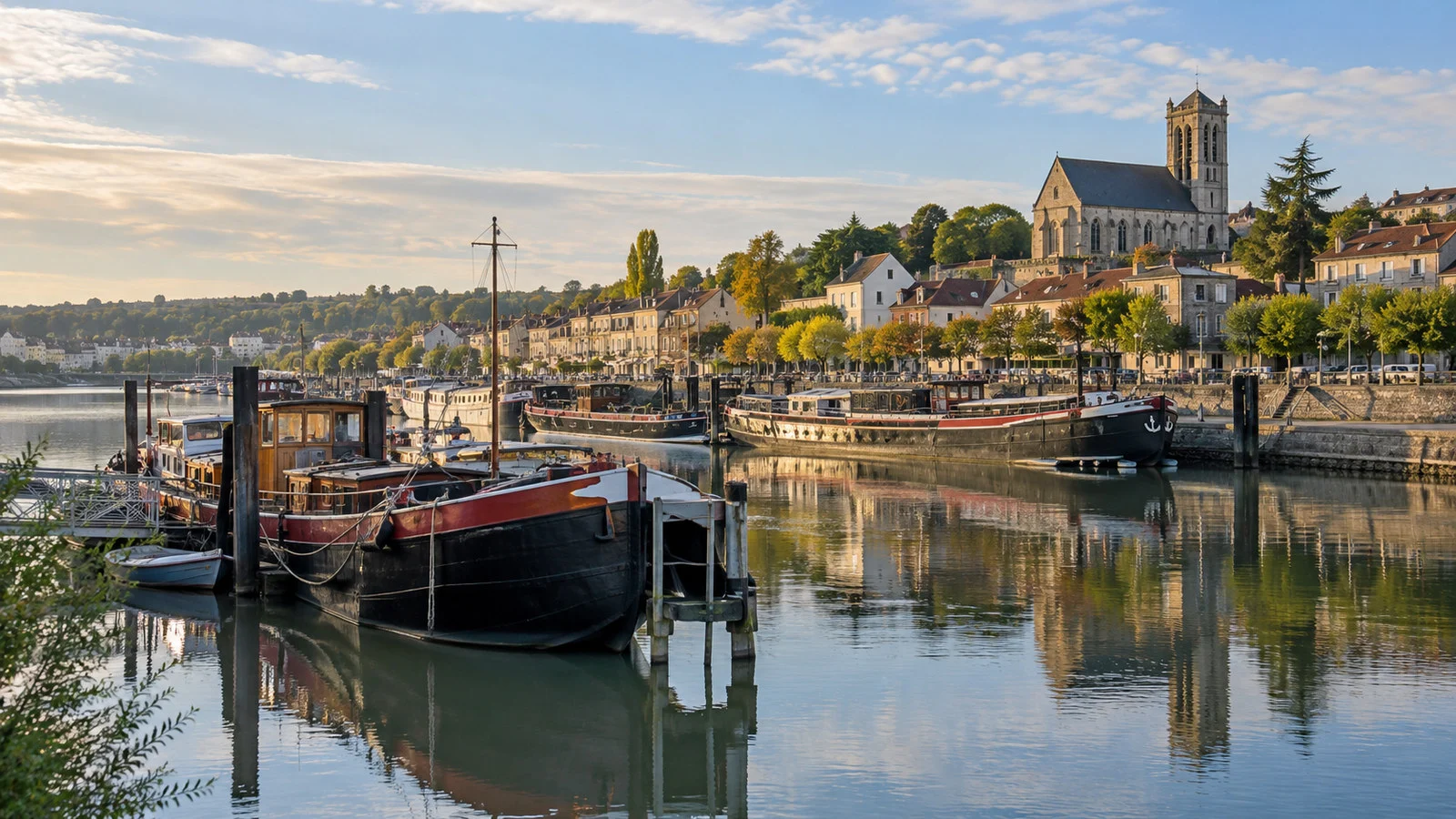
The best way to appreciate that story is to connect the museum with the real river outside. Look for the museum boats near Port Saint-Nicolas, then watch present day traffic from the developed paths and viewpoints along the Seine.
The Inland Navigation Museum
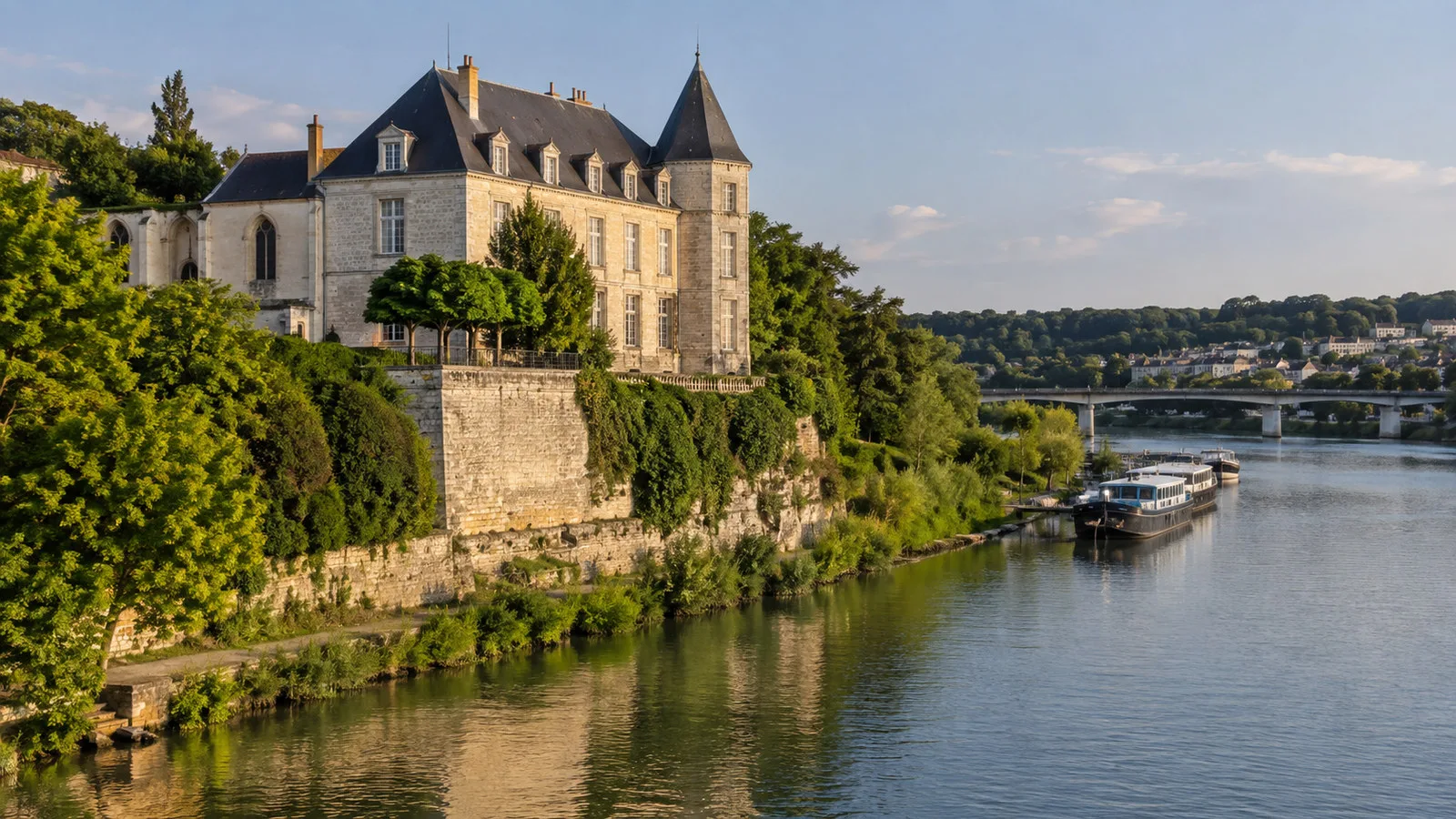
The Musée de la Batellerie et des Voies Navigables is the essential stop. Its collections explain boats, waterways, navigation technology, and the lives of people who worked and lived on France’s rivers.
The museum is housed in Château du Prieuré, not in a former church. The setting includes the château grounds and views over the Seine, which makes the approach part of the visit.
Opening hours are not the same every day, and the museum closes during part of the lunch period on some days. Check the official hours and ticket page against your call before building the day around it.
The museum says its main collection route is fully accessible to visitors with reduced mobility. A special expanded group visit includes the medieval Grand Cellier, which the museum identifies as inaccessible to people with reduced mobility.
Walking the Old Town
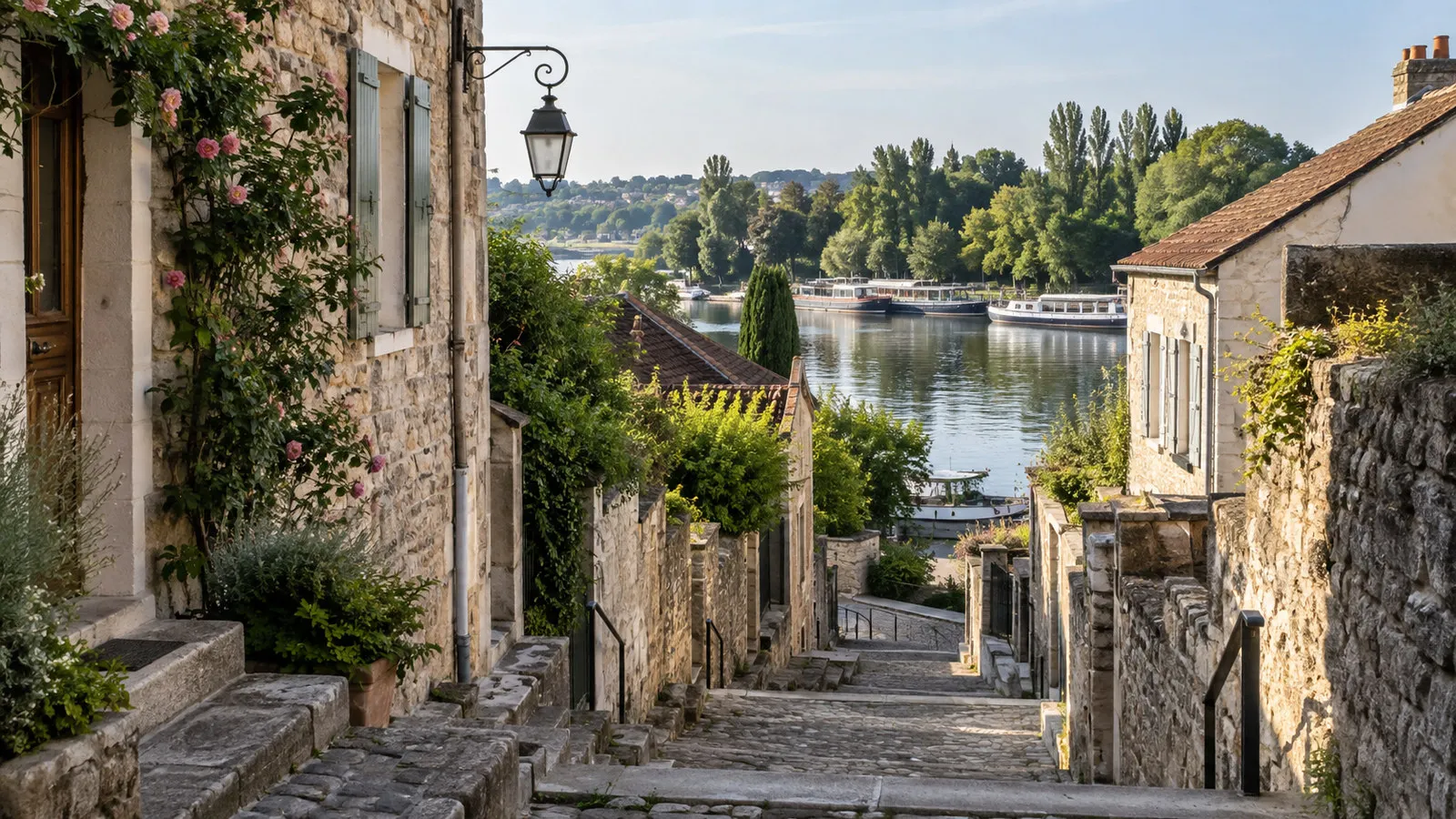
The official heritage walk begins around Place Fouillère and climbs through the older streets. Its main points include Château du Prieuré, the museum, Parc du Prieuré, Tour Montjoie, and Saint-Maclou Church.
The waterfront is generally the easiest part of the route, while the old town adds slopes and older surfaces. Wear shoes with good grip and allow more time than a flat map suggests.
The city’s official walking route page offers a downloadable English plan. Save it before the cruise if you want to explore without depending on mobile service.
A Relaxed Half Day
Begin by photographing the landing and confirming the return instructions. Walk to the museum for a focused visit, then continue through Parc du Prieuré and the old town viewpoints before descending toward the river.
Finish with a cafe stop or an easy waterfront walk around Place Fouillère and Port Saint-Nicolas. This plan keeps the day local and avoids spending a short call on uncertain transportation.
If the museum is closed during your available hours, do not treat the call as wasted. Follow the heritage walk, see the confluence, look for the museum boats, and give yourself time to watch the working river.
If Your Ship Offers an Excursion
Some itineraries use Conflans as a starting point for a coach excursion rather than a full town day. Judge that option by the destination, usable time there, mobility demands, and the value of guaranteed transportation back to the vessel.
Auvers-sur-Oise may appeal to travelers interested in Vincent van Gogh and the village’s artistic history. If your line offers it, compare the excursion schedule with the museum hours before deciding which story matters more to you.
I would not improvise a distant trip without checking live transportation and the ship’s deadline. Conflans itself has enough for a satisfying half day, and staying local removes several ways for the return to go wrong.
Using the Train
The museum’s official directions identify two different stations. Conflans-Sainte-Honorine station is served by Transilien Line J, while Conflans-Fin d’Oise is served by the RER A.
The museum describes the Line J station as the closer walk to its entrance. Verify the current route and service before departure because maintenance, disruptions, and the location of your actual berth can change the practical choice.
A rail trip toward Paris is possible in general, but it is rarely the calmest use of a short river call. Paris deserves its own day, and a missed connection can turn an easy local visit into a stressful return.
Accessibility
The museum’s official accessibility page says the entire visitor route is adapted for people with reduced mobility. It also lists seating, cane stools, and a hearing loop at reception.
The larger town route is a separate question because slopes, older paving, and the distance from the landing can affect the day. Ask the cruise line for the exact berth and request a step free route or vehicle support when needed.
If you use rail, check accessibility for the specific station, platform, and departure rather than assuming every route is step free. The two local stations are not interchangeable, and the last mile matters.
Food, Language, and Money
Conflans is better suited to an unhurried cafe or bistro meal than a destination restaurant chase. Pick somewhere close to the river or old town route so lunch does not consume the time you saved by staying local.
French is the everyday language, and English may be limited in smaller establishments. A greeting, a polite request, and your destination written on your phone can smooth out most interactions.
France uses the euro, and cards are useful for many purchases. Carry a small cash backup in case a market stall, small cafe, or payment terminal does not work with your card.
Weather and River Conditions
Conditions along the Seine can be cool, damp, breezy, or sunny within the same day. Bring a light waterproof layer and check the short range forecast before leaving the vessel.
Water levels and navigation conditions can affect river itineraries, but there is no reliable public percentage for how often Conflans calls change. Follow the cruise line’s operational updates instead of using a generic missed port estimate.
The Pardon National de la Batellerie
Every June, the town celebrates the Pardon National de la Batellerie, a major gathering connected to its river community. Boats, ceremonies, and crowds can make the waterfront especially memorable while also changing normal access and timing.
If your call overlaps the event, check the city calendar and the ship’s instructions before making an independent route. A festival day rewards flexibility more than a minute by minute plan.
Getting Back to the Ship
Keep the all aboard time and the landing pin somewhere you can reach without mobile data. If the vessel is using a berth that differs from the town’s small pleasure craft stop, a vague request for the riverfront may send a driver to the wrong place.
Begin the return earlier if you have used a train, accepted an excursion with independent return, or walked far from the confluence. A local museum and old town day needs less buffer, but it still deserves a personal deadline ahead of final boarding.
Tell the cruise desk about any independent trip beyond town. The ship’s team can give you the most relevant advice for the day’s berth and navigation schedule.
How Conflans Fits a Seine Cruise
Conflans works as a quieter counterpoint to Paris, Rouen, and the grander heritage stops along the Seine. It explains the commercial river system that made those cities possible, which gives the itinerary a different kind of depth.
Your sailing may combine it with La Roche-Guyon, Rouen, or another stop closer to Paris. Use the final itinerary rather than assuming every Seine cruise follows the same sequence or spends the same number of hours here.
If Paris is part of your trip, plan it through the Paris river cruise guide instead of turning Conflans into a rushed substitute. The smaller town is most rewarding when you let it be itself.
My Take
I would stay in Conflans, visit the museum, and walk from the château grounds back toward the confluence. The day is compact, coherent, and different from the cathedral and château rhythm that dominates many French river itineraries.
The town’s strength is its working river identity, not polished cruise infrastructure or a famous photo. Confirm the berth carefully, then give the barge story enough time to land.
Research note: This guide was checked against current information from the City of Conflans-Sainte-Honorine, Destination Yvelines, and the Musée de la Batellerie et des Voies Navigables. Berths, museum hours, rail service, events, navigation conditions, and accessibility arrangements can change, so confirm the details that affect your sailing before leaving the ship.