Vidin River Cruise Port: The Fortress Is Easy, the Rocks Are Not
Vidin has two fortresses competing for your port day. Baba Vida stands beside the Danube within walking distance of the ship, while Belogradchik uses giant red rock formations to make a convincing case from roughly an hour inland.
You can have the easy day or the dramatic day. Trying to improvise both is how a pleasant Bulgarian call becomes cardio with a deadline.
My quick take
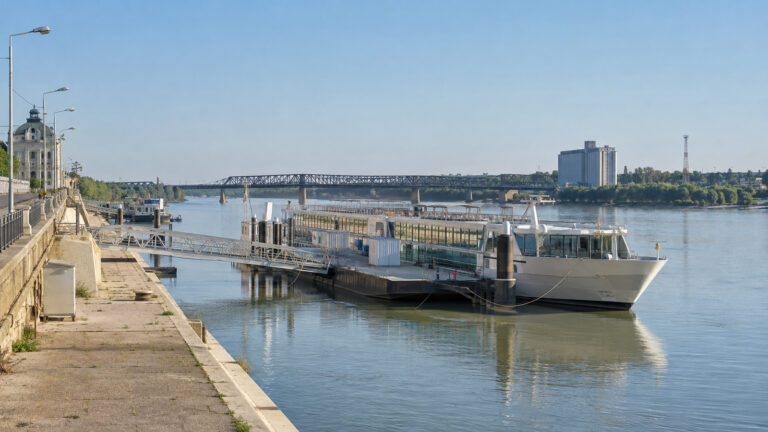
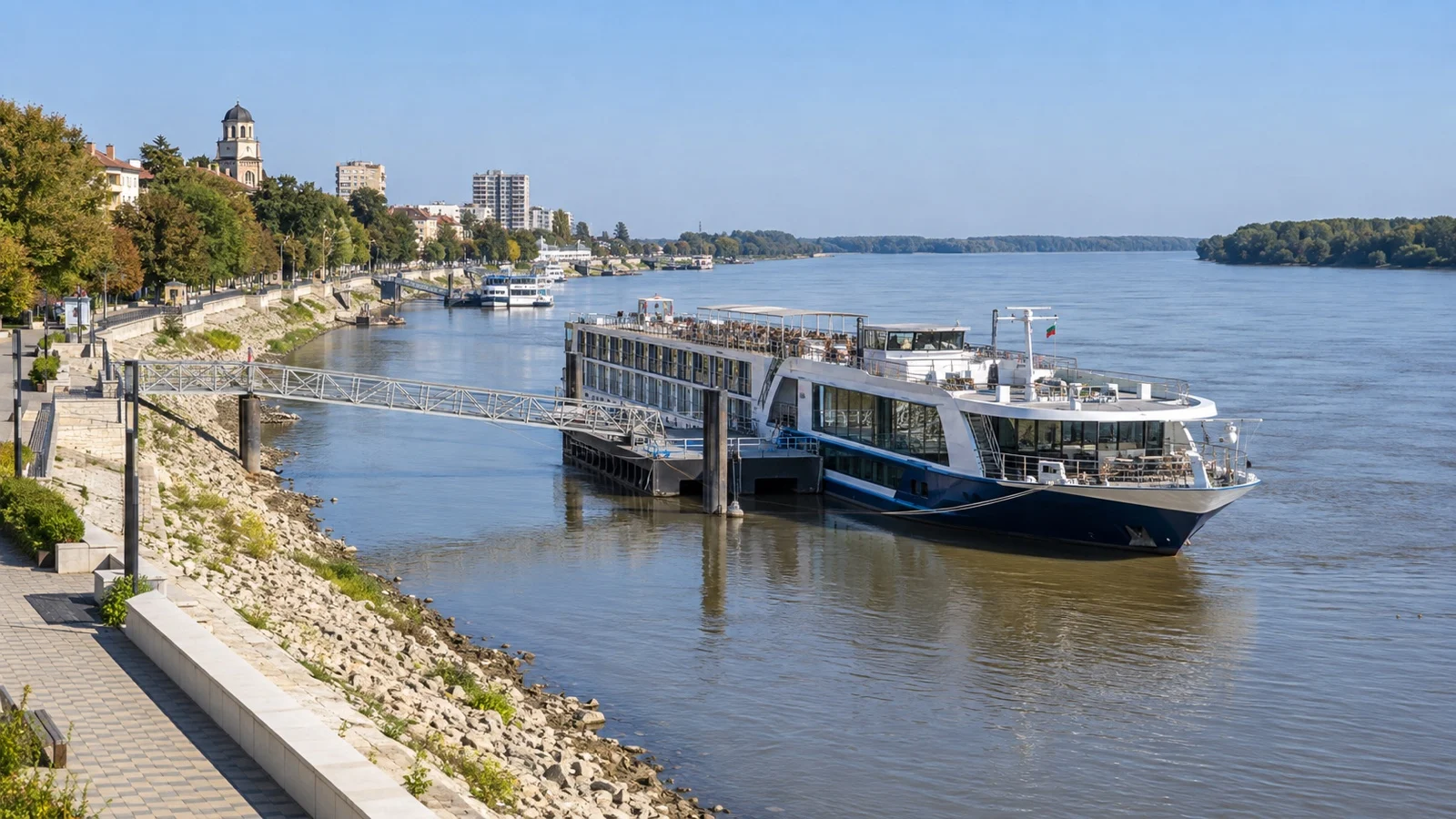
Vidin is a genuine walk-off port, with passenger pontoons at the center terminal and a long riverside park connecting the quay to Baba Vida. The center feels modest beside Belgrade or Budapest, but that scale is an advantage when the call is short.
I would choose Belogradchik if its rocks and fortress are a major reason for booking the itinerary. Otherwise, Vidin supplies a satisfying independent loop with Baba Vida, the restored synagogue, Osman Pazvantoglu’s mosque and library, and time to sit beside the Danube.
The quick facts
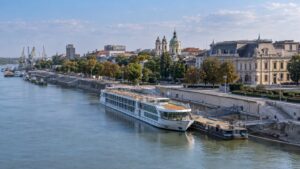
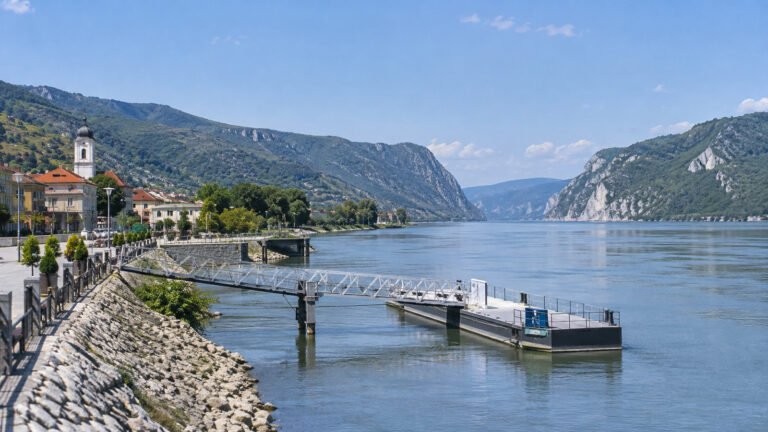
- Where you land: River ships use Port Terminal Vidin Center, whose central quay has passenger pontoons along the Danube between river kilometers 789.9 and 791.3.
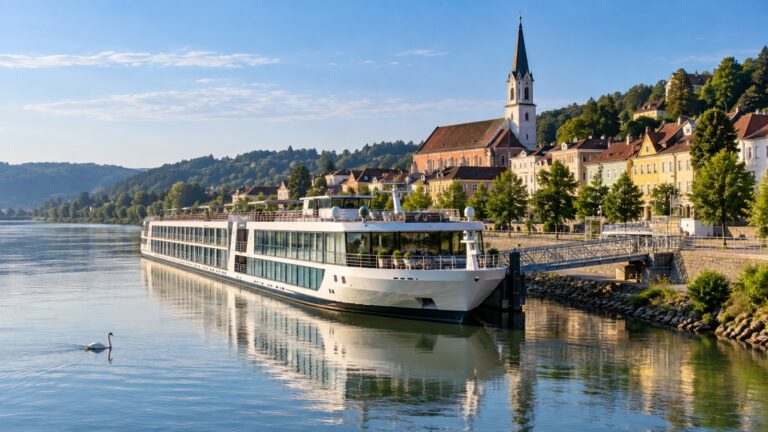
- How you get ashore: By gangway, without a tender. Busy days may involve rafting through another vessel, and river level changes gangway slope.
- Into Town: The center is an estimated 5 to 10 minutes away; Baba Vida is roughly 15 to 25 minutes along the river.
- Currency and Language: The euro and Bulgarian, written in Cyrillic; English is available at major sights but less consistent in small businesses.
- Getting around: Walk for central Vidin; use a cruise excursion, prearranged driver or organized tour for Belogradchik.
- Time Zone: Eastern European Time, UTC+2, moving to UTC+3 from the last Sunday in March through the last Sunday in October.
- Operational caution: Extreme water levels, navigation restrictions, border formalities, or wider itinerary changes can cancel, shorten, or relocate the call.
No port authority or cruise line publishes an audited Vidin missed-call rate. Walking and driving times in this guide are planning estimates affected by the assigned pontoon, traffic, and personal pace.
Port Terminal Vidin Center means what it says
The regional government’s official port overview places Vidin Center in the central city sector and identifies four passenger pontoons along its quay. Tourist and passenger ships complete border processing at the river station.
Ask the ship for its pontoon number because roughly 0.9 mile of quay is not one precise starting point. If vessels are tied side by side, the site’s guide to river-cruise rafting and double docking explains the extra thresholds and stairs.
Once ashore, the waterfront promenade does most of the navigational work. The town center sits just inland, while the park leads north toward Baba Vida with the river reliably staying on the correct side.
Baba Vida is the obvious first stop
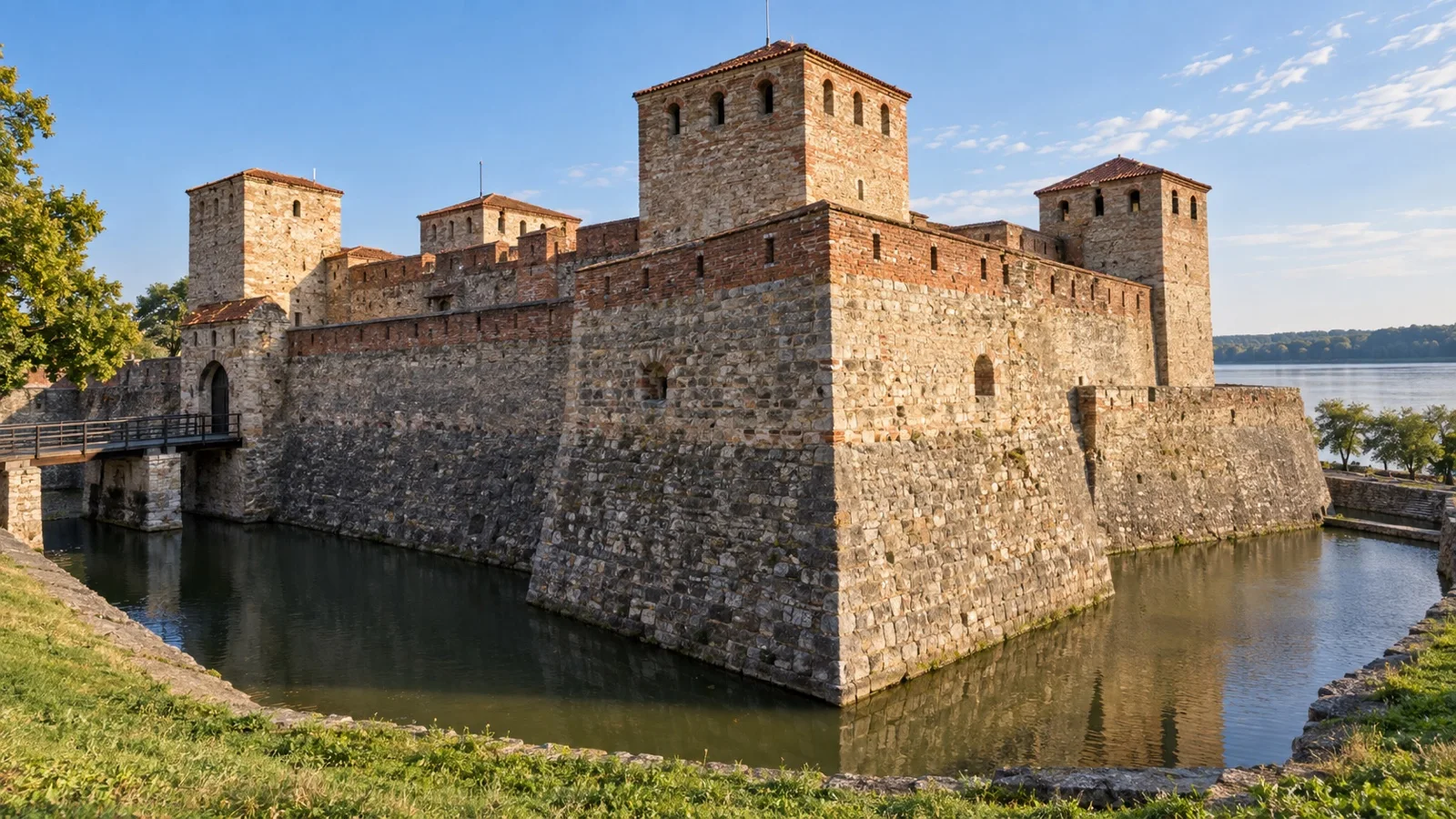
Baba Vida rises directly beside the Danube and preserves Roman, Byzantine, Bulgarian and Ottoman layers. Its present towers, walls, moat and courtyards reflect centuries of rebuilding rather than a single frozen medieval moment.
The Vidin Regional History Museum operates the fortress as a museum. Its 2026 prices list adult admission at 6.20 euros, a seven-language audio guide at 5.20 euros and a guided talk at 15.50 euros.
Current museum information lists summer hours of 09:00 to 18:00 and winter hours of 09:00 to 17:00, without a weekly closing day. Recheck shortly before sailing because holiday hours, events, and conservation work can still alter access.
Expect stone, stairs, narrow passages and uneven surfaces rather than a polished palace circuit. The broad exterior and moat still make the stop worthwhile for anyone who decides the upper levels are not a sensible match.
The restored synagogue changes the waterfront loop
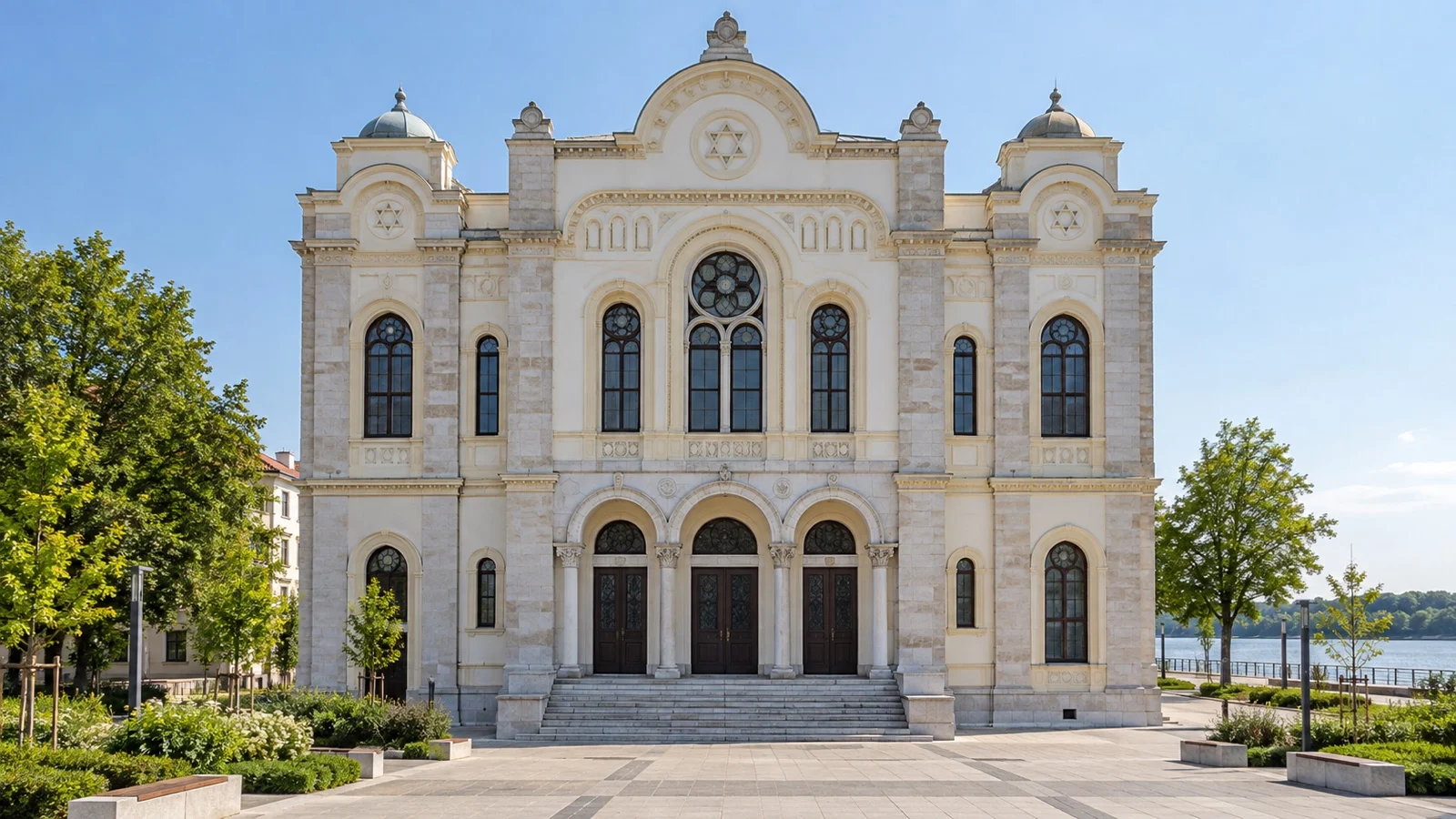
Vidin’s nineteenth-century synagogue reopened in 2023 as the Jules Pascin Cultural Center after a major restoration. It sits near Baba Vida and is included with the fortress and three other museum sites in a two-day combined museum ticket.
The building’s story includes Vidin’s once substantial Jewish community, decades as a roofless ruin and its return as a cultural venue rather than an active synagogue. Check the day’s access before treating the interior as guaranteed, since exhibitions and events shape visiting hours.
Osman Pazvantoglu left the most intriguing local pairing
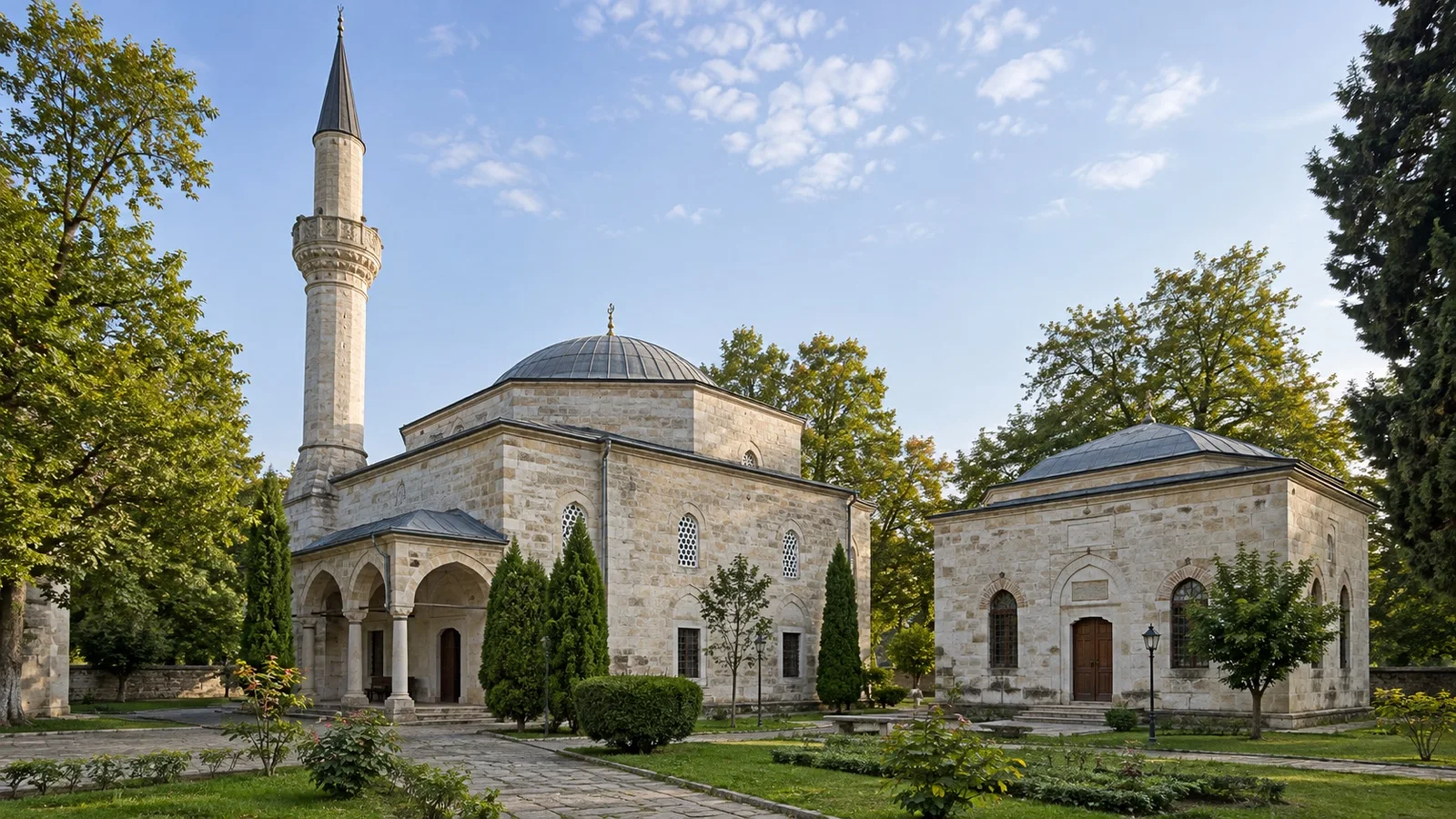
Osman Pazvantoglu governed Vidin at the turn of the nineteenth century and challenged Ottoman central authority. His mosque has a spade-shaped ornament rather than the usual crescent atop its minaret, and the small library next door held secular as well as religious works.
The municipal history says the mosque honored his father and the library his mother. The buildings are close enough to add to a central loop, but enter only when open and when worship is not being disturbed.
Belogradchik is magnificent and not in Vidin
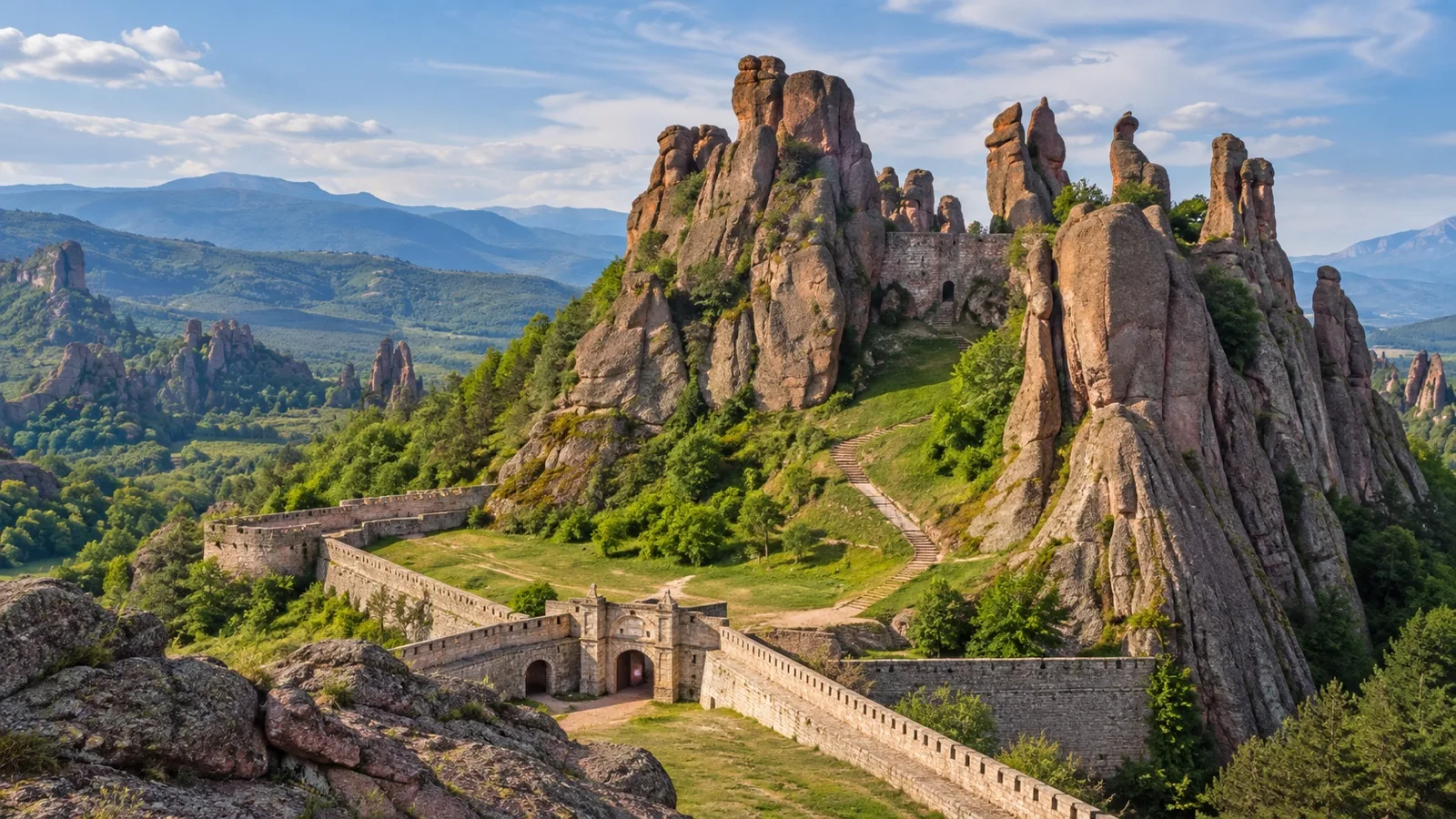
Belogradchik Fortress incorporates natural sandstone and conglomerate formations into Roman, Bulgarian and Ottoman defenses. The rocks do most of the theatrical set design, while the walls supply gates, courtyards and a reason to climb higher.
Allow an estimated 50 to 70 minutes each way by road from Vidin, depending on traffic and pickup point. Public transportation is too infrequent and unforgiving for a normal port call, so use the ship’s excursion or a properly prearranged round trip.
The official museum’s 2026 ticket page lists adult fortress admission at 7.67 euros, including a guided talk or audio guide. Published hours run from 09:00 to 20:00 June through August, with earlier closings in other months.
The upper rocks demand steep steps, exposed surfaces and confidence with heights. A visitor can enjoy the lower courtyards without reaching every viewpoint, which is useful information and not an accusation.
Do not casually add Magura Cave
Magura Cave is another regional highlight, known for prehistoric wall paintings and a long show-cave route. It is not next door to Belogradchik Fortress, and cave entry works on controlled timing rather than a passenger’s optimistic arithmetic.
A combined fortress and cave ticket does not combine the transportation or the clocks. Add Magura only on an excursion explicitly including both, with a ship-compatible return plan and clear information about walking surfaces.
How I would plan the call
With three usable hours, stay in Vidin. Walk the waterfront to Baba Vida, visit the fortress, see the Jules Pascin Cultural Center exterior and return through the mosque, library and town center.
With five or six hours, choose between a deeper Vidin day and an organized Belogradchik excursion. Do not plan a full fortress visit inland and promise yourself a relaxed local loop afterward unless the schedule contains a real buffer.
The Lower Danube cruise ports guide compares Vidin with the region’s other fortress and city calls. The Iron Gates scenic-cruising guide covers the dramatic river passage that often appears nearby in the itinerary.
A realistic word on accessibility
The central quay and waterfront promenade are the easiest parts of the call, although gangway slope depends on water level. Rafting may require crossing another ship with steps, thresholds and narrow corridors.
Baba Vida includes stone paving, stairs and historic passages, while Belogradchik adds steep, exposed rock steps. Neither should be described as fully accessible merely because a vehicle can reach an entrance.
A traveler avoiding stairs can still enjoy Vidin’s park, fortress exterior, restored synagogue exterior and central streets. Confirm step-free entry directly with each attraction when interior access is essential, since restoration and event layouts can change routes.
The euro, weather and river disruption
Bulgaria adopted the euro on January 1, 2026. The European Commission’s changeover guide confirms the switch, so older advice telling visitors to obtain Bulgarian leva is now obsolete.
Cards may be accepted at major sites, but carrying a modest amount of euro cash is sensible for small purchases. Bulgaria’s statutory dual-display period ended on August 8, 2026, although an attraction may still show legacy lev equivalents for reference.
Summer can be hot and sunny, so carry water and plan exposed climbs around the forecast rather than a seasonal average. The waterfront offers some shade, but Belogradchik’s upper rocks do not negotiate with midday sun.
Low water, high water, or navigation restrictions elsewhere can change a Lower Danube itinerary even when Vidin’s quay is functioning. Follow the cruise line’s live notices rather than an invented port-level cancellation percentage.
The practical checks I would make before Vidin
Ask for the Vidin Center pontoon number, rafting position, border timing, and exact return point because four passenger pontoons stretch along the quay. The waterfront is walkable, but an outside vessel can add steps and a farther gangway than a saved map suggests.
Baba Vida and central Vidin make the reliable independent day, while Belogradchik is a separate road excursion and Magura Cave should not be added casually. I would use the ship’s protected return for Belogradchik and keep at least 75 minutes before all aboard for any independent ride back.
Check Bulgaria’s official entry rules and the live currency and ticket information used on the call date rather than relying on an older guide. Fortress stairs, rock paths, heat, ice, coach access, and river levels can change the plan, so ask for a lower-energy alternative before departure if needed.
Quick answers
Where do river cruise ships dock in Vidin?
They use passenger pontoons at Port Terminal Vidin Center on the central Danube quay. The exact pontoon varies, so confirm the number on the ship before leaving.
Can I walk from the ship to Baba Vida Fortress?
Yes. The mostly level waterfront walk takes an estimated 15 to 25 minutes depending on the assigned pontoon and personal pace.
Can I visit Belogradchik independently?
A prearranged driver can work, but casual public transportation is risky during a port call. Allow an estimated 50 to 70 minutes each way and protect a generous return buffer.
Does Bulgaria use the euro?
Yes. Bulgaria joined the euro area on January 1, 2026, and the euro is now its official currency.
Is Vidin worth exploring without an excursion?
Yes. Baba Vida, the riverside park, Jules Pascin Cultural Center, mosque, library and compact center create a full independent loop without road transportation.
The last word
Vidin offers an unusually fair choice. Stay close and get a real fortress plus a layered border city, or travel inland for one of the Lower Danube’s most memorable landscapes.
For an upstream capital call, the Budapest river cruise port guide shows what happens when the waterfront becomes the main attraction. Vidin works the other way around: the river quietly delivers you to the front gate.
How this guide was researched: This guide was checked on September 12, 2026, against current information from the Vidin regional administration, Vidin Regional History Museum, Belogradchik History Museum, the European Commission, and Bulgaria’s Ministry of Foreign Affairs. Reconfirm the mooring, rafting order, border processing, transportation, attraction rules, entry documents, weather, accessibility, costs, and all-aboard point because live operations can change.