Ruse River Cruise Port: Docks, City Walks and Day Trips
Ruse greets the Danube with grand façades, leafy squares, and the confidence of a city that knows it looks good from several angles. Cruise itineraries often spell it “Rousse,” but modern Bulgarian authorities and the municipality use Ruse, pronounced roughly “ROO-seh.”
The first port-day puzzle is not the spelling. It is discovering which passenger landing your ship received, because Ruse has more than one and the walk into town changes enough to matter.
Ruse River Cruise Port Quick Facts
- Into Town: Central pontoons are a 15- to 25-minute walk from Freedom Square; Pristis can be farther. The exact berth and rafting vary.
- Currency and Language: Euro. Bulgarian is official and uses Cyrillic; English is common in tourism but less reliable in small businesses.
- Time Zone: Eastern European Time, UTC+2; Eastern European Summer Time, UTC+3, from late March through late October.
- Schedule risk: Danube water levels, berth capacity, navigation restrictions, and operational disruptions can alter a call; no authoritative Ruse-specific cancellation percentage is published.
Use the ship’s daily program for the confirmed landing and all-aboard point. Berth assignments and rafting arrangements can change even when the Ruse call proceeds as planned.
Ruse, Rousse, or Ruschuk?
Ruse is the city’s current official English spelling and the one used by its municipal tourism organization. Rousse remains common on cruise maps and older English material, while Ruschuk or Rusçuk refers to the Ottoman-era name.
Where River Cruise Ships Dock in Ruse
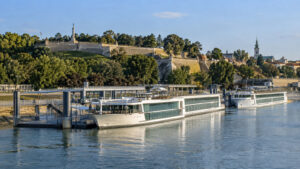
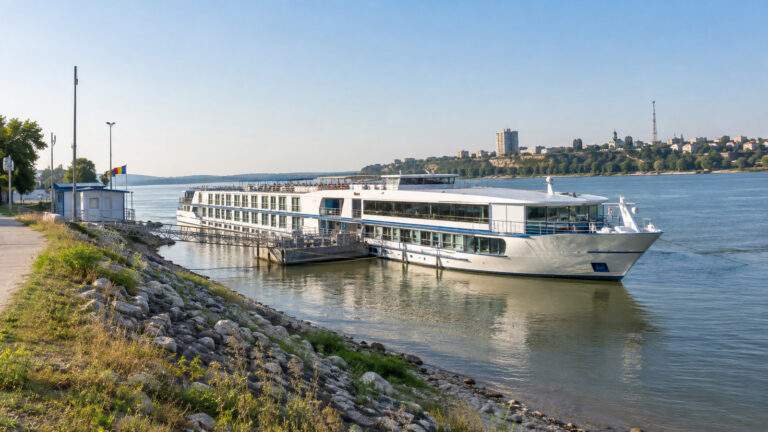
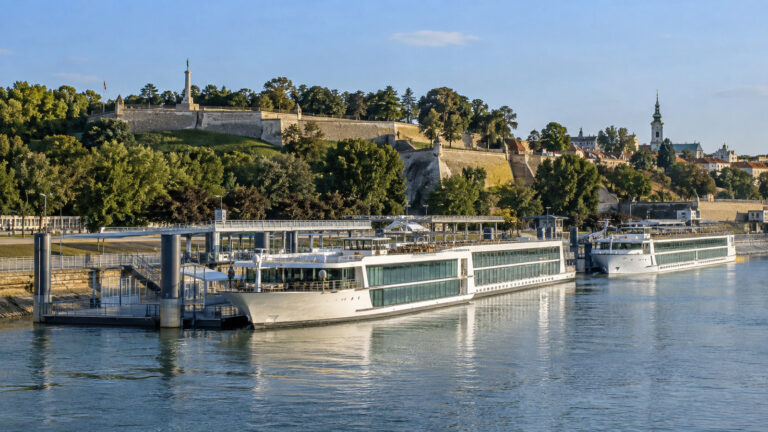
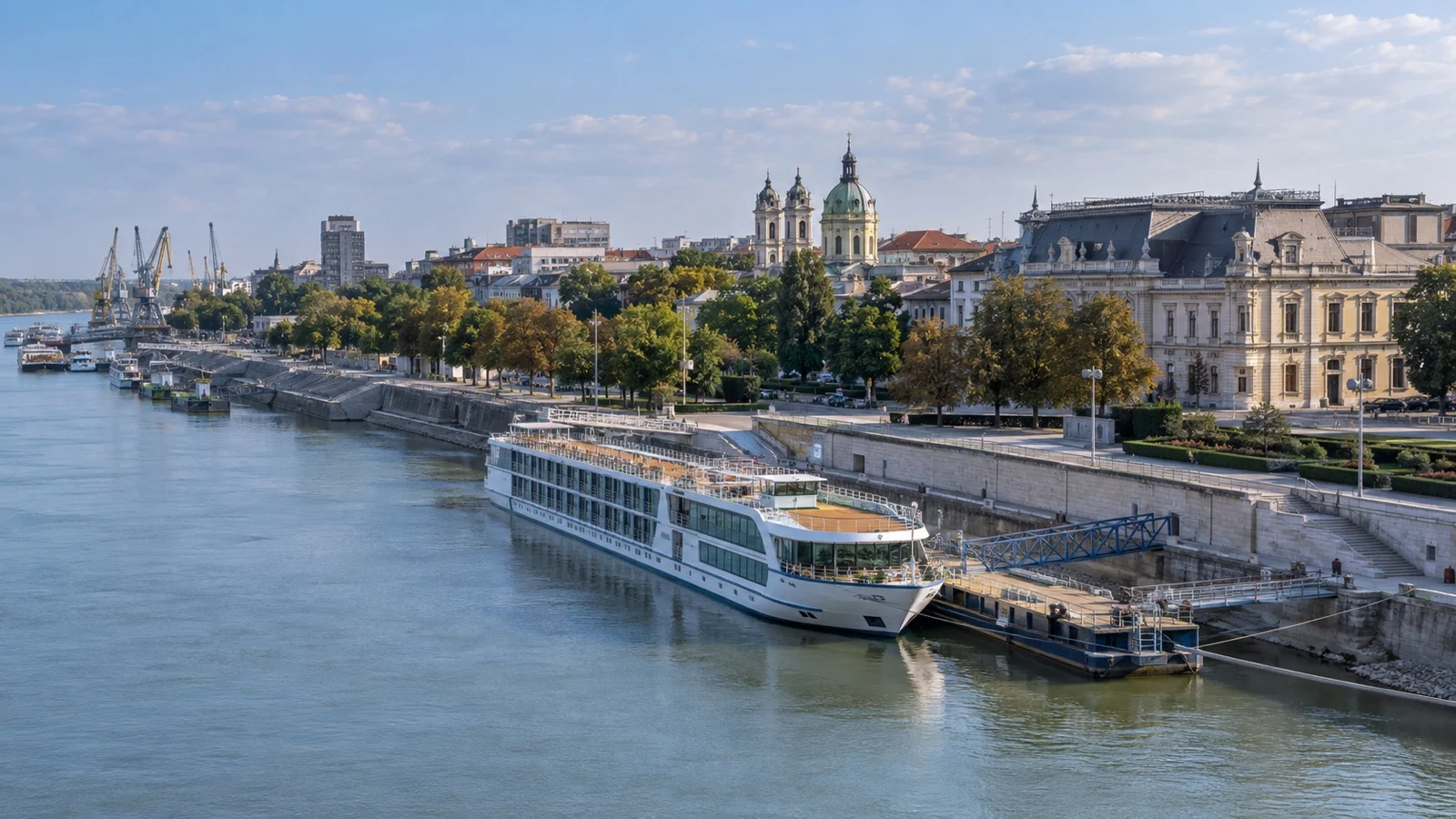
Passenger vessels can use Ruse Center, the nearby Dunav Tours pontoon, or the regional passenger facility known as Pristis. These are operational landing areas, not interchangeable doors of one terminal building.
An EU-supported Danube ports report identifies Ruse Center at approximately river kilometer 498.7 and says several passenger ships can berth side by side. It also identifies the Dunav Tours and Pristis pontoons farther along the waterfront, both designed for passenger and border-service calls.
Ruse Center and the Dunav Tours pontoon sit closest to the central waterfront. Freedom Square is roughly 15-25 minutes away on foot from those landings, while Pristis may require around 25-35 minutes, all editorial map estimates that vary by gate, route, and pace.
The center lies above the river, so “close” does not mean completely flat. Expect an uphill section, stairs or sloped routes, uneven paving, and summer sun depending on the path chosen.
Never promise yourself a specific pontoon from a map screenshot. The cruise line’s morning announcement is the source that matters, especially if a bus excursion or shuttle collects passengers at a controlled point.
Walking From the Dock to Central Ruse
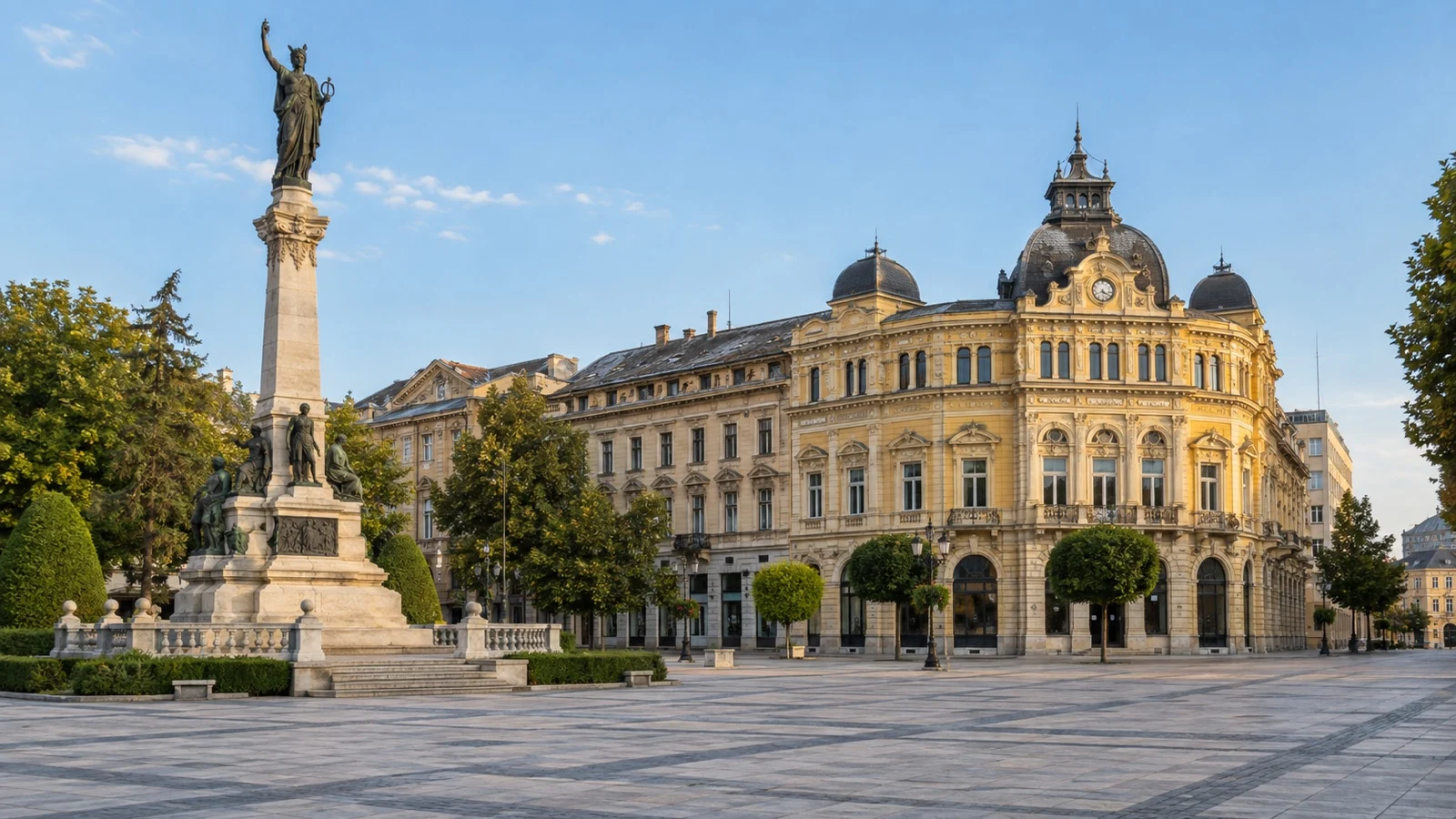
For independent exploring, aim first for Freedom Square, called Ploshtad Svoboda locally. It is the city’s handsome central room, with twelve streets converging around a green space, fountains, the Monument of Freedom, and the ornate Income Building.
The municipal Freedom Square guide is useful for identifying the landmarks once you arrive. The square itself is broad and pedestrian-friendly, although the route up from the river is the part that asks more of wheels and knees.
From here, the best sightseeing becomes an easy architectural wander rather than a checklist sprint. Ruse’s late 19th- and early 20th-century buildings earned it the nickname “Little Vienna,” but the city’s Bulgarian, Ottoman, Jewish, Armenian, and Romanian connections give it a character beyond that tidy slogan.
The Monument of Freedom and Income Building
The Monument of Freedom anchors the square with a female figure, lions, reliefs, and symbols of liberation. Nearby, the Income Building, also translated as the Profit-Yielding Building, pairs an elaborate neoclassical façade with an active theater and cultural venue.
Holy Trinity Cathedral
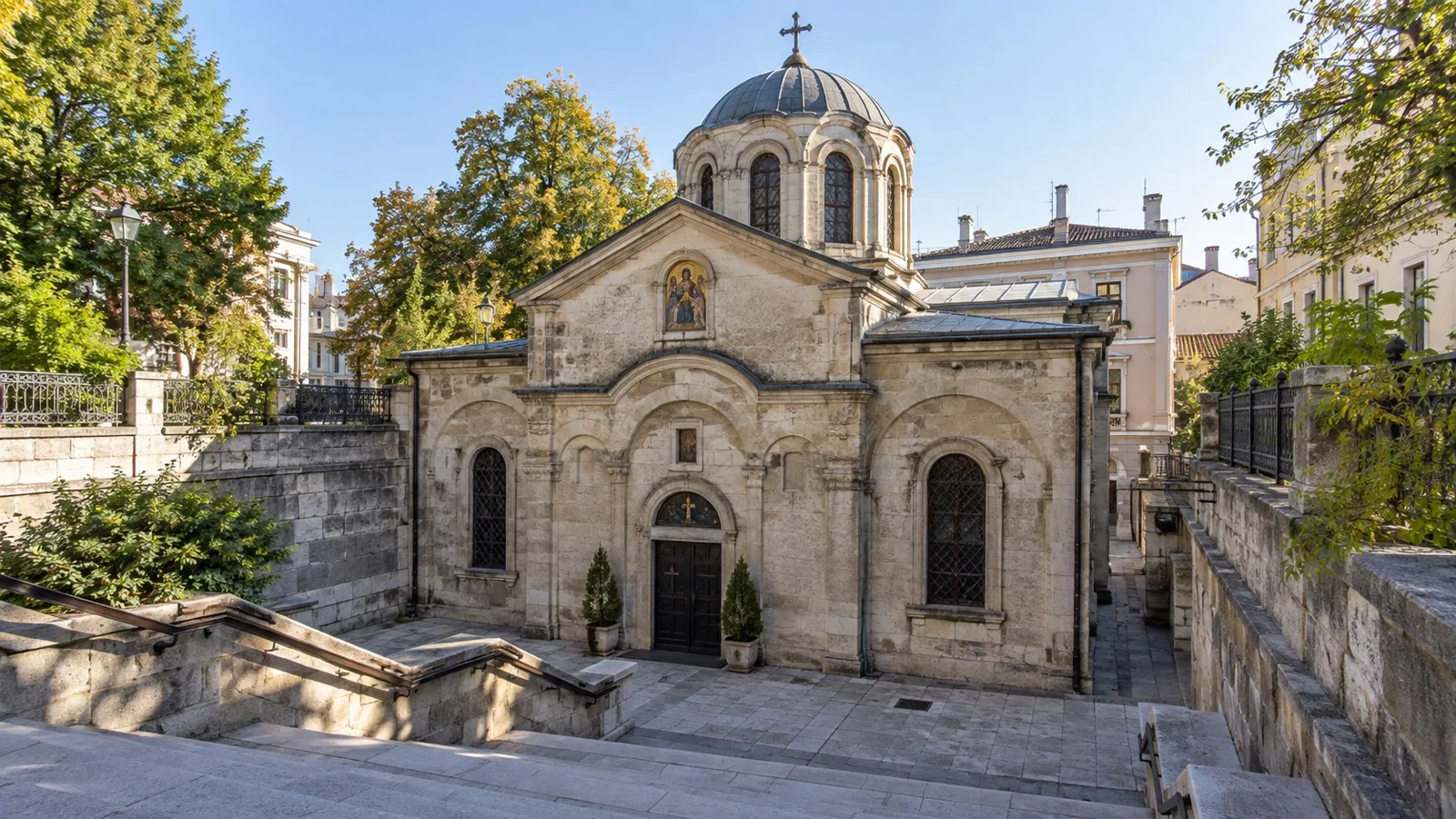
Holy Trinity is the oldest church in Ruse, dating to 1632 according to the city’s official walking route. Its floor was built below street level during Ottoman rule, so the descent is part of the story and an accessibility consideration.
Visit quietly when open, avoid services, and expect dress standards appropriate to an Orthodox church. Hours can shift for worship, funerals, holidays, and maintenance.
Regional History Museum and Roman Ruse
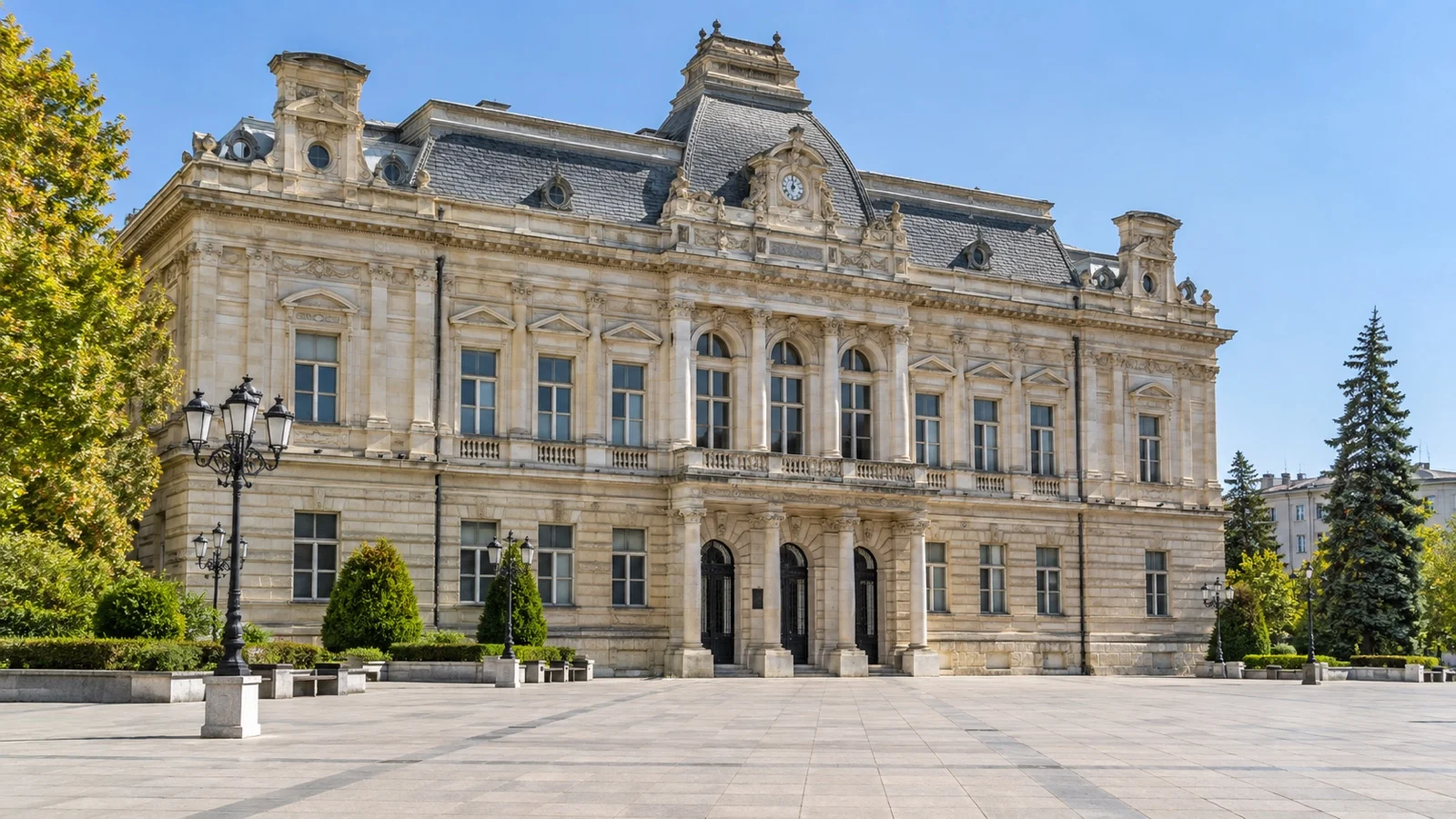
The Regional History Museum occupies a stately former administration building on Alexander Battenberg Square. The official Ruse listing currently gives daily hours of 9 a.m. to 6 p.m., but check again on holidays.
Basarbovo Monastery: The Close Excursion
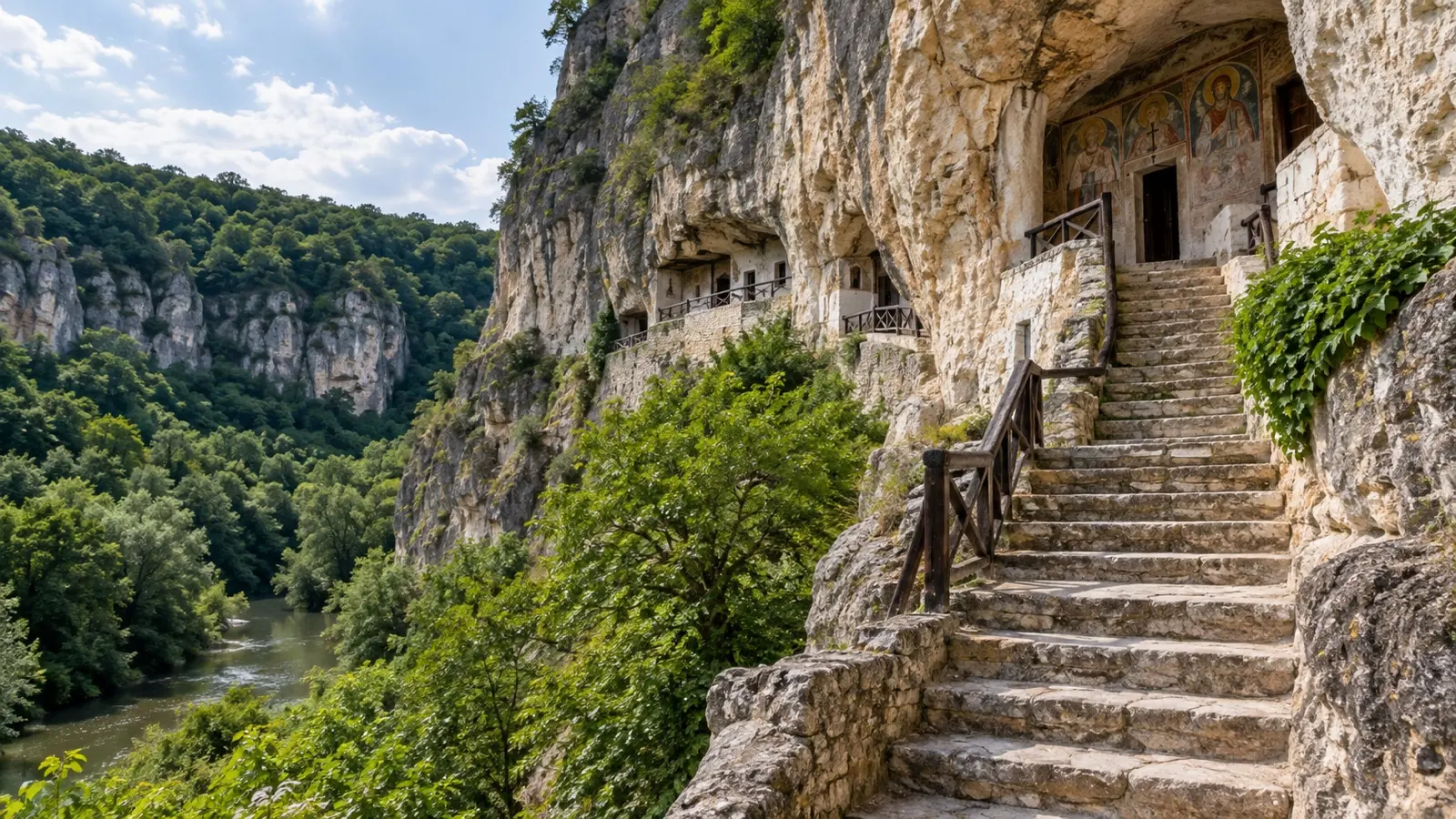
Basarbovo Rock-Hewn Monastery lies about 6.2 miles from Ruse in the Rusenski Lom valley. Its church, cells, steps, and cliff setting make it a compact excursion with a dramatically different mood from Freedom Square.
The national tourism publication on Bulgarian pilgrimage sites describes steep stone stairs leading to the rock church and cells. That detail matters more than any adjective: visitors need secure footwear, reasonable balance, and comfort with climbing.
A taxi or organized tour is the practical choice, with roughly 20-30 minutes of driving each way as an editorial estimate. Allow at least two hours overall, and confirm opening conditions before setting off independently.
Basarbovo is an active Orthodox monastery, not a theme set. Cover shoulders and knees, keep voices low, follow photography signs, and step aside respectfully during worship.
Ivanovo Rock-Hewn Churches: The UNESCO Choice
The Rock-Hewn Churches of Ivanovo are near the village of Ivanovo, about 10 miles (16 kilometers) from Ruse, and hold UNESCO World Heritage status. UNESCO highlights the 14th-century frescoes as an exceptional achievement of the Tarnovo school of painting.
This is not one grand roadside church. It is a landscape of medieval chapels, cells, and monastic spaces cut into cliffs, with the accessible visitor area representing only part of the historic complex.
Expect steps, rough paths, railings, confined interiors, and seasonal or conservation-related access changes. Travelers with limited mobility should ask exactly how much climbing the excursion includes rather than accepting the phrase “short walk.”
Driving is roughly 30-40 minutes each way by our planning estimate. A cruise-line tour removes taxi availability and return-time anxiety, while an independent car offers flexibility only if opening hours and ship timing are firmly confirmed.
Can You Combine Ruse With a Monastery?
Yes, on a longer call, but choose one monastery rather than collecting them like refrigerator magnets. Basarbovo is closer and often easier to fit, while Ivanovo offers the stronger art-history payoff and a UNESCO designation.
With four usable hours, an organized monastery visit plus a short Freedom Square walk can work. With two to three hours, stay in Ruse unless transport is already waiting and protected by the cruise line.
Calculate usable time after the ship is cleared and before all-aboard. Return at least 30 minutes before the deadline unless your operator instructs otherwise, because the Danube is famously uninterested in apologizing for traffic.
Accessibility and Mobility
Ruse’s waterfront facilities may accommodate passenger vessels, but the exact gangway gradient changes with river level. Rafting can also introduce another ship’s steps, narrow passages, and thresholds.
Ask the cruise line whether ships will be rafted, whether the route across neighboring vessels is step-free, and where an accessible vehicle can meet you. Port capability does not guarantee an identical accessible journey for every passenger on every call.
Freedom Square is the easiest major sightseeing zone once reached, but the climb from the river needs planning. A short taxi transfer is often the sensible choice for wheelchair users, scooter users, and anyone preserving energy.
Basarbovo and Ivanovo contain substantial stair and path barriers. Confirm the actual excursion route with the operator, including distance, surfaces, handrails, restroom access, and whether remaining at a lower viewpoint is possible.
Money, Food, and Practical Details
Bulgaria adopted the euro on January 1, 2026, and the Bulgarian National Bank confirms it became the sole legal tender on February 1. Older cruise guides listing Bulgarian lev are now out of date.
For lunch, look for shopska salad, grilled meats, yogurt-based dishes, banitsa pastry, and regional wine. Order enough to be curious, not so much that the walk downhill becomes a negotiation.
Bulgarian uses Cyrillic, though central signs and menus may include English. Download an offline map and save the ship’s berth in writing, because showing a driver the exact quay is more effective than repeating “cruise ship” with increasing optimism.
Weather, Border Context, and Safety
Summer can be hot, sunny, and humid beside the Danube, while spring and fall bring cooler air and showers. Carry water, sun protection, and a light layer, especially for exposed monastery paths.
Romania lies directly across the river, but Bulgaria and Romania became full Schengen members on January 1, 2025. Routine person checks at their internal land border ended, although ship, port, security, and itinerary formalities can still affect disembarkation.
Central Ruse is generally comfortable for daytime exploring, with the usual city precautions. Watch valuables in crowds, use marked crossings, avoid isolated waterfront stretches after dark, and give wet stairs the respect they deserve.
For broader preparation, read our European cruise port guide and first-time port guide. Both help turn a variable berth into a calm plan rather than a small international incident.
Three Sensible Ruse Port-Day Plans
Easy 90 minutes: Take a taxi or steady uphill walk to Freedom Square, see the monument and Income Building, add coffee, then return with plenty of margin. This is the best plan for a delayed gangway.
Classic three hours: Explore Freedom Square, Holy Trinity Cathedral if open, Alexander Battenberg Square, and the Regional History Museum. The duration is an editorial estimate and assumes a central berth.
Long call: Choose Basarbovo or Ivanovo with arranged transport, then finish at Freedom Square if time remains. Do not attempt both monasteries plus the city unless the cruise line has designed and guaranteed the sequence.
Practical checks before Ruse
Get Ruse Center, Dunav Tours, Pristis, or another landing in writing, together with the rafting order and coach pickup point. These are separate passenger facilities, and the walk to Freedom Square changes enough that the city name alone is not useful for an accessible or tightly timed plan.
Central Ruse and Basarbovo make the more manageable day, while the rock-hewn churches at Ivanovo deserve a longer schedule. Bucharest is a long international road trip, so use a ship-organized excursion and follow its return instructions.
Check Bulgaria’s official entry and currency guidance for the cruise date, especially when the itinerary also crosses Serbia or Romania. Ivanovo’s rock paths and stairs, the city’s uphill streets, raft crossings, summer heat, and low or high Danube water all require separate checks.
How this guide was researched: This guide was independently checked on September 12, 2026, against Ruse municipal tourism, UNESCO, the Bulgarian Danube navigation authority, the Bulgarian Ministry of Foreign Affairs, and the official sources linked above. Reconfirm the mooring, rafting order, border processing, transportation, attraction rules, entry documents, weather, accessibility, costs, and all-aboard point because live operations can change.