Prague River Cruise Guide: Docking, Transfers, and One-Day Plans
Prague is one of Europe’s great river cities, but the words “Prague river cruise” do not always mean your ship will be waiting in central Prague. Some itineraries use a genuine Vltava mooring near Čech Bridge, while others package Prague as a hotel extension followed by a motorcoach transfer to a vessel somewhere else.
That distinction changes your luggage plan, sightseeing hours, transportation, and return deadline. Before imagining a stroll from the gangway to Old Town, find the exact embarkation address in your final cruise documents.
Once you know where the ship or coach actually is, Prague becomes much easier to organize. The smartest independent day usually combines Old Town, Charles Bridge, and a tram-assisted visit to Prague Castle without trying to collect every tower, church, and museum.
Quick Facts
- Central mooring: CroisiEurope currently publishes a Prague berth beside Čechův most on the Nábřeží Edvarda Beneše wharf
- Important catch: Many Danube cruise packages use Prague as a land extension with a motorcoach transfer to the actual ship
- Old Town access: The Čech Bridge area is close enough for a comfortable walk, but verify your own berth first
- Castle strategy: Use tram 22 to reduce the uphill walk and save energy for the complex
- Currency: Czech koruna, shown as CZK or Kč
- Transit: Time-based tickets work across the integrated city network within their validity period
- Accessibility: Cobblestones, curbs, hills, stairs, and tram gaps require route-specific planning
- Best approach: Confirm the berth or coach pickup, choose two or three priorities, and set a generous turnaround time
First Confirm What Your Prague Cruise Includes
Prague sits on the Vltava River, which flows north toward the Elbe. It is not on the Danube, so a Danube itinerary that advertises Prague usually connects the city to the ship by road rather than sailing directly from central Prague.
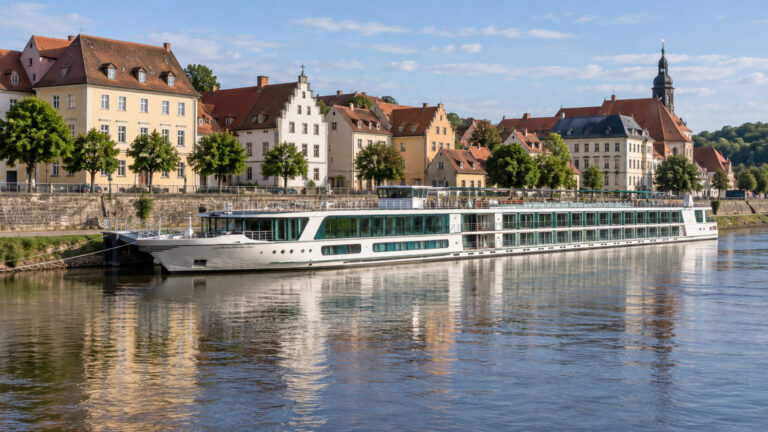
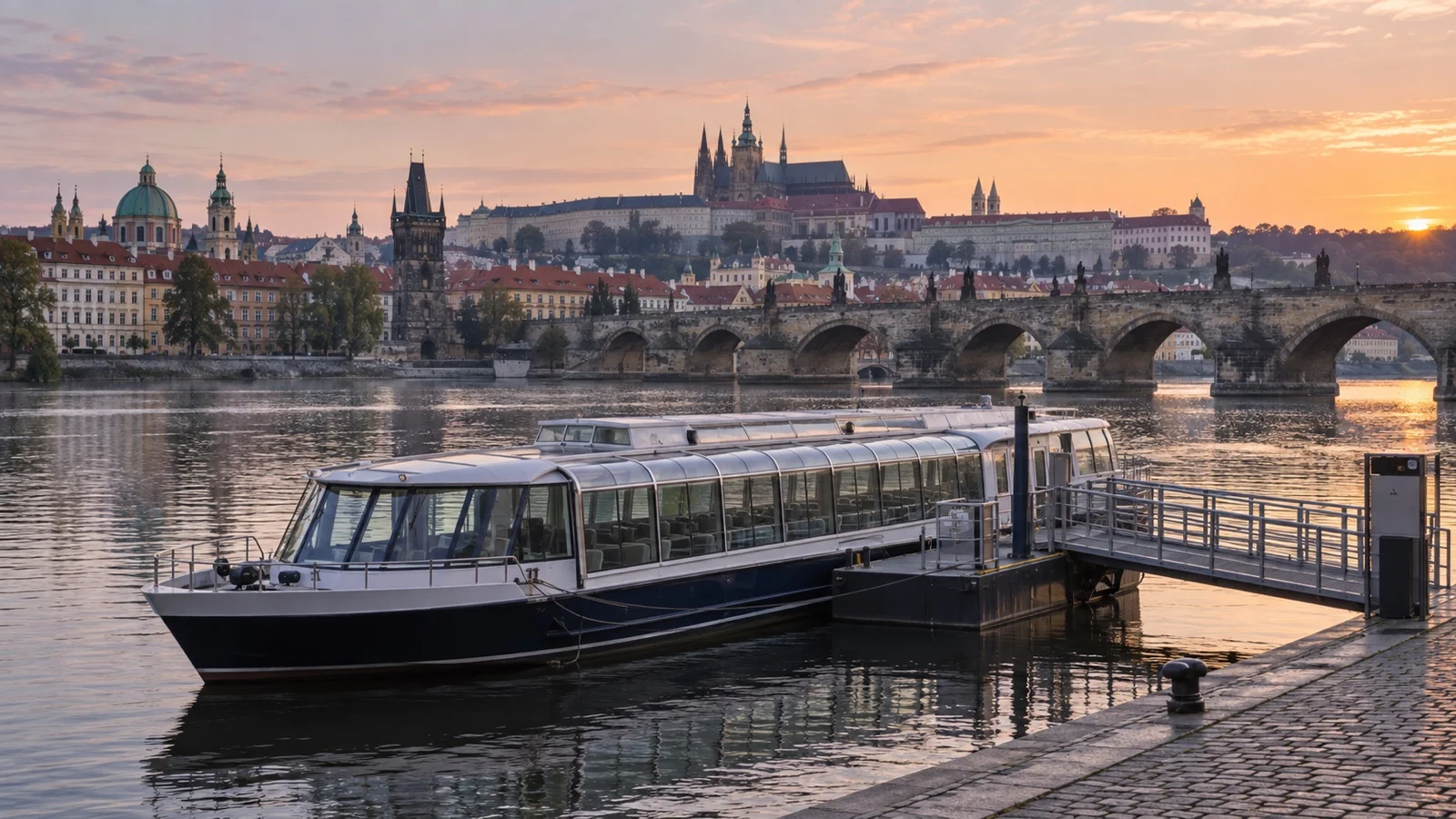
There are real river cruise operations in Prague, and the details matter. CroisiEurope’s current boarding page says its ship is moored next to Čech Bridge along the Nábřeží Edvarda Beneše wharf.
Do not apply that address to a different cruise line or sailing. Berths can change for operations, river conditions, construction, or local instructions, and your final travel documents outrank a general guide.
If Prague is a pre-cruise or post-cruise extension, identify the hotel, luggage collection time, coach departure point, transfer duration, comfort stops, and actual embarkation city. Ask what happens if low water requires a ship swap or an altered transfer plan.
The Central Prague Mooring
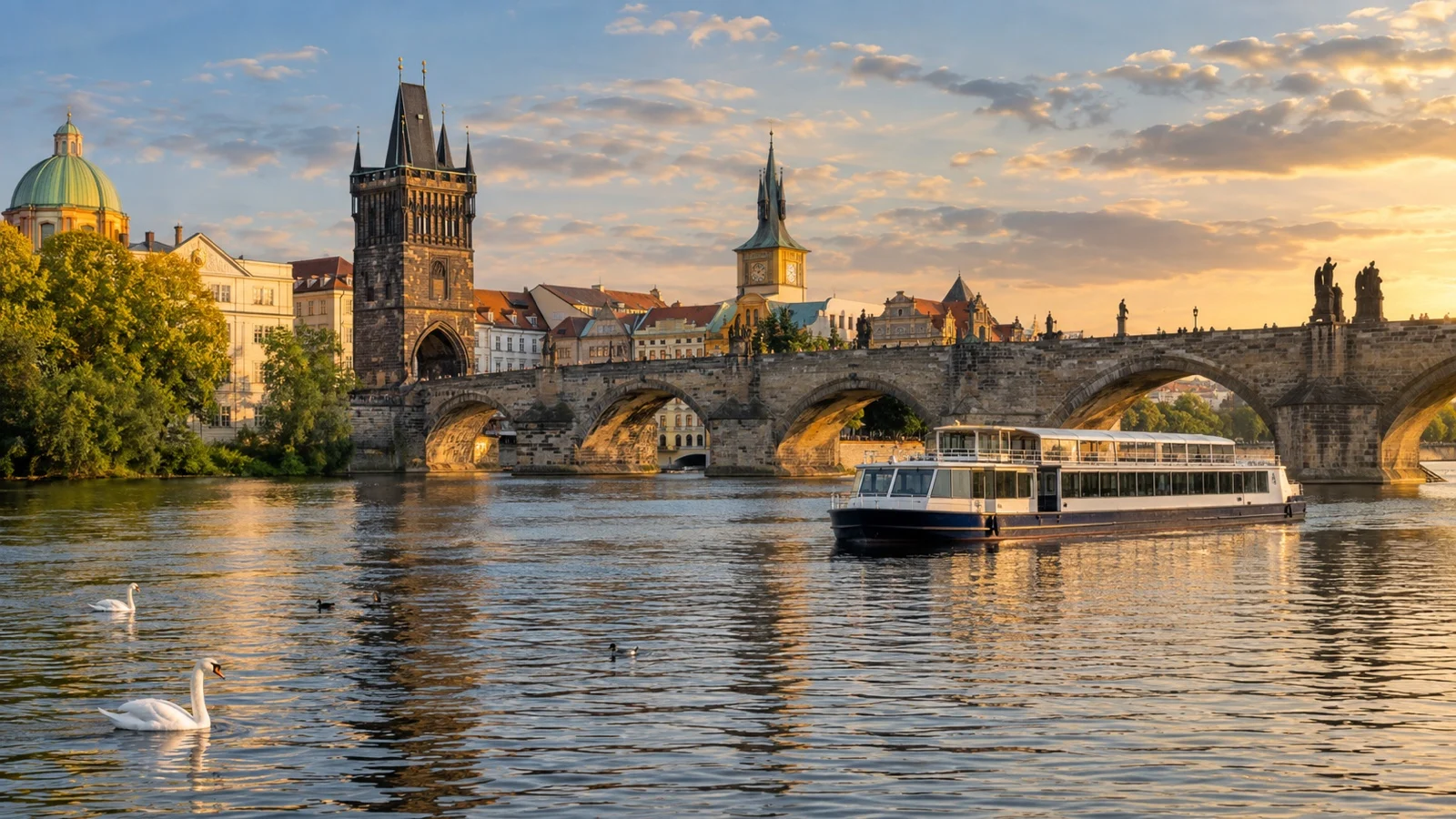
Čech Bridge, written locally as Čechův most, crosses the Vltava just north of Old Town. A ship moored on the Nábřeží Edvarda Beneše side is close to the historic center, riverfront paths, tram stops, and the Old Town end of many sightseeing routes.
The location is central, but it is still an active urban waterfront rather than a purpose-built cruise terminal. Gangway angle, curb access, traffic, and the exact ship position can vary, so travelers with mobility equipment should request current details from the operator.
If you arrive by rail, the operator’s published directions currently mention tram 5 to the Čechův most stop. Transit routes can be diverted, so check the official Prague Public Transit journey planner on the day rather than treating any route number as permanent.
With luggage, consider a reputable app-dispatched car or an arranged transfer even when the berth looks walkable on a map. Cobblestones, tram tracks, crowded sidewalks, and bridge approaches make a short distance feel longer with a suitcase.
When Prague Means a Motorcoach Transfer
A land extension can be an excellent way to see Prague, but it operates by hotel and coach timing rather than a gangway schedule. Your critical deadline may be a lobby luggage call hours before the bus actually departs.
Confirm whether large bags travel separately and whether you keep a day bag during sightseeing. Pack medication, documents, valuables, chargers, and one change of clothes where they remain accessible in case the luggage truck follows another schedule.
Never assume the coach waits for guests who are touring independently. Get the precise pickup entrance, meeting room, emergency contact, and local phone number, then save them offline.
Transfer time is not always empty time because routes through Czech and German landscapes can be interesting, but traffic and comfort stops make arrival estimates flexible. Avoid booking a nonrefundable independent activity close to the scheduled ship arrival.
A Smart One-Day Prague Route
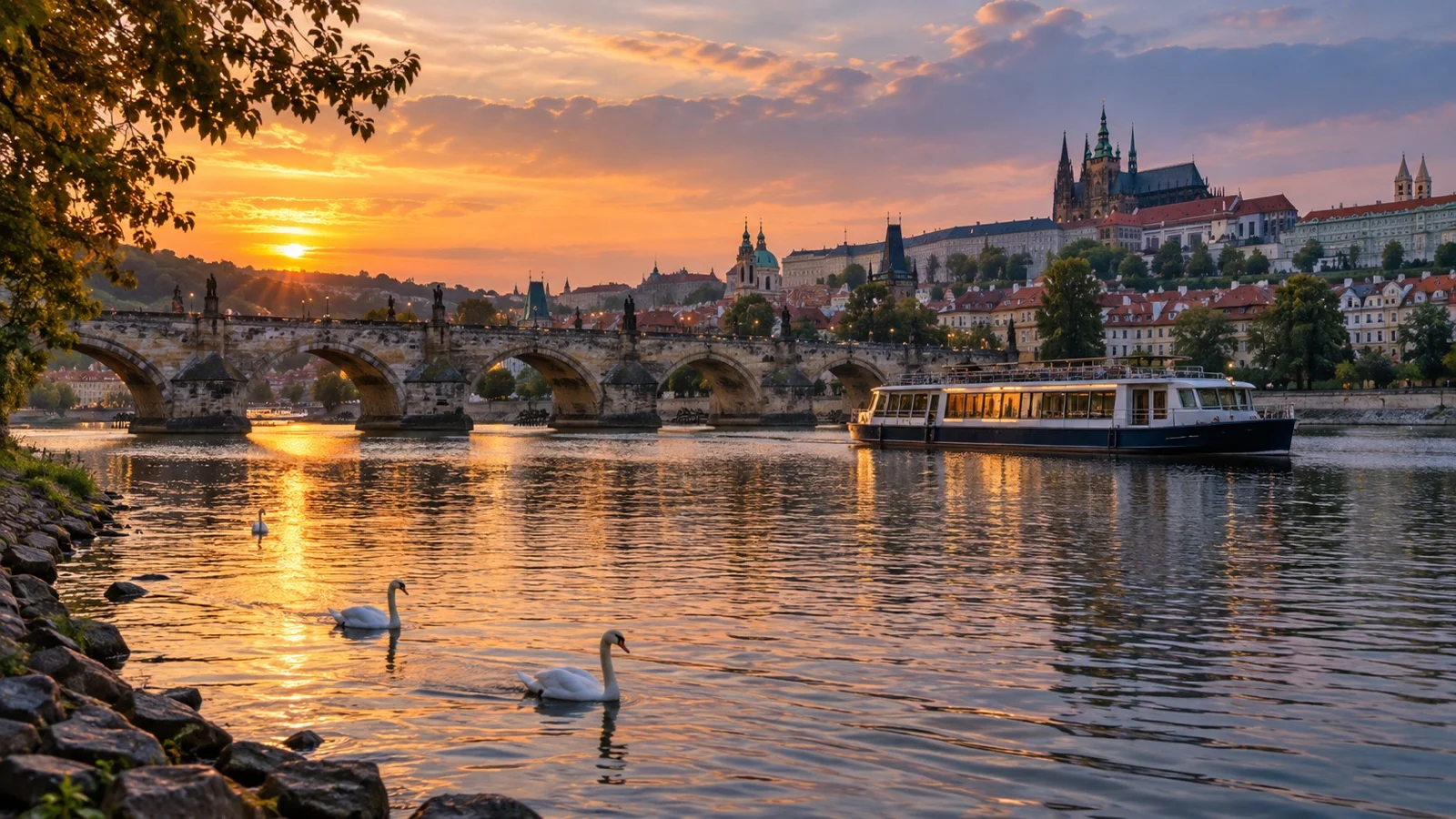
Begin with Old Town Square before the heaviest crowds, then walk through the lanes toward Charles Bridge. Cross into Malá Strana and use tram 22 for the easier official approach to Prague Castle.
At the castle, visit your highest-priority ticketed interior first. Walk downhill afterward if the weather and your footing are comfortable, or return by tram when energy matters more than another scenic street.
Keep lunch simple and close to your route. A leisurely meal can be lovely on a hotel stay, but a ship or coach day rewards an efficient café stop and extra time for the sights.
If your schedule begins late, reverse the route and prioritize Prague Castle before its historic interiors close. Old Town streets and Charles Bridge remain rewarding later, even after some admission desks have stopped selling tickets.
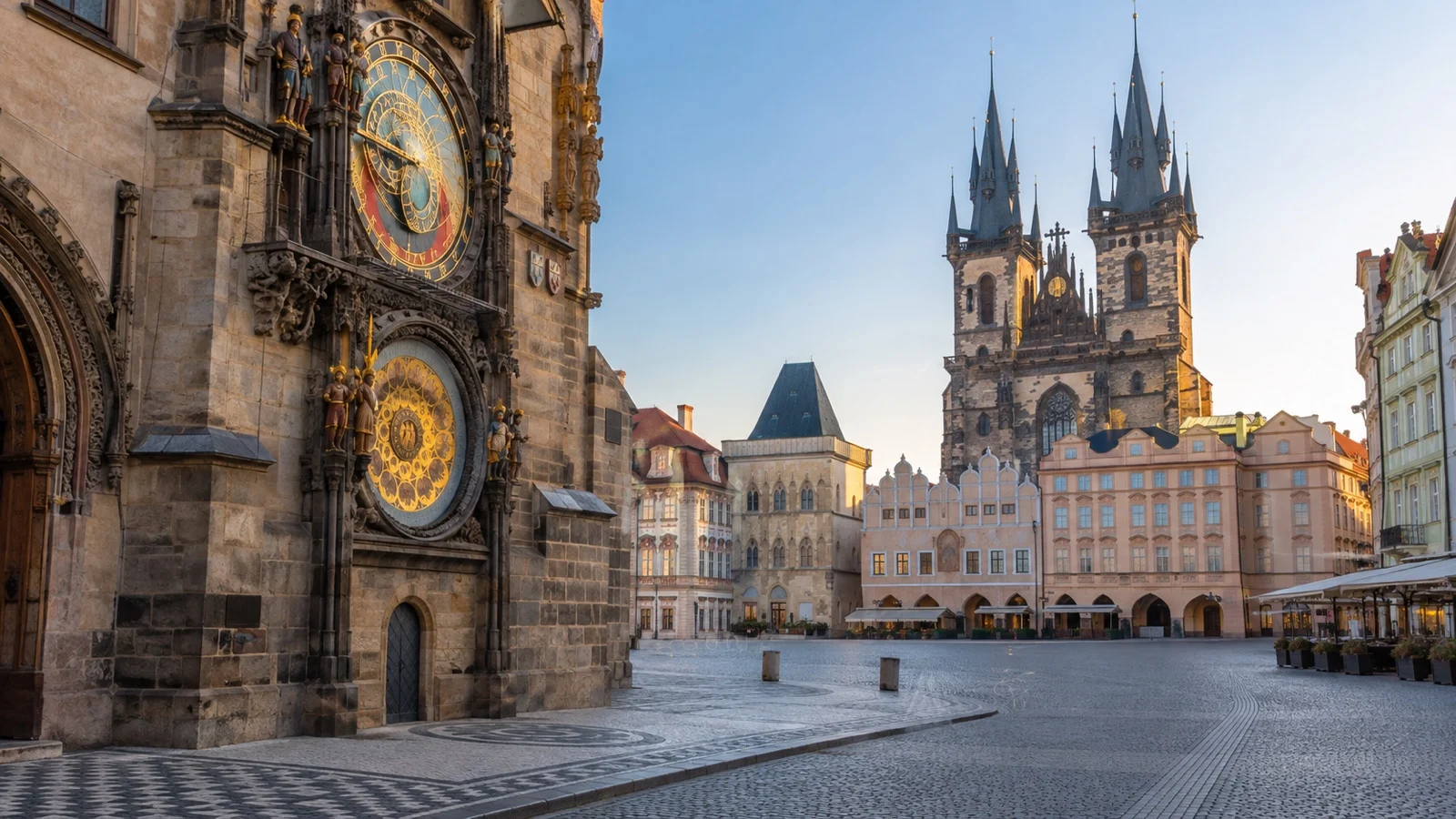
Old Town Square and the Astronomical Clock
Old Town Square is the natural heart of a first Prague visit. The astronomical clock draws a crowd before its hourly display, but the surrounding Gothic, Baroque, and civic architecture deserves more attention than the brief mechanical performance.
Arrive early if you want clear photographs and easier movement. Later in the day, secure your phone and wallet, expect tour groups, and step away from the clock frontage to find calmer views.
The UNESCO Historic Centre of Prague includes Old Town, Lesser Town, New Town, and major monuments across a much wider urban landscape. That breadth is a useful reminder that Prague is not a two-photo checklist.
Choose one nearby interior if time permits, such as a tower, church, or museum that matches your interests. A single well-chosen admission usually creates a better day than rushing through several ticket lines.
Charles Bridge Without the Worst Crowds
Charles Bridge is pedestrianized, historic, and busy enough to test even patient travelers. Early morning offers the most space, while late afternoon can bring beautiful light and dense foot traffic.
The stone surface is broadly level across the river but can be uneven and slippery when wet or icy. Leave extra time if you use a cane, move slowly, or need to avoid sudden changes of direction around groups.
Pause to look north and south along the Vltava rather than focusing only on statues and souvenir stands. The river view explains how the castle, Lesser Town, Old Town, islands, and embankments fit together.
For a quieter crossing, consider another nearby bridge on the return leg. You can still visit Charles Bridge once while avoiding the pressure to cross it twice during peak hours.
Prague Castle With Less Climbing
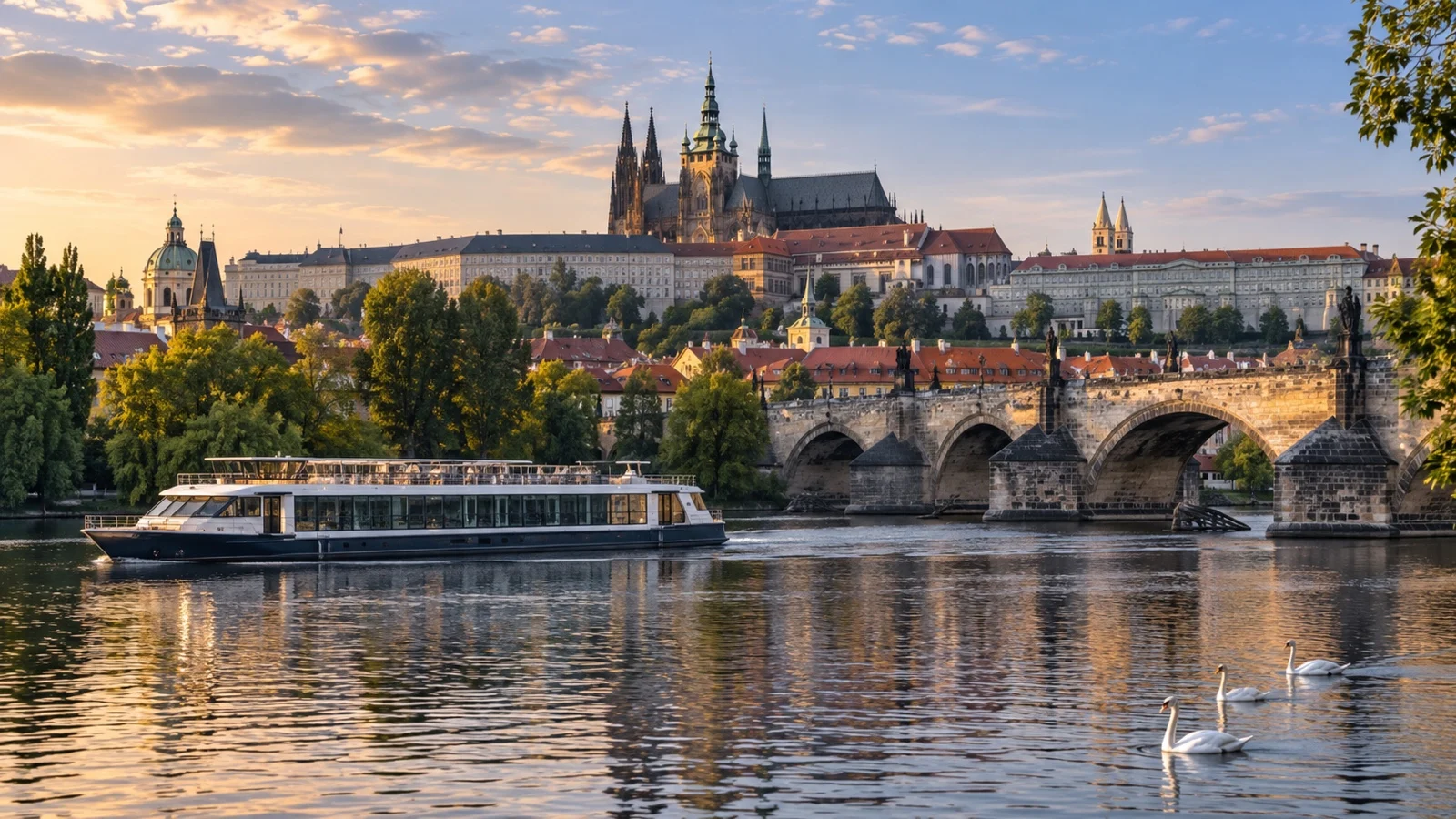
Prague Castle is a complex of courtyards, churches, palaces, lanes, gardens, and state spaces rather than one attraction. Its public grounds and ticketed interiors follow different hours, and official events can restrict access without much notice.
Prague Castle’s official visitor guidance recommends tram 22 or 23 to the Pražský hrad stop as the most direct and easiest approach. From there, it is a short walk to the Second Courtyard without the climb from the river.
Saint Vitus Cathedral is the headline interior for many visitors, but security and entry lines can consume valuable time. Decide before arrival whether the cathedral, Old Royal Palace, Golden Lane, or an exterior-focused walk matters most.
State ceremonies, worship, weather, and security requirements can change normal access. Check the official Prague Castle notices on the morning of your visit and be ready to adjust.
Using Prague Public Transit
Prague’s integrated network of trams, metro trains, and buses is the best tool for reducing unnecessary walking. The official fare system uses time-based tickets, so you can transfer within the ticket’s validity when the route requires it.
The current official fare page lists separate prices for paper and app tickets, with 30-minute, 90-minute, 24-hour, and 72-hour choices. Fares can change, so check Prague Integrated Transport or its official app shortly before travel instead of relying on an old screenshot.
Buy the correct ticket and activate or validate it as the purchase method requires. A bank card in your pocket is not a transit ticket unless you have completed the required purchase at a terminal or through an accepted system.
Trams are useful for the castle and river districts, but not every vehicle or stop offers identical step-free access. Use the official planner’s accessibility information when a low-floor vehicle or elevator is essential.
Ship Excursion or Independent Sightseeing
An independent day works well from the central mooring or a well-located hotel when you have a generous schedule and basic confidence with city transit. Prague’s major first-visit sights form a logical route, and offline maps make navigation straightforward.
A ship excursion makes more sense when the schedule is short, the coach begins outside the center, or timed castle interiors are central to your plans. A guide can also explain architecture and history while reducing the time spent deciding where to go next.
Read activity descriptions skeptically because labels such as panoramic or easy do not reveal the number of stairs, standing time, or distance over cobbles. Ask for the vehicle step height, walking distance, restroom plan, and amount of free time.
The strongest compromise is often a guided castle visit followed by independent time in Old Town. You gain help at the most complicated site while keeping room for a café, shop, or street that catches your eye.
Accessibility and Mobility Planning
Prague can be rewarding with limited mobility, but it demands route-level planning. Historic areas combine cobblestones, curbs, tram tracks, hills, stairways, narrow entrances, and surfaces that become slick in rain or snow.
Ask the cruise line about the gangway, ship elevator, coach lift, storage for mobility devices, and the distance from vehicle drop-off to each attraction. A wheelchair-accessible coach does not guarantee that every historic room on the tour is accessible.
Tram 22 reduces the steep castle climb, though some interiors still have stairs or restricted routes. Contact Prague Castle for current access details if one specific building is important.
A flatter alternative focuses on the riverfront, Old Town, accessible museums, and scenic tram rides. It may cover fewer famous interiors, but it can deliver a more comfortable and enjoyable day.
Money, Tickets, and Everyday Details
The Czech Republic uses the koruna rather than the euro. Cards are widely accepted, but a modest amount of local cash helps with small purchases, restrooms, or businesses that set a minimum card charge.
When a payment terminal offers to convert the charge into your home currency, the merchant’s conversion may include an unfavorable rate. Choosing Czech koruna usually lets your own card network handle the exchange.
Download maps, transit information, tickets, and ship contacts before leaving reliable internet. Keep your phone charged and carry a compact power bank if navigation, photography, and tickets all depend on it.
Public restrooms may require a small payment, and cafés generally reserve facilities for customers. Use a restroom when you see a convenient one rather than waiting until the last minutes before a transfer.
Food and a Sensible Cruise-Day Meal
Prague offers hearty Czech dishes, excellent bakeries, modern cafés, and restaurants at every level. On a port day, choose a place one or two streets away from the busiest square for calmer service and better odds of a relaxed meal.
Ask about service speed before ordering if your turnaround time is tight. A soup, open sandwich, pastry, or simple plate can leave more room for sightseeing than a long multicourse lunch.
Tap water practices and restaurant charges can differ from home, so read the menu and ask what is included. Check the bill before paying and tip according to local custom and the service received.
Weather and What to Wear
Prague can be hot in summer, cold and icy in winter, and wet in any season. Pack for the actual forecast because monthly averages do not capture a windy river morning or a sudden afternoon storm.
Wear supportive shoes with grip, especially if your plan includes castle lanes and extensive cobblestones. Layers work better than one heavy garment because temperatures can change between exposed bridges, trams, churches, and cafés.
A compact umbrella is useful in light rain, though a hooded waterproof layer is easier in bridge crowds and wind. In summer, carry water and sun protection because shade can disappear along open squares and castle courtyards.
Safety in Crowded Areas
Prague is straightforward for most visitors, but crowded trams, Old Town Square, and Charles Bridge call for normal city awareness. Secure phones and wallets, close bags, and avoid displaying more cash than you need.
Use licensed taxis, a trusted app, or transportation arranged by the cruise or hotel. Decline unsolicited currency exchanges and verify the amount and currency before approving any card payment.
The Czech government’s emergency information lists 112 as the single European emergency number. Save the cruise director or hotel contact separately because a routine delay or missed pickup belongs with the operator, not emergency services.
Getting Back to the Ship or Coach
Set a personal turnaround time earlier than the official deadline, especially when you are across the river at Prague Castle. Crowds, security exits, traffic, and tram diversions can consume a comfortable margin quickly.
Take a photo of the berth, coach pickup, nearby sign, and ship contact information before leaving. A map pin is helpful, but a recognizable landmark can be faster when explaining your destination to a driver.
If your ship moves during the day, the operator should explain the new boarding point and transportation. Read every daily program and message because a morning gangway location may not be the evening return location.
For a hotel extension, confirm whether the bus departs from the lobby, a side entrance, or a nearby loading zone. Large Prague hotels can have several doors, and being inside the correct building is not always enough.
How Prague Fits a Longer River Itinerary
On a Vltava and Elbe sailing, Prague can connect naturally with smaller Czech ports and German cities such as Dresden and Meissen. The route moves from a major capital into gentler river landscapes, historic towns, and cultural stops with a very different pace.
On a Danube package, Prague is usually a land component attached to an itinerary beginning or ending elsewhere. Treat the coach transfer as a formal segment of the trip, with its own luggage rules and deadlines.
Prague is often the itinerary’s blockbuster, but smaller ports may offer easier walking and more unstructured time. Resist the urge to force every Central European fantasy into one city day.
Common Planning Mistakes
The first mistake is copying a central mooring address without checking the cruise line. The second is assuming that a Prague hotel extension means the river ship is nearby.
Another mistake is walking uphill to the castle simply because the route looks scenic. The tram saves time and energy that you can use inside the complex or on the walk down.
Travelers also underestimate cobblestones and overestimate how many interiors fit between meal breaks and transportation. Choose priorities before the day begins, then leave room for the city to surprise you.
Finally, do not hardcode old fares, opening hours, or tram routes into a rigid plan. Check official sources close to departure and let the current operating information guide your choices.
The Final Take
Prague is absolutely worth the logistical homework, and that homework begins with one simple question: where is the ship or coach? Once the answer is clear, the city rewards a focused plan built around Old Town, Charles Bridge, and a sensible castle approach.
Give yourself fewer targets, better shoes, and more return time than the brochure suggests. Prague’s best moments often appear between the headline sights, and a calm day will stay with you longer than a frantic checklist.
How this guide was researched: This guide uses current CroisiEurope, Prague Castle, Prague Integrated Transport, UNESCO, and Czech government information. Logistics and time-sensitive details were reviewed in September 2026; see our Editorial Policy and follow your operator’s final documents.