Charlottetown Cruise Port: PEI & Anne of Green Gables
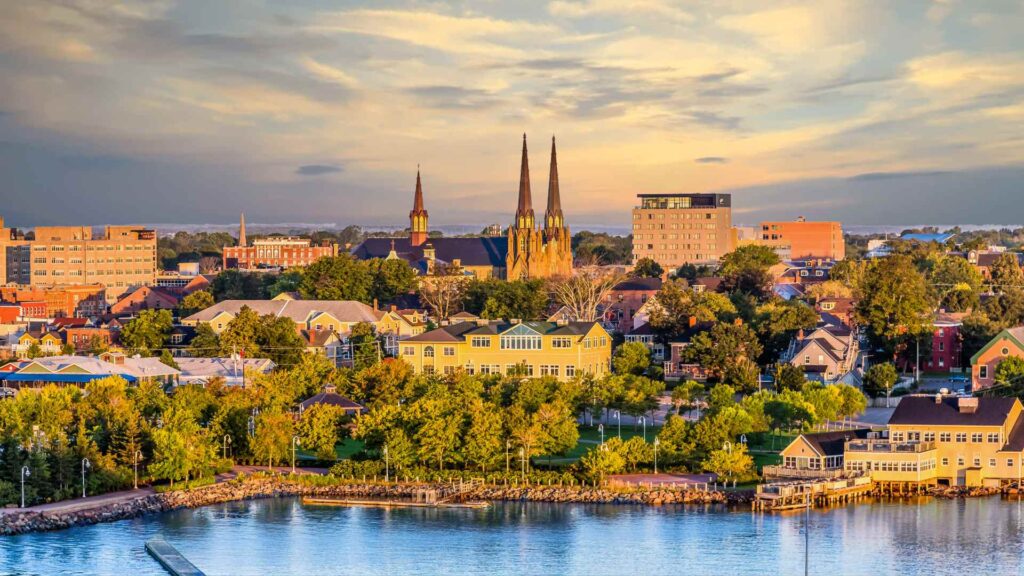
Charlottetown is one of the friendliest Canadian cruise calls because Prince Edward Island’s capital begins almost at the pier. Red-brick streets, Confederation history, waterfront paths, seafood, and theaters fit easily into a walking day, while Anne of Green Gables country and the island’s north shore require a deliberate road trip.
The choice is wonderfully simple once you stop trying to do both at full scale. Stay in Charlottetown for a relaxed cultural day, or reserve transportation to Cavendish and let the coast become the center of the visit.
Quick Facts
- Port style: central berth for many ships, with anchorage and tender possible when required
- Best easy day: Charlottetown waterfront and historic center on foot
- Signature island excursion: Green Gables Heritage Place in Cavendish
- Best scenery: Prince Edward Island National Park and the north shore
- Currency: Canadian dollar, with cards widely accepted
- Language: English is dominant, with French also part of Canada’s official framework
- Weather: coastal wind and rain can arrive quickly during cruise season
- Ellie’s rule: pre-book the Anne excursion because vehicles and tour seats are limited on ship days
Arriving at Charlottetown Cruise Port
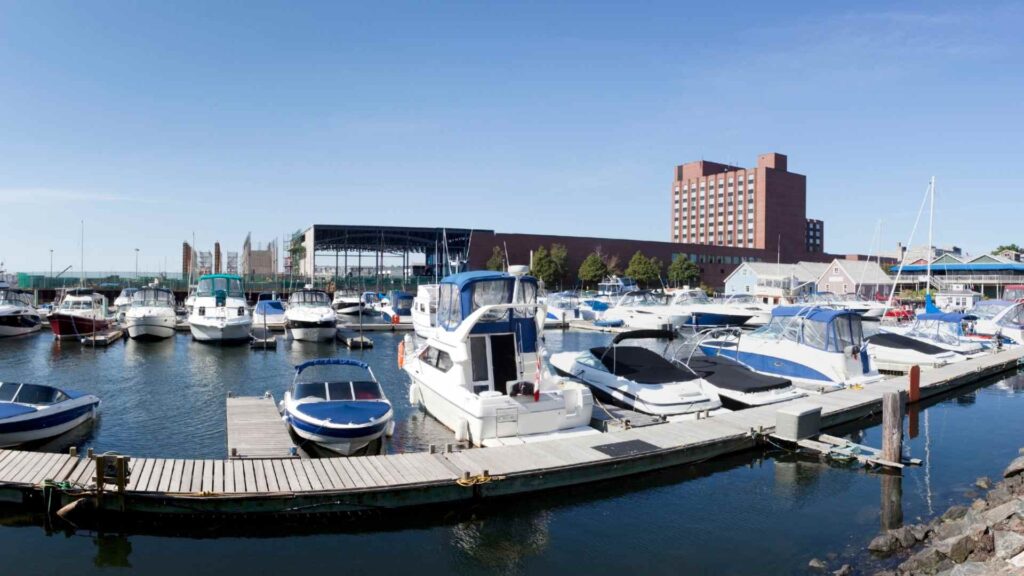
Port Charlottetown welcomes cruise passengers close to the city’s historic and commercial center. Many ships berth, while operational needs, traffic, and vessel size can create an anchorage or tender arrangement for a particular call.
Use the cruise line’s daily program and the official Port Charlottetown information for your date. Confirm whether you will use a gangway or tender, where excursions meet, and when the final return movement leaves.
The terminal area often includes visitor information, local vendors, transportation representatives, and a clear route toward the waterfront. Photograph the ship entrance or tender return point because the scene can look different after buses and crowds arrive.
Charlottetown is compact, but Prince Edward Island is larger than a port map suggests. Cavendish, beaches, lighthouses, farms, and scenic drives all require transportation and disciplined timing.
Walking from the ship
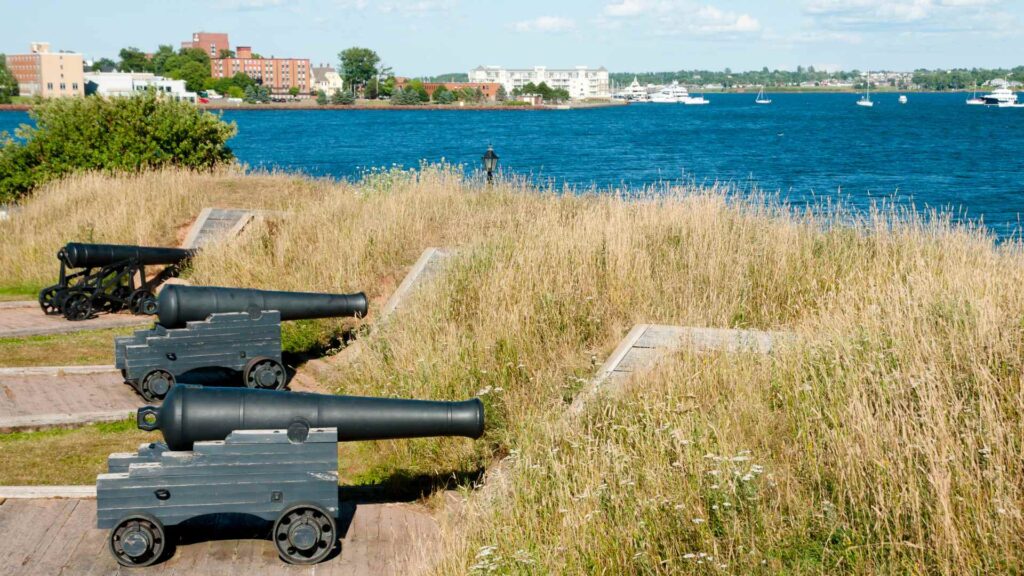
A city day is the lowest-risk option because the waterfront and historic grid begin close to the port. You can move between Peake’s Wharf, Confederation Landing, Great George Street, Queen Street, Victoria Row, and central landmarks without needing a car.
Sidewalks are generally manageable, though curbs, brick surfaces, slopes, construction, and wet leaves can add small barriers. Wear secure shoes and remember that a gentle coastal day can still turn windy.
Ask the port visitor desk for a current map and opening information. Seasonal businesses may reduce hours late in the cruise season, and Sunday schedules can differ.
Green Gables Heritage Place
Green Gables Heritage Place is the essential stop for readers who grew up with Anne Shirley. The farmhouse, grounds, interpretation, and landscape connect Lucy Maud Montgomery’s imagination with the real Cavendish setting that helped shape it.
This is a Parks Canada site rather than a themed replica built only for tour buses. Check the official seasonal schedule, ticketing, construction notices, and accessibility details before choosing an independent visit.
The house can become crowded when several groups arrive together. A ship excursion simplifies entry and transportation, while a private tour can improve pacing if the operator secures enough time on site.
Leave room for the grounds and trails if conditions are good. The literary experience lives in woods, fields, paths, and place names as much as in the furnished rooms.
Getting to Cavendish
Cavendish sits on the north shore, roughly a forty-minute drive from central Charlottetown in ordinary conditions. Cruise-day traffic, roadwork, photo stops, and group loading can extend that journey.
There is no urban transit connection that turns Green Gables into a casual last-minute outing. Use a cruise excursion, reputable island tour, private guide, taxi booked for both directions, or rental car reserved well in advance.
If you rent, confirm office hours, pickup location, fuel policy, and return procedure. Drive on the right, watch for wildlife and farm vehicles, and keep the ship’s all-aboard time visible.
A one-way taxi without a return booking is risky because local vehicle supply can tighten when a large ship is in port. Agree on the total plan before leaving Charlottetown.
Prince Edward Island National Park
Prince Edward Island National Park protects a beautiful and fragile ribbon of beaches, dunes, wetlands, and coastal landscapes along the Gulf of Saint Lawrence. The red cliffs and pale sand create the visual contrast many visitors associate with PEI.
Use Parks Canada’s current visitor guidance for road access, facility schedules, closures, and safety. Seasonal services can be limited during spring and fall cruise calls even when the scenery remains accessible.
Stay on designated paths and boardwalks because dune vegetation is easily damaged. A single shortcut can contribute to erosion in a landscape already shaped by storms and changing coastal conditions.
Swimming is rarely the purpose of an autumn cruise excursion, but beach safety still matters. Follow posted warnings, keep back from unstable cliff edges, and never stand below an eroding bank for a photograph.
North shore scenic drives
A north shore outing can combine Cavendish, coastal viewpoints, fishing villages, farm landscapes, and a meal. The strongest version uses only a few stops and lets the guide explain how island geology, agriculture, fishing, and tourism fit together.
Do not treat every lighthouse as a required photograph. Pick one route that returns to Charlottetown with a comfortable margin rather than zigzagging across the island.
Weather can make a beach stop brief, but that does not ruin the drive. Red soil, tidy farms, church spires, and small harbors remain part of the PEI experience under gray skies.
Charlottetown and Confederation history
Charlottetown hosted the 1864 conference that helped set Canadian Confederation in motion. The story centers on political meetings, social events, competing visions, and the later creation of Canada, though the process and its consequences deserve more nuance than a single founding myth.
Province House National Historic Site is the key building, but its conservation project has affected visitor access for years. Check the official Parks Canada page for current 2026 reopening and tour information rather than assuming the interior is available.
The Confederation Centre of the Arts provides cultural programming, exhibitions, public spaces, and context beside the historic precinct. Current performances and gallery hours vary by date, so reserve a show only if it fits the ship schedule comfortably.
Great George Street and Saint Dunstan’s Basilica
Great George Street creates a handsome route from the waterfront toward Province House and the center. Its architecture, trees, views, and historic buildings make it one of the easiest ways to understand Charlottetown on foot.
Saint Dunstan’s Basilica is an active place of worship, not merely a landmark. Enter only when visitors are welcome, dress respectfully, keep voices low, and never interrupt a service or private ceremony.
This walk pairs naturally with Victoria Row and lunch. It can be shortened at any point if rain arrives or the final tender changes.
Victoria Row and the center
Victoria Row is a lively pedestrian-friendly stretch in season, with restaurants, patios, music, and nearby shops. It gives cruise visitors an easy taste of the city’s social life without a fixed tour.
Seasonal closures and weather determine how animated it feels. On a cool or rainy call, move toward galleries, bookstores, cafes, and indoor heritage sites rather than waiting for a summer atmosphere.
Local shops are a better place to spend than generic souvenir stands. Ask where an item was made and look for Prince Edward Island artists, food producers, and craftspeople.
Beaconsfield Historic House
Beaconsfield Historic House offers a glimpse of prosperous Victorian life in Charlottetown. It is a useful city stop for travelers who enjoy architecture and domestic history, especially when weather favors indoor attractions.
Historic houses often include stairs, narrow routes, and room-specific limits. Check the official provincial museum information for current opening and accessibility before walking over.
Pair Beaconsfield with a harborfront walk or nearby Victoria Park. The combination creates a quiet alternative to a crowded coach excursion.
Victoria Park
Victoria Park provides shoreline views, green space, and a pleasant walking route west of the center. It is the place I would choose for fresh air after museums or a rich seafood lunch.
The park is farther from the pier than the compact historic core, so track the return distance. A taxi back can be useful for anyone with limited stamina, but do not assume a vehicle will be waiting at every entrance.
A food-focused port day
Prince Edward Island is famous for potatoes, oysters, mussels, lobster, dairy, and ingredients drawn from farms and cold coastal waters. A good lunch can carry as much sense of place as another museum.
Lobster seasons and supply vary, and a lobster roll should not be treated as the only authentic island meal. Ask about local mussels, oysters, fish, chowder, potatoes, preserves, and seasonal produce.
Reserve a popular restaurant when several ships are scheduled, or eat slightly before the main rush. Tell the server your ship deadline and keep the final course realistic.
Travelers with shellfish allergies should explain cross-contact clearly because seafood kitchens handle multiple crustaceans and mollusks. Carry medication as directed by your physician and choose a restaurant able to answer ingredient questions.
Island lighthouses
PEI’s lighthouses are photogenic markers of a working maritime coast, but they are distributed widely and not all interiors open to visitors. A scenic tour may include one or two without turning the day into a lighthouse checklist.
Confirm seasonal hours and respect private land. Coastal edges can be unstable, and a closed gate is not an invitation to climb around it.
Anne experiences in town
Charlottetown often celebrates Anne through theater, shops, tours, and cultural references, but specific productions and schedules change. Check official performance listings for your date rather than assuming a famous musical runs during every cruise call.
An Anne-themed shop can be fun, yet it is not a substitute for understanding Montgomery’s life and the island setting. Readers with limited time can combine a town experience with a bookshop and save Cavendish for a longer land visit.
A first-time city plan
Walk from the port through Confederation Landing and up Great George Street, then check the current Province House access and visit the Confederation Centre precinct. Continue to Victoria Row for lunch and choose Beaconsfield, the waterfront, or a local gallery for the afternoon.
Return through Peake’s Wharf with time to browse local shops and watch harbor traffic. This day remains flexible, walkable, and easy to shorten when weather or ship operations change.
A Green Gables plan
Leave early on a pre-booked tour to Cavendish and protect meaningful time at Green Gables Heritage Place. Add one national park viewpoint, a village or farm stop, and lunch only if the route keeps a generous return margin.
Back in Charlottetown, use the remaining time for a short waterfront walk rather than attempting a second full city tour. The day will feel complete because the literary landscape had room to breathe.
A scenic island plan
Choose a guided north shore loop that includes national park scenery, one lighthouse or fishing harbor, and a meal featuring local ingredients. Skip Green Gables if the tour would reduce it to a rushed doorway photograph.
This is a good choice for travelers who know Anne but care more about coast, farms, and communities. Ask whether the vehicle makes frequent comfort stops and how much walking each viewpoint requires.
Tender and ship-time planning
When the ship tenders, the published arrival time is not the same as your personal arrival ashore. Tender tickets, priority groups, sea conditions, and harbor traffic can reduce the usable day.
Independent tours should begin only after you can reasonably reach the meeting point and should end well before the final tender. A local operator may understand cruise logistics, but you remain responsible for returning unless the cruise line sold the excursion.
If the tender is delayed, keep the day in Charlottetown. Turning a shortened call into a high-speed drive to Cavendish creates more anxiety than pleasure.
Accessibility
Charlottetown’s waterfront and central grid are relatively approachable, but brick, curbs, slopes, historic thresholds, and wet weather create barriers. Confirm elevator access and accessible entrances for the exact museum or theater you plan to visit.
Green Gables, the national park, coaches, and scenic stops each require separate questions. Ask about lift-equipped vehicles, walking surfaces, restroom access, beach boardwalks, house entry, and the distance from parking to the attraction.
Tendering can determine whether a wheelchair or scooter user can go ashore. Request the cruise line’s written equipment and transfer policy for this specific port rather than relying on a general statement.
Weather and what to wear
Atlantic Canadian cruise season can bring brilliant sun, fog, rain, wind, and cool temperatures within one day. Wear layers under a waterproof shell and carry a warm hat even when the morning feels gentle.
Autumn foliage is beautiful but timing varies with weather and location. Book PEI for its culture and coast, then treat peak color as a bonus rather than a promise.
Storms can affect the berth, tendering, north shore access, and outdoor attractions. Follow official closures and keep a town-based backup plan.
Money, phones, and practical details
The Canadian dollar is the local currency, and card payment is widespread. Some businesses may accept United States cash, but the exchange rate and change policy may be unfavorable.
Mobile roaming depends on your carrier and plan. Download the port map, tour voucher, and return instructions before leaving the ship.
Public Wi-Fi can be useful for maps but should not carry sensitive transactions without appropriate protection. A physical card and a small cash backup solve most ordinary payment problems.
Common mistakes
The first mistake is waiting until arrival to arrange transportation to Cavendish. The second is trying to tour the north shore and complete every city museum.
The third is assuming Province House must be open because a restoration deadline has passed. The official site, not an old guide, tells you what is available today.
The fourth is damaging dunes for a red-cliff photograph. The fifth is returning on the last possible highway minute instead of protecting the ship.
My verdict
Charlottetown is an unusually generous cruise port because the easy choice is genuinely excellent. A walking city day offers waterfront scenery, Canadian history, food, and culture without spending half the call in transit.
Green Gables fans should book Cavendish early and let the literary landscape own the day. Everyone else can choose town or the north shore with confidence, provided the route respects island distance and coastal weather.
Confirm berth or tender arrangements, visitor services, and cruise-day transportation through Port Charlottetown and your cruise line before going ashore. Verify Green Gables, Province House, national park access, seasonal hours, closures, and accessibility through Parks Canada and the individual attraction.