Monte Carlo Cruise Port: Port Hercule, Tenders and the Rock
Monaco is only about 0.8 square mile, yet it can make a cruise passenger climb enough stairs to question basic geometry. The good news is that elevators, buses, and a centrally placed harbor turn the principality into a very manageable port day once you confirm how you are landing.
Dock, tender, or alternate call?
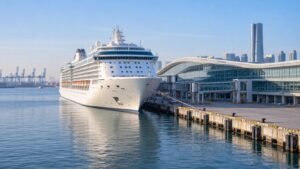
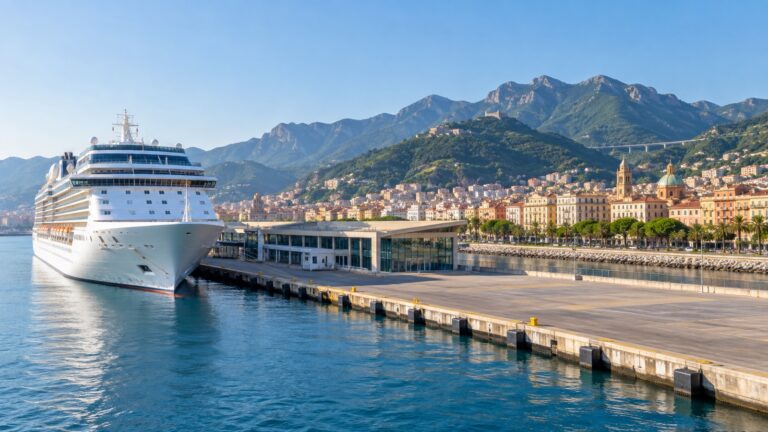
Approved premium and luxury ships can berth alongside the seawall at Port Hercule, beside the cruise terminal on Monaco’s main harbor. The official Ports of Monaco cruise page says the approximately 1,155-foot seawall can physically host ships up to about 985 feet, while current government policy limits accepted cruise vessels to about 820 feet and 1,250 passengers.
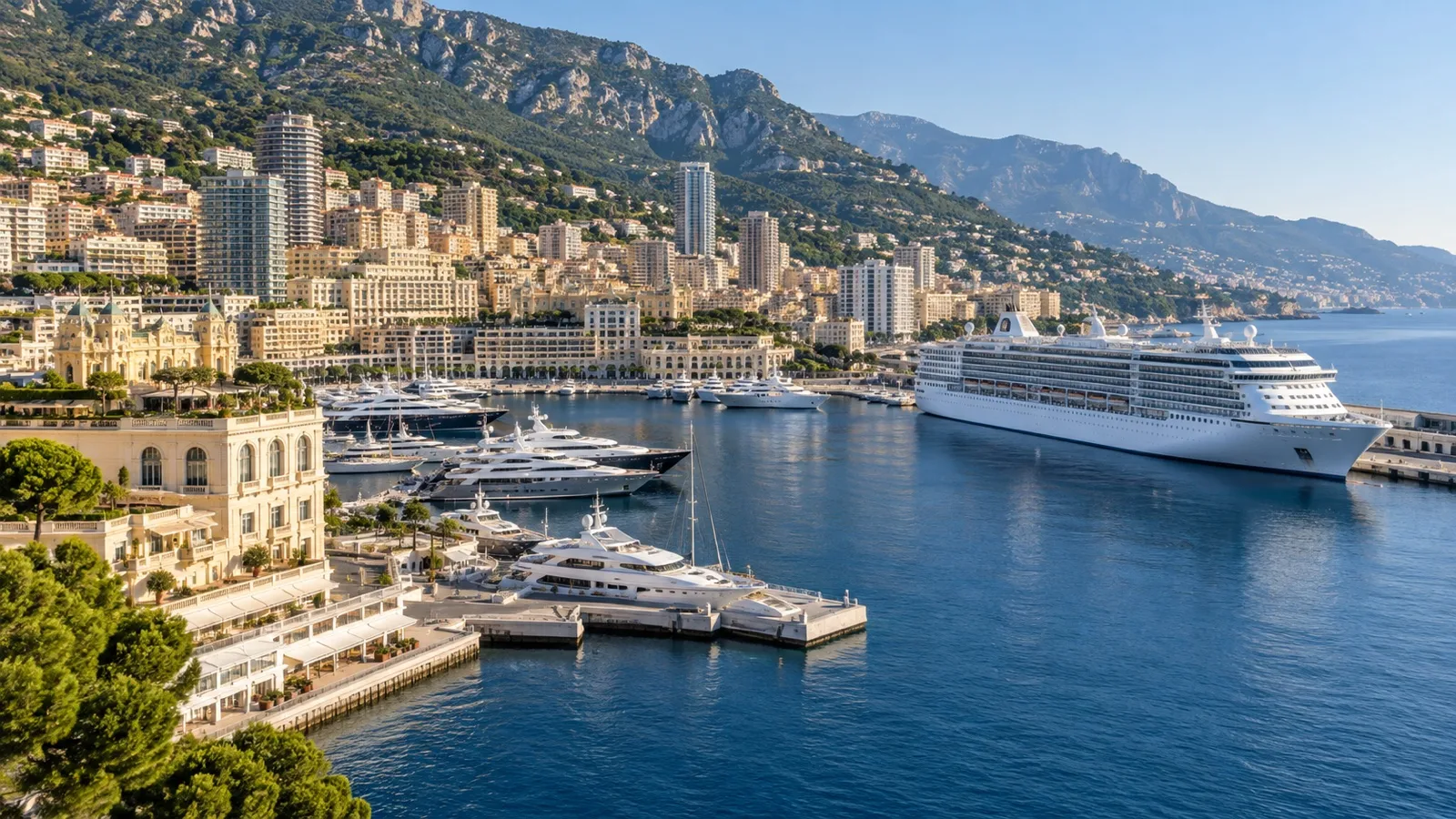
An alongside call provides the easiest arrival, with terminal formalities on the harbor and no general city shuttle required. The palace area rises directly above the port, while La Condamine and central Monte Carlo spread around the other sides of the basin.
Ships can still anchor and tender when the berth is unavailable or the sailing is planned that way. Tender passengers usually land within Port Hercule, but the exact pontoon and route are operational, and sea conditions can delay or cancel service.
A cruise line may also substitute nearby Villefranche-sur-Mer or another Riviera arrangement when weather, traffic, or events make Monaco unsuitable. If your daily program names a French port, the Port Hercule walking times in this guide do not apply.
The quick facts
- Where you land: the cruise terminal on the Port Hercule seawall, in the middle of Monaco. Ports of Monaco notes the seawall can host ships up to about 985 feet, while current policy caps accepted cruise vessels at about 820 feet and 1,250 passengers. Tenders land inside the same harbor.
- Dock or tender: Ships may dock or tender, depending on ship size and berth availability.
- Into town: You are already there.
- Currency and language: The euro (EUR) and French, with English, Italian, and Monégasque all heard locally.
- Time zone: Central European Summer Time (CEST, UTC+2) during the cruise season, CET (UTC+1) in winter.
- How often the call is missed: Medium (roughly 3 to 7%): wind or swell can halt tender operations.
Go up to the Rock before the crowds do
Monaco-Ville, known as the Rock, contains the Prince’s Palace, cathedral, narrow Old Town streets, gardens, and the Oceanographic Museum. From Port Hercule, follow signed pedestrian routes and public elevators rather than treating the steep roads as a character-building exercise.
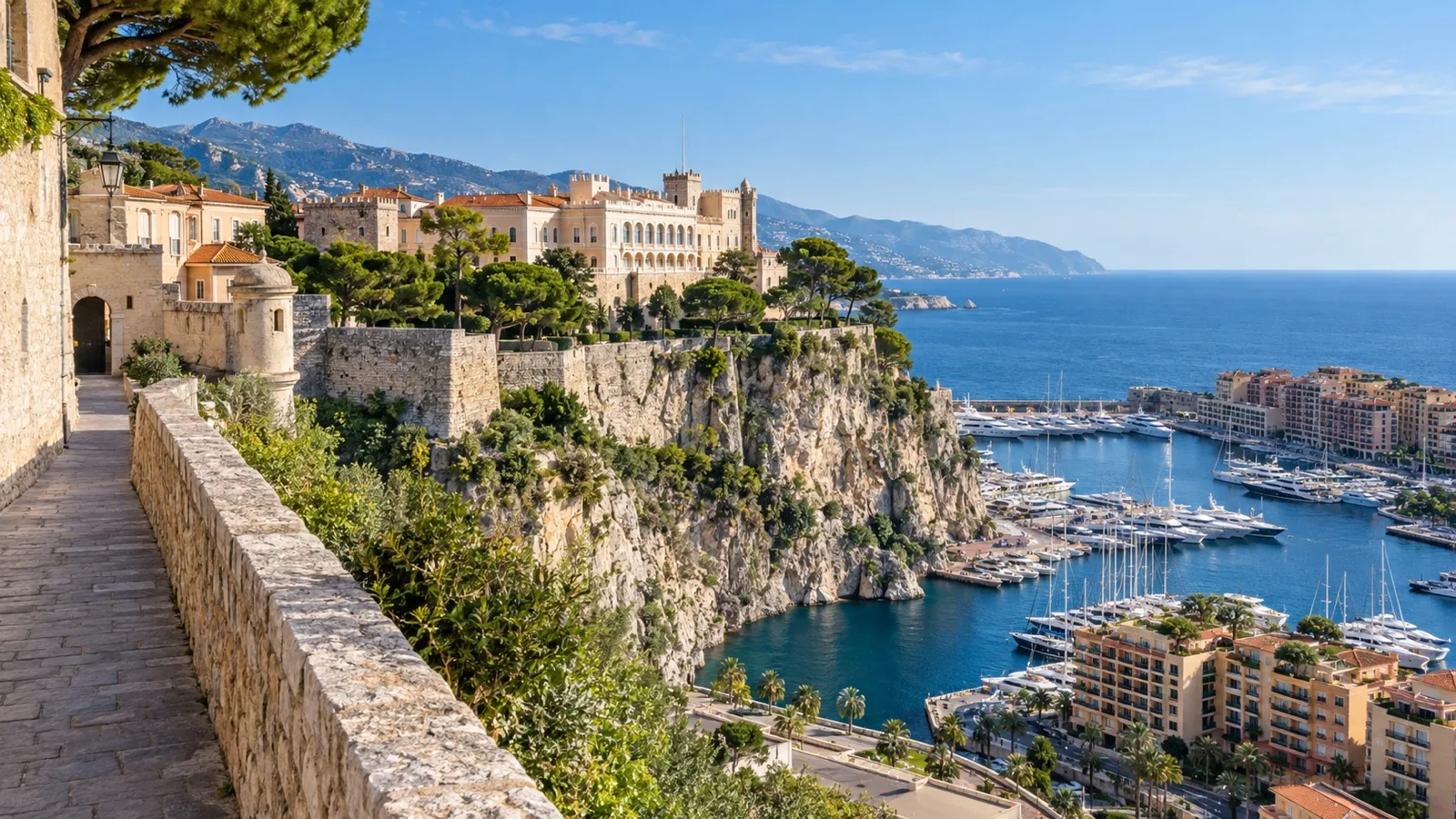
Palace Square opens to a broad terrace with views over Port Hercule and Fontvieille. The state apartments and changing-of-the-guard schedule vary with official use, so check the palace’s current visitor information before planning a timed entry.
Saint Nicholas Cathedral is the burial place of Prince Rainier III and Princess Grace, but it remains an active place of worship. Dress respectfully, keep voices low, and accept closures for services without attempting the tourist version of diplomatic negotiation.
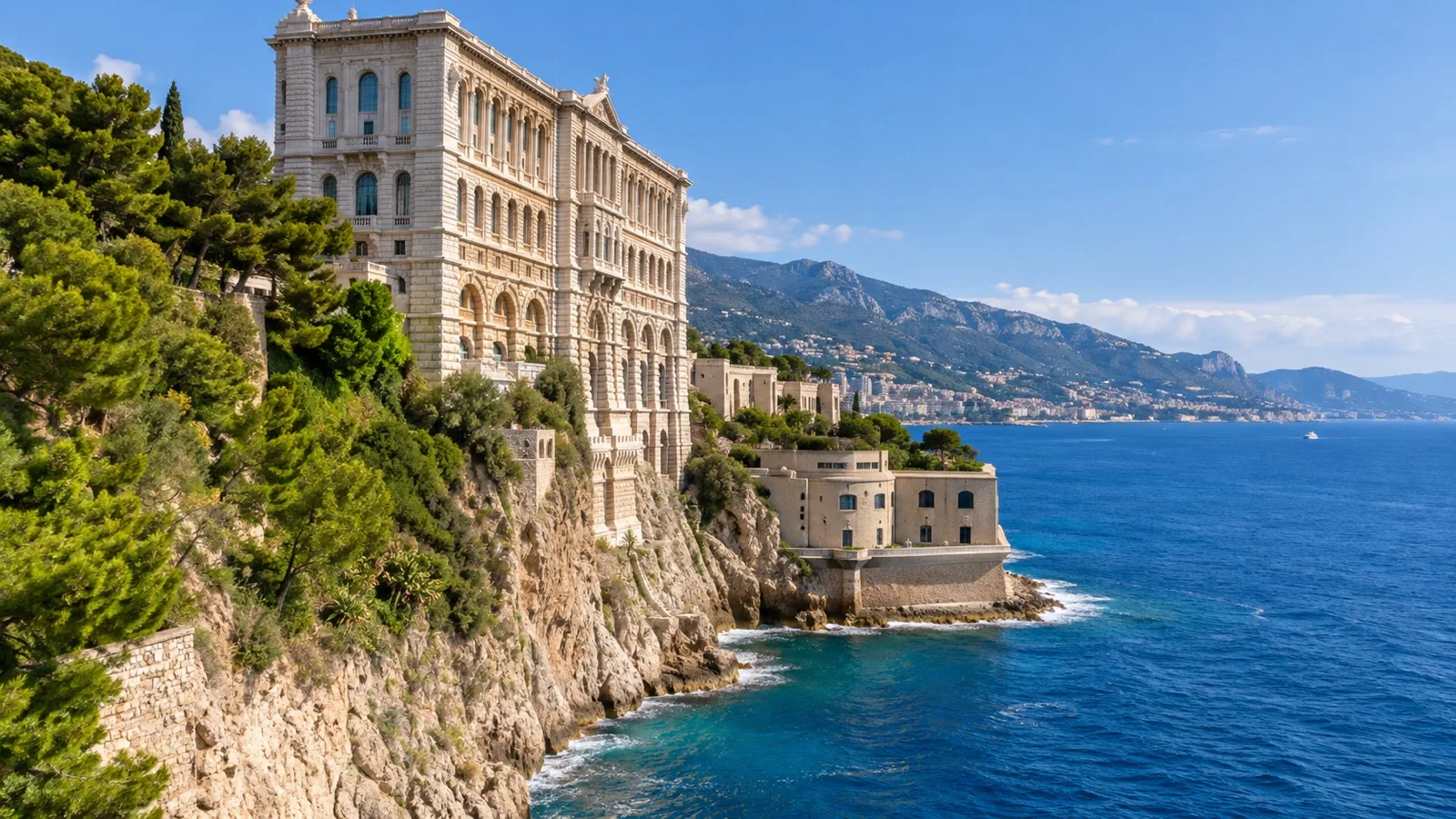
The Oceanographic Museum of Monaco combines aquariums, marine science, historic collections, and a dramatic cliff-edge building. Book online on busy dates and allow at least 90 minutes if it is your main attraction.
Monte Carlo is the neighborhood, not the country
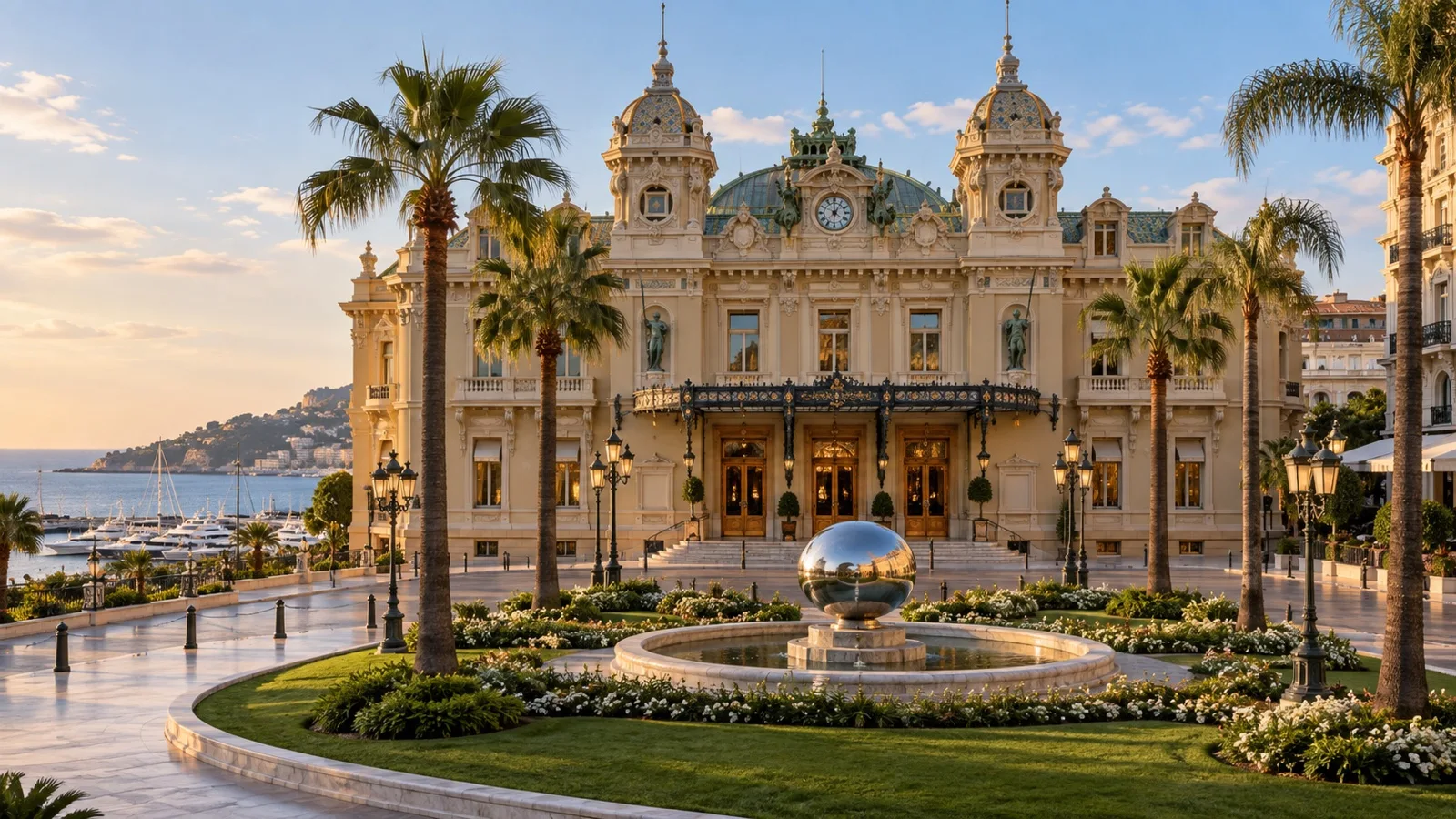
Monte Carlo sits across the harbor from the Rock and is centered on Casino Square, the Hôtel de Paris, gardens, and polished shopping streets. The whole country is Monaco, while Monte Carlo is one district, a distinction that maps and excursion brochures occasionally blur.
Casino de Monte-Carlo has separate rules for its gaming rooms, including age, identification, dress, admission, and opening times. The public atrium may be accessible under different conditions, but verify on the official casino site rather than arriving in beachwear with great confidence.
The Japanese Garden and coastal promenade offer a calmer counterpoint to Casino Square. Continue only as far east as your time and energy permit, because Monaco’s short map distances hide repeated elevation changes.
Public elevators are your secret superpower
Monaco maintains networks of public elevators, escalators, and pedestrian galleries between levels. The official Visit Monaco transport guidance is useful for buses and local movement, but construction or maintenance can close an expected shortcut.
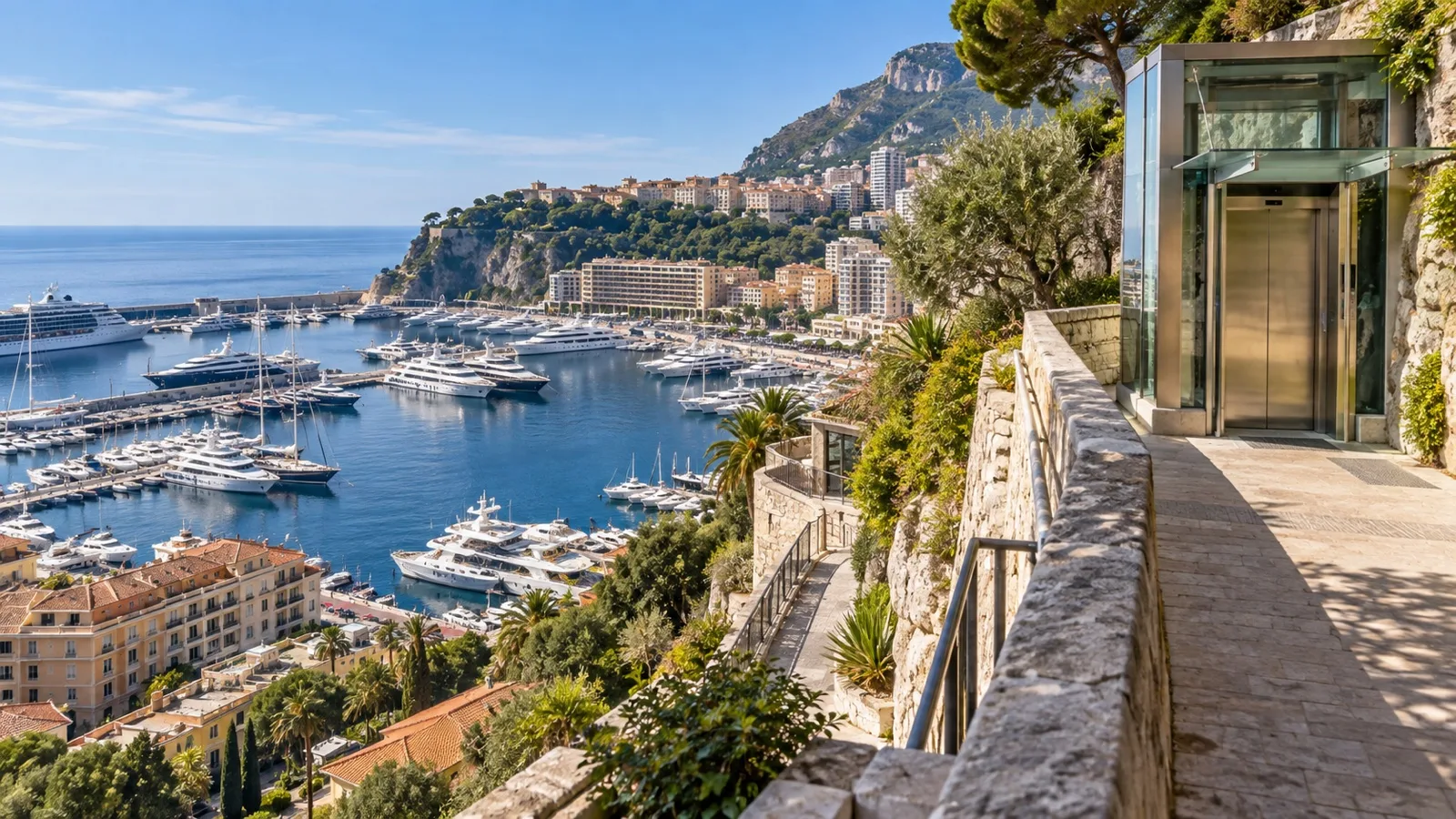
Save an offline map and read the signs at each elevator exit, because emerging on the correct street but wrong vertical level is a very Monaco problem. If an elevator is closed, the accessible detour can be substantially longer than the stair route.
Compagnie des Autobus de Monaco operates the local bus network, with stops serving the port, Monte Carlo, the Rock, Fontvieille, and Larvotto. Buy and validate the correct current ticket, and confirm whether a card, app, machine, or onboard fare applies.
Choose a Monaco-shaped day
Royal Monaco
Start with the Rock, Palace Square, cathedral, gardens, and Old Town, then descend to La Condamine Market and the harbor. This route feels complete in four to five hours and keeps every decision within Monaco.
Marine Monaco
Make the Oceanographic Museum your anchor, then add cliff gardens, cathedral, and a harbor circuit. Families should resist stacking the museum, palace rooms, beach, and casino into one day unless everyone enjoys being marched by stopwatch.
Glossy Monaco
Head to Casino Square, stroll the gardens and luxury streets, then return through La Condamine for a less polished slice of daily life. Add a café stop where the menu has prices you have emotionally prepared to meet.
For another Riviera tender experience, compare this call with our Cannes cruise port guide. Our Nice and Villefranche guide is particularly useful if your itinerary changes to the neighboring French coast.
Should you leave Monaco?
The SNCF station sits inside the hillside and links Monaco with Nice, Menton, Antibes, and other Riviera stops. Train travel is possible on a long call, but finding the correct station entrance, platform, and return service adds more time than the short rail journey suggests.
Èze village is close on a map but sits high above the coast, with bus or taxi timing and steep pedestrian lanes. A guided tour or prearranged vehicle is usually more cruise-friendly than combining a coastal train with an uncertain uphill bus.
Nice makes sense only if Monaco itself is not your priority or you have visited before. First-time callers can fill a day easily without crossing a border, and Monaco’s compactness is the reason this port feels luxurious even on a non-luxury lunch budget.
Accessibility depends on the route, not the distance
An alongside gangway is usually easier than a tender, but slope and step-free access remain ship-specific. Ask whether your device can use the gangway and whether any terminal route includes an elevator.
Tender transfer requires crew approval, stable conditions, and the ability to negotiate the movement between ship and boat. Travelers unable to tender should prepare a shipboard alternative in case the call anchors.
Modern Monaco has many accessible elevators and paved promenades, yet steep gradients, construction detours, crowded buses, and occasional elevator closures create real barriers. A selective route using taxis or buses between major levels is more realistic than following the shortest walking line.
Our guide to wheelchair-friendly cruise ports lists the arrival and transport questions worth asking. Monaco can work very well, but only when the vertical journey is planned as carefully as the horizontal one.
Heat, events, and the expensive glass of water
Summer days can be hot and humid, with strong sun reflecting from pale stone and the harbor. Carry water, sunscreen, a hat, and shoes with grip, then use the elevators without guilt.
Grand Prix preparations, the Monaco Yacht Show, road work, and state events can reroute pedestrians and buses or restrict access. Check the port and tourism calendars near your sailing date, especially if your dream route crosses the famous race circuit.
Monaco is generally safe, but protect valuables in crowds and use official taxis or established transport. Prices can be high around Casino Square, while bakeries and the Condamine market offer more grounded food options.
Return to the correct piece of waterfront
Alongside passengers should aim to reach the cruise terminal 45 to 60 minutes before all aboard. A closed elevator or event detour can add surprising time, so do not plan the return at your best uphill pace.
Tender passengers need a larger buffer and must follow the published last-tender time, which is earlier and more important than all aboard. Return lines can build when many tours finish together.
Photograph the tender landing or terminal entrance, because Port Hercule wraps around a large basin with multiple quays. Travelers who love independent Mediterranean days can also see our guide to Mediterranean ports to explore independently.
Plan for border status, events, and vertical detours
Monaco has no routine border checkpoint with France, but cruise entry and Schengen permission still depend on nationality, itinerary, and the ship’s clearance. Confirm the required passport or visa with the cruise line and an official French or Monegasque source before sailing.
Grand Prix setup, the yacht show, state events, and elevator maintenance can close the shortest route even when the attraction remains open. Keep the Rock and Oceanographic Museum as one cluster or Casino Square and Larvotto as another, because crossing the harbor repeatedly magnifies every vertical detour.
If the ship tenders, the last-tender notice replaces the comfortable timetable you built for an alongside call. Stay within Monaco late in the day and return to Port Hercule before the peak line rather than depending on a final train from France.
Monte Carlo cruise port FAQ
Do cruise ships dock or tender in Monaco?
Both occur. Approved ships can berth at Port Hercule’s seawall, while other calls anchor and tender, so confirm your sailing’s daily arrangement.
Can I walk from the port to the palace?
Yes, but the palace is high above the harbor. Use signed public elevators and escalators to reduce the climb.
Is Monte Carlo the same as Monaco?
No. Monaco is the sovereign country, while Monte Carlo is the district around Casino Square.
Can I visit Nice from Monaco?
Yes by train or tour on a long call, but first-time visitors rarely need to leave Monaco. Protect enough time for the station route and a backup return service.
What is best for a short call?
Choose the Rock, Palace Square, cathedral, Old Town, and harbor. Add the museum only when the opening hours and your landing time make it comfortable.
Our facts and operational caveats follow the Editorial Standards and Corrections Policy. Your ship’s daily notice remains the final authority for berth, tender landing, last tender, and all-aboard time.
How this guide was researched: Terminal, tender, transit, entry, attraction, booking, safety, and accessibility details were checked against current official sources on September 10, 2026, including Ports of Monaco, Monaco’s government and tourism office, Monaco Bus Company, the Prince’s Palace, and the Oceanographic Museum. Sailing assignments, border requirements, schedules, access, and operating conditions can change, so confirm the ship-specific details before travel; see our Editorial Policy.