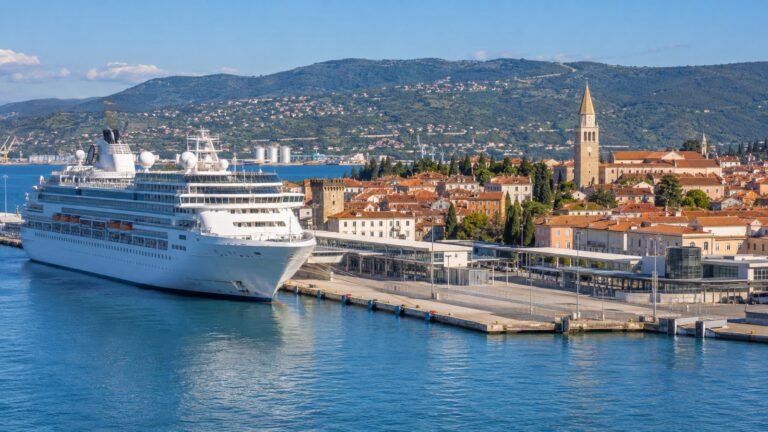
Sorrento Cruise Port: Tenders, Town and Pompeii
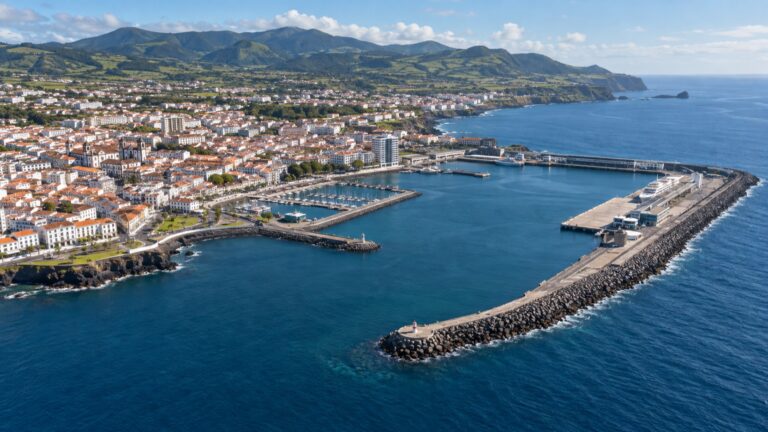
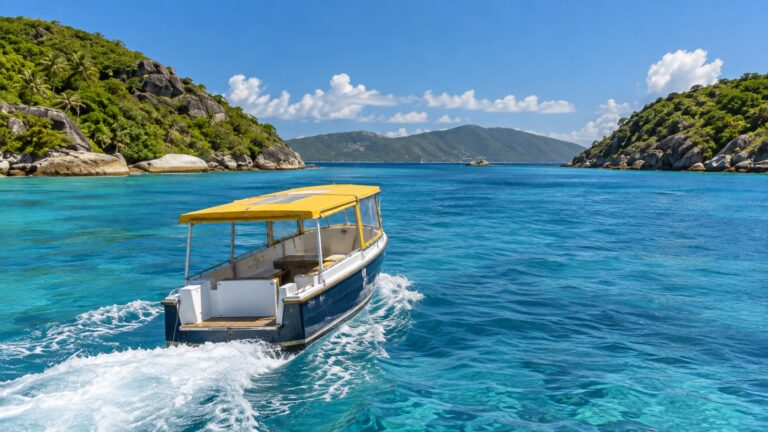
Sorrento makes a dramatic first impression from the water. The town sits high on a cliff above Marina Piccola, so your day begins with a tender ride and one important decision: how you will get from the harbor to the center.
I think Sorrento works best when you treat it as a real destination, not just a launchpad for Pompeii or the Amalfi Coast. The historic center is compact, the Gulf of Naples views are wonderful, and a relaxed town day carries far less timing risk than a long independent excursion.
Sorrento Cruise Port Quick Facts
- Arrival: Most large cruise ships anchor offshore and use tenders to Marina Piccola.
- Town access: The public elevator at Villa Comunale, stairs, local transport, and taxis connect the waterfront with the center above.
- Main center: Piazza Tasso, Corso Italia, and the old lanes are close together once you reach the upper town.
- Rail station: Sorrento station is inland from the harbor and serves EAV trains toward Pompeii and Naples.
- Currency: Euro.
- Language: Italian, with English commonly understood in visitor businesses.
- Best easy day: Historic Sorrento, Villa Comunale, and lunch or coffee in town.
- Timing rule: Build a generous buffer for the return tender and follow the ship’s final tender instructions.
Where Cruise Ships Arrive in Sorrento
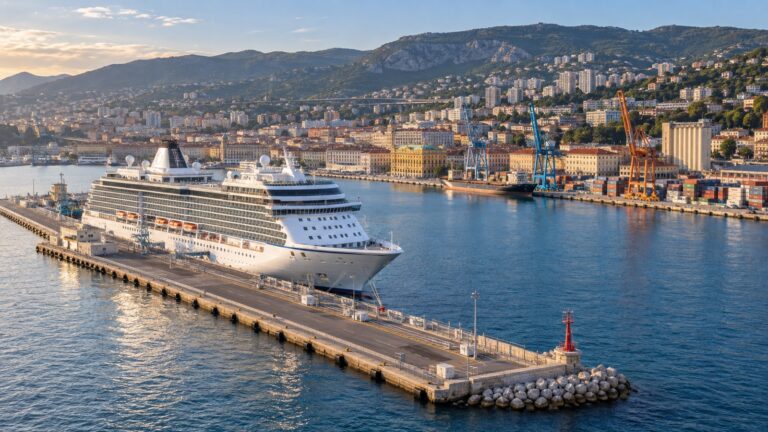
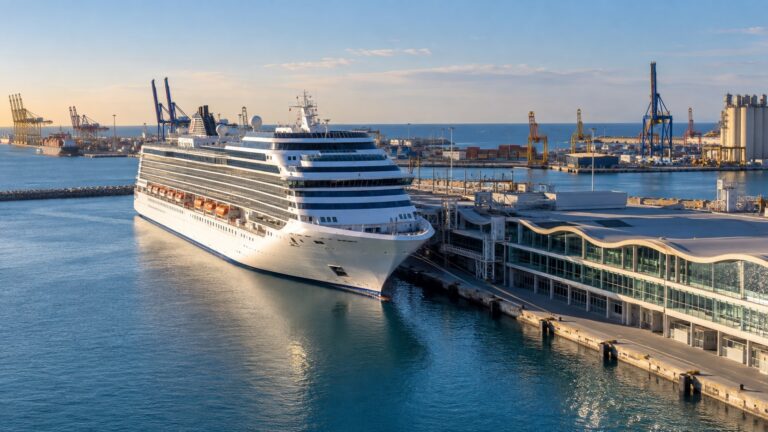
Sorrento does not have a large cruise terminal beside the town center. The official Marina Piccola harbor describes a compact cove below Sorrento, and the harbor’s scale means large ships normally remain at anchor while passengers come ashore in tenders.
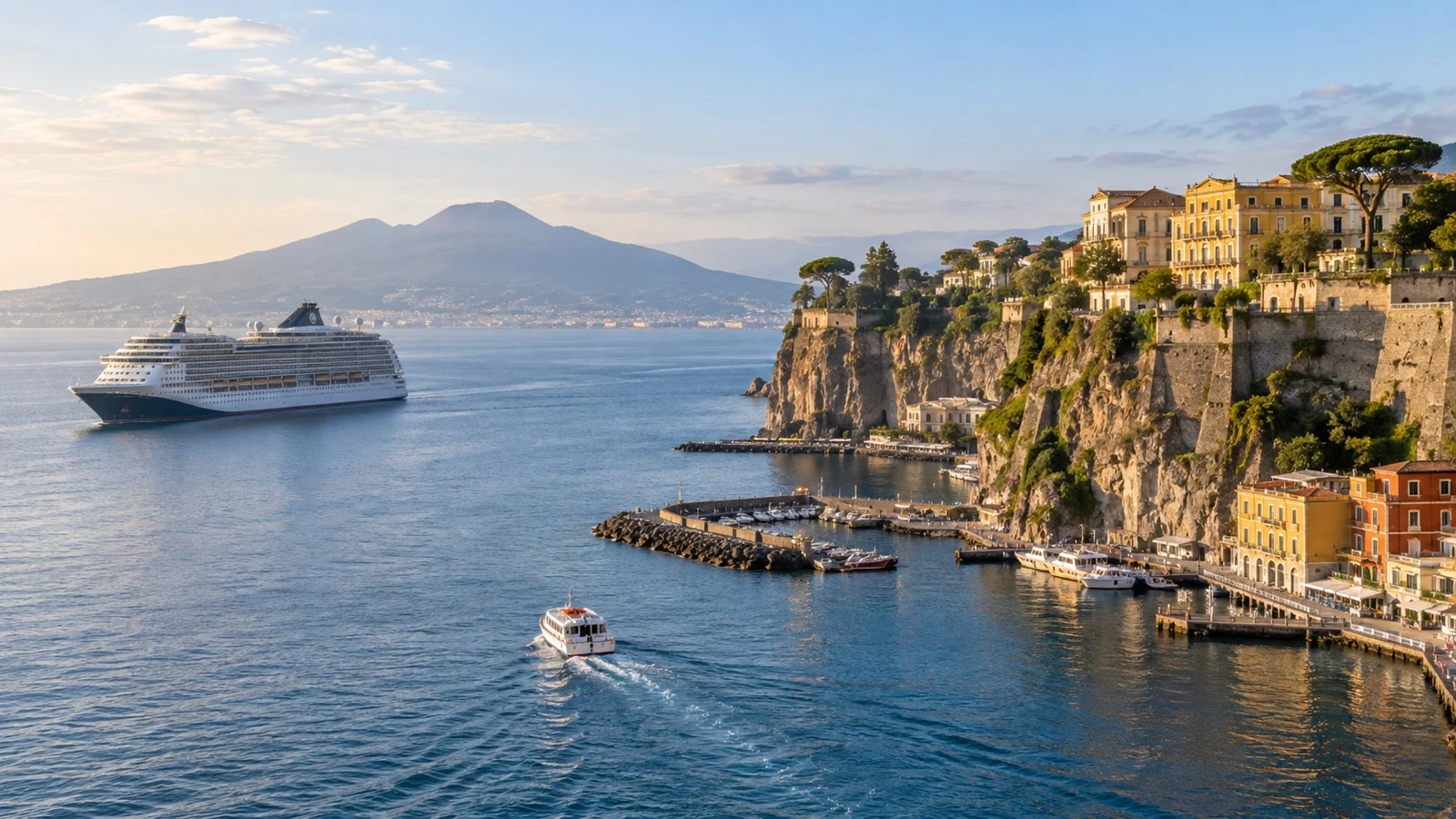
Your cruise line controls the tender operation, including meeting points, priority groups, and the last boat back. Read the ship’s daily program before leaving your cabin because an early independent train or ferry plan can unravel if tender tickets are distributed later than expected.
The tender ride is scenic, but wind and sea conditions can slow or cancel it. Even on a calm morning, allow time for boarding, the crossing, and the walk through the small harbor area.
Getting From Marina Piccola to Town
The map can make Marina Piccola look almost adjacent to Piazza Tasso, but the vertical separation matters. Central Sorrento is above the harbor, and the direct pedestrian routes involve either an elevator or a substantial climb.
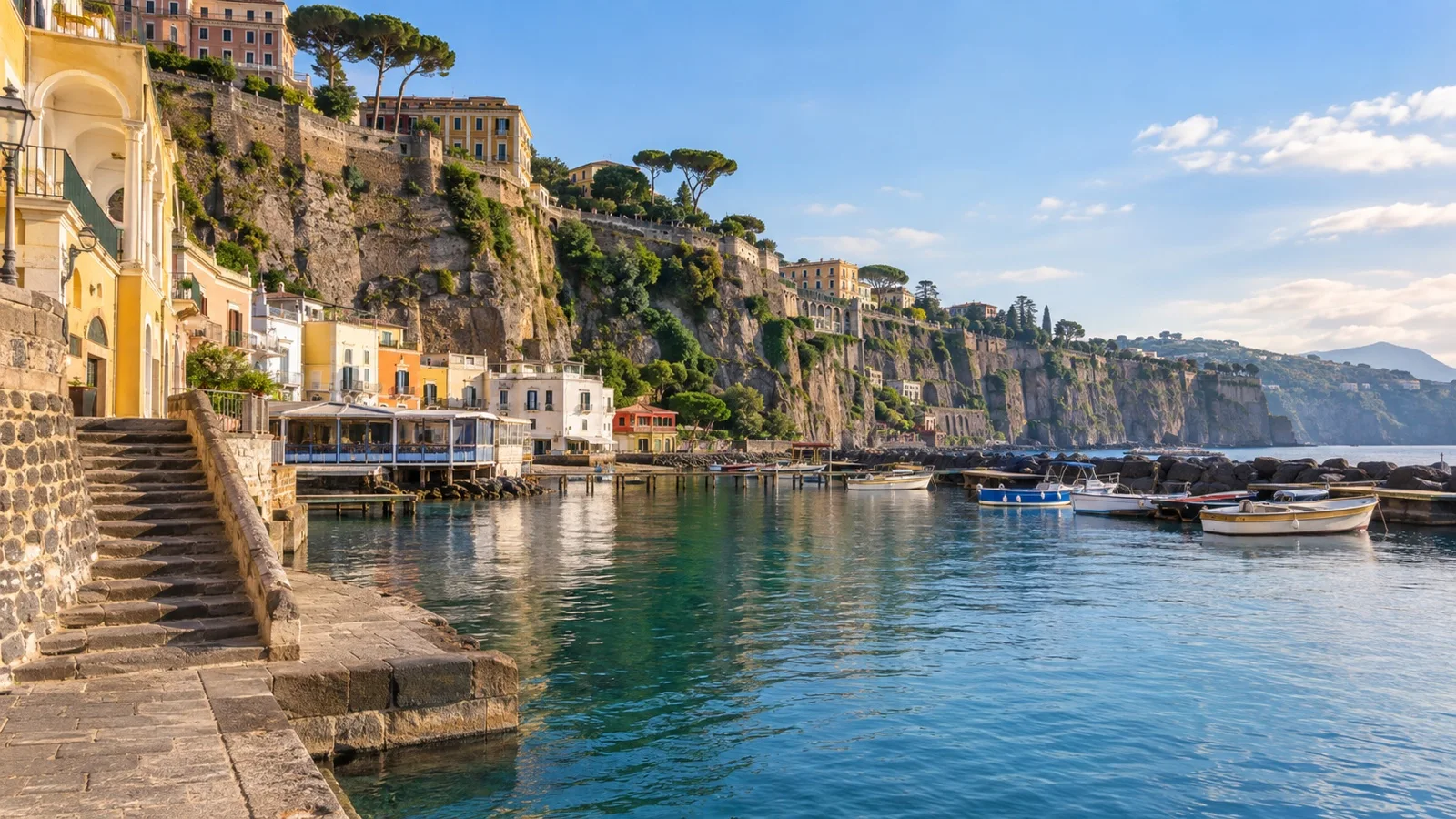
The Sorrento Lift connects the Marina Piccola level with Villa Comunale in the upper town. Its official site publishes seasonal operating hours and current fares, so check those details close to your visit rather than relying on an old screenshot or blog price.
The lift is usually my first choice because Villa Comunale is already one of Sorrento’s best viewpoints. Queues can build when several tenders arrive together, and temporary maintenance is always possible, so keep a backup plan.
Stairs and sloping roads also reach the center, but the climb feels much harder in summer heat. Local buses and taxis may be available near the waterfront, although traffic and cruise demand can affect waiting times.
A Simple Walking Plan for Central Sorrento
Start at Villa Comunale for broad views across the Bay of Naples toward Vesuvius. The terrace is also a useful orientation point because the old center, Piazza Tasso, and the cathedral are all within a comfortable walk.
Continue through the lanes around Via San Cesareo, where small shops, food counters, churches, and courtyards create the atmosphere people imagine when they picture Sorrento. Nearby Sedile Dominova is an unusual historic meeting place with a decorated open loggia, and the cathedral adds another worthwhile stop without requiring a rigid schedule.
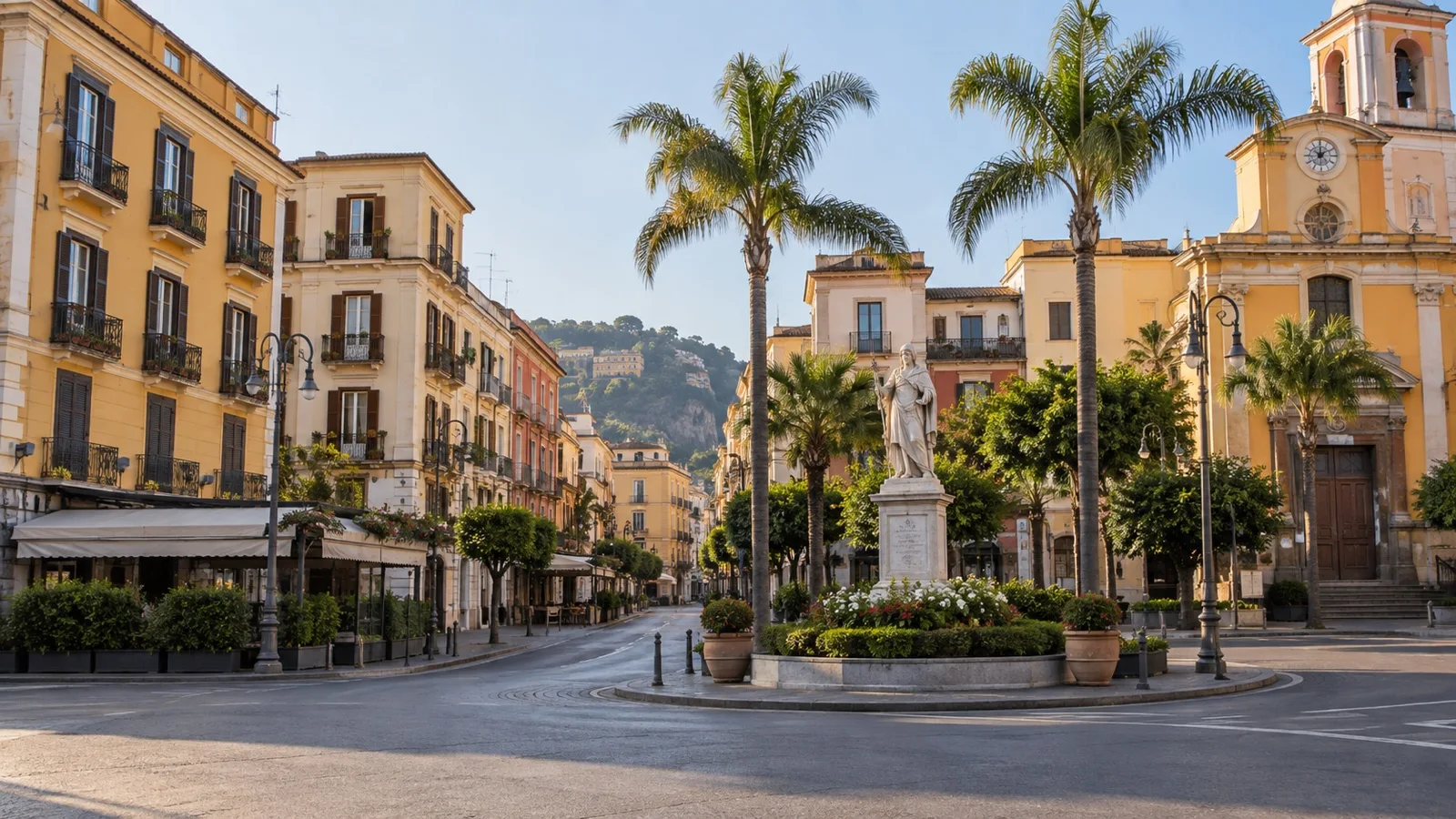
Piazza Tasso is the busy hinge of modern Sorrento. From here, Corso Italia offers an easy pedestrian route for shopping and people watching, while the edge of the square reveals the deep Vallone dei Mulini below.
If time and energy allow, walk down toward Marina Grande, the older fishing quarter on the opposite side of town from your tender landing. Remember that returning to the center means climbing again, so do not add it casually near your all aboard time.
Sorrento on a Short Port Call
For a short call, stay in Sorrento and keep the day flexible. Ride the lift up, enjoy Villa Comunale, wander the historic lanes, stop for a meal, and descend with more time than you think you need.
This plan is not a consolation prize. It gives you views, local food, historic streets, and a much calmer return than a trip involving both a tender and regional transport.
Visiting Pompeii Independently
Pompeii is the most practical major independent excursion from Sorrento, but it still requires disciplined timing. First reach Sorrento station in the upper town, then take the EAV rail service toward Naples and get off at Pompei Scavi Villa dei Misteri for the archaeological park.

EAV publishes the official Napoli to Sorrento line timetable and service notices online. Check both on the day because delays, cancellations, crowding, and temporary operational changes can affect the journey.
Buy archaeological park admission through the official Pompeii channels when advance booking is offered, and confirm the entrance tied to your route. Pompeii is vast, exposed, and uneven, so choose a few priority areas rather than trying to cover the entire site before racing back.
Allow time to walk from the station to the site, pass security, and return to Sorrento. Your final calculation must also include the trip from Sorrento station down to Marina Piccola and the tender queue, not just the train arrival time.
If the ship’s call is short or tendering begins late, a cruise line excursion may be the safer choice. Independent travel offers freedom, but the ship does not normally wait for passengers delayed on their own arrangements.
Capri and the Amalfi Coast From Sorrento
Capri looks close across the water, and scheduled boats may depart from Marina Piccola. The catch is that you are adding a second marine schedule to a tender port, so weather, sold out sailings, or a late return can quickly reduce your safety margin.
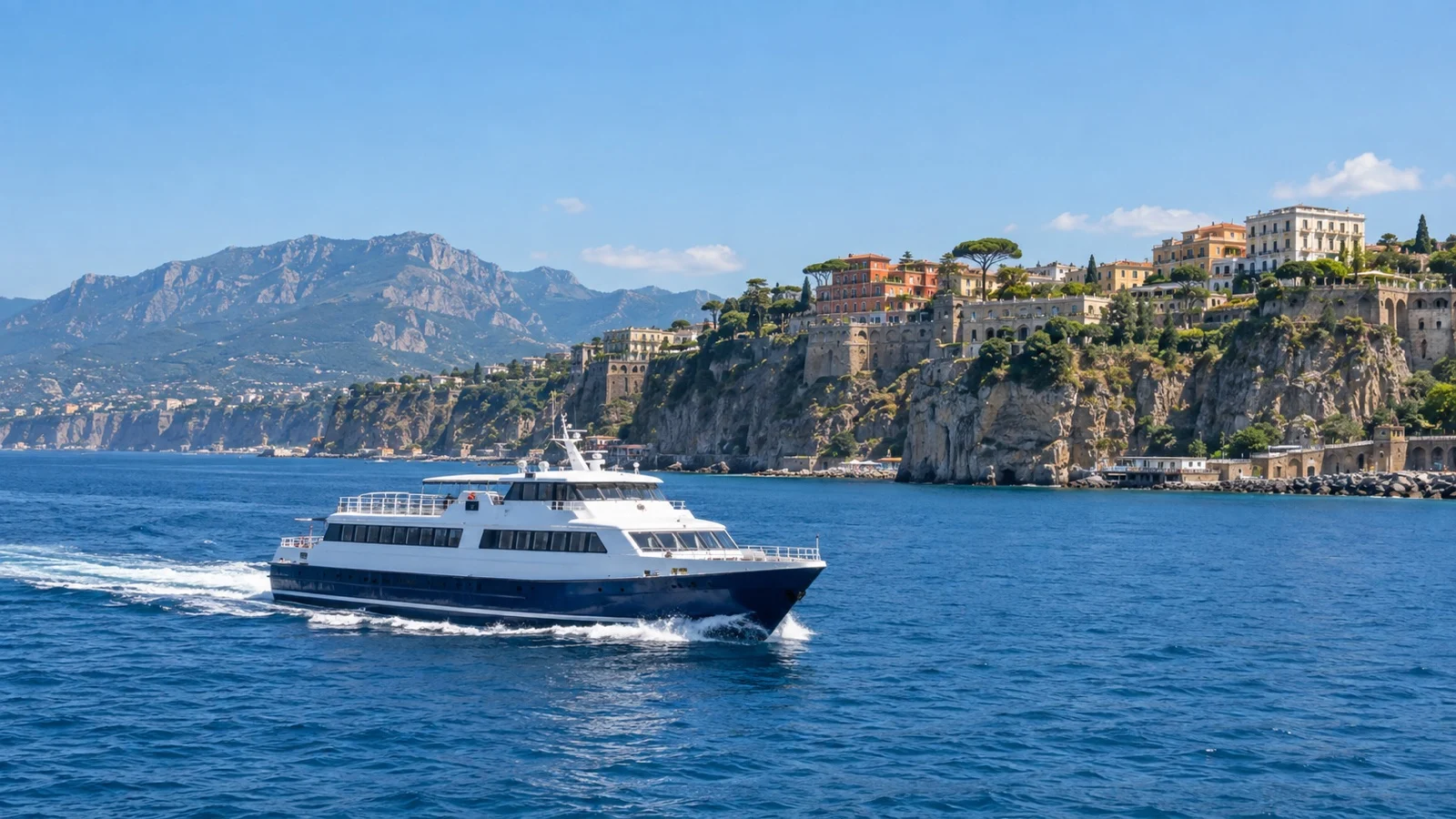
If you choose Capri, confirm the operator’s current timetable, buy the appropriate ticket, and plan an earlier return sailing rather than the last theoretical connection. Do not assume a timetable found months ago still applies to your travel date.
Positano and Amalfi are also tempting, but the coast road is famous for congestion and travel times can be unpredictable. Seasonal ferries can avoid road traffic, though sea conditions and schedules still matter.
My practical rule is to choose one coast destination and protect the return window. Trying to combine Positano, Amalfi, and a full Sorrento visit creates a day shaped by transport rather than the places themselves.
Food and Shopping in Sorrento
Sorrento is an easy place to build lunch into the day. Look for gnocchi alla sorrentina with tomato, mozzarella, and basil, or choose seafood and other Campanian dishes near the center or Marina Grande.
Lemons appear everywhere in drinks, sweets, ceramics, and shop displays. Limoncello is the famous local purchase, but check your cruise line’s alcohol policy because bottles may be held until the end of the voyage.
Compare menus and posted prices before sitting down in the busiest squares. A quieter lane a few minutes away can feel more relaxed, and you will still be close enough to keep an eye on the clock.
Accessibility and Mobility
The tender transfer is the first and most important accessibility question. Cruise lines set their own rules based on the tender craft, steps, sea conditions, and whether a mobility device can be accommodated, so ask the ship’s accessibility team before the port day.
The public lift removes the steepest climb between Marina Piccola and the upper town, but there can be a walk to reach it and a queue at busy times. Historic lanes may have cobbles, slopes, narrow sections, and crowded pavement.
A taxi can reduce walking, although it cannot make every old lane step free. Travelers with limited stamina may enjoy the waterfront views and a focused upper town route rather than trying to add Marina Grande or a demanding archaeological excursion.
Weather, Clothing, and Comfort
Summer days can be hot and bright, especially on exposed terraces, station platforms, and at Pompeii. Carry water, sunscreen, a hat, and shoes that handle polished paving and uneven historic surfaces.
Spring and fall can bring cooler air, showers, and rougher water. A light layer and compact rain protection are useful, but avoid bulky gear that becomes awkward on a tender or crowded train.
Money, Safety, and Staying Connected
Cards are widely useful, but carrying some euros helps with small purchases and local transport. Use bank affiliated cash machines when possible, decline unnecessary currency conversion prompts, and keep cash and phones secure in crowded areas.
Sorrento is generally straightforward for visitors, yet busy stations, tender queues, and packed streets deserve normal city awareness. Watch for scooters and traffic when stepping into roads because charming lanes are not always pedestrian only.
Download maps, tickets, and essential timetables before leaving the ship. Mobile service can become unreliable in crowded areas, and a screenshot of the ship’s port contact information is worth keeping offline.
How Early Should You Return?
Use the last tender time printed by your ship, not a generic all aboard estimate. I would aim to be back at Marina Piccola well before the final tender because lines, lift queues, traffic, train disruption, and rougher afternoon water can all consume your buffer.
If you travel beyond Sorrento, select a return train, ferry, or road transfer that leaves room for a backup. The final leg from the upper town to the harbor is part of the journey, and forgetting that cliff is one of the easiest mistakes to make.
Official Planning Resources
Check the official Marina Piccola website for harbor context, the Sorrento Lift website for current access details, and EAV’s official rail timetable page before an independent Pompeii trip.
For a wider regional plan, compare current operators carefully and verify every return departure close to sailing day. You can also use our independent Pompeii guide for site planning while remembering that your route begins and ends in Sorrento.
Final Thoughts
Sorrento rewards a simple plan that respects the tender, the cliff, and the return clock. Choose one clear priority, leave a generous buffer, and you can enjoy one of the Bay of Naples’ most memorable arrivals without turning the day into a race.