Sarande Cruise Port: Tenders, Butrint and Timing
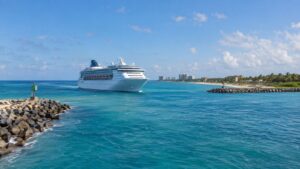
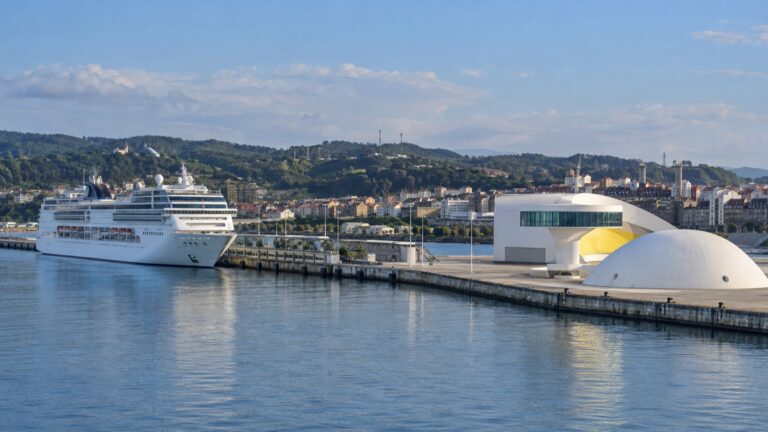
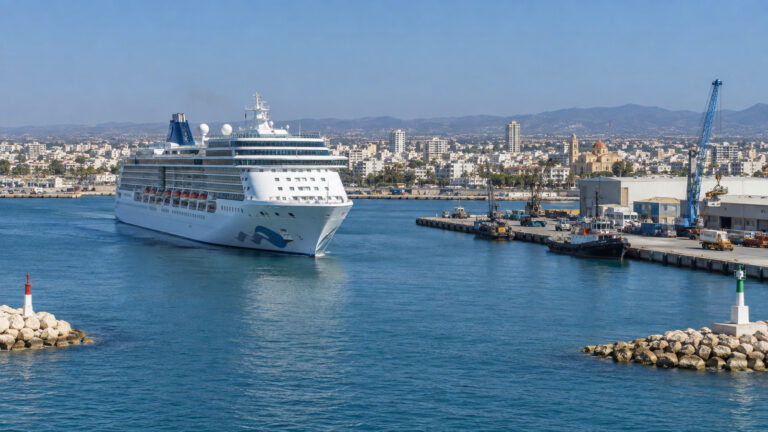
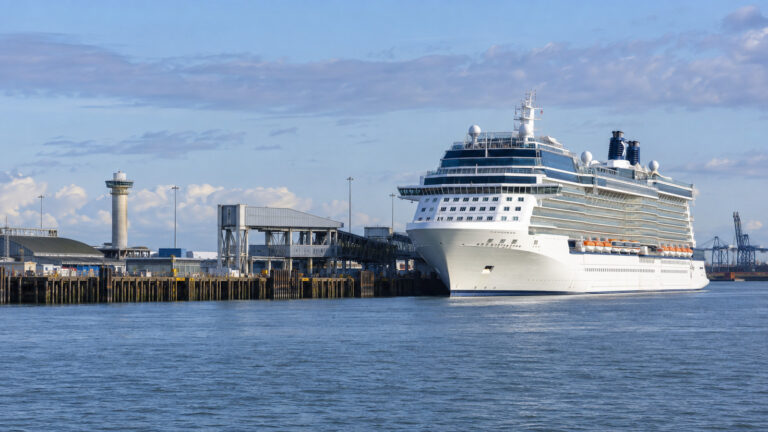
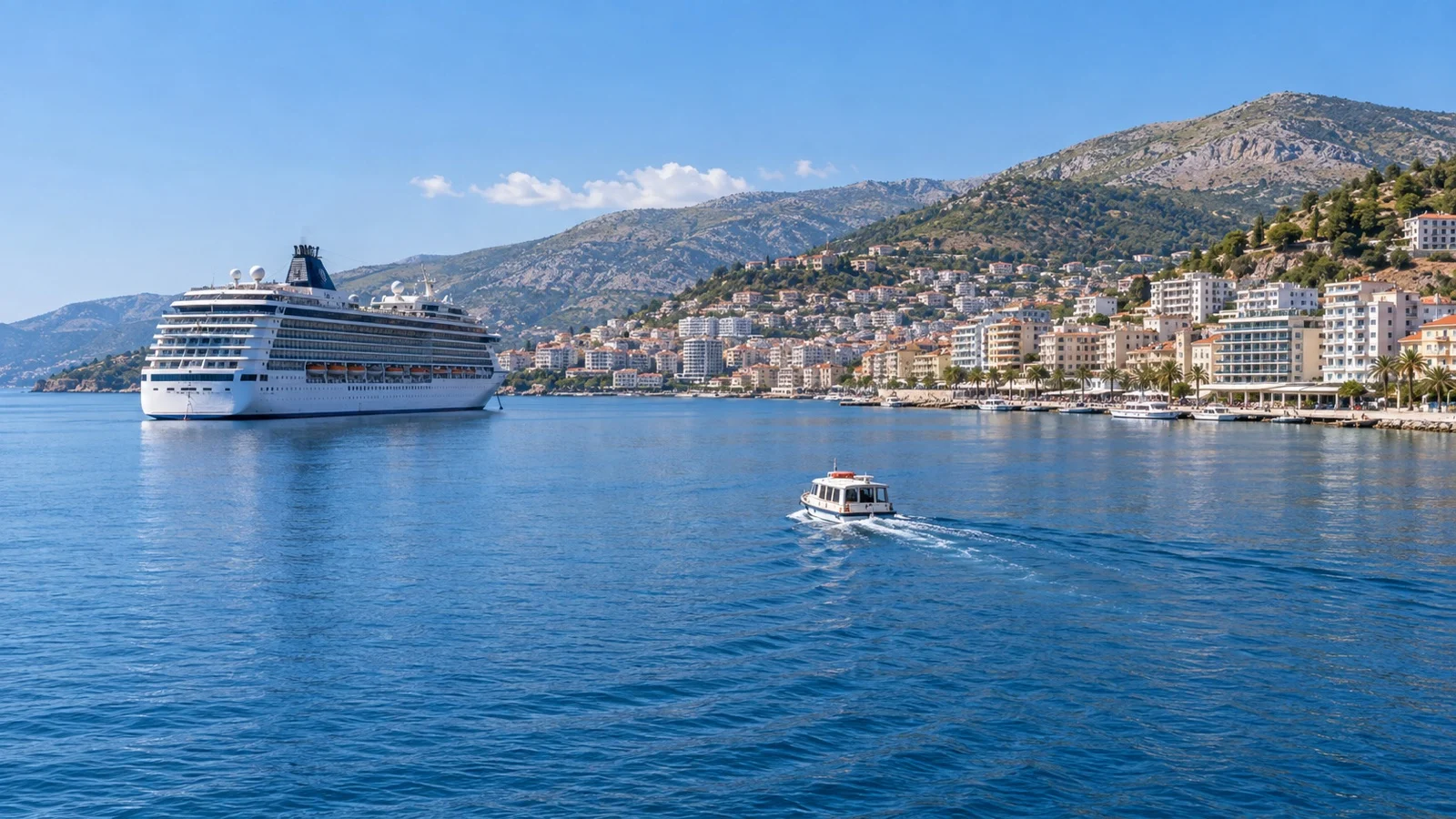
Sarandë can feel like two different cruise ports. Smaller vessels may berth beside the waterfront, while ships at anchor depend on tenders crossing the bay.
That arrival detail shapes the whole day, especially if Butrint is the goal. Confirm the operation, leave early, and avoid building a perfect schedule around a last tender you cannot control.
Quick Facts
- Country: Albania
- Port: Port of Sarandë on the city waterfront
- Arrival: Ships may dock at cruise quay number 2 or anchor and tender
- Cruise quay: 180 meters long with 9 meters of published depth
- Town access: The promenade begins just outside the port
- Top excursion: Butrint, about 20 kilometers south of Sarandë
- Currency: Albanian lek
- Best strategy: Butrint early, then the waterfront if time remains
Where Cruise Ships Dock
The Port of Sarandë describes three quay areas with different jobs. Quay number 2 is the cruise berth, while number 1 principally handles the regular passenger and vehicle ferries linking Sarandë with Corfu.
The official port description gives the cruise quay a length of 180 meters and a depth of 9 meters. It says tourist vessels from 100 to 210 meters are handled there, with fast ferries also using the berth during the busy season.
Larger cruise ships can anchor in the middle of the bay, where the port publishes depths of 20 to 30 meters. Passengers then use ship tenders or locally arranged boats to reach the waterfront.
Size alone does not guarantee the day’s arrangement because schedules, vessel requirements, weather, and quay traffic all matter. Treat the cruise line’s daily notice as final.
Docked Versus Tendering
An alongside arrival is wonderfully easy. After clearing the small port area, you are at the seafront with cafés, shops, taxis, and the promenade close at hand.
A tender arrival adds queues, boat loading, and a return schedule. Mobility devices may be restricted, and wind or swell can pause the service even when the weather looks bright from a balcony.
Go ashore early if an excursion matters, then return before the final tender rush. A line stretching along the pier is a poor place to spend the last half hour of a port call.
The port says northeasterly winds generally do not raise a sea inside the bay, while summer southwesterlies can make anchoring and berthing difficult. Corfu provides shelter, but Sarandë is not immune to a choppy afternoon.
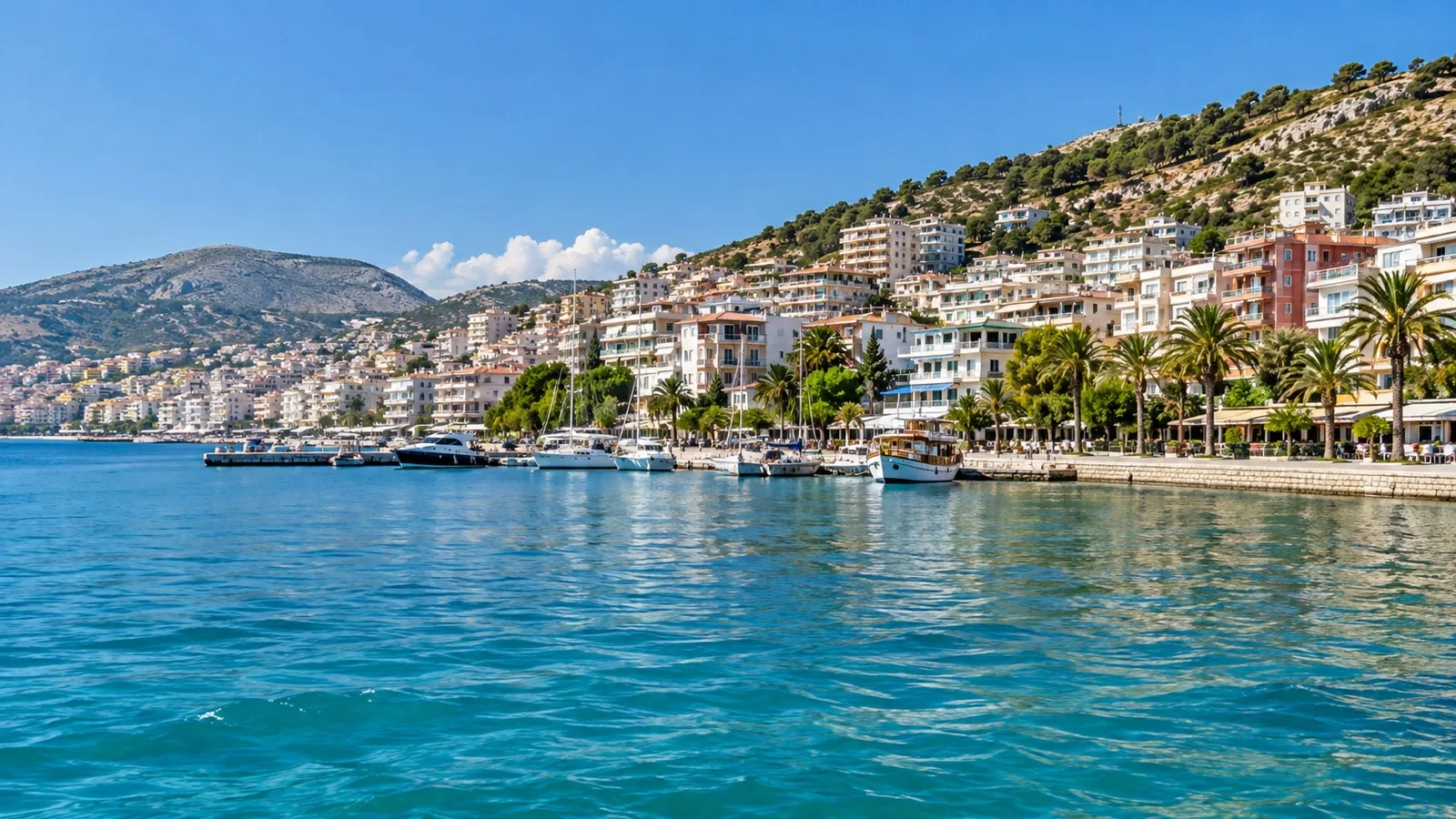
Walking Into Sarandë
Sarandë is one of the easier Mediterranean ports for an independent local day. The waterfront promenade, beach clubs, restaurants, pharmacies, and shops spread along the bay from the port.
The front is mostly level, but streets behind it climb sharply into the hillside. A viewpoint that looks close on a map can involve a steep, hot ascent.
Taxis typically gather near the port on cruise and ferry days. Agree on the fare, waiting time, route, and payment currency before leaving, then keep enough lek or euros for the arrangement you made.
Cards are common at larger businesses, but cash remains useful for small purchases and local transportation. ATMs and exchange offices are available in town, with fees and exchange rates varying by provider.
Getting to Butrint
UNESCO places Butrint approximately 20 kilometers from modern Sarandë. The road runs south through the resort area around Ksamil, where summer traffic can turn a simple drive into the day’s main uncertainty.
A ship excursion offers the easiest return protection, while a prebooked driver gives more control. Public buses may be inexpensive, but changing schedules, crowding, and traffic make them a poor foundation for a short tender call.
Allow at least two hours at the archaeological site if you want more than the theater and one photograph. Add generous road time in both directions and a separate buffer for the tender queue.
Leave the ruins earlier than feels necessary during July and August. The bottleneck through Ksamil does not care how carefully the rest of your itinerary was planned.
Why Butrint Matters
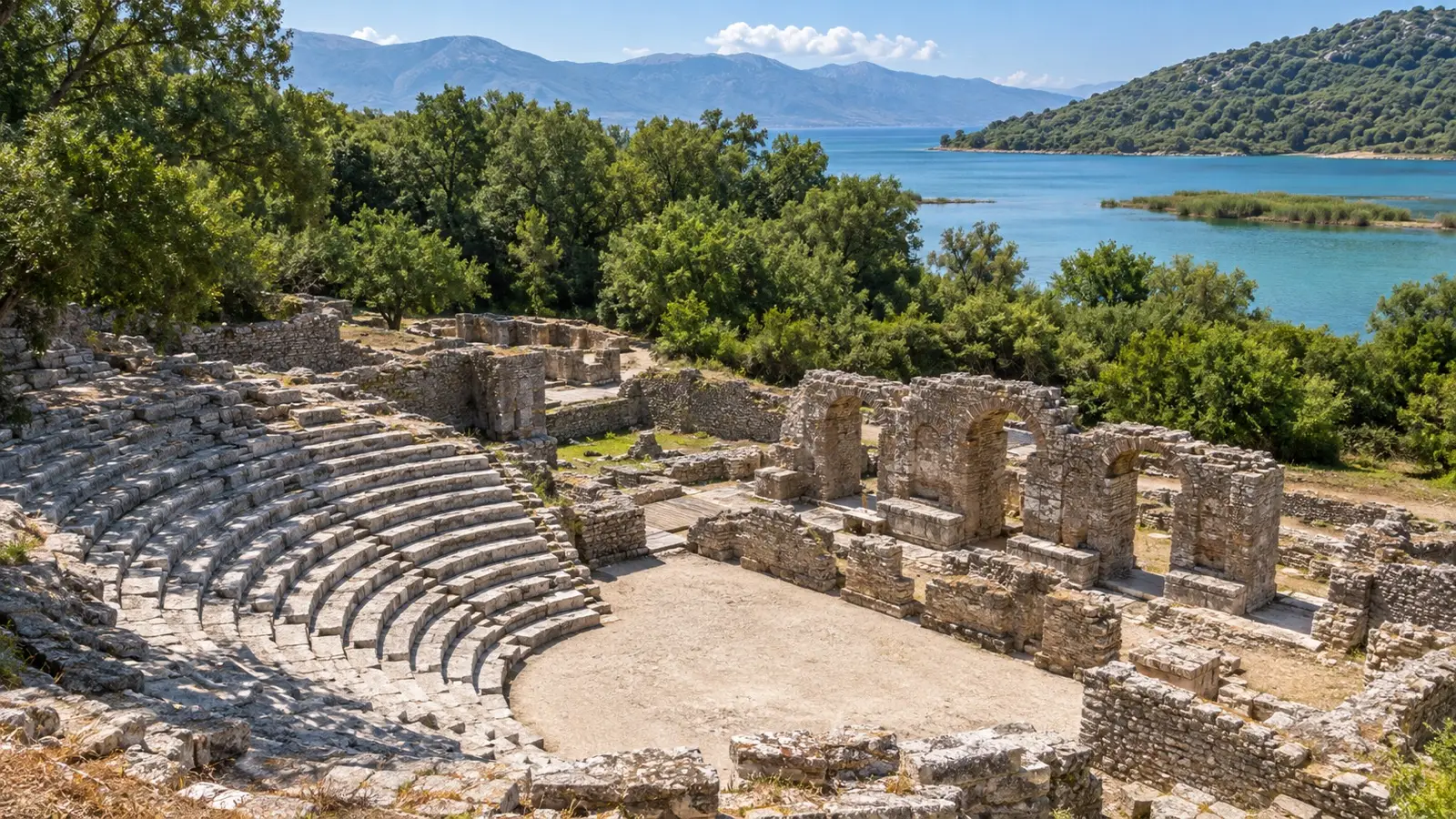
Butrint is not one civilization frozen in stone. UNESCO describes a place inhabited since prehistoric times that became a Greek colony, Roman city, bishopric, Byzantine center, and Venetian possession.
The ruins sit within a wooded wetland landscape beside Lake Butrint and the Vivari Channel. Theater seats, city walls, baths, a basilica, defensive towers, and later fortifications reveal the layers gradually.
The setting is part of the appeal, with shade and water softening what could otherwise feel like a dry archaeological checklist. It is also a protected site, so stay on marked paths and do not climb masonry for a better angle.
The famous baptistery mosaic may be covered for conservation, which is normal rather than a failed visit. Check the official site’s current hours, tickets, and access conditions close to travel.
Ksamil as a Beach Stop
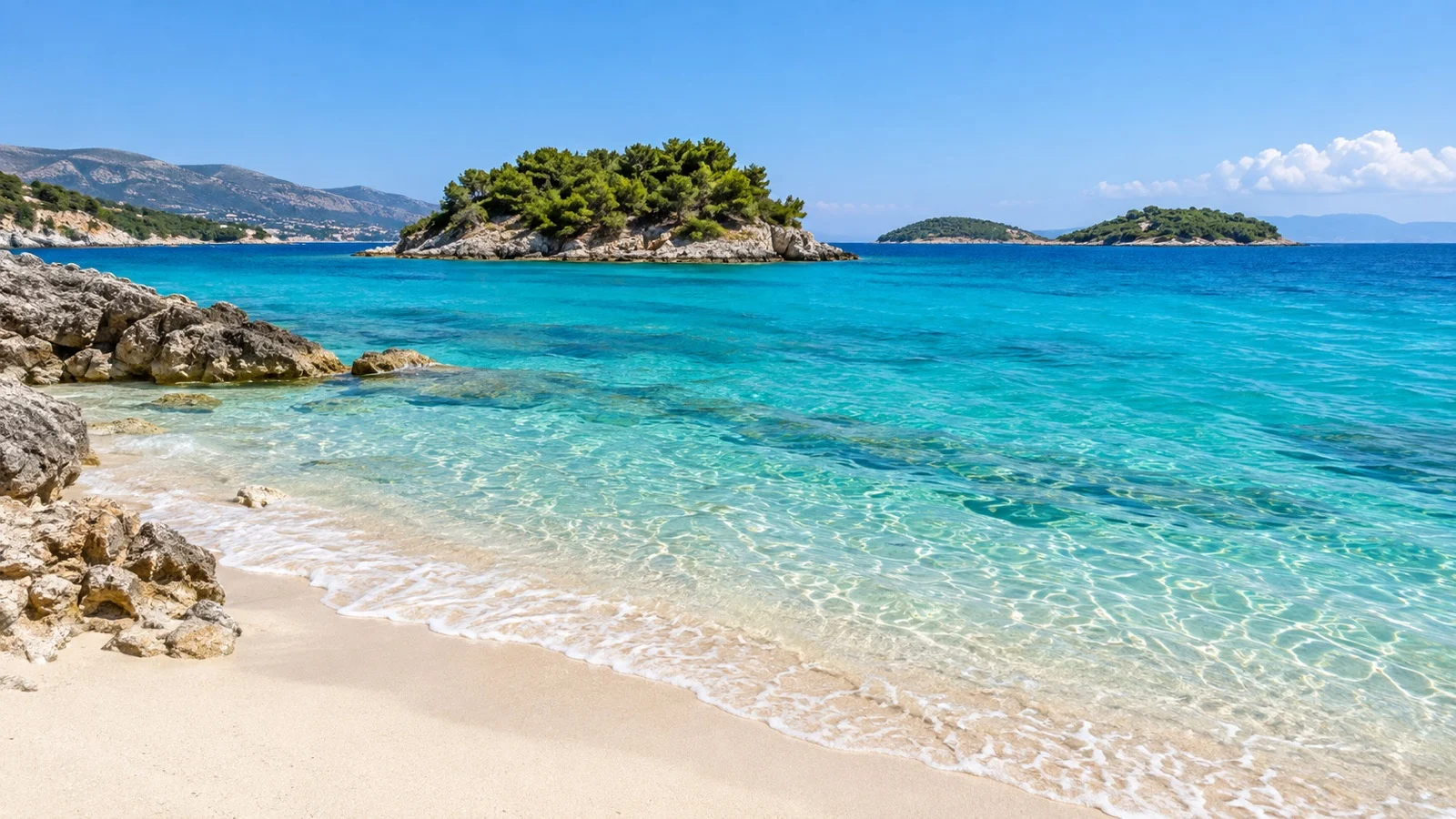
Ksamil sits on the route to Butrint and is known for clear water, small islands, beach clubs, and a dense summer resort scene. It can work as a short swim or lunch stop when traffic and all aboard allow.
In peak season, expect crowds, reserved loungers, busy roads, and limited parking. A beautiful bay does not automatically make a peaceful port day.
Ask about the beach club’s minimum charge, changing facilities, accessible route, and return transportation before settling in. Keep valuables with you and follow local swimming guidance.
The Blue Eye
Syri i Kaltër, the Blue Eye, is a vivid karst spring inland from Sarandë. Its intense color and forest setting make it a popular excursion, but it lies in a different direction from Butrint.
Trying to combine the Blue Eye, Butrint, Ksamil, and a relaxed lunch usually creates more driving than discovery. Choose the spring or the archaeological coast unless the call is unusually long.
Access can include a walk from the vehicle area, summer heat, uneven ground, and crowds. Confirm the current parking and shuttle arrangement with a local official source or licensed operator.
Lëkurësi Castle and the Bay View
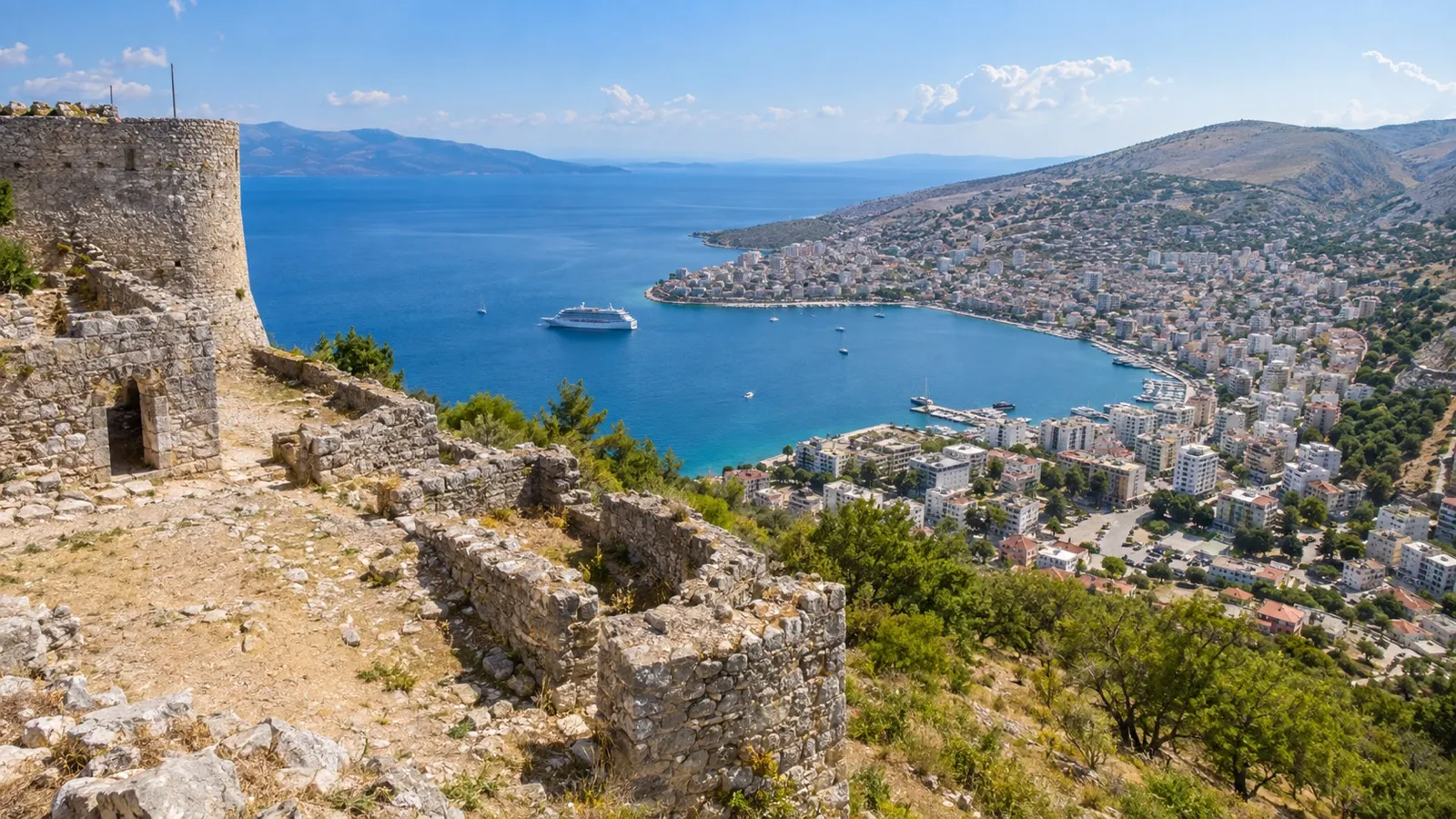
Lëkurësi Castle stands on the ridge above town with broad views across Sarandë, Corfu, and the Ionian Sea. A taxi is the sensible way up for most cruise visitors.
The road climbs steeply and summer sun makes the walking route harder than it appears. Arrange a return pickup instead of assuming an empty taxi will be waiting at the top.
This is a good second choice after Butrint or a compact outing for a short call. Weather and haze determine how much of Corfu you actually see.
The Corfu Ferry Question
Regular ferries connect Sarandë with Corfu and share the port complex. The crossing can look temptingly short on a schedule.
Do not use a Sarandë cruise call for an independent round trip to Corfu. International border processing, check-in cutoffs, marine conditions, and one missed return can turn a clever plan into a missed ship.
Visit Corfu when the cruise itinerary calls there or add it as a separate land stay. Sarandë already has enough history, coastline, and food for one day.
Port Fees and Entry Rules
The Port of Sarandë publishes passenger and security tariffs. Cruise lines generally handle port charges, so do not pay an unexpected cash demand without checking the ship’s instructions.
Albania is not in the Schengen Area, and entry rules depend on nationality, residence, passport validity, and itinerary. Confirm requirements through Albania’s official government channels and the cruise line rather than relying on a broad list of visa-free passports.
Carry the identification specified by the ship even if passports are processed as a group. A shore excursion does not remove the traveler’s responsibility to hold correct documents.
Accessibility and Mobility
An alongside call begins with a relatively level quay and easy access to the promenade. The experience changes completely if the ship tenders, since boarding a small boat requires conditions and mobility the cruise line considers safe.
Ask the cruise line about wheelchair and scooter rules before booking any independent plan. Tender decisions are made for the actual vessel, equipment, sea state, and guest.
Sarandë’s waterfront is the easiest local route, while streets behind it climb steeply and curb cuts can be inconsistent. A taxi can remove the hill but not every step at the destination.
Butrint includes old stone, roots, slopes, and steps within an archaeological landscape. Confirm the accessible route and restroom situation directly, then consider a guide who can adapt the visit.
Weather and Tender Risk
Summer is hot, dry, bright, and crowded, with little shade on exposed walks. Carry water, sun protection, and shoes that grip polished stone.
Spring and fall bring gentler temperatures and fewer beach crowds, but rain and wind become more possible. A light waterproof layer is useful outside midsummer.
The port’s own hydrometeorological notes identify southwesterly winds as a summer influence that can raise sea conditions inside the bay. Tender operations depend on the captain and local conditions, not a generic wind number.
No authoritative public source provides an audited percentage of canceled Sarandë cruise calls. Avoid treating a precise online cancellation rate as established port data.
Three Sensible Port-Day Plans
For a first visit, go directly to Butrint, explore without rushing, and return for a promenade lunch. This is the strongest use of a full call.
For a beach day, prearrange transportation to Ksamil and agree on the return before swimming. Skip extra inland stops when traffic is heavy.
For a short or uncertain tender call, stay in Sarandë and add Lëkurësi by taxi if conditions allow. The waterfront is pleasant enough that a smaller plan does not feel like surrender.
The Final Take
Sarandë combines an easy waterfront with one of the Mediterranean’s most rewarding archaeological excursions. The only catch is that your ship may be alongside or may depend on tenders.
Confirm the arrival, put Butrint first, and leave generous time for Ksamil traffic and the return boat. Then save an hour for coffee on the promenade, because Sarandë is more than a departure point for somewhere else.
How this guide was researched: This guide was checked on September 12, 2026 against current Port of Sarandë and UNESCO World Heritage Centre information. Berthing, tender operations, port charges, ferries, attraction access, traffic, and weather can change, so verify live details for your sailing.