Stavanger Cruise Port: Old Town, Oil Museum and the Lysefjord
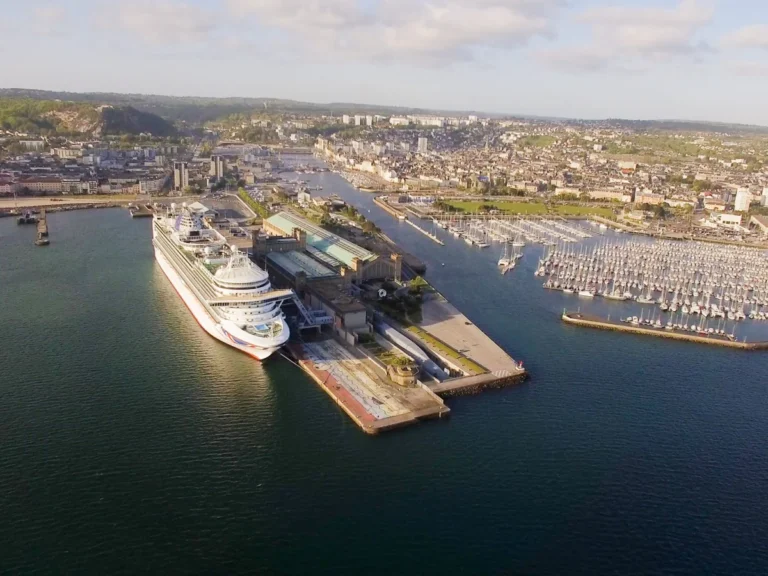
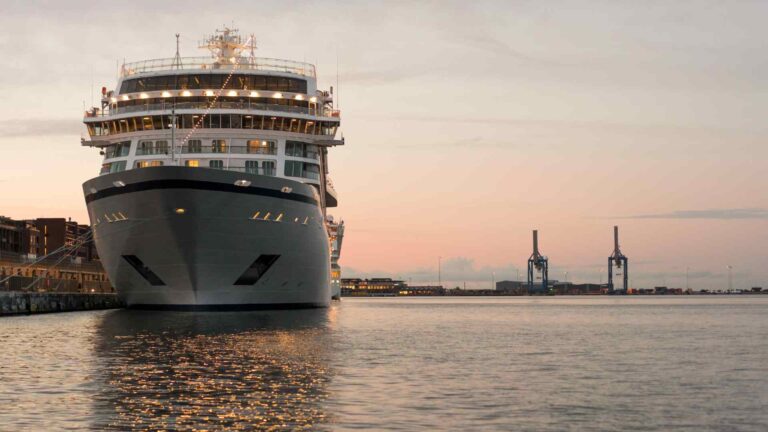
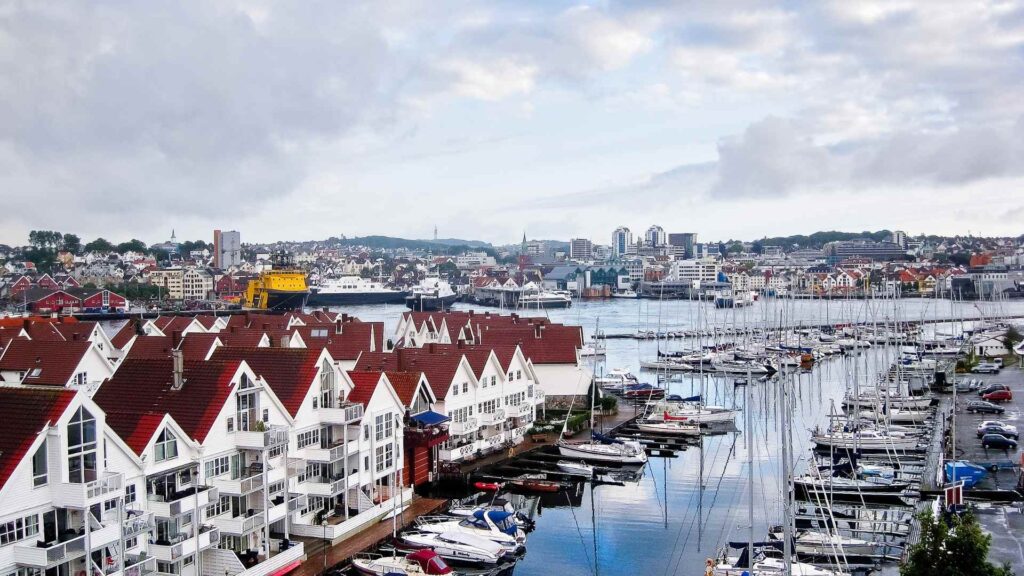
Stavanger puts most cruise passengers straight into the walkable harbor district. Ships tie up along the harbor in the heart of Norway‘s oil capital, with Old Stavanger and the fjords minutes away.
My quick take
Stavanger is one of the most walkable stops in Europe: you can do the whole city on foot and still have energy left over.
The one real decision is whether to trade the town for a big Lysefjord day. More on that below, because it needs an early start.

The quick facts
- Where you land: the central harbor quays around Vågen, most often Skagenkaien, Strandkaien, or Bekhuskaien, all of them right in the city. The Port of Stavanger is one of Norway’s largest cruise ports and lists the berth for each call.
- Dock or tender: You berth alongside normally, so you simply walk off into town.
- Into town: A few minutes on foot.
- Currency and language: Norwegian krone (NOK), and Norwegian, with excellent English spoken across the city.
- Time zone: Central European Summer Time (CEST, UTC+2) during the cruise season, CET (UTC+1) in winter.
- How often the call is missed: Low (under 1%): the sheltered berth is rarely limited by local weather.
How I’d confirm my own berth
The central quays wrap around the harbor, so exactly which one you get depends on the day’s schedule. All of them sit close to the center.
If two or three ships are in, you may be a touch farther along the waterfront. Check your ship’s daily program for the berth name and any shuttle.
Getting around
On foot: This is how I would spend most of the day. The core sights cluster tightly around the harbor and old town.
Bus: Kolumbus runs the regional and city buses if you want to reach the Swords in Rock monument or the Iron Age Farm out at Ullandhaug.
Taxi: Taxis wait near the terminal but are pricey, as fares are in Norway generally. They are handy for the short hop to outlying sights.
Fjord boats: Sightseeing and fjord tour boats leave from the harbor itself, so it is easy to combine a walk in town with a cruise on the water.
The stops I’d actually spend time on
1. Gamle Stavanger (Old Stavanger)
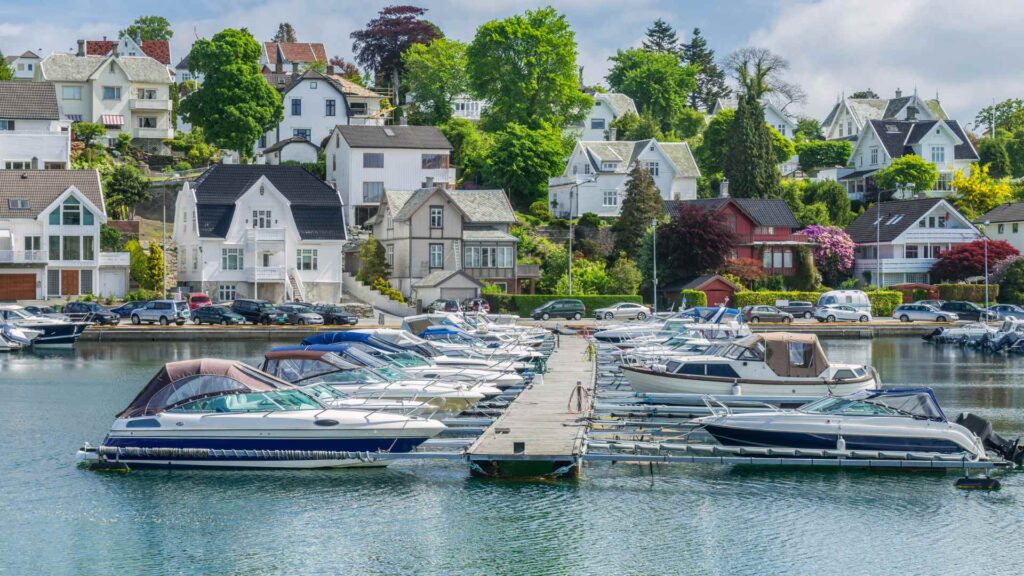
A lane-by-lane cluster of white timber cottages just across the harbor from the ships. Old Stavanger is one of the best-preserved wooden-house quarters in Northern Europe.
Fun fact: it survived thanks to a local architect who fought to protect the cottages when many wanted them torn down. Go early, before the lanes fill up.
2. Norwegian Petroleum Museum
Stavanger is Norway’s oil capital, and the Norwegian Petroleum Museum on the waterfront tells that story with real drilling gear and hands-on exhibits.
Fun fact: the offshore discovery that changed the country’s fortunes came in on the very last well the operators had planned to drill before giving up. It is a genuinely engaging stop, even if oil is not your thing.
3. Fargegaten (Øvre Holmegate)
Fargegaten, the colorful street, is a single block of buildings painted in bold blues, pinks, and yellows.
It is the city’s most photographed lane and lined with cafes and small shops. Perfect for a coffee break mid-morning.
4. Stavanger Cathedral (Domkirken)
Dating to the 1100s, this is Norway’s oldest cathedral still in continuous use. It stands a few minutes uphill from the harbor.
The interior blends Romanesque stonework with later Gothic additions. Even a short look inside is worth it.
5. Valberg Tower (Valbergtaarnet)
This 19th-century watchtower sits on the highest point of the old town. It was built so guards could watch for fires in the timber city below.
Climb up for a tidy panorama over the rooftops and harbor. It is a quick detour on the way through the center.
6. Swords in Rock (Sverd i fjell)
Three giant bronze sword hilts are driven into the rock beside Hafrsfjord, marking the battle that helped unite Norway into one kingdom.
It sits a short bus or taxi ride from the center. The waterside setting makes it a striking photo stop.
7. Iron Age Farm (Jernaldergaarden)
Out at Ullandhaug, the Iron Age Farm is a reconstruction of houses that stood here around 1,500 years ago.
It is built on a real excavated site, so you are standing where an Iron Age family actually lived. Pair it with the hilltop views nearby.
8. The harbor and fish market
The Vaagen harbor is the heart of town, ringed by old warehouses and eateries. The waterfront fish market is a good spot for fresh seafood.
It is also where fjord and sightseeing boats depart, so it doubles as your launch point for the water.
The big day trip: Lysefjord and Preikestolen
The headline excursion is the Lysefjord, home to Preikestolen (Pulpit Rock), the flat cliff that towers about 1,980 feet above the water.
There are two very different ways to experience it, and the right one depends on how long your ship is in port.
The Preikestolen hike (be realistic)
Per Visit Norway, the hike is about 5 miles round trip, roughly 4 hours, with around 1,640 feet of climbing over rough, steep ground.
That is before you add travel time from the ship to the trailhead by bus. A seasonal direct bus runs from the city bus terminal in the May to September window.
Attempt the hike only with an early arrival, a long call, suitable weather, and confidence on rough terrain. Book a guided hike-and-transfer package so someone else is watching the clock against your all-aboard time.
The Lysefjord sightseeing cruise (the easier win)
If your day is shorter, take a fjord sightseeing boat instead. You glide beneath Pulpit Rock and past waterfalls without a single step of climbing.
Boats leave from the Stavanger harbor, so there is no long transfer. It is the relaxed way to see the same scenery, and the more sensible choice for most cruisers.
How I’d plan the day
Short day (about 4 hours): Stay in town. Walk Old Stavanger, wander Fargegaten, look inside the cathedral, and climb the Valberg Tower.
Half day (5 to 6 hours): Do the town core, then add the Norwegian Petroleum Museum or a Lysefjord sightseeing cruise from the harbor.
Full day (8 hours or more, early arrival): Go for the Preikestolen hike on a guided transfer, or combine a fjord cruise with the Swords in Rock and Iron Age Farm.
Whatever you pick, build in a return buffer. Road, boat, and weather disruptions still happen, so never race a fjord connection against the gangway.
A realistic word on accessibility
The waterfront and central streets are flat and easy, which makes Stavanger one of the friendlier Norwegian ports for limited mobility. It regularly features among the more walkable cruise ports.
Old Stavanger’s cobbles and the climb to the cathedral and tower are the main challenges. The Preikestolen hike is strenuous and not suitable for anyone with mobility limits, but a fjord cruise gives the same views with none of the effort.
When to go, and the weather
Most cruise calls fall between May and September, when the Preikestolen trail and fjord boats are running and daylight is long.
This is the rainy west coast of Norway, so weather turns fast. Pack layers and a waterproof jacket even on a bright morning.
Planning more Norwegian stops? My guides to Bergen and Geiranger pair naturally with a Stavanger call.
Choose one Lysefjord experience
The Preikestolen hike suits a long call, a strong hiker, dry-enough conditions, and a transfer that reaches the trailhead early. The roughly 5-mile route normally takes about four hours before the road transfer, so protect at least two hours between the planned return to Stavanger and all aboard.
A Lysefjord sightseeing cruise is the better choice for travelers who want the cliffs and waterfalls without the rough climb. It shows Pulpit Rock from water level rather than reproducing the summit view, and the round trip commonly uses several hours, so match the exact departure and return to the berth time.
Stay in town when the forecast is poor or the call is short, pairing Old Stavanger with the Petroleum Museum and cathedral area. Valberg Tower and individual churches can have limited or event-based access, so treat interiors as bonuses rather than anchors for the schedule.
Wheelchair users should ask the boat operator about the boarding ramp, accessible restroom, outdoor deck, and assistance before buying. Cobbles in Old Stavanger and the steep, rocky Preikestolen trail create very different accessibility profiles even though both start near the harbor.
Quick answers
Is the port walkable into town?
Yes; ships dock along the central harbor, with Old Stavanger and the cathedral just minutes away.
Can I hike Pulpit Rock on a cruise day?
Only with an early arrival, a long call, suitable conditions, and a transfer that protects enough time for the strenuous 5-mile route.
What if I can’t hike but still want the fjord?
Take a Lysefjord sightseeing cruise from Stavanger harbor to see Pulpit Rock from water level without the mountain climb.

How this guide was researched: Unless a first-hand visit is explicitly identified above, this guide is based on independent research using official port, tourism, transit, government, and attraction sources where available. Logistics and time-sensitive details were reviewed on September 10, 2026; see our Editorial Policy.