Savona Cruise Port: Palacrociere and Walkable Old Town
Savona is one of those Mediterranean ports that rewards you before you have even made a plan. Ships normally berth at Palacrociere beside the historic harbor, and the center begins only a few hundred yards beyond the terminal.
That geography gives you a rare choice: enjoy a full day of churches, towers, Ligurian food, and sea views on foot, or use Savona as a practical base for a carefully timed trip farther along the coast. I would stay local on a short call and save Genoa or the Riviera for a longer day with a generous return cushion.
Savona cruise port quick facts
- Terminal: Palacrociere in the Port of Savona, usually an alongside call rather than a tender operation
- Distance to the center: The old harbor and central streets are a few minutes away on foot
- Rail station: Savona station is roughly a 20 minute walk on a mostly level urban route
- Best easy sights: Old Darsena, Leon Pancaldo Tower, Brandale Tower, the cathedral complex, and Priamar Fortress
- Local food: Farinata, focaccia, panissa, pesto, fresh seafood, and Ligurian pastries
- Currency: Euro, with cards widely accepted and some cash useful for small purchases
- Language: Italian, though English is common in visitor-facing businesses
- Return strategy: Confirm your ship’s all aboard time and be back inside port security well before it
Where cruise ships dock in Savona
Palacrociere is the cruise terminal inside the Port of Savona, at Calata delle Vele. The official terminal website describes the city center as only a few hundred meters away, so this is not a remote industrial port that forces every passenger onto a shuttle.
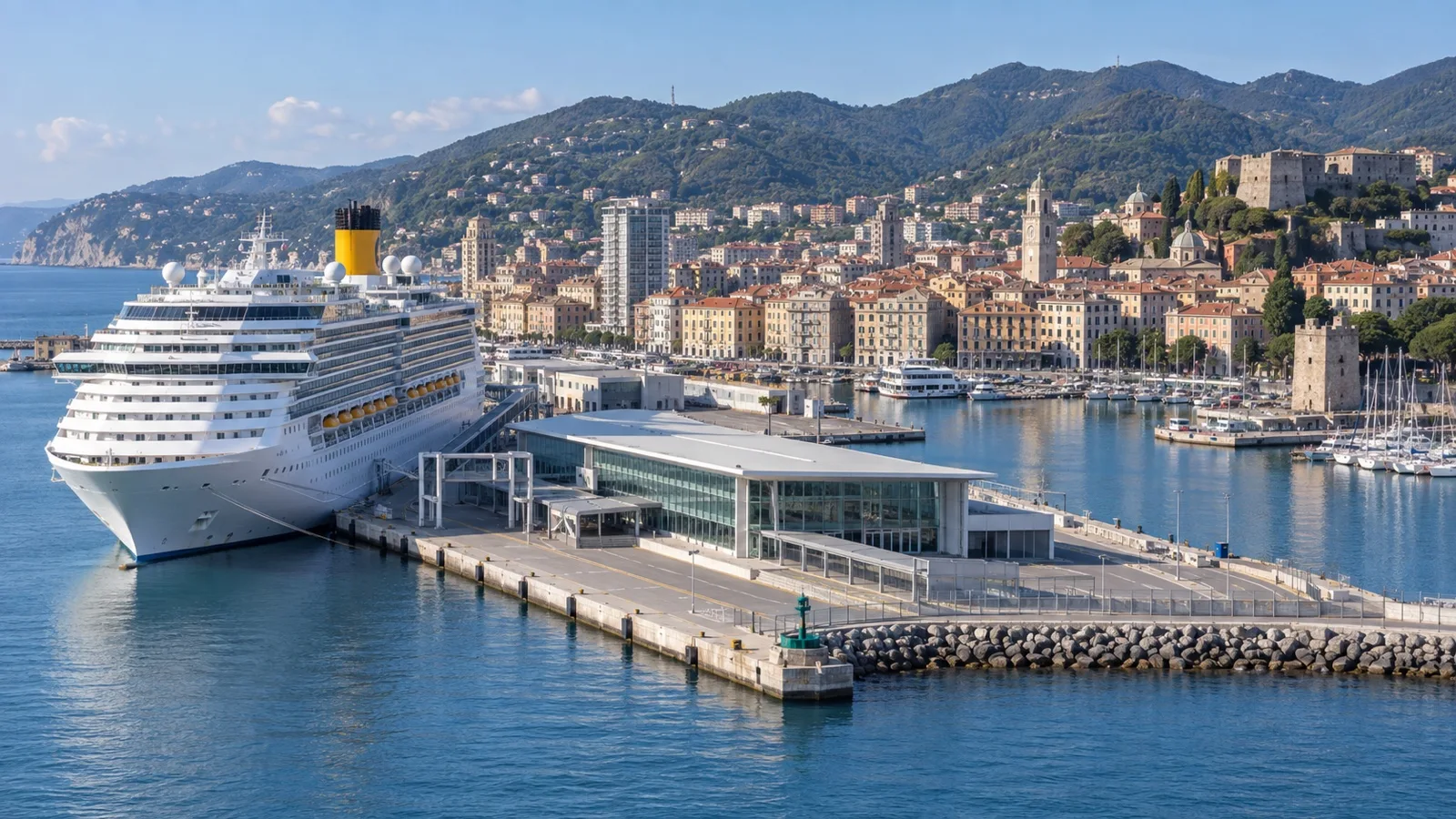
Most calls are alongside, which means you walk directly from the ship into a terminal building after the gangway. Your exact berth, terminal door, and pedestrian exit can vary, so follow shipboard announcements and port staff instead of relying on a map saved from a previous sailing.
Expect normal port security when you return, and carry the travel document or cruise card required by your line. The terminal has passenger services, but I would still handle essential medication, water, and offline directions before leaving the ship.
Walking from Palacrociere to the old harbor
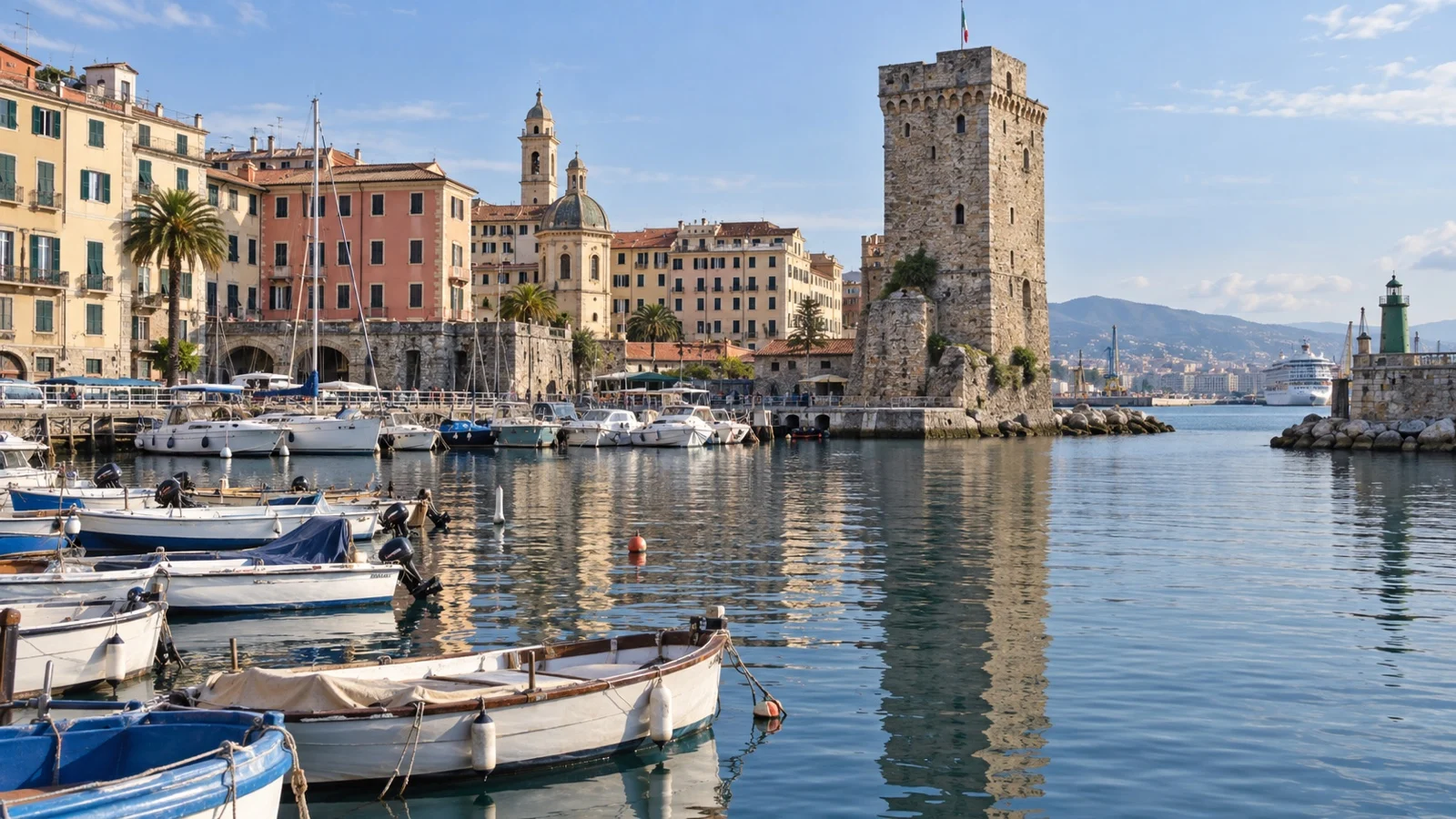
The first stretch is wonderfully simple because Palacrociere opens toward Savona’s waterfront rather than away from it. Once outside the controlled port area, aim for the Old Darsena, where fishing boats, pleasure craft, cafes, and restored harbor buildings make an easy introduction to the city.
Leon Pancaldo Tower stands near the harbor entrance and is one of Savona’s most recognizable landmarks. It takes its name from the Savonese navigator who sailed with Ferdinand Magellan, and its waterfront position makes it an effortless photo stop even if you have limited time.
From the Darsena, central lanes lead toward Piazza del Brandale and the towers associated with medieval Savona. The distances are short, but stone paving and curb changes can slow anyone using a wheelchair, walker, or stroller.
Savona is not a place where you need to race between headline attractions. The pleasure is in letting a harbor view, a bakery window, or a quiet square interrupt the route without endangering your return to the ship.
A practical self-guided walking route
My favorite local plan forms a loose loop rather than an out-and-back march. Start at the Darsena, pass Leon Pancaldo Tower, continue through the central shopping streets, visit the cathedral complex, and then turn toward Priamar Fortress before returning along the waterfront.
1. Old Darsena and Leon Pancaldo Tower
Give the harbor about 30 minutes if you enjoy photography, or less if you want to move quickly. Morning light, fishing activity, and the contrast between historic facades and modern cruise operations make this area feel more distinctive than a generic marina.
2. Piazza del Brandale and the civic towers
The Brandale area reveals Savona’s medieval civic identity, with narrow streets opening around old towers and public buildings. Check access and opening information on the day because interiors and guided visits are less predictable than exterior sightseeing.
3. Cathedral of Our Lady of the Assumption
Savona’s cathedral complex is the strongest reason to step beyond the waterfront. The official tourism site groups the cathedral with the Sistine Chapel, Treasure Museum, and apartments connected with Pope Pius VII, making this one stop richer than its plain urban setting first suggests.
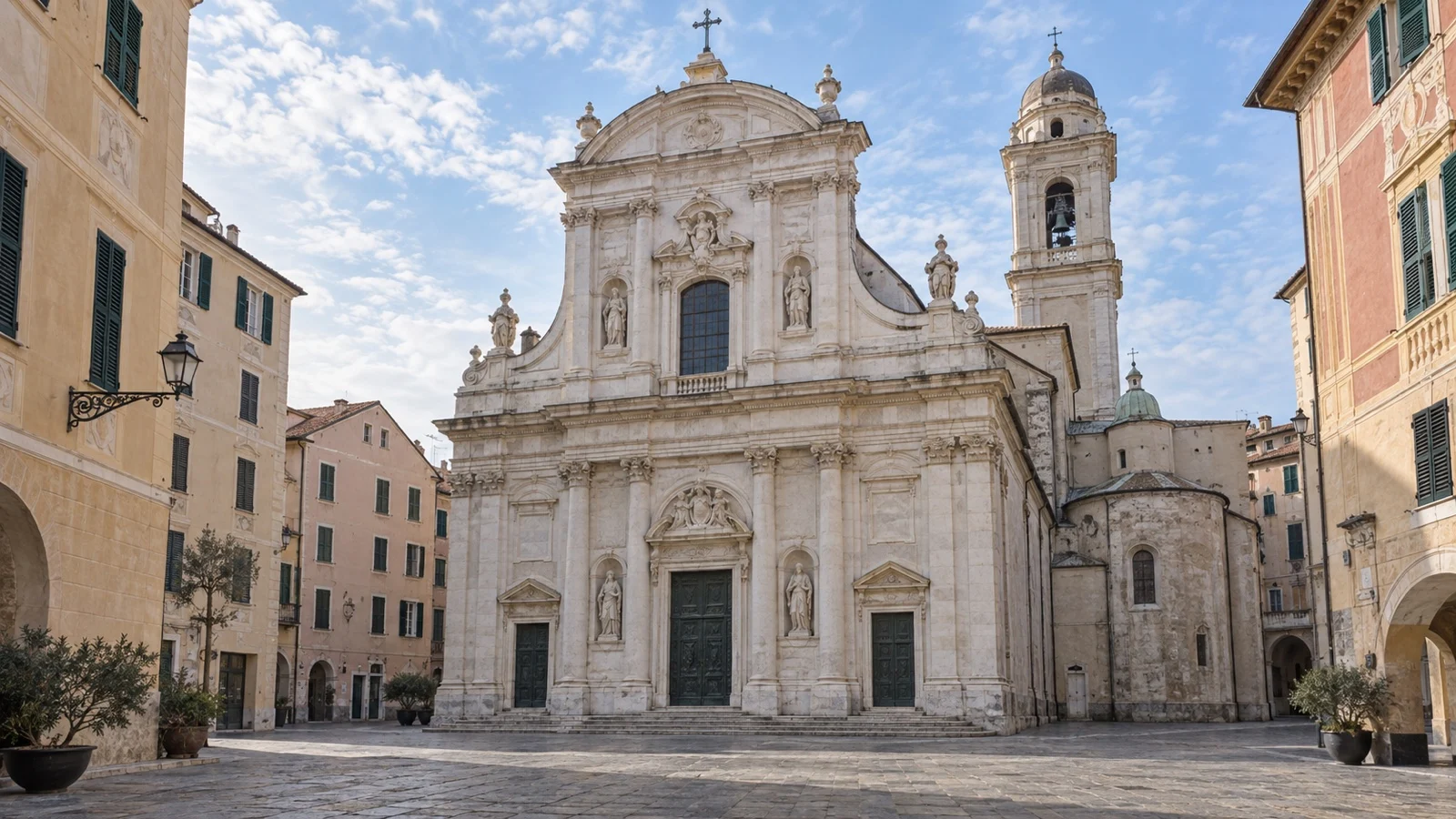
This is an active place of worship, so dress respectfully, keep voices low, and accept that services can limit tourist access. Opening periods can change, and the quieter choice is to treat any interior visit as a welcome bonus rather than the single point on which your day depends.
4. Savona’s Sistine Chapel
Do not confuse this chapel with the far more famous one in Vatican City. Savona’s chapel was commissioned by Pope Sixtus IV as a funerary monument for his parents, and its intimate scale makes the visit feel personal rather than monumental.
The chapel may require a ticket, timed entry, or access through the cathedral complex, so verify arrangements locally. If it is closed, the surrounding streets and cathedral still justify the walk.
5. Ceramics and local art
The official one-day route from Visit Savona highlights the Ceramics Museum and city art gallery. They are sensible indoor choices in rain or strong summer heat, especially for travelers interested in the long ceramic tradition of Savona and nearby Albisola.
Museum hours often include weekly closing days or midday breaks, and cruise schedules do not always line up neatly with them. Check the official venue information close to your sailing and avoid building a tight itinerary around a single opening window.
Priamar Fortress without rushing
Priamar Fortress rises above the waterfront on a rocky height and gives the local day its strongest sense of place. The complex occupies the site of earlier settlement and later military construction, with broad walls, courtyards, cultural spaces, and elevated views back across Savona.
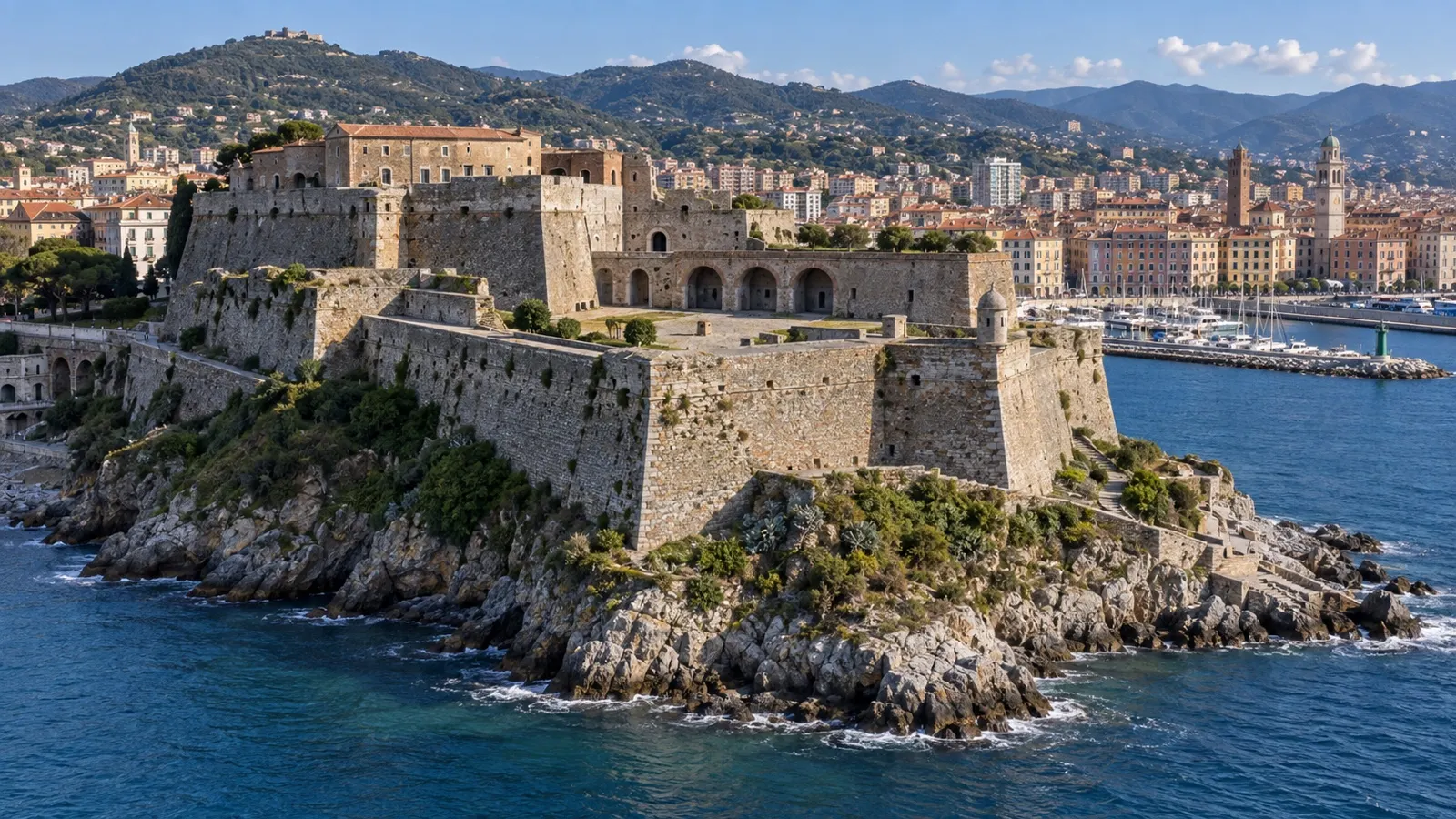
The approach includes slopes and can require more effort than the flat harbor streets. Wear shoes with grip, carry water in hot weather, and allow extra time if stairs or uneven surfaces are difficult for you.
You do not need to explore every corner for the fortress to be worthwhile. A shorter visit focused on the exterior terraces and harbor views can fit comfortably into a half-day walk, while history lovers may prefer to slow down and inspect the complex in more detail.
Getting to Savona railway station
Savona railway station is roughly 0.9 mile from Palacrociere, and the official terminal site estimates about 20 minutes on foot along an easy, largely level route. That is manageable with light luggage and good mobility, but a hot afternoon, rain, or rolling suitcases can make it feel longer.
Taxis are the simplest option when available, particularly for embarkation day luggage or reduced mobility. Build in waiting time because several passengers may request cars at once when a large ship arrives.
TPL Linea publishes information about cruise shuttle services linking Palacrociere with the station and other local destinations. The operator also states that these services run only when requested for the relevant cruise operation, so never assume a shuttle will be available on your particular call.
If you plan to use a public bus, confirm the current line, stop, ticket method, and service frequency through TPL Linea on the day. Route numbers and cruise-day arrangements are operational details that can change.
Should you take the train to Genoa?
Genoa is the obvious independent excursion because it offers a major historic center, palaces, harbor attractions, and a much larger urban experience. It is possible by regional train from Savona, but possible and comfortable are not the same thing on a cruise clock.
Check the live Trenitalia timetable in both directions, note whether your chosen trains require changes, and identify at least one earlier backup return. Rail delays, platform changes, and the walk or taxi between Palacrociere and Savona station all consume part of your margin.
I would consider Genoa only on a long call with stable weather and an early planned return. For port details and neighborhood context, read our Genoa cruise port guide before deciding.
Travelers who mainly want Ligurian atmosphere do not need to leave Savona to find it. Staying local trades one famous city for a calmer day, much less transport risk, and the freedom to return to the ship whenever your energy changes.
Other excursions from Savona
Finalborgo
Finalborgo is a beautiful walled historic district inland from the coast near Finale Ligure. It suits travelers who want medieval lanes and a smaller-town atmosphere, but reaching it requires more planning than simply walking into Savona.
Independent visitors should research the current train and local connection, while an organized tour removes some navigation stress. Keep the return conservative because a missed connection can erase your buffer quickly.
Albisola and the ceramics coast
Albissola Marina and Albisola Superiore are closely associated with Ligurian ceramics and sit near Savona along the coast. They can make an appealing half-day for art lovers, yet current bus or train details should come from the local operator rather than an old blog timetable.
This is also a destination where a focused ship excursion, taxi arrangement, or prebooked guide may be more satisfying than improvisation. Confirm where you will be dropped off and how the return is guaranteed before leaving the terminal area.
A private Riviera drive
A private driver can combine coastal viewpoints, small towns, and lunch without forcing you to decode several transport links. Agree on the itinerary, total duration, meeting point, cancellation terms, and a return time that beats the ship’s deadline by a wide margin.
Do not let a driver turn the day into an overpacked checklist. Two meaningful stops and a calm return are better than four rushed places followed by anxious traffic watching.
Beaches near the cruise port
Savona has stretches of beach along the coast, including areas beyond Priamar Fortress, so a simple sea day is possible without a distant excursion. Conditions, seasonal services, and public access points vary, which makes a quick check with the tourist office or terminal staff worthwhile.
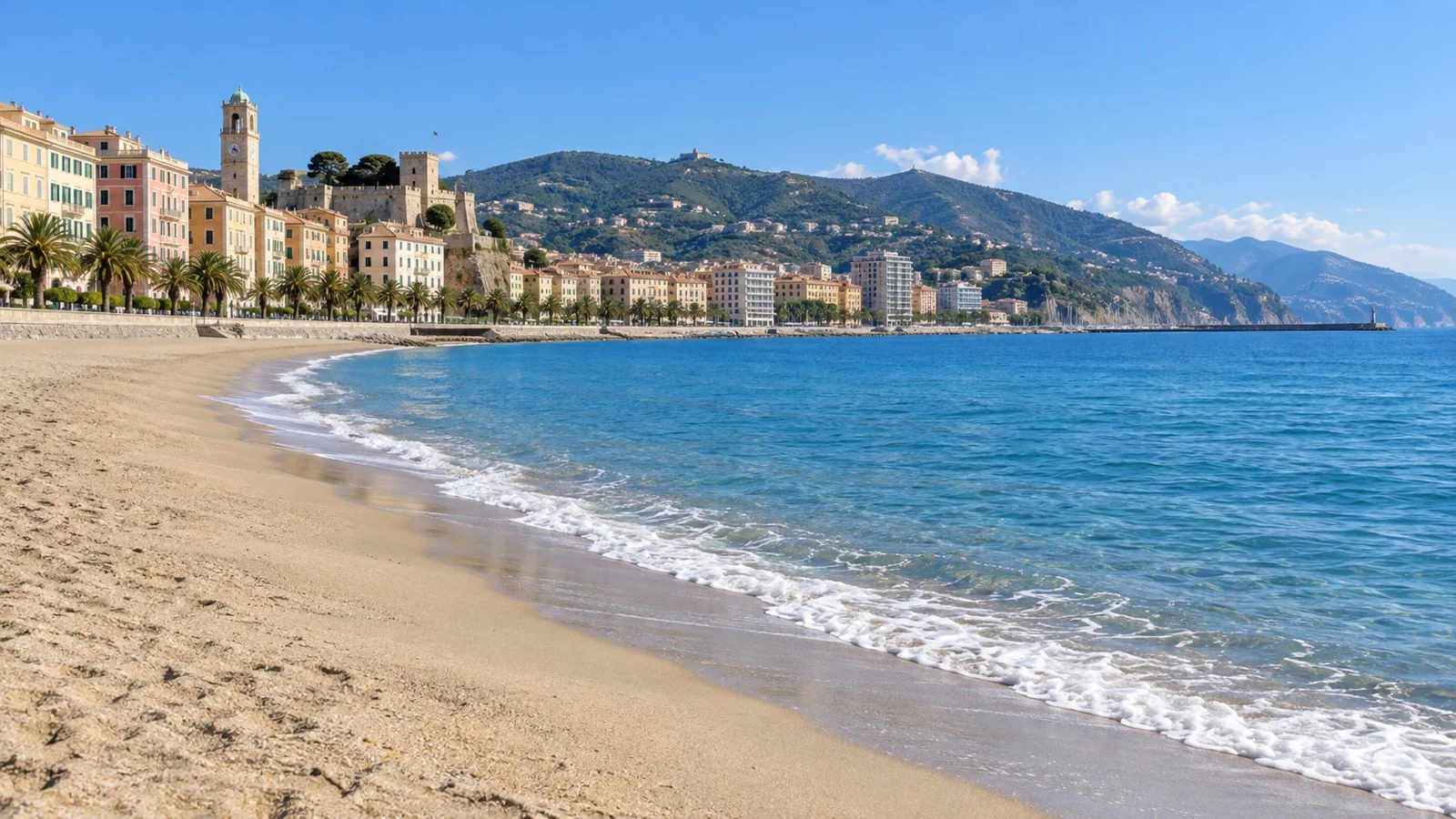
Bring water shoes if you dislike pebbles, and do not assume every section has loungers, shade, or changing facilities. In shoulder season, the waterfront can still be lovely for a walk even when swimming services are limited.
Leave passports and unnecessary valuables secured according to your cruise line’s guidance, and never leave a phone or cruise card unattended while swimming. Rinse sand from footwear before returning through the terminal, where floors and security lines can make a messy beach exit less convenient.
Eating and drinking in Savona
A local lunch is one of the easiest ways to make this port memorable. Farinata, a thin chickpea-flour bake with crisp edges, is the snack I would actively seek out because it is inexpensive, quick, and unmistakably Ligurian.
Focaccia is another natural choice, whether plain, topped, or filled, while panissa may appear as a chickpea preparation served in different forms. Pesto, anchovies, seafood, and vegetable dishes reflect the wider cooking of Liguria.
Restaurants around the Darsena are convenient for views and a relaxed pace, while bakeries and casual counters farther into town can suit a tighter schedule. Ask about service time before ordering a multicourse meal, and request the bill early enough that you are not trapped by a leisurely lunch rhythm.
Tap water rules and table customs may differ from home, and bottled water is a simple order if you are uncertain. Cards are widely useful, but a small amount of euro cash helps at kiosks, markets, and tiny food counters.
Accessibility and low-energy planning
Palacrociere’s proximity to the center is a major advantage for travelers who cannot manage a long transfer. The harbor area is mostly gentle, yet cobbles, curb cuts, slopes at Priamar, heat, and occasional construction can create obstacles.
Ask your cruise line about gangway conditions, terminal assistance, and any accessible shuttle before disembarking. The port controls ship access, while the cruise line is best placed to confirm what assistance is arranged for your sailing.
A lower-energy route can focus on the Darsena, Leon Pancaldo Tower, a cafe, and a short stretch of the center. Add Priamar only if the approach and surfaces match your mobility on the day.
Travelers with wheelchairs should contact attractions directly about step-free entrances, elevators, accessible restrooms, and companion policies. Historic buildings can have restrictions that are not obvious from an exterior photograph.
Weather and what to wear
Summer can be sunny, humid, and hot on exposed stone, while spring and fall bring more variable conditions. Winter calls can feel cool or wet, especially near the harbor where wind amplifies the temperature.
Wear supportive walking shoes, use sunscreen, and carry water even when the route looks short. A compact rain layer is more useful than an umbrella in strong waterfront wind.
Check the forecast shortly before leaving the ship, then choose the order of your day around it. Priamar is better before peak heat, while museums and the cathedral complex provide useful shelter if rain arrives.
Money, phones, and practical essentials
Italy uses the euro, and contactless payment is common in hotels, restaurants, and larger shops. Carry a backup card and modest cash rather than relying on a single payment method.
European roaming rules may help visitors with eligible mobile plans, but travelers from outside the region should check charges before switching on data. Download an offline map centered on Palacrociere, Savona station, Priamar, and the cathedral complex.
Public Wi-Fi can be convenient but is not the place for sensitive banking. Keep your phone charged, save the ship’s port-agent contact details if provided, and photograph the daily program with the all aboard time visible.
Documents, safety, and port security
Carry the cruise card and any identification your line tells you to take ashore. The Palacrociere website notes that travel documents are required for port access, and security staff have the final say about entry procedures.
Savona generally feels manageable because the central route is compact and busy, but ordinary city awareness still matters. Watch belongings in crowded areas, use licensed transport, and keep wallets or phones out of open exterior pockets.
Emergency number 112 works across the European Union. For a lost document, medical issue, or delayed return, contact ship staff or the listed port agent promptly rather than trying to solve everything alone.
Three realistic Savona port-day plans
The easy three-hour walk
Walk from Palacrociere to the Darsena, photograph Leon Pancaldo Tower, continue to the Brandale area, and choose either the cathedral complex or Priamar Fortress. Finish with farinata or focaccia near the center, then return through the harbor with time to spare.
The full local day
Begin at Priamar before the heat builds, then explore the cathedral complex and Savona’s Sistine Chapel if open. Add the ceramics museum or art gallery, take a long Ligurian lunch, and spend the final hour around the Darsena close to the ship.
The independent rail day
Walk or take a taxi to Savona station for an early regional train, follow a deliberately short plan in Genoa or another coastal town, and return on a train earlier than the last one you could theoretically catch. Keep enough margin for a delay, the station transfer, port security, and an unexpected platform change.
Common mistakes to avoid
The first mistake is assuming every attraction will be open continuously through the afternoon. Churches, museums, and small venues may change hours, observe weekly closures, or restrict visits during services.
The second is treating the station’s 20 minute walk as the complete transfer time. You also need time to leave the ship, clear the terminal, buy or validate the correct ticket, find the platform, and reverse the process at the end.
The third is planning an excursion around the ship’s departure time instead of its all aboard time. Your actual deadline is earlier, and security lines or a slow walk can consume the final margin.
The fourth is leaving Savona simply because Genoa is more famous. A relaxed day in the city beside your berth can be more rewarding than spending a large share of the call watching the railway clock.
Savona cruise port frequently asked questions
Can you walk from the cruise terminal into Savona?
Yes. Palacrociere is beside the waterfront and only a few hundred meters from central Savona, making the Darsena and old-town streets easy to reach on foot for most travelers.
Is Savona a tender port?
Cruise ships normally berth alongside at Palacrociere, so passengers usually walk through the terminal rather than tender ashore. Operational conditions can still change, and your cruise line’s instructions are authoritative for your call.
How far is Savona station from the cruise terminal?
The official terminal site estimates about a 20 minute walk on a generally flat route. A taxi may be more comfortable with luggage, limited mobility, heavy rain, or summer heat.
Is Genoa worth visiting from Savona?
Genoa can be worthwhile on a long call, but it introduces rail and transfer risk that a local Savona day avoids. Use live timetables, select an early return, and maintain a backup option.
What should I see if I only have two hours?
Stay close to the ship with a loop through the Darsena, Leon Pancaldo Tower, the Brandale area, and one food stop. Priamar can fit if you move comfortably, but do not force it into a very short call.
What food should I try in Savona?
Start with farinata or focaccia for a quick taste of Liguria. If time allows, add pesto pasta, seafood, or a seasonal local dish at a restaurant that can serve you within your schedule.
The bottom line
Savona works because the cruise terminal and city belong to the same walkable waterfront. You can step off the ship, explore a real Ligurian center, eat well, and still keep your transport risk remarkably low.
Choose Priamar and the cathedral complex for substance, the Darsena for atmosphere, and a rail excursion only when your call is long enough to protect a generous return buffer. For wider regional planning, compare our Mediterranean cruise ports guide, and use our Savona cruise port hotels guide if you are staying before or after your sailing.
Planning note: Berths, opening hours, tickets, transit, and security procedures can change. Confirm time-sensitive details with your cruise line, Palacrociere, TPL Linea, Trenitalia, and the relevant attraction before travel.
How this guide was researched: This guide was checked against official Palacrociere, TPL Linea, Visit Savona, rail, and attraction information. Logistics and time-sensitive details were reviewed September 11, 2026; see our Editorial Policy.