Thursday Island Cruise Port: Tender, Culture & Timing
Thursday Island is a small port with a very big sense of place. Your day begins on a ship’s tender, then opens into Torres Strait Islander art, pearling history, military viewpoints, a working waterfront, and the everyday life of a remote regional center.
This is not a stop to race through or treat as a tropical theme park. The best visit is culturally respectful, carefully timed, and built around the tender conditions that the bridge team and local authorities approve on the day.
Thursday Island Cruise Port Quick Facts
- Arrival style: Ship at anchor with tenders to a designated small-craft landing
- Usual landing area: Central Thursday Island waterfront, often around Engineers Wharf, subject to the call plan
- Local name: Thursday Island is also known as Waiben or Waibene, with spelling varying by source and language context
- Best easy day: Gab Titui Cultural Centre, central streets, waterfront views, and local food
- Best elevated view: Green Hill Fort by booked local tour or taxi
- Currency: Australian dollar, with cards useful and some cash sensible
- Time zone: Australian Eastern Standard Time throughout the year
- Critical rule: Treat the last tender as an absolute deadline and follow every local water-safety instruction
This Is a Tender Port
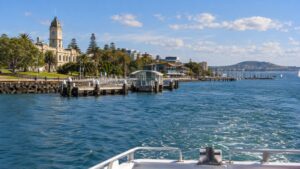
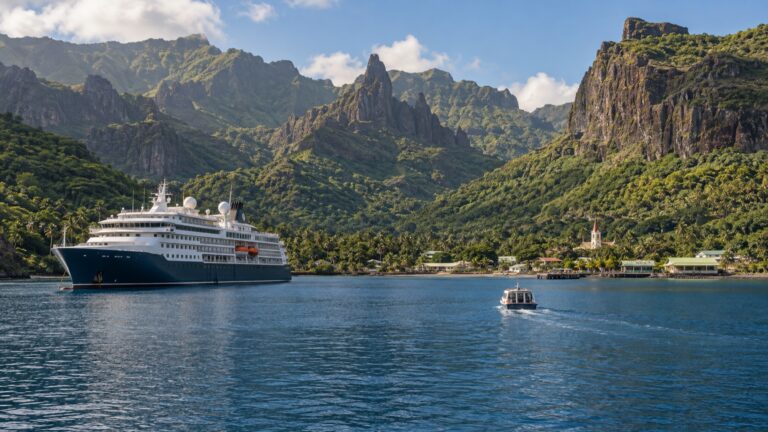
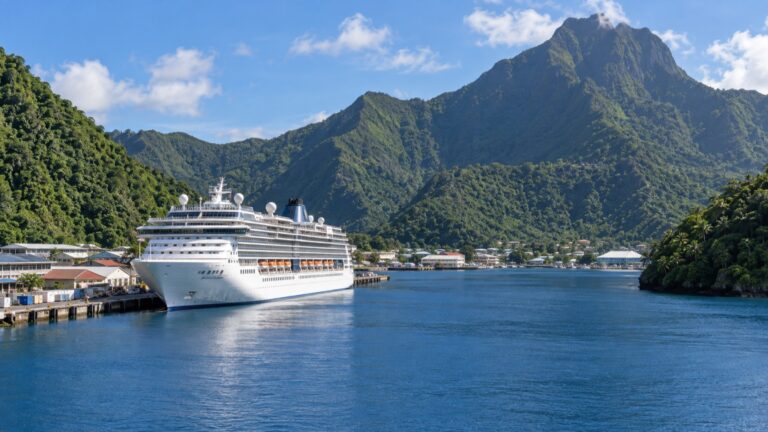
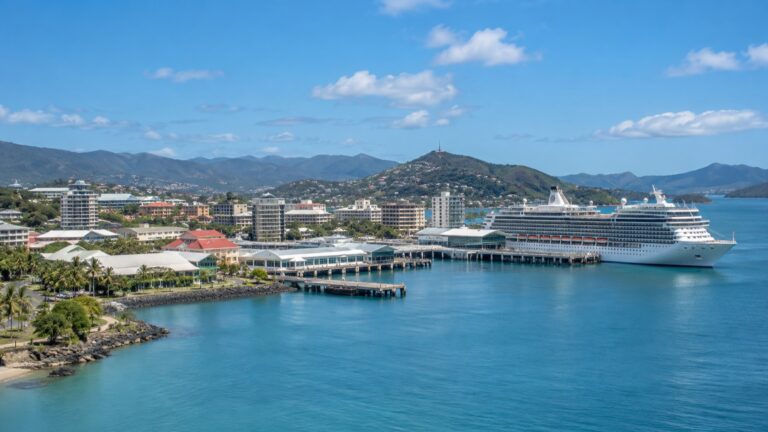
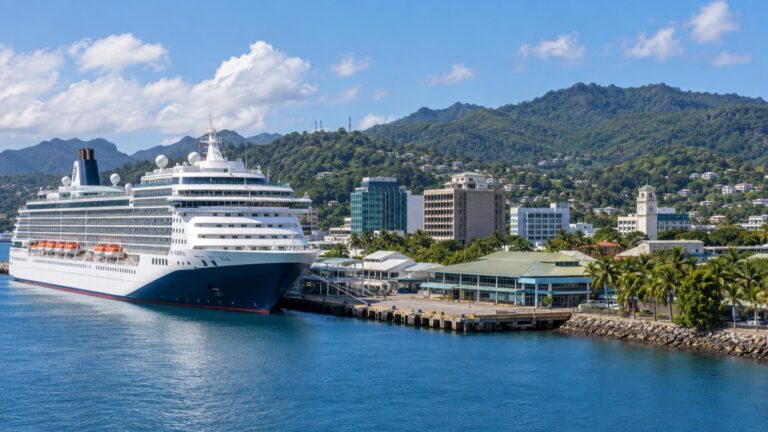
Ocean cruise ships anchor off Thursday Island because the compact working harbor does not provide a routine alongside berth for large cruise vessels. Ship tenders then carry passengers to the landing selected for that specific call.
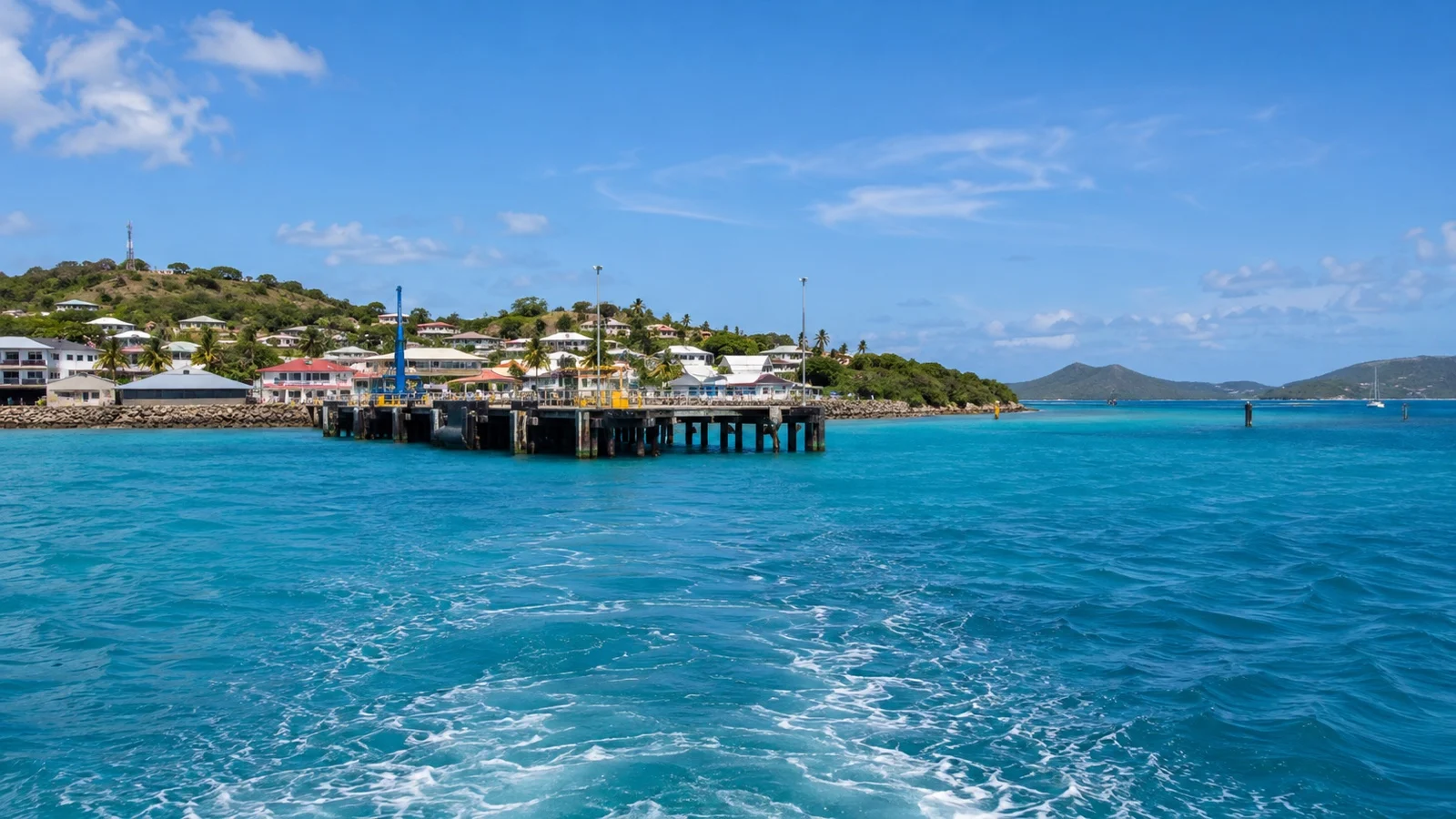
Engineers Wharf in the central waterfront area is commonly associated with passenger ferry movements and cruise landings, but the final location is operational. Your daily program should identify the landing, first and last tender times, documentation needs, and any mobility limits.
The boat ride may be short, yet waiting for clearance, loading, and safe gaps in harbor traffic can absorb time. I do not count my port day from the scheduled anchor time because the useful clock starts when my feet are actually ashore.
Thursday Island or Waiben
Thursday Island is also known as Waiben or Waibene and serves as an administrative and commercial center for the Torres Strait. It sits within a region of many islands between Cape York and Papua New Guinea, each with its own communities, histories, and cultural relationships.
Torres Strait Islander peoples are distinct from Aboriginal peoples, even though national organizations often refer to both groups together. Use the names people choose for themselves, listen to local guides, and avoid turning cultural differences into a quick souvenir story.
Ask before photographing people, performances, artwork, ceremonies, memorials, or community spaces. A public street is not permission to record every interaction, and some stories or places are not offered for unrestricted sharing.
Gab Titui Is the Cultural Starting Point
Gab Titui Cultural Centre is the most meaningful first stop for many visitors because it presents Torres Strait Islander art and culture through regional voices. Exhibitions, public programs, and the shop can offer context that a self-guided loop cannot provide.
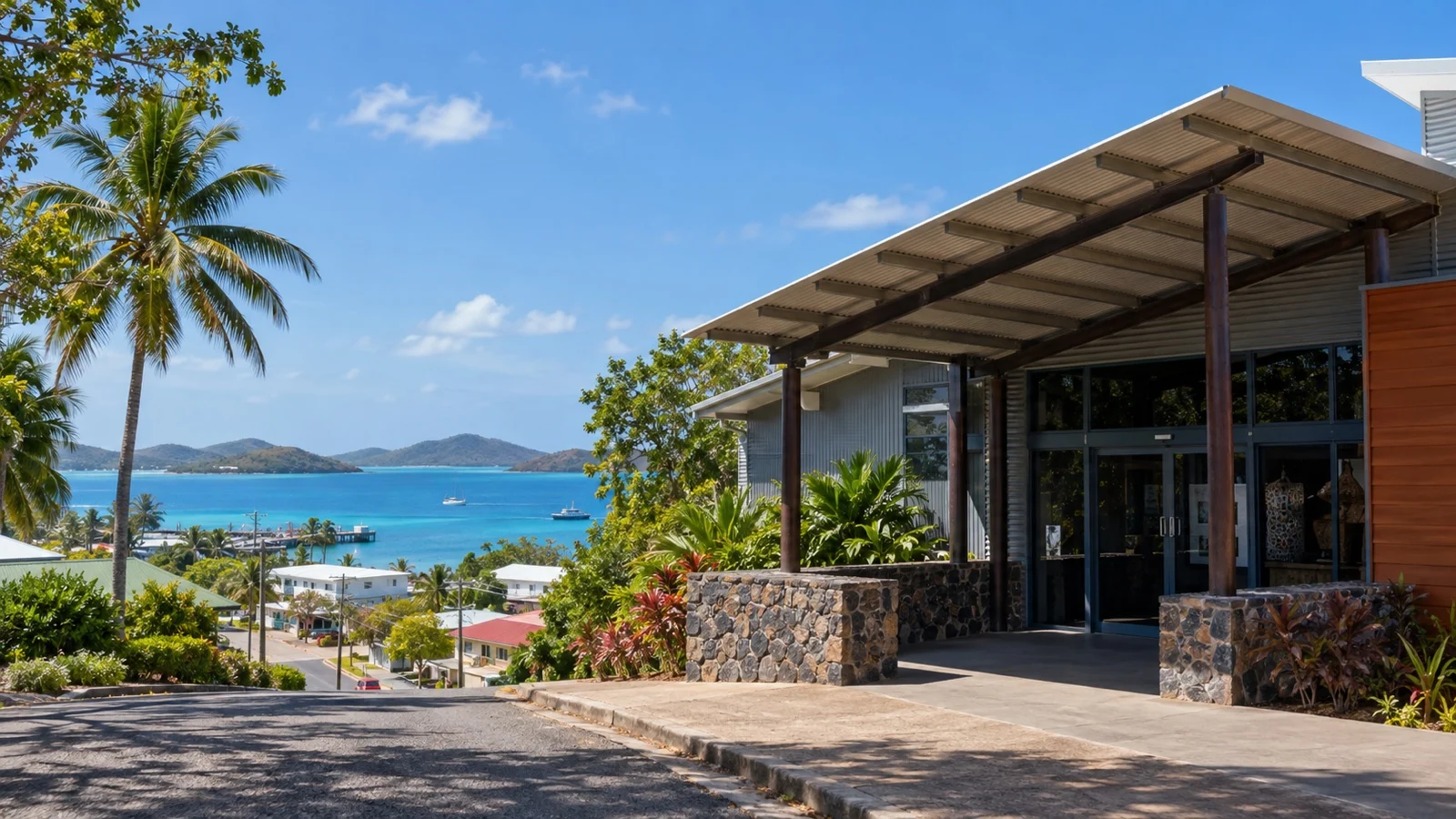
Check the center’s current opening status close to your call because community events, maintenance, or operational needs can affect access. Give yourself time to look carefully and speak with staff rather than rushing through solely to buy an item.
When purchasing art, use recognized local outlets and keep the artist information that comes with the work. Authentic buying supports artists and helps you understand whose story or design you are taking home.
A Strong Independent Loop Stays Central
Central Thursday Island is compact enough for a gentle walking plan once you are ashore. The cultural center, harbor views, community services, shops, memorials, and places to eat can create a satisfying visit without adding another boat.
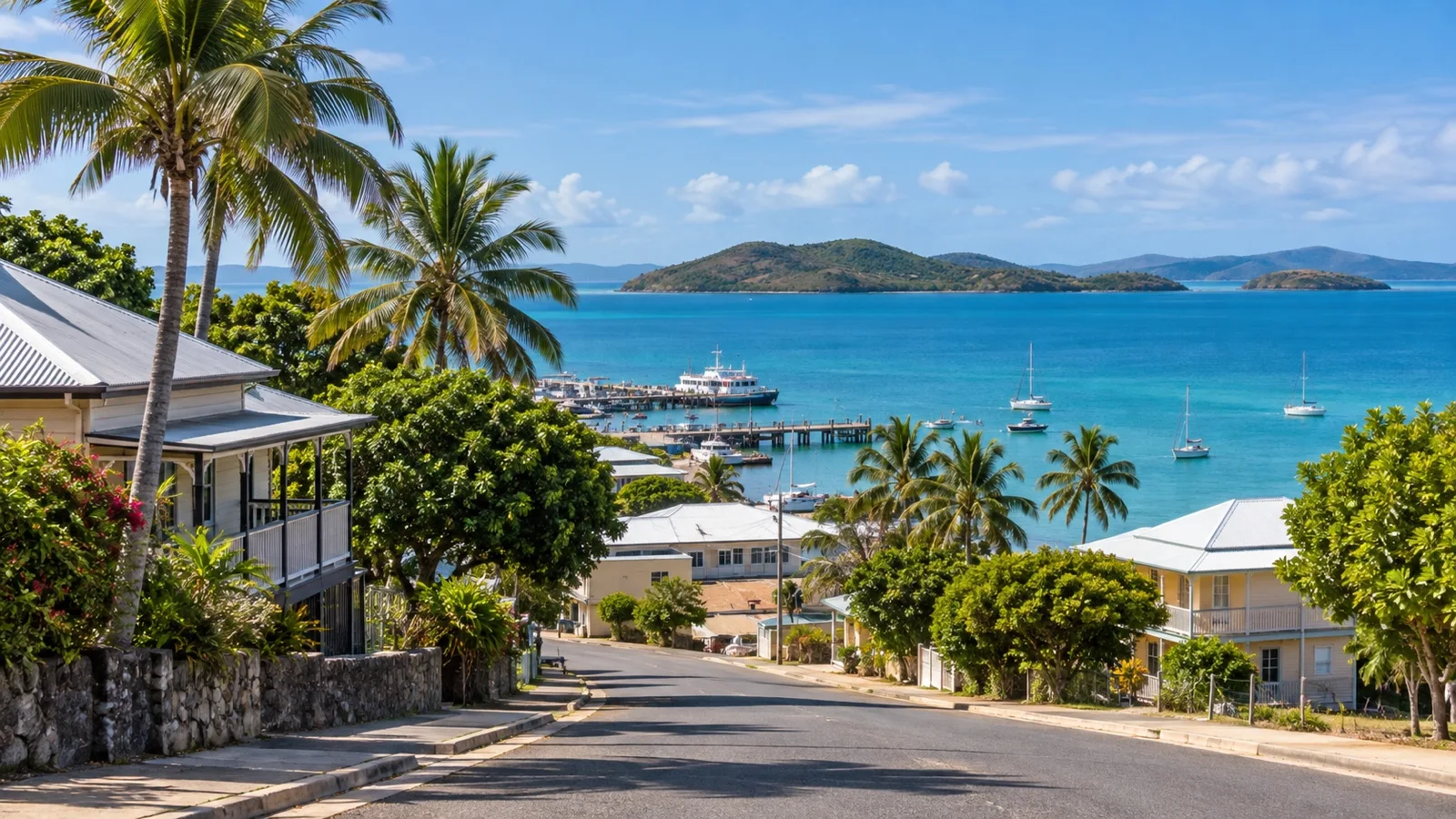
This is a lived-in regional town, not a resort promenade arranged around cruise passengers. Opening hours may be limited, supplies arrive over distance, and businesses can be busy when a ship sends hundreds of visitors ashore at once.
I would choose one cultural priority, one waterfront walk, and one food stop, then remain flexible. Heat changes walking pace, and a short pause in shade often improves the day more than squeezing in another photograph.
Green Hill Fort Has the Headline View
Green Hill Fort occupies an elevated position above the island and looks across the surrounding waterways and neighboring islands. Its surviving defenses connect Thursday Island with late nineteenth-century colonial military planning and the region’s role during the Second World War.
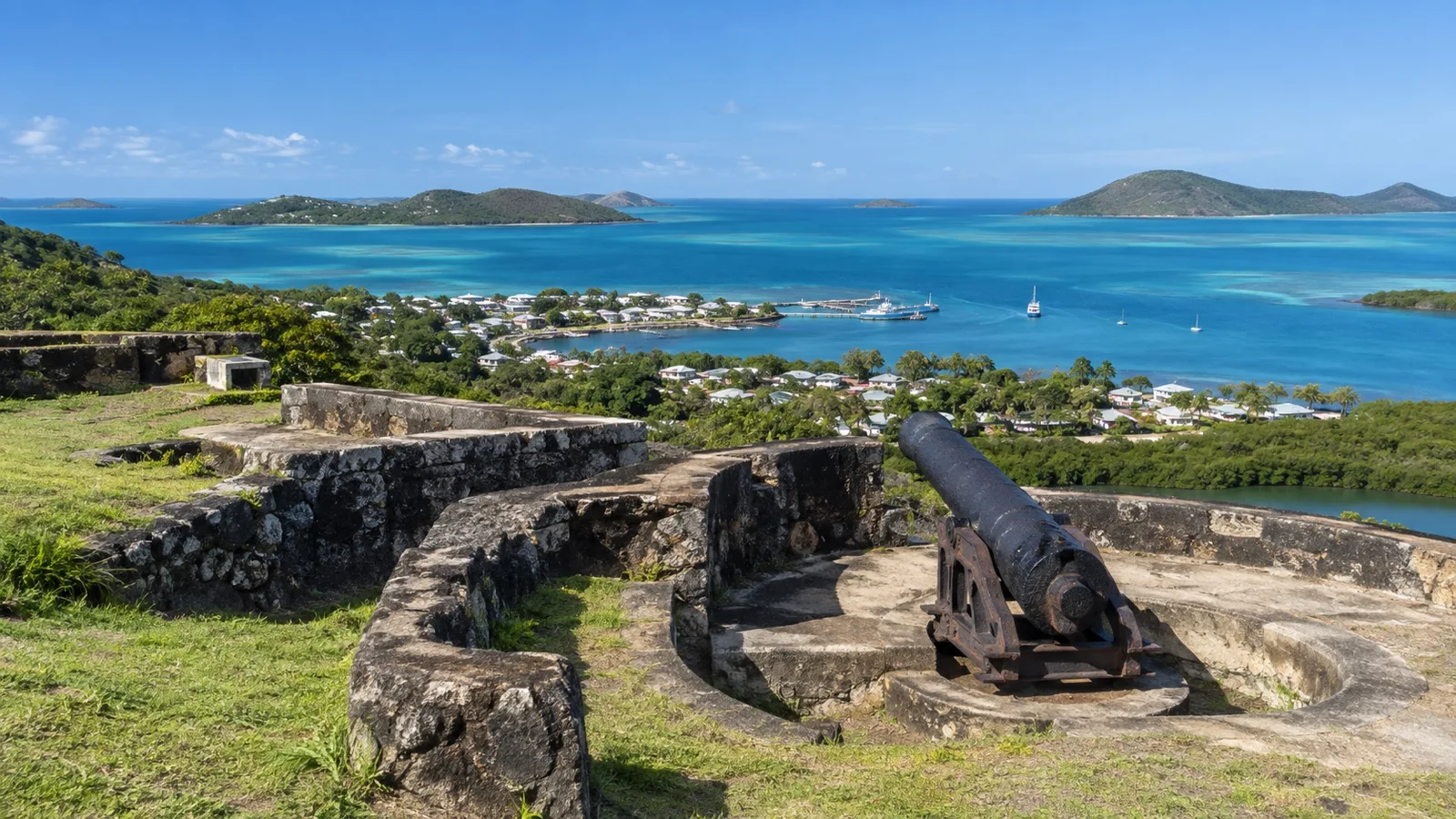
The climb is steep in tropical conditions, so a local tour or taxi is the sensible choice for many visitors. Museum access and opening arrangements can change, and the underground areas may have steps, confined passages, or surfaces that are not suitable for every traveler.
Confirm current access before setting out and never assume a vehicle will be waiting at the top for an unbooked return. Leave enough time to enjoy the view without watching the tender deadline creep closer.
A Local Guide Adds the Missing Connections
A guided island circuit can link Green Hill Fort, pearling history, community landmarks, and memorials in a way that gives the places human context. Thursday Island’s distances are small, but its story cannot be measured in miles.
Reserve in advance because minibuses, taxis, and guides are limited on cruise days. Ask for the precise meeting point, duration, vehicle type, walking requirements, cancellation policy, and guaranteed return to the tender landing.
Choose an operator that works respectfully with the community and explains what visitors may photograph or share. A strong guide will not promise access to cultural material or places that require permissions the tour does not have.
Horn Island Needs Proper Coordination
Horn Island, also known as Ngurupai, holds important Second World War history and the region’s main airport. Reaching it means adding public or charter boat transportation beyond the ship’s own tender, followed by local movement and another marine connection back.
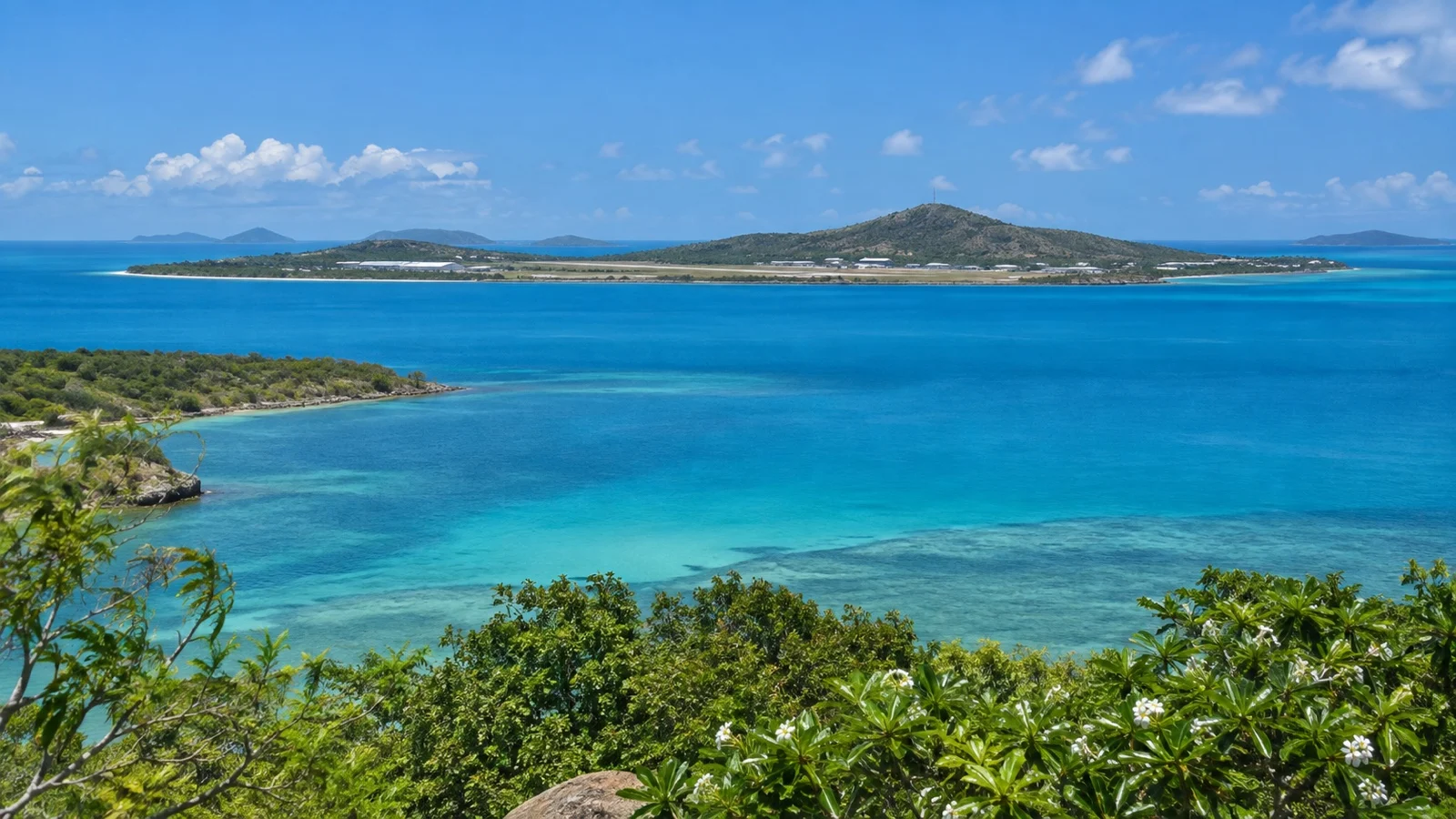
This can be an excellent excursion when arranged by the cruise line or a cruise-aware local operator. An independent visitor must coordinate ferry schedules, the tour, weather, wharf locations, and a return to Thursday Island well before the final ship tender.
Missing an island ferry is more serious than missing an urban bus because there is no bridge and replacement capacity may be limited. Do not attempt Horn Island on a short call or after a delayed tender release.
Friday Island Adds Another Boat
Friday Island pearl experiences can add a memorable layer to the day when an established operator coordinates the transfer. They are not casual walk-up attractions on Thursday Island, and they place one more marine timetable between you and the ship.
Verify the departure wharf, boat type, duration, mobility demands, weather policy, and return guarantee in writing. I would choose either Horn Island or Friday Island on a suitable call, never try to combine both for the sake of collecting island names.
Cultural Access Is Not Automatic
Thursday Island’s central public areas welcome visitors, but that does not create unrestricted access to customary places, community events, private property, or cultural knowledge. Follow signs, local instructions, and the lead of your guide.
Some nearby islands or sites may require permission or a locally coordinated visit. Never arrange an informal drop-off with a boat owner and assume you can explore wherever you land.
The Torres Strait Regional Authority emphasizes the strength of Ailan Kastom, or island custom, across the region. Visitors show respect by listening first, buying locally, asking before recording, and accepting that some experiences are not available that day.
Australia Entry and Biosecurity Rules Still Apply
Most noncitizens need the correct Australian visa or travel authority before arrival, depending on nationality and circumstances. Use the Department of Home Affairs and follow the cruise line’s instructions for passports, landing documents, and any international clearance.
Australia also enforces strict biosecurity controls on food, plant material, animal products, and outdoor equipment. Leave shipboard food onboard, declare items when required, and never carry fruit or other restricted goods ashore because the visit feels remote.
Accessibility Begins on the Ship
The first accessibility question is whether the ship can safely transfer you and your mobility device into its tender under the day’s sea conditions. Steps, moving platforms, device weight, manual lifting rules, and the landing design can all affect permission to go ashore.
Ask the accessibility team about powered scooters, folding wheelchairs, transfer assistance, companion seating, and the specific shore landing before sailing. The final answer may remain conditional until the bridge team evaluates wind, current, and swell.
Central streets can offer a manageable low-exertion visit, although curbs, heat, and uneven surfaces vary. For Green Hill Fort or a guided circuit, confirm vehicle steps, secure storage for equipment, restroom access, seating, and whether the underground spaces can be skipped.
Tropical Weather Is Part of the Schedule
Thursday Island is warm throughout the year, with a wetter summer pattern and a generally drier, breezier winter period. Heat, high humidity, heavy rain, thunderstorms, strong wind, and tropical systems can change both the shore visit and the tender operation.
Check the Bureau of Meteorology and the ship’s announcements before leaving your cabin. Wear breathable clothing, carry water, use broad-spectrum sunscreen, and add a secure hat and light rain layer.
The sun can be intense even when sea breeze makes the air feel comfortable. Slow the uphill portions, seek shade, and do not wait for thirst or dizziness before taking a break.
Water Safety Means No Casual Swim
The beautiful water around Thursday Island is not an invitation to enter wherever you see a beach or jetty. Northern Australian waters can involve crocodiles, marine stingers, strong currents, boat traffic, and local hazards that a visitor cannot judge from appearance.
Follow official signs and local advice, and swim only where current authorities explicitly say it is safe. Never stand at the water’s edge for a photograph, clean fish near the shore, or assume a recently used beach is risk free.
On boats, keep the supplied life jacket secured and follow the crew’s instructions. A calm-looking passage can still have powerful current, and tender procedures exist for a reason.
Food, Money, and Services Are Island Scale
You can find places to eat and buy essentials in central Thursday Island, but choice and opening hours are naturally smaller than in a mainland city. A cruise call can create a sudden rush, so build patience into any lunch plan.
Cards may be accepted in many businesses, yet some Australian cash is useful for small purchases or a payment outage. Do not arrive expecting a constant stream of taxis, instant mobile data, or a backup tour departing every hour.
Carry essential medication and anything you cannot easily replace, but keep the day bag light for tender boarding. Medical services are limited compared with a major city, and evacuation from a remote region is not a small complication.
Return Timing Starts With the Last Tender
The published last tender is not a suggestion and may move earlier if conditions deteriorate. Work backward from it, then include tour loading, a taxi delay, the walk to the correct wharf, and possible passenger lines.
For central exploring, spend the final part of the visit close to the landing. For another island, require the operator to return you to Thursday Island with a large buffer before the ship’s cutoff.
Ship-sponsored excursions usually provide the strongest coordination if a delay occurs, while independent travelers own the timing risk. I would rather be early at the waterfront with one last view than stranded across the strait with an excellent story and no ship.
Thursday Island Cruise Port Questions
Where do cruise tenders land?
They normally use a designated small-craft landing in the central waterfront area, often around Engineers Wharf. The ship and local authorities make the final decision for each call.
Can I walk to the main sights?
Central attractions can be explored on foot, but heat and uneven surfaces affect the effort. Green Hill Fort is much more comfortable by a prearranged tour or taxi.
Is a local tour necessary?
No for a central walk, but a good local guide adds cultural context and solves transport to the fort. A tour is strongly recommended for Horn Island, Friday Island, or any visit requiring special access.
Can weather cancel the call?
Yes, because safe tendering depends on wind, swell, current, visibility, and the ship’s operating limits. The captain may delay, shorten, relocate, or cancel the operation.
Can I swim near Thursday Island?
Do not enter the water unless current local authorities explicitly designate the place and conditions as safe. Crocodiles, marine stingers, currents, and boat traffic make casual swimming a poor cruise-day plan.
A Small Port Worth Your Full Attention
Thursday Island does not need a long attraction list to feel significant. Begin with Torres Strait Islander culture, choose a realistic central or guided plan, and let the island’s art, history, and harbor landscape speak at their own pace.
My perfect visit pairs Gab Titui with a locally guided viewpoint and plenty of tender buffer. Respect community boundaries, tropical conditions, and the water, and this remote call can become one of the voyage’s most memorable days.
Planning details were checked against Torres Shire Council, the Torres Strait Regional Authority, the Australian Bureau of Meteorology, and the Australian Department of Home Affairs. Tender landings, cultural access, tours, ferry schedules, weather, and water-safety advice can change, so reconfirm them with your cruise line and the relevant official local provider before you sail.