Ayr Cruise Port: A Cruiser’s Guide to Burns Country
Ayr is one of those cruise calls where the backup plan is genuinely appealing. If wind or timing makes a wider Ayrshire trip unwise, the river, beach, promenade, shops, and cafes still create an enjoyable day close to the tender.
When the call runs smoothly, Alloway adds the strongest sense of place through Robert Burns’s birthplace and the landmarks woven into his work. Culzean Castle is the ambitious alternative for a long day with dependable transportation.
Ayr Cruise Port Quick Facts
- Typical arrival: Cruise ships anchor offshore and passengers travel by tender to the Port of Ayr, according to Associated British Ports.
- Port setting: Ayr remains a working commercial harbor, so follow the marked passenger route and staff directions.
- Best local day: River Ayr, town center, Low Green, esplanade, beach, and lunch.
- Best cultural trip: Robert Burns Birthplace Museum and the wider Alloway trail.
- Best full excursion: Culzean Castle and Country Park with organized or prearranged transport.
- Currency: Pound sterling, with cards widely used and some cash still useful.
- Weather: Wind and rain can affect both the tender and exposed coastal plans.
- Return rule: Use the ship’s stated tender cutoff and leave extra margin for trips beyond Ayr.
What the Port Confirms
Associated British Ports identifies Ayr as a tender call, with cruise ships anchoring offshore and passengers traveling to the port by small boat. That makes the cruise line’s boarding sequence and final return time the first facts to establish.
Tender tickets, priority arrangements, mobility restrictions, and the landing route can change by ship and conditions. Read the daily program carefully and keep ship messages audible while ashore.
The Port of Ayr also handles commercial traffic, so the passenger exit may not follow the path that looks shortest on a map. Stay within designated areas and ask welcome staff for the correct walking route.
Wind and sea state can delay the beginning of the call or shorten the afternoon. Start with the most distant confirmed activity and return to central Ayr before the tender window becomes tight.
A Relaxed Day in Ayr
The River Ayr, town center, Low Green, esplanade, and beach form a practical local loop. Exact distances depend on the port’s passenger exit, but the town is close enough to explore without committing to a long excursion.
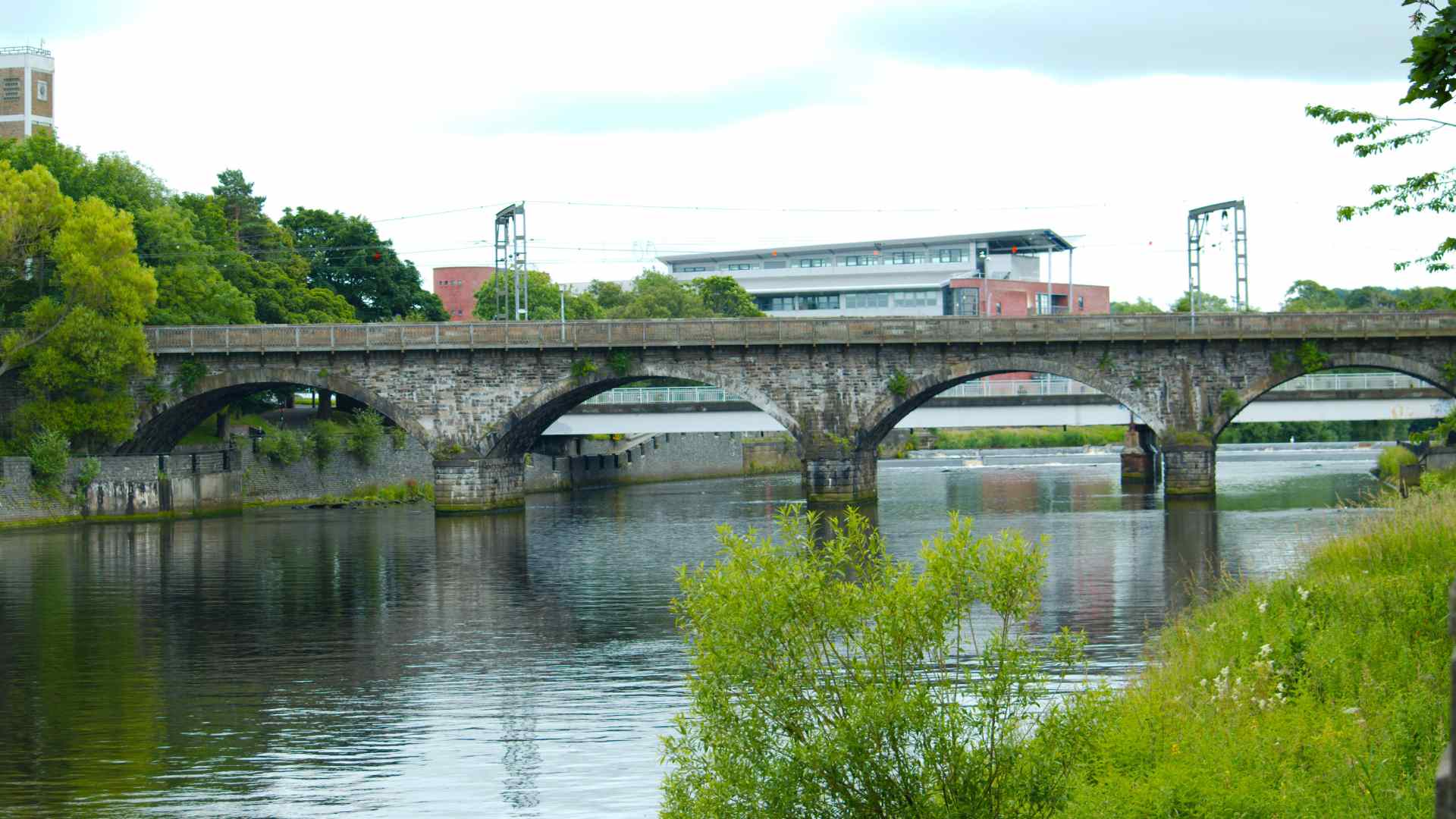
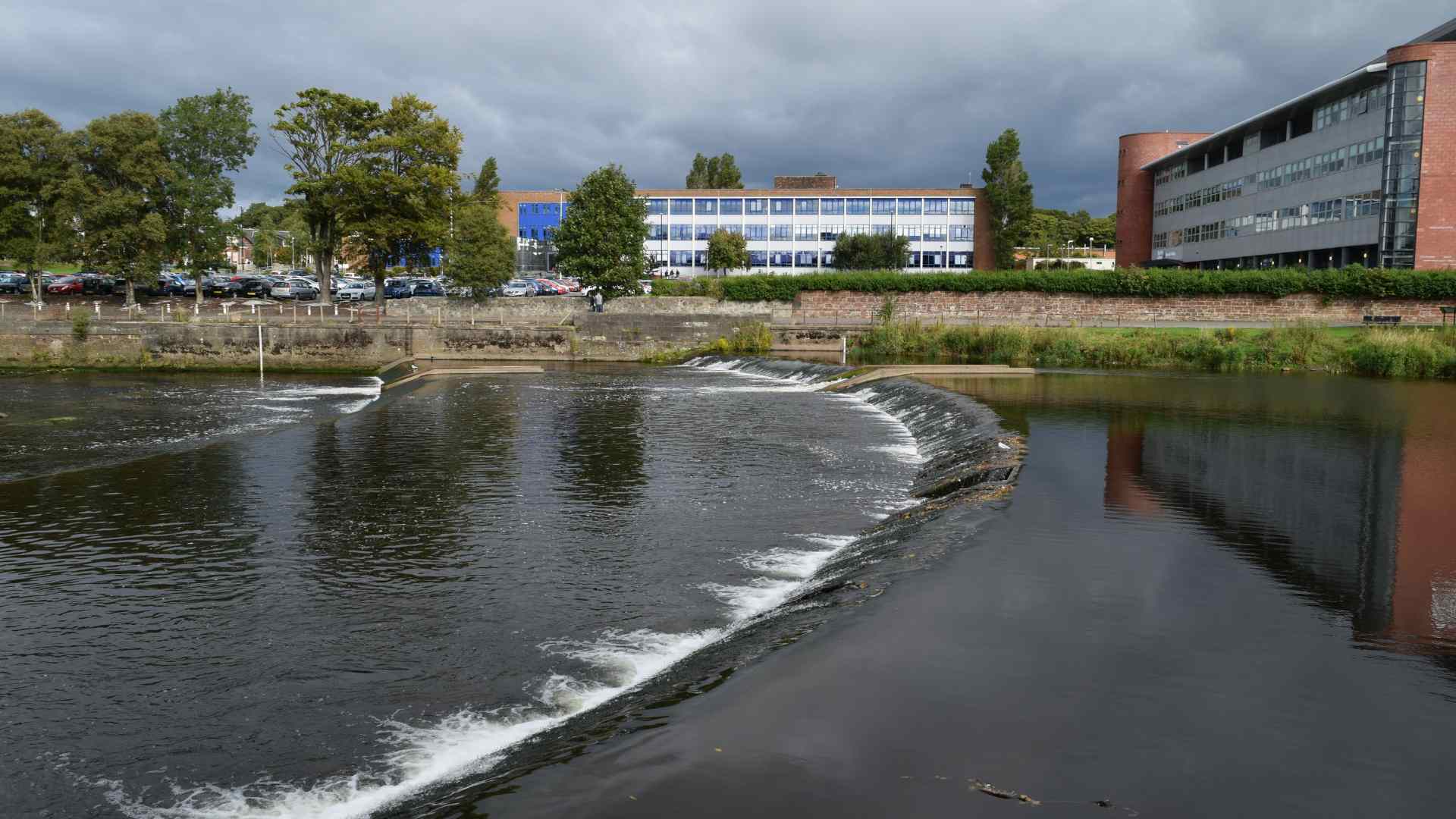
Begin along the river and use the bridges to understand Ayr’s relationship with the harbor. Independent shops and cafes make the center feel like a working Scottish town rather than a purpose-built cruise village.
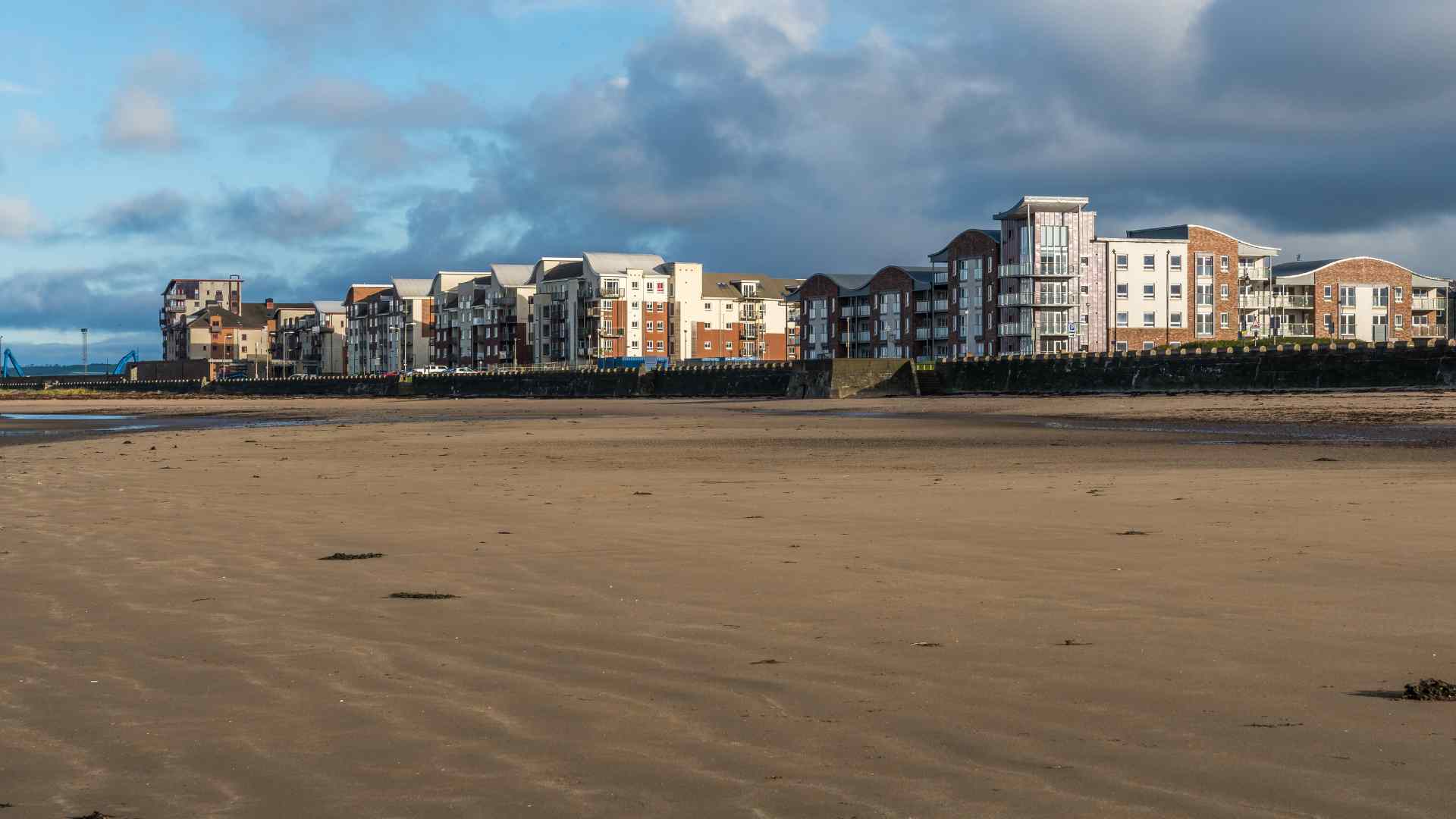
Low Green and the esplanade provide open coastal space, with the promenade generally easier than walking on sand. Curbs, wet pavement, wind, and temporary works can still affect the route.
Ayr Beach offers a broad shoreline and views across the Firth of Clyde when visibility cooperates. Treat it first as a scenic walk and check current water quality, tide, wind, and local safety information before considering a swim.
A town day is the best response to a late tender or unstable weather. It also leaves room for a warm lunch if the west-coast wind decides to provide the day’s most memorable performance.
Alloway and Robert Burns
Robert Burns was born in Alloway in 1759, and the National Trust for Scotland now manages a connected group of sites across the village. The museum, Burns Cottage, Poet’s Path, monument, gardens, Alloway Auld Kirk, and Brig o’ Doon make this more than a single-room literary stop.
Start at the main museum for context if Burns is new to you. The Trust describes a collection of more than 5,000 artifacts, including handwritten manuscripts, alongside interpretation of the poet’s life and work.
Burns Cottage is separate from the main museum, and the official website publishes different hours for the two. Check the exact date, last entry, maintenance notices, and special events before building the day.
Poet’s Path connects the museum area with the cottage through Burns-related sculpture. It helps turn the individual buildings into a coherent story rather than a sequence of rushed doors.
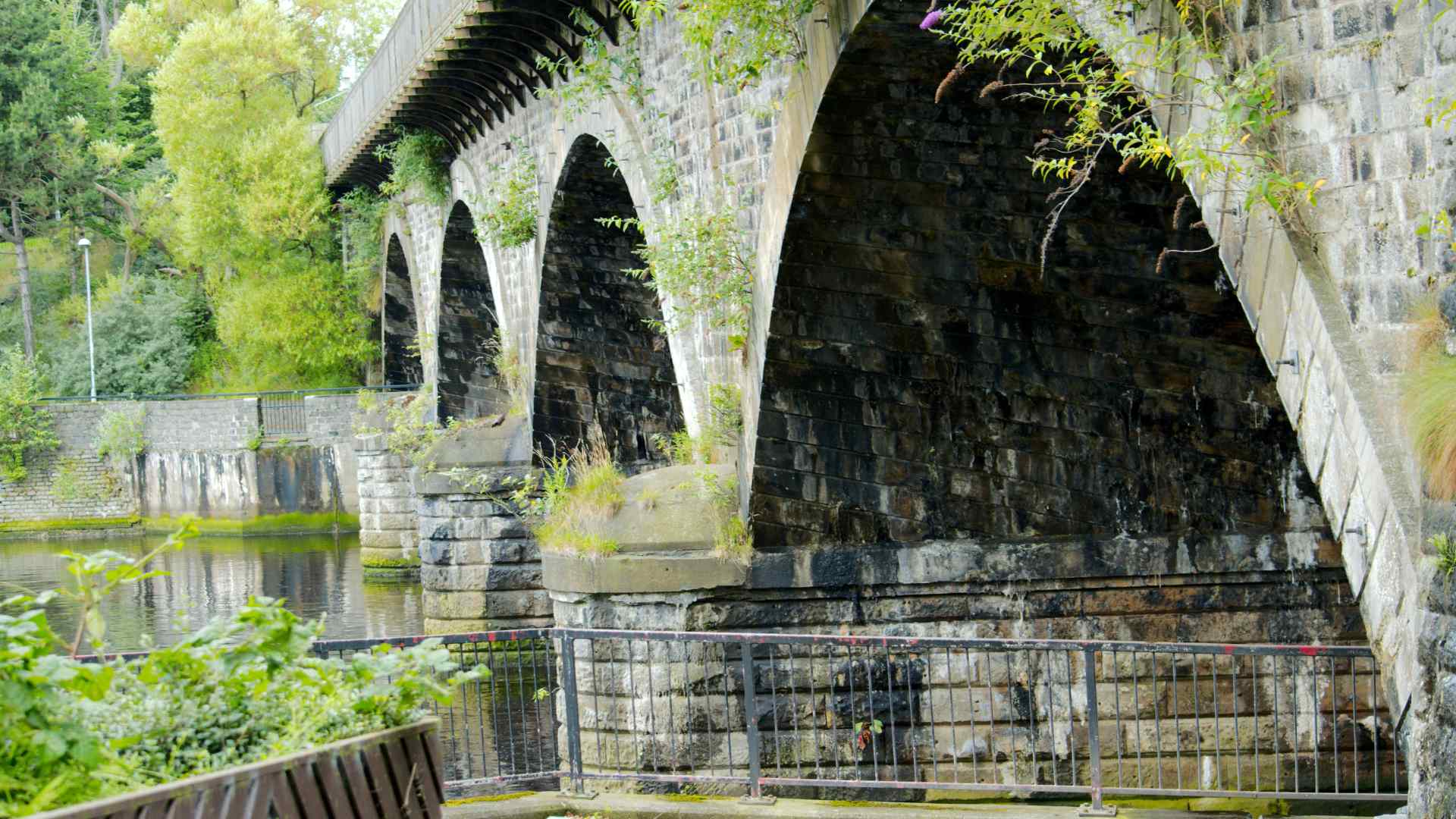
Alloway Auld Kirk and Brig o’ Doon are closely associated with Tam o’ Shanter. Reading or listening to the poem before arrival makes the churchyard and bridge far more vivid than a quick photograph.
The Burns Monument and gardens reflect the history of Burns tourism itself. Build enough time for the outdoor pieces because the complete site is spread across the village.
Use a taxi, current public bus, cruise excursion, or organized guide from Ayr. Verify the operator and return service for your date rather than relying on an old route number or schedule.
Accessibility Across the Burns Sites
The National Trust for Scotland publishes a detailed accessibility guide for the Robert Burns Birthplace Museum. It describes level access to the main exhibition, shop, cafe, accessible toilet, Poet’s Path, and Burns Cottage, plus wheelchairs available on request.
Historic surfaces create important exceptions. The guide notes a cobbled room in the cottage, sloped and gravel paths around the monument, and a steep cobbled approach at Brig o’ Doon.
Alloway Auld Kirk requires stone steps, though it can be viewed from the roadside. The wider route also crosses busy roads, with traffic islands provided at key points.
The museum uses interactive audio and screens, and its lighting is kept low to protect sensitive objects. Travelers with sensory needs should read the current guide and ask about quieter or accessible visiting periods.
The tender transfer remains a separate access issue. Ask the cruise line about steps, wheelchair handling, mobility scooters, assistance, and the effect of sea conditions before sailing.
Culzean Castle and Country Park
Culzean Castle stands south of Ayr on a large coastal estate managed by the National Trust for Scotland. The castle, woodland, gardens, parkland, shore, and historic outbuildings can occupy most of a day.
The official property page publishes separate hours for the castle, country park, walled garden, food venues, and play areas. Check those details and any maintenance alert for your exact visit because not every facility follows one schedule.
Culzean works best with a ship excursion, private driver, or carefully verified transport. Treat it as the day’s principal destination rather than trying to combine the full estate with every Burns site.
The grounds include meaningful distances, slopes, varied surfaces, and coastal terrain. Review the current access information and decide which part of the property best fits your stamina and interests.
I would choose Alloway for a first visit tied directly to Ayr’s identity. Culzean is excellent for repeat visitors or travelers more interested in architecture, designed landscapes, and coastal walking than literary history.
Dunure and the Coast South
Dunure offers a small harbor, coastal views, and castle ruins on the route south of Ayr. It is best reached with a driver or organized outing rather than a chain of rural public transport connections.
Ruins and shoreline paths can involve barriers, wet grass, uneven stone, cliff edges, and tide. Follow local signs and never enter a closed structure or assume a beach route will remain open.
Greenan Castle can be viewed along the coast south of Ayr, but access and tide conditions deserve caution. A distant view is the sensible choice when the weather, ground, or clock is unfavorable.
Ailsa Craig and the Isle of Arran may be visible across the water on a clear day. Treat the panorama and any wildlife sighting as a bonus because west-coast visibility changes quickly.
Golf in Ayrshire
Ayrshire is famous for golf, but a cruise-day round requires serious advance planning. Tee access, transport, dress rules, equipment, course conditions, and the length of play all need confirmation.
A short practice session or club visit may fit more easily than eighteen holes. Contact the course directly and make the ship’s deadline part of the booking conversation.
Do not arrive at an internationally known course expecting a walk-up space. A great golf day should feel planned, not like a negotiation conducted while the tender clock ticks.
Three Sensible Port Plans
For a short or delayed call, stay in Ayr and combine the river, town center, promenade, beach, and lunch. This is the most flexible plan if weather causes another adjustment.
For a moderate call, travel directly to Alloway, start with the museum, and select the cottage and outdoor landmarks that fit your time. Return to Ayr for the final hour rather than lingering for one last photograph.
For a long call, choose either Culzean as the main excursion or a slower Alloway visit plus central Ayr. Do not stack Culzean, Dunure, Alloway, and the beach unless one protected excursion controls every connection.
My first-choice plan is Alloway followed by Ayr’s waterfront. It combines the port’s strongest cultural story with the convenience of finishing near the tender.
Food, Shopping, and Money
Ayr’s center offers cafes, pubs, bakeries, and restaurants rather than a cruise-only dining strip. Look for soup, seafood, pies, baked goods, and Scottish favorites that suit the weather and your schedule.
The United Kingdom uses pound sterling, and cards are widely accepted. Carry a little cash for small purchases or a terminal failure, but avoid changing more than you expect to use.
Burns-related books and locally made gifts can be more meaningful than generic tartan souvenirs. Ask where an item was produced and keep fragile purchases protected during the tender ride.
Weather and Practical Safety
Weather on Scotland’s west coast can change quickly in any cruise month. Pack a waterproof outer layer, a warm mid-layer, and shoes suitable for wet pavement, grass, cobbles, and beach paths.
Wind matters most because it can affect tender operations and exposed shore visits. Monitor ship announcements after landing because an earlier final boat can reshape the afternoon.
Use licensed taxis and verify public transport through the current operator. Save the ship or port emergency number offline and do not assume rural coverage or bus frequency matches central Ayr.
Swimming requires current local safety information, and a beach walk will suit many cruise passengers better. Cold water, current, tide, and a lack of lifeguard coverage can matter even when the sand looks inviting.
Protect the Return
Work backward from the ship’s tender cutoff and include the full transport chain. An Alloway bus, a Culzean drive, the port entrance, security, and the final small boat are separate steps.
Use the deadline announced by your ship instead of a universal buffer. Leave additional margin whenever your outing depends on rural roads, public transport, or several attraction buildings.
Keep the last part of the call in central Ayr. A coffee, river walk, or promenade view is a pleasant way to finish after the uncertain transportation is already behind you.
Official Planning Resources
Use the Associated British Ports page for Ayr for official port context. Check the National Trust for Scotland’s Burns museum page for current opening hours, admissions, and site information.
Travelers with access needs should read the Trust’s detailed Burns accessibility guide. Use the official Culzean page for property hours, alerts, and current visitor details.
Final Thoughts
Ayr’s strongest first visit combines the Burns sites in Alloway with time along the town’s river and waterfront. Choose Culzean only as a principal excursion, and stay local whenever wind or a late tender makes the wider plan fragile.
How this guide was researched: This guide uses current official port, tourism, transport, heritage, and attraction sources, with independent editorial judgment where operations vary. Logistics and time-sensitive details were reviewed in September 2026; see our Editorial Policy.