Praia, Cape Verde Cruise Port: Santiago & Cidade Velha
Praia is the capital of Cabo Verde and the main cruise gateway to Santiago, an island of layered history, dry mountain scenery, markets, music, and Atlantic light. The port day works best when you understand that the harbor, the elevated Plateau, and UNESCO-listed Cidade Velha are three different pieces of the plan.
This is not the same experience as Mindelo on São Vicente, and it should not be planned from generic Cape Verde advice. Start with the ship’s actual berth or tender arrangement, then choose whether your day belongs to Praia, Cidade Velha, or a broader slice of Santiago.
Quick Facts
- Port: Porto da Praia on Santiago island
- City: Praia, capital of Cabo Verde
- Currency: Cape Verdean escudo
- Languages: Portuguese and Cape Verdean Creole
- Main urban area: The elevated Plateau
- Headline excursion: UNESCO-listed Cidade Velha
- Arrival: Docking or tendering can vary by ship and operations
- Best planning habit: Confirm the port gate, shuttle, and all aboard time before leaving
Praia Means Santiago, Not São Vicente
Cabo Verde is an Atlantic archipelago, and each island has a distinct character. Praia sits on Santiago, while Mindelo lies on São Vicente, so advice about one port should not be transferred to the other.
Santiago is the country’s largest island and holds both the modern capital and the historic settlement of Cidade Velha. That combination makes Praia a strong call for travelers who want living culture and difficult Atlantic history in the same day.
The island’s interior can add mountain roads, agricultural valleys, and small communities, but a cruise call rarely rewards trying to see every region. Choose one primary story and give it time.
Will Your Ship Dock or Tender?
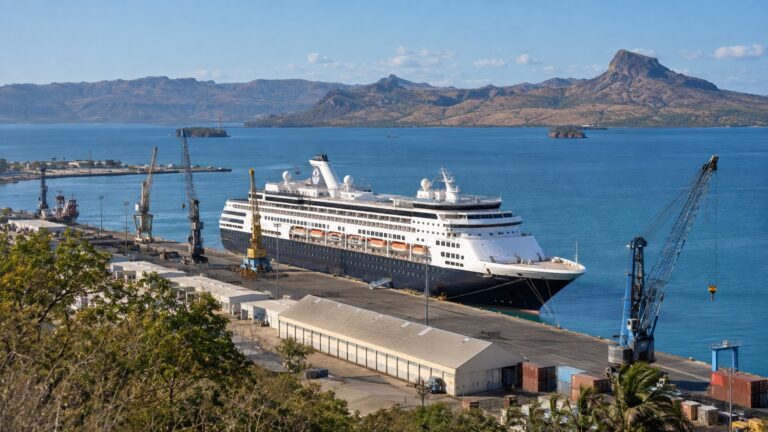
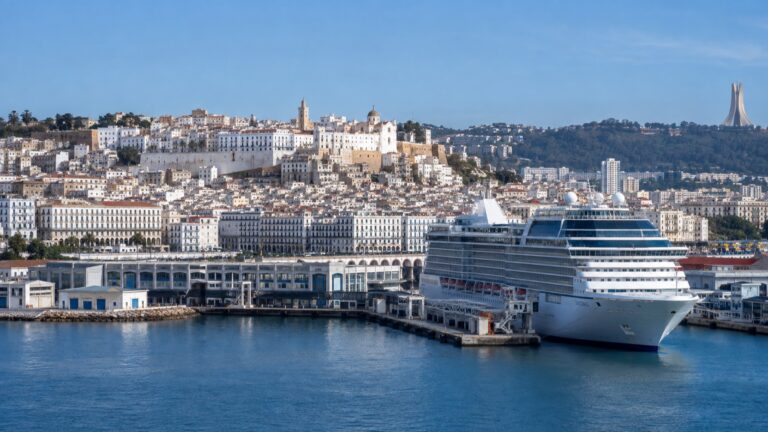
Praia has a working commercial port, and cruise arrangements depend on the vessel, berth availability, weather, and current operations. Some calls may dock, while others may use tenders or an organized transfer from a controlled port area.
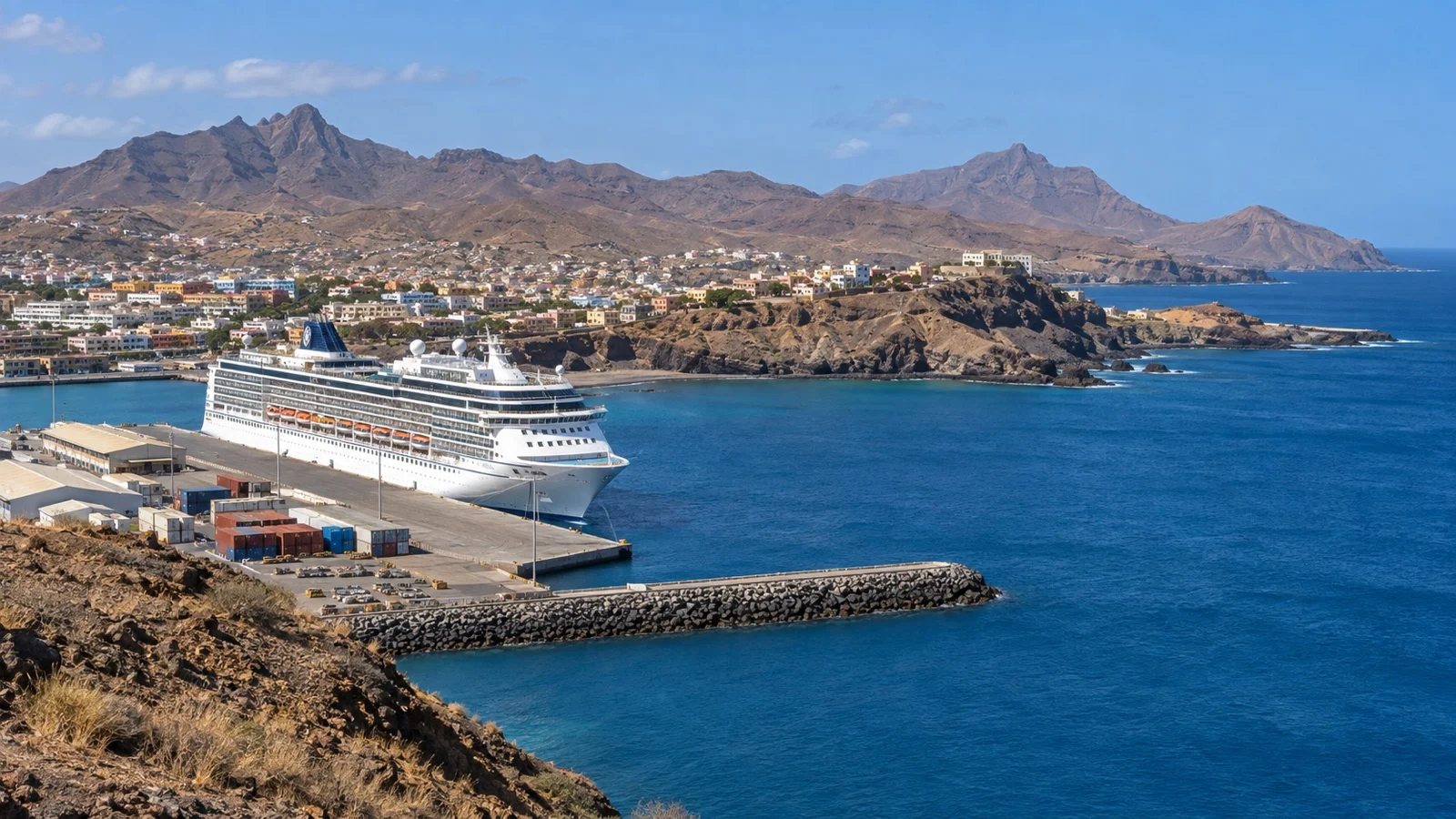
The itinerary’s word Praia does not confirm that passengers can walk directly from the gangway into the city. The port gate, shuttle endpoint, and permitted pedestrian route must come from the ship’s daily information.
Tendering changes the usable day because passengers wait for boats in both directions. Record the last tender time, not only the departure time, and allow for sea conditions and queues.
If you have a private guide, share the ship name and arrival instructions after boarding. A reliable operator should identify the meeting point precisely and explain how it handles a berth or tender change.
From the Port to the Plateau
Praia’s historic and civic center is known as the Plateau because it occupies higher ground above the harbor. A map can make the distance look simple while hiding the climb, heat, port exit, and road layout.
Depending on the arrival, a cruise shuttle, taxi, or prearranged driver may be the sensible first step. Do not walk through restricted port roads or assume the shortest digital route is an approved pedestrian exit.
Once on the Plateau, many central sights can be linked on foot. The best route depends on shade, opening hours, market activity, and how much uneven pavement feels comfortable.
What to See on the Plateau
The Plateau is where Praia’s administrative, commercial, and cultural life becomes most legible. Public squares, colonial-era buildings, churches, shops, cafes, and everyday street activity create a more complete picture than a single monument.
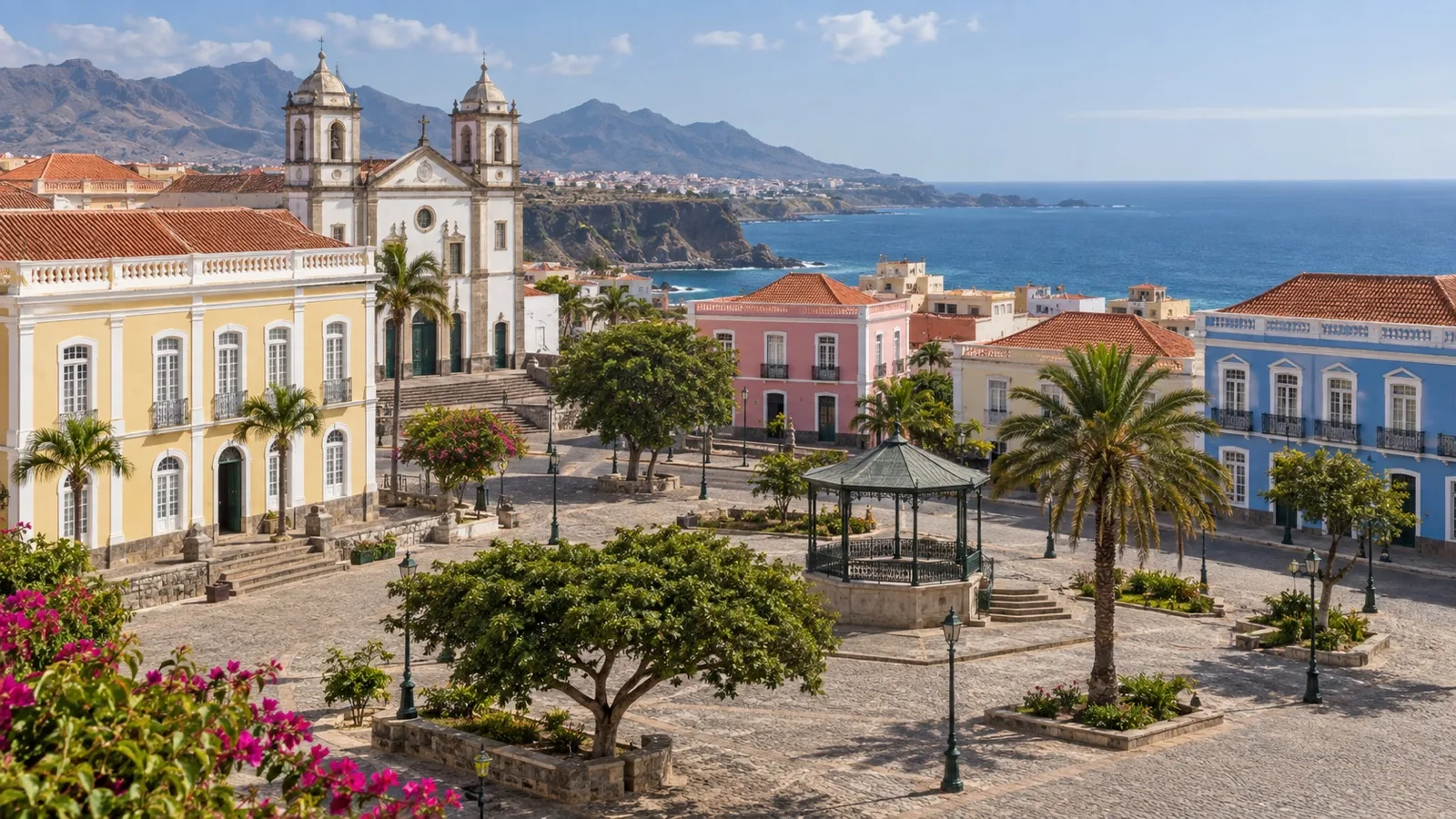
Praia is a living capital rather than a polished museum district. Go with curiosity, keep photography respectful, and notice how official institutions, local commerce, and neighborhood life overlap.
A local guide can add valuable context about independence, migration, music, language, and the relationship between Santiago and the wider archipelago. That context matters more than racing among photo stops.
Markets and Daily Life
Market visits can be colorful and engaging, but conditions and opening patterns vary. Go earlier if a particular market matters, keep valuables discreet, and ask before taking close photographs of vendors.
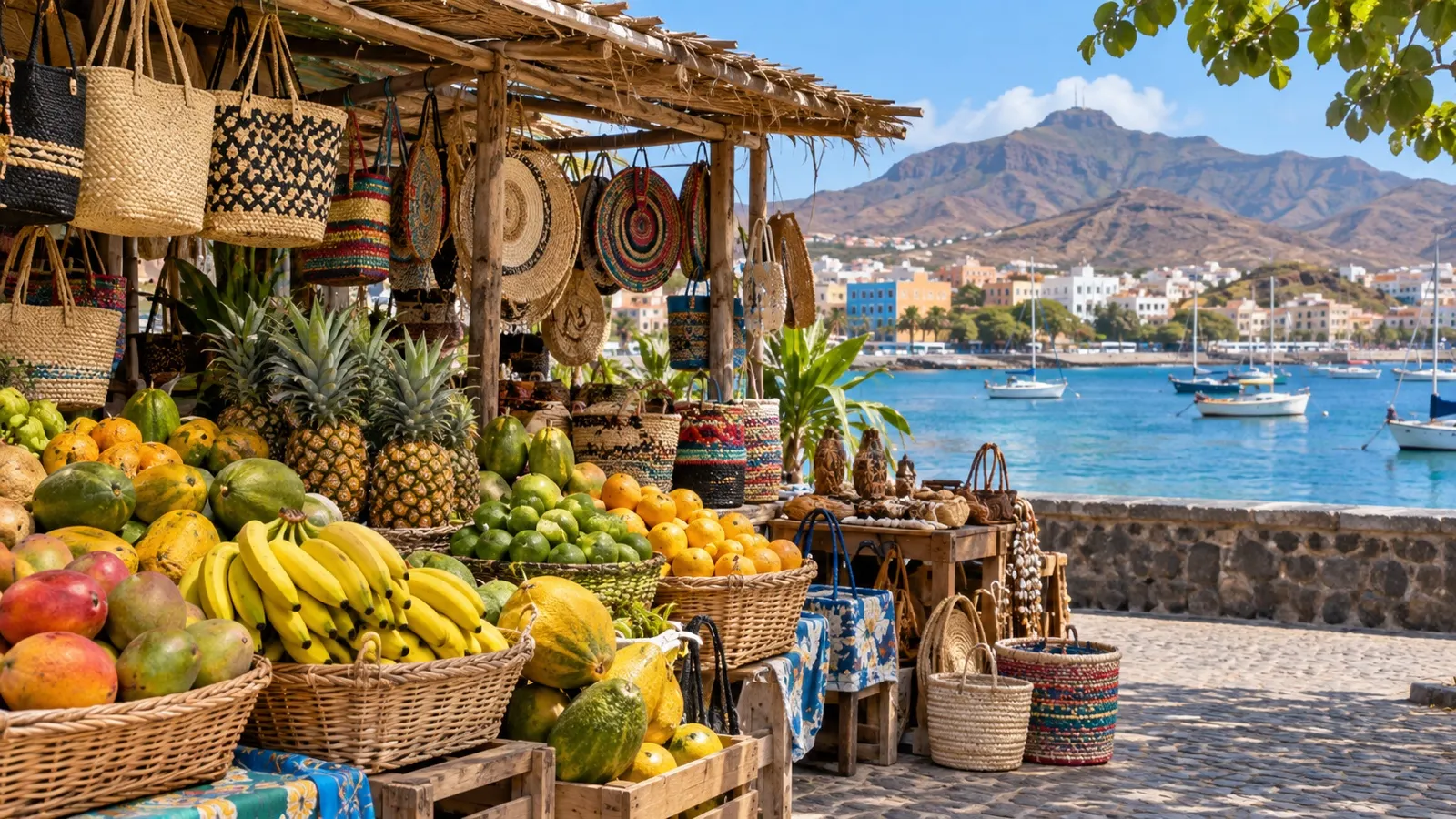
Small cash purchases are easier with Cape Verdean escudos. Confirm prices before accepting a service, and avoid displaying a large stack of notes.
A Relaxed City Day
Travelers who prefer less transit can build a satisfying day around the Plateau, a museum or cultural stop, and lunch. This also creates room for a coffee, live street atmosphere, or a viewpoint without watching the highway clock.
Finish nearer to the port or shuttle point instead of saving the most distant stop for last. Praia’s heat and hills can make the return feel longer than the outbound walk.
Cidade Velha Is the Heritage Anchor
Cidade Velha, historically Ribeira Grande, lies west of Praia on Santiago’s southern coast. UNESCO recognizes it as the first European colonial outpost in the tropics and an important site in the history of Atlantic trade and the trafficking of enslaved people.
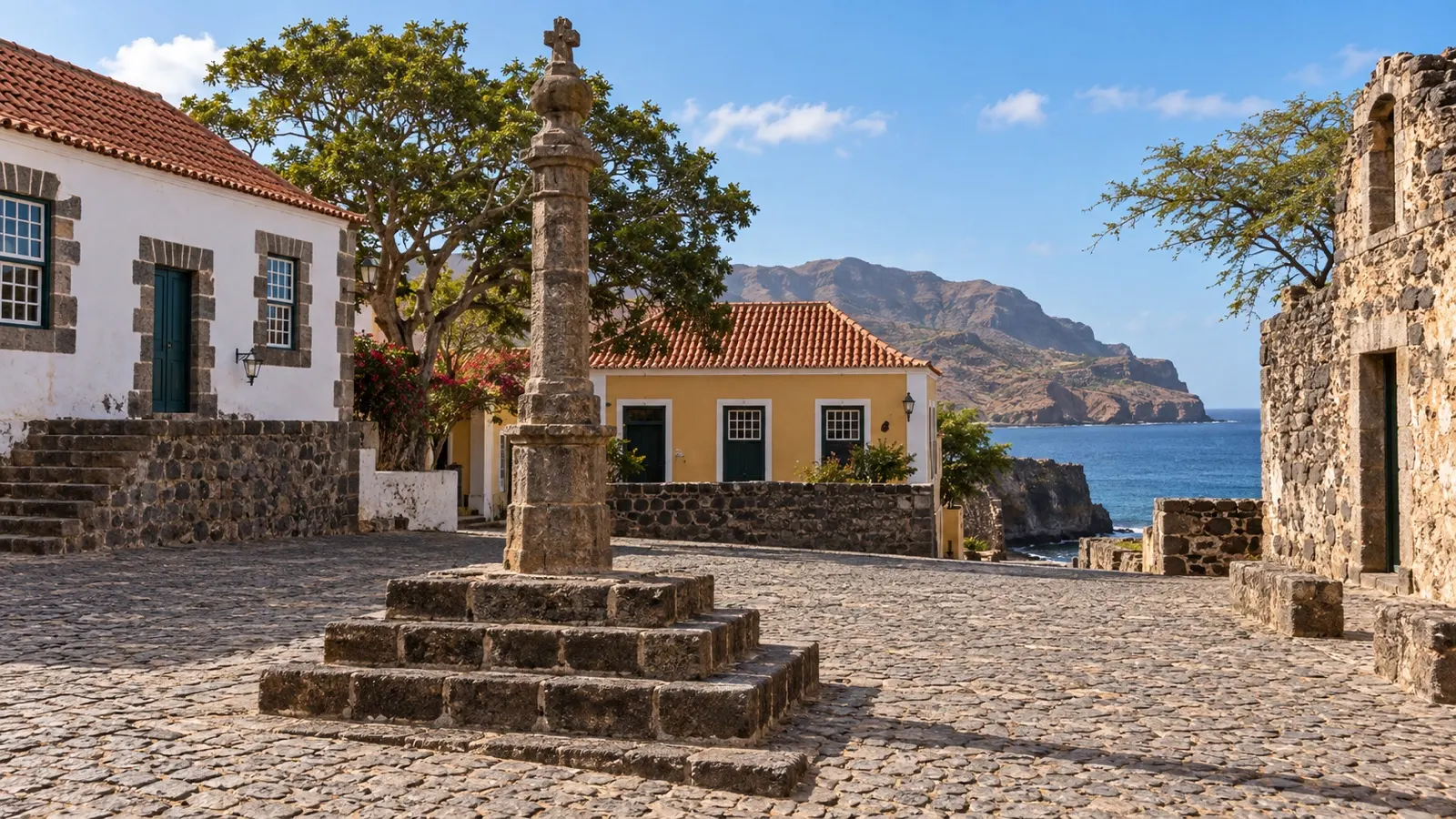
This history is complex and painful, and it deserves more than a picturesque label. A knowledgeable guide can connect the surviving street plan, churches, fortress, Pillory Square, maritime routes, and the emergence of Creole society.
What the Visit Includes
The town’s sights are spread between the lower settlement and the elevated fortress area. A driver simplifies the climb and makes it easier to use limited time well.
The Pelourinho in Pillory Square, church remains, streets, and Forte Real de São Filipe each tell a different part of the story. Opening hours and access can change, so confirm any ticketed interior that is essential to you.
Wear shoes suited to stone, slopes, dust, and sun. Shade may be limited between stops, and the Atlantic breeze can disguise how strong the sunlight feels.
How Long to Allow
Cidade Velha works best as the day’s main excursion or as a focused half-day paired with the Plateau. It should not be squeezed between a long interior circuit and a beach stop.
Traffic and road works can affect the return to Praia. Agree on a firm turnaround time with the driver and keep the final part of the day close to the port.
Visiting With Respect
UNESCO’s description makes clear that Cidade Velha is tied to colonial expansion and the Atlantic trade in enslaved people. Approach the site as a place of human memory, not simply a backdrop.
Follow barriers, avoid climbing fragile walls, and do not remove stones or archaeological material. Spend locally when practical, but ask before photographing residents or private homes.
Exploring More of Santiago
Santiago extends far beyond Praia and Cidade Velha, with an interior of ridges, valleys, agricultural communities, and mountain scenery. A longer island drive can be rewarding when the call is generous and transport is dependable.
The farther you travel, the more the road becomes part of the day. Choose one regional theme rather than promising yourself every viewpoint, market, beach, and village.
An Interior Island Tour
A guide can explain farming, settlement patterns, music, and the contrasts between the coast and higher ground. This makes the drive meaningful instead of treating communities as scenery.
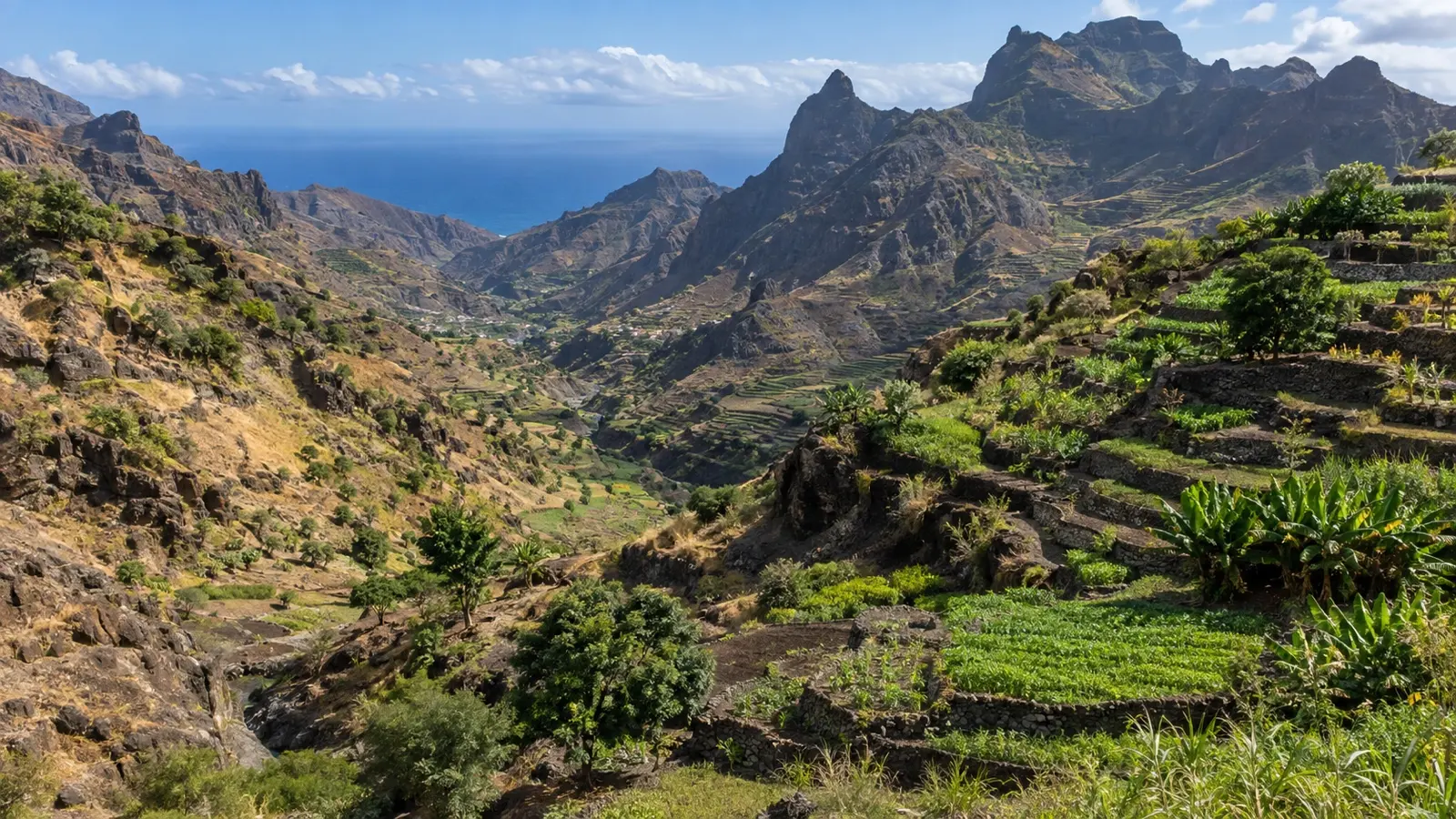
Ask about road conditions, restroom stops, meal timing, and the point at which the group turns back. Avoid a route whose return depends on everything running perfectly.
Tarrafal and the Far North
Tarrafal is well known for its bay and history, but it is far from Praia for a single port call. A visit can consume much of the day and belongs only on a long, carefully managed itinerary.
Before booking, compare the actual time at the destination with the time in the vehicle. A closer, deeper Santiago experience is often more rewarding.
Beach Time
A beach stop can complement a cultural day, but swimming conditions, facilities, transport, and shade vary. Ask a local operator which beach fits the day’s wind and your return route.
Never assume a palm-lined shore is supervised or safe for swimming. Follow local advice about currents and avoid leaving valuables unattended.
Transportation and Honest Timing
Taxis, shared local transport, and private tours may all be available after you reach the proper port exit or meeting point. The simplest cruise-day choice is often a prearranged driver who understands the ship’s schedule.
Agree on the price, currency, route, waiting time, and return point before departure. If language is a concern, keep the destination and port name written in Portuguese.
Shared transport can be inexpensive and authentic, but it may leave when full rather than by a fixed timetable. That uncertainty is manageable for a short local trip and less suitable for a distant final return.
Map estimates do not include every port security step, pickup delay, traffic slowdown, or roadside stop. Work backward from all aboard and preserve a buffer that would still feel comfortable if the day slips.
Money and Cards
The Cape Verdean escudo is the local currency. Euros may be accepted in some tourism situations, but the exchange used by a merchant may not be favorable, and change may come in escudos.
Cards work at some established businesses, while smaller vendors, local cafes, and drivers may require cash. Carry modest notes and keep a backup payment method separate.
Use bank-affiliated machines when possible, protect the keypad, and review any fees before accepting a withdrawal. Do not exchange money with informal street offers.
Phones, Time, and Communication
Mobile data is useful for maps, translation, and contacting a driver, but service can weaken around the port or rural roads. Download the route, booking confirmation, pickup photo, and ship contact before leaving.
Ask the cruise line whether the ship remains on local time. Photograph the daily schedule and avoid using automatic phone time as your only clock.
Portuguese is the official language, and Cape Verdean Creole is widely spoken in daily life. A greeting and a few patient words in Portuguese are appreciated, even when a guide speaks English.
Accessibility and Energy Planning
Accessibility begins with the gangway or tender, then continues through the port transfer, vehicle, Plateau slopes, stone surfaces, and heritage-site entrances. A destination described as close may still involve a steep or exposed route.
Ask the cruise line whether the port shuttle is wheelchair accessible and where it stops. Independent drivers should confirm vehicle step height, wheelchair storage, and whether a companion can ride in the same vehicle.
Cidade Velha includes slopes and uneven historic ground, while its upper fortress may require a vehicle transfer for many travelers. Ask about restrooms, seating, shade, and which views are possible without steps.
Tender boarding depends on the ship’s equipment and sea conditions, so the crew makes the final safety decision. A calm-looking harbor from the balcony does not guarantee an accessible transfer.
A lower-energy Praia day can focus on the Plateau with a vehicle for the uphill section. Build in a shaded cafe break before fatigue starts.
Sun, Wind, Rain, and Sensible Safety
Santiago often feels dry and sunny, yet weather varies by season and elevation. Wind can cool the skin while ultraviolet exposure remains strong.
Bring sun protection, water, a hat that stays secure, and a light layer for wind or air-conditioned vehicles. During wetter periods, short heavy rain can affect roads and walking surfaces.
Use Cabo Verde’s National Institute of Meteorology and Geophysics or another official forecast source near arrival. Ship announcements remain the authority for tender or gangway changes.
Praia is a working capital, and ordinary city awareness applies. Keep phones and wallets secure, use known transport, avoid isolated shortcuts, and follow local guidance about areas to skip.
Entry Forms and Documents
Cabo Verde operates the official EASE traveler pre-registration system, but the exact requirement for a cruise passenger depends on nationality, itinerary, and how the cruise line processes the call. Do not assume advice written for air arrivals applies unchanged.
Follow the cruise line’s written instructions and use the official EASE portal if registration is required. Avoid look-alike websites that add unnecessary fees or collect passport data.
Carry the identification the ship tells you to take ashore and store unnecessary documents safely. Requirements can change, so check again before sailing.
Food and Cultural Etiquette
Santiago’s food reflects the sea, local agriculture, migration, and Creole traditions. Cachupa is the best-known dish, but fish, stews, corn, beans, and regional preparations offer a wider story.
Choose a meal that fits the day’s timing instead of saving a slow restaurant for the final hour. Travelers with allergies should carry a translated card because ingredients may not be obvious.
Ask before photographing people, musicians, or vendors at close range. Purchase from local businesses when something genuinely interests you, but bargain only where it is customary and keep the exchange friendly.
Cabo Verdean hospitality is warm, and a relaxed manner travels well. Patience is especially useful when a port day brings several ships or a sudden change in transport.
Planning With Children or a Mixed-Age Group
A family day works best with one anchor experience. Cidade Velha can make history tangible for older children, while a shorter Plateau route and relaxed meal may suit younger travelers.
Explain the history of enslavement in age-appropriate terms rather than skipping it entirely. A skilled guide can make the visit honest without overwhelming the group.
Heat, hills, and vehicle time should decide the number of stops. Carry snacks, water, and sun protection, and add a seated break before anyone asks for one.
Agree on a meeting point if the group separates in a market or square. Do not depend on every phone having service.
Frequently Asked Questions
Is Praia the same as Mindelo?
No. Praia is on Santiago island, while Mindelo is on São Vicente.
Do cruise ships dock in Praia?
Docking or tendering can vary by ship, berth availability, weather, and operations. Confirm the current arrangement in the ship’s daily program.
Can I walk from the port to the Plateau?
That depends on the assigned arrival point, approved port exit, heat, and your comfort with the climb. A shuttle or taxi is often the easier start.
Is Cidade Velha worth visiting?
Yes, especially for travelers interested in Atlantic, colonial, and Creole history. Give the UNESCO-listed site enough time and visit with context.
Can I see all of Santiago in one cruise day?
A broad road overview may be possible on a long call, but it will involve substantial driving. Most travelers get more from one focused regional plan.
Which currency should I use?
Cape Verdean escudos are the practical choice. Some businesses accept euros, but cards and exchange practices vary.
My Final Take
Praia is most rewarding when you stop treating it as a generic island stop. It is the gateway to a living capital, the layered history of Santiago, and Cidade Velha’s essential Atlantic story.
Confirm the arrival, choose one anchor experience, and protect the route back. That leaves enough room for the island’s music, conversation, landscape, and memory to become more than a rushed shore-excursion checklist.
I checked current planning information from ENAPOR, Cabo Verde’s port authority, the UNESCO listing for Cidade Velha, the official EASE traveler portal, the National Institute of Meteorology and Geophysics, and the Government of Cabo Verde. Berths, tenders, transport, heritage access, weather, and entry procedures can change, so verify them for your sailing.
I hope this guide helps you build a Praia day that feels grounded in Santiago rather than rushed across it. Leave room for one honest conversation, one long view, and enough time to return to the ship calmly.