Taolagnaro (Fort Dauphin) Cruise Port: Ehoala and Lemurs
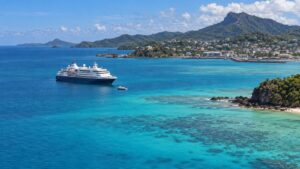
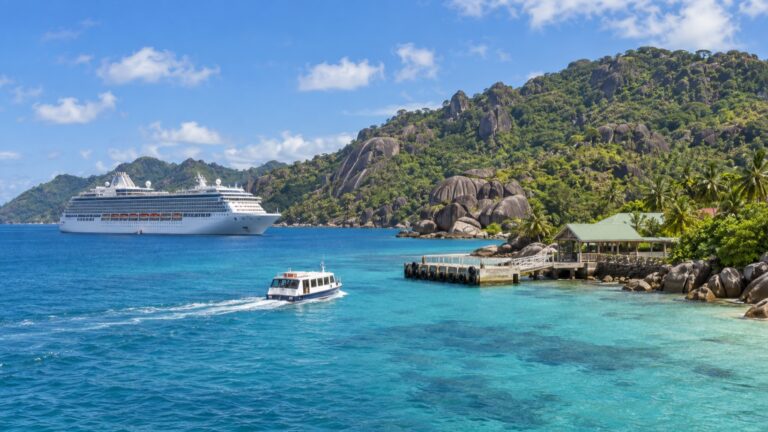
Taolagnaro is the kind of cruise port that reminds you Madagascar is a world apart. Mountains, dry spiny landscapes, humid forest, windswept beaches, and extraordinary wildlife all meet in the far southeast, with Ehoala providing the modern maritime gateway.
The city is also called Tôlanaro or Fort Dauphin, and each name may appear in tour descriptions. Whatever label your itinerary uses, the practical choice is the same: stay nearby for a flexible day or commit to a distant reserve only with a transport plan strong enough for the roads.
Quick Facts for Taolagnaro Cruise Port
- Official port: Port d’Ehoala, a secure deep-water working port outside central Taolagnaro.
- Other destination names: Tôlanaro, Taolagnaro, Fort Dauphin, and Tolagnaro can all refer to the same city area.
- Currency: Malagasy ariary, abbreviated MGA.
- Language: Malagasy and French, with English more limited outside organized tourism.
- Best practical nature choice: A current, well-reviewed visit to Nahampoana Reserve.
- Most demanding excursion: Berenty Reserve because the road journey can dominate the day.
- Health planning: Discuss malaria prevention and routine travel health with a qualified clinician before the voyage.
Port d’Ehoala: What Arrival Is Really Like
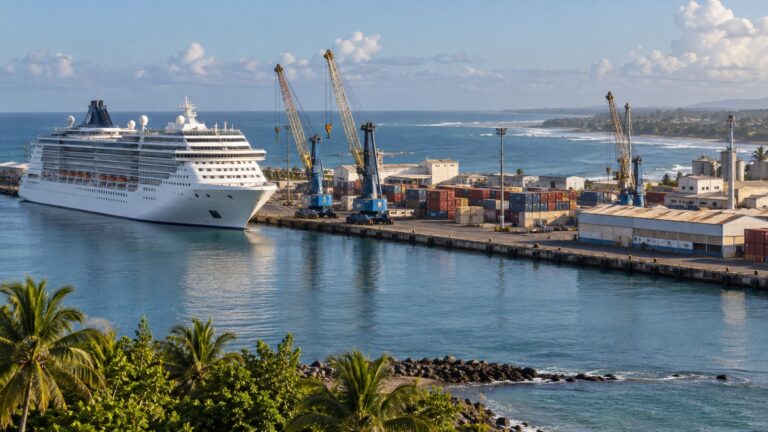
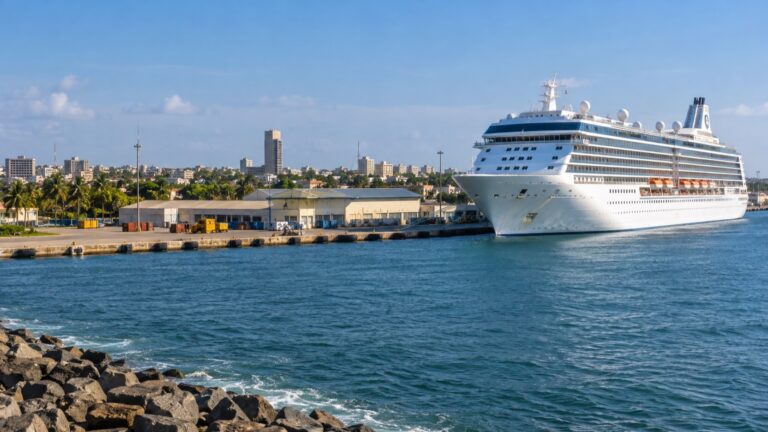
The official Port d’Ehoala describes itself as a deep-water public port and an ISPS security zone. It handles commercial activity as well as cruise calls, so passengers should expect controlled movement rather than an open waterfront promenade.
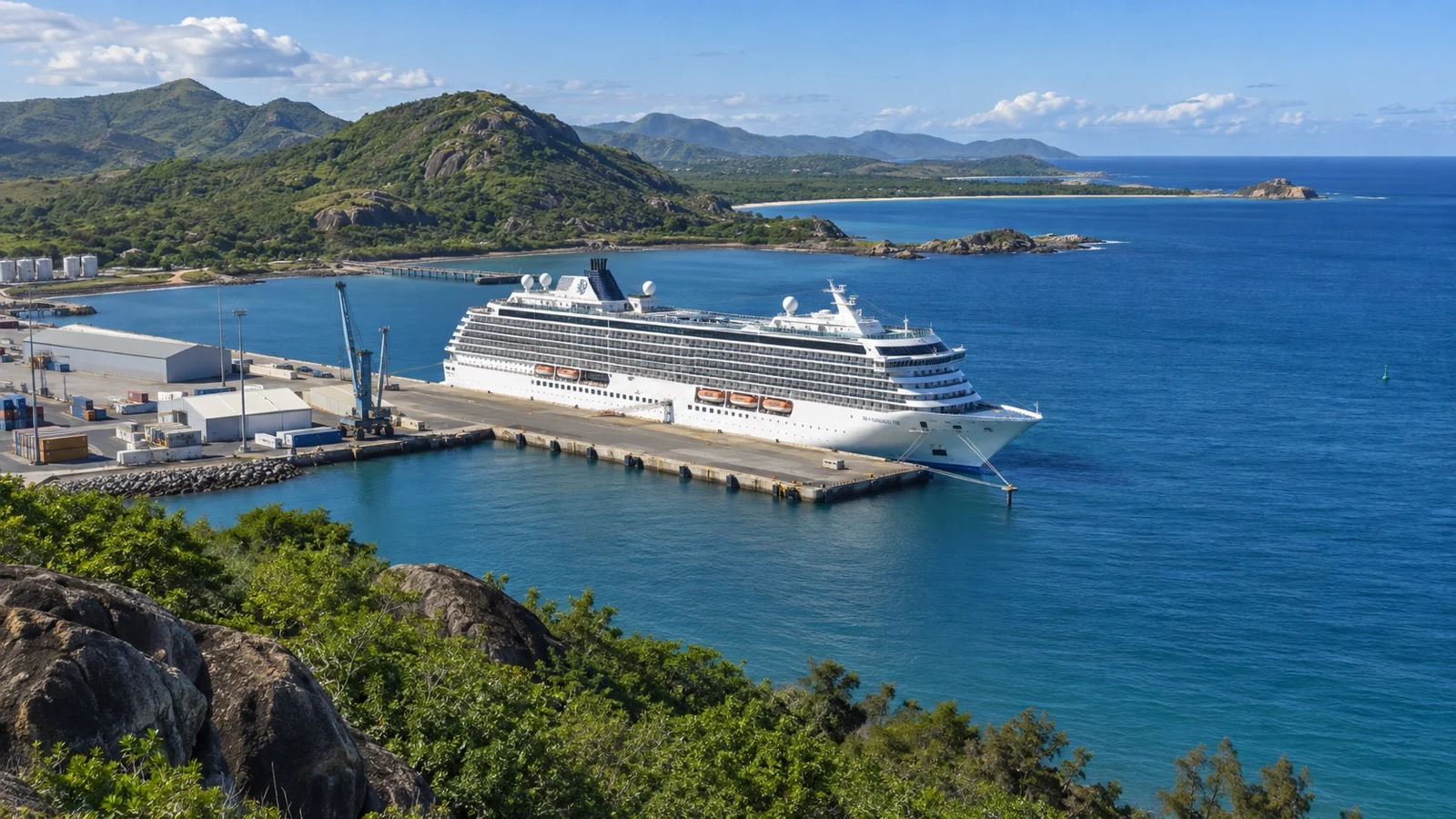
The port lies outside central Taolagnaro and is not a sensible walk into town. Cruise lines may provide shuttles or organize tour vehicles, while independent guides need the exact permitted meeting point.
Some ships can berth, but a cruise itinerary or older report cannot guarantee the operation for your vessel. Ship size, traffic, weather, and local decisions can still change the gangway, shuttle, or tender plan.
Take a screenshot of the ship’s port-agent details and the final all-aboard time. Give any private operator the ship name, berth information, and confirmed gate rather than saying only Fort Dauphin.
My Quick Take on the Best Port-Day Plan
For most first-time visitors, I would choose a guided nature and culture day that stays within the Taolagnaro area. Nahampoana, a town overview, a market or cultural stop, and a scenic coast view provide variety without gambling the return on a very long road.
Berenty can be rewarding for travelers who understand the journey and have a long call. I would book it through the ship or an operator whose vehicle, driver, turnaround point, and backup plan are completely clear.
A relaxed city and coast day is not a compromise. Taolagnaro’s geography, Antanosy culture, markets, beaches, and surrounding hills offer a real sense of place without a wildlife checklist.
Nahampoana Reserve
Nahampoana is the most practical wildlife-focused excursion from Taolagnaro because it is much closer than the famous reserves farther inland. The site combines planted and natural landscapes, water, local vegetation, and opportunities to observe lemurs and other species.
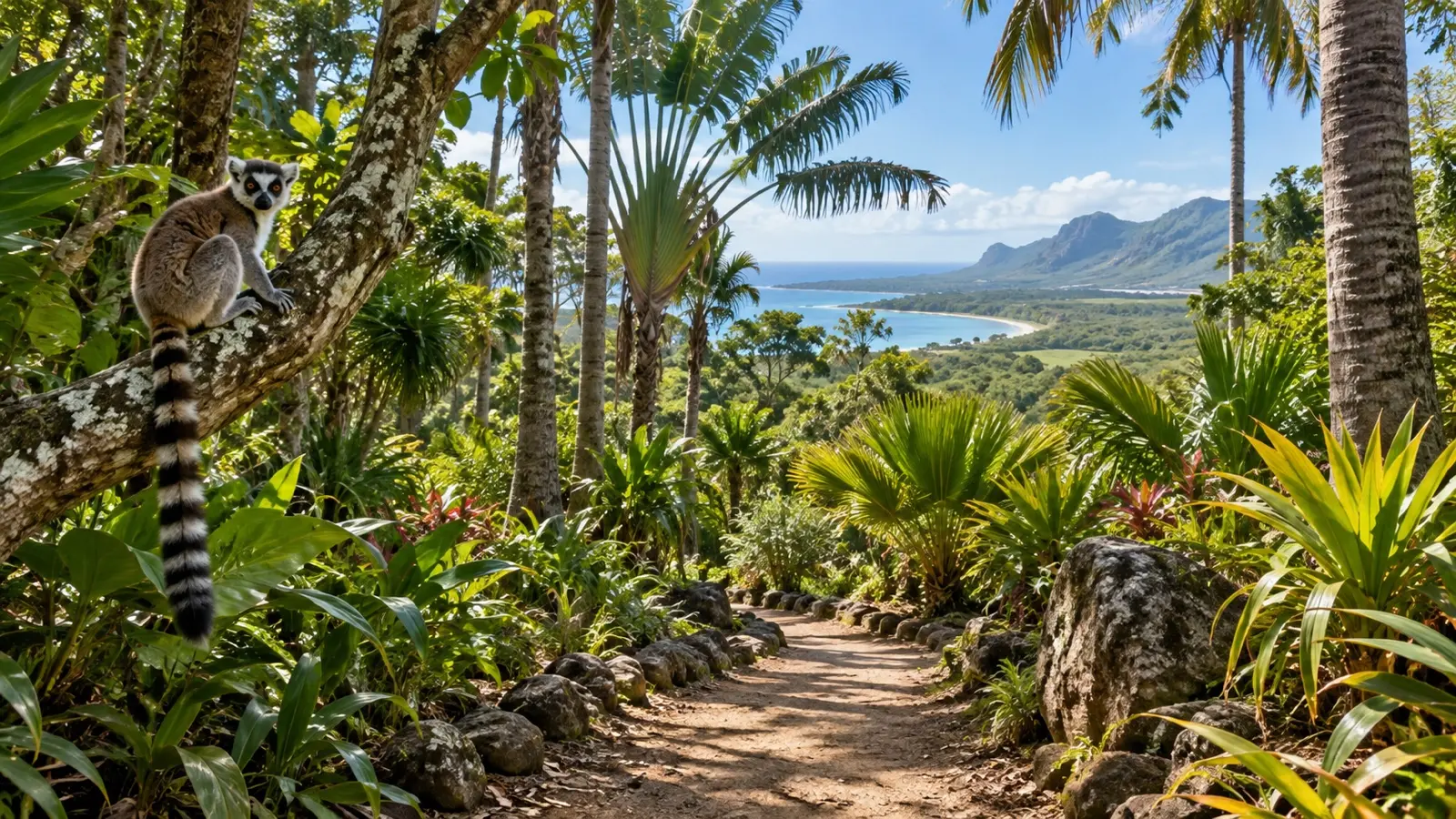
The wildlife experience can vary by season, weather, guide, and animal behavior. No ethical tour should promise a specific pose, interaction, or number of lemurs.
Ask how the reserve manages feeding, touching, crowd size, and animal welfare. I prefer a guide who keeps visitors at a respectful distance, explains habitat pressures, and never treats a lemur as a prop.
Paths may be damp, uneven, rooted, or slippery after rain. Wear closed shoes with grip, bring insect repellent, and confirm the actual walking distance if mobility is limited.
Nahampoana pairs naturally with a town stop or coastal viewpoint. It is close enough to leave return margin, which is one reason I favor it over an exhausting day built around a more famous name.
Berenty Reserve
Berenty is known internationally for ring-tailed lemurs, sifakas, and dry southern habitat. From Taolagnaro, the challenge is not the idea of the reserve but the long overland journey and the condition of the route.

Drive times change with weather, road work, vehicle, stops, and local conditions. Treat any precise duration as an estimate, and ask the operator how much time the group will actually spend at the reserve.
A Berenty day needs a reliable vehicle, experienced driver, early start, spare time, and a firm turnaround. I would not use an informal last-minute ride for an excursion where a mechanical issue could leave the ship far away.
The road passes landscapes and communities that deserve respect. Do not photograph people from the vehicle without permission, and avoid tour narratives that reduce rural life to scenery.
If the ship’s excursion operates, its timing protection is valuable. Independent travelers should book only with a proven company that tracks the vessel and has a realistic emergency plan.
Andohahela and More Distant Nature
Andohahela National Park protects an exceptional transition between humid eastern forest and the drier ecosystems of southern Madagascar. That ecological importance does not automatically make it the right cruise-day excursion.
Routes, access points, trail conditions, permits, and driving time vary. Check Madagascar National Parks information and use a qualified local guide who knows which section is genuinely reachable during your call.
A national park visit should never be improvised at the port gate. Confirm entry arrangements, the trail, total walking, water, restrooms, medical limitations, and the exact turnaround time before departure.
For most cruise visitors, a closer nature reserve will produce more wildlife time and less road stress. The destination with the strongest conservation name is not always the day with the strongest experience.
Lemurs: What Responsible Viewing Looks Like
Lemurs are wild primates found naturally only in Madagascar. Their uniqueness makes an encounter thrilling, but it also makes restraint part of the experience.
Do not touch, feed, chase, call, or crowd a lemur. A habituated animal can still bite or scratch, and human food or close contact can harm wildlife.
Keep the guide between the group and any animal that approaches. Use a zoom setting, mute camera sounds where possible, and let the lemur control the distance.
Ask whether the operator supports habitat protection or local employment beyond collecting admission. A responsible visit should benefit conservation and nearby communities rather than only deliver photographs.
Taolagnaro Town
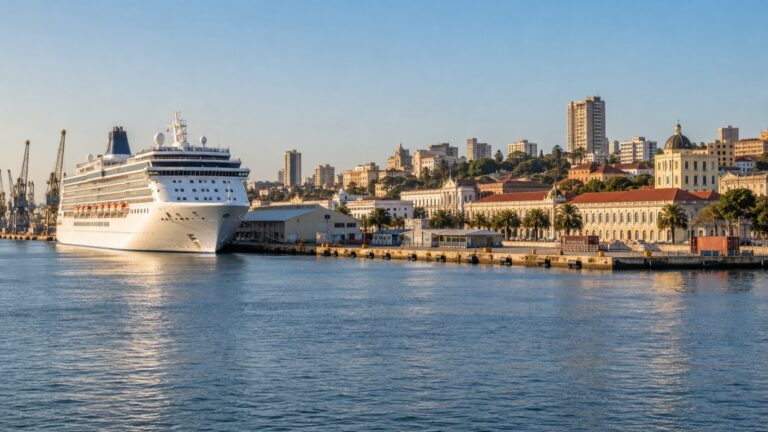
Taolagnaro is a regional city rather than a curated cruise village. Traffic, markets, schools, shops, construction, and daily errands continue whether or not a ship is in port.
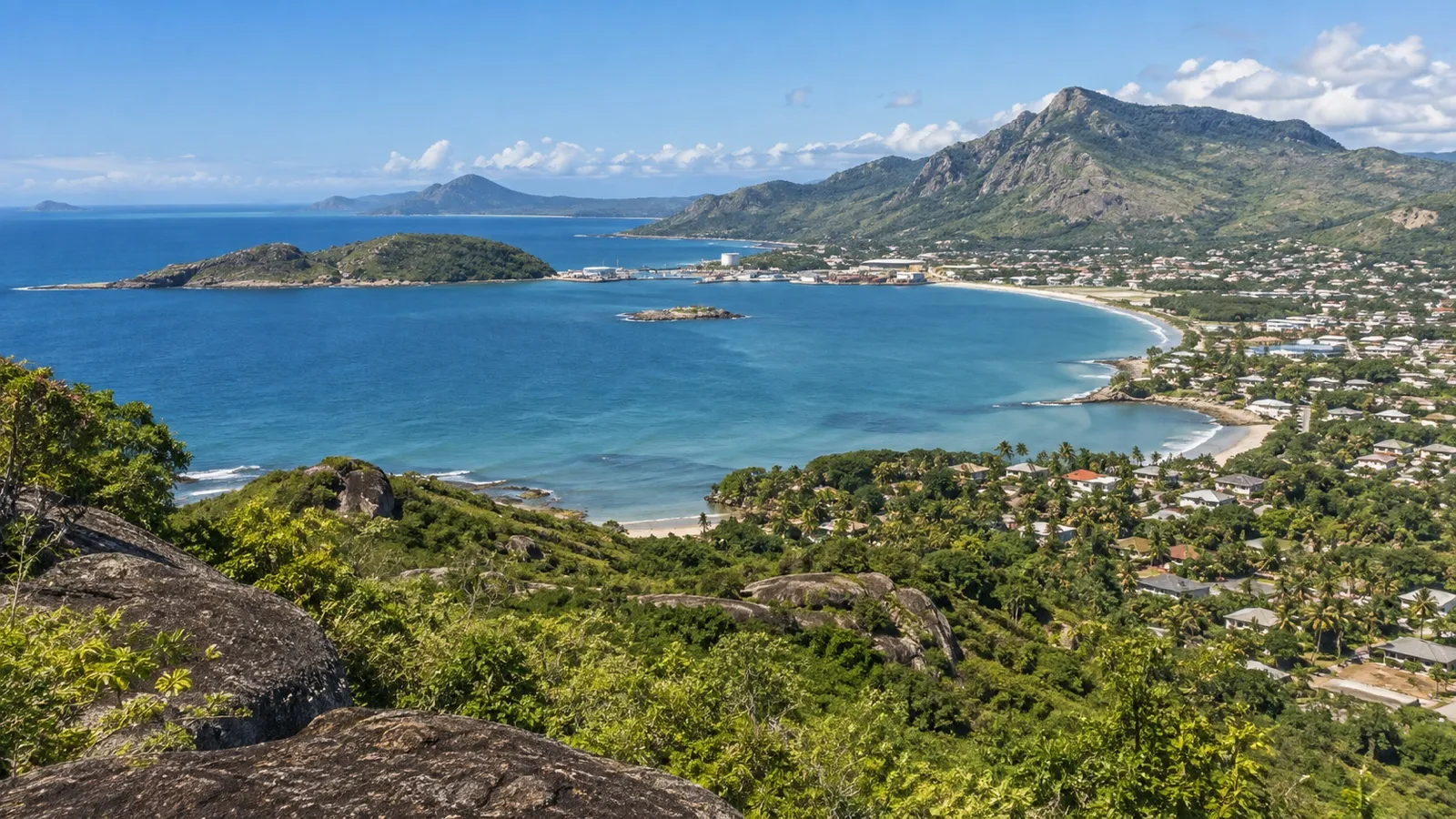
A guide adds context to Antanosy history, French colonial influence, trade, contemporary development, and the importance of the surrounding land. The city’s story is more complex than the older name Fort Dauphin suggests.
Markets can be busy and rewarding when visited thoughtfully. Carry little, keep phones secure, ask before taking portraits, and let the guide explain products or customs instead of treating the market as a spectacle.
Opening hours for small museums, churches, or historic places can be irregular. Build the day around the city itself and treat interior access as a bonus.
Docking, Tenders, and Secure Port Transfers
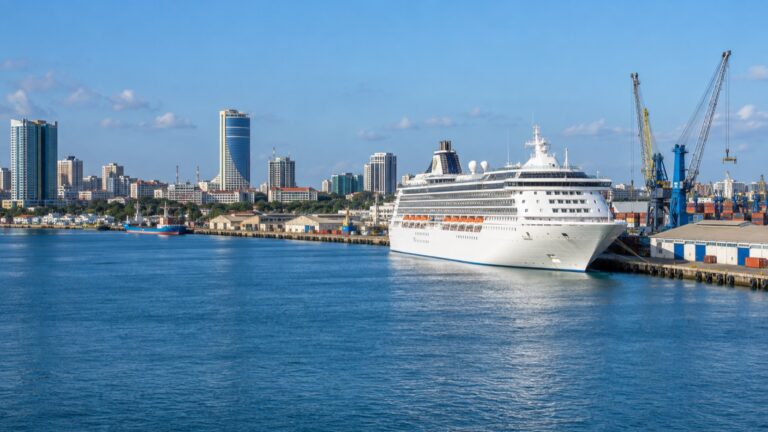
Port d’Ehoala is built for deep-water operations, but the cruise line decides how passengers move between ship, pier, and gate. A working berth may require a shuttle even when the vessel docks.
If a tender is used, passengers must manage a moving platform, steps, and possible restrictions on mobility devices. Ask the cruise line for vessel-specific information before booking a tour.
The port’s security procedure can affect where taxis and private guides wait. Do not walk away from an official transfer hoping to find a cheaper vehicle beyond an unfamiliar gate.
Return early enough to clear the gate, shuttle, security, and possible tender line. The time printed as all aboard means on the ship, not arriving at the port perimeter.
Beaches and Coastal Views
Taolagnaro’s coast is dramatic, with bright sand, headlands, strong Atlantic and Indian Ocean exposure, and changing wind. A beautiful beach may be far better for walking and views than for swimming.
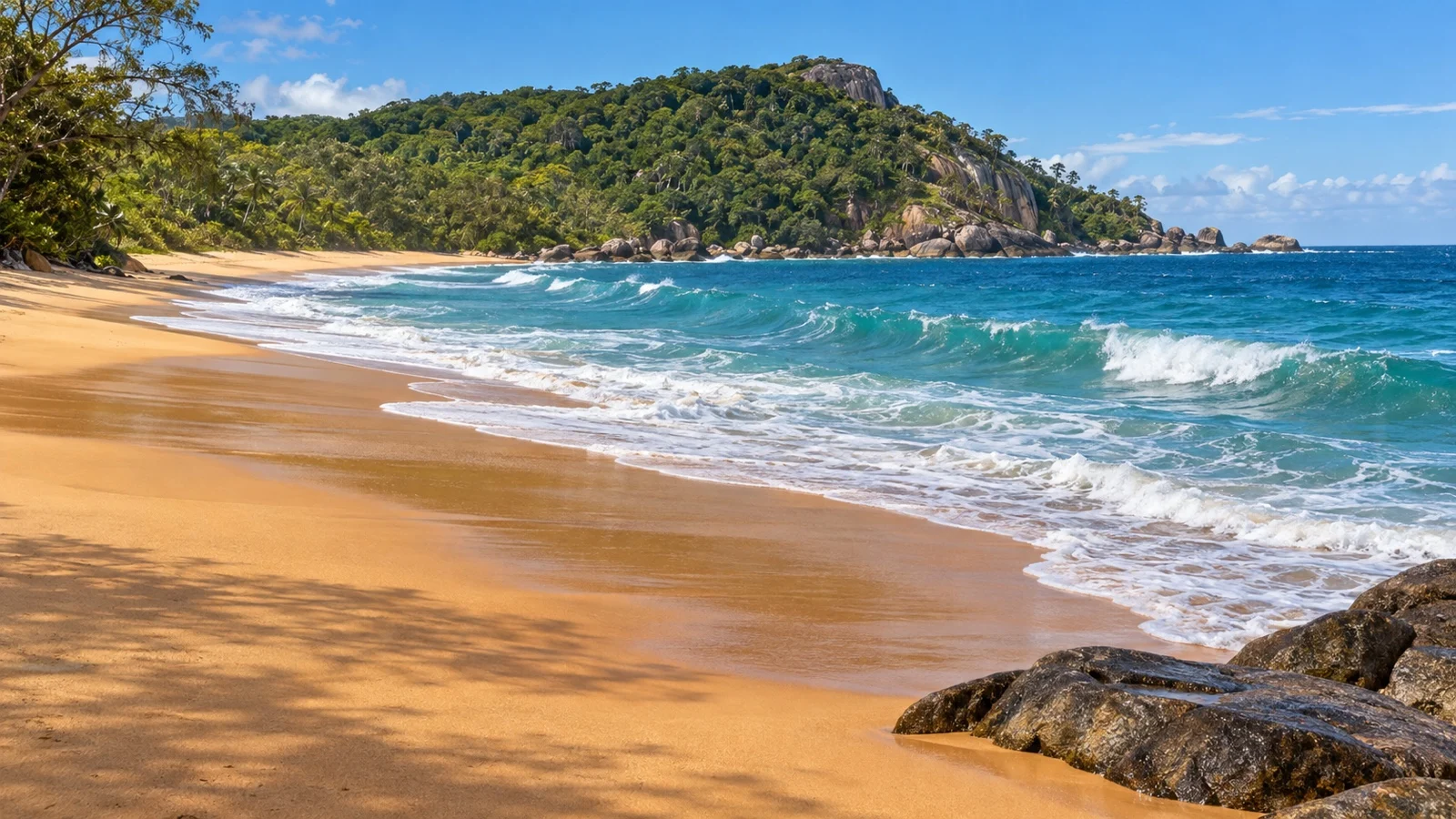
Libanona is one of the best-known local beach areas, but conditions and facilities vary. Ask a trusted local guide whether swimming is appropriate on the day and stay within any clearly supervised area.
Currents, shore break, rocks, and sudden depth can be hard to judge from shore. Never assume calm color means calm water, and keep children within arm’s reach.
Leave valuables aboard or keep them with you in a waterproof pouch. An isolated beach is not the place to test whether a bag remains safe under a towel.
Roads, Vehicles, and Return Timing
Road conditions are the central planning issue for a Fort Dauphin excursion. Pavement can give way to rough stretches, rain can slow travel, and a route that looks short on a map may take much longer than expected.
Choose a vehicle with seat belts and enough space for the group. Ask about maintenance, spare tire, air conditioning or ventilation, and whether a second vehicle or driver can assist if something fails.
Avoid riding in an overloaded minibus or taking a motorcycle taxi for a long cruise excursion. Saving a little money is not worth reducing your return margin or basic road safety.
A written itinerary should include a turnaround time, not just a list of stops. The driver should be willing to skip the final attraction when road conditions consume the buffer.
Weather and the Best Time to Visit
Southeastern Madagascar can be humid, windy, rainy, and changeable, with tropical storms affecting the wider region seasonally. The coast and inland reserves may experience different conditions on the same day.
Rain can turn paths muddy and roads slower without canceling the call. Wind and swell can affect port operations, beaches, and tenders even when the sky near town looks bright.
Pack a breathable rain layer, sun protection, water, insect repellent, and closed shoes. A dry pouch protects documents and electronics during showers or small-boat transfers.
Use Madagascar’s official meteorological information and the ship’s operational notices close to arrival. A general month-by-month climate chart cannot tell you what the port can safely do that morning.
Malaria and Travel Health
Malaria is a real travel-health consideration in Madagascar, including areas outside the capital. The current CDC traveler guidance recommends discussing prescription prevention for most of the country with a qualified clinician.
Medication choice depends on your health, other prescriptions, age, pregnancy status, destination, and itinerary. Make that decision with a travel-medicine professional well before sailing, not with advice from a tour seller or another passenger.
Prevent mosquito bites even if you take preventive medicine. Use an effective repellent as directed, cover exposed skin when practical, and reapply according to the product instructions.
Routine vaccines and destination-specific vaccines should also be reviewed before travel. Entry requirements and health recommendations are different questions, so meeting a border rule does not necessarily mean your medical preparation is complete.
Food and water precautions matter on a short call too. Choose cooked food served hot, use safe drinking water, and clean hands before eating.
Animal Bites and Medical Access
Madagascar also has rabies risk, and prompt treatment may be harder to obtain than at home. Do not touch dogs, lemurs, bats, or other mammals, even when an animal appears friendly or a handler encourages contact.
If bitten or scratched, wash the wound thoroughly and seek urgent medical advice. Tell the ship’s medical team immediately rather than waiting to see whether the mark becomes painful.
Medical facilities in the region may be limited, and evacuation can be complicated. Review travel-health and medical-evacuation coverage before the voyage, especially if the itinerary includes remote ports.
Money, Language, and Connectivity
The Malagasy ariary is the national currency and is useful for markets, food, small purchases, and local services. Carry modest cash in smaller notes rather than expecting every business to accept cards or foreign currency.
ATMs and card terminals can be unreliable or unavailable when the network fails. Arrange the main excursion before arrival and confirm which currency the operator expects.
Malagasy and French are the most useful languages locally. An English-speaking guide should be booked in advance because availability may be limited on a busy cruise day.
Mobile coverage varies outside town. Download maps, booking details, emergency contacts, and the ship’s port information before leaving the vessel.
Entry Rules and Cruise Documents
Madagascar’s visa and entry requirements depend on nationality, passport, voyage, and the clearance arranged by the cruise line. The official eVisa portal warns travelers about fraudulent websites and identifies the government application channel.
A cruise transit or group clearance may work differently from arriving by air for an independent stay. Follow the cruise line’s written instructions and verify any visa question through Madagascar’s official immigration service.
Carry the passport, copy, or cruise card specified by the ship. Do not assume another guest’s requirement applies to your nationality or cabin.
Accessibility and Lower-Energy Planning
The secure port, vehicle transfer, variable sidewalks, rough roads, and reserve paths make advance accessibility questions essential. Ask about gangway slope, shuttle steps, vehicle entry, walking distance, surface, and restroom access.
Nahampoana may be more practical than Berenty for travelers who tire easily, but the route inside still needs confirmation. A private vehicle can reduce walking and allow the guide to adjust the pace.
A town panorama with a coast viewpoint and lunch can be a satisfying low-energy day. The region’s landscape is visible from the road, and you do not need a difficult trail to understand its drama.
Wheelchair-accessible vehicles may be scarce. Confirm a real ramp or lift rather than accepting a vague promise that a vehicle is suitable.
Families and Multigenerational Groups
Children may be captivated by lemurs, but adults must set firm boundaries about feeding and touching. Choose a guide who supports those rules instead of creating a close-contact photo opportunity.
Long road journeys can be tiring, hot, and short on restrooms. A closer reserve plus town or beach scenery is usually better for mixed ages than a full-day drive to Berenty.
Bring water, sun protection, insect repellent, tissues, sanitizer, and any essential medication. Keep snacks sealed and follow port or reserve rules about taking food ashore.
How I Would Plan the Day
For a standard call, I would prebook a guide for Nahampoana, add one cultural or market stop, and finish with a coast view or lunch. That plan leaves enough flexibility for rain, traffic, and port procedure.
For a long call with Berenty as the main goal, I would use the ship’s excursion or a proven operator with a high-quality vehicle and written turnaround plan. I would not add unrelated stops on the return.
If weather or road reports are poor, I would stay near Taolagnaro. A day rooted in the city and coast is far better than spending most of the call anxious inside a vehicle.
Frequently Asked Questions
Can cruise ships dock at Port d’Ehoala?
The port has deep-water berths and handles cruise calls, but the final operation depends on the ship and local conditions. Follow the daily program for the assigned berth, shuttle, or tender procedure.
Is the port walkable to Fort Dauphin?
No, this is a secure working port outside the city center. Use the cruise shuttle, organized tour, or a confirmed driver meeting at the authorized point.
Where is the easiest place to see lemurs?
Nahampoana is the most practical cruise-day nature option because it is much closer than Berenty. Wildlife is never guaranteed, and responsible distance matters even with habituated animals.
Is Berenty worth the drive?
It can be for a wildlife-focused traveler on a long call with protected transport. The road time is substantial enough that the excursion should replace other plans rather than be squeezed between them.
Do I need malaria medication for one port day?
This is a medical decision, and trip length alone does not determine risk. Discuss the full Madagascar itinerary with a qualified travel-health clinician before departure and use mosquito-bite prevention.
Can I explore independently?
Independent walking is not practical from the port gate, and transport supply can be limited. Prearranged touring is the most reliable approach for nearly every first visit.
Final Verdict
Taolagnaro rewards travelers who plan for reality rather than fantasy. Ehoala is a working gateway, nearby Nahampoana is the practical wildlife choice, and Berenty is a serious full-day commitment.
Choose ethical lemur viewing, a reliable vehicle, and a return buffer large enough for Madagascar’s roads. With those pieces in place, this remote call can become one of the most distinctive days of the entire cruise.
This guide was researched using current information from Port d’Ehoala, Madagascar’s tourism and national park authorities, the official Madagascar eVisa service, WHO, CDC, and relevant maritime and weather agencies. Berths, road access, reserve operations, entry rules, and health guidance can change, so verify the final details with your cruise line, qualified clinician, and the responsible official agency.