Dar es Salaam Cruise Port: A Planner’s Guide
Dar es Salaam is Tanzania’s biggest city and its main Indian Ocean port, so a call here drops you into a lively Swahili capital of markets, museums and nearby islands. Here is how I would plan a smart, safe day ashore.
My quick take
Dar es Salaam rewards a bit of planning and an organized tour more than free-wheeling wandering. Read on for the honest safety picture, then the stops I would actually spend time on.
Some itineraries connect with Zanzibar or a safari, but neither is a simple independent side trip during a standard Dar es Salaam call. For the wider region, my Africa cruise ports hub is a good starting point.
A straight word on safety first
This is the one section to read before you step off the ship. As of my last check, the U.S. State Department rates Tanzania Level 3, “Reconsider Travel,” citing crime, terrorism and periodic unrest.
The advisory says terrorist risk is most common in the far-south Mtwara Region, but its crime and unrest cautions apply more broadly, including Dar es Salaam. Check the current notice before sailing because conditions and restrictions can change.
For the city itself, the UK government’s safety advice flags bag-snatching by people on motorbikes and armed robbery, including around the city center, the Masaki and Oyster Bay peninsula, Coco Beach and Toure Drive.
It also warns of “express kidnapping,” where victims are robbed and forced to withdraw cash, often after accepting rides from strangers or unlicensed taxis. These risks do not make every visit unsafe, but they do change how I would plan the day.
It does mean I would book a ship excursion or a reputable private guide, avoid carrying valuables, and skip walking alone or after dark. Keep bags out of sight and use transport arranged through your ship or hotel.
The quick facts
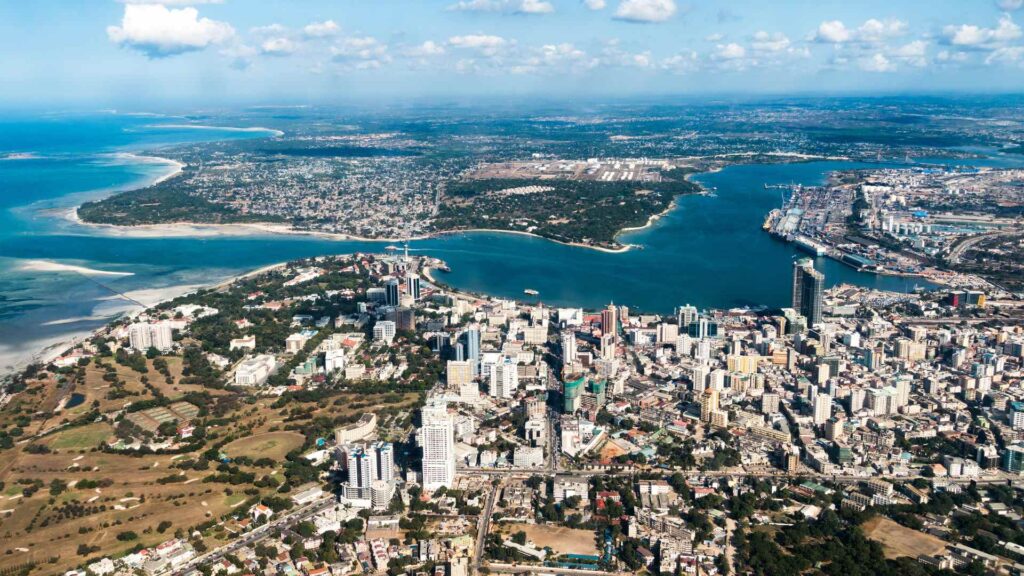
- Where you land: ships use an assigned commercial berth in the Port of Dar es Salaam, Tanzania’s principal port, in the Kurasini harbor area south of the center. There is no dedicated walk-off cruise district.
- Dock or tender: Vessels generally berth alongside, though arrangements vary by ship and berth availability, so confirm the specifics with your cruise line.
- Into town: The city center is close, roughly 3 miles by road, but this is an industrial port.
- Currency and language: The Tanzanian shilling (TZS), with Swahili the national language and English widely understood in tourist settings.
- Time zone: East Africa Time (EAT, UTC+3).
- How often the call is missed: Low (under 1%): the sheltered berth is rarely limited by local weather.
Getting around
My honest advice for Dar es Salaam is to let someone else drive. A ship excursion or a guide booked through your line removes most of the guesswork and the risk.
- Organized tours: the simplest way to handle secure port pickup, city traffic, and a fixed return time; verify that the operator is licensed and names the vehicle and meeting point.
- Licensed taxis and ride-hailing: agree the fare first, or use a reputable app. UK advice specifically warns against unlicensed taxis and accepting rides from strangers.
- Ferries and boats: passenger ferries link Dar es Salaam with Zanzibar, and small boats run out to the marine-reserve islands from the Msasani area.
Heads up: some links below are affiliate links. If you book through one, I may earn a commission at no extra cost to you. It never changes which hotels or tours I recommend. Full disclosure.
The stops I’d actually spend time on
These are the places worth your limited hours, all real, verifiable sites. I would pick a handful and let a guide handle the logistics between them.
National Museum and House of Culture
The National Museum and House of Culture on Shaaban Robert Street is the best single primer on Tanzania. Its galleries cover human evolution, Swahili history and coastal culture.
Fun fact: the museum holds the skull of Zinjanthropus boisei, a hominid that lived around 1.75 million years ago, unearthed at Olduvai Gorge. Standing in front of it is a genuine bucket-list moment for history lovers.
Village Museum (Kijiji cha Makumbusho)
The open-air Village Museum recreates traditional dwellings from Tanzanian ethnic groups across a leafy site. It is an easy, shaded way to understand how people live beyond the city.
Live music and dance are often part of the visit. It pairs naturally with the National Museum for a culture-focused morning.
Kariakoo Market
Kariakoo is described by the official tourism board as the largest and most dynamic market in Tanzania. Spices, fabrics and produce spill across a dense grid of stalls.
It is thrilling but very crowded, exactly the kind of place the safety advice flags for pickpockets. I would visit only with a guide and keep bags zipped and close.
Kivukoni Fish Market and the waterfront
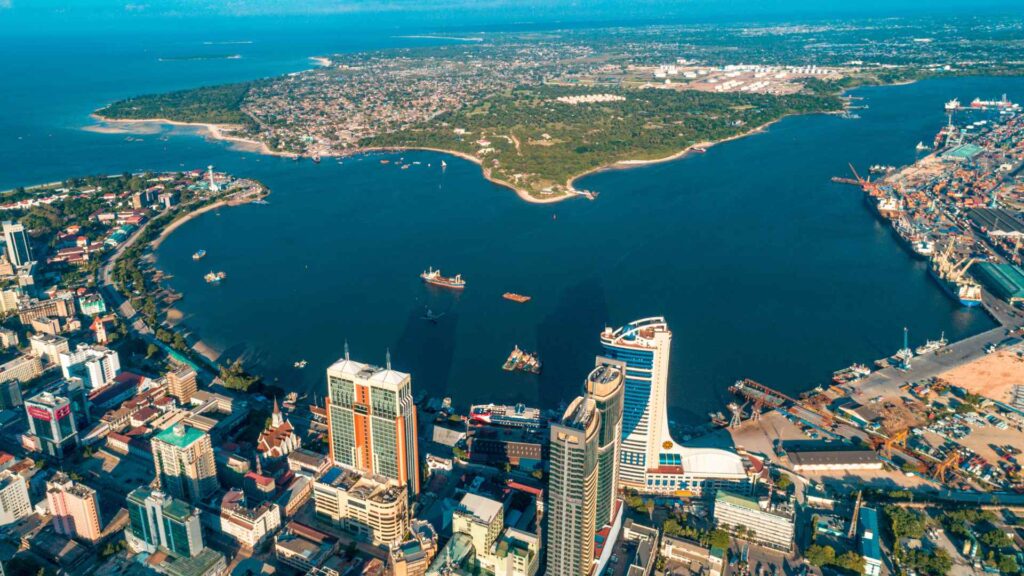
The Kivukoni fish market, on the harbor near the ferry terminal, is a working morning scene of dhows landing the day’s catch. It is best seen early and, again, with a guide.
Nearby stand two enduring city landmarks: the twin-spired St Joseph’s Cathedral on the waterfront and the Askari Monument, a bronze memorial to African soldiers at the heart of downtown.
Coco Beach and Oyster Bay
Coco Beach on the Msasani (Oyster Bay) peninsula is the city’s popular seaside strip for a stroll and fresh coconut. It is liveliest at weekends and sunset, and the Tanzania Tourism Board is the best official source for current destination updates.
One caveat: the UK safety advice specifically names Coco Beach and this peninsula among places where robberies have happened. Enjoy it in daylight, in a group, and leave valuables on the ship.
Bongoyo and Mbudya islands
Bongoyo Island is a protected islet reached by boat from the Msasani area, with white sand, snorkeling and grilled fish. Neighboring Mbudya, part of the same Dar es Salaam marine reserves, offers a similar castaway feel.
These are my pick for cruisers who just want sea and sand near the city. Bring cash for boat and reserve fees, and confirm return timing so you are back at the ship with a buffer.
Bigger day trips: Bagamoyo, Zanzibar and safari
If your ship is in port long enough, a few larger excursions are within reach. All of these are best arranged as organized tours given the distances and timing.
Bagamoyo
Bagamoyo lies roughly 46.5 miles north of the city, about a 1.5-hour drive depending on traffic. This old caravan and slave-trade town, later a German colonial capital, features on the official Tanzania Tourism site and keeps a haunting, atmospheric old quarter.
Zanzibar
Zanzibar requires terminal transfers, ferry check-in, the crossing, and a second transport plan after arrival. It is too fragile for most independent port days, so consider only a cruise-protected trip on a long call.
See my Zanzibar cruise port guide for more.
Safari
A true safari is more than a port day allows, but travelers often add one before or after the cruise. Kenya’s Mombasa is another East African call worth pairing in your planning.
How I’d plan the day
- Short call (about 4 hours): a guided city loop taking in the National Museum, the waterfront with St Joseph’s Cathedral and the Askari Monument, then straight back.
- Half day (about 6 hours): add the Village Museum or a quick, guided pass through Kariakoo Market.
- Full day (8 hours or more): a boat trip to Bongoyo Island, or the drive up to Bagamoyo, with a generous return buffer for traffic.
Whatever you choose, I would build in extra time for the ride back. Dar es Salaam traffic is heavy, and you do not want to be racing the gangway.
When to go, and the weather
Dar es Salaam is hot and humid year-round on the Indian Ocean coast. The long dry season, roughly June to October, is the most comfortable for being out and about.
The heaviest rains fall around March to May. Whenever you visit, pack light breathable clothing, sun protection and insect repellent, and take medical advice on malaria prevention before you travel.
A realistic word on accessibility
This is a working cargo port, and the city has uneven sidewalks, curbs and busy roads. Step-free, fully accessible touring is not guaranteed here.
If mobility is a concern, arrange a private accessible vehicle and guide in advance through your cruise line. For a broader look at easier calls, see my wheelchair-friendly cruise ports guide.
Documents, money, and a realistic day-trip boundary
U.S. passport holders currently need a Tanzanian tourist visa and a passport valid for at least six months beyond arrival with a blank page. Other nationalities should use the official Tanzania Immigration e-visa portal and their cruise line rather than copying another passenger’s entry advice.
Use Tanzanian shillings for local purchases. Major cards work at many established hotels and restaurants, but machines and ATMs can fail, so carry a modest amount of local cash without displaying it publicly.
Zanzibar is not a comfortable independent add-on to a normal Dar es Salaam call because the ferry, terminal check-in, city traffic, and return crossing consume much of the day. Attempt it only on a long call with a cruise-protected plan, and check the separate mandatory Zanzibar visitor-insurance rule before travel.
Bongoyo or Mbudya suits a beach-focused day, but ask exactly where the boat leaves, whether marine-reserve fees and shade are included, and what happens if wind stops the return. Bagamoyo suits history-minded travelers on a long call, while a wildlife safari belongs before or after the cruise rather than inside one port day.
Quick answers
Is Dar es Salaam safe for cruise passengers?
Tanzania currently sits at the U.S. “Reconsider Travel” level, with real cautions about crime in the city. If you travel despite the advisory, use organized touring, licensed transport, daylight sightseeing, a low profile, and a plan that does not depend on emergency services.
Do I need a visa for Tanzania?
Requirements depend on nationality; U.S. passport holders currently need a tourist visa, while other travelers should check Tanzania Immigration and their cruise line well before sailing.
What currency should I bring?
The Tanzanian shilling is the official currency and the right choice for local purchases. Carry a modest amount, use cards only at established businesses, and avoid withdrawing or displaying large sums in public.
Dar es Salaam is a rewarding, culture-rich call as long as you plan around the safety realities. Book smart, travel light, and let the museums, markets and islands do the rest.
How this guide was researched: Unless a first-hand visit is explicitly identified above, this guide is based on independent research using official port, tourism, transit, government, and attraction sources where available. Logistics and time-sensitive details were reviewed on September 10, 2026; see our Editorial Policy.