Ambon Cruise Port: A Cruiser’s Guide to the Spice Islands
Ambon layers a busy provincial capital, a deep bay, spice history, living music traditions, wartime memory, beaches, and villages across a surprisingly large island. Choose either Ambon City and the southern shore or an eastern beach-and-heritage loop, because traffic makes a distant attraction much more than the number of miles printed beside it.
Lock the operating plan before you leave the ship
Ambon is a working Indonesian port, so immigration clearance, port-gate access, and driver meeting points are call-specific. Use the cruise line’s documents for entry formalities and hire a licensed local operator who can confirm permission for villages, places of worship, cultural performances, reefs, and any restricted heritage site.
City and museum: best for a first visit or shorter call, with context from the war cemetery, music identity, markets, and Museum Siwalima.
Natsepa and east coast: best for a relaxed scenery day, provided the guide checks traffic, beach conditions, changing rooms, and return time.
Hila heritage: best for travelers focused on colonial and spice history; arrange access before sailing rather than expecting every fort or religious site to be open.
Snorkeling or diving: use a qualified operator, disclose medical limits, verify insurance and equipment, and leave enough surface interval before any post-cruise flight.
Return to the port area at least 90 minutes before all-aboard when leaving central Ambon, with more margin in rain or on a route that crosses congested roads. Carry water and needed medication, because heat, humidity, traffic, and limited immediate medical support can turn a packed itinerary into the wrong kind of adventure.
Confirm the landing before planning the day
Cruise arrangements vary by vessel. A ship may berth in Ambon’s commercial port area or use tenders, and access through a working terminal can involve a shuttle, escorted route, or other instructions set for that call.
Use the ship’s daily program as the authority for the landing point and transport. Ask whether independent drivers can meet at the gangway, terminal gate, or a separate pickup area, because those are not interchangeable when a secure port stands between them.
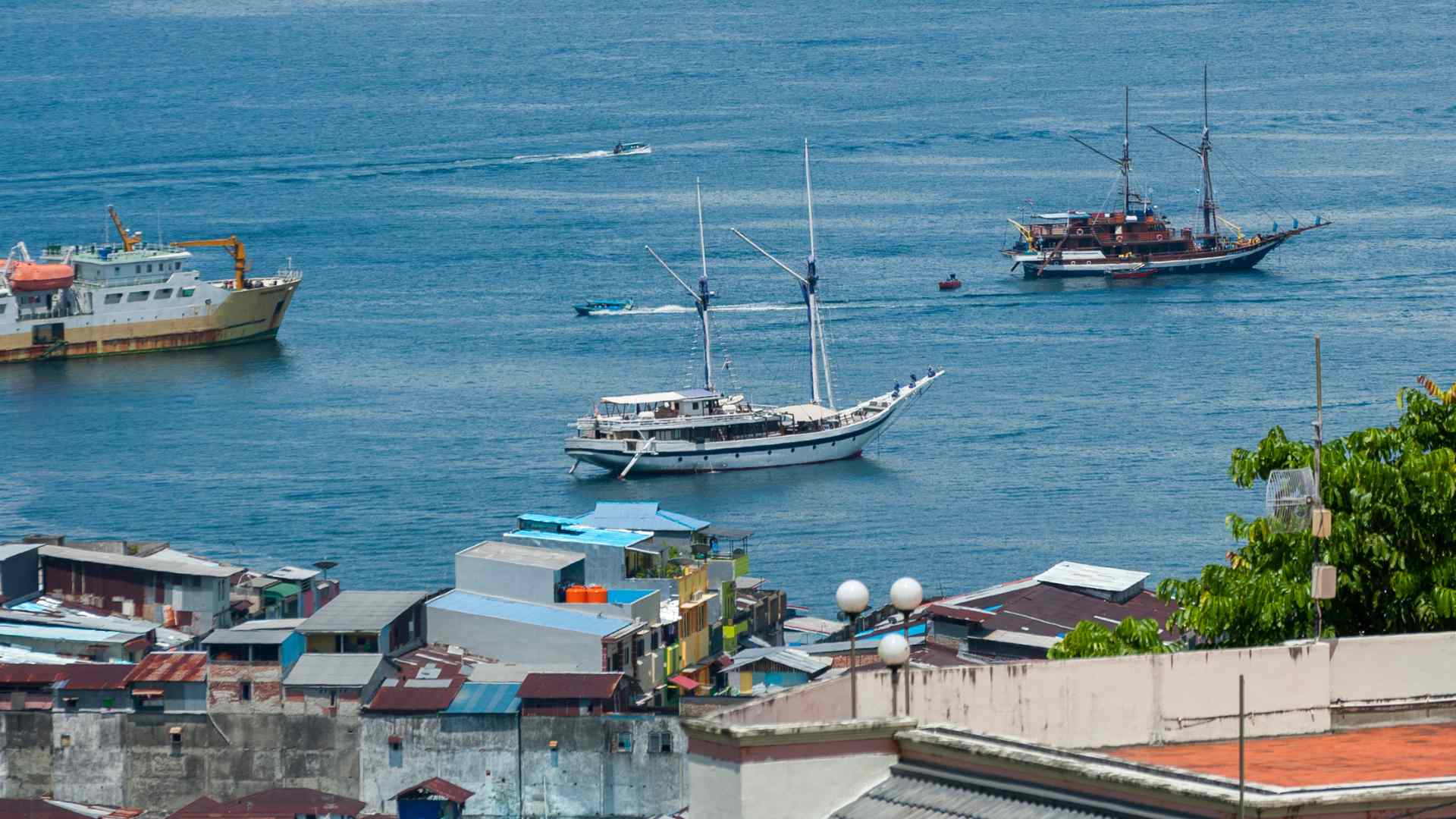
Ambon City sits on the southern side of Ambon Bay. Pattimura Airport is across the bay, while several famous beaches and historical sites lie east or west of the center, so a route that zigzags across the island can lose hours.
I would arrange a licensed guide or driver in advance for anything beyond the city. English may be spoken in tourism settings, but a local guide also supplies cultural context and can adapt the route when traffic, worship, weather, or a local event changes access.
Ambon Cruise Port Quick Facts
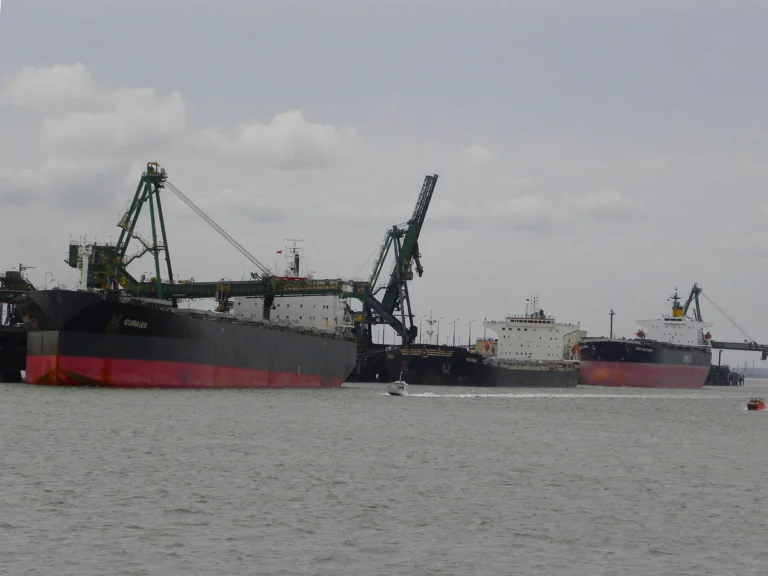
- Where you land: Yos Sudarso port, Ambon City’s working commercial and ferry terminal on the southern shore of Ambon Bay. It is a cargo environment rather than a cruise terminal, so expect an escorted route or shuttle through the gate.
- Dock or tender: Ships that fit usually berth at the commercial quay; some anchor in Ambon Bay and tender in.
- Into town: The city center is roughly a mile from the terminal gate, so about a 20 minute walk in theory.
- Currency and language: The Indonesian rupiah (IDR), and Indonesian, with Ambonese Malay spoken locally and some English in tourism settings.
- Time zone: Eastern Indonesia Time (WIT, UTC+9).
- Weather and operations: Ships may berth or anchor, and local conditions determine whether an alongside call or tender transfer is used.
A city-first plan gives the most context
Begin with the World Peace Gong near the center if access is open. The monument was created as a symbol of peace after the sectarian conflict that caused terrible harm in Maluku around the turn of the century, and it deserves more than a quick cheerful selfie.
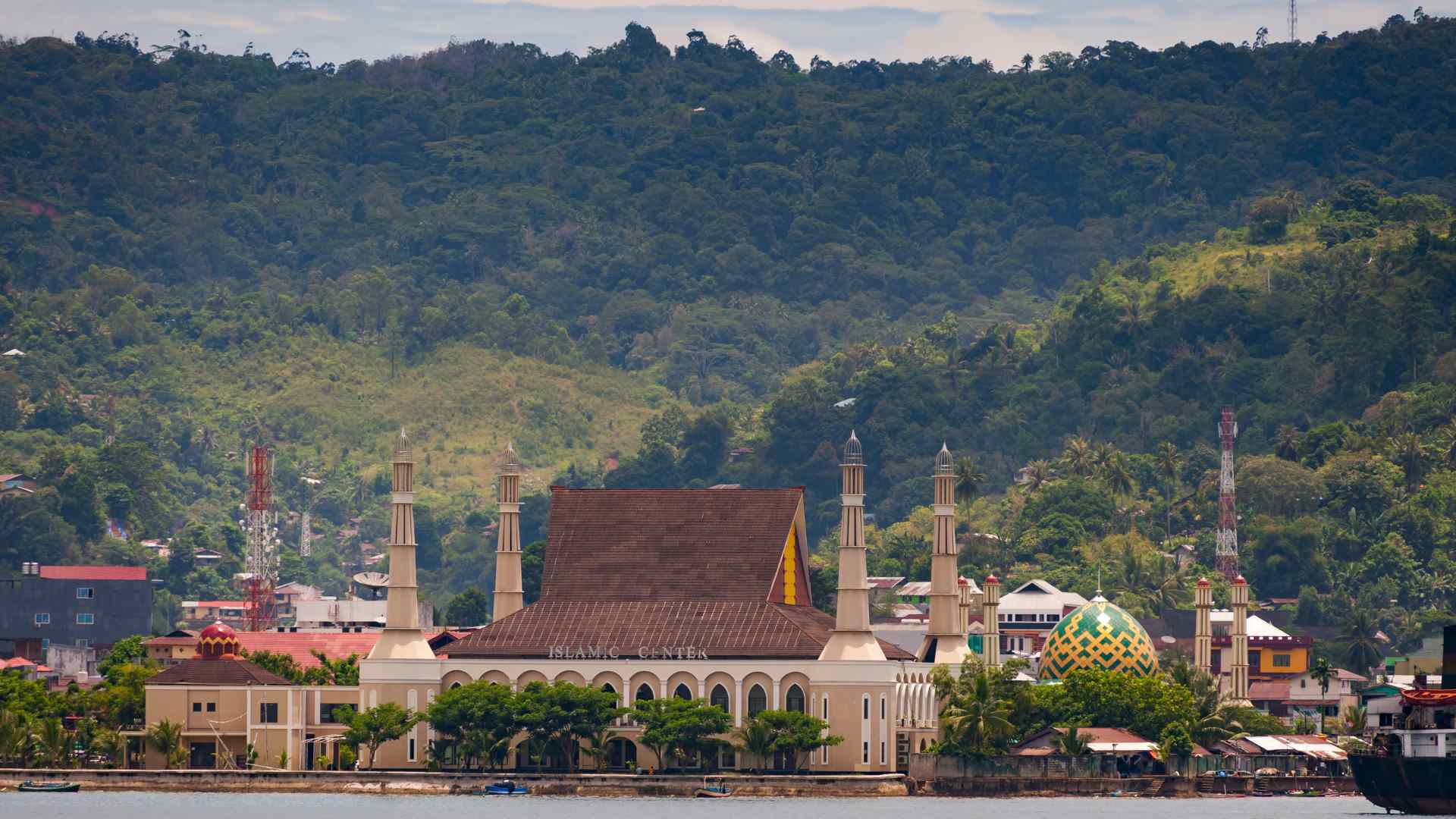
Nearby public spaces and markets reveal present-day Ambon as a working Indonesian city rather than a preserved “Spice Islands” stage set. Streets can be crowded, hot, noisy, and uneven, which is part of the reality but not always a comfortable independent stroll for every passenger.
Fort Victoria is associated with Ambon’s Portuguese and Dutch colonial history, though military or administrative use can limit visitor access. Confirm what can actually be entered on the day rather than promising a full fort tour based on its map label.
The Commonwealth War Cemetery commemorates service personnel who died in the region during the Second World War. Visit quietly, dress for heat and rain, and recognize that this is a burial ground rather than another attraction in a sightseeing sprint.
Ambon also carries a strong musical identity and is a UNESCO Creative City of Music. A performance arranged through a reputable local operator can reveal far more than driving past buildings, but it should involve local artists fairly rather than treating a village as a human jukebox.
Our piece on Raja Ampat Liveaboard and Papua New Guinea Cruise Gateways is the fuller version of this point.
Museum Siwalima is worth the climb by road
Museum Siwalima stands in the Amahusu area on a hill overlooking Ambon Bay. The city government and Indonesia’s tourism information describe collections connected with Maluku’s culture, history, and natural heritage.
This is the best place to build a framework for the island’s languages, maritime life, traditional objects, and regional diversity. Exhibits and English interpretation can vary, which makes a knowledgeable guide especially valuable.
The museum sits outside the most compact central streets and is best reached by vehicle. Confirm opening days and hours directly, since Indonesian museums can close for maintenance, vacations, or local arrangements that an old travel article will not know about.
Pair the museum with the war cemetery or Amahusu-area coast rather than crossing repeatedly to the eastern beaches. That keeps the day geographically tidy and leaves time for an actual meal.
The eastern loop trades museums for water and history
Natsepa Beach, east of Ambon City in Central Maluku, is one of the island’s best-known recreation areas. It is also associated with rujak Natsepa, a fruit salad dressed with a sweet, spicy peanut sauce that can steal the show from the sand.
Water clarity and beach conditions vary with weather, tides, runoff, and the day’s activity. Swim only where local guidance says it is safe, watch belongings, and use water shoes if the entry is rough or unfamiliar.
Farther along the eastern side, historical sites reflect the Portuguese and Dutch competition for the clove trade. Fort Amsterdam at Hila is the most prominent, but it is not near Ambon City and should be treated as a real excursion rather than an extra stop.
The drive to Hila can take much longer than a simple distance estimate suggests. Road width, village traffic, weather, and stops all matter, so I would visit with a driver who understands the ship’s deadline and agrees on a turnaround time.
Some itineraries also mention the oldest church or mosque in particular villages. Verify current local information, request permission where appropriate, dress modestly, and avoid presenting living places of worship as museum pieces.
The spice story needs careful telling
Maluku’s cloves and nutmeg drew Asian, Middle Eastern, and European trade networks long before modern tourism. European colonial powers then fought to control production and routes, creating a history of coercion and violence that should not be reduced to a fragrant shopping anecdote.
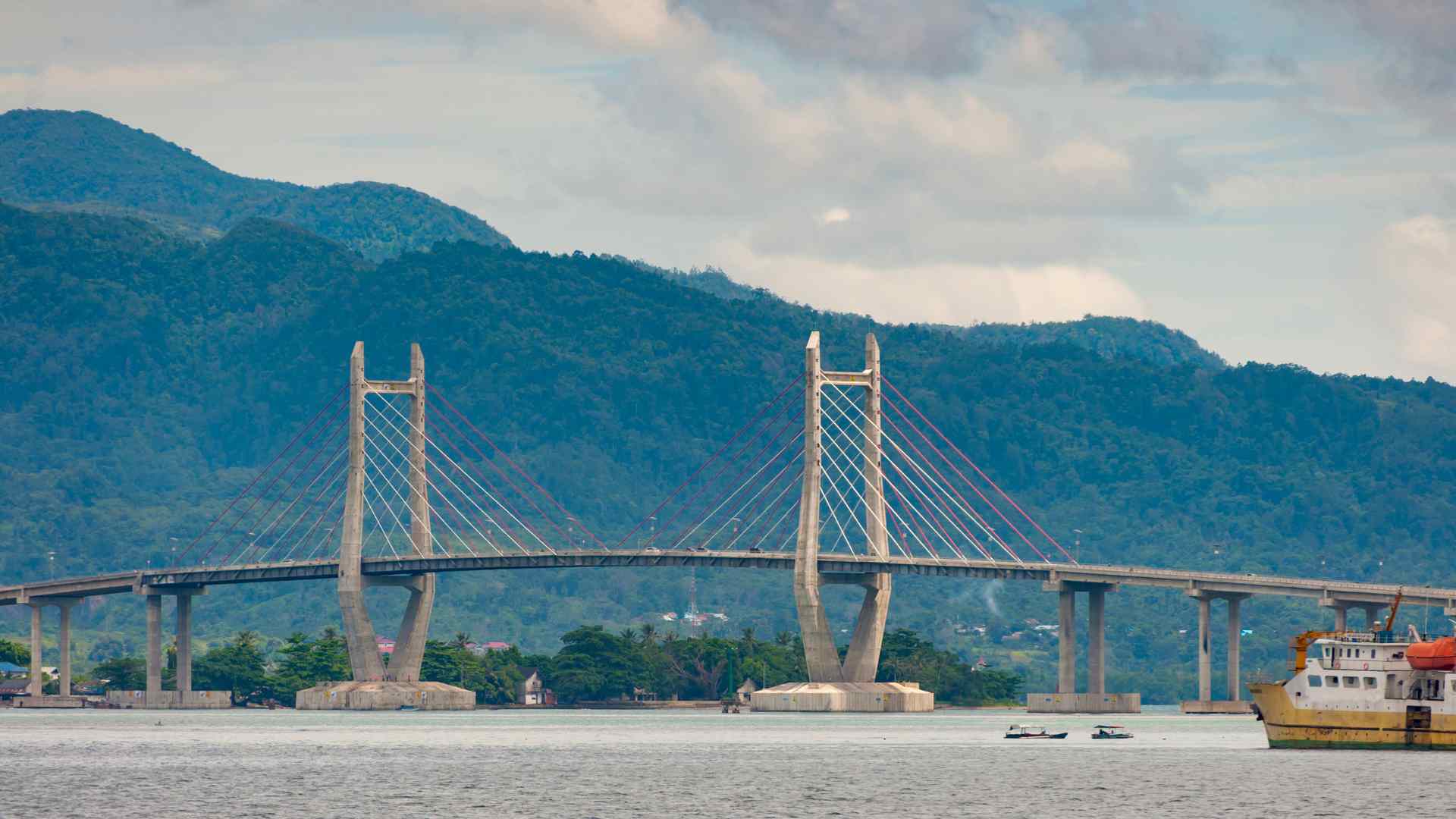
Ambon is part of that wider Spice Islands story, though the Banda Islands are more directly associated with historic nutmeg production. A good guide will distinguish Ambon, Lease Islands, and Banda rather than folding the entire province into one convenient legend.
At markets, look for cloves, nutmeg products, kenari nuts, sago foods, and local preparations whose availability changes. Buy packaged food that meets your home country’s import rules, and never assume that raw plant products may be carried back aboard or through customs.
If a tour includes a spice garden, ask who owns it and what grows there now. An honest contemporary farm visit is more interesting than a theatrical claim that every tree personally changed world history.
Food makes a better centerpiece than a checklist
Ambonese and wider Maluku cooking can feature fish, sago, cassava, spices, sambal, and kenari nuts. Papeda, a sago preparation often served with fish and broth, is a regional staple worth trying with guidance on how it is eaten.
Grilled fish and colo-colo, a fresh condiment commonly combining chilies, shallots, tomato, and citrus, make another approachable meal. Recipes vary by cook and island, which is a joy rather than a quality-control failure.
Choose a busy, established restaurant or a meal included by a reputable operator. Drink sealed or properly treated water, use normal food-hygiene judgment, and discuss allergies clearly because sauces and sambals may contain nuts, seafood, soy, or shrimp paste.
Indonesia uses the rupiah. Cards may work at larger businesses, but cash is useful for markets, small cafés, and local purchases, so obtain modest amounts from a reputable ATM or exchange source rather than carrying a dramatic bankroll.
Three port-day plans that respect the map
Ambon City and southern bay
Visit Museum Siwalima, the Commonwealth War Cemetery, the World Peace Gong area, and an established restaurant. Add a music or cultural stop arranged through a local operator if timing and community availability allow.
This plan gives the strongest historical and cultural overview with fewer long drives. Its downside is that it offers less beach time and may include city congestion, heat, and limited pedestrian comfort.
Natsepa and the eastern coast
Drive east early, stop at Natsepa for the shore and rujak, then add one verified historical or village visit before returning. Keep the route on one side of the island and set a firm turnaround time.
This is the more scenic, food-focused option. It depends on traffic and weather, while beach facilities and access may not match resort expectations.
A dedicated Hila and heritage excursion
Use a prearranged vehicle and guide for Fort Amsterdam and carefully selected nearby sites. Leave the port early, carry water, and return without adding the city museum unless the call is unusually long.
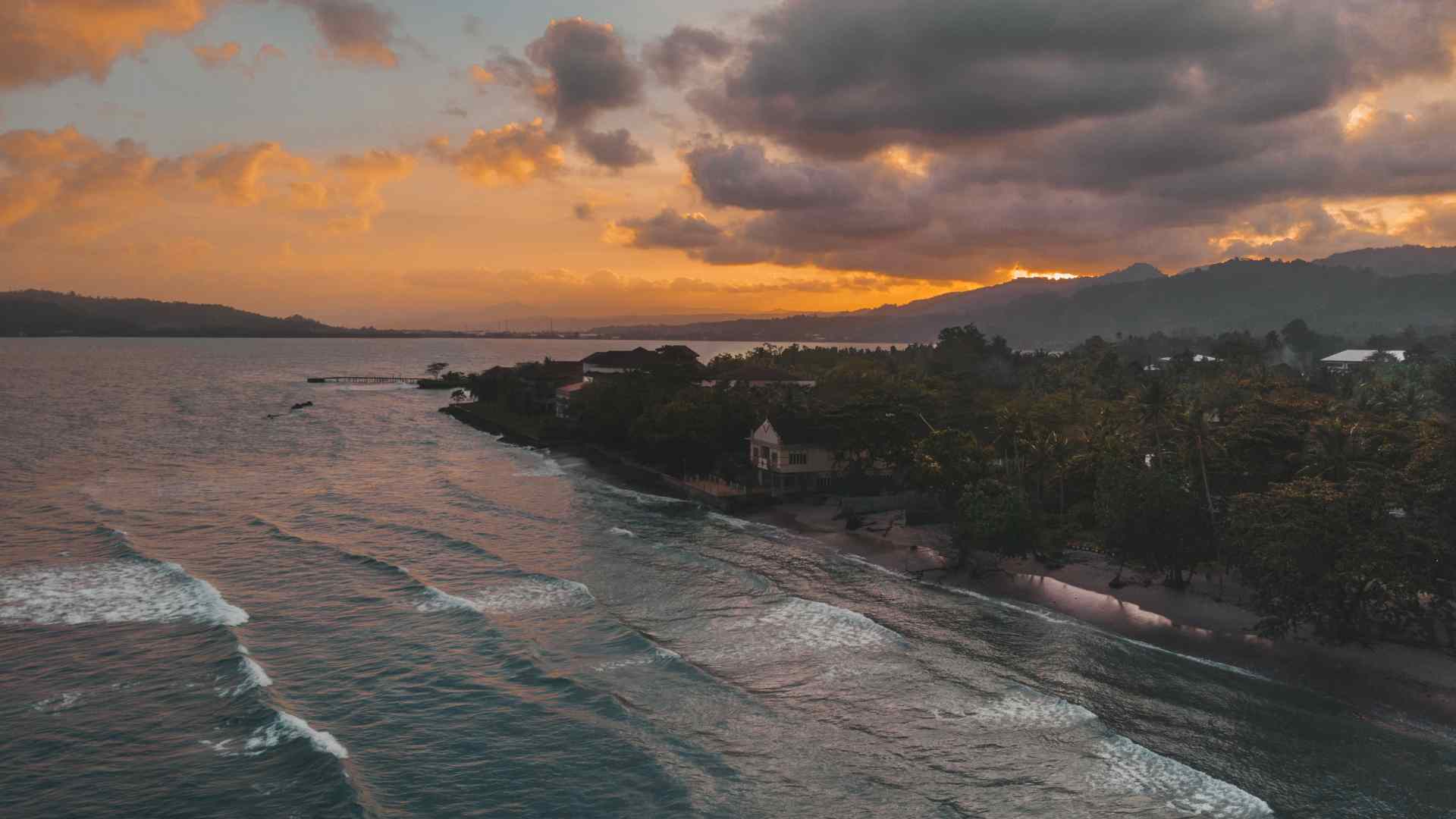
This route best serves travelers deeply interested in colonial and spice-trade history. It also has the longest road exposure and the greatest risk of the itinerary turning into one extended drive.
Beaches and snorkeling need local checks
Ambon Island has beaches and dive sites beyond Natsepa, including areas on the Leitimur Peninsula and outer coasts. Quality can be excellent, but access, currents, facilities, boat standards, and travel time differ sharply.
Book snorkeling or diving through a qualified operator that provides maintained equipment, a safety briefing, and a conservative return plan. Cruise travel insurance and medical fitness requirements may apply, especially for scuba diving.
Coral reefs are easily damaged. Do not stand on coral, feed wildlife, collect shells, or allow an anchor to be dropped onto a reef when choosing a small-boat provider.
Rain can reduce visibility and make roads or boat trips less predictable. A reputable operator should be willing to cancel rather than insist that a prepaid ocean has no weather.
Accessibility and comfort
Ambon can be challenging for wheelchair users and anyone who needs smooth, cool, step-free routes. Port transfers vary, sidewalks may be broken or obstructed, curbs can be high, and attractions may lack elevators or formal access information.
A private vehicle is often the most practical solution, but confirm step height, door width, air conditioning, seatbelts, and storage for mobility equipment before booking. “Car available” does not answer any of those questions.
The war cemetery has maintained grounds, though slopes and the route from vehicle to graves should be checked with the CWGC or tour provider. Museum Siwalima’s hilltop setting and internal access also require direct confirmation.
Tender operations add another barrier. Our tender-port explainer covers the routine, but the ship has final responsibility for deciding whether a transfer is safe under the day’s sea conditions.
Heat and humidity affect everyone, not only travelers with declared access needs. Carry water, use sun protection, schedule indoor or shaded breaks, and choose breathable modest clothing.
Weather, health, and personal safety
Ambon has a tropical climate with significant rainfall, and its wetter pattern differs from many Indonesian destinations farther west. Check a current forecast, but prepare for a shower even when an app displays a row of confident suns.
Consult an appropriate travel-health professional before the voyage about routine vaccines, mosquito-borne illness prevention, and personal medications. Use repellent, wear suitable clothing, and follow official destination and cruise-line health advice.
Traffic is a more immediate daily concern than dramatic crime narratives. Use seatbelts where provided, cross with local guidance, and avoid hiring an unverified motorcycle ride merely because it appears faster.
Respect local religious norms across Muslim and Christian communities. Dress modestly away from beaches, ask before photographing people, and be especially considerate during worship or community ceremonies.
What I would skip
I would skip trying to combine Hila, Natsepa, Museum Siwalima, and the city center. The result would be a tour of Ambon’s traffic patterns with brief educational interruptions.
I would also skip an unplanned independent beach hop. A known driver, current local advice, and one carefully selected shore are safer and more satisfying.
Finally, I would skip any tour that packages conflict, colonial violence, or village life as colorful scenery. Ambon’s history is complicated, and respectful context is part of getting the facts right.
The verdict
First-time visitors should choose the city, Museum Siwalima, war cemetery, and a good local meal for the clearest introduction. Travelers who prioritize water and a slower pace can choose Natsepa and one eastern heritage stop instead.
Whichever plan wins, hire locally, keep the route compact, and protect a serious return buffer. For more regional planning, see our Asia Pacific cruise-port archive and wheelchair-friendly cruise ports guide.
How this guide was researched: Unless a first-hand visit is explicitly identified above, this guide is based on independent research using official port, tourism, transit, government, and attraction sources where available. Logistics and time-sensitive details were reviewed September 11, 2026; see our Editorial Policy.