Taiwan Cruise Ports: A Planner’s Guide to Every Stop
Taiwan is one of those cruise destinations where the port decision changes the entire character of the day. Keelung connects you to Taipei, Kaohsiung offers an easy urban adventure in the south, and Hualien puts dramatic east-coast landscapes within reach when roads and parks are open.
The island’s excellent public transportation can make independent exploring feel wonderfully manageable. It can also encourage overplanning, so the smartest itinerary still begins with the exact berth, the ship’s all-aboard time, and one clear priority.
Quick Facts for Taiwan Cruise Ports
- Main cruise ports: Keelung, Kaohsiung, and Hualien.
- Other possible calls: Taichung, Penghu, Su’ao, Anping, and other ports on selected itineraries.
- Currency: New Taiwan dollar, abbreviated TWD or NT$.
- Language: Mandarin Chinese is widely used, with Traditional Chinese characters on signs.
- Best transit port: Keelung for direct conventional rail toward Taipei.
- Best easy city day: Kaohsiung, depending on the assigned berth.
- Most changeable excursion: Hualien nature trips, especially routes affected by earthquakes, landslides, typhoons, or park closures.
How to Choose a Taiwan Cruise Port
Choose Keelung if Taipei is your main goal or you want the greatest range of independent options. Rail links, local food, nearby coastal scenery, and the capital’s metro network let you build a day at several levels of ambition.
Choose Kaohsiung if you want an attractive city with harbor redevelopment, art, temples, food, and practical public transit. It is the port where I feel least pressure to book a long excursion.
Choose Hualien for east-coast scenery, Indigenous culture, and access to remarkable natural landscapes. It is also the port where current road and trail status matters most, so flexibility is essential.
A cruise map makes Taiwan look compact, but crossing cities or mountains can consume the call. Pick one geographic cluster and leave the island’s efficient transport enough time to work for you.
1. Keelung Cruise Port
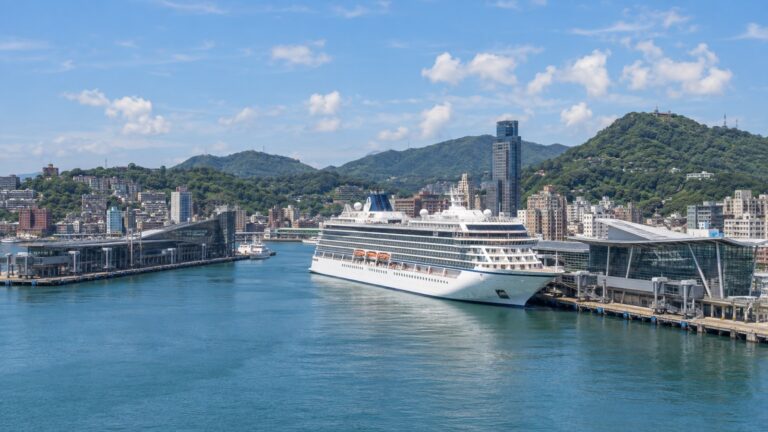
Keelung is Taiwan’s busiest cruise gateway and a port city with its own identity. The harbor reaches into the urban center, putting food, rail, buses, shops, and temples within practical reach of many cruise berths.
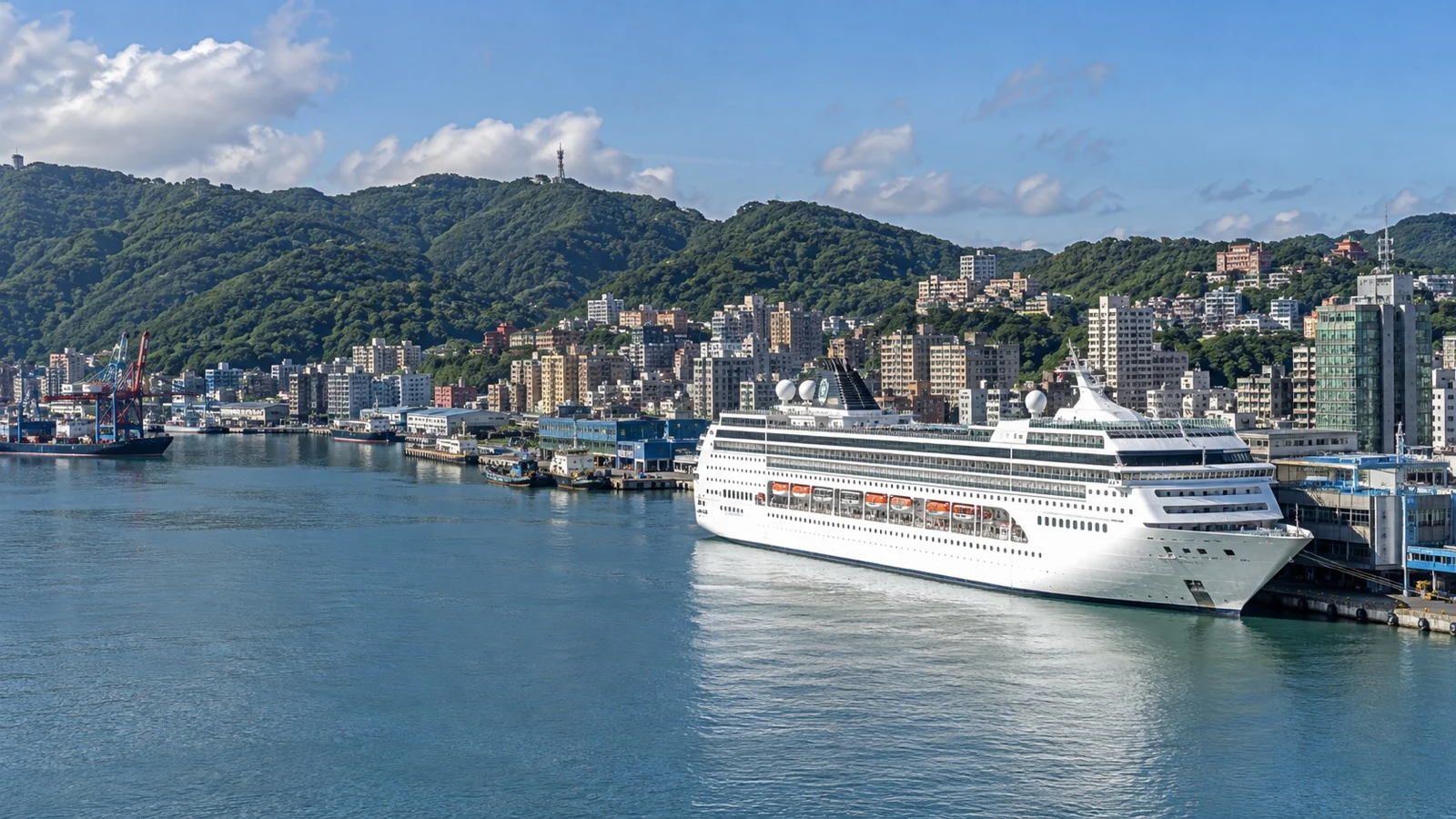
Your ship may use the east or west side of the harbor, and the walking route can differ. Follow the terminal instructions in the daily program rather than assuming every Keelung arrival opens onto the same street.
Keelung Station is the key for independent travel to Taipei on Taiwan Railway trains. This is conventional rail rather than the high-speed system, and journey times or stopping patterns should be checked on the official Taiwan Railway schedule for your date.
The city itself deserves consideration, especially on a shorter call. Miaokou Night Market’s food stalls and surrounding streets are active beyond evening hours, while temples, the harbor, and local viewpoints can fill an easy day.
Keelung weather is often wetter than travelers expect from a general Taiwan forecast. Bring a compact rain layer and shoes with grip even when Taipei appears dry on the same day.
Keelung to Taipei
Taipei is realistic from Keelung when the port call is long enough and you keep the plan compact. The train removes road-traffic uncertainty, while Taipei Metro makes the capital easy to navigate once you arrive.
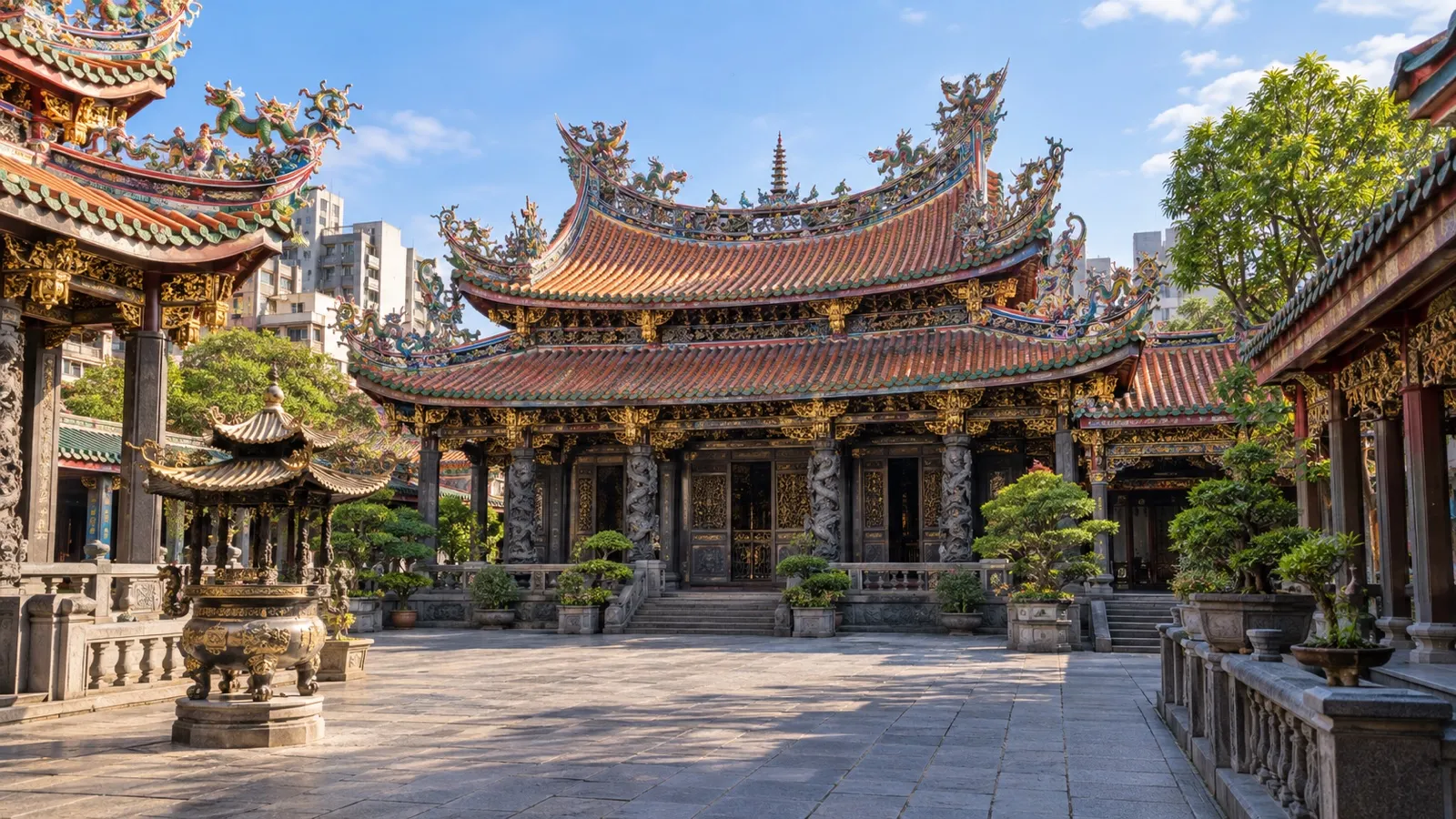
I would choose one anchor area, such as Taipei 101 and Xinyi, Longshan Temple and the older western districts, or the National Palace Museum with a preplanned transfer. Trying to connect all three wastes the advantage that public transport gives you.
Taipei 101 works well for skyline views, shopping, food, and a polished first look at the city. Timed admission and weather can affect the observatory experience, so book only when the cancellation terms fit a cruise call.
Longshan Temple and nearby historic streets offer a more layered urban day. Dress respectfully, keep out of worshippers’ way, and remember that the temple is an active religious place rather than a museum.
The National Palace Museum holds an extraordinary collection but sits outside the simplest central walking routes. Pair it with one nearby interest instead of adding it to an already crowded cross-city itinerary.
On the return, aim for a train that gives you at least one comfortable backup. Station navigation, platform changes, ticket lines, and the walk through the port all belong in your timing.
Coastal Excursions From Keelung
Taipei is not the only reason to choose Keelung. The northeast coast offers dramatic rock formations, fishing communities, mountain towns, and sea views that feel very different from the capital.
Yehliu Geopark is a popular excursion, with wind and waves shaping unusual coastal rock. Stay within marked areas because surfaces can be slippery and the sea is not a backdrop to ignore.
Jiufen’s lanes, hillside views, teahouses, and former mining history create a memorable visit. Crowds, stairs, rain, and road traffic can make the village less effortless than photographs suggest.
A combined Jiufen and Yehliu day is possible through an organized route, but it involves road travel and careful sequencing. I would not add central Taipei unless the ship offers an unusually long call.
Keelung’s own coast and harbor viewpoints provide a calmer alternative. A local driver can build a half-day route that finishes with food near the ship instead of sending you toward the capital.
2. Kaohsiung Cruise Port
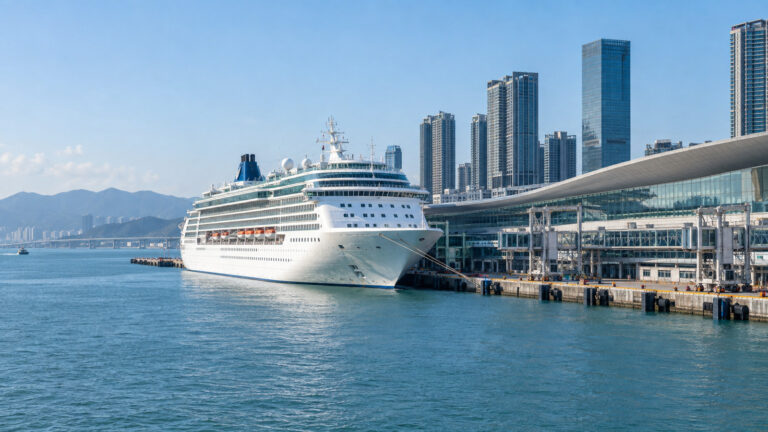
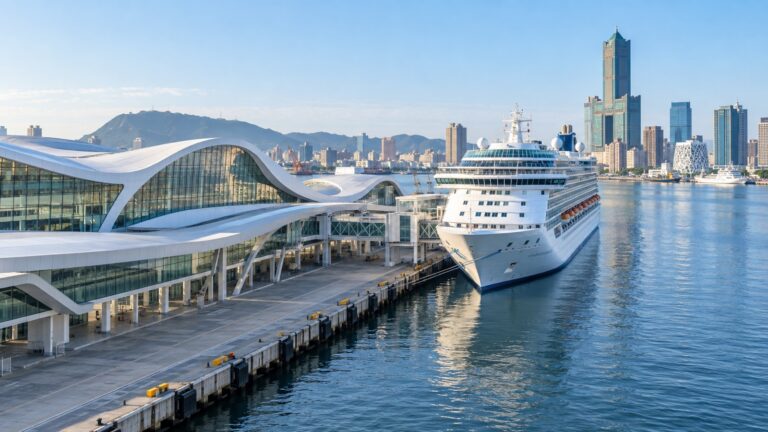
Kaohsiung is Taiwan’s great southern port city, and its waterfront has become a destination rather than merely an industrial edge. The exact berth still matters because the harbor is large, but many cruise visitors can connect efficiently to light rail, metro, taxis, and harbor attractions.
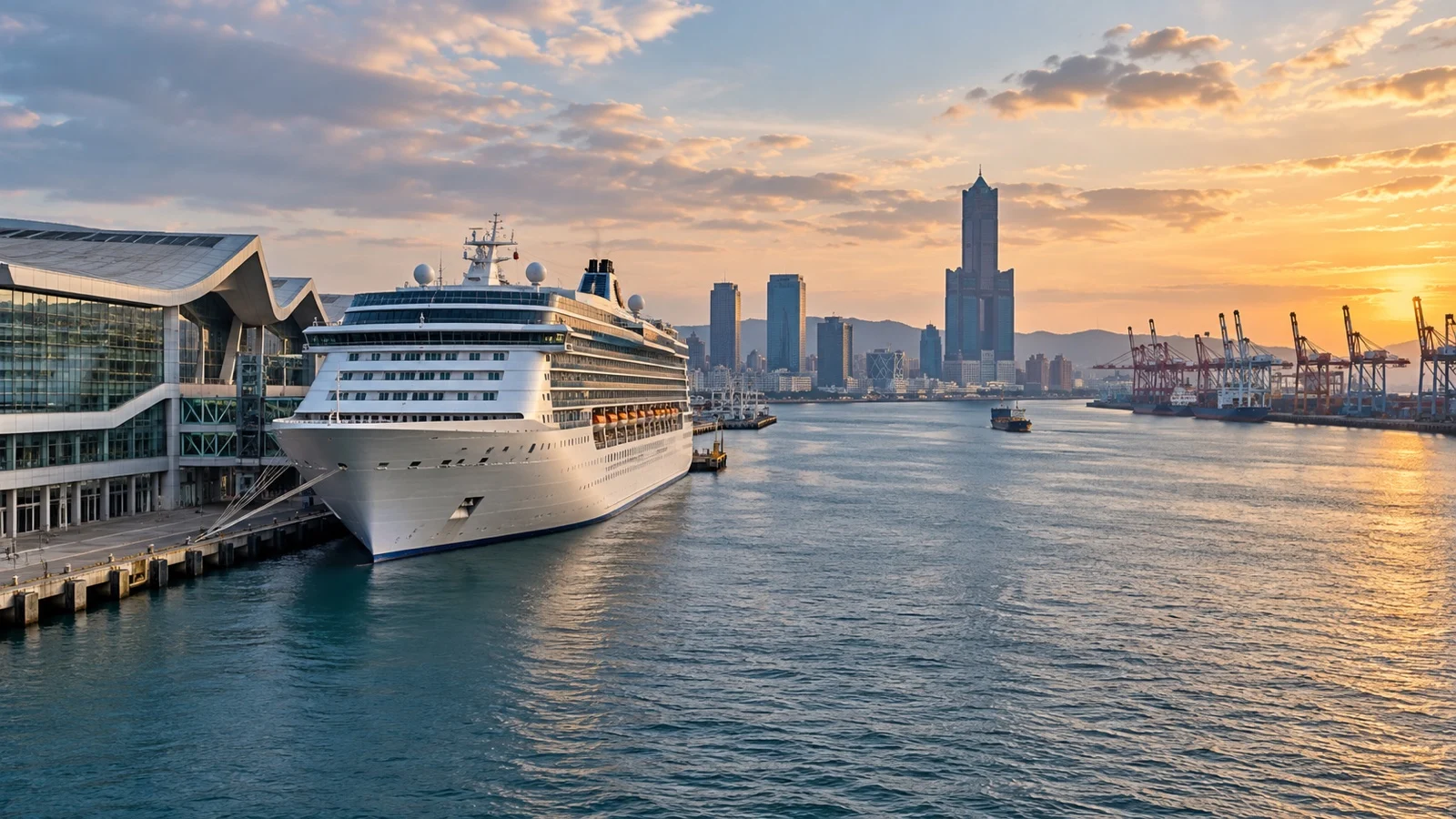
The Pier-2 Art Center is an easy anchor for a creative urban day, with former warehouses, installations, open spaces, and nearby transit. Check current exhibitions rather than assuming a particular artwork or venue will be operating.
The harbor area also links well with waterfront promenades, contemporary architecture, and ferry routes. A relaxed day can combine Pier-2, a local lunch, and the short ferry toward Cijin without feeling underplanned.
Cijin offers seafood, a beach, lighthouse and fort areas, and a different perspective across the harbor. Allow time for the ferry line and return, especially if weather or weekend crowds slow boarding.
Kaohsiung is warmer and often sunnier than Keelung, but heat can make exposed waterfront walking tiring. Build indoor stops and carry water rather than scheduling a full day on pavement.
Temples and Culture in Kaohsiung
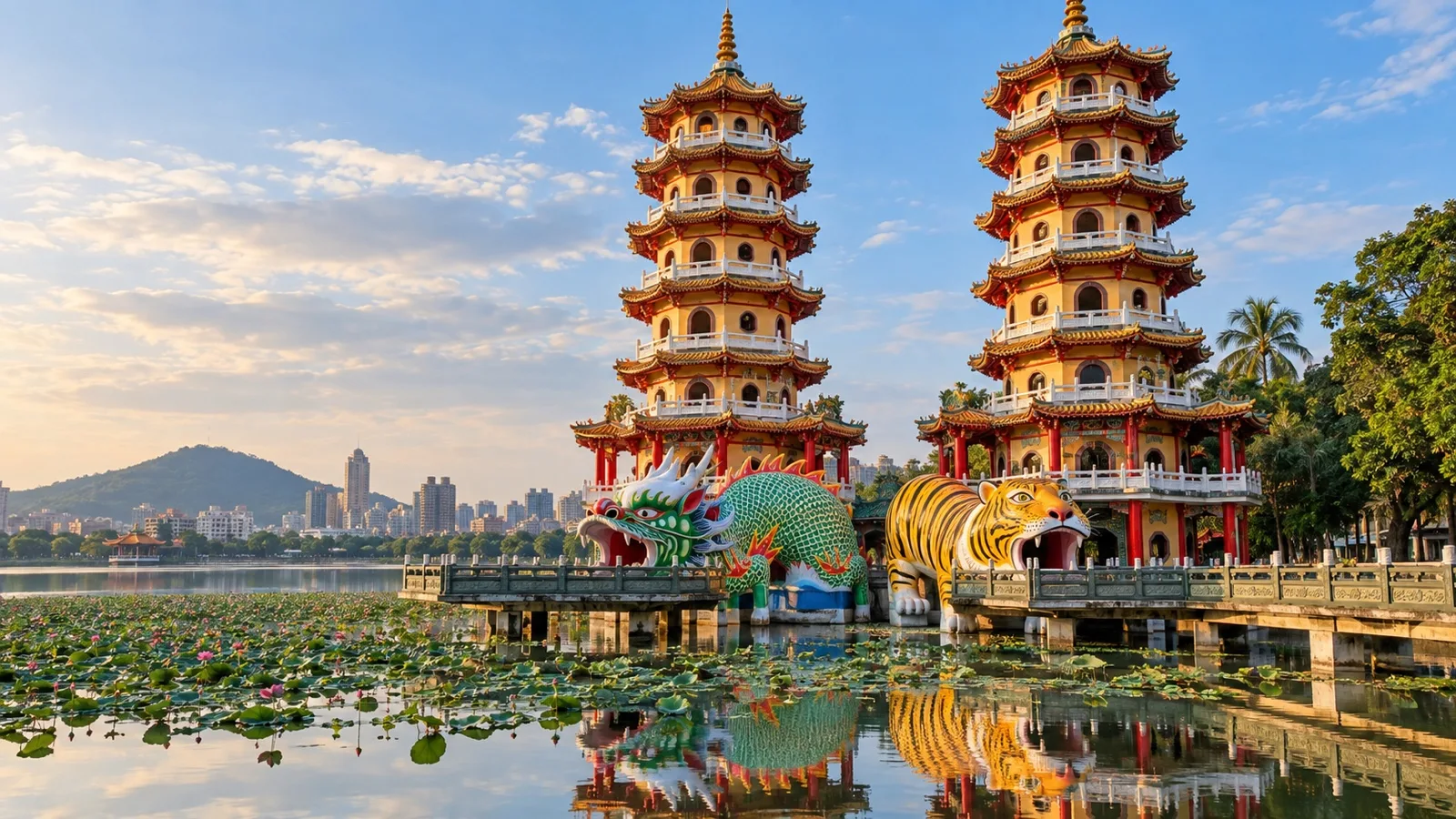
The Lotus Pond area is known for temples and large decorative structures, although individual features may close for restoration. Confirm current access and treat the district as an active religious landscape, not only a photo set.
Fo Guang Shan is a major Buddhist complex outside central Kaohsiung. It can be an excellent excursion, but travel time, dress, site etiquette, and the large amount of walking deserve attention.
For a closer cultural day, combine a city temple, a traditional market, and a food stop with the harbor. Kaohsiung’s appeal comes from how contemporary public spaces and everyday local life sit beside one another.
Night markets are famous across Taiwan, but most cruise calls end before the main evening atmosphere. Do not build a daytime plan around a market whose full operation begins after your ship departs.
Getting Around Kaohsiung
Kaohsiung Metro and the circular light rail make many visitor districts accessible. The cruise terminal or berth may not connect to each system in the same way, so check the final port shuttle and nearest operating station.
A stored-value transit card can simplify fares if you already have one or can purchase it easily. For a single short day, ordinary tickets may be just as practical and avoid leaving unused value.
Taxis are useful for temples, hot weather, or a group dividing the fare. Keep the destination in Traditional Chinese on your phone and confirm that the driver understands the port entrance for your return.
3. Hualien Cruise Port
Hualien is the gateway to Taiwan’s spectacular east, where mountains rise close to the Pacific. Cruise ships use a working harbor, and passengers may need a shuttle or controlled transfer before reaching the city or meeting a guide.
The city offers markets, food, cultural sites, and a slower alternative to a full-day nature excursion. It is a valuable fallback when mountain roads or park areas are unavailable.
Hualien County is home to Indigenous communities with distinct languages, traditions, and contemporary lives. Choose experiences led by or genuinely benefiting the community, and avoid tours that present living cultures as costumes.
Taroko National Park and Current Access
Taroko is one of Taiwan’s most famous landscapes, known for steep marble walls, river scenery, tunnels, and mountain terrain. Earthquakes, rockfall, landslides, typhoons, and repair work can close roads or trails with little relevance to an old guidebook.
Check the official Taroko National Park notices and highway information close to arrival. A tour title that says Taroko may refer to an accessible outer area, a viewpoint, or a substitute route rather than the classic gorge itinerary remembered from earlier years.
Never enter a closed trail or cross a barrier for a photograph. Rockfall risk is real, and closures protect visitors as well as crews working in unstable terrain.
A cruise excursion offers the clearest coordination when access changes. Independent visitors should use a reputable Hualien guide who explains the current route honestly and has a meaningful alternative.
Hualien Alternatives When Taroko Is Limited
The east coast still offers rewarding scenery when the gorge is not available. Coastal viewpoints, the Qixingtan area, cultural visits, local food, and carefully selected drives can produce a strong day without pretending they are identical substitutes.
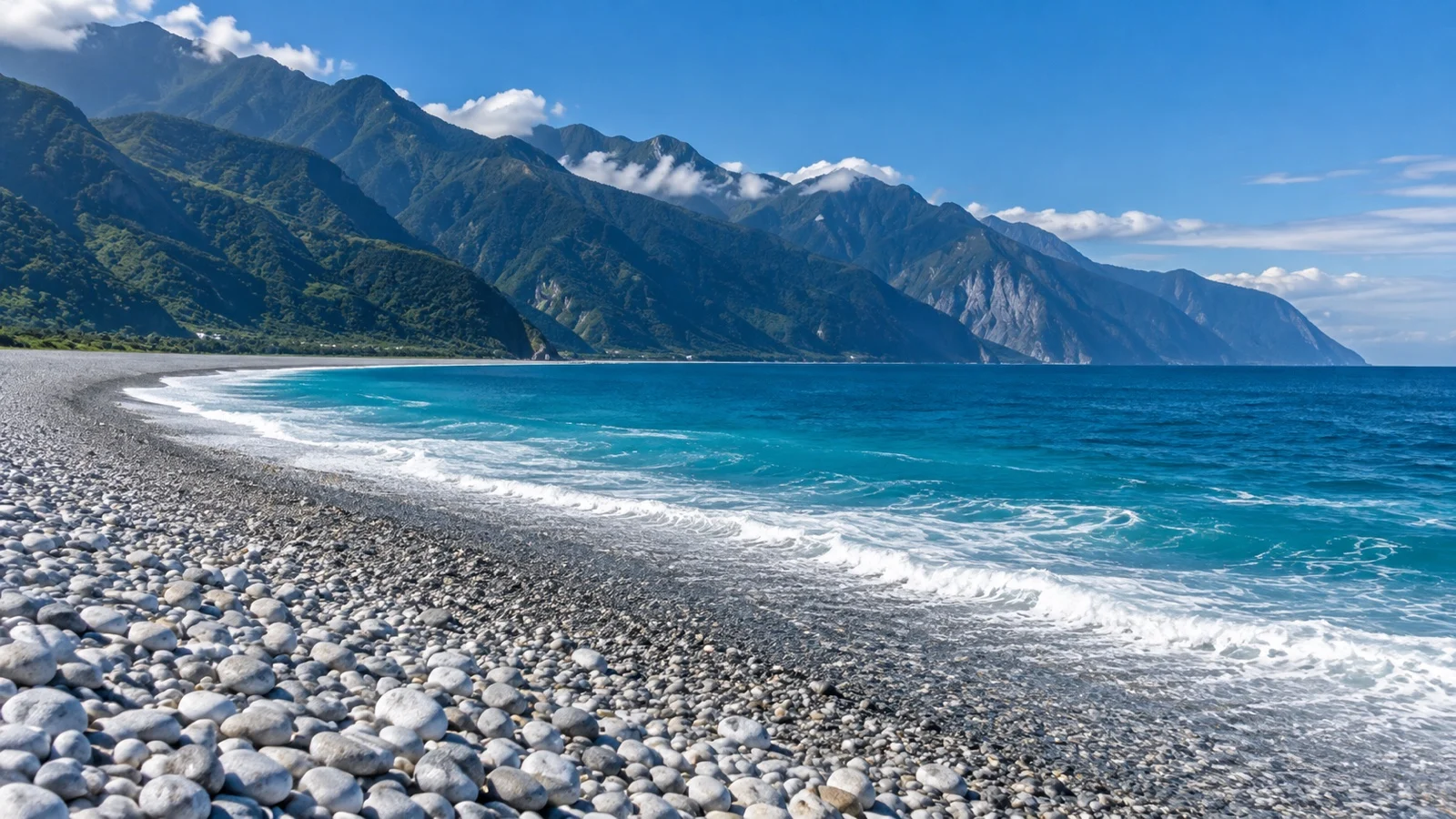
Qixingtan is known for a broad pebble shore and mountain-backed Pacific views. The water can be powerful, so stay well back from waves and follow local warnings rather than treating it as a casual swimming beach.
A city-focused day can include Hualien’s food culture, markets when open, and regional craft or cultural stops. It also keeps you close to the ship when weather threatens the mountain roads.
Longer east-coast drives need the same caution as Taroko. Curving roads, repair work, and landslide precautions can change travel times, so let the guide set a conservative turnaround.
Other Taiwan Cruise Calls
Taiwan International Ports Corporation manages a network that includes Keelung, Taichung, Kaohsiung, Hualien, Taipei Port, Su’ao, Anping, Budai, and Penghu facilities. Not every port appears regularly on mainstream cruises, and the exact berth determines what is practical.
Taichung is a commercial port outside the central city, often requiring organized transport. Possible excursions include city culture, wetlands, temples, or longer routes, but the industrial port procedure should be confirmed first.
Penghu calls bring island scenery, basalt landscapes, villages, and marine conditions into focus. Tender or local transport details can be especially weather-sensitive, and facilities are smaller than in Taiwan’s major cities.
Anping can serve Tainan’s temples, historic streets, and food culture, while Su’ao opens a door to northeastern scenery. Treat these less common calls as distinct ports and research the exact terminal instead of applying advice written for Keelung.
Docking, Tenders, and Port Security
Many Taiwan cruise calls dock, but vessel size, berth availability, weather, and port operations control the final arrangement. A harbor may be central while the assigned berth is still inside a secure industrial zone.
Use the ship shuttle when it is required, and do not assume private vehicles can meet beside the gangway. Give your guide the berth or terminal details as soon as the ship publishes them.
Keep a screenshot of the port-agent contact and all-aboard time. Write the ship name and port in Chinese as an extra safeguard if you are traveling independently.
Trains, Metro, and Ticket Strategy
Taiwan Railway serves conventional routes, including the Keelung connection and east-coast services. Taiwan High Speed Rail uses separate stations and corridors, so a route that includes both systems may require a transfer.
Use official railway and metro journey planners because timetables, platform assignments, and service patterns change. Allow time to find the correct station entrance rather than treating a navigation app’s arrival time as the gangway deadline.
Reserved seats can matter on longer intercity trains, particularly on busy dates. For a cruise day, choose a return with backup options and avoid a final service that leaves no recovery margin.
Transit signs often include English, and station staff are accustomed to helping visitors. A screenshot of your destination in Traditional Chinese still makes ticket questions and taxi transfers much easier.
Food and Market Planning
Taiwan is an outstanding cruise destination for travelers who plan through food. Keelung seafood and snacks, Taipei dumplings and regional dishes, Kaohsiung’s southern flavors, and Hualien specialties can anchor a day without a formal sightseeing marathon.
Busy stalls may expect quick ordering, while food halls and established restaurants offer a calmer introduction. Carry tissues, watch how payment works, and be considerate when photographing vendors.
Dietary restrictions can be harder to explain than the dish name itself. Save a clear written translation that specifies ingredients you cannot eat, including sauces, broths, and cross-contact concerns.
Tap water practices differ from what some visitors expect, so follow current local guidance and use sealed or properly filtered drinking water. Hot weather makes hydration important even on urban days.
Weather, Typhoons, and What to Wear
Taiwan’s weather varies from the rainy north to the warmer south and the exposed east coast. Check the Central Weather Administration for the actual port, not just a countrywide forecast.
Typhoons can affect ports, trains, roads, parks, and flights across a wide area. Cruise lines may change an itinerary before severe weather arrives, and official closures should never be treated as suggestions.
Pack a compact umbrella or rain layer, sun protection, water, and shoes with wet-surface grip. Temple visits call for respectful clothing, while mountain routes may feel cooler than the harbor.
Earthquake awareness is part of travel in Taiwan. Follow local alerts and crew instructions, stay away from damaged areas, and expect transport or park access to pause for inspection after a significant event.
Money, Connectivity, and Practical Details
The New Taiwan dollar is essential for small food stalls, traditional markets, and some local transport. Cards are common in larger businesses, but cash remains useful enough that I would withdraw or exchange a modest amount.
Convenience stores are excellent practical stops for drinks, simple food, ATMs, and everyday supplies. Check your card’s international fees and decline unnecessary conversion offers when the terminal gives you a choice.
Public Wi-Fi exists in many areas, but mobile data makes independent navigation much easier. Download maps and translation tools before going ashore in case service is weak inside a terminal or mountain area.
Entry Rules and Cruise Documents
Taiwan entry requirements depend on nationality, passport, voyage, and current policy. Your cruise line may coordinate arrival formalities, but each passenger remains responsible for having the correct documentation.
Use Taiwan’s National Immigration Agency and your cruise line for current visa, arrival-card, and passport guidance. Avoid third-party websites that resemble official services while charging unnecessary processing fees.
Follow the ship’s instruction about whether to carry your original passport ashore. A cruise card and photo identification may be sufficient on one itinerary and not on another.
Accessibility and Mixed-Age Groups
Keelung and Kaohsiung offer the strongest public-transit options, but station elevators, platform gaps, terminal routes, and crowded sidewalks still deserve advance review. A private accessible vehicle should be reserved early because supply can be limited.
Hualien nature routes may include uneven ground, steps, tunnels, changing road access, and long periods in a vehicle. Ask for the exact route rather than accepting a general label such as scenic tour.
Families and multigenerational groups often do best with one major sight and a food stop. Taiwan’s cities provide enough cafés, malls, museums, and transit alternatives to adjust when someone needs a slower pace.
Strollers can be awkward in markets, temple steps, and packed trains. A compact foldable model is easier, while a carrier may work better for short periods if heat is managed carefully.
How I Would Plan Each Main Port
From Keelung, I would take the train to one Taipei district and return early for food in Keelung. If rain or crowds make the capital unattractive, I would switch to a local city and coast day.
In Kaohsiung, I would combine Pier-2, the waterfront, and either Cijin or one temple area. The city’s transit makes that feel full without requiring an all-day bus.
In Hualien, I would book a current, flexible nature excursion with a guide who monitors road and park notices. If Taroko access is limited, I would choose the coast and local culture without treating the day as a disappointment.
Frequently Asked Questions
Which Taiwan cruise port is best for a first visit?
Keelung offers the broadest first-time choice because you can visit Taipei, explore the northeast coast, or stay local. Kaohsiung is the easiest choice for a self-contained city day.
Can I take the train from Keelung to Taipei?
Yes, Taiwan Railway connects Keelung with Taipei. Check the official schedule and leave a backup return because the station platform is not the same as being back aboard.
Is Taroko Gorge open?
Access changes as roads and trails are inspected or repaired after natural events. Check the official national park and highway notices shortly before arrival, then follow every closure on the day.
Do I need a ship excursion?
Not necessarily in Keelung or central Kaohsiung, where public transit supports independent visits. A ship or carefully vetted local excursion is wiser for Taroko, distant coastal routes, or any plan with few backup connections.
Is English widely available?
English appears on much public transport and major visitor signage. Translation tools and a destination written in Traditional Chinese are still helpful with taxis, small restaurants, and local markets.
What is the biggest planning mistake?
Trying to combine Taipei’s major districts, a museum, and the northeast coast in one Keelung call creates unnecessary stress. The same rule applies elsewhere: one geographic cluster beats a long list.
Final Verdict
Taiwan works beautifully by cruise because each port reveals a different face of the island. Keelung gives you range, Kaohsiung gives you an easy urban rhythm, and Hualien gives you nature with a necessary dose of humility.
Use the official transport tools, check live road and park conditions, and return with a backup connection intact. That simple discipline leaves more time for the food, temples, coastlines, and generous everyday moments that make Taiwan memorable.
This guide was researched using current information from Taiwan International Ports Corporation, Taiwan Tourism Administration, Taiwan Railway Corporation, Taipei and Kaohsiung transit authorities, Taroko National Park, the Central Weather Administration, and the National Immigration Agency. Berths, transport, trail access, entry rules, and weather procedures can change, so verify the final details with your cruise line and the responsible official agency.