Egypt Cruise Ports: A Planner’s Guide to Every Stop
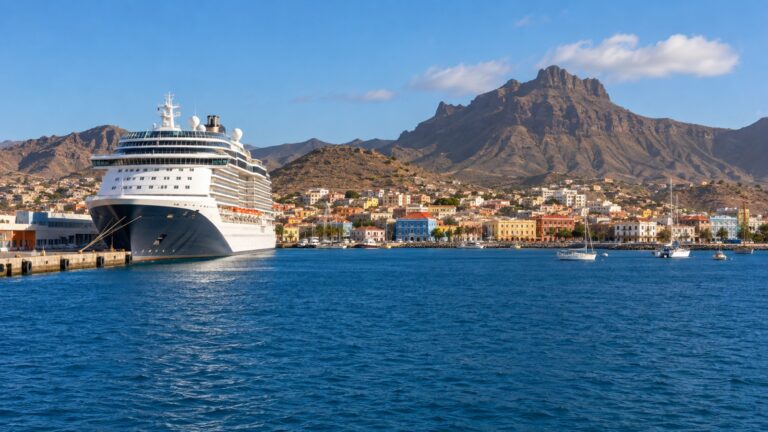
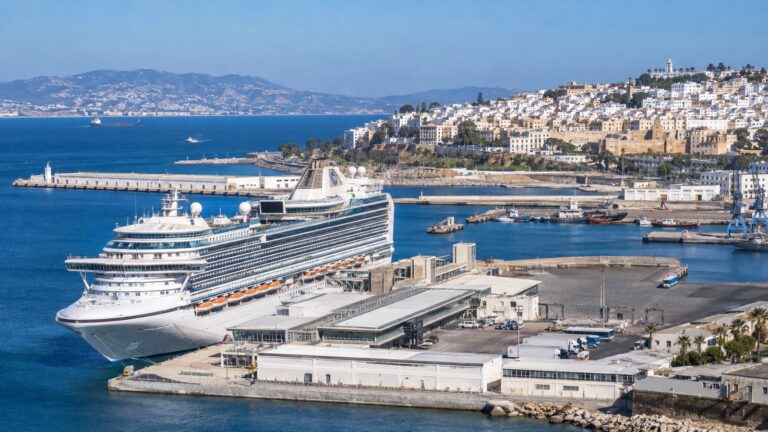
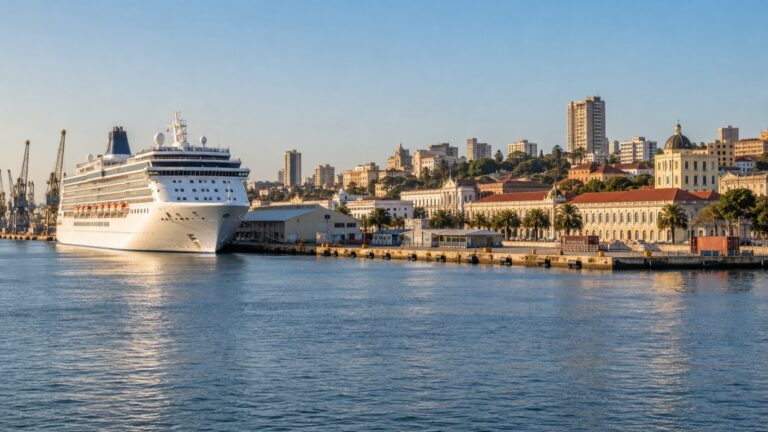
Egypt cruise ports can mean three entirely different journeys. Alexandria is a Mediterranean city day, Ain Sokhna is a Red Sea gateway for Cairo and Giza, and Aswan belongs to the slower rhythm of a Nile cruise.
The monuments may be timeless, but the logistics are not. Port security, road distance, heat, ticketing, river moorings, and the exact ship schedule decide what can fit comfortably into a day.
Quick Facts
- Best self-contained seaport: Alexandria offers history, museums, the corniche, catacombs, a citadel, and excellent city context without a cross-country transfer.
- Best pyramids gateway: Ain Sokhna can reach Cairo and Giza, but the long road day needs protected transportation and a generous return margin.
- Best Nile experience: Aswan combines Philae, Nubian culture, river scenery, and optional longer trips toward Abu Simbel.
- Best season for comfort: Cooler months generally suit archaeological touring better than intense summer heat.
- Official visa path: Use Egypt’s government eVisa portal only when the cruise line says an independent application is required.
- Essential strategy: Choose one anchor experience and plan the return before filling in smaller attractions.
Three ports, three different kinds of cruise
Alexandria and Ain Sokhna appear on ocean itineraries, often as part of a Mediterranean, Red Sea, or Suez Canal route. Aswan is a river-cruise destination with smaller vessels, changing moorings, and a touring program that may already be included in the fare.
Do not compare them as though they offer interchangeable days. Alexandria rewards staying local, Ain Sokhna asks whether Giza is worth a long transfer, and Aswan invites a sequence of river, temple, and Nubian experiences.
The official Experience Egypt site covers the Nile, Red Sea, Mediterranean, archaeological sites, museums, entry information, and practical travel guidance. The cruise line’s final documents still control your berth, clearance, convoy or security arrangements, and all-aboard time.
Alexandria
Alexandria is the strongest Egyptian port for a complete city day. Its Mediterranean identity, layered Greek and Roman history, Islamic architecture, modern cultural institutions, and sweeping corniche provide far more than a waiting room for Cairo.
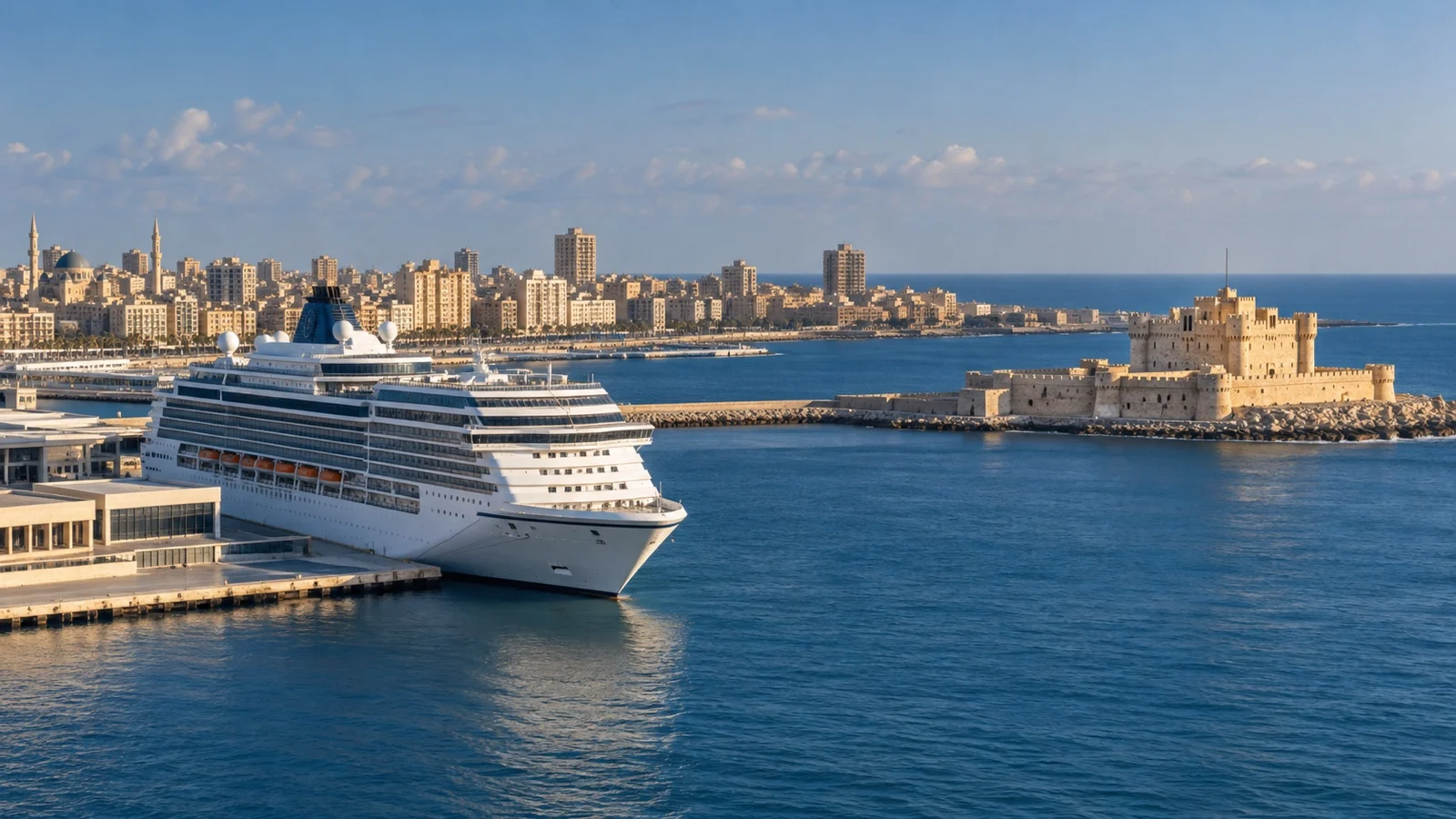
The Bibliotheca Alexandrina is my favorite anchor because it combines striking modern architecture with museums, exhibitions, and a direct connection to the city’s intellectual story. Check the official schedule before arrival because hours differ by day and Friday closures are common.
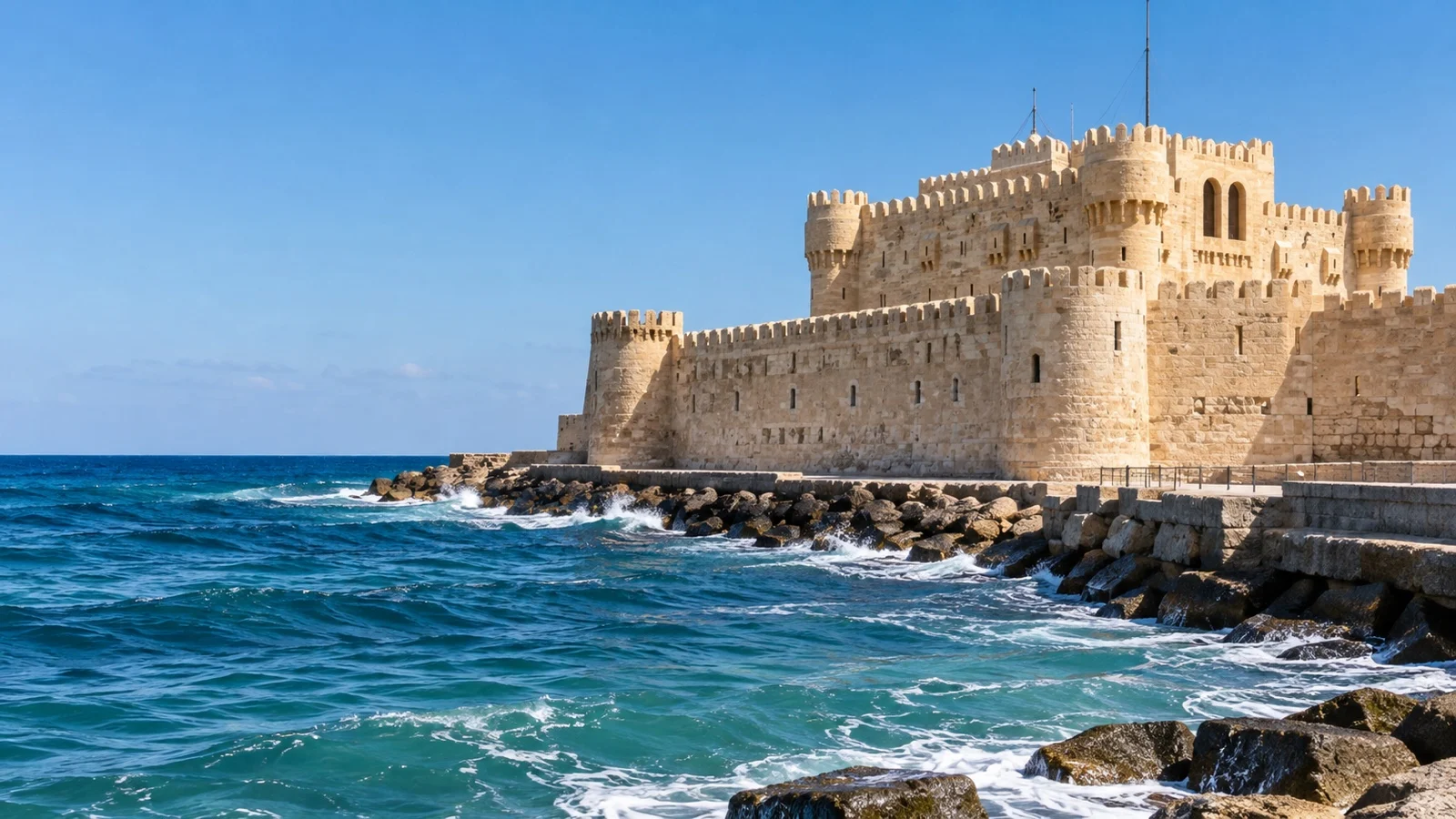
Qaitbay Citadel stands near the site associated with the ancient Pharos lighthouse and pairs naturally with a corniche drive. Uneven stone, stairs, exposed areas, and crowds can make the visit more demanding than the waterfront setting suggests.
The Catacombs of Kom el Shoqafa reveal Alexandria’s blended cultural history underground. They involve significant stairs, enclosed spaces, and uneven surfaces, so travelers with mobility or claustrophobia concerns should verify the current visitor route.
A guide adds valuable context at the archaeological sites and can connect them efficiently. Independent travelers can still build a satisfying day around the library, corniche, and one historic site with a trusted driver.
Cairo is possible from Alexandria only on a suitably long call, but it creates a major road commitment. I would stay in Alexandria unless the itinerary offers an overnight or Giza is the single nonnegotiable reason for booking.
Ain Sokhna
Ain Sokhna is a Red Sea industrial and resort-area port whose biggest draw lies inland. Many passengers use it as a gateway to Giza, Cairo museums, and the pyramids, while others choose a much simpler beach or resort day.
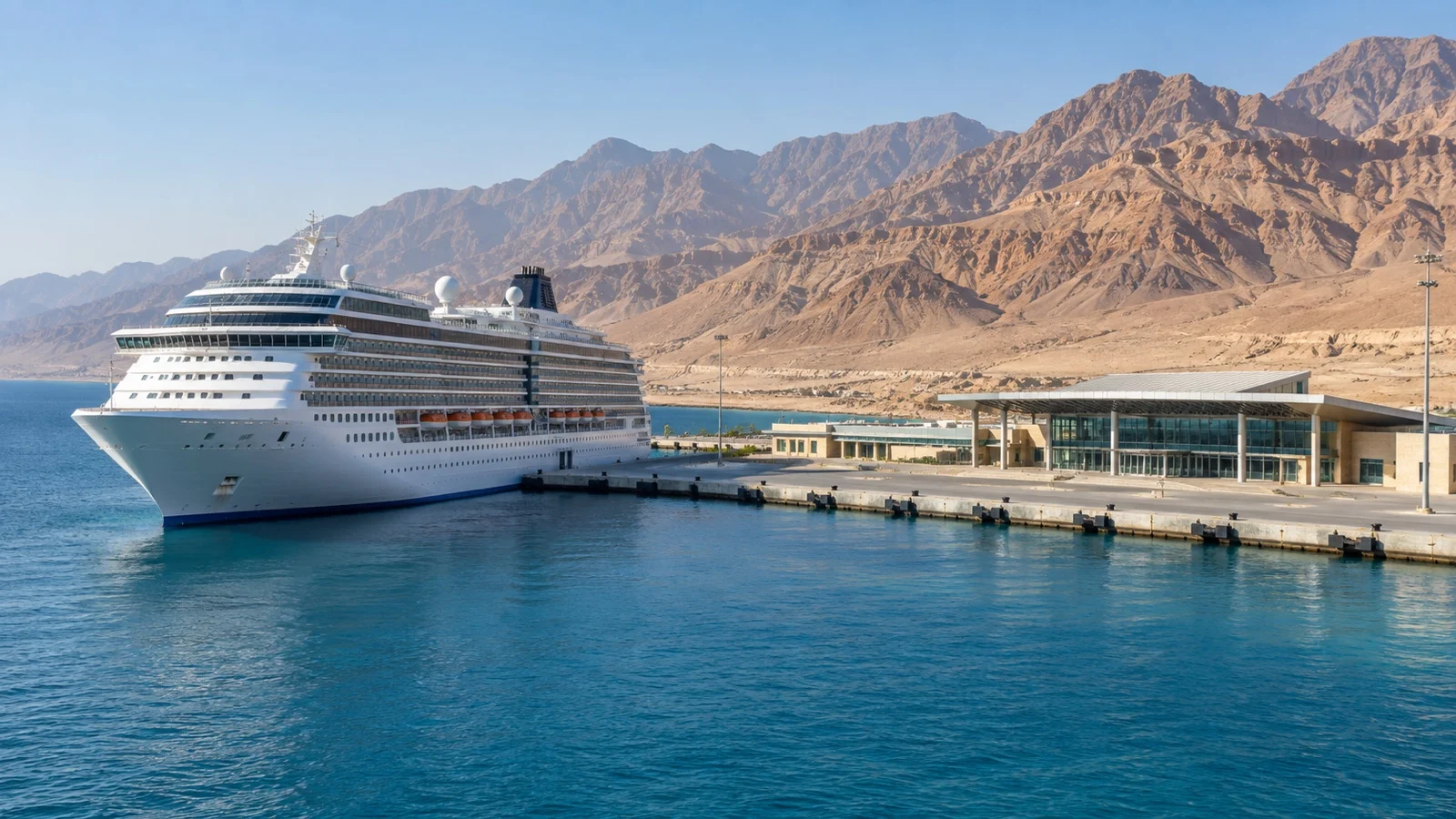
The road journey to Giza is long enough that a breakdown, traffic event, security delay, or slow attraction entry can remove the return cushion. A ship excursion or established cruise operator is the sensible choice because the transport chain matters as much as the guide.
The pyramid fields from Giza to Dahshur form part of the UNESCO World Heritage property of Memphis and its Necropolis. Treat the Giza plateau and one major museum as the whole excursion rather than trying to add a complete Cairo city tour.
Ticketing, security screening, vehicle access, and opening details can change. Use Egypt’s official tourism and monument-ticket channels or the operator’s confirmed arrangement instead of buying through an unofficial reseller.
A beach or resort day near Ain Sokhna is dramatically easier and can be exactly right after several intense port calls. Confirm day-use access, transportation, and what facilities are included before leaving the ship.
The Red Sea coast brings strong sun even when a breeze makes the temperature feel manageable. Shade, water, and sun protection belong in both the beach bag and the pyramids daypack.
Aswan
Aswan belongs to a Nile journey rather than a conventional ocean port call. River ships use different moorings, and transfers may begin directly from the vessel or from a bus meeting point arranged by the cruise operator.
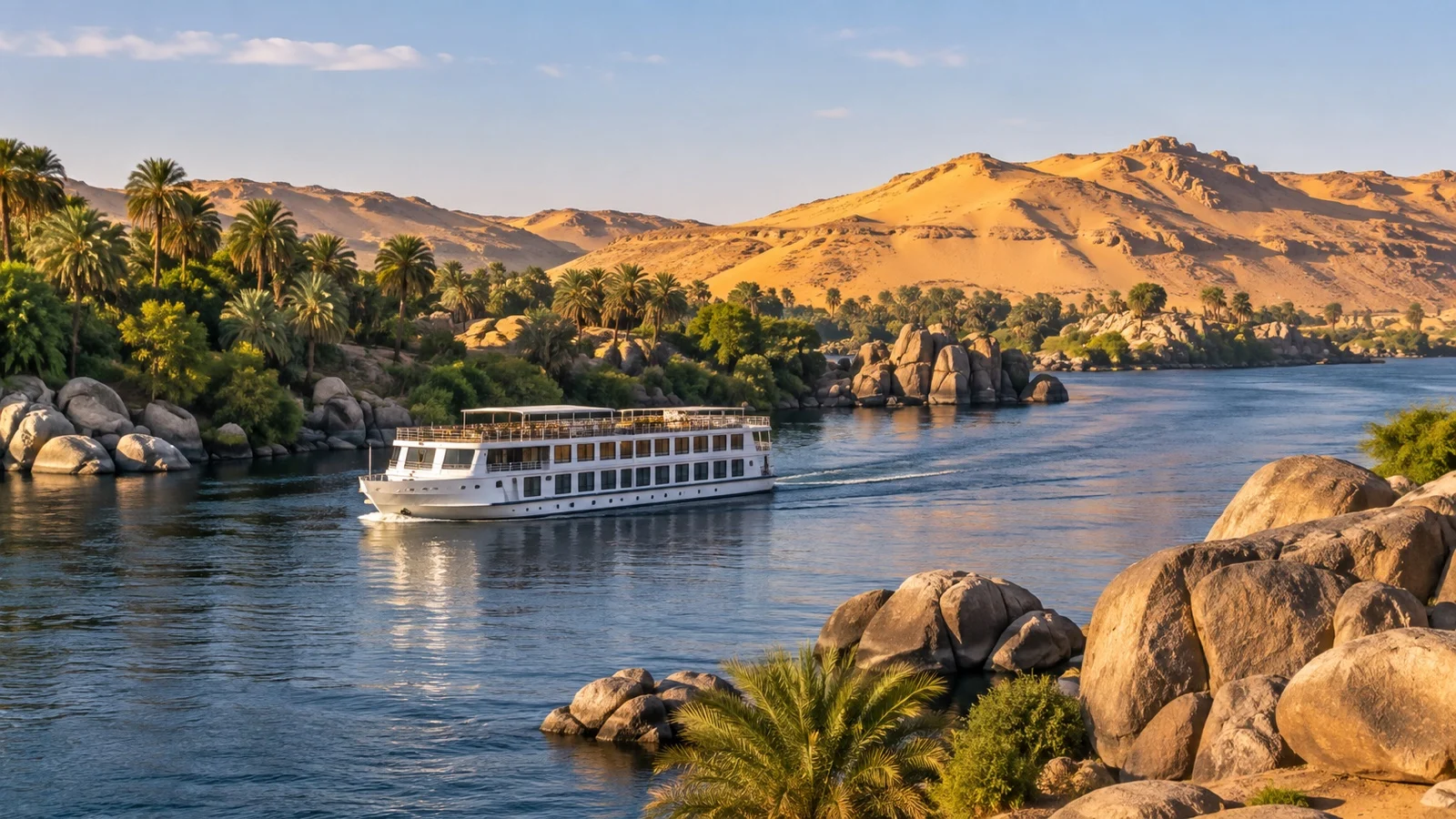
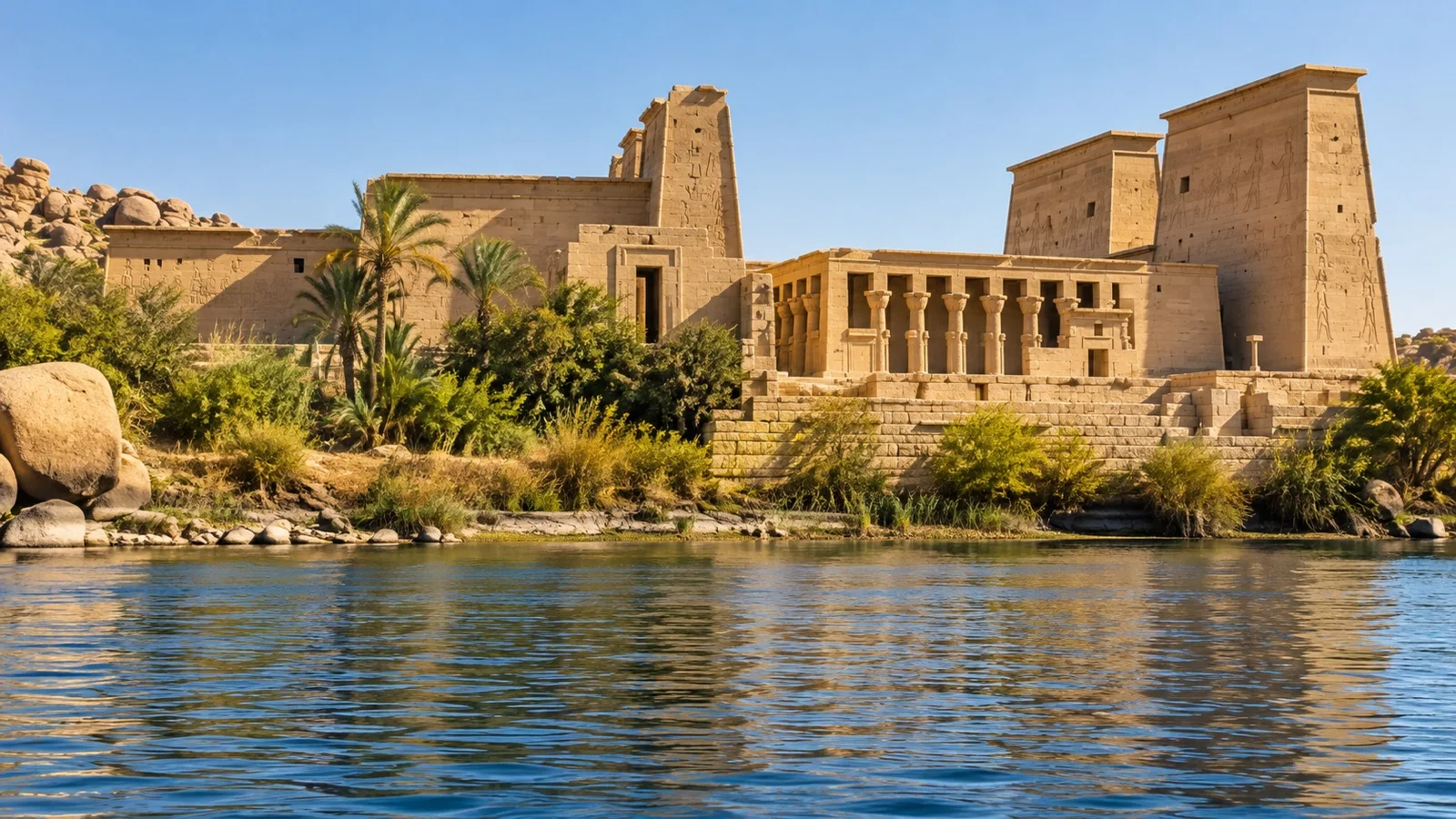
Philae is the essential first visit for many travelers. The temple complex sits on Agilkia Island, so the excursion combines a road transfer with a small motorboat and walking across exposed stone.
UNESCO’s Nubian Monuments from Abu Simbel to Philae World Heritage property recognizes the extraordinary sites of this southern region. Philae’s relocation also tells a compelling modern conservation story alongside the ancient one.
Aswan’s Nubian Museum, river islands, markets, felucca rides, and cultural experiences can build a rich day without leaving the city area. Choose hosts and guides who present Nubian culture as living culture rather than decoration.
Abu Simbel is a major standalone trip by road or air and should never be treated as a nearby add-on. An early start, ticket coordination, security procedures, and the return to the ship need to be protected from the beginning.
The High Dam is often included in a standard circuit, but it makes most sense when connected to the story of the Nile and the monument rescue campaign. A quick photo stop without context can feel flatter than the view deserves.
Entry documents and the official eVisa portal
Egyptian visa requirements depend on nationality, passport, entry point, and the cruise line’s clearance process. Some passengers may be covered by a group arrangement, while others must obtain permission before embarkation.
Use the official Egypt eVisa portal only if the cruise line or an Egyptian authority instructs you to apply independently. Avoid look-alike websites that add fees or collect personal data without being part of the government process.
Carry the passport, photocopy, or ship-issued landing document exactly as directed. The line may hold passports for clearance, and the document required ashore can differ from what travelers expect on a land vacation.
Docking, moorings, and port controls
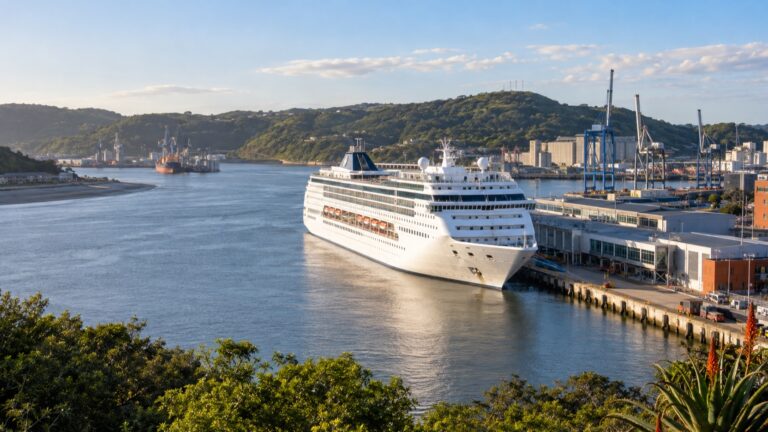
Ocean ships generally berth at Alexandria and Ain Sokhna, but berth assignment and shuttle procedures can change. Both are active ports where passenger movement may be controlled and independent guides must meet at a designated point.
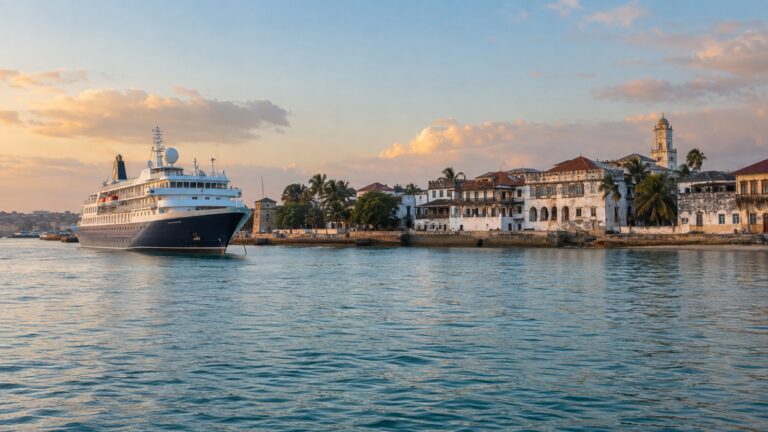
Aswan’s river vessels may raft alongside one another or use different docks along the Nile. Reaching shore can involve stairs, narrow gangways, and walking through another boat, so the exact mooring matters for mobility.
Never schedule a private tour for the ship’s published arrival minute. Clearance, gangway setup, port transport, and security can delay the first usable moment ashore.
Photograph the port gate or riverboat name after arrival and save the local contact. A written Arabic destination and vessel details give a driver something concrete to use on the return.
Transportation and return timing
Ain Sokhna to Giza demands the largest safety margin, and Alexandria to Cairo is also a full gateway day. I would not attempt either with a casual taxi assembled after leaving the port.
Alexandria itself supports a much calmer car or guided route. Keep attractions in one geographic flow so the corniche becomes part of the day rather than the road you cross repeatedly.
Aswan’s standard excursions combine road vehicles, walking, and small boats. Confirm every connection, especially when an independent plan must rejoin the river ship before it sails.
Ship excursions are most valuable when the route is long, security-sensitive, ticket-dependent, or composed of several transport stages. Private tours can offer smaller groups, but the traveler carries the risk of a late return.
Security and respectful touring
Security procedures are part of travel in Egypt and can include screening at ports, hotels, museums, and archaeological sites. Carry only what you need, follow instructions calmly, and allow time for the process.
Check current government travel advice for the regions on your itinerary and follow cruise-line changes. Conditions can vary across Egypt, so a national headline is not a substitute for route-specific information.
Dress with respect at mosques, churches, villages, and cultural sites, keeping shoulders and knees covered when requested. Ask before photographing people, guards, security installations, or sensitive infrastructure.
At archaeological sites, stay on the visitor route and never touch reliefs or climb structures outside permitted areas. The ancient surfaces have survived enough without becoming a prop for one more photograph.
Weather, heat, and what to carry
Cooler months are generally more comfortable for long outdoor visits, especially at Giza and in Upper Egypt. Summer heat can be intense, and exposed stone radiates warmth long after the air temperature rises.
Carry more water than a normal city day, along with sun protection, a hat, and breathable modest layers. Electrolytes can help on a long excursion, but they do not replace shade and a slower pace.
Alexandria can feel cooler and breezier than inland Egypt, particularly outside summer. A light layer is useful on the Mediterranean waterfront and inside heavily air-conditioned vehicles or museums.
Wind, dust, and occasional rain can affect visibility or comfort even in an arid climate. Keep glasses or contact-lens supplies protected and have a lower-exertion indoor alternative.
Money, language, and connectivity
The Egyptian pound is the local currency, while card acceptance is strongest at established attractions, hotels, and restaurants. Small purchases, tips, restrooms, and local vendors may require cash in manageable denominations.
Arabic is the main language, and English is common in organized tourism settings. Save the destination and return point in Arabic as well as English when independent transportation is involved.
Connectivity can weaken inside ports, underground sites, desert roads, and river areas. Keep tickets, contacts, maps, and all-aboard time available offline.
Accessibility and mixed-age groups
Accessibility varies by the full movement chain, not simply the attraction entrance. Ask about gangways, port shuttles, coach steps, wheelchair storage, sand, stone, stairs, shade, restrooms, small boats, and the longest continuous walk.
Bibliotheca Alexandrina is the best lower-friction Alexandria anchor, though security and the accessible entrance still need confirmation. The catacombs, citadel, pyramid plateau, river craft, and Philae boats can create significant barriers.
Wheelchair and scooter users should give exact equipment dimensions, weight, and battery details to the line and tour operator early. A modern coach with a lift does not guarantee that a small motorboat or ancient site route can take the same device.
Mixed-age groups do best with one shared anchor and planned shade breaks. A shorter museum and waterfront day can be more memorable than asking every traveler to complete the longest possible bus excursion.
How I would choose an itinerary
For a first ocean call, I would choose Alexandria and stay in the city. It delivers a genuine Egyptian experience with far less road time than a Cairo race.
Choose Ain Sokhna when the pyramids are the central goal and the schedule supports a protected full-day excursion. Choose a local resort instead when the itinerary already contains several intense archaeology days.
Choose Aswan as part of a Nile cruise when Philae, Nubian culture, and southern river scenery matter most. Add Abu Simbel only when the timing and transport are designed around it from the start.
If an itinerary combines the Suez Canal with Egyptian ports, read our Suez Canal cruise guide before deciding how much energy to spend ashore. A canal transit can be a full experience even without leaving the ship.
Common planning mistakes
The biggest mistake is treating Cairo as close to the coast. The landmark may be famous enough to feel inevitable, but the road time remains real.
Another mistake is stacking Giza, a major museum, historic Cairo, shopping, and a long meal into one gateway day. Choose the pyramids and one companion experience, then protect the return.
Finally, do not underestimate heat or stairs because a tour description calls an activity moderate. Ask for the longest walk, surface type, shade, restroom access, and number of vehicle or boat steps.
Frequently asked questions
Which Egypt cruise port is best for a first visit?
Alexandria is the strongest first seaport because it offers major sights without a cross-country transfer. Ain Sokhna is the choice when Giza is the nonnegotiable priority.
Do ships dock or tender?
Ocean ships generally berth at Alexandria and Ain Sokhna, while Aswan uses river-vessel moorings. Exact locations and shuttle arrangements can change by sailing.
Should I book through the ship?
Use the ship for Cairo, Giza, Abu Simbel, or another long and multi-stage outing where return protection matters. Independent touring works better for a focused Alexandria route or a simple Aswan city plan.
How much fits into one day?
One anchor experience plus one nearby companion stop is a comfortable formula. Egypt becomes more memorable when the guide has time to explain what you are seeing.
My final advice
Egypt rewards ambition, but it punishes dishonest timing. Choose the monument, city, or river experience that matters most, then give it enough space to feel extraordinary.
I would plan the transport and shade before the attraction order. Once the return and physical demands are clear, the day has room for history, tea, and the quiet moment when an ancient place finally becomes real.
How this guide was researched: This guide was independently checked on September 11, 2026, against Egypt’s official tourism and eVisa portals, Bibliotheca Alexandrina, UNESCO World Heritage Centre, official monument information, and current cruise-line operating guidance.
Reconfirm the berth or mooring, entry documents, security arrangements, tickets, transportation, weather, accessibility, and final return time before sailing because live conditions can change.