Oban, Stewart Island Cruise Port: Tender & Nature Guide
Oban is the rare cruise port where the village is tiny, the wilderness is enormous, and the birds may provide the loudest commentary. Your day begins by tender, then unfolds on foot, by minibus, or aboard one more very worthwhile little boat.
Stewart Island is also known as Rakiura, and Oban is its only settlement. The town curves around Halfmoon Bay beside Paterson Inlet, with native forest close enough that a kākā can interrupt breakfast and a sudden rain shower can rewrite the morning.
This is not a destination for a rigid checklist. Choose one nature experience, protect your tender time, and arrive ready for weather that may cycle through sunshine, wind, and rain before lunch.
Quick Facts
- Country: New Zealand
- Island: Stewart Island/Rakiura
- Settlement: Oban at Halfmoon Bay
- Arrival: Cruise ships anchor and passengers go ashore by tender
- Possible landings: Halfmoon Bay Main Wharf or Golden Bay, depending on the ship’s operation
- Currency: New Zealand dollar
- Easy local day: Village, museum, Observation Rock, and short forest or coastal walks
- Signature nature trip: Ulva Island/Te Wharawhara Open Sanctuary
- Main risk: Strong wind and changing weather can delay or cancel tenders
- Planning priority: Confirm the landing point, last tender, and ship time before leaving the wharf
A Real Port Call and a Weather-Dependent Arrival
Environment Southland confirms that cruise ships visit Paterson Inlet during the cruise season, generally from October through April. Vessel movements remain subject to the harbor master’s direction and environmental operating requirements.
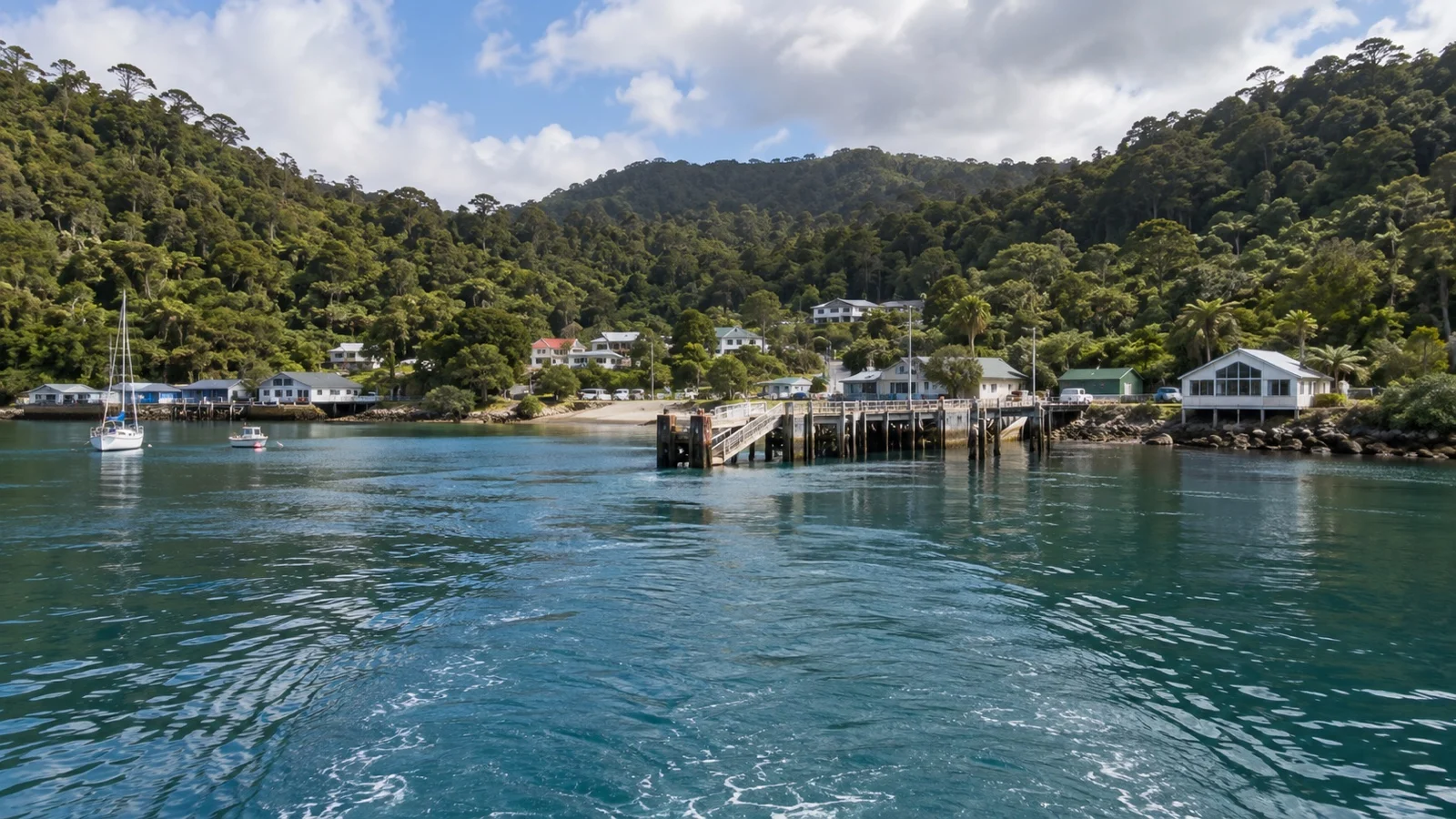
Oban has wharves for ferries, water taxis, and local craft, but it does not have a berth for an ocean cruise ship. Every large-vessel call therefore depends on small-boat transfers from the anchorage.
Halfmoon Bay Main Wharf is the village’s principal ferry arrival, while Golden Bay serves boats heading into Paterson Inlet and Ulva Island. Your ship may use either area or another approved arrangement, so the daily notice is the only dependable answer.
A Halfmoon Bay landing places you immediately in Oban. Golden Bay sits on the other side of a low ridge and may require an organized transfer or a walk that feels longer once the road climbs.
What the Tender Changes
Tender operations depend on anchorage conditions, the ship’s platform, boat capacity, local clearance, and the harbor master’s direction. A calm-looking bay beside town does not prove that the transfer beside the vessel is safe.
Boarding may involve stairs, a moving gap, spray, and crew assistance. The ship makes the final decision about whether a passenger and mobility device can use the tender.
Take a photograph of the posted final-boat time before you leave the landing. The line may close well before departure, and a second boat trip to Ulva Island adds another schedule that must fit inside the first one.
If the initial landing is delayed, shorten the day rather than reducing the return margin. Oban and its nearby walks can absorb an unexpected change without feeling like a consolation.
Oban Is Walkable but Not Flat
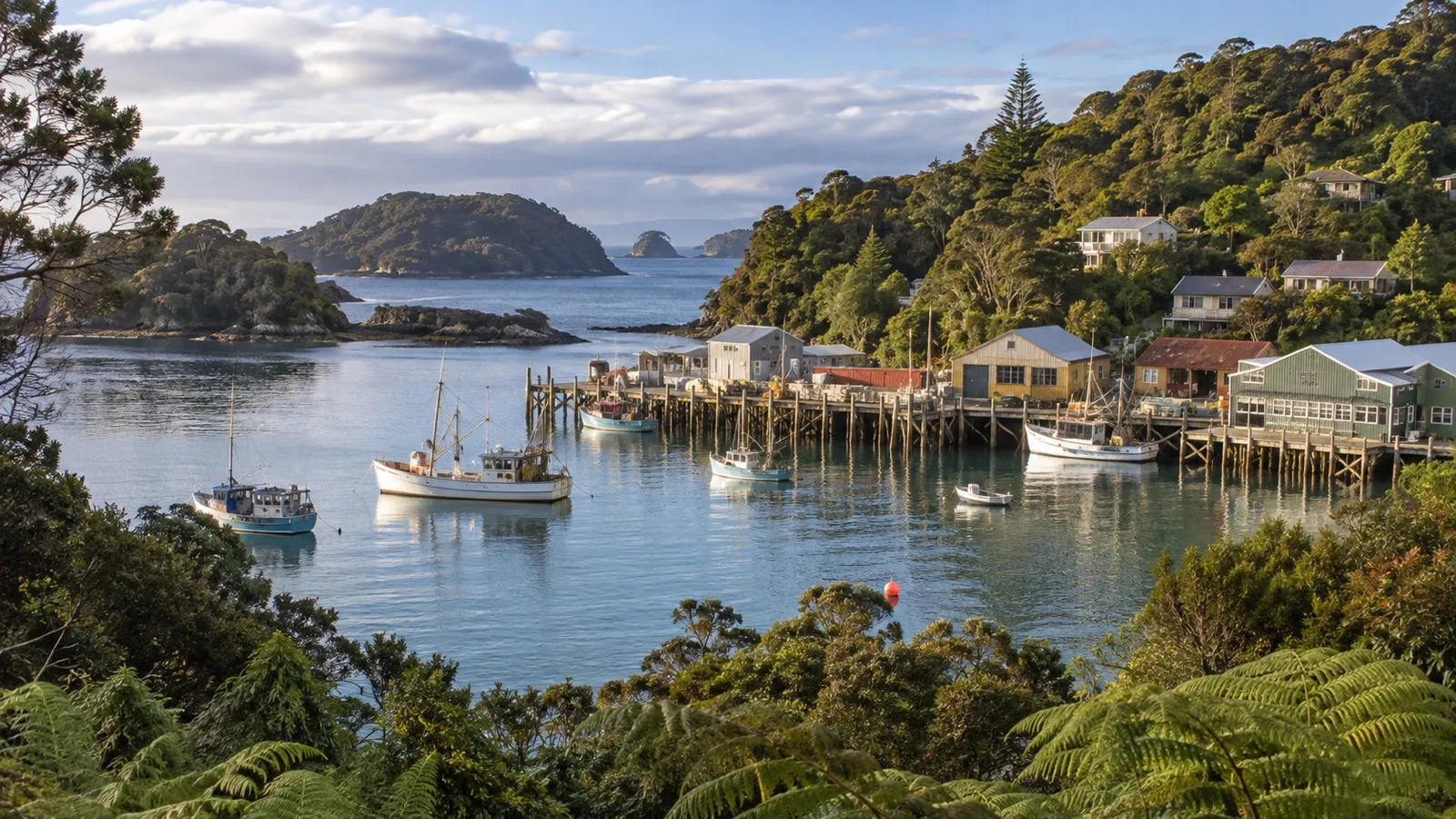
Oban is small enough to understand quickly, with visitor services, food, lodging, and a general store clustered around Halfmoon Bay. The surrounding roads rise and fall more than the postcard view suggests.
The Department of Conservation visitor center is the best first stop for current track, weather, wildlife, and biosecurity information. Confirm its hours for your call because local services may adjust seasonally or around vessel arrivals.
Sidewalks are limited in places, and pedestrians may share narrow roads with local vehicles. Walk facing traffic where appropriate, use reflective gear in dim weather, and allow time for hills.
The village’s scale encourages slow travel. A coffee, harbor view, and short forest path can produce a richer day than spending hours inside a minibus.
Rakiura Museum and Local History
The local museum, Te Puka o Te Waka, interprets the island’s Māori history, natural environment, fishing, whaling, settlement, and community life. It is an excellent bad-weather choice, but current opening hours should be confirmed before you build the day around it.
Rakiura and Paterson Inlet/Whaka a Te Wera carry deep Ngāi Tahu associations that long predate European settlement. Read place names carefully and let local interpretation expand the story beyond wildlife.
Observation Rock and Short Viewpoints
Observation Rock looks across Paterson Inlet and nearby islands, making it one of the most rewarding short outings from Oban. The route involves a hill, and wet pavement can be slippery.
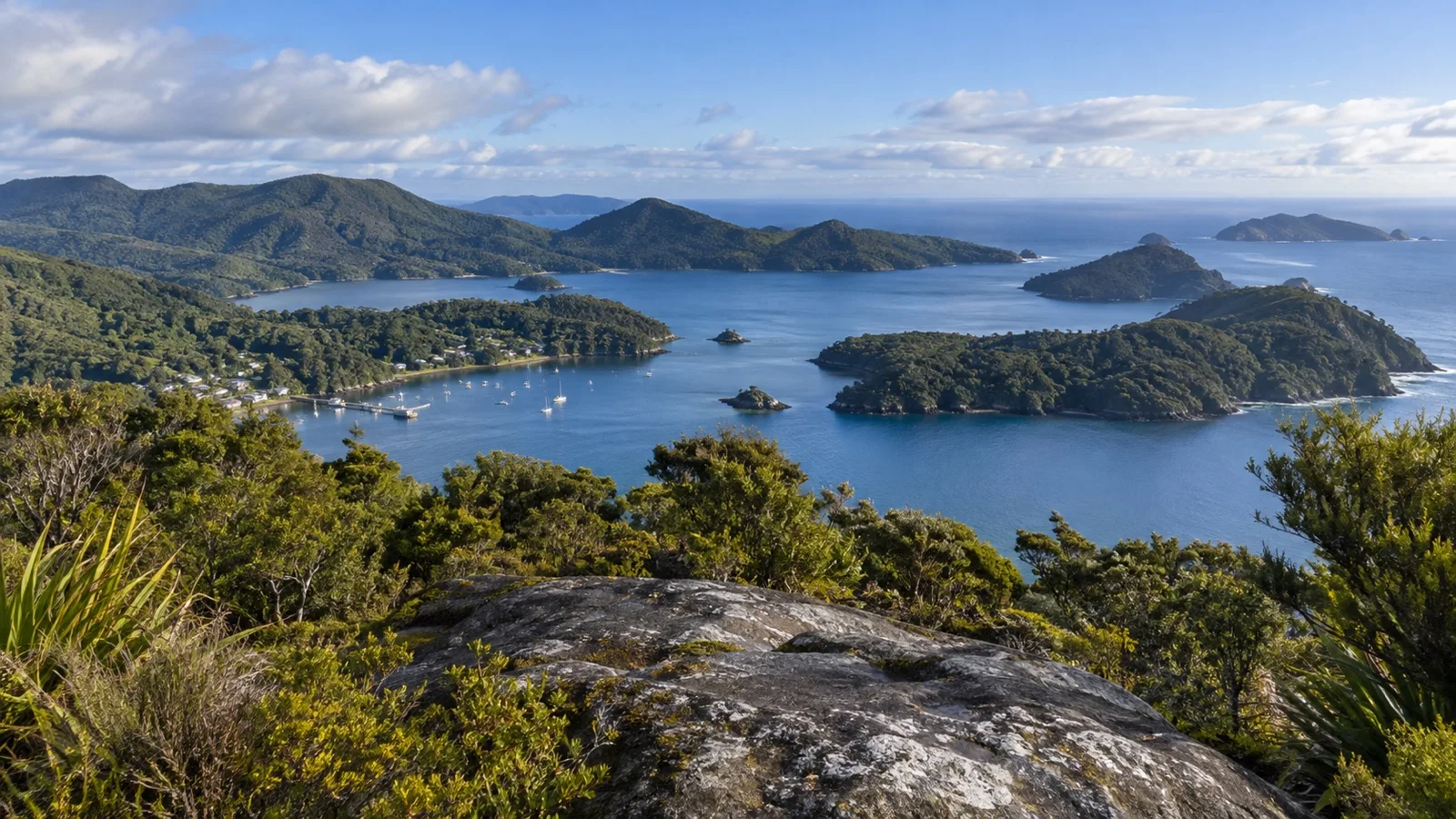
A village minibus tour can include the viewpoint along with beaches, bays, and local stories. Ask for the exact duration and return point because tours may adapt to weather and road conditions.
Ulva Island/Te Wharawhara
Ulva Island is the standout nature excursion from Oban. The Department of Conservation describes it as one of New Zealand’s few pest-free open sanctuaries, with intact forest, rare plants, and abundant native birds.
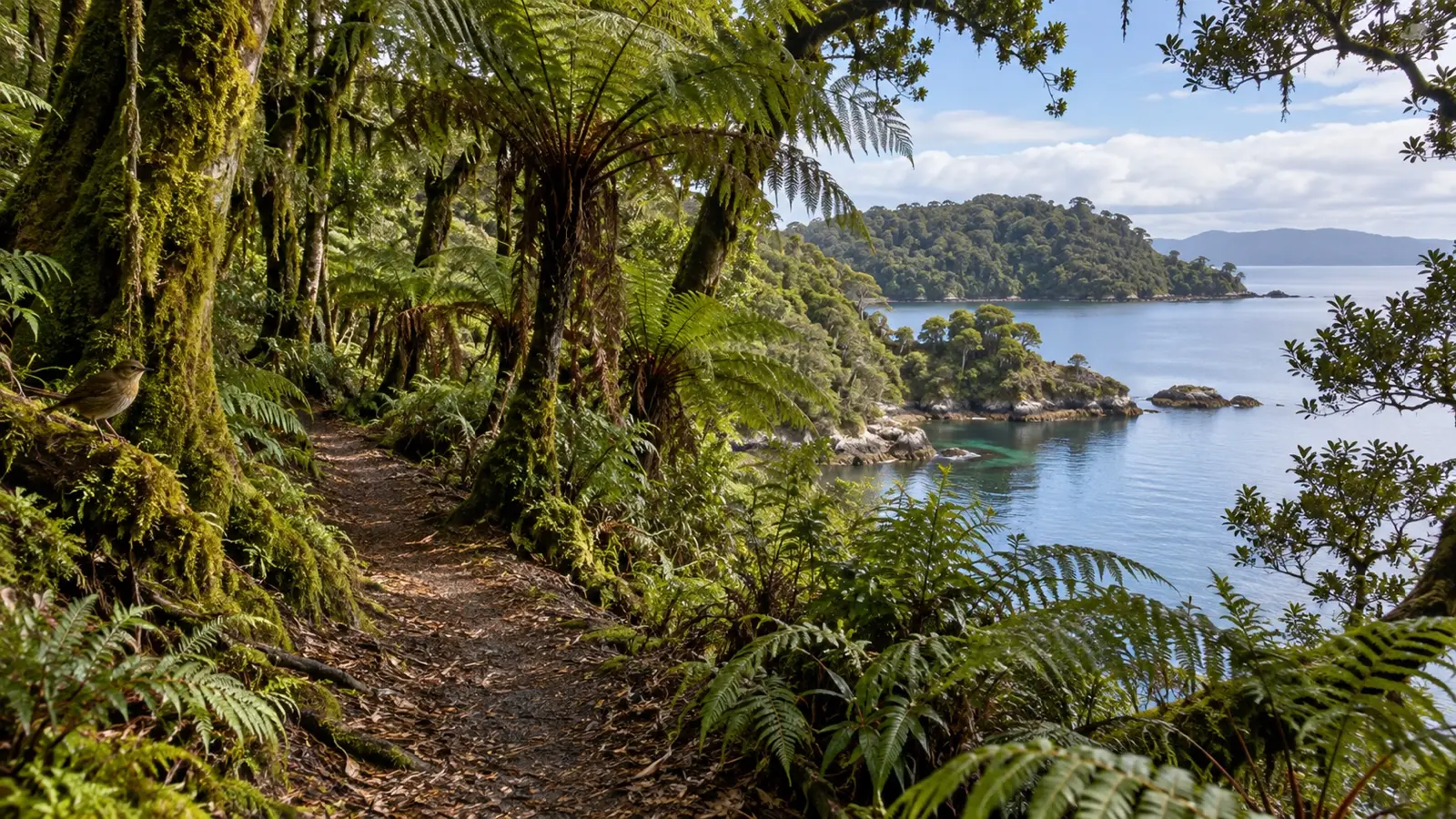
Boats reach the main walking-track entrance at Post Office Bay from Halfmoon Bay or Golden Bay. The crossing is normally short, yet wind, boat schedules, guide availability, and the ship’s tender operation still control whether the trip fits.
A guided tour is worth considering because calls, movement, and habitat clues are easy to miss. A skilled guide can distinguish kākā, kākāriki, tūī, korimako, tieke, toutouwai, mohua, and other birds without using disruptive playback.
Daytime kiwi sightings are possible but rare, and no responsible guide guarantees one. Choose Ulva Island for the forest and full bird community, then treat a kiwi encounter as extraordinary luck.
Biosecurity Before You Board
Ulva Island’s conservation success depends on keeping rats, weed seeds, and other unwanted organisms away. Check footwear, pockets, hook-and-loop fasteners, bags, and camera gear before joining the boat.
Brush dirt and seeds from every tread and remove food scraps from pockets. Follow any inspection or cleaning process provided by the operator even if your shoes look clean.
Water taxis and tour boats use pest-control measures, but visitors remain part of the protection system. Report any sign of rats to the Department of Conservation immediately.
Rules on Ulva Island
Stay on the tracks, do not feed wildlife, and never play recorded bird calls. Dogs are prohibited, night visits are not allowed, and drone use requires authorization.
There are no shops or rubbish bins, so bring what you need and carry everything out. Water, a light rain layer, and quiet footwear matter more than a large bag of camera accessories.
Marine mammals sometimes rest on beaches or tracks. Department of Conservation guidance requires at least 20 meters of space, and you should retreat if an animal blocks the route.
Short Walks Around Oban
You do not need to begin the multi-day Rakiura Track to experience native forest. Short paths around Oban reveal rimu, kāmahi, tree ferns, southern rātā, and the birdlife that spills into local gardens.
Ask the conservation visitor center which route matches the day’s mud, wind, and available time. A trail that looks short on a map can include roots, steep sections, wet boardwalk, or a road approach.
Bathing Beach and other small bays can be combined with a village walk when conditions are good. Water temperatures remain cool, and swimming should follow current local advice rather than enthusiasm generated by clear water.
The full Rakiura Track is a Great Walk designed for a multi-day journey. Cruise visitors should enjoy an accessible section without pretending the complete route belongs in a port call.
Road Tours of Stewart Island
The island has a limited public road network, which makes a small-group van tour an efficient introduction. Drivers can connect Halfmoon Bay, Horseshoe Bay, Lee Bay, Observation Rock, and local viewpoints while explaining island history.
Not every route runs on every day, and cruise demand can exceed the available vehicles. Reserve through the ship or a reputable island operator, then reconfirm the pickup point after the landing is announced.
A road tour is particularly useful for travelers who cannot manage long, muddy walks. Ask about vehicle steps, seating, restroom access, and whether the route changes if rain becomes heavy.
Do not expect app-based rides or a large taxi fleet. Oban’s transportation works on island scale, so missing a booked transfer can remove the option entirely.
Kiwi Watching on a Cruise Call
Stewart Island brown kiwi, or tokoeka, are famous for being active during daylight more often than many kiwi elsewhere. That does not make them easy or guaranteed to see.
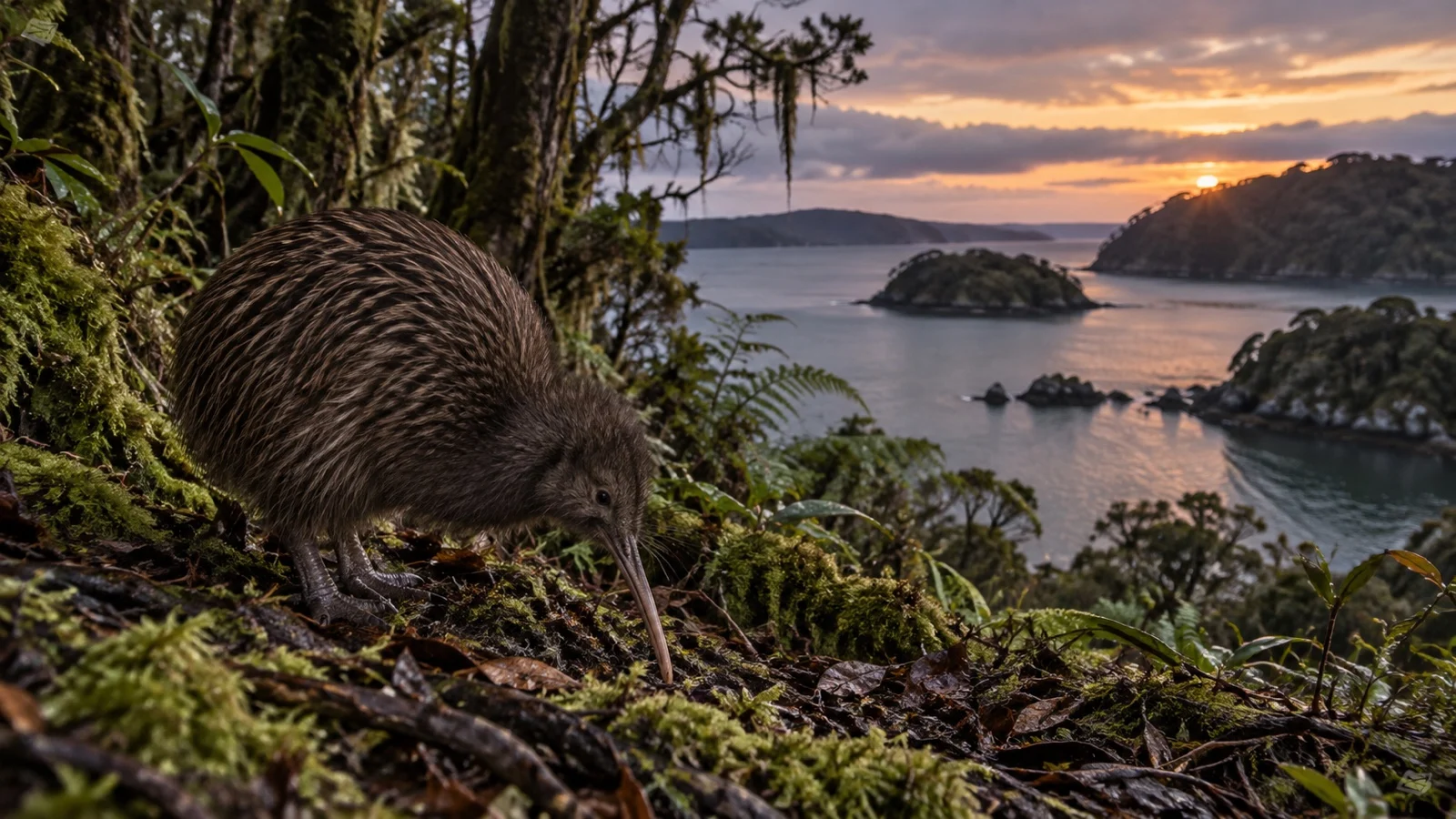
The strongest guided experiences often operate after dark or require boat transfers and walking, which may not fit a daytime cruise schedule. Never book a program that returns after the final tender.
If a daytime tour offers habitat interpretation, judge it on guide quality rather than a promised bird. Stay quiet, keep distance, avoid flash, and do not surround an animal if one appears.
Feeding or calling kiwi is never acceptable. A genuine encounter happens on the bird’s terms, not because a guide manipulates its behavior for a photograph.
Fishing, Seafood, and the Waterfront
Fishing remains important to island life, and blue cod, salmon, mussels, pāua, and crayfish are connected with the local economy. Availability and fishing rules vary, so visitors should enjoy a reputable meal rather than collect seafood casually.
A harbor-side lunch can become the center of an easy Oban day. Reserve if a large ship is visiting because the village has limited seating and many passengers may arrive at once.
The conservation department advises checking local mātaitai reserve bylaws and marine-reserve boundaries before fishing or gathering. A cruise call is not the moment to guess whether a shoreline is open.
Carry no fresh food or natural souvenirs across protected-island or international biosecurity controls without checking the rules. Shells, feathers, plants, and wildlife belong where you found them.
Weather in the Roaring Forties
Stewart Island lies in a latitude known for changeable, windy weather. The conservation department advises visitors to prepare for wind, rain, sun, and even sleet rather than trusting a single icon on an app.
Summer temperatures are cool compared with many cruise destinations, and strong winds can develop quickly. Pack a waterproof outer layer, warm midlayer, hat, gloves, and footwear with reliable grip.
Rain makes forest colors richer but can turn tracks muddy and boardwalks slick. Carry protection for electronics and keep enough dry clothing for the tender ride back.
If weather closes Ulva Island boats, stay in Oban for the museum, visitor center, food, and short sheltered walks. Flexibility is part of the Stewart Island experience, not evidence that the day has failed.
New Zealand Entry and Biosecurity Rules
Cruise passengers must meet New Zealand’s current immigration requirements, which depend on citizenship and travel status. Many visa-waiver travelers need a New Zealand Electronic Travel Authority before the voyage, while other passengers require a visa or qualify for a specific exemption.
Use Immigration New Zealand and your cruise line as the final sources because rules and fees can change. A passenger who stays with an organized excursion still needs the correct authorization for the sailing.
New Zealand’s border biosecurity rules are strict, and Stewart Island adds another layer of conservation responsibility. Declare required food, plant, animal, and outdoor items and make sure boots, walking poles, bags, and tripods are free of soil and seeds.
Moving from Stewart Island to Ulva Island requires another careful gear check. One seed hidden in a fastener can create more harm than any visitor intends.
Money, Time, and Connectivity
The New Zealand dollar is the local currency, and most established operators accept major cards. Department of Conservation notes that the island’s single cash machine has limited access and does not accept non-New Zealand credit cards.
Bring some local cash before arrival without carrying an excessive amount. Do not depend on withdrawing money after the tender lands.
Mobile coverage and internet can be uneven beyond Oban. Download confirmations, maps, and the ship’s contact details before you go ashore.
New Zealand daylight saving normally covers much of the October-to-April cruise season, but the change dates matter. Follow ship time and verify it against the daily program instead of relying on a phone that may update incorrectly.
Accessibility and Tender Mobility
The tender is the first accessibility test. Stairs, a moving platform, boat motion, wet surfaces, and crew procedures determine whether a passenger and mobility device can go ashore safely.
Ask the cruise line for specific guidance before sailing and expect the final decision to depend on conditions that morning. A policy that worked at another tender port may not apply in Paterson Inlet.
Oban has hills, narrow roads, uneven paths, and limited adapted transport. Reserve an accessible vehicle early and give the operator the exact dimensions and weight of your equipment.
Ulva Island tracks may be manageable for some travelers but still require boat boarding and forest surfaces. Ask the operator about wharf steps, track grades, toilets, seating, and assistance before committing.
Responsible Wildlife Watching
Keep every animal wild by maintaining distance, staying quiet, and following the guide. Do not feed birds, play recordings, use flash around sensitive wildlife, or block a track to hold a photograph.
Weka are famously curious and may approach bags or food. Secure belongings and allow the bird to move away without rewarding the behavior.
Marine mammals resting ashore need at least 20 meters of space under current conservation guidance. Take a different path or wait rather than forcing an animal back into the water.
Carry out every piece of waste and clean gear between locations. Rakiura’s abundance survives because visitors accept small disciplines that protect the whole ecosystem.
My Ideal Oban Cruise Day
On a long call with calm conditions, I would take an early guided boat to Ulva Island and return to Oban with a generous tender buffer. I would finish with lunch, the museum, or Observation Rock rather than adding another fixed tour.
If the ship lands at Golden Bay, I would build the Ulva connection around that wharf and confirm how I would reach Oban afterward. If the first tender ran late, I would stay local instead of forcing the sanctuary trip.
I would carry cleaned shoes, local cash, rain gear, water, and binoculars. Most importantly, I would treat every wildlife sighting as a privilege rather than an item owed by the itinerary.
Final Thoughts
Oban works beautifully as a cruise port because the island’s scale changes your attention. The village asks you to slow down, while the forest rewards anyone willing to listen before looking.
Confirm the tender landing, choose one nature priority, and leave a generous return margin. Rakiura does not need a crowded schedule to become one of the most memorable calls in New Zealand.
Tender landings, boat schedules, track conditions, wildlife access, entry rules, biosecurity requirements, attraction hours, and weather can change, so verify current details with your cruise line and the relevant official New Zealand sources before sailing. This guide is for general planning and does not replace current immigration, biosecurity, conservation, cultural, health, safety, accessibility, marine, or transport advice.