Little Bay Montserrat Cruise Port: Volcano, Plymouth and Tenders
Little Bay is Montserrat’s cruise gateway and the starting point for one of the Caribbean’s most unusual port days. The island’s story is inseparable from the Soufrière Hills Volcano, which devastated Plymouth and reshaped where people live, work, and welcome visitors.
Cruise ships anchor off Little Bay and tender passengers ashore. A locally guided island tour is the best way to understand the volcano, buried capital, observatory, and resilient communities without crossing restricted boundaries.
Little Bay cruise port quick facts
- Arrival type: Anchorage and tender at Little Bay
- Essential experience: A certified volcano and Plymouth tour
- Volcano information: Montserrat Volcano Observatory above Salem
- Former capital: Plymouth, partly buried by volcanic deposits
- Access rule: Plymouth entry requires a certified guide and official monitoring
- Currency: Eastern Caribbean dollar, with United States dollars often accepted
- Terrain: Steep, winding roads across a volcanic island
- Main risk: Tender timing, weather, and exclusion-zone restrictions
My quick take on Montserrat
I would book a certified island tour that includes the observatory and a safe Plymouth viewpoint or authorized buried-city access. The day’s value comes from hearing local experience, not simply photographing abandoned buildings.
Little Bay itself works for a relaxed final hour near the tender. It is not a substitute for seeing the island’s volcanic landscape, but it keeps you close when the call is short or weather delays the landing.
Where cruise passengers arrive
The Montserrat Port Authority cruise schedule lists current Little Bay calls as anchorage arrivals. Passengers transfer by ship tender or another authorized boat to the landing area.
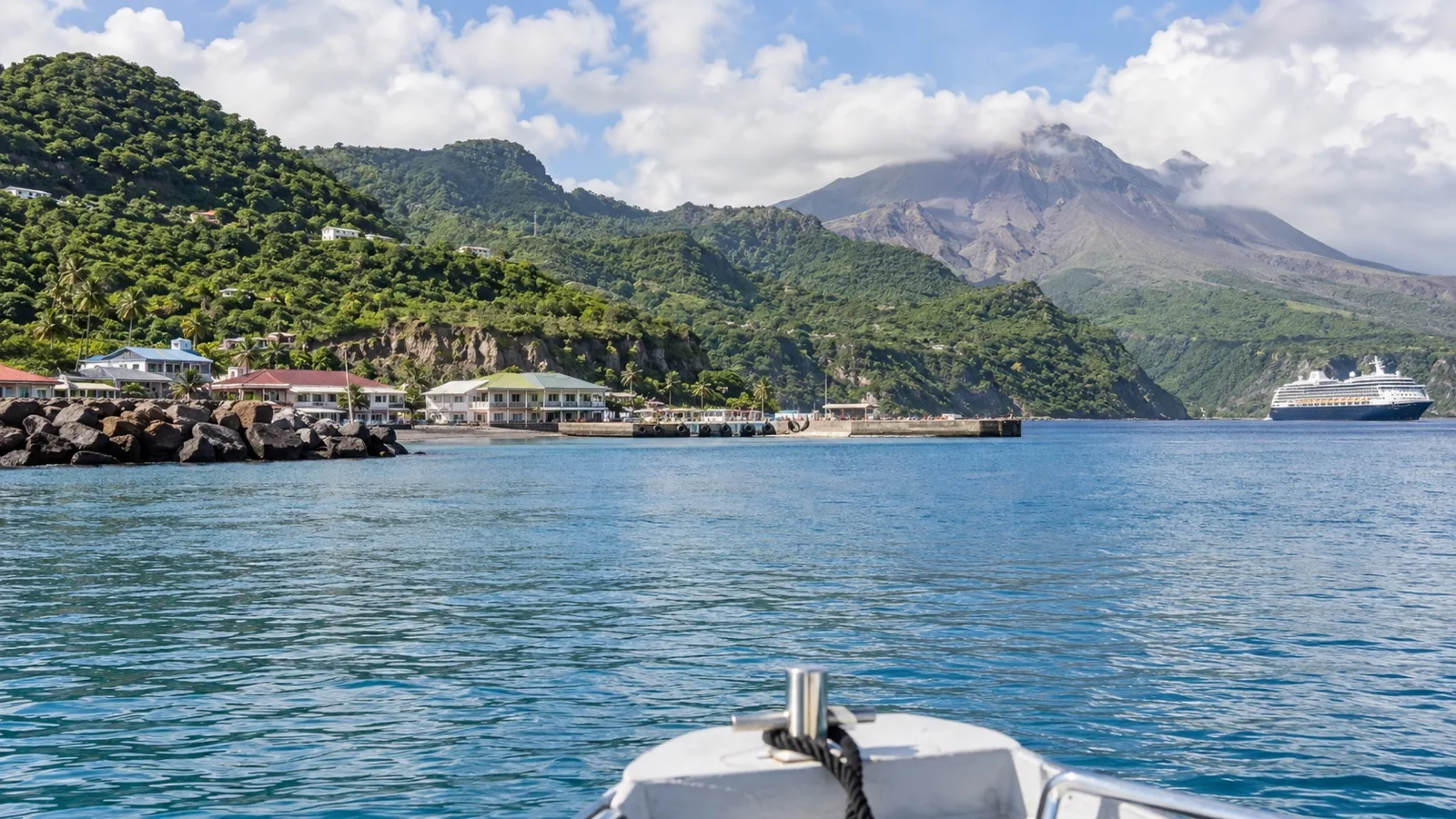
Little Bay is the island’s active port area, with marine traffic and ongoing development around it. Follow marked paths and staff directions rather than wandering through cargo or construction zones.
The port authority warns that cruise schedules remain under continuous review and may change. The ship’s onboard announcement is therefore more reliable than a timetable saved months earlier.
How tendering changes the day
Tendering adds ticketing, boarding, the boat ride, unloading, and the same process on return. Swell, wind, and showers can slow the operation or make a landing unsafe.
Ask when tender tickets are distributed and whether ship excursions receive priority. The final tender time controls the day and usually occurs before the vessel’s advertised departure.
Read my guide to how tendering affects usable time before booking a private tour. A delayed first boat may require shortening the route rather than rushing through restricted areas.
Understanding the volcano
The Soufrière Hills Volcano returned to activity in 1995 after centuries of dormancy. Eruptions and related hazards devastated much of southern Montserrat, buried large parts of Plymouth, displaced residents, and transformed the island’s economy and infrastructure.
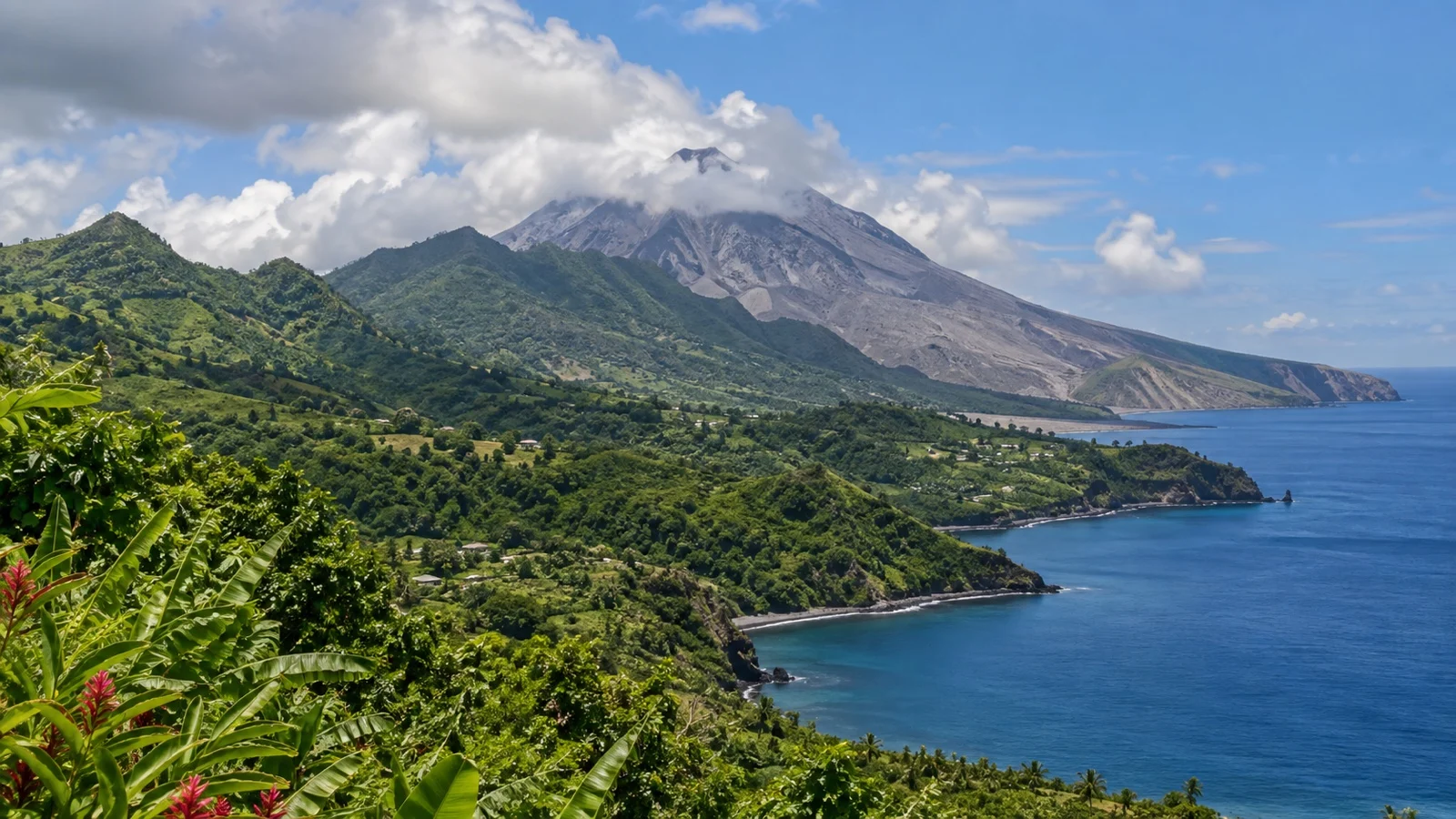
This is an active volcanic system rather than a completed historic event. The Montserrat Volcano Observatory monitors conditions, and access rules can change when scientific and emergency authorities identify risk.
Cloud can hide the summit even on an otherwise pleasant day. A strong tour still explains the landscape, monitoring, evacuation, and community experience when the volcano does not pose for a clear photograph.
Montserrat Volcano Observatory
The observatory sits in the hills above Salem with views toward Soufrière Hills when weather permits. Montserrat’s official tourism authority highlights its exhibits and video explaining the island’s volcanic journey and how scientists monitor activity.
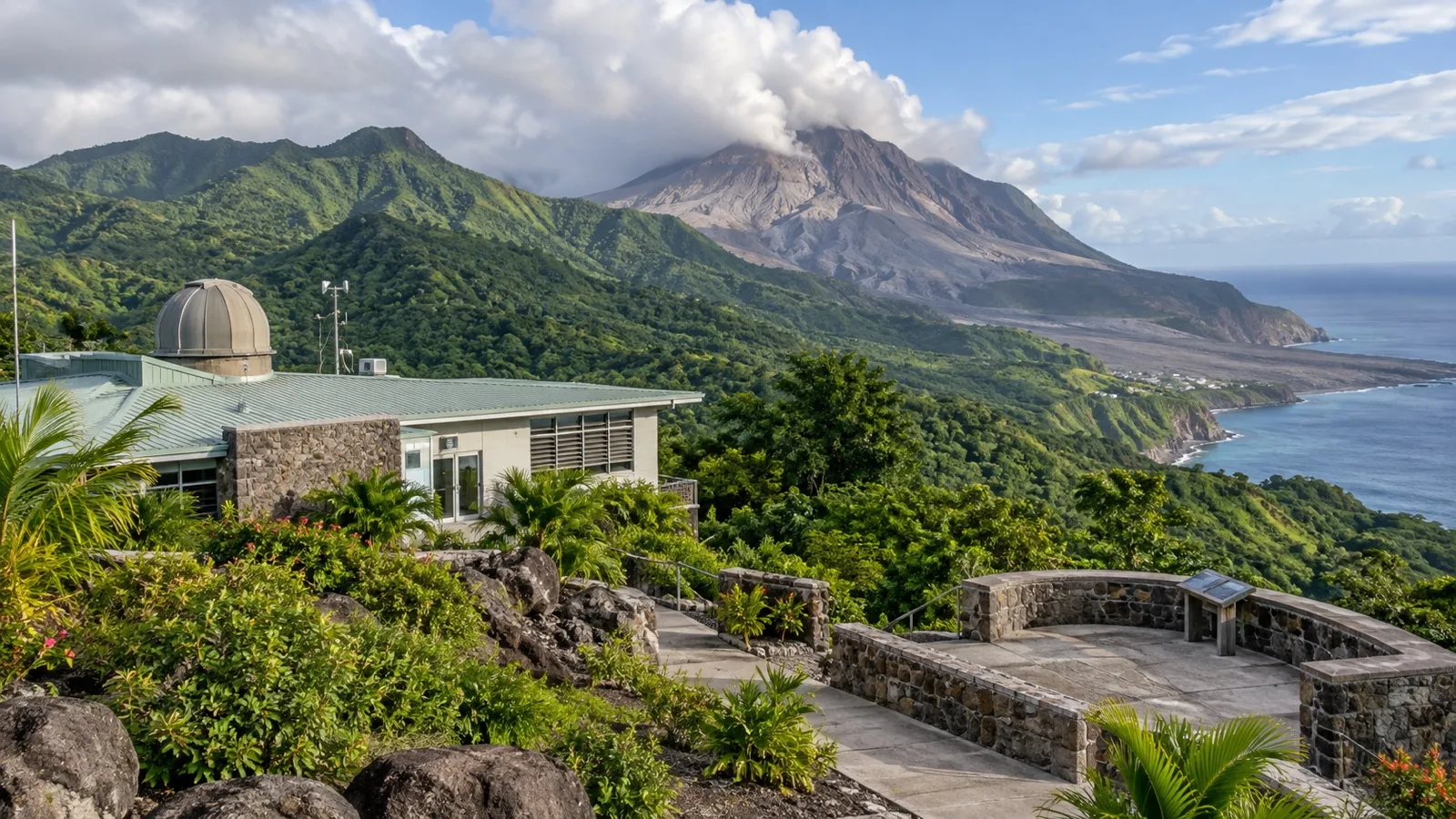
Visitor access, hours, presentations, and facilities can change with operations. Confirm inclusion with your guide rather than assuming the observatory is open whenever a cruise ship calls.
Can you visit Plymouth?
Plymouth is the abandoned former capital, where volcanic deposits buried streets and the lower floors of buildings. It remains emotionally significant to residents who lost homes, workplaces, neighborhoods, and a shared center of island life.
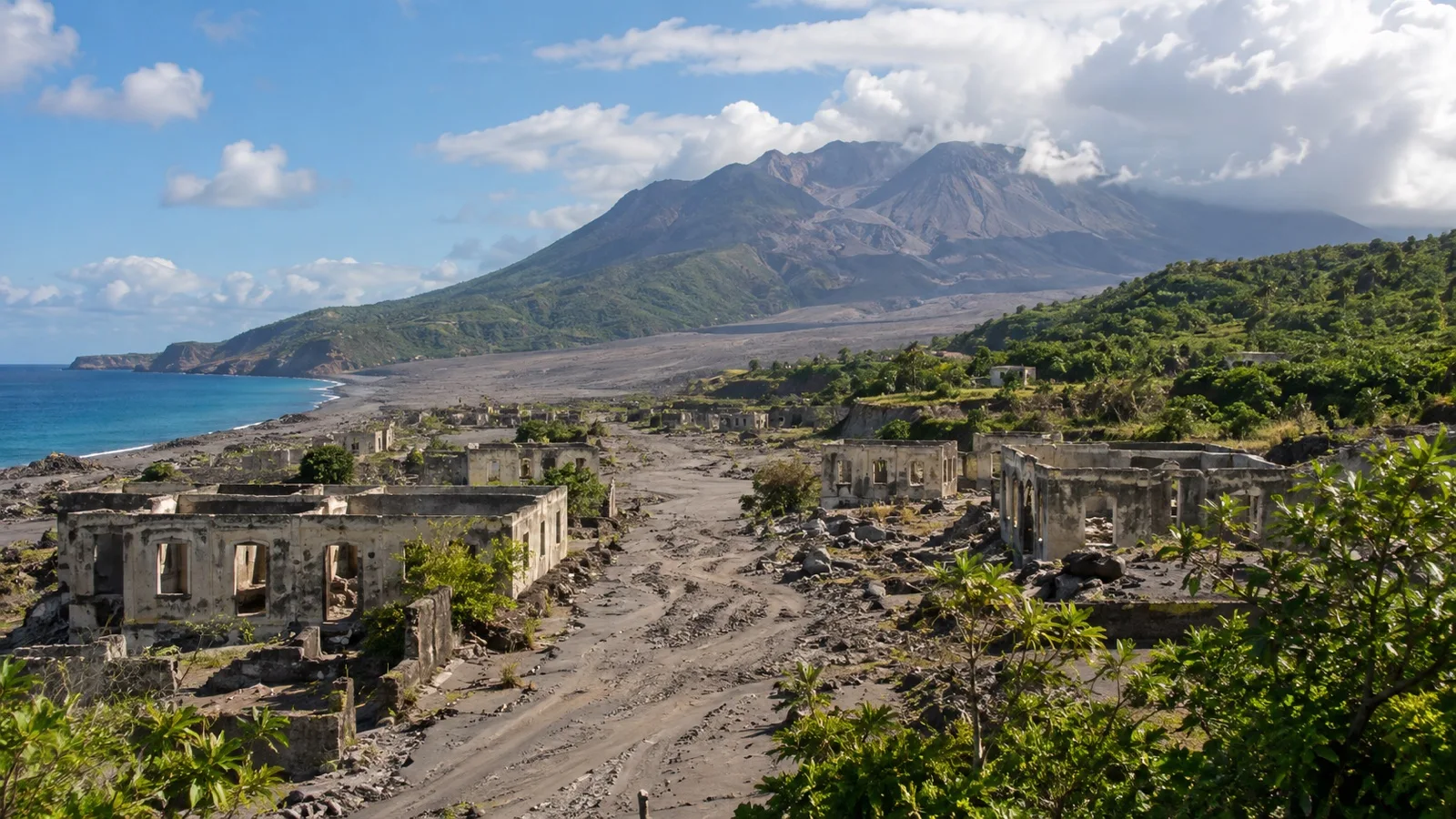
The official Montserrat history and facts page places Plymouth within Zone V, the Exclusion Zone. It states that access to view the Buried City is permitted only with a certified guide, under strict monitoring, police escort, and radio contact with the observatory.
Never attempt to enter independently or persuade a driver to cross a closure. If conditions prevent access, a certified guide can use authorized viewpoints and personal history to interpret the city from a safe location.
Choosing a certified tour
A ship excursion provides the strongest protection against tender and return-time changes. A certified local guide booked independently can offer a smaller vehicle and more personal narrative, but you remain responsible for reaching the final tender.
Ask whether the itinerary includes legal entry into Plymouth or only a viewpoint, the observatory, Salem, and northern sights. The phrase volcano tour can describe very different routes.
Confirm vehicle air conditioning, steps, restroom breaks, and the maximum group size. Montserrat’s steep, winding roads can be uncomfortable for travelers prone to motion sickness.
Other island highlights
Garibaldi Hill provides a powerful view toward Plymouth, Saint George’s Hill, and the volcano when access and weather allow. Jack Boy Hill in the northeast reveals newer volcanic land and, on clear days, views toward neighboring islands.
The Montserrat National Trust’s botanic garden in Salem preserves native and useful plants while telling a quieter story of recovery. Runaway Ghaut adds local folklore to a brief roadside stop, with a tradition that drinking its water means you will return.
Hilltop sites may also connect the island with AIR Studios and Montserrat’s remarkable recording history. Ask your guide about what is currently open rather than building the day around an unverified attraction schedule.
Beaches and water activities
Montserrat’s volcanic beaches often have dark sand and a more natural feel than large resort shores. Little Bay and nearby northern beaches are the most practical choices on a cruise call, depending on sea conditions and local access.
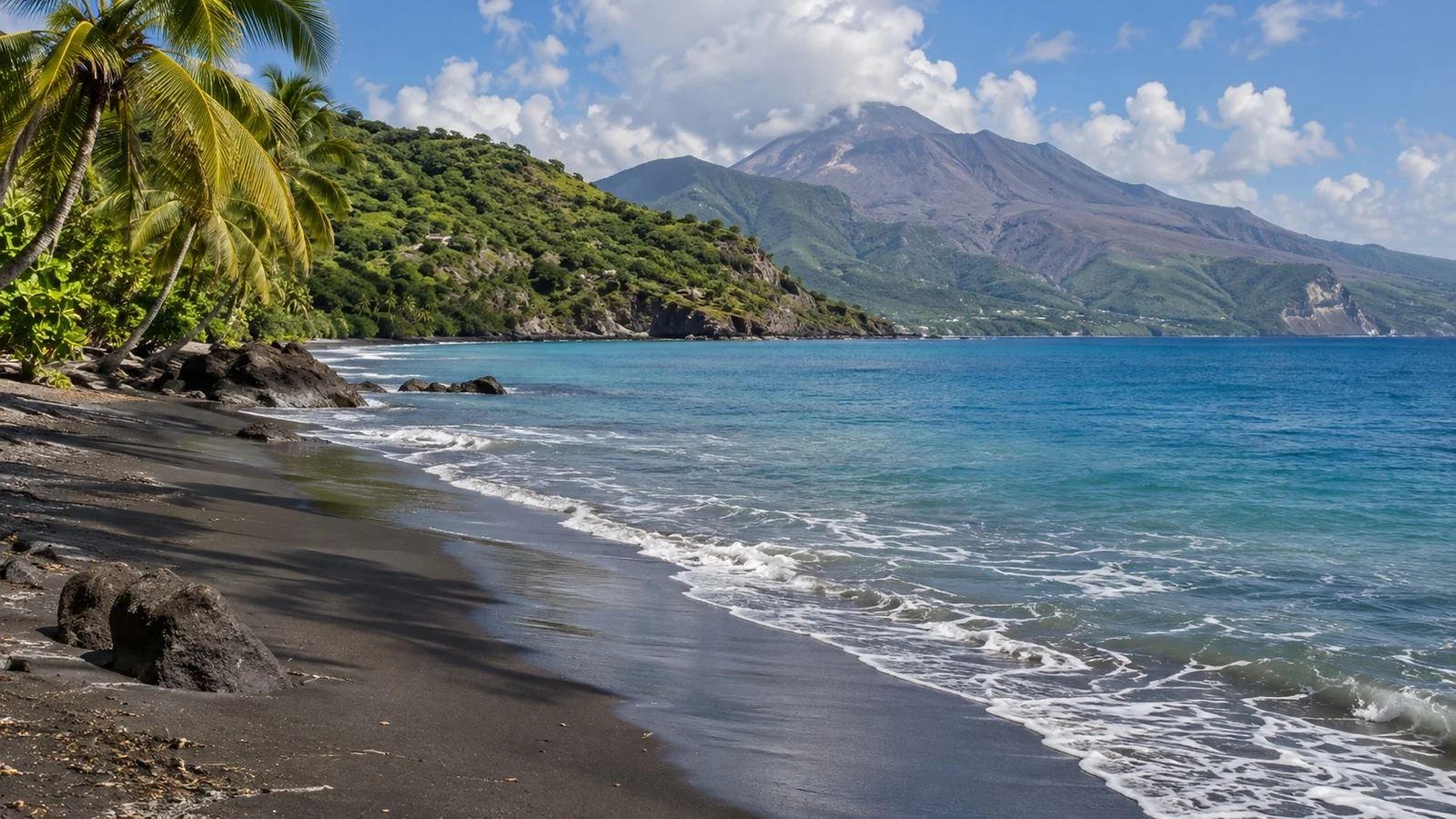
Rendezvous Bay is more secluded and reached by water or a hike, according to the tourism authority. It requires planning, supplies, safety equipment, and enough time for the return, making it unsuitable as an improvised tender-day swim.
Three realistic Montserrat port-day plans
Plan one: volcano and buried city
Join a certified tour that includes the observatory, authorized Plymouth access or a legal viewpoint, and one northern community stop. Make this the day’s focus and return directly to Little Bay.
Plan two: island history and views
Choose an island circuit through Salem, the National Trust area, Runaway Ghaut, and safe volcano viewpoints. This is a strong fallback if Plymouth entry is unavailable.
Plan three: easy Little Bay
Stay near the landing, enjoy the waterfront, and add a short local drive or beach stop arranged at the port. This plan suits a delayed tender, short call, or traveler avoiding winding roads.
Food and local flavor
Montserrat’s national dish is goat water, a rich seasoned stew commonly served with bread. It reflects the island’s Caribbean and Irish influences more meaningfully than a generic beach-bar meal.
Restaurant hours and availability may vary, especially outside busy cruise days. Tell your guide if trying local food is a priority and avoid a long meal that threatens the tender deadline.
Accessibility
Tender transfer is the first accessibility challenge, and the cruise line makes the final safety decision based on the boat, sea state, and passenger ability. A mobility device accepted aboard the ship may not be accepted in the tender.
Island tours use vehicles of varying height and space, while viewpoints can have uneven ground and limited railings. Ask about steps, seating, restroom access, device storage, and how much walking each stop requires.
The observatory or a safe roadside viewpoint may provide more practical volcano interpretation than Plymouth’s difficult terrain. Use my limited-mobility port guide to frame questions before booking.
Weather and what to wear
Montserrat is warm and humid, with strong sun and passing tropical showers. Wear light clothing, use sunscreen, carry water, and bring a compact rain layer.
Cloud often gathers around the volcano, while roads and viewpoints can become slippery after rain. Shoes with dependable grip are more useful than sandals on a full island tour.
Money and connectivity
Montserrat uses the Eastern Caribbean dollar, and United States dollars are often accepted. Carry small cash because local vendors, guides, and connectivity interruptions may make card payment inconsistent.
Mobile service can vary around the island and near the volcano. Save the guide’s contact, tender landing, ship number, and final return time offline.
Returning to the ship
The final tender time is the controlling deadline. Return to Little Bay early enough for road delays, port security, a boarding line, and changing marine conditions.
Certified access rules and volcano monitoring always take priority over a sightseeing promise. My guide to how early to return to a cruise ship can help you choose a safe margin.
Frequently asked questions
Do cruise ships dock in Montserrat?
Current Montserrat Port Authority schedules list Little Bay cruise calls at anchorage. Passengers should expect to tender ashore.
Can I visit Plymouth independently?
No, official tourism guidance says Plymouth access requires a certified guide and strict monitoring. Never cross an exclusion-zone barrier on your own.
Is the volcano still active?
Soufrière Hills remains an active volcano monitored by the observatory. Current scientific and emergency guidance determines access.
What is the best excursion?
A certified volcano, observatory, and Plymouth tour provides the clearest understanding of Montserrat. Choose a route that states exactly which access and viewpoints it includes.
Is Montserrat a typical Caribbean port?
No, it is a small tender call shaped by an active volcano and a powerful story of community resilience. Compare it with the broader Caribbean cruise ports guide before choosing an itinerary.
Final thoughts on Little Bay cruise port
Montserrat is unforgettable when you approach the volcano with humility and let local voices explain what the landscape means. Book certified access, respect every restriction, and return to Little Bay with enough time for the tender ride back.