St. Peter Port Cruise Port Guide for 2026
Saint Peter Port delivers one of the prettiest first views in the Channel Islands. White and pastel houses climb the hillside above a busy harbor, Castle Cornet guards the water, and the old town begins only a short walk from the tender landing.
The catch is that this is a weather dependent tender port with steep streets once you leave the waterfront. A little planning lets you enjoy the town, choose an island outing that fits the call, and return without spending the last hour watching the sea anxiously.
Quick Facts
- Island: Guernsey, in the Channel Islands
- Arrival: Cruise ships normally anchor and transfer guests by tender
- Landing: Usually the cruise pontoon beside Albert Pier
- Town access: The central waterfront is walkable from the landing
- Currency: Guernsey pound and British pound sterling
- Language: English
- Traffic: Drives on the left
- Main challenge: Tender conditions, hills, cobbles, and changing weather
- Best planning rule: Protect a generous margin before the final tender
How cruise ships arrive
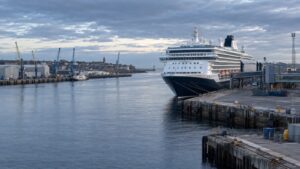
Saint Peter Port harbor is too constrained for large cruise ships to berth in the center, so most vessels anchor in the roadstead. Guests come ashore in ship tenders, and the cruise landing is normally at the pontoon beside Albert Pier.
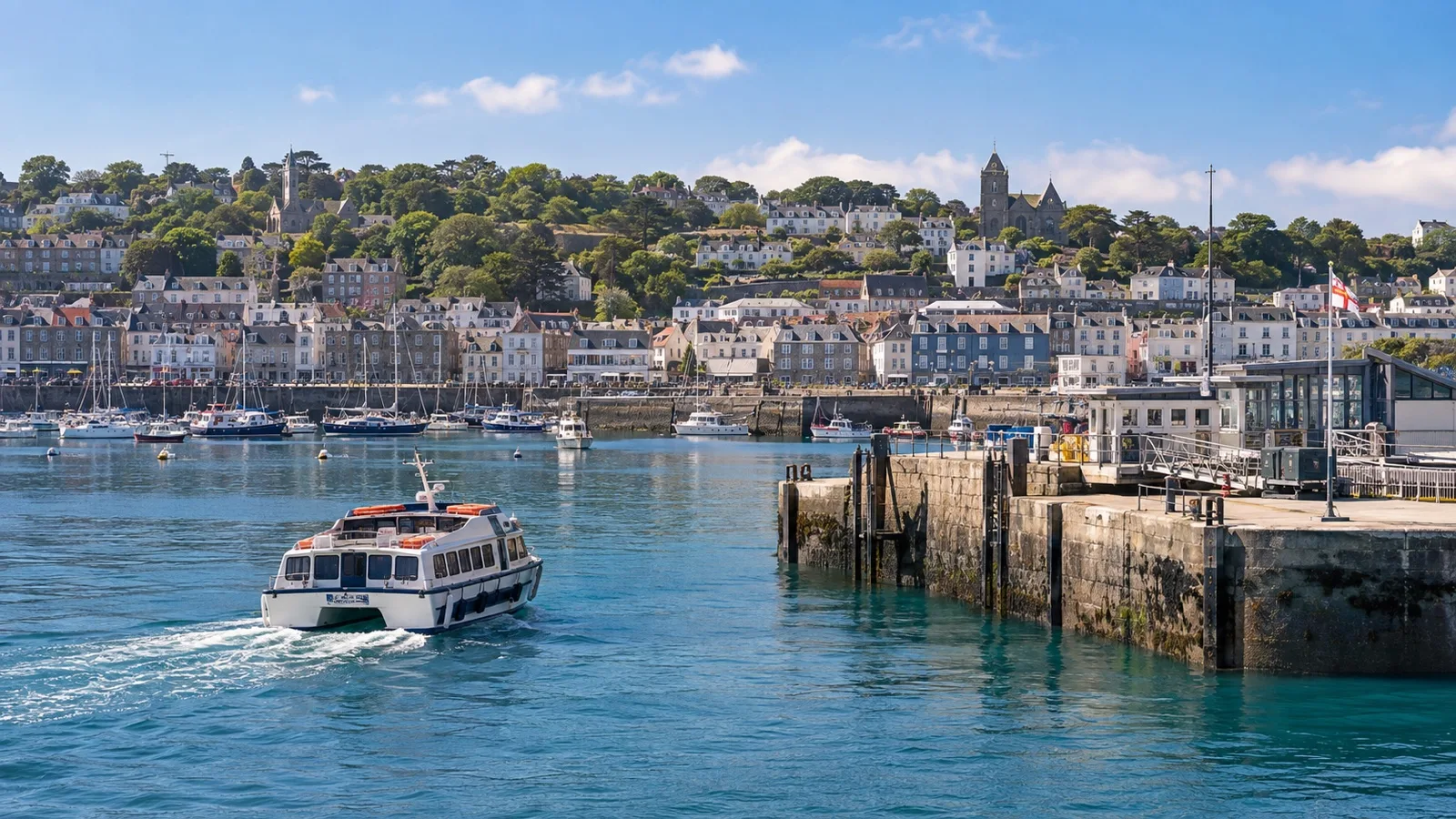
The crossing length varies with the ship’s anchorage and traffic, while the ramp angle changes with the tide. Follow crew instructions, keep both hands available for boarding, and expect the tender operation to pause if wind or swell makes the transfer unsafe.
From Albert Pier into town
The tender landing puts you beside the working harbor and an easy stroll from the lower town. Shops, cafes, the marina, the bus terminus, and the beginning of the High Street are all close enough for an unhurried independent visit.
Harbor traffic includes ferries, local boats, service vehicles, and pedestrians, so stay inside marked walking areas. The waterfront is relatively level, but many of the most atmospheric streets rise sharply behind it.
A genuinely walkable port day
If the tender runs on time, you can build an excellent day without a tour. Start along the harbor, choose Castle Cornet or the town museums, climb into the old streets for lunch, and leave time for the return waterfront walk.
This plan works especially well on a shorter call because it avoids road delays and keeps the ship in sight for much of the day. It also gives you the flexibility to shorten the route if tender operations become slower.
Castle Cornet
Castle Cornet stands at the end of the harbor breakwater and has defended the approach to Saint Peter Port for centuries. Its courtyards, ramparts, small museums, and sea views reward visitors who are comfortable with uneven surfaces and repeated steps.
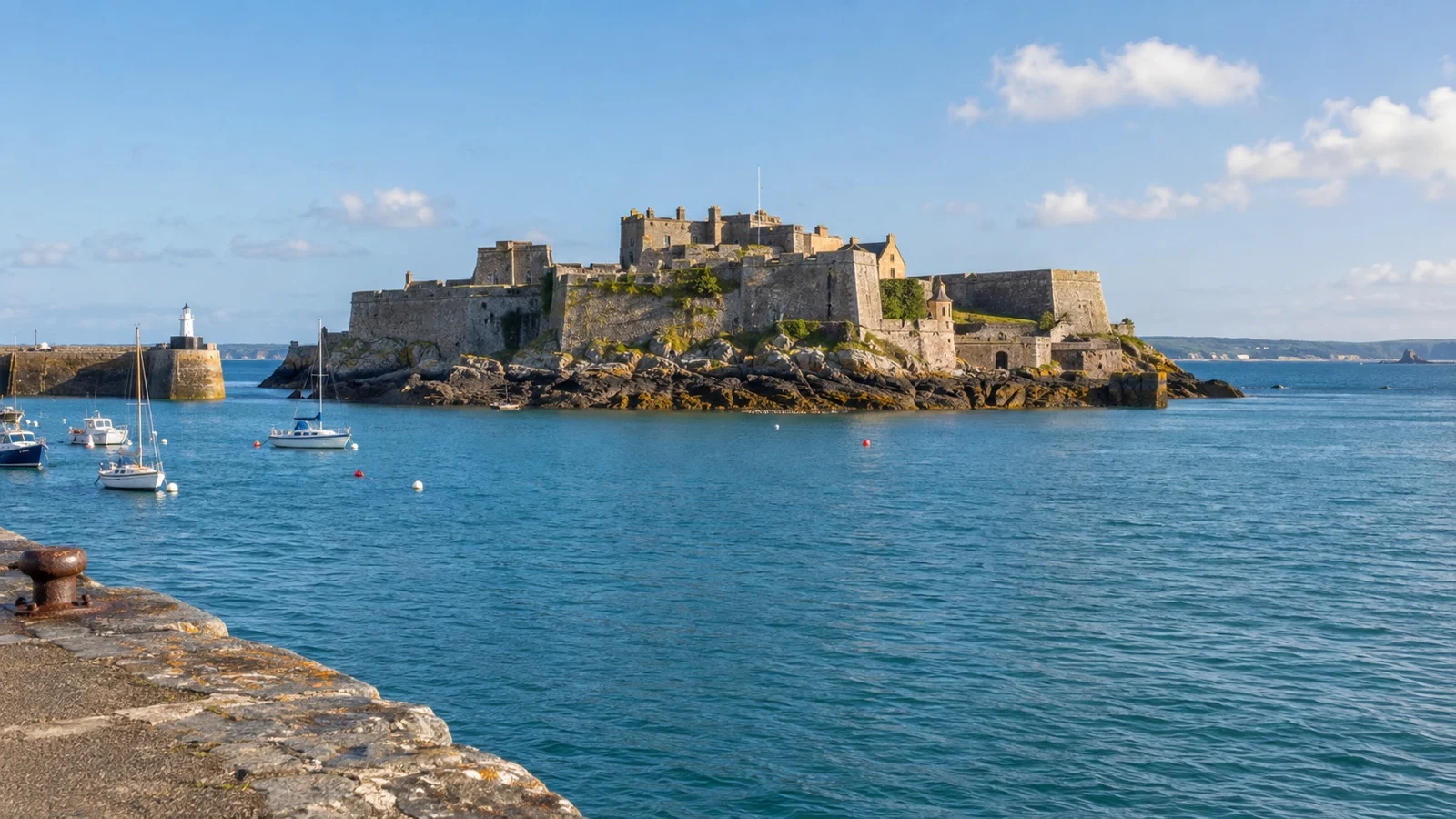
Opening days, hours, events, and the traditional midday gun are seasonal, so check the Guernsey Museums page for your date. Allow extra walking time because the approach along the breakwater and movement inside the castle take longer than the map suggests.
Is the castle accessible?
Parts of the approach are manageable, but the historic structure contains slopes, cobbles, narrow passages, and stairs. Ask the museum about the route available on your visit rather than assuming the whole site can be toured with a wheelchair or walker.
The old town and High Street
Saint Peter Port’s center combines stone lanes, independent shops, small squares, and glimpses of the harbor between buildings. The High Street is pedestrian friendly, though connecting streets can be steep and some surfaces are uneven.
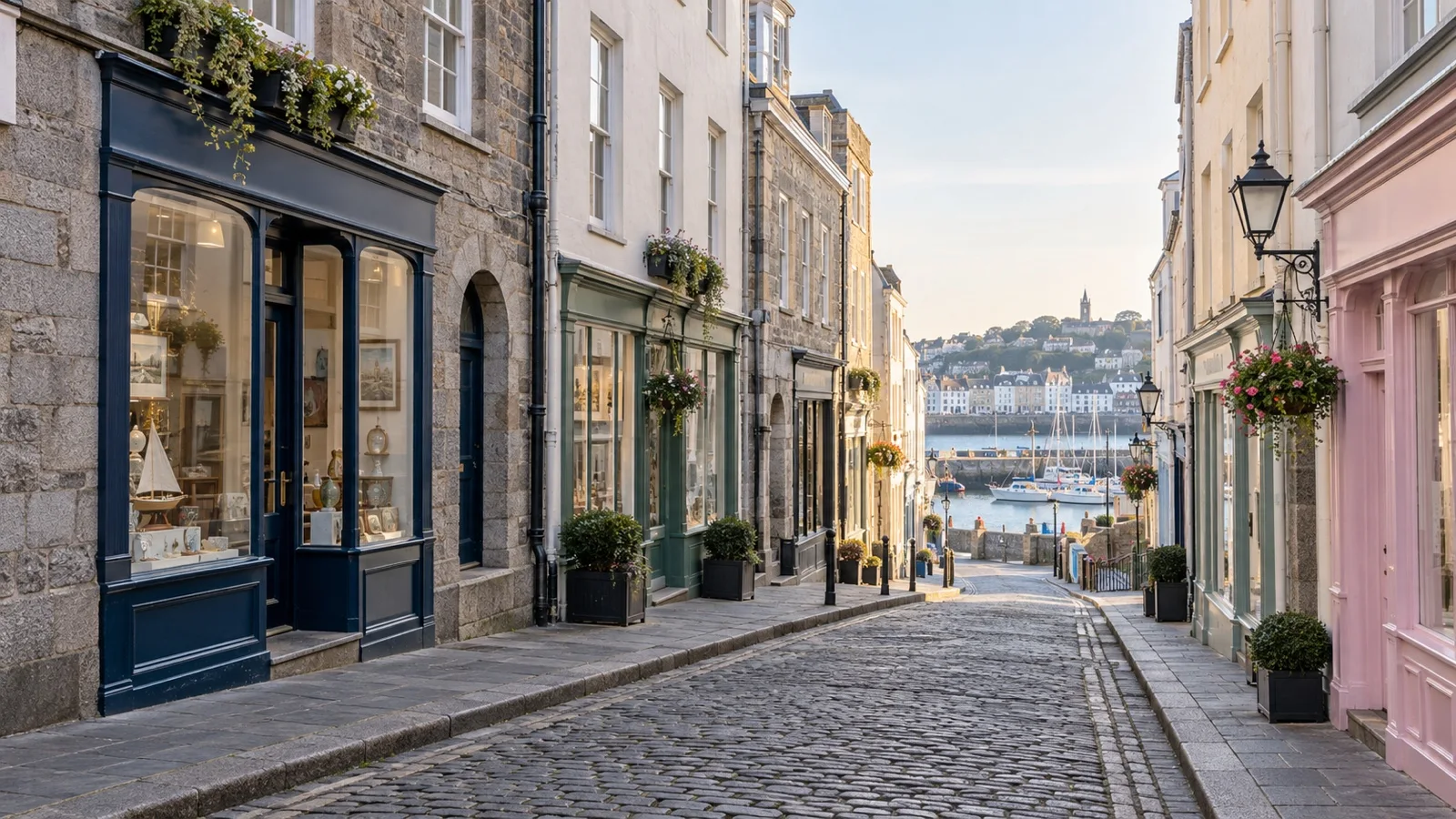
Follow your curiosity uphill only as far as your energy allows, then descend gradually toward the water. Comfortable shoes matter more here than dressing formally for lunch.
Hauteville House
Victor Hugo lived in exile at Hauteville House, where he wrote and designed interiors packed with symbolism, color, mirrors, woodwork, and personal detail. The house is one of the town’s most distinctive attractions, but access is controlled and advance booking may be essential.
Do not leave this visit to chance on a busy cruise day. Confirm the official opening calendar, ticket time, photography policy, and access limitations before sailing.
Candie Gardens and Guernsey Museum
Candie Gardens offer harbor views, formal planting, and a calmer atmosphere above the commercial center. Guernsey Museum at Candie adds island archaeology, art, and local history when its current exhibitions and hours fit your call.
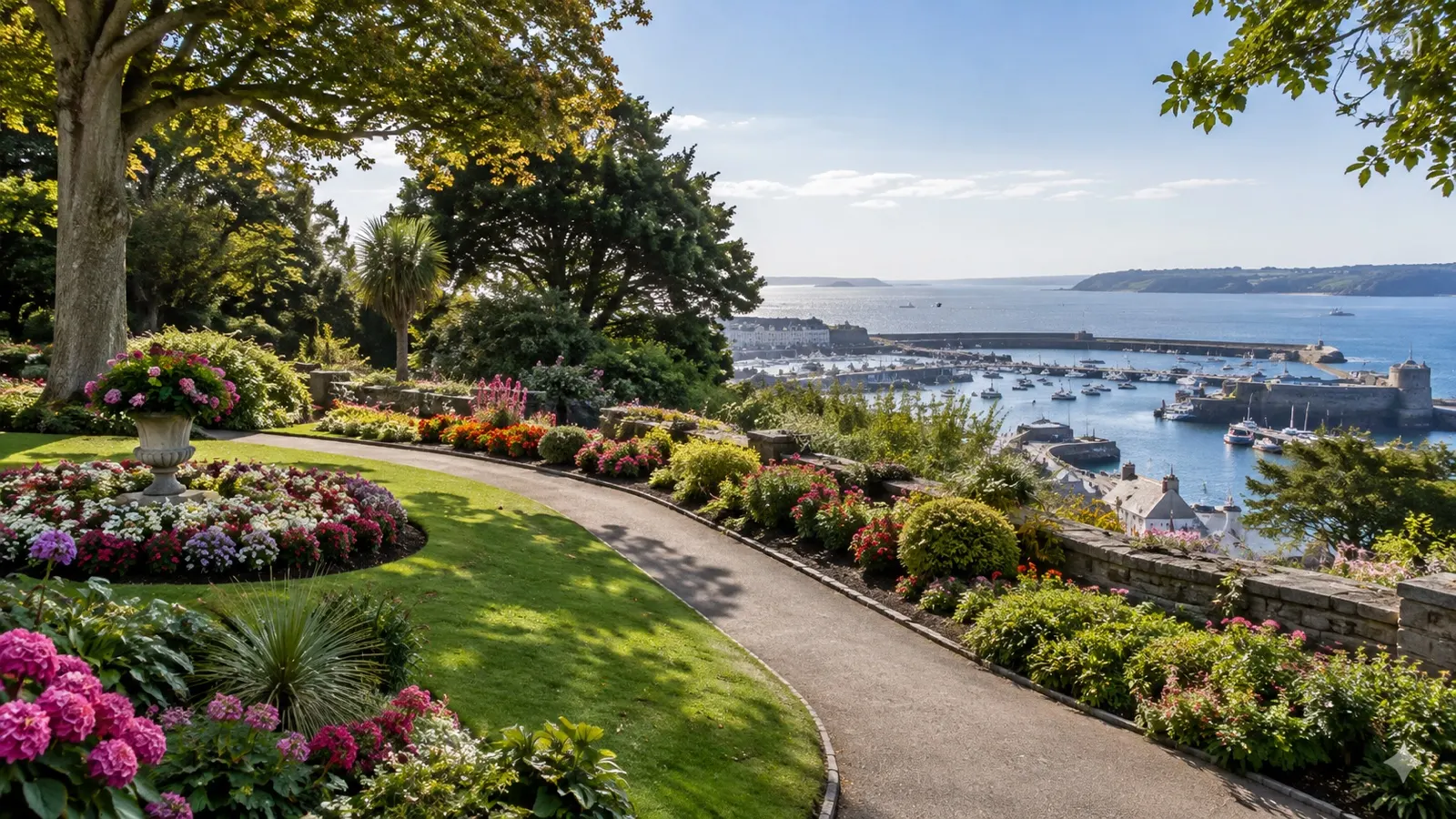
The climb is noticeable, so pace yourself and use the most gradual route available. A taxi uphill followed by a downhill walk can conserve energy for travelers who are steady on foot but dislike long ascents.
German Occupation history
Guernsey was occupied by German forces during the Second World War, and reminders remain throughout the island. Museums, fortifications, tunnels, and coastal defenses interpret a difficult period that affected island families as well as the physical landscape.
Opening schedules vary widely and some sites are seasonal or privately operated. Choose one location with current confirmed hours rather than trying to connect several scattered sites during a single port call.
Using Guernsey’s buses
The island bus network is useful for independent visitors, and services operate through the year. Saint Peter Port’s Town Terminus is close to the harbor, while the official Buses.gg site provides current timetables, live information, journey planning, fares, and service updates.
Download the schedule before leaving the ship in case mobile coverage is slow. Build your plan around the return departure you can safely afford to miss, not the very last possible connection.
Round island routes
A circular service can provide an inexpensive look at Guernsey’s lanes, bays, villages, and coastline. Confirm the present route numbers and whether a full circuit requires a change, since timetables and service patterns can be revised.
Buses are designed for the island’s very narrow roads, and progress can feel slower than the distance suggests. Sit back and enjoy the view, but track the time needed to walk from the terminus to the tender queue.
Island excursions worth considering
Popular excursions combine coastal scenery with the Little Chapel, historic sites, rural lanes, or viewpoints around the west coast. A ship tour reduces the risk of misreading bus times and can simplify admission at places with limited capacity.
Private drivers can tailor the route, but vehicles and guides may be scarce when a large ship visits. Book through a reputable licensed provider and give the driver the final tender time in ship time.
The Little Chapel
The Little Chapel is famous for its tiny scale and decoration made with shells, pebbles, and broken china. It is inland rather than an easy waterfront stroll, so most cruise visitors reach it by bus, taxi, or organized tour.
Treat the site respectfully and check its current visitor information before setting out. A quick photo stop can take longer when several tour groups arrive together.
Coast and beach stops
Guernsey’s coast offers rocky headlands, sandy bays, and views that feel surprisingly remote for a compact island. The best choice depends on wind direction, tide, bus access, and the amount of time remaining before the tender.
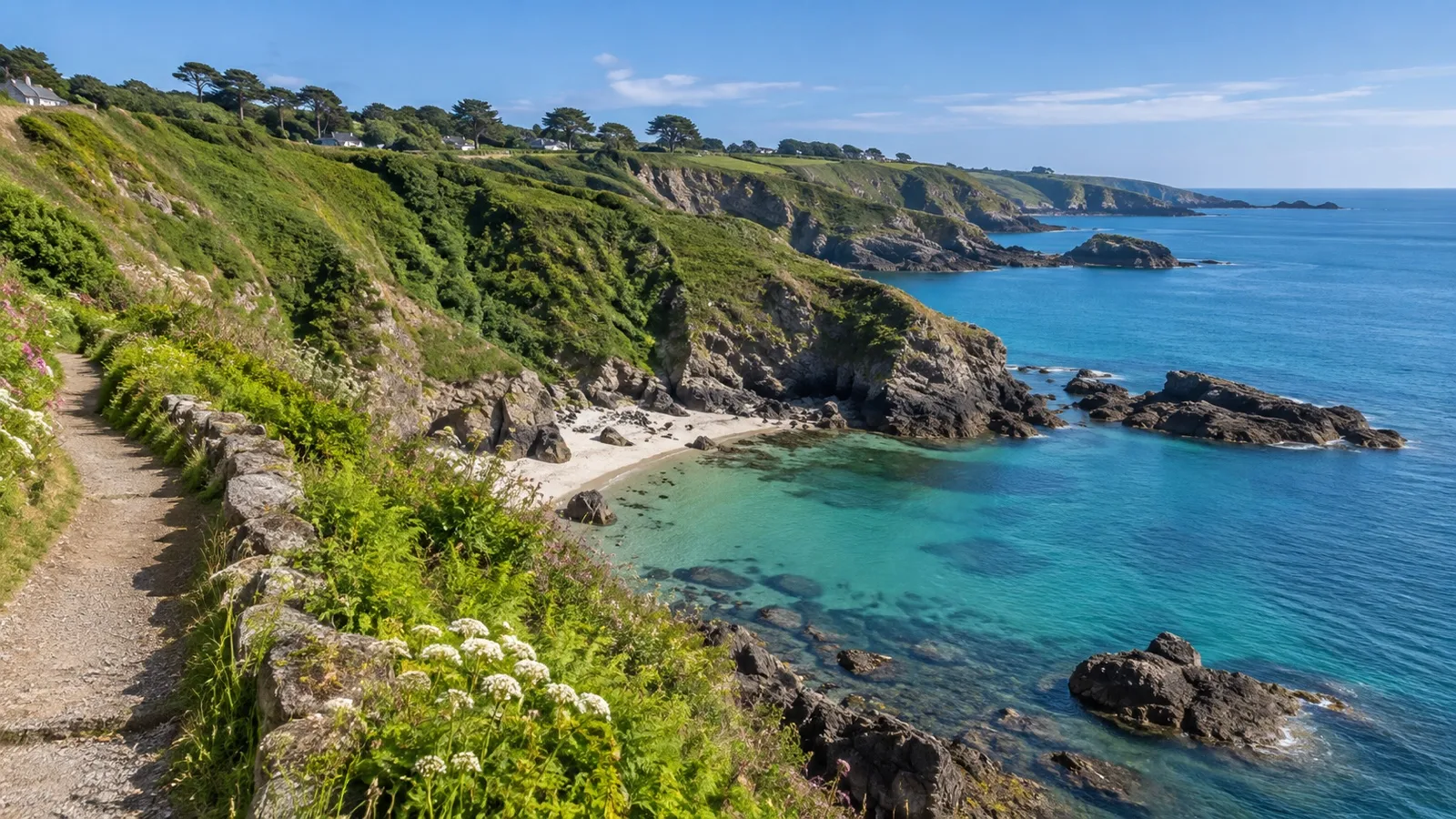
Swimming water can be cool, tides are significant, and not every bay has lifeguards or facilities. Use local safety signs and never leave belongings where a rising tide can cut them off.
Herm or Sark on a cruise call
Ferries from Saint Peter Port serve nearby islands, and the idea of adding Herm or Sark can be tempting. On a cruise visit, however, a separate ferry introduces another timetable, weather exposure, and the risk of missing the ship’s tender.
Attempt it only when the call is long, the ferry schedule creates a large buffer, and your cruise line has not issued restrictions. For most first time visitors, Guernsey itself provides more than enough for one day.
Taxis and private tours
Licensed taxis can be useful for uphill attractions, mobility conservation, or a focused island circuit. Demand rises sharply when cruise tenders land, so a taxi rank should not be treated as a guaranteed instant departure.
Agree on the route, expected duration, payment method, and return point before setting off. If you prebook, provide the ship name and explain that arrival time depends on tender clearance.
Money and payments
Guernsey issues its own pound notes and coins at parity with British sterling, and British money is widely used locally. Guernsey notes may be difficult to spend after leaving the islands, so use or exchange leftovers before sailing.
Cards are accepted by many businesses, but a small amount of cash is sensible for minor purchases or a backup. Ask whether a taxi accepts cards before the ride rather than at the end.
Food to look for
A relaxed town day leaves time for local seafood, cafe lunches, and island produce. Menus may feature crab, lobster, dairy products, and traditional Guernsey dishes, though availability changes with season and supplier.
Reserve only if you are confident about the tender schedule, because late ship clearance can erase a fixed lunch window. Waterfront cafes offer the easiest escape if the return queue begins building.
Weather and what to wear
Channel Islands weather can shift quickly between sun, low cloud, drizzle, and wind. A forecast for the island does not always describe conditions at the exposed anchorage, where swell determines whether tenders can operate.
Wear layers and carry a compact waterproof jacket even on a bright morning. Shoes with grip are helpful on wet ramps, polished stone, cobbles, and the castle approach.
Accessibility and mobility planning
The tender transfer is the first and most important access question. Cruise lines normally assess whether a guest can negotiate steps, the moving gap, and crew assistance, and they may suspend mobility device transfers when conditions are unsafe.
After landing, the lower harbor area is the easiest zone, while the town rises steeply behind it. Ask the cruise line about tender compatibility and the local visitor office about step free routes before committing to an attraction.
A lower effort day
A gentle plan can stay around the marina, lower shopping streets, cafes, and harbor viewpoints. Add a taxi to Candie or another uphill stop only if getting back into the vehicle will be comfortable.
Accessible taxis exist, but supply is limited and advance reservation is wise. Provide exact chair dimensions and transfer needs when booking.
Families in Saint Peter Port
Children often enjoy the tender ride, castle ramparts, boats in the harbor, and open space at Candie Gardens. Adults should supervise closely around quays, steep lanes, walls, and busy harbor access.
Choose one major attraction and leave room for a snack rather than filling every hour. A flexible family plan is much easier to shorten if the tender crossing is delayed.
Photography and viewpoints
The classic photographs come from the harbor looking back at the hillside, the breakwater near Castle Cornet, and elevated streets above town. Morning and late afternoon light can bring out the layers of rooftops and water.
Do not step into vehicle lanes or restricted port areas for a cleaner composition. A modest climb on a public street usually produces a better and safer view.
A sensible plan for a short call
With four or five usable hours ashore, focus on the waterfront, old town, and either Castle Cornet or Candie. Keep lunch casual, monitor tender notices, and begin returning before the final departure wave.
If castle hours do not fit, enjoy the harbor walk and town instead of forcing a replacement far across the island. Saint Peter Port has enough atmosphere to carry the day without a long transfer.
A plan for a full day
With a long call and stable conditions, spend the morning on an island circuit or focused excursion, then return to Saint Peter Port for lunch and a town attraction. Scheduling the distant activity first gives you more control over the final hours.
Do not stack a full bus loop, a timed museum, a long meal, and a coastal walk without buffers. Island roads are narrow, stops take time, and tender queues can grow quickly.
Last tender strategy
Use the ship’s clock and the final tender time printed in the daily program. Phone time zones can change automatically, while local announcements may use a different reference than the one in your head.
Aim to be back at Albert Pier well before the deadline, especially when wind is increasing or several ships are operating. The final queue is the wrong place to discover that a bus delay consumed your safety margin.
Frequently asked questions
Can cruise ships dock in Saint Peter Port?
Most large cruise ships anchor offshore and use tenders because of harbor constraints. Smaller vessels may have different arrangements, so follow the information issued for your sailing.
Is the town walkable from the tender?
Yes, the lower town begins close to Albert Pier. The important limitation is elevation, since many streets and attractions require a steep climb.
Can I tour Guernsey without an excursion?
Yes, the central sights are easy to organize independently and buses extend your range. Keep the route modest and protect enough time for the return tender.
Do I need euros?
No, the local currency is the Guernsey pound and British sterling is used. Euros should not be assumed as routine payment.
Will the ship cancel in bad weather?
It can, because safe tendering depends on wind, swell, and visibility. The captain and harbor authorities make the operational decision for the conditions at that time.
How far is Castle Cornet?
It is a straightforward harbor walk from the tender area, but the approach and the interior add distance and uneven surfaces. Check current opening information before making it the center of your day.
My take on Saint Peter Port
Saint Peter Port is at its best when you resist the urge to race around the whole island. The harbor, castle, layered streets, and views provide a satisfying day within a compact area.
Treat the tender and hills as the two fixed constraints, then shape everything else around them. With a waterproof layer and a generous return buffer, this becomes one of the most charming independent port days in northern Europe.
Before arrival, check current cruise and harbor guidance with Guernsey Harbours, visitor information from Visit Guernsey, and attraction details from Guernsey Museums. Use Buses.gg for live schedules and service changes, then follow your cruise line’s final tender instructions on the day.