Oslo Cruise Port: Berths, Vigeland & the Opera Roof
Oslo is one of those capitals where the berth question genuinely decides your day. There are two cruise piers, two completely different walks, and you often do not know which one you are getting until fairly late.
Draw Revierkaia and you are essentially in the city the moment you step off. Draw Filipstad and there is a walk or a taxi standing between you and anything worth seeing.
My quick take
Oslo is a walking city with a fjord attached, and it rewards people who pick two things and do them properly. The classic mistake is trying to cram Bygdoy, Vigeland, and the whole waterfront into seven hours.
A strong default day is the Bjorvika waterfront, which means walking up the roof of the Opera House and then across to MUNCH. Both are within an easy stroll of the central berth, and neither involves a bus.
If you want the postcard Norway instead, take the little ferry over to Bygdoy for the Fram Museum. It is a proper polar ship indoors, and the boat ride there is half the fun.
Oslo is also a genuinely expensive city, so budget accordingly and do not be shocked by the beer. For where it sits among the rest of the country, see my roundup of Norway cruise ports.
Oslo Cruise Port Quick Facts
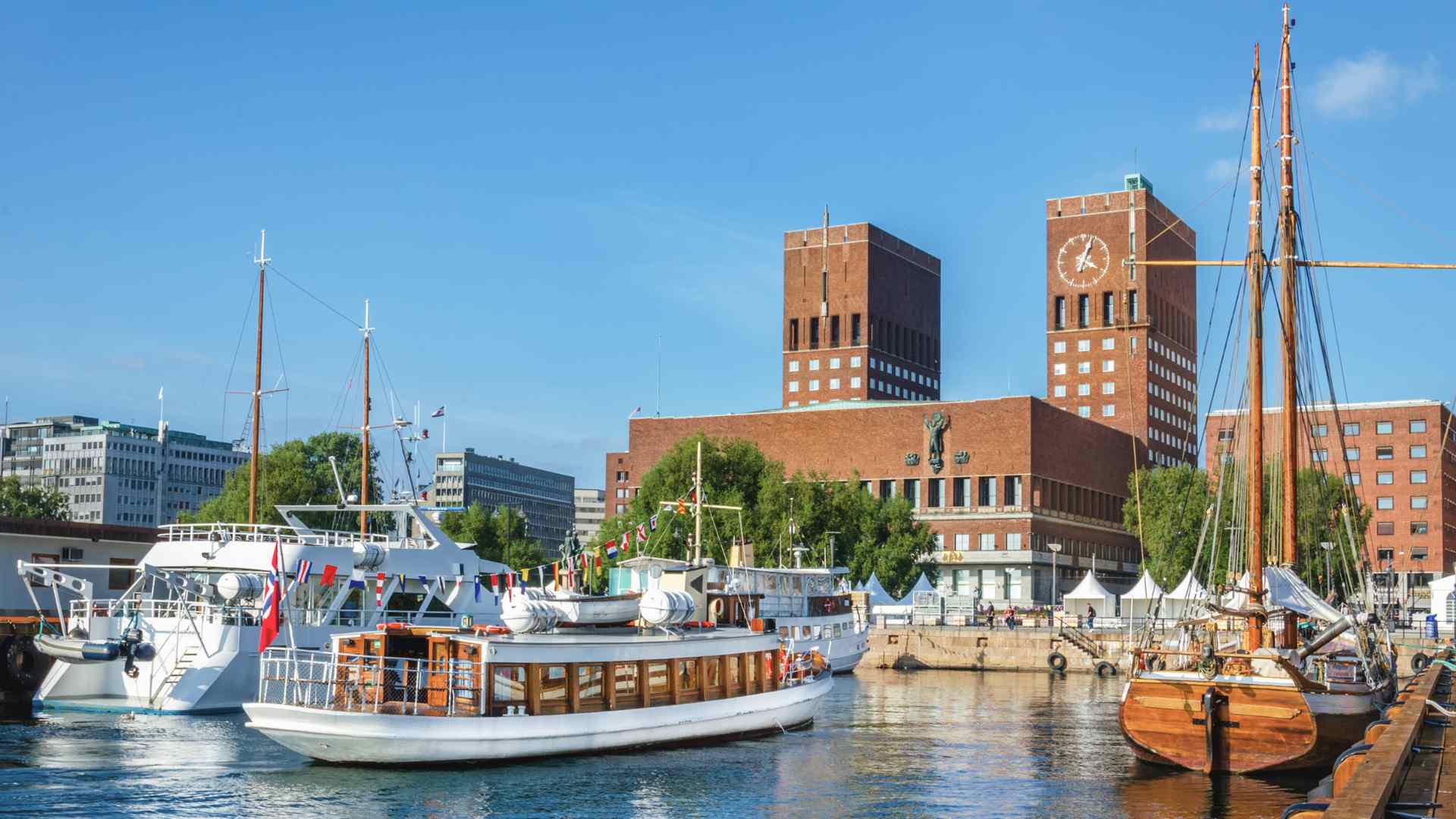
- Where you land: the Port of Oslo lists two cruise piers, Revierkaia and Filipstad, and calls Revierkaia the main one. Revierkaia sits on the Vippetangen peninsula right under Akershus Fortress; Filipstad is west of Aker Brygge and takes the longest ships.
- Dock or tender: The port’s own cruise manual lists no standard tender berth and offers tendering only on request in special cases.
- Into town: From Revierkaia the port puts the city center at roughly a quarter of a mile, or 5 to 10 minutes on foot.
- Currency and language: Norwegian kroner (NOK) and Norwegian, with excellent English everywhere.
- Time zone: Central European Summer Time (CEST, UTC+2) through the May to September season, CET (UTC+1) in winter.
- Weather and operations: Oslo’s sheltered harbor supports routine berthing, but weather and operational conditions can still change the day’s plan.
Revierkaia, Filipstad, and the walk that decides your day
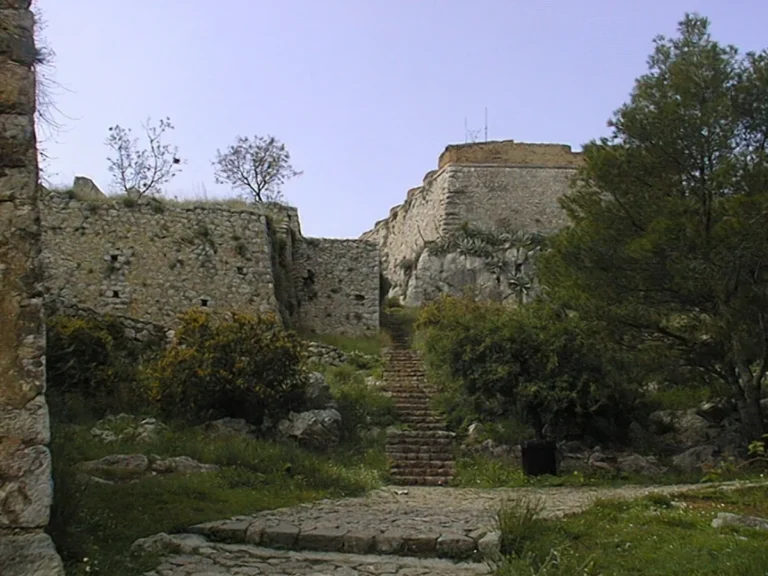
Revierkaia is the berth you want, and it is the one the port describes as its main cruise quay. You come off onto the Vippetangen peninsula with Akershus Fortress directly above you and the city roughly a quarter of a mile away.
From there you can walk the waterfront in either direction, toward Aker Brygge and Tjuvholmen one way, or toward the Opera House and Bjorvika the other. Both walks are flat, paved, and lined with things worth stopping for.
Filipstad is the other pier, sitting west of Aker Brygge in an area that is still an active building site. It takes the longer ships, up to around 1,130 feet, and it is a substantial walk into the center.
Worth knowing before you plan anything: the Port of Oslo does not run a passenger shuttle bus. If a shuttle exists on your call, it is your cruise line providing it, so check the daily program rather than assuming.
Taxis wait at both piers and Oslo taxis are expensive but reliable. If you are at Filipstad and short on time, that is the one occasion I would pay without complaining.
Getting around
Oslo’s public transport is run by Ruter and it is refreshingly simple, with one ticket covering trams, buses, metro, and local ferries. Buy in the app before you board, because you cannot pay the driver with cash.
The tram is the workhorse for a cruise day, and it is how you reach Vigeland Park without breaking a sweat. Check current lines and fares on Ruter rather than trusting a printout from two seasons ago.
The Bygdoy ferry leaves from the City Hall pier and is the nicest way to reach the museum peninsula. Bus 30 does the same job overland when the ferry is not running.
Honestly though, the central core is small enough that you may not need transport at all. From Revierkaia you can reach the fortress, the harbor, the Opera House, and the main shopping street entirely on foot.

The stops I would actually spend time on
Oslo has more good museums than one port day can absorb, so this is a ruthless list rather than a complete one. Roughly in the order I would tackle them from a central berth.
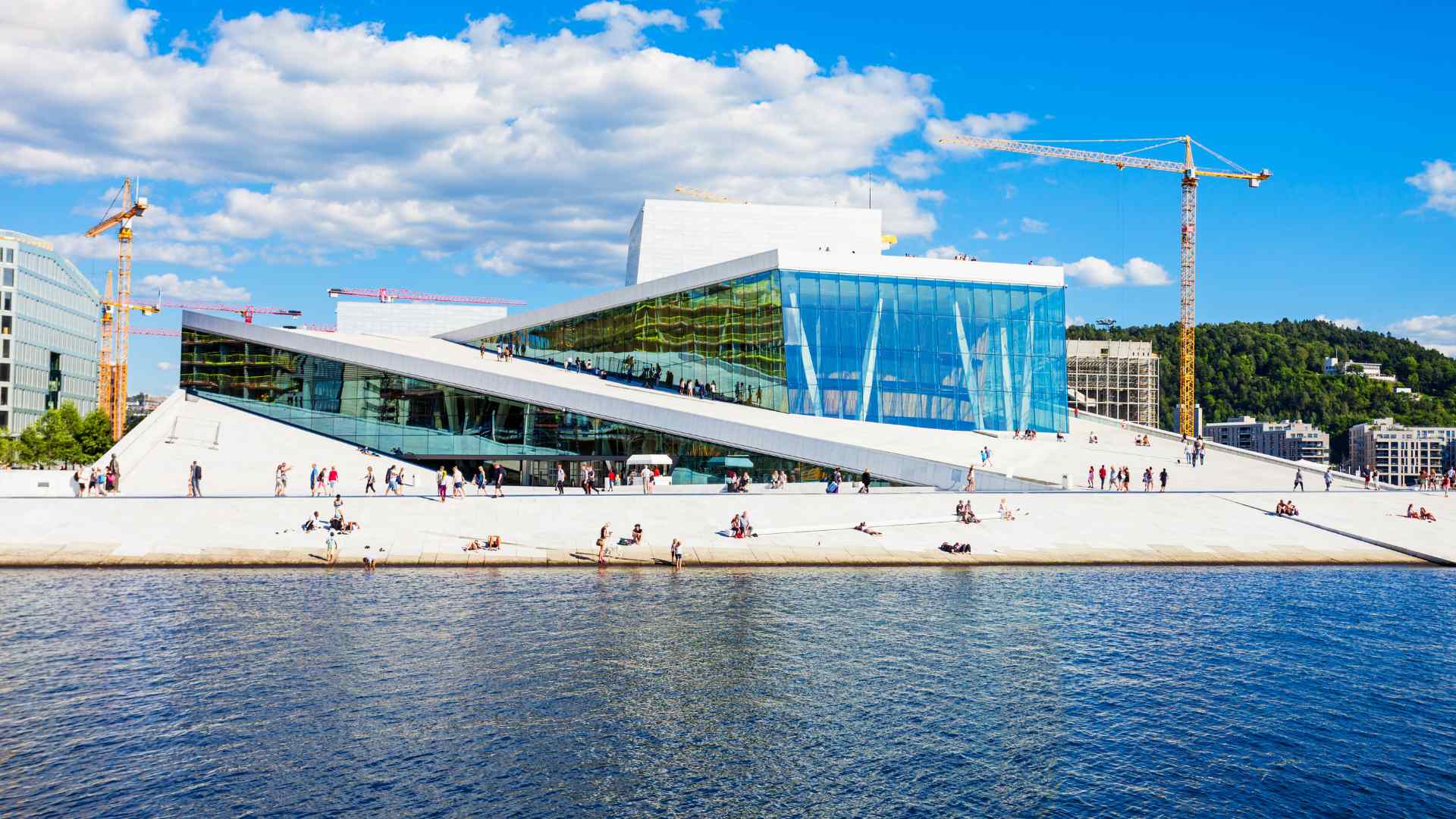
The Oslo Opera House: A white marble slab in Bjorvika with a roof the public is invited to walk up. It is free, it takes fifteen minutes, and the view back over the fjord is the best free thing in the city.
MUNCH: A thirteen-floor tower next to the Opera House holding a huge collection of Edvard Munch’s work, including versions of The Scream. Go up first and work down, because the upper viewing floor is worth the elevator ride on its own.
Akershus Fortress: A medieval stronghold dating from around 1300 that sits directly above the main cruise berth. The grounds are free to wander and give you the best angle on your own ship.
Vigeland Park: Gustav Vigeland’s enormous open-air sculpture park, free and always open, with the Monolith, the Fountain, and the Bridge. It is a tram ride out of the center and completely worth the detour.
The Fram Museum: Home to the polar ship Fram and Amundsen’s Gjoa, both of which you can climb aboard. It sits out at Bygdoy, reachable by ferry from the City Hall pier or bus 30.
Aker Brygge and Tjuvholmen: The redeveloped wharf west of the fortress, full of restaurants, boardwalks, and people watching the water. Prices are steep, but a walk costs nothing.
The Nobel Peace Center: A compact museum by the harbor covering the Peace Prize and its laureates. It is a good rainy-hour option because it sits right on the main waterfront walk.
The Historical Museum: Central Oslo’s home for Viking Age artifacts while the ship museum is shut. It is the sensible substitute if Norse history was on your list.
Fun fact: If you came to Oslo for the Viking ships, brace yourself, because the old Viking Ship Museum on Bygdoy is closed and the ships have been moved into a new building. The Museum of the Viking Age is scheduled to open in 2027, so anything promising you Oseberg before then is selling you a photograph.
Match the berth, ferry season, and museum day
From Revierkaia, the Opera House and central waterfront make the simplest walking loop. From Filipstad, allow for the longer walk or take a taxi or cruise-line shuttle, then leave 60 to 90 minutes for the return through the secure quay.
The passenger ferry to Bygdøy is seasonal, while Ruter’s bus network provides the more dependable backup. Activate the correct ticket before boarding and check the live planner for the return rather than assuming a summer boat is running.
The Viking Ship Museum remains closed while the Museum of the Viking Age is being built, with the official project targeting 2027. Check the museum and attraction pages for current openings, and skip the Opera roof when ice, wind, maintenance, or staff barriers close the safe route.
How I would plan the day
On a full day from Revierkaia I would walk east first, do the Opera roof early while it is quiet, and then MUNCH. Lunch somewhere in Bjorvika, then tram out to Vigeland Park for the afternoon.
If polar exploration is more your thing, swap Vigeland for the Bygdoy ferry and give the Fram a solid two hours. Trying to do both peninsulas in one day is how people end up eating a sandwich on a tram.
On a short call, or from Filipstad, I would stay strictly in the center and not chase anything. Akershus Fortress, the harbor walk, and the Opera roof make a perfectly good four hours.
Crowds are less of an issue here than in most Baltic ports, mainly because Oslo is a real city rather than an old town squeezed into six streets. The Opera roof is the exception, so go before eleven.
If it rains, and it will, the indoor plan is MUNCH plus the Nobel Peace Center with a long lunch between them. Both are close to the water and neither needs booking days ahead.
Our Oslo cruise port hotel guide sorts the options by how easy the morning transfer is.
A realistic word on accessibility
Oslo is one of the easier European capitals for limited mobility, with flat central streets, modern low-floor trams, and elevators in most newer buildings. The Opera House even has an accessible route up part of the roof.
The problems are specific rather than general, and they are mostly Akershus Fortress with its cobbles and slopes, plus the length of the walk if you land at Filipstad. Neither is impossible, but both need planning.
The Bygdoy ferry involves a small step and a floating pontoon, so the bus is sometimes the steadier choice. For a wider comparison across ports, see my guide to wheelchair-friendly cruise ports.
When to go, and the weather
The cruise season here runs from roughly May into September, with the fjord calls clustered in high summer. June and July give you daylight that stretches well past dinner.
Midsummer highs sit around the low 70s Fahrenheit, which is warmer than most people expect from Norway. May and September run closer to the high 50s and low 60s Fahrenheit.
Rain arrives without much warning and the fjord adds a breeze that makes it feel colder. A light waterproof layer is worth more here than an extra sweater.
Pack proper walking shoes, because a good Oslo day is genuinely several miles on foot. The city is flat, but flat and long is still long.
Quick answers
Which Oslo berth will my ship use?
Most likely Revierkaia, which the port calls its main cruise quay, with Filipstad taking the overflow and the longest ships. Your daily program is the only reliable answer, so check it the night before.
Can I see the Viking ships?
Not right now, because the Bygdoy museum is closed and the new Museum of the Viking Age is scheduled for 2027. The Historical Museum in the center holds other Viking Age material in the meantime.
Do I need cash in Oslo?
Realistically no, since cards and phones work almost everywhere including trams and museums. Norway is one of the least cash-friendly countries in Europe.
Is there a free shuttle from the port?
The Port of Oslo does not run one, so any shuttle on your call comes from the cruise line. From Revierkaia you will not need it anyway.
The last word
Oslo is not a city that shouts, and it takes about an hour before you realize how much you like it. Give it a waterfront walk, one museum, and a coffee you will overpay for, and it usually wins you over.
If Oslo is one stop on a Baltic loop, my Copenhagen and Stockholm guides cover the two capitals it gets compared with most. Stockholm in particular has a berth problem that makes Oslo’s look trivial.
And if you are continuing up the coast for the fjords proper, start with my Bergen cruise port guide. That is where Norway stops being a capital city and starts being scenery.
How this guide was researched: Unless a first-hand visit is explicitly identified above, this guide is based on independent research using official port, tourism, transit, government, and attraction sources where available. Logistics and time-sensitive details were reviewed on September 11, 2026; see our Editorial Policy.