Rovinj Cruise Port: Tenders, Old Town & Pula
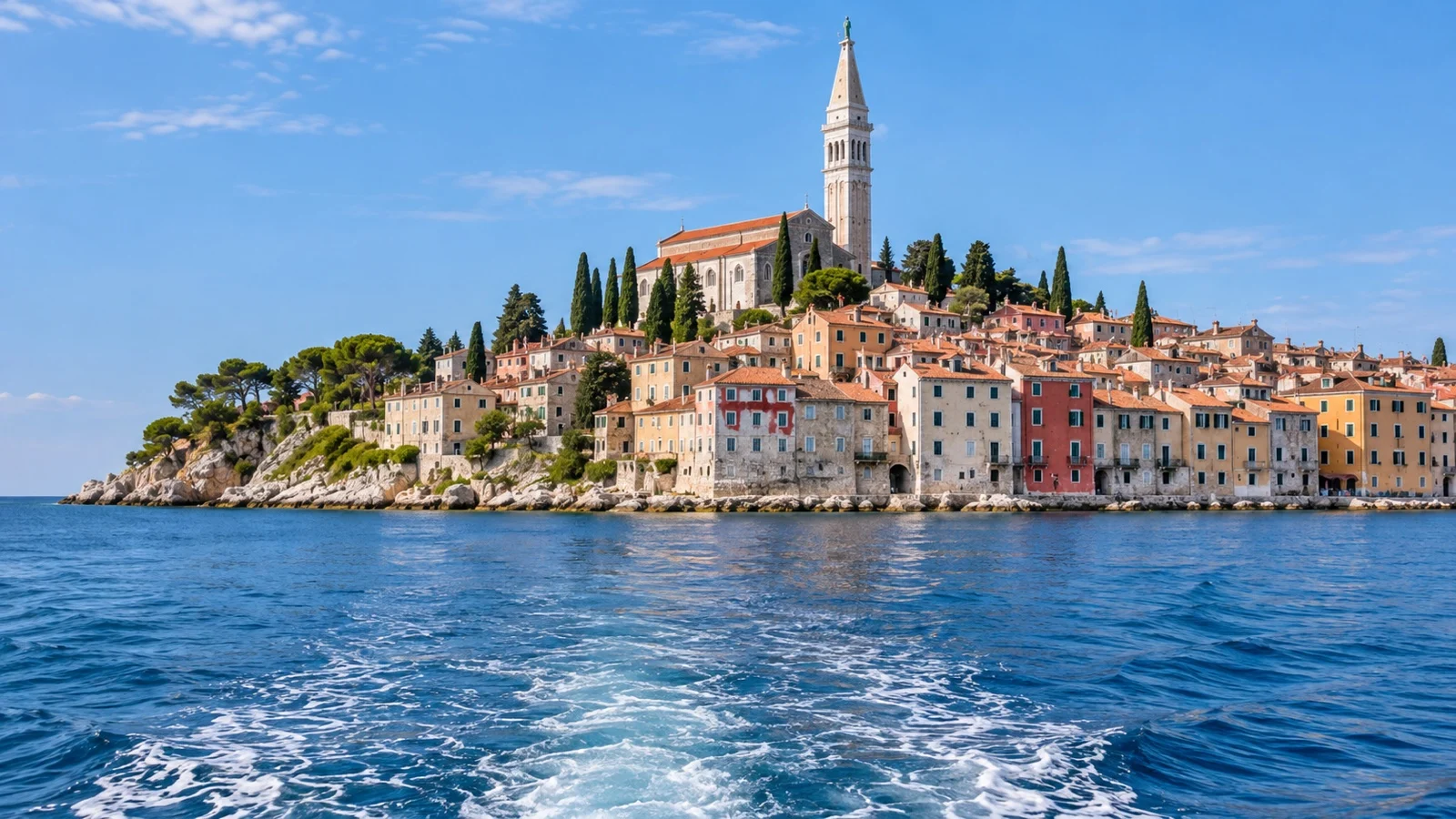
Rovinj rises from the Adriatic like a painted stone ship, with tightly packed houses climbing toward the bell tower of Saint Euphemia. A cruise call here feels intimate because large ships usually anchor offshore and tenders bring you directly into the rhythm of the waterfront.
The Old Town is the main event, and it is wonderfully walkable for travelers comfortable with steep, polished lanes. Pula, Golden Cape, island boats, and Istrian food add tempting choices, but the best day begins with realistic tender and return timing.
Quick Facts
- Port type: Usually an anchor call with tender transfer for larger cruise ships
- Landing area: Central Rovinj waterfront, subject to the ship’s assigned arrangement
- Main attraction: The compact Old Town and Church of Saint Euphemia
- Walking conditions: Steep lanes, polished stone, steps, and limited vehicle access
- Currency: Euro, with cards common and some cash still useful
- Languages: Croatian and Italian are locally important, with English widely used in tourism
- Popular excursion: Roman Pula, reached by prearranged road transport
- Key planning issue: Tender operations and Istrian traffic require an early return buffer
Where Cruise Ships Arrive in Rovinj
Rovinj’s harbor is designed around local boats, ferries, yachts, and smaller vessels rather than a conventional ocean-cruise terminal. Large ships commonly anchor outside the harbor and transfer passengers by tender.
The exact landing can vary with port operations, vessel size, and marine conditions. Follow onboard instructions for the approved pier, tender tickets, required identification, final boat, and any excursion meeting point.
The regional Port Authority of Rovinj manages the local harbor and publishes operational and meteorological information. Your ship’s bridge and local port officials make the final safety decisions for the call.
Tender Operations
A tender day begins when the ship is cleared, not at the printed arrival time. Loading pace, swell, wind, visibility, and the number of passengers going ashore can all shift your first step in Rovinj.
Ship excursions often receive coordinated tender instructions. Independent travelers should be ready early, but they should not accept a private booking with a start time that leaves no room for clearance or queues.
Wear shoes with grip and listen to the crew while boarding. The tender platform and boat move separately, so pause when directed and keep both hands available.
Store your cruise card, phone, documents, and essential medication in a small water-resistant bag. Spray is possible even when the harbor looks calm from an upper deck.
The Gift of a Central Arrival
Once ashore, you are normally close to Rovinj’s cafés, harbor promenade, market area, and the lanes entering the Old Town. There is no long industrial-port transfer separating you from the destination.
That convenience makes Rovinj one of the easiest ports for an independent day. You can explore for several hours, choose lunch near the water, and return to the tender point without needing a taxi.
Save the precise landing on your phone before walking away. The waterfront curves around several basins and piers, and a relaxed return becomes confusing if you remember only “near the harbor.”
Walking Rovinj Old Town
The historic peninsula is a maze of stone lanes, tiny squares, steps, passages, galleries, homes, and sea views. It rewards curiosity, but every downhill turn must eventually be balanced by a climb or a longer route around.
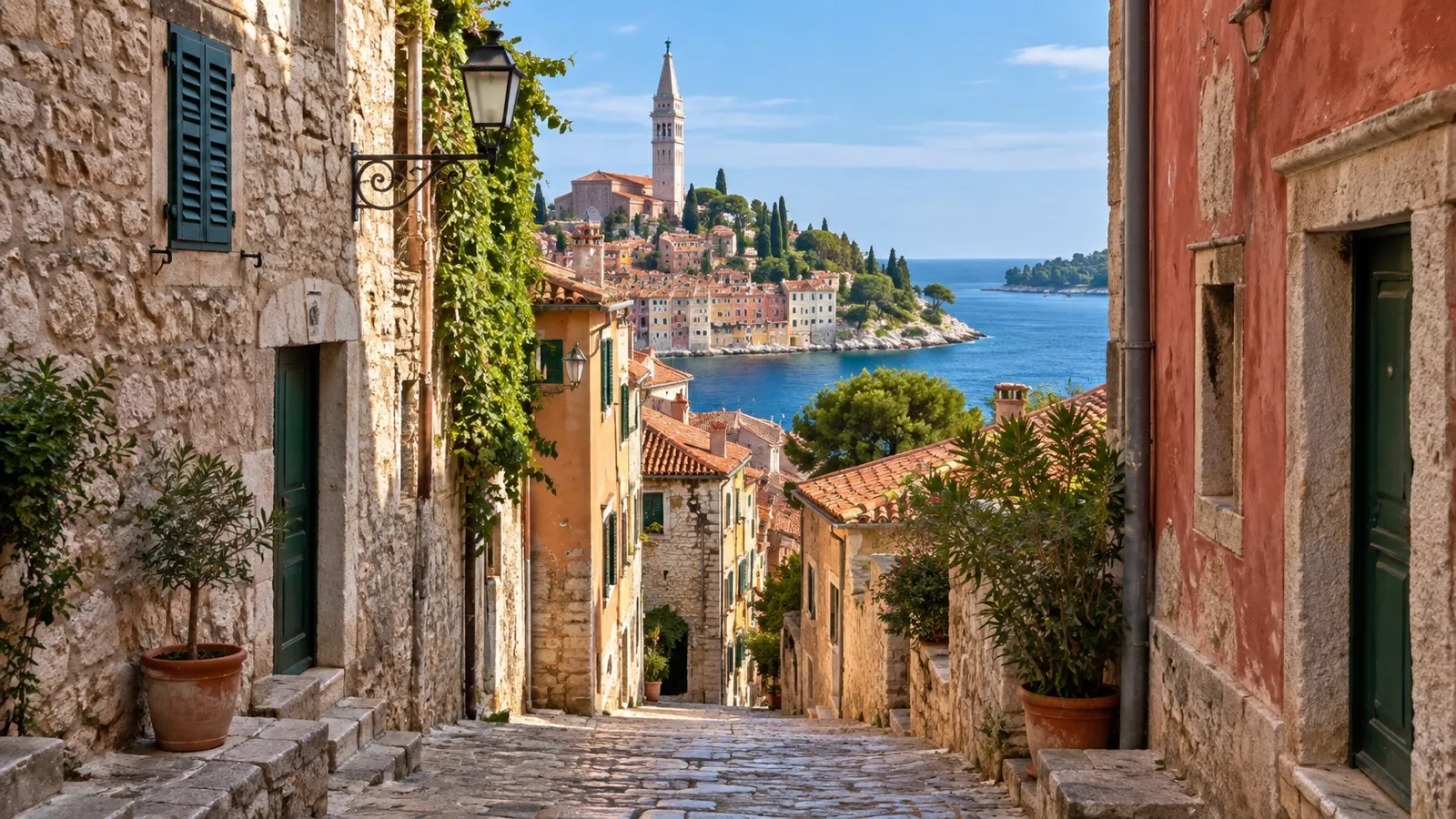
Grisia is the best-known street rising toward Saint Euphemia, lined with art, studios, and textured old façades. Crowds and polished paving can make it slower than the short map distance suggests.
Wear secure, supportive shoes rather than smooth sandals. Stone becomes especially slippery with rain, sea mist, or worn soles, and handrails are not available on every slope.
The Old Town is not a museum set. People live, work, worship, receive deliveries, and move through narrow spaces, so keep doorways clear and ask before photographing residents at close range.
Church of Saint Euphemia
The hilltop Church of Saint Euphemia dominates Rovinj’s skyline and gives the Old Town its strong sense of direction. Reaching it on foot is a steady uphill walk through lanes that can include steep grades and steps.
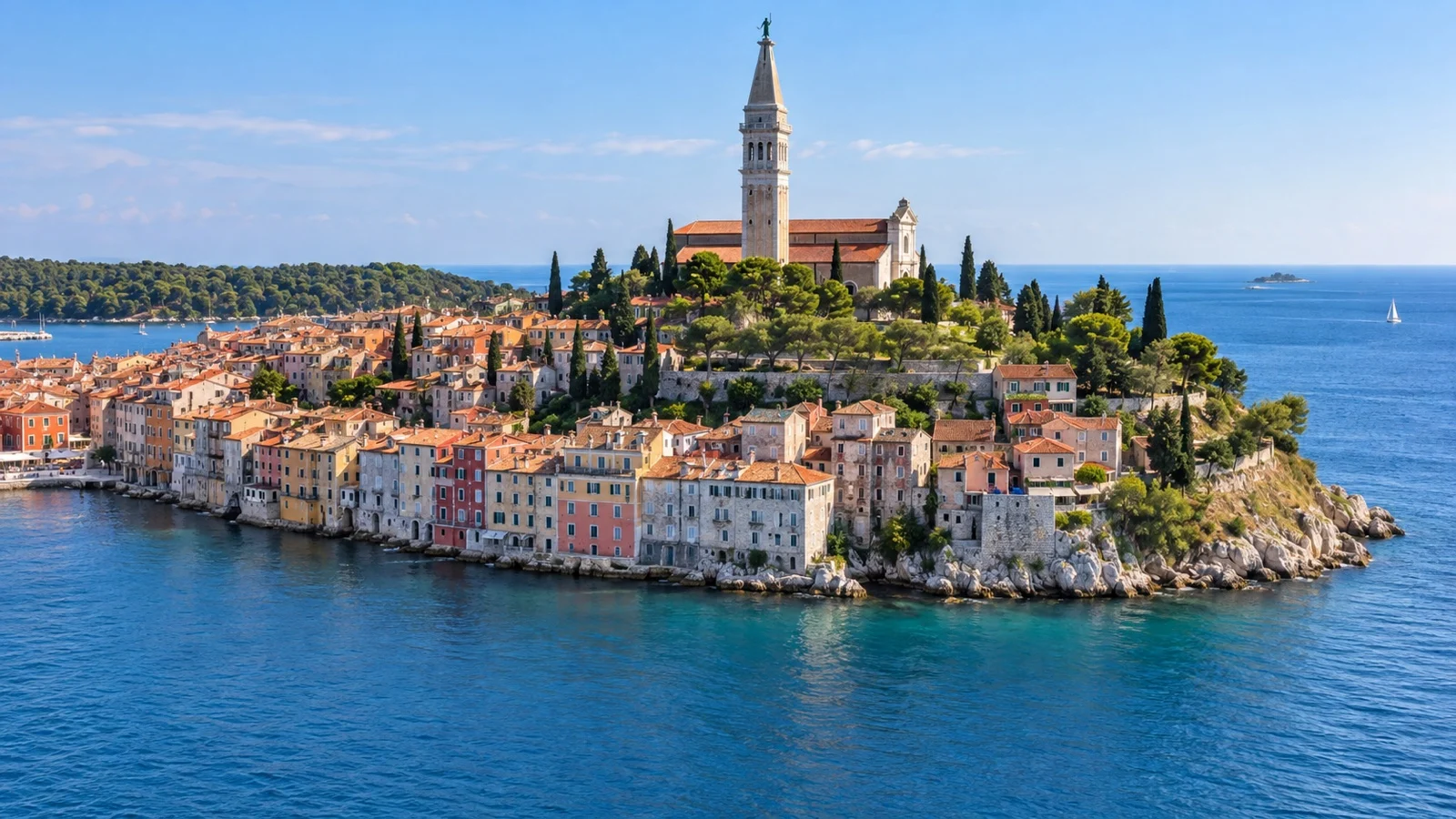
This is an active place of worship, so opening and visitor access may change for services, religious observances, maintenance, or local events. Dress with shoulders and knees covered, speak quietly, and follow posted photography rules.
The bell tower is a separate physical challenge when access is available. Confirm current opening, stair conditions, and restrictions before committing, and do not assume the tower is suitable for children or anyone with limited balance.
You can still enjoy excellent atmosphere and viewpoints around the church without climbing the tower. I would rather spend time absorbing the harbor panorama than force an ascent that does not suit the day.
The Waterfront, Market, and Carera Street
Rovinj’s waterfront makes an easy counterpoint to the steep Old Town. Fishing boats, excursion vessels, cafés, and views back toward the peninsula create a gentler route for travelers who prefer level ground.
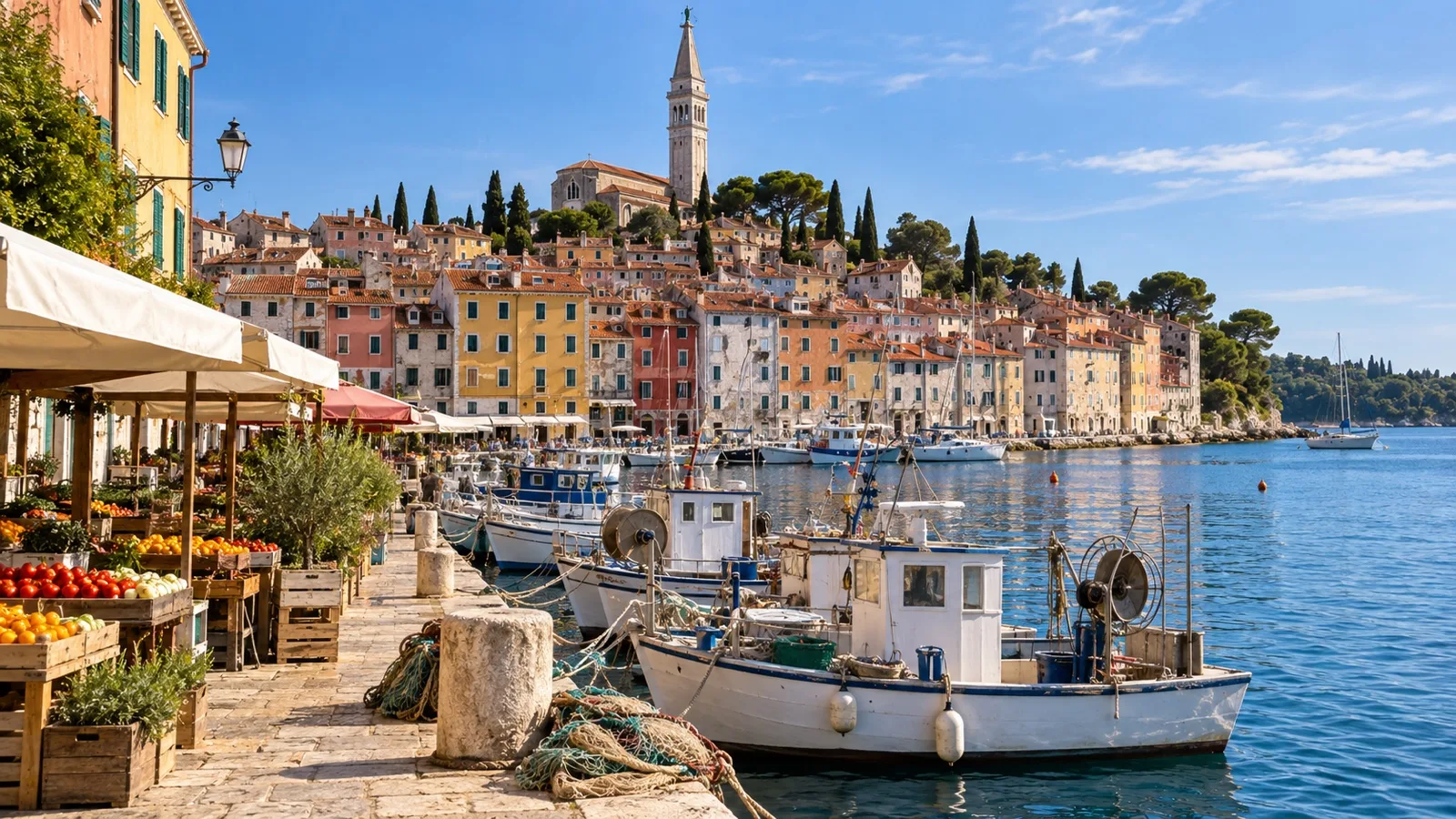
The market near the northern side of the historic center can offer produce, truffles, oils, local foods, and souvenirs. Compare quality and prices, ask before tasting, and remember that fresh food may face restrictions at your next port.
Carera Street is a pedestrian shopping spine connecting the center with the harbor area. It is useful for pharmacies, shops, cafés, and a flatter walk when the Old Town’s steepest lanes are not comfortable.
Museums and Cultural Stops
The Batana Ecomuseum explores the traditional flat-bottomed fishing boat called the batana and the maritime culture built around it. It offers a more specific sense of place than a generic souvenir stop, but current hours and programs should be verified.
Rovinj’s local heritage museum and galleries can add an indoor break when they are open. Seasonal schedules are common, so do not assume every cultural site operates daily throughout the cruise season.
Art is woven through the Old Town rather than confined to one institution. A slow walk along Grisia and nearby lanes may be the most natural gallery experience of the day.
Golden Cape Forest Park
Golden Cape, also called Zlatni rt or Punta Corrente, protects a green peninsula south of the Old Town. The official Rovinj tourism organization presents it as one of western Istria’s standout landscapes, combining woodland, paths, coves, and rocky shore.
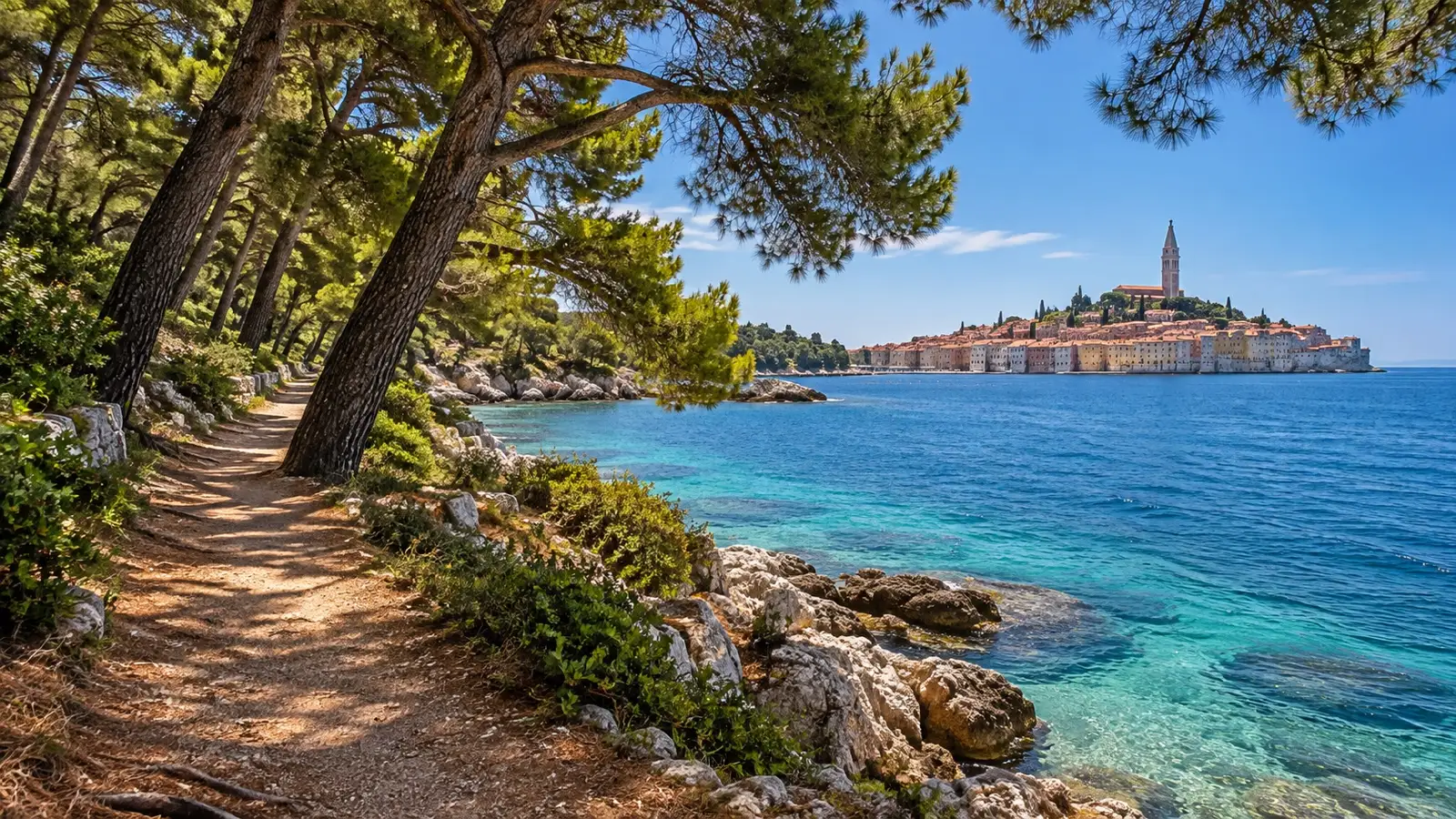
It is a lovely choice for walking, cycling, swimming, or escaping the busiest lanes. The distance from the tender landing and the park’s spread mean you should choose one modest route rather than trying to cover every cove.
Paths vary from paved approaches to rougher surfaces, and natural shade changes with the route. Carry water, use sun protection, and leave time to return without turning the final walk into a race.
Swimming Near Rovinj
Rovinj’s coast is better known for rock platforms, pebbles, coves, and clear water than for a broad sand beach beside the Old Town. Water shoes can help with uneven entries, but they do not replace caution.
Swim only where current conditions and local rules allow, and use ladders or marked access when available. Watch for boat traffic, slippery stone, sudden depth, sea urchins, and changing wind.
Never jump from rocks without verified local knowledge of depth and hazards. Keep valuables secured and do not leave cruise documents unattended on shore.
Boat Trips and Nearby Islands
Local boats may offer harbor panoramas, island visits, swimming stops, or trips around the Rovinj archipelago. Availability depends on season, sea state, operator schedule, and the time your cruise ship remains in port.
Use a licensed operator and confirm the exact departure pier, boat name, duration, safety equipment, cancellation terms, and return time. A vague promise to be back “around lunch” is not enough for a tender-port day.
Small excursion boats and your ship’s tenders share weather exposure. If a responsible captain cancels for wind or sea conditions, accept the decision and enjoy the Old Town instead of searching for a less cautious boat.
Wildlife sightings, including dolphins, are never guaranteed. Choose an operator that keeps a respectful distance and follows current Croatian rules rather than chasing animals for photographs.
Pula as a Shore Excursion
Pula is the major Roman-history excursion from Rovinj and sits in southern Istria. The drive is manageable on a sufficiently long call, but it requires organized transportation and a meaningful return buffer.
The headline is Pula’s Roman amphitheater, commonly called the Arena. The official Pula tourism office also highlights the Temple of Augustus, Arch of the Sergii, Twin Gates, city walls, castle, and other archaeological sites.
The Archaeological Museum of Istria currently notes that its main building is closed for extensive renovation, while separate sites and exhibitions remain visitable. This is exactly why current official checks matter more than an old tour description.
A Realistic Pula Route
Start with the Arena, then follow a compact walking line toward the old Roman core, Forum, and Temple of Augustus. Add the Arch of the Sergii or another site only if time, heat, and mobility allow.
Pula contains much more than can fit into a half-day from Rovinj. Choose the Roman story and leave beaches, Brijuni, aquarium visits, and Austro-Hungarian heritage for another trip.
A ship excursion is the simplest choice because it coordinates tendering, coach departure, guiding, and return. An independent driver can offer flexibility, but you remain responsible for meeting all-aboard.
Tickets and Opening Hours
The Arena and other archaeological locations are managed within a current visitor system that can change by season, event, or conservation need. Use the Archaeological Museum of Istria’s official visitor information for opening hours, tickets, and closures.
Concerts and special events may alter normal access to the amphitheater. A good guide should have a backup Roman route rather than promising an interior visit that officials have restricted.
Other Istrian Excursions
Hill towns, truffle country, wineries, olive-oil producers, and coastal villages create many alternatives beyond Pula. Motovun, Grožnjan, Poreč, and the Lim Bay area are common names, but they sit in different directions and should not be combined casually.
Pick one regional theme and verify the road time from the actual tender landing. A private driver should understand cruise deadlines, not only hotel sightseeing days.
Poreč’s Euphrasian Basilica is part of a UNESCO World Heritage property and deserves focused time. It is better treated as the anchor of a northern Istria excursion than as an extra stop after Pula.
Food-focused routes can visit a reputable olive-oil producer, winery, or truffle specialist. Confirm the tasting schedule, designated driver, full price, and early return before leaving Rovinj.
Food and Drink
Istrian food gives Rovinj much of its pleasure. Seafood, handmade pasta, truffles, olive oil, local wine, grilled fish, and seasonal produce appear across menus, while Italian influence is easy to taste.
Restaurants around the most photographed harbor edge can be busy during summer calls. A table one or two streets inland may offer a calmer meal without adding meaningful distance.
Ask about the catch, preparation, allergens, and price before ordering seafood sold by weight. If the ship’s return is close, tell the server that you need the check by a specific time.
Wine and rakija deserve moderation on a tender day. Eat, hydrate, and remember that a moving boat and gangway follow lunch.
Money, Cards, and Shopping
Croatia uses the euro, and cards are widely accepted in established restaurants, museums, galleries, and shops. A modest amount of cash remains useful for small purchases or businesses with a temporary connection problem.
Use bank-affiliated ATMs, check fees before accepting a transaction, and avoid unnecessary currency conversion when your card provides a better rate. Agree on taxi or private-transfer pricing before departure.
Rovinj shopping can include art, jewelry, olive oil, truffle products, wine, textiles, and local food. Choose reputable sellers, keep receipts, and confirm ship or customs rules for food, alcohol, plants, and antique-looking objects.
Weather and Sea Conditions
The Adriatic can look tranquil from Rovinj’s sheltered waterfront and feel very different outside the harbor. Wind, swell, thunderstorms, visibility, and sudden changes can affect tenders and excursion boats.
Check the Croatian Meteorological and Hydrological Service for forecasts and warnings, then follow the ship and Port Authority. Local operational judgment is more relevant than a generic phone-weather symbol.
Summer can be hot, bright, and crowded, while spring and fall can bring cooler air, showers, or stronger wind. Pack water, sun protection, a light rain layer, and secure shoes for stone lanes.
Wet paving is a genuine hazard in the Old Town. Slow down on descents and use a handrail where one exists rather than trying to keep pace with a faster group.
Accessibility and Mobility
Tender transfer is the first accessibility question. Steps, moving surfaces, sea conditions, crew-assistance limits, and storage for a wheelchair or scooter can determine whether going ashore is possible.
Ask the cruise line for the vessel-specific tender policy well before sailing. A device that works perfectly on land may not be accepted if it cannot be handled safely on the boat.
Central waterfront areas offer flatter routes, but the Old Town climb to Saint Euphemia includes steep grades, steps, narrow passages, and polished stone. A harbor-focused day can still deliver beautiful views without forcing the hill.
Accessible taxis or adapted vehicles should be reserved in advance, especially for Pula. Request a stop-by-stop description of curb access, toilets, museum entrances, distances, and the exact type of vehicle.
Historic sites in Pula also vary. The Arena’s ancient surfaces and separate archaeological locations require individual confirmation rather than a general accessible label.
Families With Children
Rovinj works well for families who keep the day simple. Boats, colorful houses, harbor activity, gelato, short lanes, and a swim in safe conditions provide plenty without a formal attraction marathon.
Strollers can be awkward on steep stone, stairs, and crowded passages. A carrier may help with very young children, but heat and the sustained climb still need consideration.
Choose one modest goal, such as the church exterior, a short boat ride, Golden Cape, or a harbor loop. Build in shade, water, snacks where permitted, and a calm return to the tender.
Keep children close near unguarded edges, slippery rocks, traffic, and boat boarding points. Age and life-jacket rules from a reputable operator should never be treated as negotiable.
Safety and Practical Awareness
Rovinj is generally straightforward for visitors, but normal precautions still matter in busy summer streets. Keep valuables secure, watch bags at cafés, and carry only the documents and cash you need.
Know the ship’s port-agent contact and save the tender landing offline. Mobile coverage is usually useful, but a dead battery or poor connection should not erase your return information.
Stay behind barriers at cliffs, quarries, archaeological sites, and harbor edges. Do not climb on historic stone or enter restricted ruins for a photograph.
Travel insurance should cover your planned activities, including cycling, boating, or water sports. Carry essential medication because replacing a specific prescription during a short call may be difficult.
Return Timing
Tender ports need a larger buffer than an alongside berth because returning to the waterfront is only the beginning. You may still need to wait in line, clear a check, board the boat, and complete the ride to the ship.
Set an alarm for the time you will turn back, not only the final tender. If you are in Pula or elsewhere in Istria, leave early enough for road congestion, parking, and unexpected delays.
Late afternoon crowds can slow the Old Town descent and waterfront. Wet stone, heat, a full restaurant, or a boat returning late can quietly consume your margin.
A ship-sponsored excursion normally communicates with the vessel when delayed, but no tour removes every risk. Independent guests remain responsible for reaching the final tender before it closes.
Three Realistic Cruise-Day Plans
Rovinj Old Town Day
Tender ashore, walk the harbor and Grisia, visit Saint Euphemia if open, browse the market, and enjoy an Istrian lunch. Descend early enough for a relaxed waterfront coffee before returning.
Nature and Waterfront Day
Explore the harbor and flatter center, then walk or ride toward Golden Cape for a short park route or swim in safe conditions. Return to town with ample time and avoid overextending the coastal distance.
Pula Roman Day
Use a ship excursion or confirmed private driver for the Arena and a compact Roman walking route. Begin the drive back at the agreed time even if one planned site remains.
Common Planning Mistakes
The first mistake is underestimating the Old Town’s slope. A short distance on a map can involve steep stone, steps, crowds, and frequent stops.
The second is booking Pula without enough room for tender delays and road time. The excursion must fit the actual shore window, not only the scheduled hours in port.
The third is stacking a boat tour on top of a tender operation with no backup. Both depend on marine conditions, and neither should end close to final return.
The final mistake is assuming every historic attraction opens daily. Churches, museums, and archaeological sites can change hours for worship, events, renovation, or seasonal schedules.
Frequently Asked Questions
Do cruise ships dock in Rovinj?
Large ships usually anchor offshore and transfer passengers by tender. Smaller vessels may use different arrangements, so follow your ship’s instructions.
Is Rovinj easy to explore on foot?
Yes, the central waterfront and Old Town are compact. The challenge is steep, polished stone and steps rather than long distance.
Can I visit Pula during a cruise call?
Yes, when the call is long enough and transport is confirmed. Treat Pula as the day’s main excursion and protect a substantial return buffer.
Is there a sandy beach beside the Old Town?
Rovinj is better known for rocky and pebbled access points than a broad central sand beach. Golden Cape and other coastal areas offer more choices, with conditions and facilities varying by location.
Can I use US dollars?
Use euros or an accepted card rather than relying on foreign cash. If a business offers currency conversion, check the exchange rate and fees before agreeing.
What happens if tenders are cancelled?
The ship may delay, suspend, or cancel the operation when conditions are unsafe. Follow onboard announcements and the cruise line’s process for affected tours.
My Take on Rovinj Cruise Port
Rovinj does not need a packed itinerary to feel complete. The tender approach, harbor reflections, steep art-filled lanes, church skyline, and long Istrian lunch already create a vivid sense of place.
Choose Pula only if Roman history is your true priority and the schedule supports it. Otherwise, let Rovinj be small, beautiful, and unhurried, then return to the tender while you still have time to look back.
For current planning, consult the Rovinj Port Authority, the Rovinj Tourist Board, the official Pula tourism office, and the Archaeological Museum of Istria. Tender operations, church access, museum openings, Arena events, road conditions, weather, and tour schedules can change, so reconfirm them with your cruise line and each official provider before your visit.