Cruz Bay Cruise Port: Ferries, Beaches and St. John Logistics
Cruz Bay is the practical gateway to St. John’s beaches and Virgin Islands National Park, but most cruise travelers must first cross from St. Thomas. That extra ferry step is manageable when the schedule is checked in advance and the return buffer is protected.
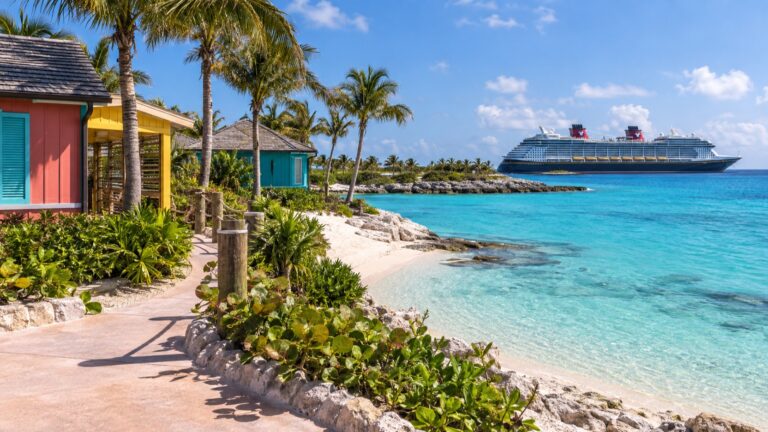
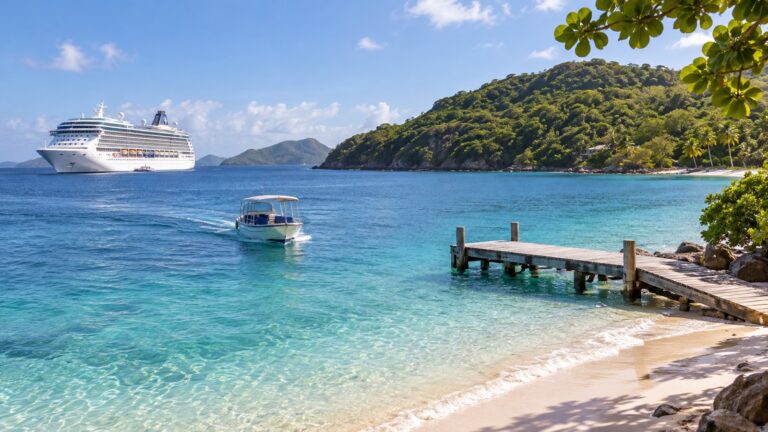
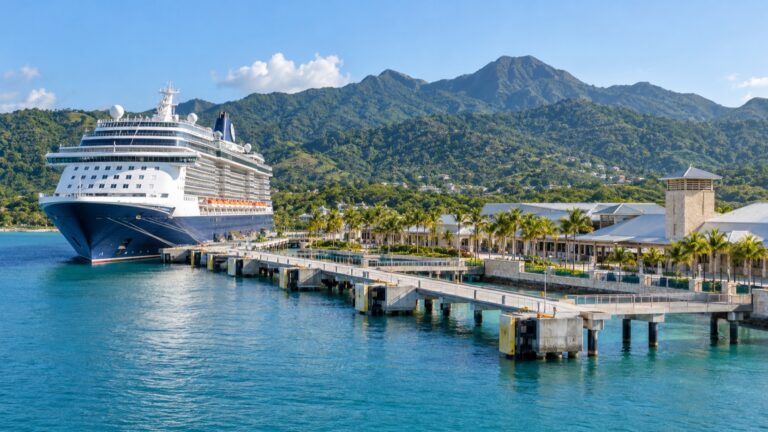
Small vessels may anchor near St. John and tender guests into Cruz Bay, while large ships usually call at St. Thomas. Your first job is to identify which arrival plan applies to your sailing.
My quick take
I would choose St. John for a beach or national park day rather than trying to collect attractions across both islands. Trunk Bay is the famous option, but Hawksnest, Cinnamon Bay, Maho Bay, and a short hike from Cruz Bay can suit different schedules.
The independent trip is realistic when your St. Thomas call is long and the ferry times cooperate. A ship excursion is safer when the port window is short, mobility needs are complex, or the itinerary provides little margin for a missed connection.
Cruz Bay quick facts
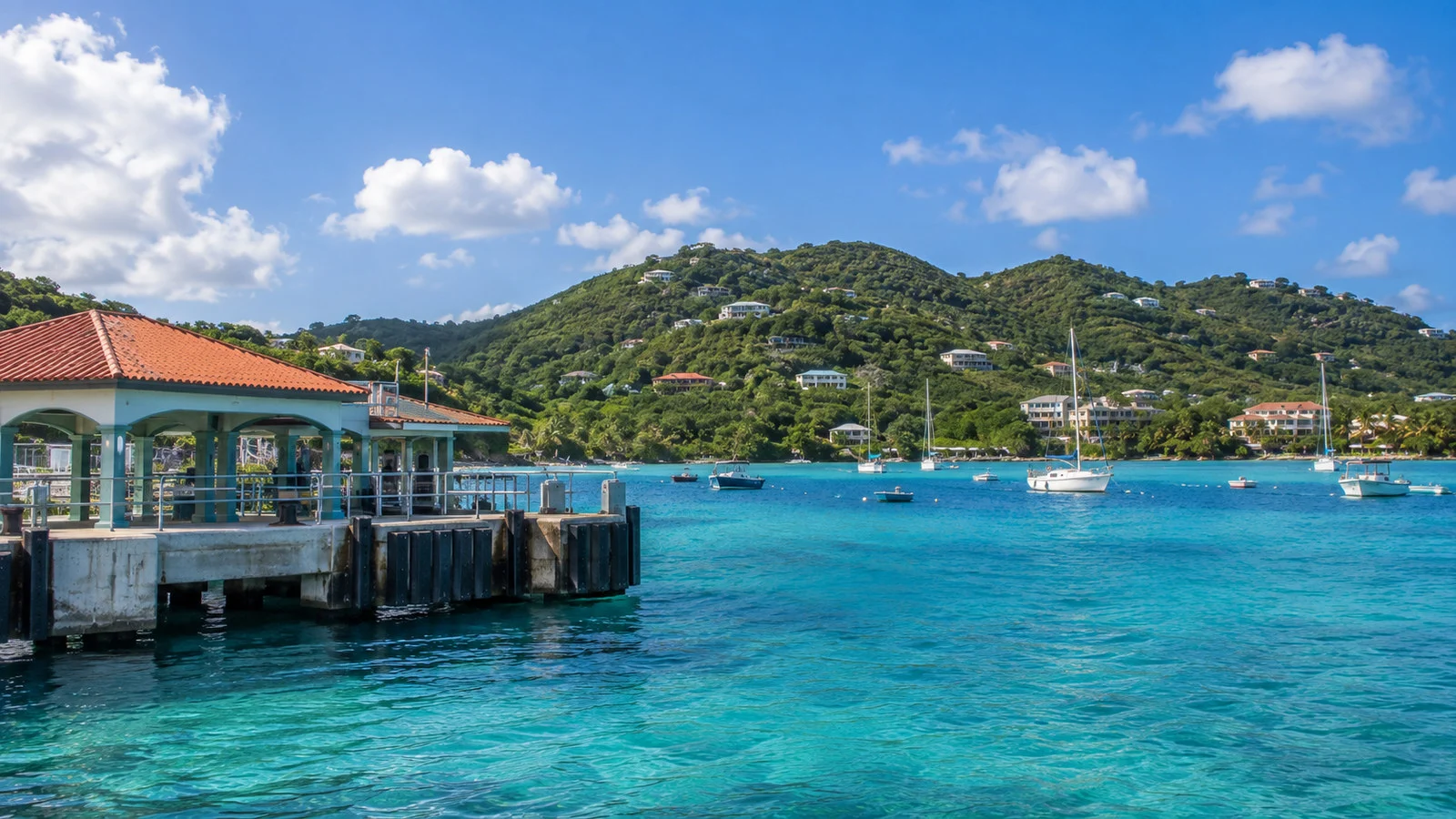
- Arrival: Direct tender on some small-ship calls, or passenger ferry from St. Thomas for most large-ship visitors.
- Town access: The Cruz Bay passenger terminal, taxis, shops, and the national park visitor center are close together.
- Currency: US dollar; cards are common, but small cash is useful for taxis and simple purchases.
- Time zone: Atlantic Standard Time, UTC-4 throughout the year.
- Driving: Traffic keeps left, even though many vehicles have left-side steering.
- Trunk Bay fee: The National Park Service currently charges $5 per person age 16 and older as an expanded amenity fee.
- Best planning rule: Work backward from the ship’s all-aboard time and select an earlier ferry than the last possible connection.
How cruise guests reach Cruz Bay
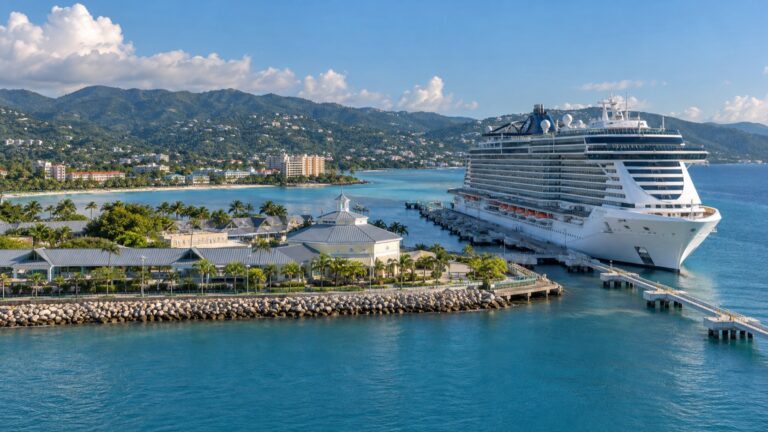
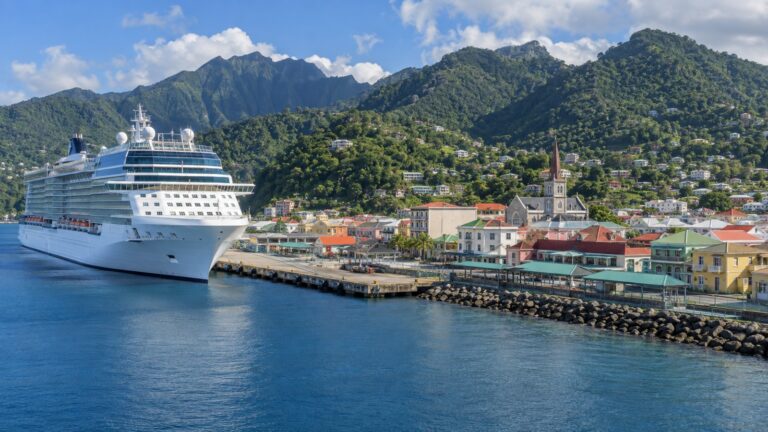
Large cruise ships generally use St. Thomas rather than a deep-water berth at Cruz Bay. Passengers then travel by taxi to a ferry terminal and cross to St. John.
Red Hook on the eastern end of St. Thomas has the most familiar route to Cruz Bay, but it requires a road transfer from the cruise docks. A Charlotte Amalie ferry may operate on a more limited or seasonal pattern, so never assume it will match your date.
Use the current schedule published by the ferry operator or linked by official territorial transportation sources. Confirm the departure terminal, ticket rules, baggage policy, and whether the posted time is for weekdays, weekends, or holidays.
If your ship tenders directly into Cruz Bay, follow the onboard tender instructions instead of the public ferry plan. Photograph the return point and note the final tender time before leaving the waterfront.
Planning the St. Thomas transfer
The taxi ride from a St. Thomas cruise pier to Red Hook can vary sharply with traffic and the ship’s docking location. Ask the dispatcher for the expected travel time and fare before boarding.
Shared safari-style taxis are common, and they may wait for additional passengers or make intermediate stops. That is usually fine on the outbound trip but deserves extra margin on the return.
Keep the cruise pier name with you because St. Thomas has more than one cruise docking area. Telling a driver only that you need the ship may not be enough.
Buy ferry tickets according to the operator’s current rules and keep them accessible. Do not treat a timetable found in an old article or social media post as live information.
Cruz Bay on foot
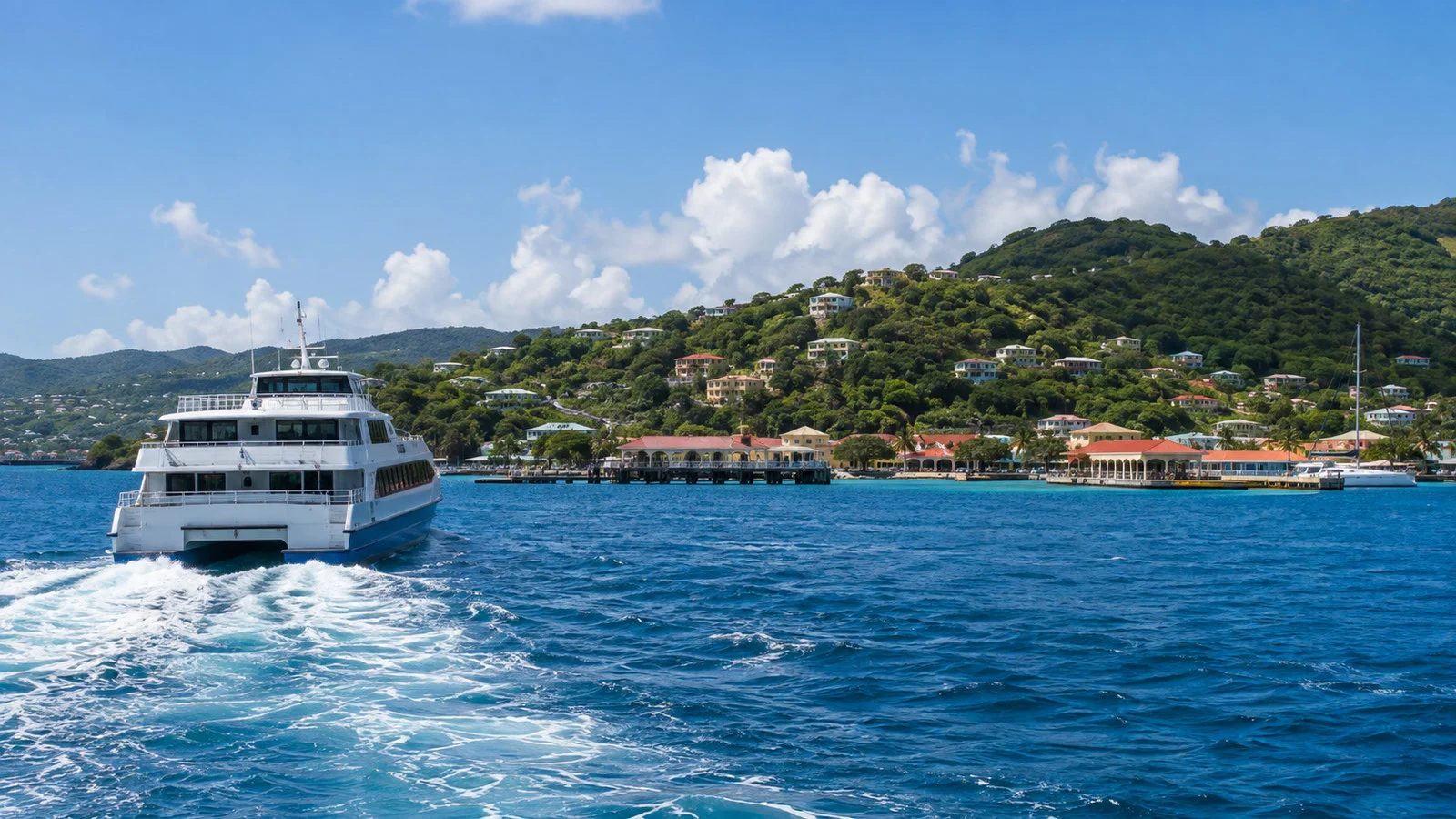
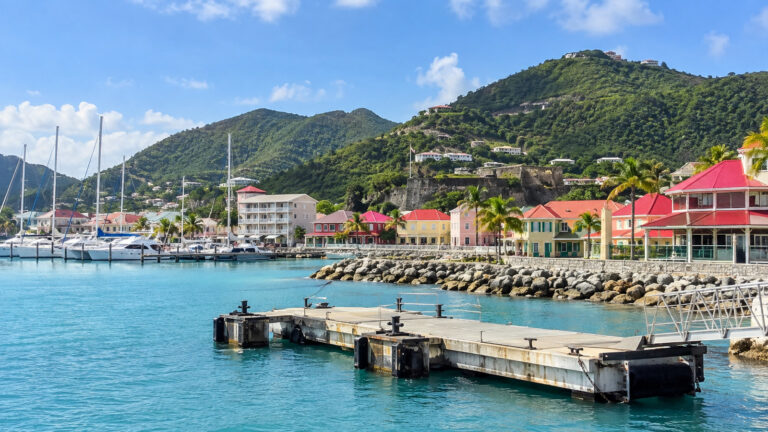
Cruz Bay is compact around the ferry terminal, taxi stand, restaurants, and shops. The Virgin Islands National Park visitor center is also close enough to become a useful first stop.
The National Park Service directions page says visitors can walk from the ferry terminal to the visitor center and Lind Point Trailhead. The one-mile Lind Point Trail leads toward Salomon and Honeymoon beaches.
That hike is appealing when you want a car-free beach day, but tropical heat, elevation, and uneven ground still matter. Ask rangers about current trail and beach conditions before setting out.
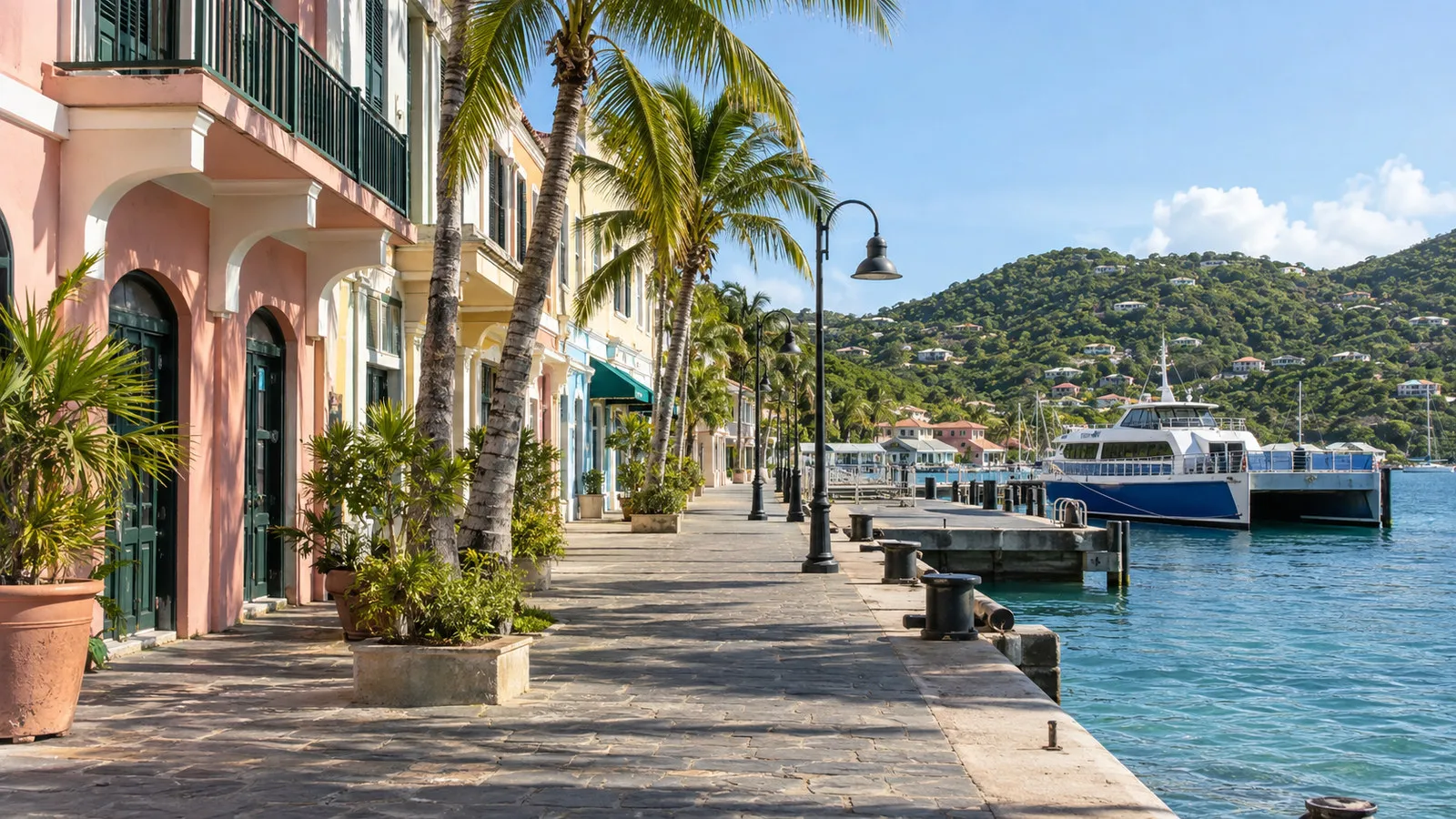
Cruz Bay itself works for a relaxed meal, shopping, and harbor views, but it is not the main reason most cruise guests cross from St. Thomas. The strongest experiences begin where town meets the national park.
Choosing the right beach

Trunk Bay is the classic first choice for its white sand, clear water, and underwater snorkeling trail. It is also popular, so a cruise-heavy morning can feel busy.
Hawksnest is closer to Cruz Bay and can suit a shorter port day. Cinnamon Bay offers a broad beach and nearby historical interpretation, while Maho Bay is known for calm-looking scenery that can change with weather and swell.
No beach guarantees calm water, easy snorkeling, turtles, parking, shade, or open facilities. Ask the taxi dispatcher, park staff, or your excursion operator about the day’s conditions before committing.
Do not stand on coral, chase wildlife, or assume a sheltered-looking bay has no current. Swim within your ability and obey posted warnings.
Trunk Bay fees and facilities
Virgin Islands National Park does not charge a general entrance fee, but Trunk Bay has a separate expanded amenity fee. The current NPS fees page lists $5 per person age 16 and older.
NPS says credit or debit card is preferred, while passes may also be purchased online through Recreation.gov. Carry a backup payment method and save any digital pass offline.
Facilities and concessions can change because of maintenance, weather, utility conditions, or staffing. Check park alerts shortly before the visit rather than relying on a past travel review.
The fee supports a beach with services, but it does not reserve a quiet patch of sand or guarantee snorkeling conditions. Arrive with flexible expectations.
Beyond the beach
Annaberg Plantation provides important interpretation of sugar production, enslavement, and island history. It deserves more than a quick photo stop if your excursion includes it.
Cinnamon Bay has ruins and a self-guided trail that can add historical context to a beach visit. NPS lists a wheelchair-accessible boardwalk through the ruins, subject to current conditions.
Francis Bay Boardwalk offers another accessible nature option for birding and wetland views. It is farther from Cruz Bay, so transportation and return timing need to be planned together.
Do not stack Annaberg, multiple beaches, a long lunch, and shopping into a short call. Choose one primary experience and one nearby addition.
Ship excursion or independent visit
A ship excursion reduces the risk around taxi and ferry connections, especially when the excursion begins from the St. Thomas pier. It may also provide reserved transportation on St. John.
Independent travel offers more control over beach choice and timing. The tradeoff is that the ship will not normally wait for a delayed public ferry or private taxi.
Compare the excursion description carefully because some trips offer only a scenic island tour or a brief beach stop. Look for the actual time on St. John, swimming time, included gear, walking demands, and ferry arrangement.
I would go independently only when the schedule leaves room for an earlier-than-necessary return. Saving money is not worth turning the final ferry connection into a sprint.
Taxis and renting a vehicle
Taxis commonly meet passenger ferries in Cruz Bay and serve the popular north-shore beaches. Confirm whether the quoted fare is per person, whether a minimum applies, and when the driver can return.
A rental vehicle is rarely the simplest choice for a single cruise day. Roads are steep and winding, parking can be limited, and traffic drives on the left.
If you do rent, reserve ahead and verify pickup time, insurance, fuel rules, and return procedure. Never let the vehicle return consume the buffer needed for your ferry.
Accessibility and mobility
Accessibility depends on every link in the route, including the cruise gangway, taxi, ferry boarding ramp, St. John vehicle, and beach access. A destination can be accessible even when one transportation step is not.
The NPS accessibility page lists accessible parking, restrooms, changing rooms, paths to the water, and beach wheelchairs at Trunk Beach. It also notes accessible facilities at Hawksnest, Cinnamon Bay, Francis Bay, Annaberg, and the Cruz Bay visitor center.
NPS warns that beach access ramps can wash out during storms and high-swell events. Contact the park and cruise line for current details instead of treating published facilities as a guarantee for your date.
Ask whether the ferry and taxi can carry your exact mobility device without folding or lifting beyond safe limits. A ship excursion may be the better option if coordinated accessible equipment is essential.
Weather, water, and reef safety
Trade winds shape daily conditions, and winter fronts can bring larger waves to north-shore beaches. Summer brings more rain and the possibility of tropical weather.
Check Virgin Islands National Park alerts and conditions before the call. Follow lifeguards, park staff, excursion guides, and posted flags once you arrive.
Sun exposure is intense even when clouds make the air feel comfortable. Use protective clothing, shade, hydration, and sunscreen that complies with current Virgin Islands rules.
Protect the reef by floating clear of coral and never feeding or touching marine life. Water shoes protect feet from rough entries, but they do not make standing on living reef acceptable.
Hurricane-season planning
The Atlantic hurricane season runs from June through November, but disruptions are not limited to a single month. A distant system can affect swells, ferries, excursions, and ship routing even when skies over St. John look calm.
Monitor the cruise line, National Weather Service, territorial emergency guidance, and NPS alerts. Do not make a nonrefundable independent reservation without understanding its weather policy.
If the ship cancels St. Thomas or changes its hours, update every St. John connection before leaving the vessel. An old ferry plan becomes useless when all aboard moves earlier.
Timing the return
Plan backward from all aboard, not from the beach. Include the St. John taxi, ferry check-in, crossing, St. Thomas taxi, and security or pier access.
Select a ferry that gets you back to St. Thomas with a real cushion. Then identify an even earlier backup departure in case weather, crowds, or a vehicle delay disrupts the preferred one.
If your vessel tendered directly to Cruz Bay, the final ship tender is the hard deadline. Return to town early enough to find the correct queue without guessing.
Carry the ship’s contact number and both pier names on St. Thomas. Those details matter if a driver or dispatcher misunderstands where you need to go.
How Cruz Bay fits a Caribbean cruise
St. John is often experienced through a St. Thomas call rather than listed as the ship’s primary port. That means you are spending part of one port day moving between two islands.
Our guide to visiting St. John independently from St. Thomas provides a focused planning framework. Travelers with a short call should also read the guide to visiting St. John during a six-hour St. Thomas stop.
If the ferry logistics feel too tight, St. Thomas still offers beaches, viewpoints, shopping, and history without the inter-island connection. Choosing the less ambitious plan can create the better day.

Quick answers
Do cruise ships dock at Cruz Bay?
Large ships generally use St. Thomas, while some small vessels may tender directly to Cruz Bay. Follow the operating plan for your sailing.
Which ferry should cruise guests use?
Red Hook to Cruz Bay is a common option, but it requires a taxi across St. Thomas. Use the live schedule and choose the route that protects your return margin.
How much is Trunk Bay?
NPS currently lists a $5 expanded amenity fee for each visitor age 16 and older. Verify the fee and payment guidance before travel.
Can I walk to a beach from Cruz Bay?
The Lind Point Trail leads toward Salomon and Honeymoon beaches. Ask NPS about current trail and beach access before starting.
Is Trunk Bay accessible?
NPS lists accessible parking, restrooms, changing rooms, paths to the water, and beach wheelchairs. Storms and high swells can damage access ramps, so confirm current conditions.
Do I need a passport for St. John?
Document requirements depend on citizenship and the entire cruise itinerary, not just this US territory stop. Follow the cruise line and government guidance for your voyage.
The last word
Cruz Bay opens the door to one of the Caribbean’s strongest national park and beach days. The price of that beauty is a little more transportation planning than a walk-off port requires.
Choose one main beach or park experience, verify every ferry step, and return earlier than necessary. Get those three decisions right and St. John can be the highlight of the cruise.
How this guide was researched: Unless a first-hand visit is explicitly identified above, this guide is based on independent research using official park, government, transportation, tourism, and attraction sources where available. Logistics and time-sensitive details were reviewed in September 2026; see our Editorial Policy.