Sakaiminato Cruise Port: Berths, Shuttles and Yokai
Sakaiminato is a Sea of Japan port that rewards travelers who understand the distance between the cruise terminal and the town center. The main passenger facility sits on the Takenouchi side of the harbor, while Mizuki Shigeru Road begins near JR Sakaiminato Station.
That gap is easy to solve when you confirm the ship’s shuttle or reserve transportation. Once you reach town, a fishing port full of seafood, manga history, and 178 bronze yokai statues makes one of the most distinctive local days in Japan.
My quick take
I would stay close on a first visit and enjoy Mizuki Shigeru Road, the memorial museum, and a seafood lunch. The day is playful, walkable after the transfer, and far more memorable than trying to turn this port into a distant checklist.
If you want one regional excursion, choose Matsue Castle, the Adachi Museum of Art, or Yuushien Garden. Izumo Taisha deserves a long call and dependable transportation because it sits much farther from the ship.
Quick Facts
- Port: Sakaiminato Port on the Sea of Japan, serving Tottori and Shimane.
- Main cruise facility: Sakai Yumeminato Terminal near the Takenouchi Minami berth.
- Berths: The port authority lists four cruise berths, with Takenouchi Minami able to receive ships up to 180,000 gross tons.
- Into town: JR Sakaiminato Station is about 15 minutes by car from the main terminal.
- Shuttle: Service varies by call, so check the port’s current notice and the ship’s daily program.
- Currency: Japanese yen.
- Language: Japanese, with some English support at the terminal and major attractions.
- Time zone: Japan Standard Time, nine hours ahead of UTC all year.
Where cruise ships berth
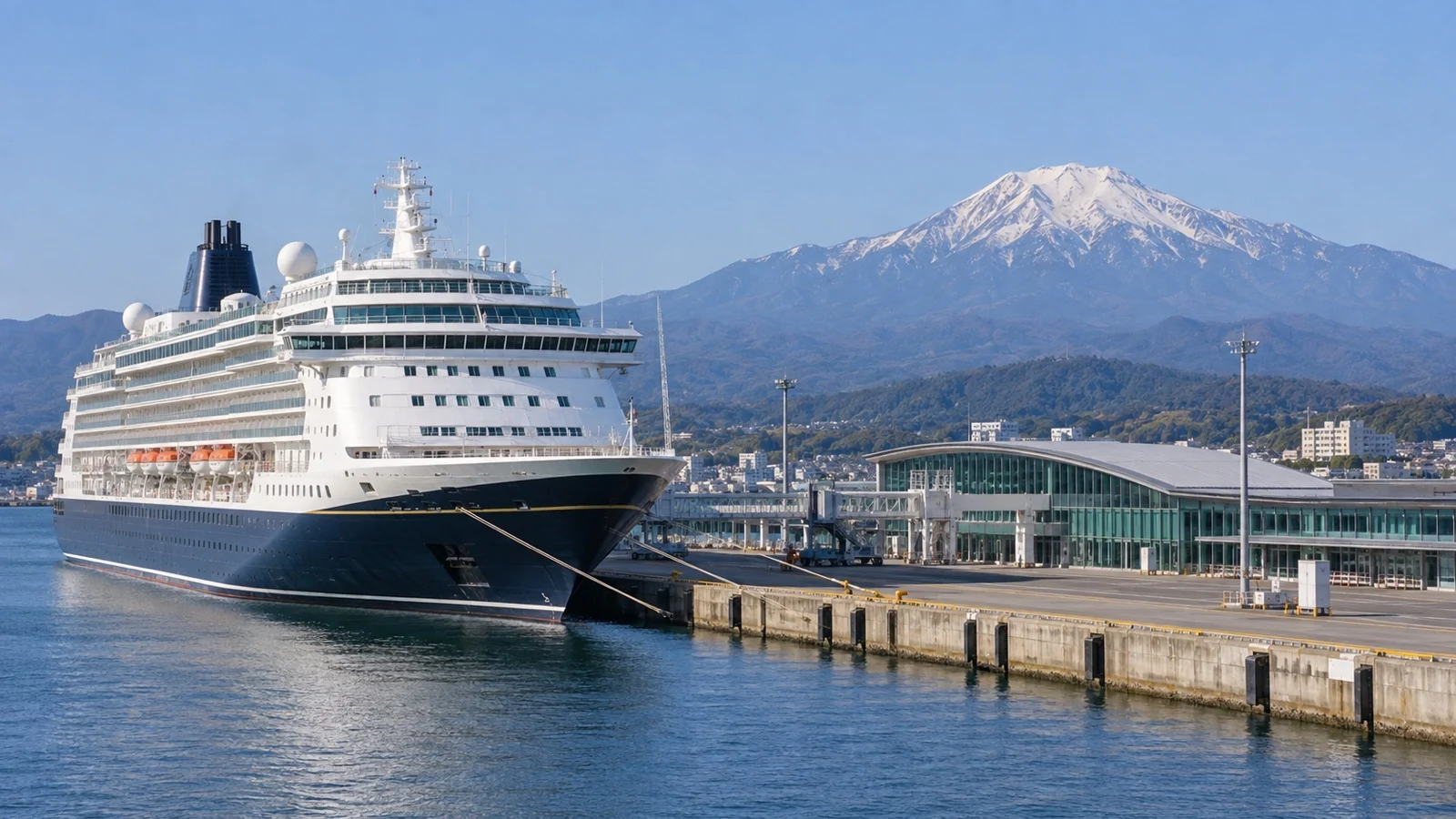
The Sakai Port Authority says four berths are available for cruise operations. Takenouchi Minami is the primary facility and can accommodate vessels up to 180,000 gross tons, while Showa Kita is designed for ships under 30,000 gross tons.
That means two cruise passengers can have different arrival experiences at the same destination. Confirm the berth name before comparing walking routes, shuttle details, or independent pickup locations.
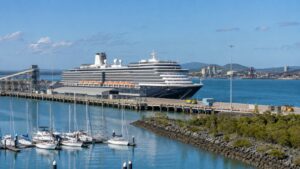
Sakai Yumeminato Terminal began operating in April 2020 and includes customs, immigration, and quarantine facilities. The port authority lists a single-floor passenger area, foreign exchange, large coach and car staging areas, and access close to the berth.
Ships generally use an alongside berth, but any harbor operation can change with wind, traffic, or vessel requirements. The onboard notice remains the final authority for gangway and return time.
The terminal is not the town center
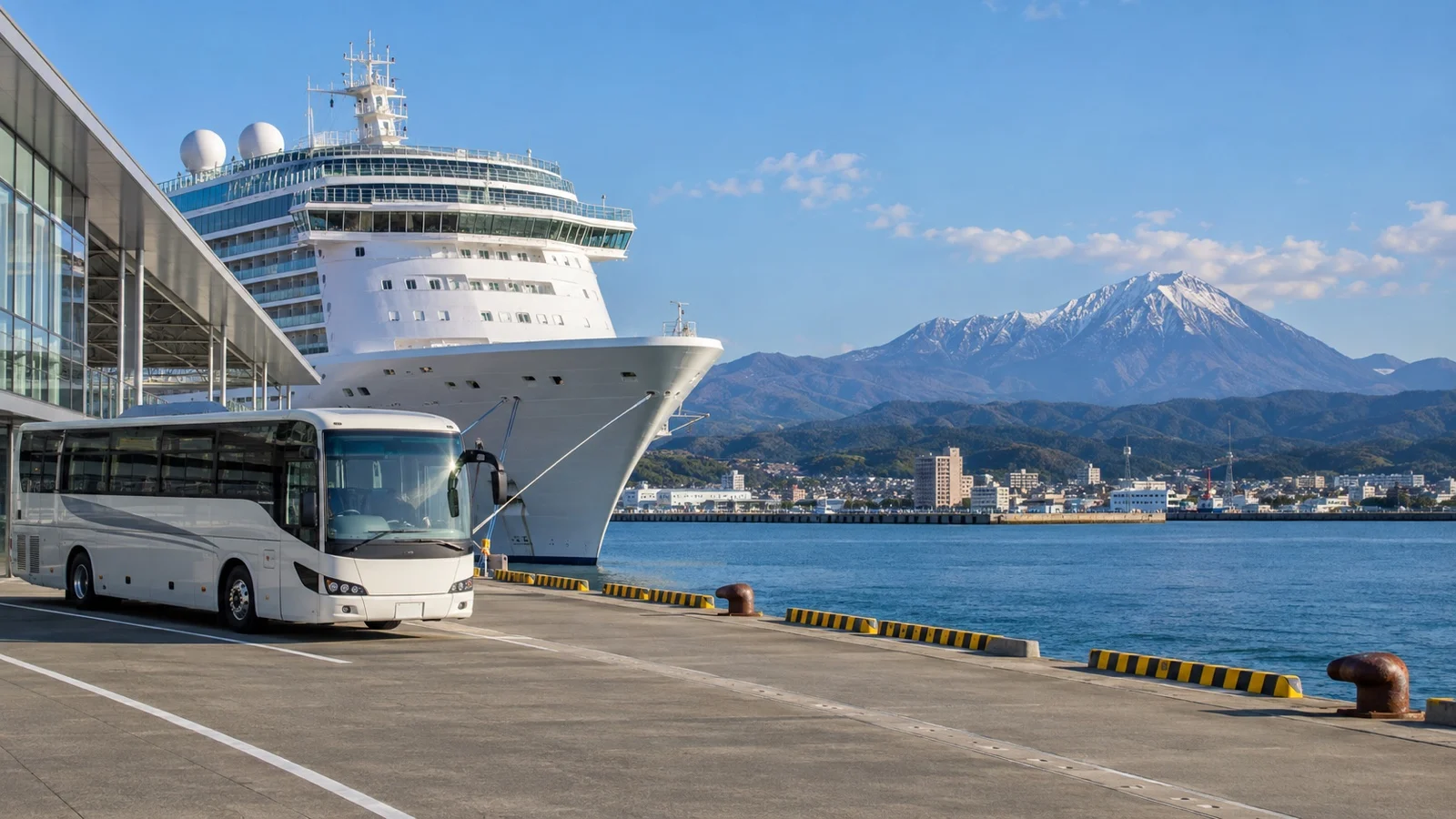
The official terminal site places JR Sakaiminato Station about 15 minutes away by car. It identifies Takamatsucho Station as the closest rail stop, but the walk there takes about 30 minutes and is not the useful route for most cruise visitors.
The port authority recommends a bus or taxi for rail access and posts shuttle schedules in its news section when service operates. It explicitly says shuttle arrangements vary from day to day, so do not assume the ride is free, paid, frequent, or even identical to another ship’s call.
Take a photograph of the return schedule and drop point. A relaxed shopping street becomes much less relaxing when you cannot remember whether the final bus leaves at 16:00 or 16:30.
Taxis can also work, but supply is finite when a large ship arrives. Reserve a sightseeing taxi in advance if a particular regional destination matters to you.
Mizuki Shigeru Road
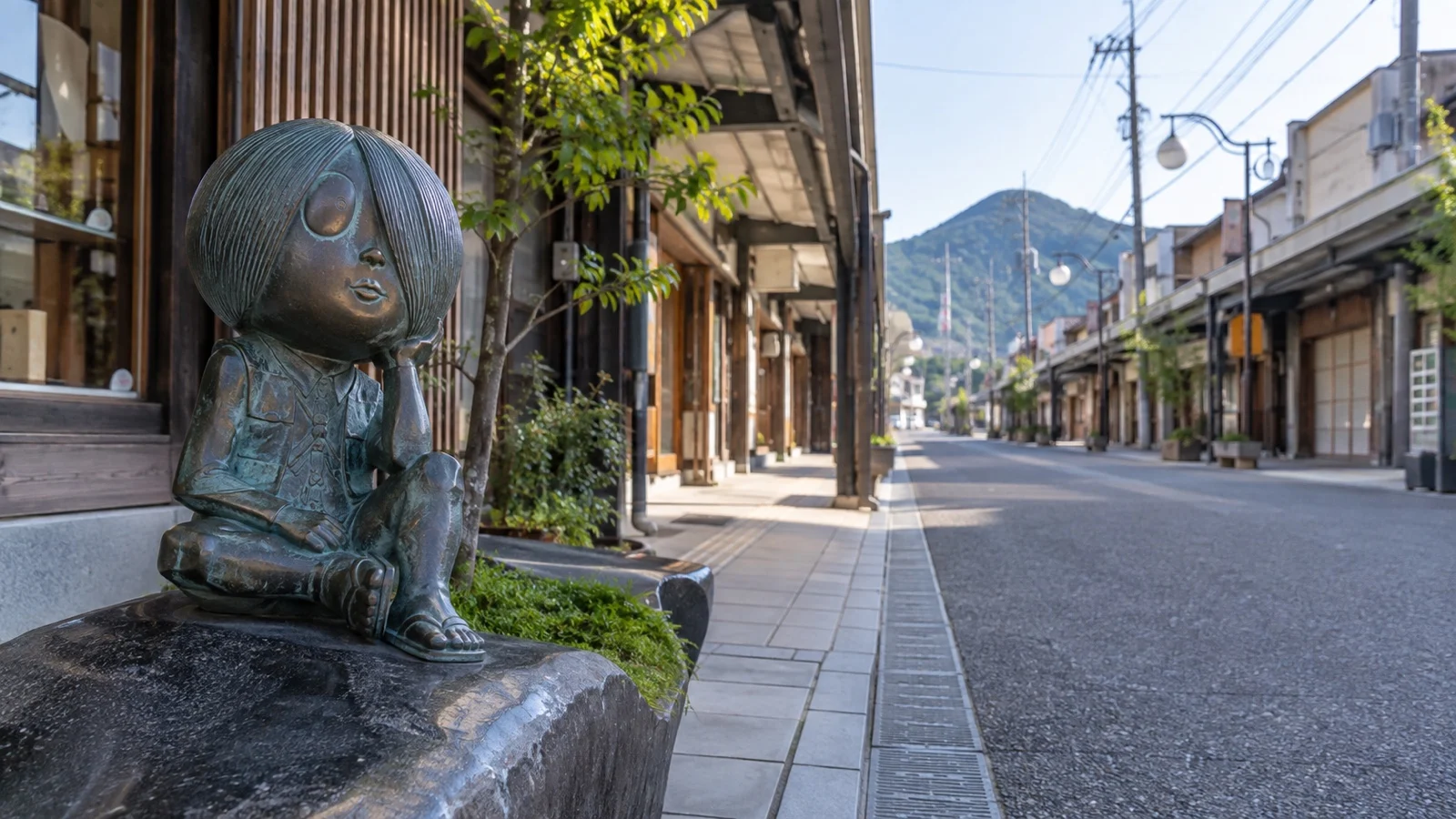
Mizuki Shigeru Road is the heart of an independent Sakaiminato day. The route begins near the station and turns local folklore into a lively streetscape of statues, shops, food, signs, and characters from the work of manga artist Shigeru Mizuki.
The current port guide counts 178 bronze yokai statues along the road. Yokai are supernatural beings, spirits, monsters, and odd presences from Japanese folklore, so the street works even if you have never read the manga that made many of them famous.
Move slowly and look down as well as ahead because the details appear on bridges, benches, lighting, storefronts, and pavement. Children often love the statue hunt, while adults discover a surprisingly thoughtful introduction to folk belief and visual storytelling.
The road itself is free and mostly level, but spending depends on how easily you fall for character sweets and tiny monsters. Carry some yen because small shops and food counters may prefer cash.
Mizuki Shigeru Memorial Museum
The memorial museum gives context to the street by exploring Mizuki’s art, life, travel, wartime experience, and fascination with folklore. Its official English page provides current hours and visitor information, which should be checked before the call.
English interpretation may be more limited than Japanese, but original artwork and visual displays carry much of the story. Fans should allow more time than casual visitors.
Eating your way through town
Sakaiminato is a serious fishing port, and seafood is the natural lunch. Look for seasonal crab, tuna, squid, bowls of sliced fish over rice, grilled specialties, and market counters serving what arrived that morning.
Markets work on morning rhythms, so go before a long museum stop if seafood shopping matters. Ask before photographing workers and keep cold purchases practical for ship security and food import rules.
Matsue Castle
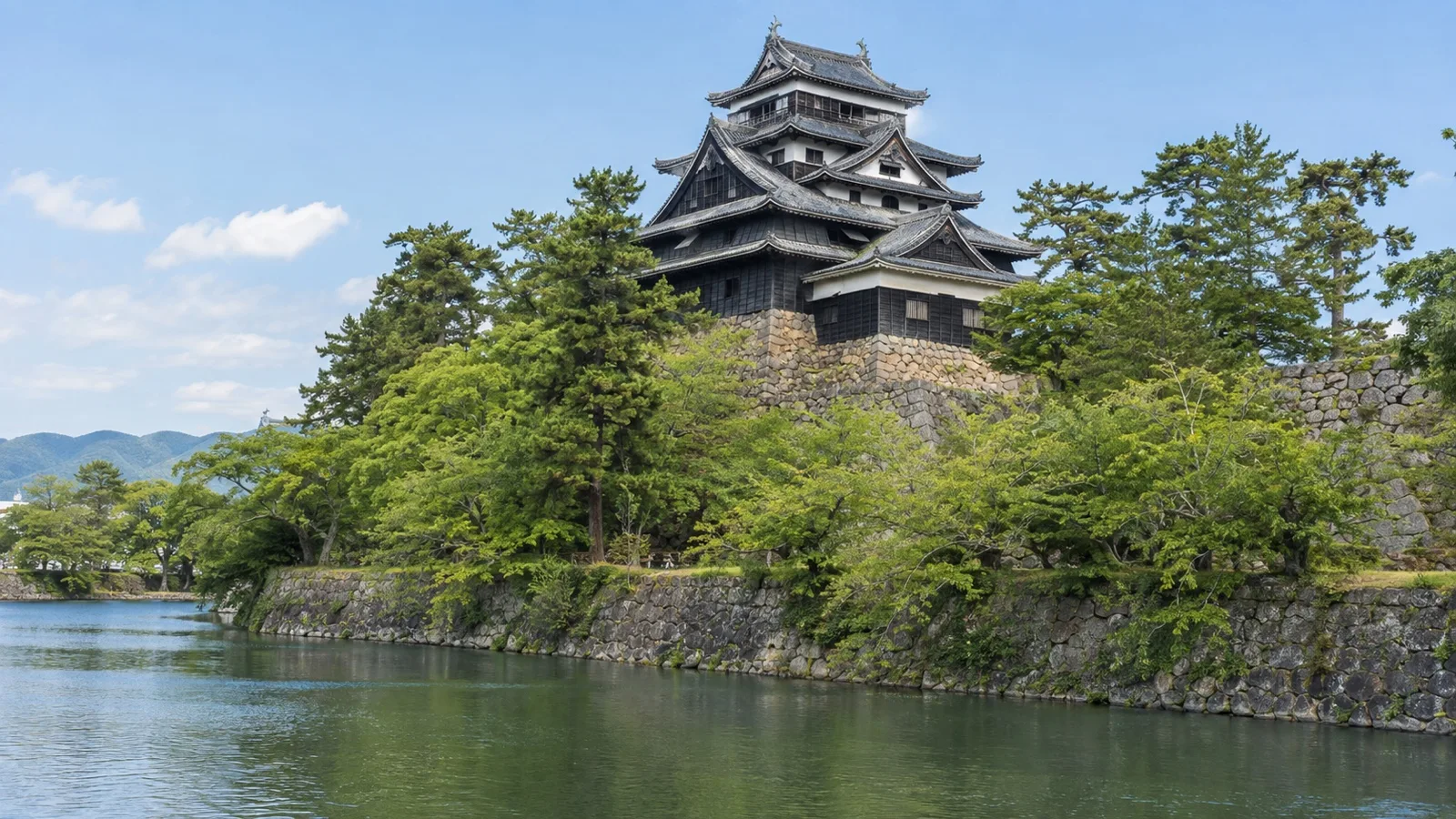
Matsue Castle is one of Japan’s surviving original castle keeps and a designated National Treasure. The port authority places it about 19 kilometers from Sakai Port, with a road estimate of roughly 35 to 50 minutes depending on conditions.
The dark wooden interior feels entirely different from a reconstructed concrete castle. It also includes steep steps, low beams, and narrow passages that reward careful movement rather than speed.
Matsue offers more than the keep, including moats, historic streets, tea culture, and views toward Lake Shinji. A ship excursion, reserved taxi, or private guide is much easier than building a fragile chain of local trains and buses.
If mobility limits the castle interior, the grounds and surrounding district can still be worthwhile. Ask your tour exactly how much walking, climbing, and free time it includes.
Adachi Museum of Art
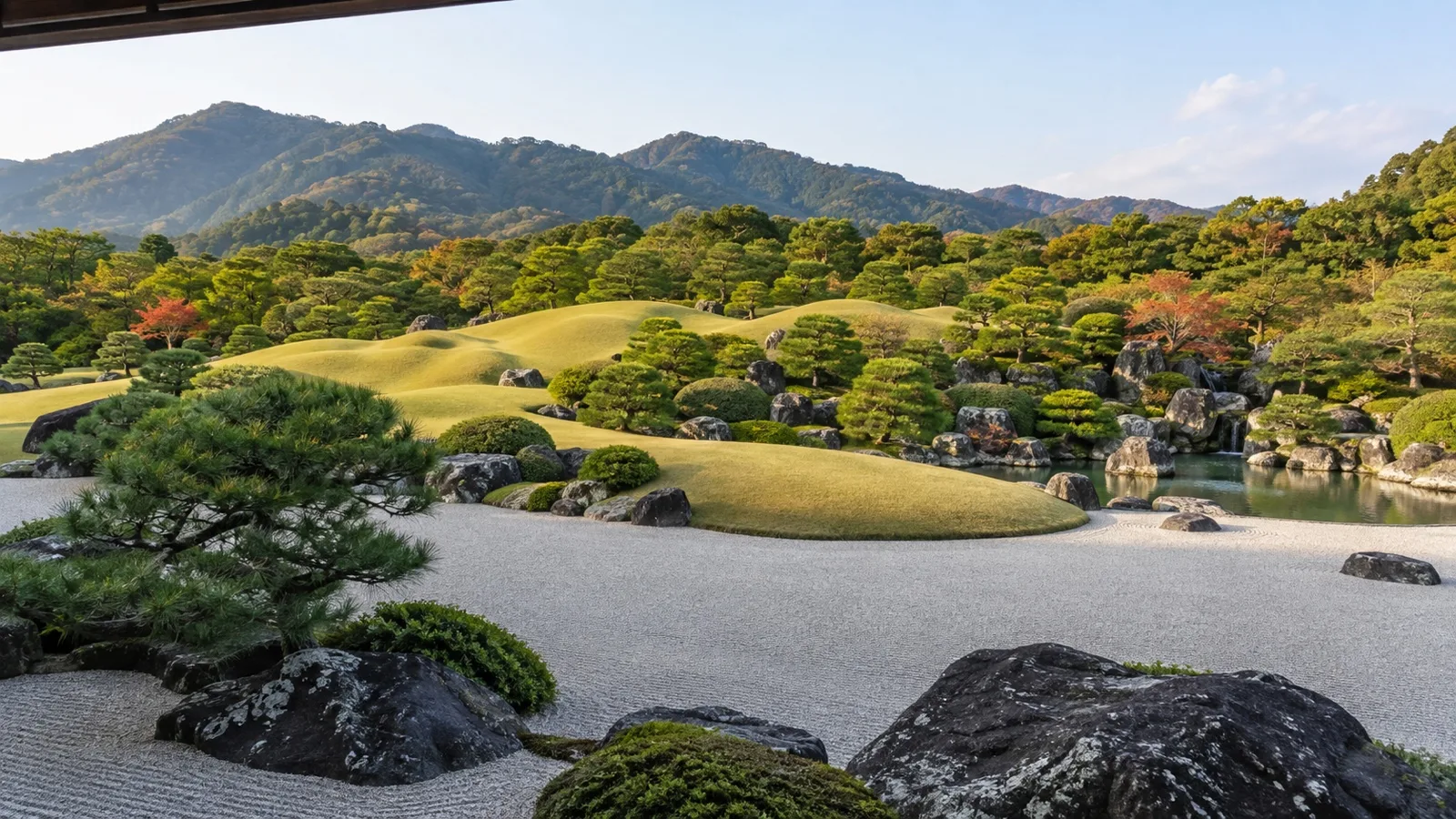
The Adachi Museum of Art pairs modern Japanese painting with meticulously composed gardens seen through windows and framed openings. The experience is contemplative, weather-friendly, and very different from the energy of Mizuki Shigeru Road.
The port authority places the museum about 35 kilometers away and estimates around 50 minutes by road. The museum also operates transportation from JR Yasugi Station, but reaching that connection from the cruise terminal adds complexity.
I would book a direct excursion or car unless the call is unusually long and you enjoy mastering rural rail timetables. Confirm the museum’s current admission, hours, and closure dates before travel.
Yuushien Garden and Mihonoseki
Yuushien Garden on Daikonshima is one of the closer regional choices and is especially known for peonies and carefully designed seasonal scenes. The port authority estimates it at about 9 kilometers from Sakai Port.
This makes it a useful middle ground between staying in town and committing to Matsue or Adachi. Check bloom expectations, operating hours, and transportation before choosing it for one specific flower.
Mihonoseki offers a quieter maritime and spiritual alternative with Miho Shrine and the historic Blue Stone Pavement Street. It suits repeat visitors who want a traditional harbor atmosphere rather than a major museum.
Should you go to Izumo Taisha?
Izumo Taisha is one of Japan’s most important Shinto shrines and a deeply meaningful destination. It is also the farthest major excursion commonly promoted from Sakaiminato.
The port authority places it about 70 kilometers away and gives a broad road estimate of 90 to 120 minutes. Those figures make it possible on the right call but unwise as a casual independent gamble.
Choose a ship excursion or reserved private vehicle, confirm the time actually spent at the shrine, and keep a large return margin. If the call is short, save Izumo for a land trip where the journey can be part of the experience.
Using trains without making the day fragile
Japan’s trains are dependable, but a dependable infrequent service can still miss your ship. The local Sakai Line leads toward Yonago, while many regional journeys require connections or another bus beyond the station.
Use an official journey planner for the exact date and note the last two workable return options. If your plan depends on the final possible connection, it does not have enough margin.
A transit card may work on parts of the journey, but cash and ticket rules can vary on local services. Ask terminal staff or station staff rather than assuming the system matches Tokyo.
Accessibility and comfort
Sakai Yumeminato Terminal uses a single passenger floor and provides accessible parking, which makes the port building relatively straightforward. Gangway slope and ship assistance still depend on the berth and tide.
The shuttle is the uncertain link because vehicles vary by call. Reserve accessible transport through the cruise line or local provider and confirm lift capacity, securement, entry height, and storage for mobility equipment.
Mizuki Shigeru Road is generally the easiest major attraction because it is a paved shopping street. Individual shops may have thresholds, narrow aisles, or small restrooms, so the experience is accessible in parts rather than perfectly uniform.
Matsue Castle’s original interior has steep historic stairs and cannot be made step-free. Adachi Museum can be a gentler regional choice, but verify the full route from vehicle to galleries and viewpoints.
Weather and the Sea of Japan coast
Sakaiminato has humid summers, cool winters, and more changeable weather than many Pacific-side ports. Wind, rain, cloud, and occasional winter snow should all be treated as normal possibilities.
Spring and fall are especially pleasant for walking, while August heat and humidity can make a short street feel longer. Winter wind can affect harbor operations and make the exposed terminal area feel colder than the temperature suggests.
Bring a compact waterproof layer, comfortable shoes, and a light layer even when the day begins clear. In summer, add water, sun protection, and a small towel for humidity.
Mount Daisen and the terminal view
Mount Daisen rises beyond the region and can appear dramatically from the terminal area on a clear day. Its broad volcanic profile has earned it comparisons with Mount Fuji, although it has its own landscape and identity.
The mountain belongs to Daisen Oki National Park and supports hiking, religious history, forests, and seasonal scenery. A serious mountain visit requires its own transport and weather plan, so most cruise passengers should enjoy the view rather than forcing another long excursion.
The terminal observation area can be a lovely final stop when open. Returning early enough to enjoy it is more pleasant than sprinting from the final shuttle to the gangway.
Three realistic shore day plans
Plan one: yokai and seafood
Take the confirmed shuttle or taxi to Sakaiminato Station, walk Mizuki Shigeru Road, visit the museum, and eat near the market. Return on the second-to-last practical shuttle for a calm finish.
Plan two: Matsue focus
Book a direct tour or car to Matsue Castle and its surrounding district, then return to Sakaiminato if time remains. Do not add Adachi unless the excursion has been designed and timed as a combination.
Plan three: garden day
Visit Yuushien for a closer regional outing, then add Mizuki Shigeru Road or a seafood lunch. This plan offers variety without taking you as far from the ship as Izumo.
Common mistakes to avoid
The first mistake is assuming the terminal stands in central Sakaiminato. Confirm the shuttle because the main cruise facility is a drive from the station and shopping street.
The second is treating a shuttle from another call as today’s schedule. The port says service varies by day, and fare or frequency can change.
The third is counting 177 statues because an older guide did. The port’s current destination information lists 178.
The fourth is using rural rail without two return options. Reliable trains do not solve a missed connection.
The fifth is combining too many regional attractions. One distant destination plus a little town time is a full and satisfying day.
Frequently asked questions
Where do cruise ships dock in Sakaiminato?
The principal facility is Sakai Yumeminato Terminal near the Takenouchi Minami berth, while smaller vessels may use another cruise berth. Check the ship’s daily notice for the exact location.
Can I walk from the terminal to town?
The official terminal information places the nearest station about a 30-minute walk away and central Sakaiminato about 15 minutes by car. A shuttle or taxi is the more useful choice.
Is the shuttle free?
Not necessarily. The port says service varies by day, so confirm the fare and timetable for your ship.
How many yokai statues are on Mizuki Shigeru Road?
The current Sakai Port Authority destination page lists 178 bronze statues. The route is free to explore and begins near Sakaiminato Station.
Can I visit Matsue Castle?
Yes, and it is a strong regional excursion when transportation is reserved. Allow for road traffic, steep castle stairs, and the return to the terminal.
Can I visit Izumo Taisha?
It can work on a long call with a protected excursion or private car. The port’s own estimate shows a substantial drive, so it is not the best independent choice for a short day.
My final take
Sakaiminato becomes easy once the terminal transfer is settled. Spend the day with yokai, seafood, and a town that feels delightfully unlike the usual cruise stop.
If you want a bigger landmark, choose exactly one and book the return properly. Matsue, Adachi, Yuushien, and Izumo are all worthy, but they are not one itinerary.
How this guide was researched: No firsthand Sakaiminato port visit is claimed. This guide was checked September 12, 2026 against current Sakai Port Authority information, official attraction and transportation details, and national park guidance.