Nosy Be Cruise Port: A Tender-Day Guide to Madagascar’s Island
Nosy Be is a tender port where wildlife, rainforest, and small-boat trips matter more than the town itself. Pick one land or water excursion, use a vetted operator, and leave enough time for two separate boat transfers if your day goes beyond the island.
My quick take
Treat Andoany, still widely called Hell-Ville, as the tender gateway rather than a walkable resort center. Lokobe suits hikers and wildlife fans, while Tanikely is the better fit for confident snorkelers who accept small-boat boarding.
If tender ports are new to you, my guides to what a tender port is and the best cruise tender ports are worth a look. Nosy Be also pairs naturally with other African cruise ports on an Indian Ocean run.
The quick facts
- Where you land: the tender landing at Hell-Ville (Andoany), the island’s main town, on the sheltered southeast side of Nosy Be facing the Madagascar mainland. Ships anchor off in the bay.
- Dock or tender: There is no cruise berth; you ride a ship’s tender or a local boat into town.
- Into town: Hell-Ville’s market and streets start within a few minutes’ walk of the landing.
- Currency and language: The Malagasy ariary (MGA), with Malagasy and French spoken and some English around tourism.
- Time zone: East Africa Time (EAT, UTC+3), which Madagascar keeps all year.
- How often the call is missed: Medium (roughly 3 to 7%): tropical storms can make the approach unsafe.
A quick, honest word on safety
Official travel advice for Madagascar warns about crime, limited health care, and possible unrest or transport disruption. Recheck the advisory shortly before sailing because conditions can change faster than a printed cruise guide.
Use a ship excursion or a well-reviewed local operator, avoid isolated beaches alone, and leave passports and unnecessary valuables secured as your cruise line directs. Keep a copy of identification and the ship contact details with you.
Getting around from the tender landing
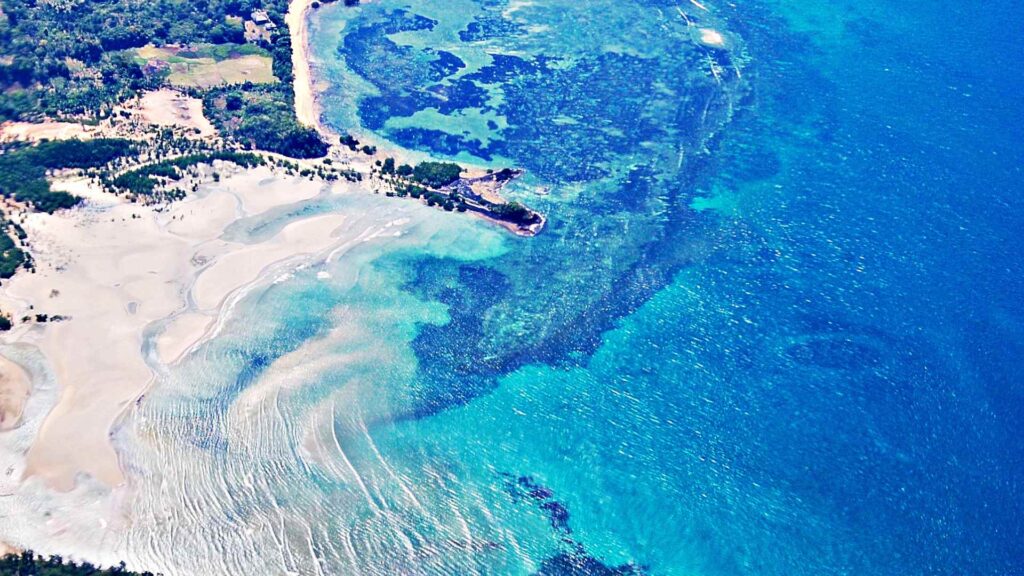
The market and central streets are close to the usual tender landing, but sidewalks, drainage, traffic, and heat make even a short walk less polished than a resort port. Natural attractions require a vehicle, pirogue, or motorboat.
Taxis and tuk-tuks handle short land trips, but vehicle condition, seat belts, and pricing vary. Agree the route, total fare, waiting time, and currency before leaving, and do not depend on finding an immediate return ride at a remote beach.
A trip to Tanikely, Komba, Sakatia, or Iranja adds an independent boat leg after the ship’s tender. Book an operator who knows the final tender time, carries appropriate safety equipment, and commits to returning you at least 90 minutes before all-aboard.
The stops I’d actually spend time on
1. Lokobe National Park
Lokobe protects Nosy Be’s remaining lowland rainforest, and visits usually combine a road transfer to the southeast, a pirogue crossing, and a guided forest walk. Ask about the route length, mud, heat, and wildlife expectations because sightings are never guaranteed.
Fun fact: lemurs live nowhere else on Earth in the wild, only on Madagascar and its islands. Lokobe holds full national park status under Madagascar National Parks, so a licensed guide is part of the visit.
2. Nosy Komba (Lemur Island)
Nosy Komba combines villages, crafts, and habituated lemur encounters, but it is not the same experience as seeing wildlife in protected forest. Choose it for a social island stop, and use an operator that does not encourage touching or feeding animals.
It pairs perfectly with Nosy Tanikely for a half-day boat combo, which many operators sell together.
3. Nosy Tanikely Marine Reserve
Nosy Tanikely is a protected marine park with coral, tropical fish, and possible turtle sightings. Use a permitted operator, follow the guide’s boundaries, and treat every wildlife sighting as a possibility rather than a promise.
The appeal is the combination of a small protected island and accessible snorkeling when conditions cooperate. It still requires boat boarding, sun protection, and responsible distance from coral and wildlife.
4. Mont Passot
Mont Passot is the highest point on Nosy Be, with a 360-degree view over volcanic crater lakes and out to the surrounding islands.
It is famous for sunset, though most cruise calls will have you back aboard by then. It is still a lovely daytime viewpoint and photo stop.
5. The ylang-ylang plantations
Nosy Be is nicknamed the perfume island for good reason. Fun fact: its ylang-ylang blossoms are distilled into an essential oil used in classic French perfumes.
A short plantation visit shows how the flowers are picked and distilled, and the whole place smells like it.
6. Hell-Ville (Andoany) market and town
The main town is where the tender lands, and its market is a good, low-effort taste of local life. Browse vanilla, cloves, and pepper, plus woven baskets and carvings.
Colonial-era streets and a few cafes make it an easy hour if you want to stay close to the ship.
7. The Sacred Banyan Tree (Arbre Sacré)
Near Mahatsinjo, the Arbre Sacre is a huge banyan that holds spiritual importance for local communities. Dress modestly and follow your guide’s lead on the customs here.
8. Andilana Beach
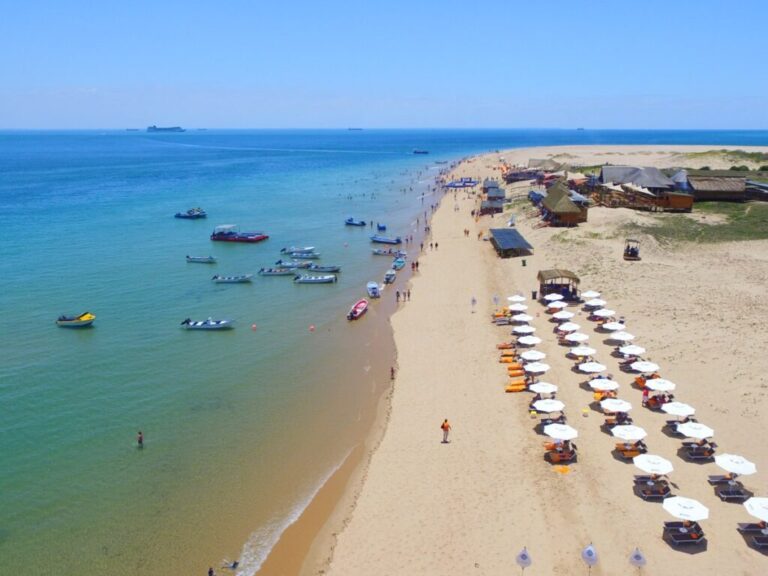
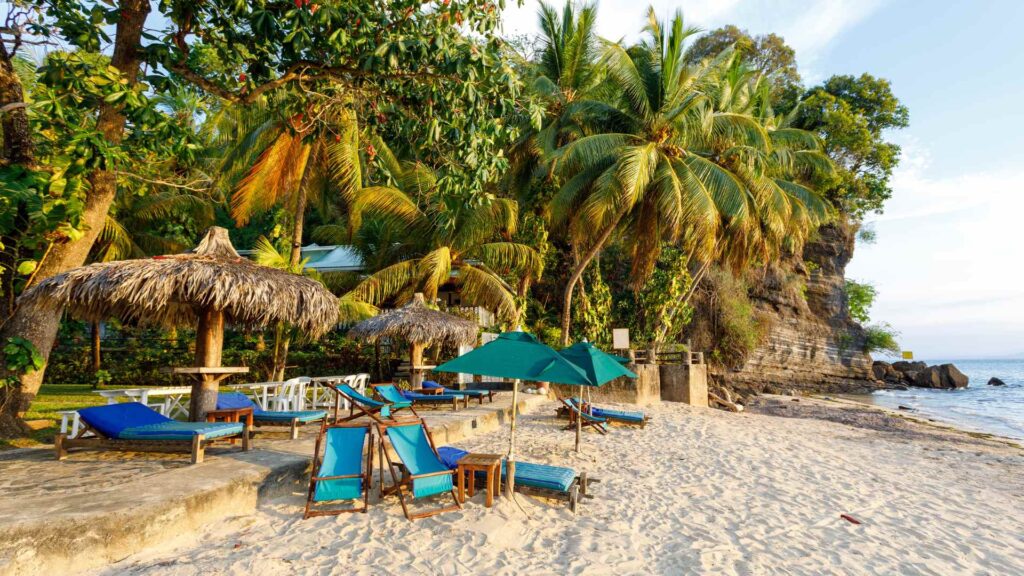
At the island’s north tip, Andilana is Nosy Be’s postcard beach, with white sand and calm turquoise water. It is a fine choice if you just want a swim and a seafood lunch.
9. Nosy Sakatia and Nosy Iranja
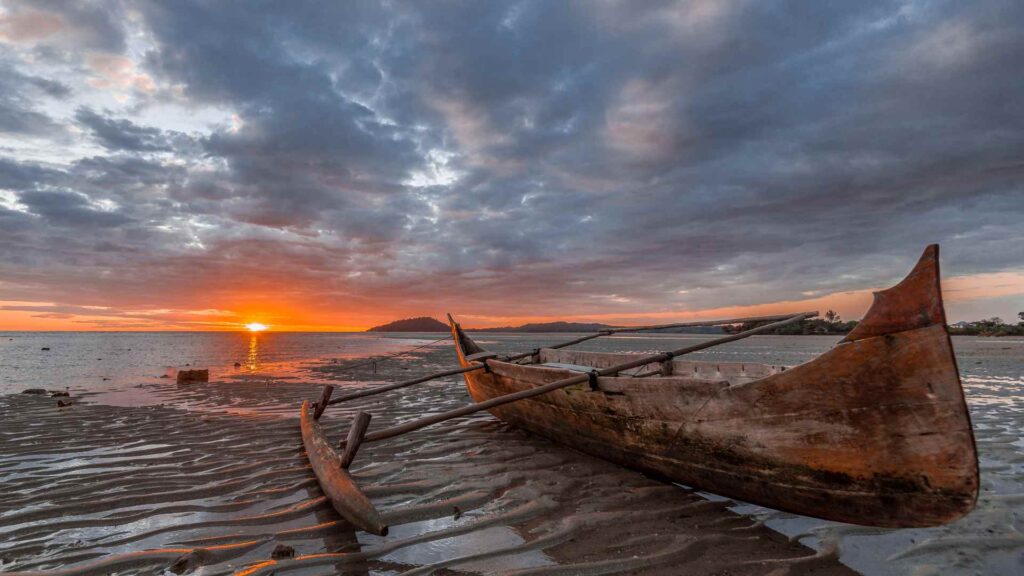
Nosy Sakatia can suit a long call with a reliable boat, while Nosy Iranja is too distant for most cruise days once tender and return margins are included. Do not let a beautiful sales photo erase the travel time.
Both eat serious time, so I would only add them on a generous port day and with a booked boat.
How I’d plan the day
- Short call (about 4 hours): choose one nearby land activity or a ship-timed Komba and Tanikely trip, not Lokobe plus a separate island. Be at the tender landing about 90 minutes before all-aboard.
- Full day (6 to 7 hours): choose either Lokobe and a plantation or Komba plus Tanikely, with a brief market stop only if time remains. Return from an independent boat about two hours before all-aboard.
- Land-focused day: pair a plantation and Mont Passot with Andilana only on a prearranged vehicle loop. Skip the final beach if roads or tendering put the schedule behind.
For a land tour, aim to reach the tender landing 75 to 90 minutes before all-aboard. For an independent island boat, return about two hours early so a slow sea transfer does not feed directly into the final tender queue.
A realistic word on accessibility
The ship decides whether guests and mobility devices can transfer to the tender in the day’s sea conditions. Ask about steps, weight limits, device storage, and crew assistance before booking a nonrefundable excursion.
Ashore, expect broken pavement, sand, wet boat landings, roots, and uneven forest paths. A short Andoany visit is the lowest-effort option, but it should not be described as fully step-free.
When to go, and the weather
The drier, cooler season roughly from May to October is the pleasant window, and it overlaps with the northwest’s humpback whale season around August to October. Cyclone risk runs November through April.
Most Indian Ocean cruises call in the dry months anyway, which lines up nicely with the best conditions ashore.
Entry, health, and money
Madagascar’s visa and shore-clearance rules depend on nationality and the cruise arrangement, so ask the line whether it handles a landing permit or whether you need a visa in advance. Use Madagascar’s official eVisa portal or an embassy, not an unofficial agent.
Mosquito-borne illness is a practical concern, and medical care on Nosy Be is limited. Ask a travel-health professional about your itinerary, use repellent and covered clothing, carry needed medicine, and follow any yellow-fever certificate requirement tied to your prior countries.
Carry small ariary notes because cards and ATMs are unreliable away from larger hotels. Bring water, sun protection, and footwear that can handle both wet boats and rough paths.
Quick answers
Do cruise ships dock at Nosy Be?
No. Ships anchor offshore and tender passengers into Hell-Ville (Andoany), so plan around boat transfers.
What is the one thing to do here?
See lemurs, at Lokobe National Park or on Nosy Komba. Madagascar’s endemic wildlife is the reason this island is special.
Should I book a tour or explore on my own?
For a cruise day I would book an organized tour or a reputable local operator, both for the tight timing and because official travel advice recommends established operators here.
Nosy Be rewards a focused plan: one wildlife highlight, one swim, and a wander through Hell-Ville. For more Indian Ocean planning, see my guides to Zanzibar, Port Louis, Mauritius, and Victoria, Seychelles.
How this guide was researched: Unless a first-hand visit is explicitly identified above, this guide is based on independent research using official port, tourism, transit, government, and attraction sources where available. Logistics and time-sensitive details were reviewed in September 2026; see our Editorial Policy.