Colombo Cruise Port: Berths, Pettah and City Planning
Colombo is not a beach intermission between sea days. It is a layered port capital of markets, temples, colonial-era streets, new towers, sea-facing lawns, and traffic that seems to have its own weather system.
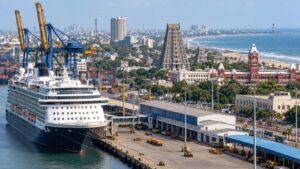
Cruise ships normally berth alongside inside the secure Port of Colombo, but the exact quay and passenger route can vary. Your first planning decision therefore belongs to the ship’s berth notice, shuttle instructions, and approved port gate.
The smartest day stays focused on Colombo rather than treating the city as a launch point for half the island. Fort, Pettah, a temple, a museum, and Galle Face can already fill a rich call when you leave room for heat and traffic.
Quick Facts
- Country: Sri Lanka
- Arrival: Alongside inside the secure commercial Port of Colombo
- Passenger area: Ships may use Bandaranaike Quay or another operational berth assigned for the call
- Port exit: Use the designated shuttle, coach, or authorized vehicle route
- Currency: Sri Lankan rupee
- Languages: Sinhala and Tamil are official, with English widely used in tourism and business
- Time zone: Sri Lanka Standard Time, five and a half hours ahead of coordinated universal time
- Best independent area: Fort and Pettah, once you reach the approved city drop-off
- Main risk: Traffic can make short distances take far longer than expected
- Planning priority: Confirm the correct return gate, last shuttle, and ship time before leaving the port
The First Decision Belongs to the Berth Notice
The Port of Colombo is Sri Lanka’s premier commercial harbor and one of the busiest container hubs in the region. Cruise ships share this secure environment with cargo operations, so passenger access is organized around safety rather than sightseeing convenience.
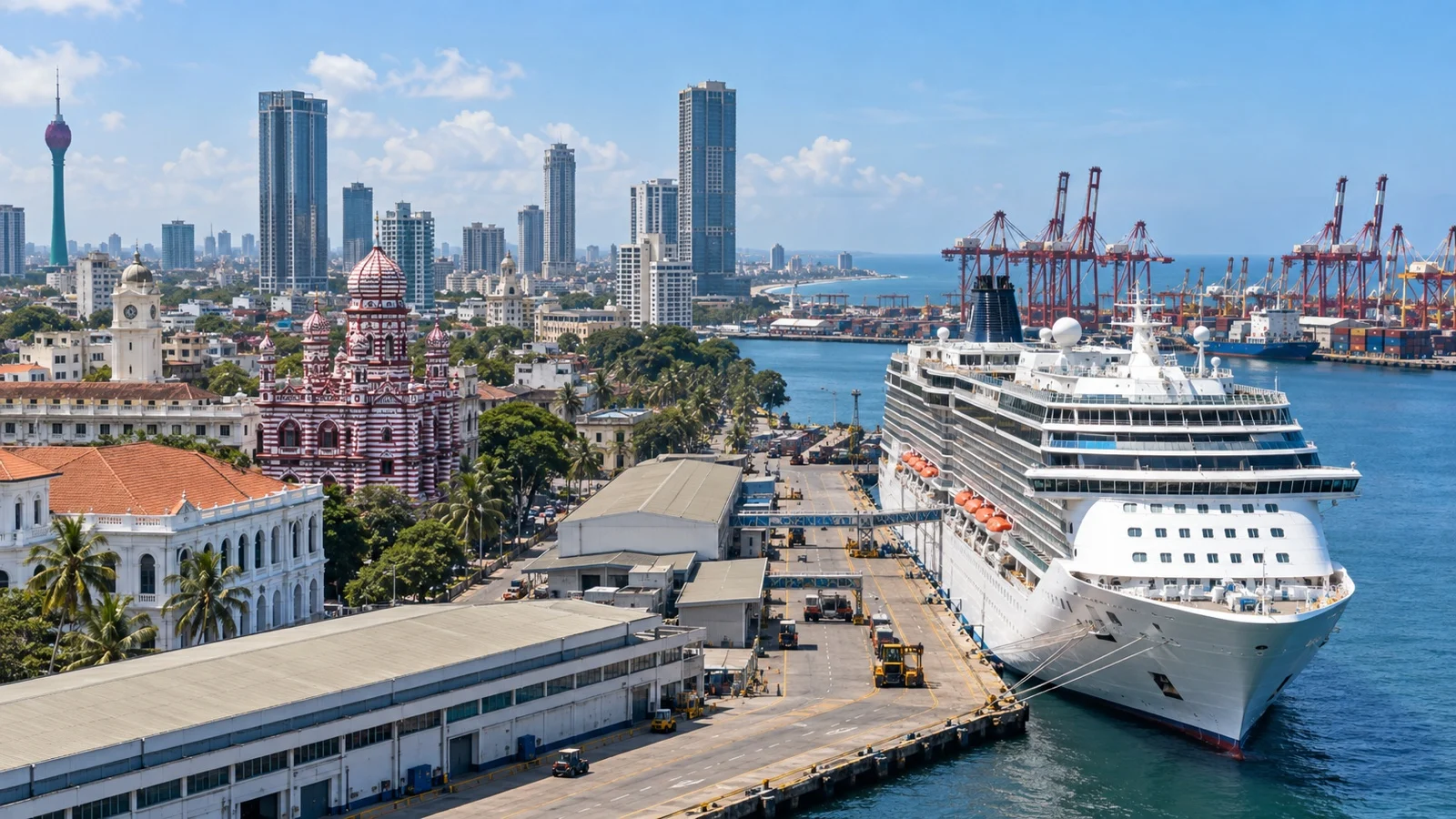
Sri Lanka Ports Authority has identified Bandaranaike Quay for cruise-passenger improvements, but a development plan is not a guarantee that every ship uses the same terminal. Operational assignments can place a vessel at another berth inside the port.
A berth may appear close to Fort on a map while still requiring a long internal shuttle. Fences, restricted roads, cargo zones, construction, and controlled gates can turn a short straight-line distance into a formal transfer.
Do not leave a port shuttle at an unauthorized point or attempt to walk through the container area. Follow the daily program and ask crew exactly where independent taxis or ride-hailing vehicles may collect passengers.
Secure-Port Distance Is Measured in Procedure
Photograph the city drop-off and port gate when you arrive. Note the last shuttle time, ask whether return vehicles use the same entrance, and save the ship or port agent’s contact details.
Immigration, security, and ship-card checks can add time in either direction. Keep the required identification easy to reach and do not photograph restricted port infrastructure.
Drivers may know several gates, terminals, or waterfront entrances. Show the exact written location supplied by the ship rather than asking simply for Colombo cruise port.
The safest return plan assumes a traffic delay and a short wait at security. If everything moves smoothly, use the extra time for a final tea near the shuttle instead of stretching the excursion.
Fort: The Easiest Introduction to Colombo
Fort combines colonial-era architecture, government and commercial buildings, hotels, railway activity, and some of the city’s newest development. It is a useful starting point because it sits between the port, Pettah, Beira Lake, and the Galle Face waterfront.
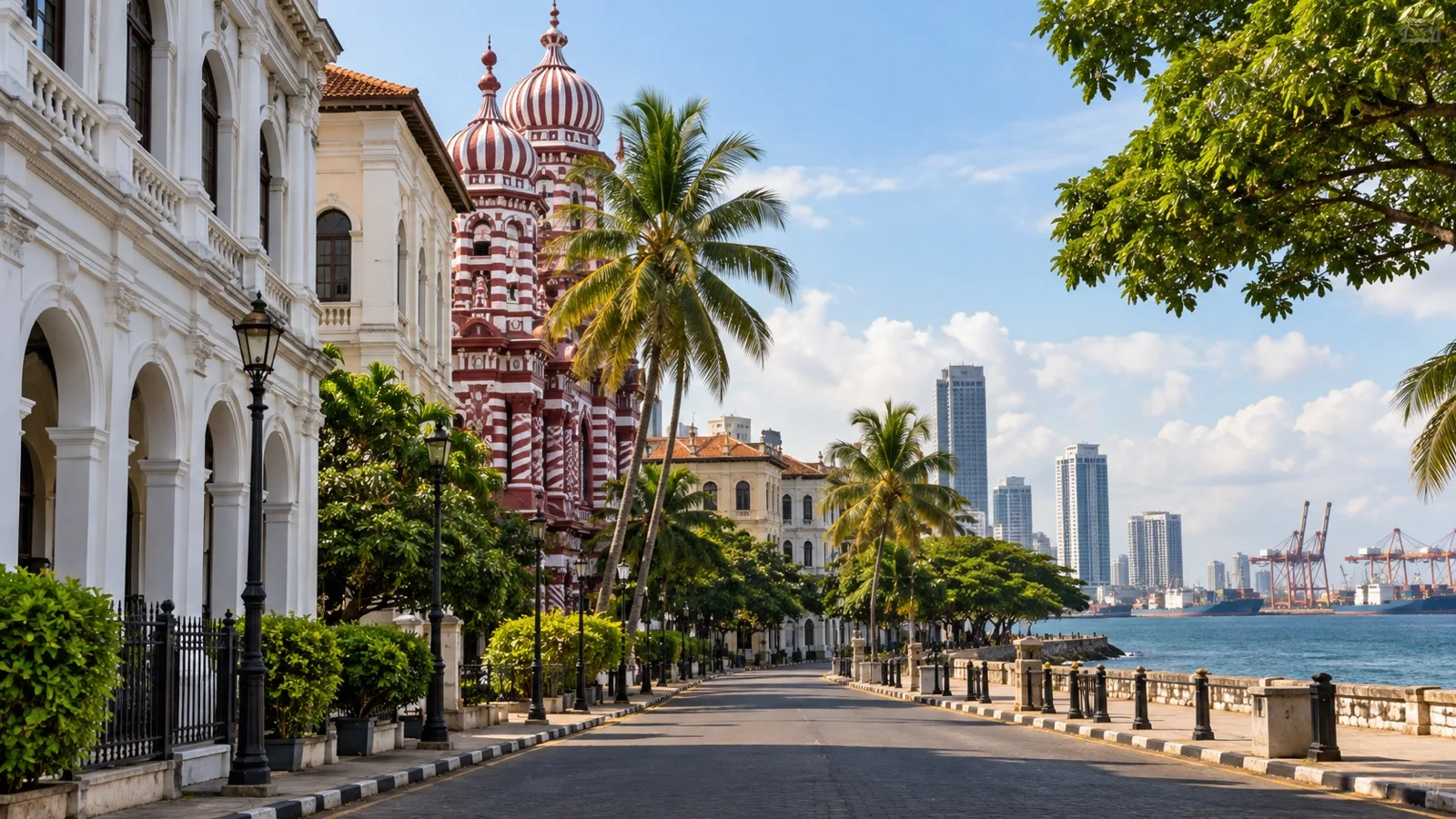
The Old Dutch Hospital precinct is a restored landmark with restaurants and shops. It is polished rather than deeply local, but its courtyards provide a calmer place to eat or regroup after the port transfer.
Architecture fans can look for the clock tower, older mercantile buildings, and views toward modern Port City development. Access changes around government and construction zones, so obey barriers and avoid photographing security-sensitive sites.
Colombo Fort Railway Station sits near Pettah and shows the scale of the national rail network. It is not a museum, and crowded platforms are a poor place to linger with valuables or block commuters.
Pettah: Markets, Mosques, and Sensory Overload
Pettah is close to Fort geographically but feels like a different city. Streets specialize in textiles, electronics, produce, household goods, jewelry, spices, and wholesale trade, all threaded by carts, buses, tuk-tuks, and people moving with purpose.
This is a market district first and a visitor attraction second. Walk with awareness, keep phones and wallets secure, and step out of the flow before stopping to check a map.
Jami Ul-Alfar Mosque
The red-and-white Jami Ul-Alfar Mosque is Pettah’s most photographed landmark. It remains an active place of worship, so visitor access depends on prayer, religious observance, dress, and the directions given at the entrance.
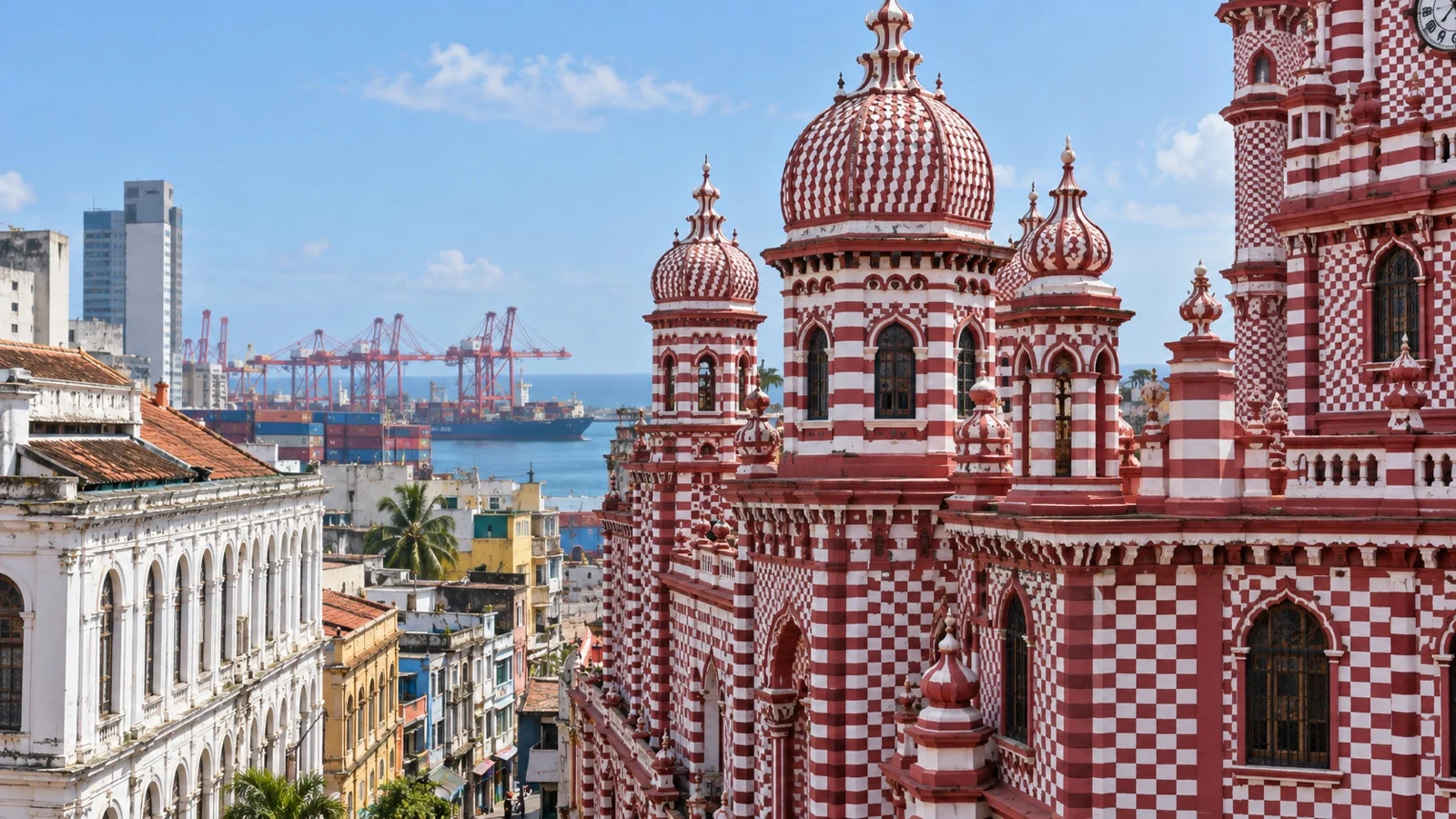
Cover shoulders and knees, remove shoes when instructed, and never push past a closed visitor area. Ask before photographing people and avoid treating worshippers as part of a street scene.
Market Strategy
Do not attempt to cover every lane. Choose one short route with a known exit point, and consider hiring a guide who understands both the market and the timetable.
Agree on prices before purchasing and inspect change carefully. A small amount of local cash is useful, though established shops and restaurants may accept cards.
Pettah becomes uncomfortable quickly in midday heat. Carry water, take breaks, and keep a simpler Fort alternative ready if the crowd feels overwhelming.
Temples and Beira Lake
Gangaramaya Temple is one of Colombo’s best-known Buddhist sites and contains an eclectic collection as well as active religious spaces. Seema Malaka sits nearby on Beira Lake and offers a more open, reflective setting.
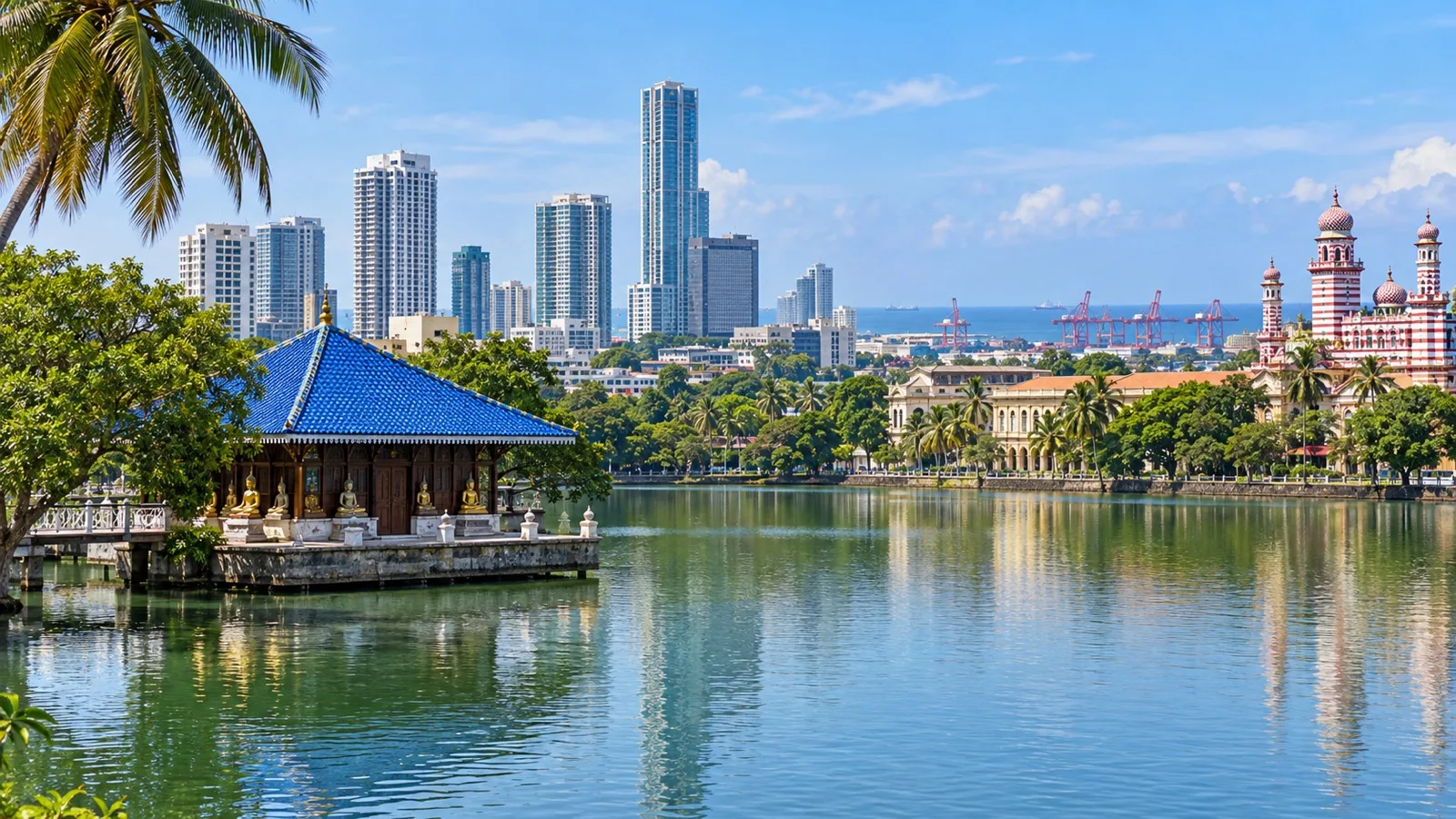
These are places of worship, not only attractions. Dress modestly, remove shoes and hats where required, keep your voice low, and ask before photographing ceremonies or monks.
Hot paving can be difficult on bare feet, so socks may make the visit more comfortable if local rules allow them. Keep shoes together and remember where you left them before moving through the complex.
Temple hours, ticket arrangements, and access to individual rooms can change around festivals and observances. Confirm current information locally instead of building the entire day around a precise online time.
National Museum and Cinnamon Gardens
The Colombo National Museum is the strongest choice for travelers who want deeper context on Sri Lankan history, art, religion, and state traditions. It sits in the greener Cinnamon Gardens area, away from the immediate port and Pettah intensity.
Viharamahadevi Park and the Town Hall are nearby, making this a comfortable cultural district when traffic cooperates. The museum deserves more than a rushed final hour, so check opening information and travel time before leaving Fort.
A museum-and-temple day works well in heat or intermittent rain. Use a hired car or organized tour to link the sites because waiting for multiple short rides can consume the time you hoped to spend inside.
If the museum is a priority, visit it before an unstructured shopping stop. Colombo traffic tends to become less forgiving as the day develops.
Galle Face and the Sea
Galle Face Green stretches along the seafront south of Fort and becomes especially lively later in the day. Families, walkers, kite flyers, food sellers, hotels, and the ocean create a social space that feels distinctly Colombo.
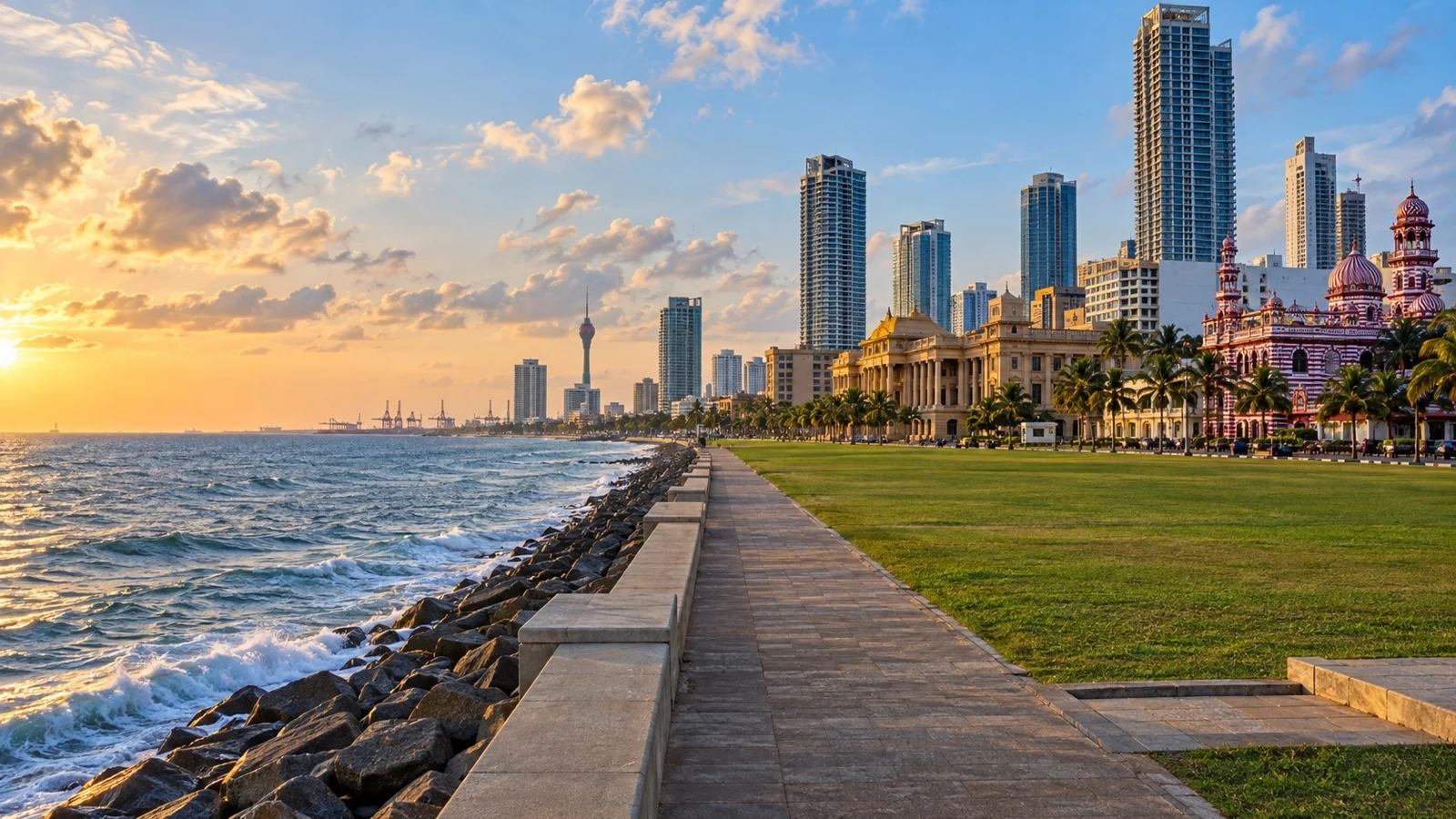
It is not a swimming beach, and the sea edge requires caution in rough conditions. Come for the atmosphere, breeze, and view rather than treating it as a beach stop.
Street food can be tempting, with snacks such as isso wade and kottu associated with the city’s food culture. Choose busy vendors with high turnover, watch preparation, and be conservative if you have a sensitive stomach.
Sunset is appealing but rarely aligns safely with a daytime cruise departure. Enjoy the waterfront earlier and return to the port without gambling on the last shuttle.
Colombo Lotus Tower and Modern Views
The Lotus Tower offers a modern contrast to temples and colonial streets, with elevated views across the city when visibility is good. It can help first-time visitors understand how the port, Beira Lake, dense neighborhoods, and coast fit together.
Security, ticketing, queues, and weather affect the visit. Check current official opening information and do not assume that a timed ticket protects you from traffic on the way back.
Pair the tower with Beira Lake or Gangaramaya rather than Pettah, the National Museum, and Galle Face all at once. Colombo days improve when the route follows geography.
Transportation: Tuk-Tuks, Cars, and Traffic
Tuk-tuks are part of Colombo’s rhythm and useful for short trips, but comfort, metering, and driving style vary. Agree on the fare or insist on the appropriate meter before moving, and confirm the destination on a map.
App-based rides can reduce negotiation, though port pickup restrictions and mobile connectivity may complicate the first and final leg. Arrange the city pickup outside the correct gate and leave time in case the driver cancels.
A hired car with driver is the easiest way to connect a museum, temple, and waterfront stop. Confirm whether the price includes waiting, parking, tolls, and the return to the exact port entrance.
Public buses and commuter trains are inexpensive but crowded and difficult to use efficiently during a short call. They are better observed as part of city life than used for an ambitious cruise itinerary.
What Not to Attempt from Colombo
Sri Lanka looks compact on a map, but road speeds and urban congestion make distant excursions risky. Kandy, Sigiriya, and the central tea country deserve land stays or carefully protected cruise programs rather than improvised day trips.
Galle is linked by expressway, yet it still requires a substantial round trip and leaves limited tolerance for delays. Only consider it on an unusually long call through a ship excursion with clearly stated timing.
Negombo is closer to the international airport than to many central Colombo sights and is not an automatic choice from the port. The city itself offers more than enough for a first visit.
Do not combine an elephant venue with a rushed city tour simply because an operator promises every highlight. Ask detailed welfare questions, avoid direct-contact experiences, and prioritize accredited responsible tourism.
Food and Tea During a Port Day
Colombo is a superb food city, and lunch deserves a place in the itinerary rather than whatever minutes remain. Rice and curry, hoppers, string hoppers, kottu, seafood, sambols, and tropical fruit reveal more than a generic international buffet.
Sri Lankan food can be spicy, but the heat level varies by dish and restaurant. Ask for guidance, share several plates, and keep bottled or properly treated water available.
Ceylon tea is an easy local pleasure without traveling to the hill country. A reputable tea shop can explain regions and styles while giving you a calm break from the street.
Avoid carrying fresh food back through ship or future-port biosecurity controls without checking the rules. Packaged tea is easier, but it may still need to be declared at later destinations.
Currency, Language, and Connectivity
The Sri Lankan rupee is the national currency. Carry smaller notes for market purchases and tuk-tuks, while using cards in established businesses after checking the terminal amount.
Sinhala and Tamil are the official languages, and English is widely used in tourism and commerce. Keep the port gate and ship name written down because pronunciation alone can send a driver toward the wrong entrance.
Mobile data is useful for ride apps and maps, but congestion or account verification can cause problems. Download the route and save screenshots before leaving the port.
Sri Lanka Standard Time runs five and a half hours ahead of coordinated universal time all year. Follow ship time if the daily program gives a specific instruction.
Visa and Entry Requirements
Sri Lanka’s Department of Immigration and Emigration directs tourist and business travelers to the official electronic travel authorization system and publishes current nationality-based information. Fees, exemptions, application methods, and eligibility can change, so avoid unofficial visa sites.
Use the department, the official authorization portal, and your cruise line as final authorities. A ship-arranged tour does not remove the traveler’s responsibility to hold the correct passport and entry permission.
The immigration department currently states general passport-validity and funds requirements, but the exact rule should be checked for your nationality and sailing. Carry the identification specified by the ship and protect it from weather or theft.
Weather and the Best Backup Plan
Colombo is hot and humid for much of the year, with rain shaped by monsoon patterns rather than a simple four-season calendar. A heavy shower can arrive quickly and slow already dense traffic.
Carry breathable clothing, sun protection, water, and a compact rain layer. Air-conditioned museums and vehicles can feel cool after the street, so a light layer is useful.
If rain becomes persistent, prioritize the National Museum, a reputable restaurant, and a shorter temple visit. Pettah lanes and long outdoor walks are less enjoyable when drains overflow or visibility drops.
Do not assume a dry forecast means easy traffic. School hours, office peaks, construction, events, and security controls can all change travel times.
Accessibility and Comfortable Pacing
A berth removes tender motion, but the secure port still creates a transfer challenge. Ask whether the shuttle is accessible, where adapted vehicles can enter, and how far passengers must travel inside the harbor.
Pettah has crowded pavements, uneven surfaces, curbs, heat, and little room to pause. Fort, Galle Face, and Cinnamon Gardens may be more comfortable, though each still requires specific transport planning.
Temples often involve shoe removal, steps, thresholds, and hot or uneven ground. Ask the site or operator for exact access details rather than accepting a broad accessible label.
Reserve an adapted vehicle before arrival and describe the dimensions of your mobility device. A focused museum, scenic drive, and lunch can provide an excellent day without repeated transfers.
Safety and Respectful Visiting
Colombo is a busy capital where normal urban awareness matters. Keep valuables discreet, watch bags in crowds, use recognized transport, and avoid displaying large amounts of cash.
Ignore unsolicited offers that require an immediate decision or claim a major sight is unexpectedly closed. Verify through your guide, the attraction, or the ship before changing the plan.
At religious sites, dress modestly and never pose with your back pressed against a Buddha image. Follow signs about photography and maintain respectful distance during worship.
Public demonstrations, security restrictions, or official events can change street access. Follow current local and cruise-line guidance and do not approach a gathering simply for photographs.
My Ideal Colombo Cruise Day
On a first visit, I would begin with a guided loop through Fort and a carefully chosen section of Pettah before the heat peaks. I would then travel to Gangaramaya or the National Museum and finish with lunch or a short stop at Galle Face.
If the ship’s shuttle runs late, I would drop the museum or tower rather than compressing every stop. Fort, Pettah, and one temple already make a complete Colombo day.
I would return to the approved gate well before the last shuttle and keep the port instructions on my phone and on paper. Colombo is most enjoyable when the final hour belongs to the city rather than to traffic anxiety.
Final Thoughts
Colombo rewards curiosity but punishes an overfilled itinerary. Its markets, sacred spaces, architecture, food, and waterfront are strongest when you let one neighborhood lead naturally to the next.
Confirm the berth procedure, choose a compact route, and leave a serious return buffer. The city will still feel vivid long after the tuk-tuk horns fade behind the port gates.
Berth assignments, shuttles, port gates, visa rules, attraction hours, security arrangements, and traffic can change, so verify current details with your cruise line and the relevant official Sri Lankan sources before sailing. This guide is for general planning and does not replace current immigration, cultural, health, safety, accessibility, security, or transport advice.