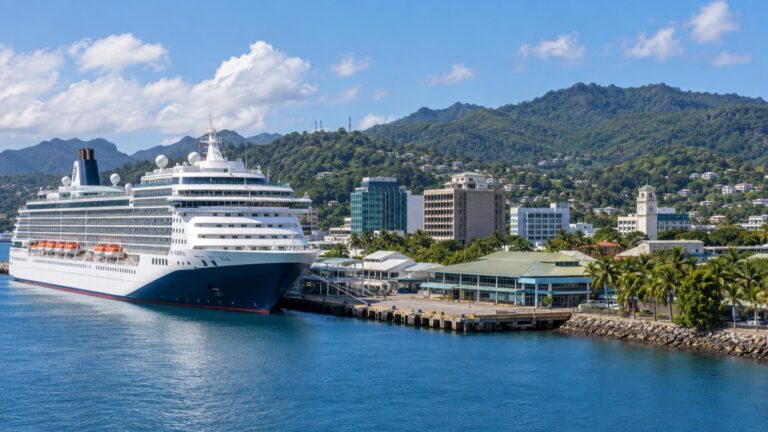
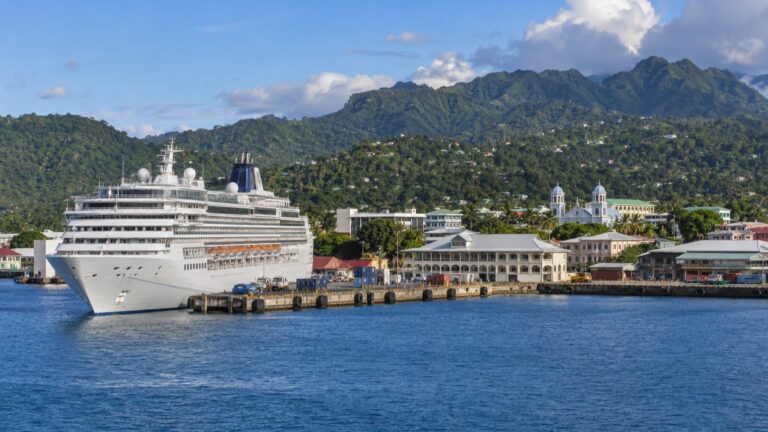
Sihanoukville Cruise Port: Beaches, Transfers & Timing
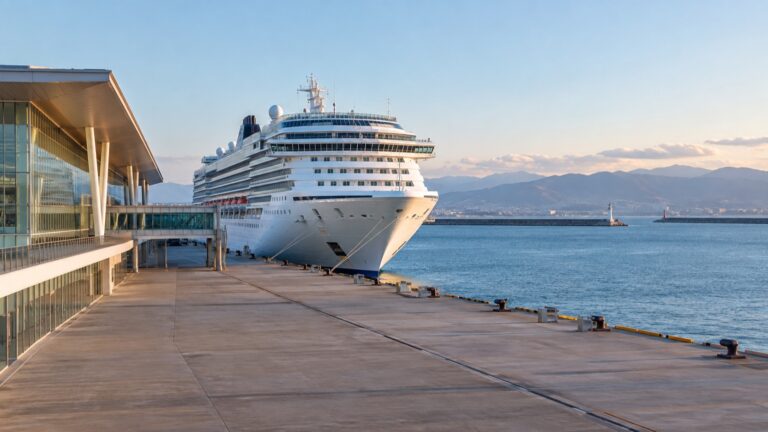
Sihanoukville is a Cambodian beach gateway that begins inside a serious working port. Your ship normally docks alongside at Sihanoukville Autonomous Port, while temples, markets, beaches, mangroves, and island ferries all sit beyond the secure harbor.
The best day chooses one geographic direction and keeps the same driver or organized group. Trying to combine the city, Ream National Park, a distant island, and the return gate makes the transport more memorable than Cambodia.
Quick facts about Sihanoukville cruise port
- Arrival: Ships normally berth alongside at Sihanoukville Autonomous Port
- Port type: Secure commercial harbor
- Town access: Ship shuttle, excursion coach, taxi, or tuk-tuk
- Best easy day: Temple, market, and one mainland beach
- Best nature day: Prebooked Ream National Park excursion
- Currency: Cambodian riel, with United States dollars often accepted
- Language: Khmer
- Main risks: Traffic, heat, rain, secondary boats, and port re-entry
- Return rule: Reach the official port return point before the final shuttle
Where your ship docks
Cruise ships call at Sihanoukville Autonomous Port, usually shortened to PAS, on the northern side of the city. Cambodia’s deep-sea commercial gateway contains several wharves and berthing areas, so the harbor master assigns the exact position around ship size and daily operations.
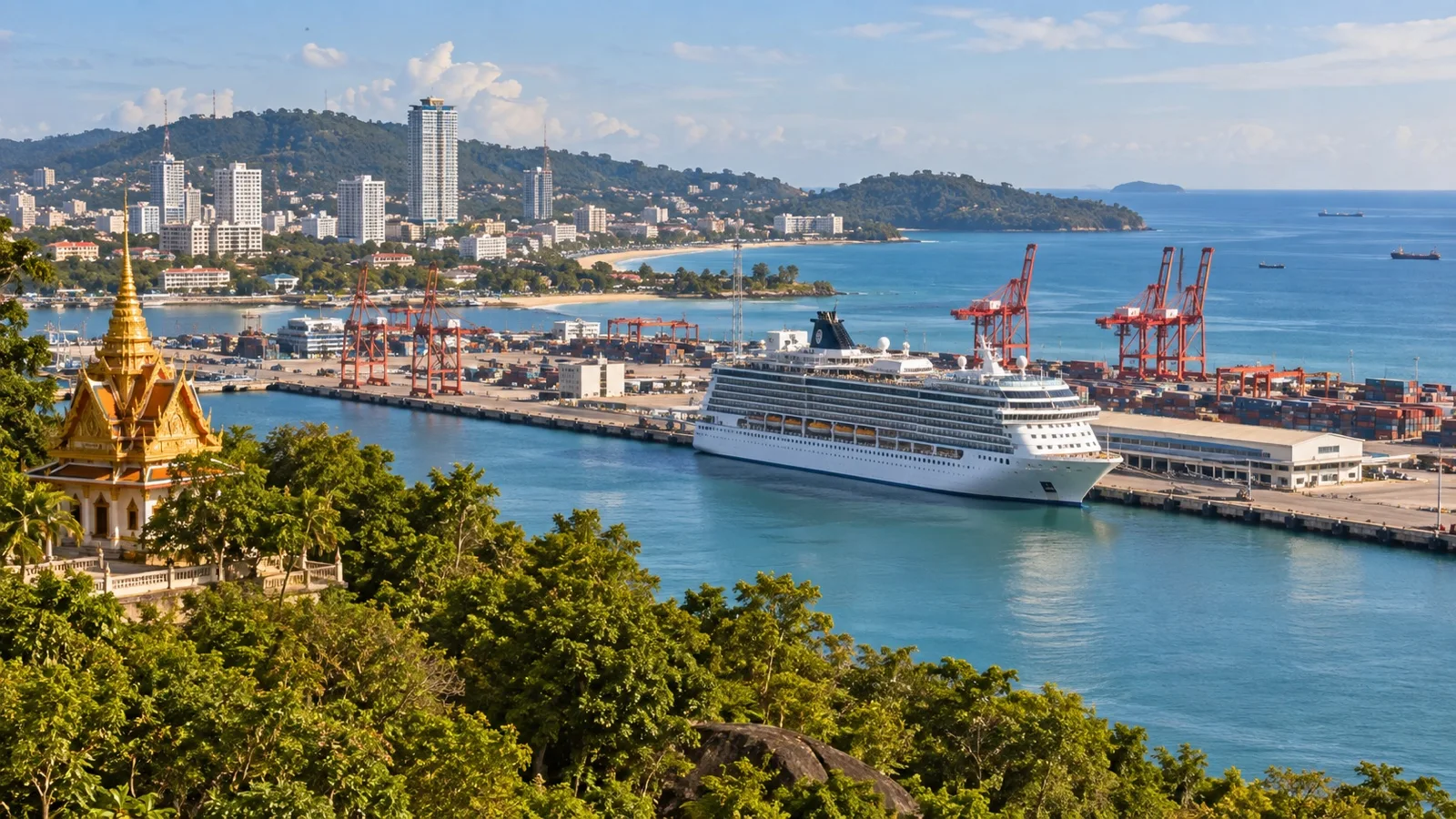
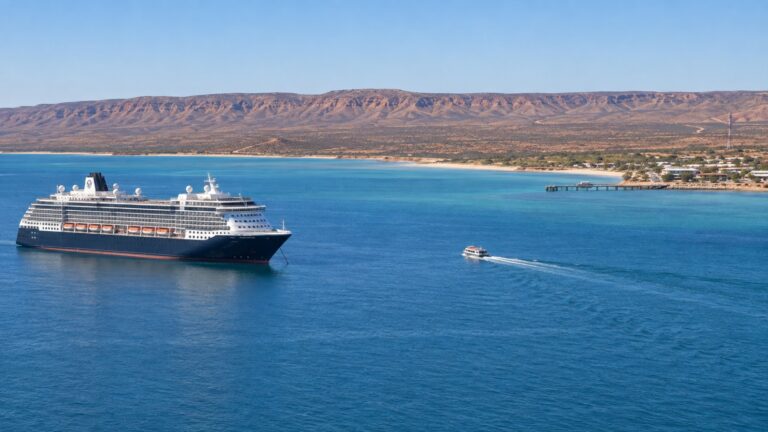
Alongside docking is the normal planning baseline, although the ship’s daily notice controls the actual operation. If your sailing announces anchoring or tenders, add small-boat queues and sea conditions to every timing decision.
Expect fencing, vehicles, hardstanding, and cargo activity around the berth. Walking through the port is not a sensible independent route even when the city looks close on a map.
Leaving the secure harbor
Read the ship’s local notice and identify the shuttle endpoint, last return, and approved pickup point for independent drivers. Those details matter more than memorizing a particular pier name.
A shuttle may bridge the industrial port, but its destination and price belong to that call rather than a universal public service. Photograph the public stop before walking away and save its map pin offline.
Taxis and tuk-tuks suit a temple, market, and beach loop. Agree on the total fare, currency, stops, waiting time, air conditioning if promised, and the exact port return point before leaving.
A temple, market, and beach sampler
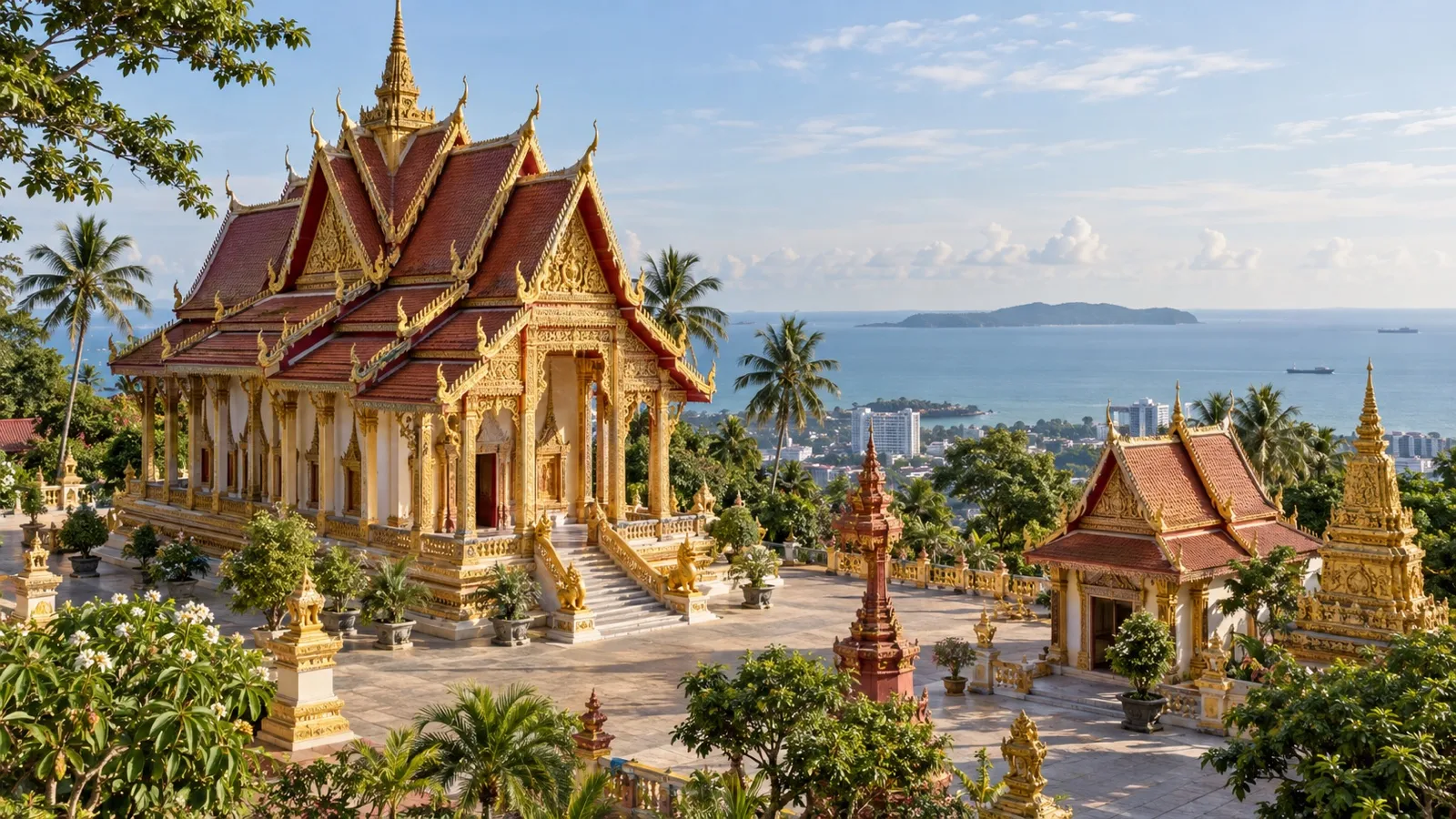
This is the most forgiving independent plan for a normal daytime call. Ask for Wat Leu or Wat Krom, add a brief market stop if conditions feel comfortable, then finish at one mainland beach.
Wat Leu sits on higher ground, while Wat Krom lies closer to the coast. Cover shoulders and knees, remove shoes where requested, speak quietly, and ask before photographing monks or worshippers.
Phsar Leu is a busy local market rather than a polished visitor attraction. Keep your phone and wallet secure, carry small bills, and step aside before stopping to examine a stall.
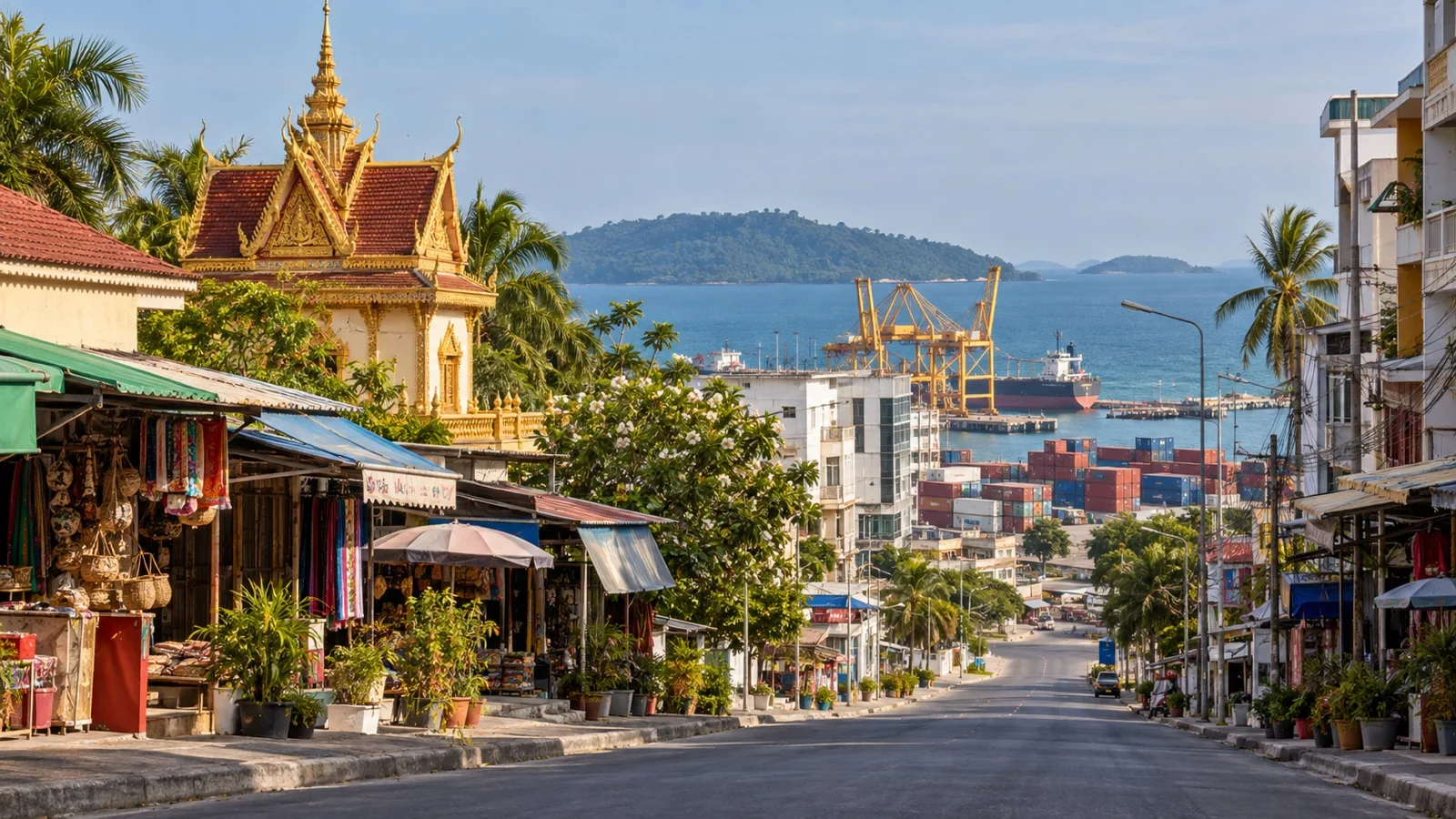
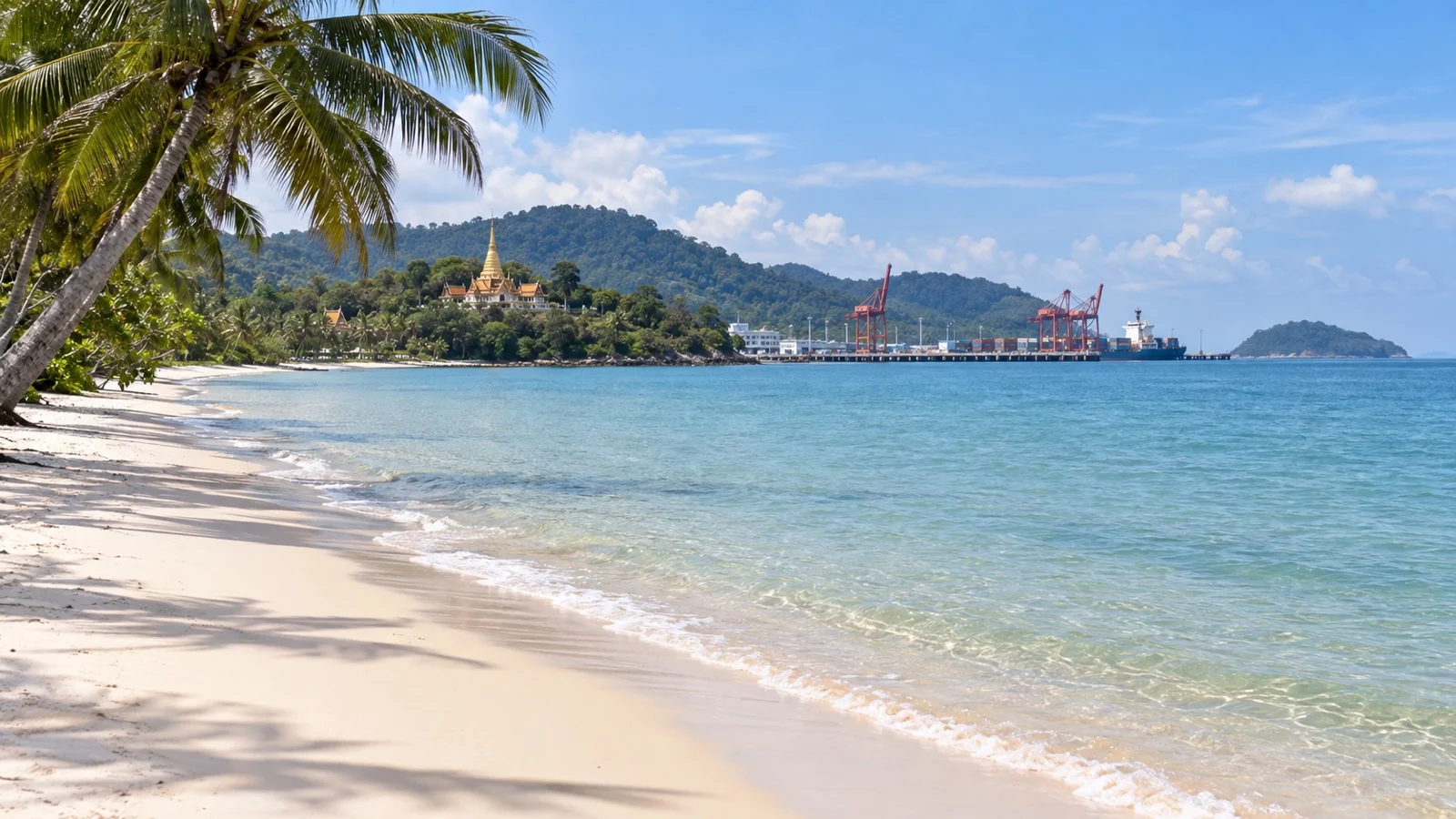
Independence Beach sits nearer the port side of the city, while Otres requires a longer trip south. Public access and beachfront development can change, so ask the driver for the current practical entrance.
Ream National Park
Ream offers mangroves, coastal landscapes, rural scenery, and a nature-focused alternative to Sihanoukville’s development. It works best as a cruise-line excursion or a properly prebooked vehicle-and-guide plan.
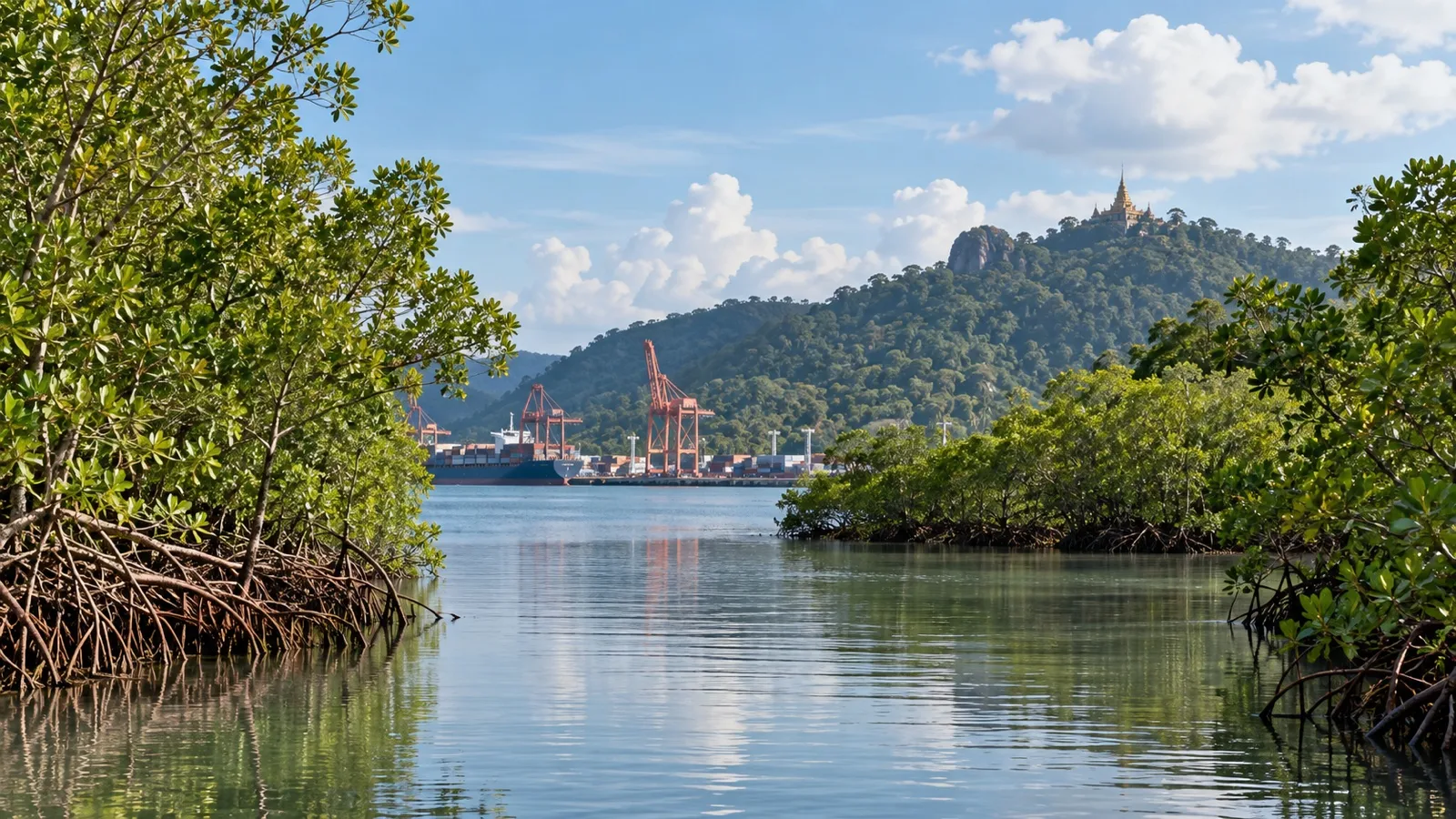
Ask exactly what the outing includes because the name can describe a scenic drive, village stop, trail, mangrove boat, or several of those pieces. Confirm current protected-area access, boat safety, life jackets, shade, restroom conditions, and the full return schedule.
Wildlife is never guaranteed, and responsible observation keeps a respectful distance. Do not feed animals, pressure a boat driver toward nesting areas, or remove shells and plants.
Kampot pepper country
Kampot can deliver pepper farms, countryside, and an attractive riverfront, but it is not a casual pop-over. Road time makes it suitable only for a long call or a ship-organized tour with the return protected.
A strong farm visit explains cultivation, processing, quality, and the local producers behind the product. Confirm drive time, walking surface, lunch, restrooms, and what happens if traffic delays the group.
Koh Rong adds several failure points
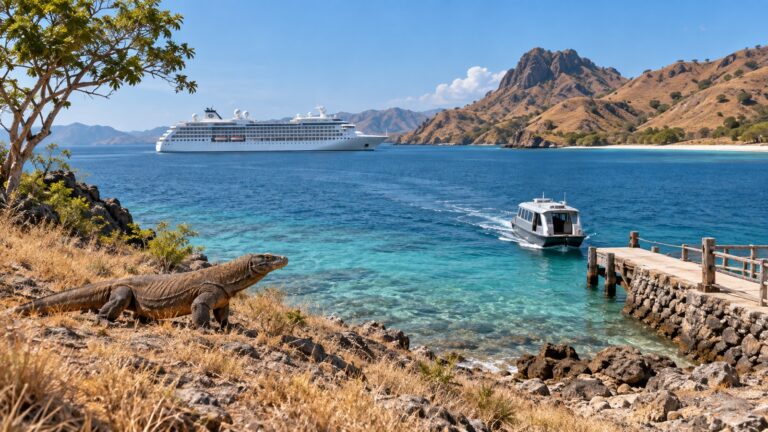
Koh Rong and Koh Rong Sanloem are tempting, with public fast ferries connecting the Sihanoukville area to the islands. The advertised water crossing does not include travel from the cruise berth, check-in, waiting, loading, or the entire process in reverse.
Rain, wind, and rough water can delay or cancel service, especially in the wetter season. An independent island day stacks a port shuttle, road transfer, two ferry journeys, and secure-harbor re-entry.
Choose an island only when the cruise line controls the excursion or the call is unusually long with conservative backup sailings. One mainland beach creates a far more resilient plan.
Cambodia entry rules
Visa requirements depend on nationality, passport type, itinerary, and the cruise line’s clearance arrangement. Do not buy an electronic visa merely because a form lists Sihanoukville International Airport, since the airport and seaport are different entry points.
Use Cambodia’s official visa portal and the cruise line’s exact written instructions for a sea arrival. An individual electronic visa, visa on arrival, embassy-issued visa, and shipboard group process are not interchangeable.
Carry the passport, copy, cruise card, or landing document specified by the ship. Immigration clearance can delay the first exit, so never book a private driver for the instant shown as arrival time.
Money and connectivity
The Cambodian riel is the national currency, while United States dollars are widely accepted in visitor-facing businesses. Carry small clean bills, keep some riel, and confirm which currency a quoted price uses.
Cards work at larger hotels and established businesses but should not be your only payment method. Use bank-affiliated cash machines in secure locations, shield your code, and decline unsolicited help.
Download an offline map and save the port name in Khmer if possible. A screenshot of the shuttle point survives weak data, a roaming problem, and imperfect pronunciation.
Accessibility beyond the gangway
An alongside arrival avoids the transfer into a tender boat, but gangway slope and pier distance still vary. Ask the ship’s accessibility desk about the exact setup and available assistance.
The next variable is transport through the working harbor. Confirm whether the shuttle has a lift or safe storage for a folding chair and whether an accessible vehicle can meet the designated pickup point.
Temples may include steps and shoe-removal zones, markets are crowded, and beaches add sand and limited restrooms. A private vehicle with fewer stops often produces a better day than a standard coach itinerary.
Heat, rain, and beach safety
Sihanoukville stays warm and humid, so carry water, sun protection, breathable clothing, and a modest temple layer. Protect electronics and essential medication in a waterproof pouch.
The generally drier months often bring calmer conditions, while the wetter season raises the chance of heavy rain and ferry disruption. A tropical downpour can also slow city roads and expand the port-return time.
At beaches, seek current local advice and do not assume the absence of a warning flag means lifeguard supervision. Skip swimming when waves, runoff, or water visibility look poor, and keep valuables attended.
Three Sihanoukville days that fit
City sampler
Keep one driver for a temple, short market visit, and a mainland beach. This is the easiest independent plan because every optional stop can be cut.
Ream nature day
Book one organized Ream program and let the park be the focus. Avoid adding a city beach if the boat or road segment runs late.
Island day
Use a ship-controlled excursion with ferry timing and return transport connected. Treat an independent public-ferry plan as suitable only for an unusually long call with earlier backup sailings.
Protect the return through the port
Work backward from all aboard and subtract the required ship buffer, secure-port transfer, road delay, and realistic drive from the final stop. Reaching the outer entrance is not necessarily the same as reaching the gangway.
City and mainland-beach travelers need less margin than Ream, Kampot, or an island route. Add more time in heavy rain, holiday traffic, or whenever another boat is involved.
Keep the port-agent contact and terminal name with you, then call promptly if a driver is delayed. The ship’s same-day instruction overrides every general estimate.
What to arrange before arrival
Prebook when your priority is Ream, Kampot, an accessible vehicle, or a private guide who meets the cruise schedule. Ask the operator to state the permitted pickup point, vehicle details, complete price, cancellation policy, and latest safe return.
For a city sampler, advance booking is useful but less critical if authorized taxis are operating at the passenger exit. Keep the route simple and retain one optional stop that can disappear without diminishing the day.
Download every confirmation and share the driver’s contact with another traveler in the group. A dead phone should be inconvenient rather than capable of unraveling the entire return plan.
Final thoughts
Sihanoukville rewards a focused plan beyond its industrial first impression. Choose a city sampler, Ream, or one carefully coordinated island day, then protect the return through the working port.
CruisePorts.co provides practical, independent planning guidance for cruise travelers. Berths, entry rules, shuttles, park access, ferry service, and weather can change, so verify critical details with official sources and your cruise line before travel.