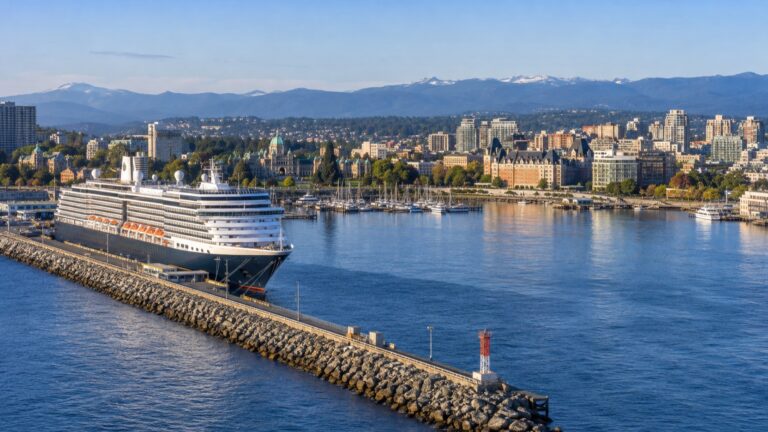
Philadelphia Cruise Port: Airport, Terminal, Bermuda
Philadelphia has returned to the cruise map with a new homeport beside Philadelphia International Airport, not on the tourist waterfront near Independence Hall. That location makes flying in wonderfully simple, but it also means the city deserves its own transportation plan.
My strongest advice is to arrive at least one night early and save your sightseeing for before or after the cruise. The airport may be next door, but Philadelphia’s history, food, and museums are too good to squeeze between a flight and a check-in window.
Quick Facts
- Terminal: PhilaPort Cruise Terminal, 4 Atlantic Avenue, Philadelphia, PA 19153
- Arrival: Ships berth alongside on the Delaware River, with no tender required
- Closest airport: Philadelphia International Airport, directly beside the port area
- City access: Taxi, rideshare, private transfer, or an airport connection to SEPTA
- Walkability: The terminal area is not a practical base for walking into Center City
- Parking: Off-site at the Clarion Hotel, with a complimentary terminal shuttle
- Currency: US dollar
- Best strategy: Add a hotel night and treat embarkation day as a transfer day
Where Cruise Ships Dock
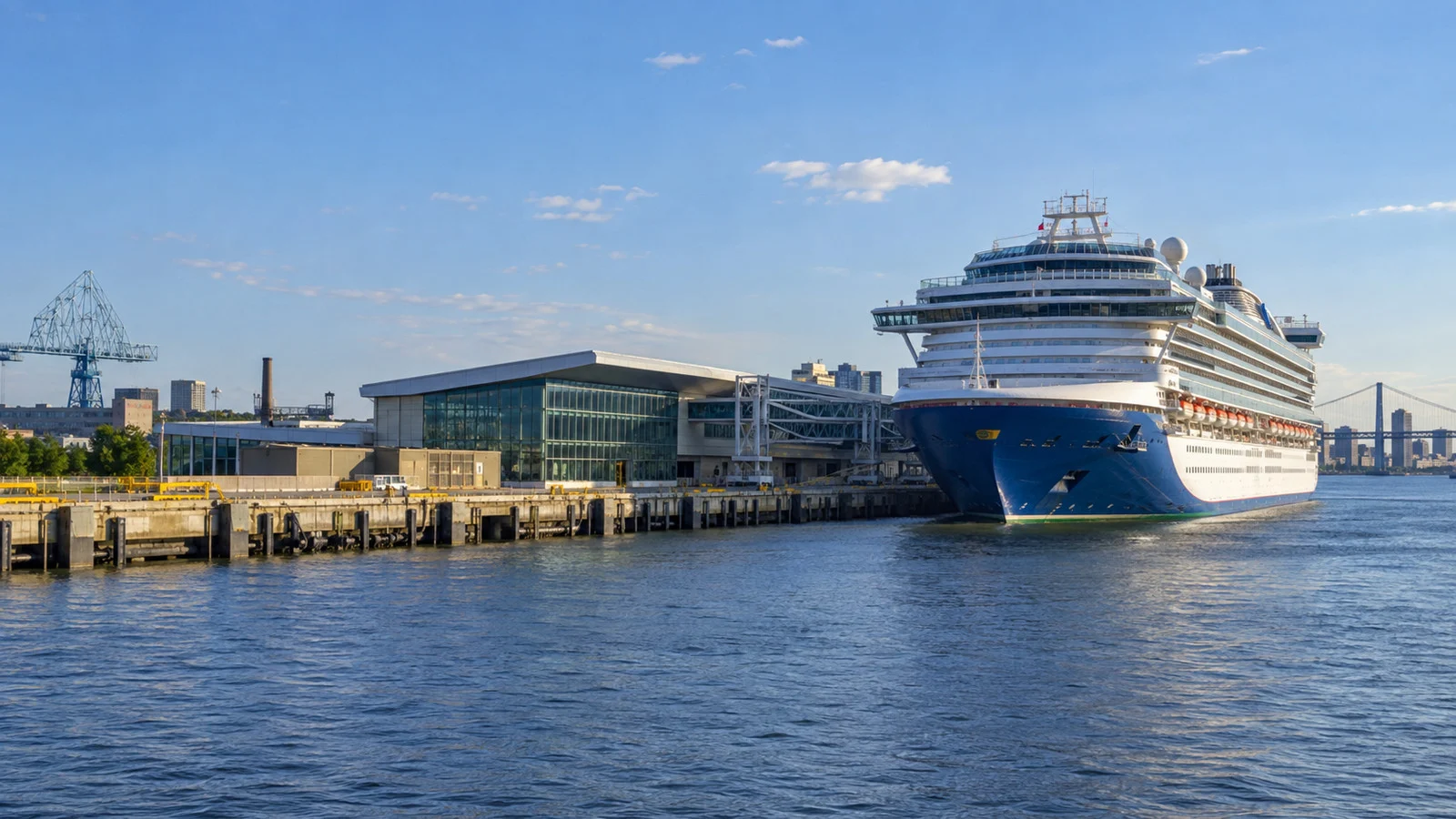
Cruise passengers use the PhilaPort Cruise Terminal at 4 Atlantic Avenue on the Delaware River near the airport. This is the former Hog Island waterfront, well south of Center City and separate from Penn’s Landing.
Ships dock alongside, so there is no tender boat between the vessel and shore. The berth is part of a working port environment, and passengers should use the controlled terminal entrance rather than trying to approach on foot through industrial roads.
The official PhilaPort cruise page is the authority for the live address, arrival process, parking, and shuttle details. Check it again shortly before sailing because this is still a young homeport operation.
Philadelphia once handled cruise ships at other waterfront locations, which is why old directions can be misleading. Do not use the Navy Yard, Penn’s Landing, or a historic pier address unless your cruise documents explicitly say to do so.
Current Check-In Instructions
PhilaPort currently directs independent passengers straight to the cruise terminal for luggage drop-off, security, and check-in. Guests using an airport transfer purchased through Norwegian are taken directly to the terminal.
The port asks guests not to arrive before 9:30 a.m. and to honor the selected check-in window. Early arrivals may be turned away because terminal access is not available before opening.
Keep passports, required travel documents, medications, and valuables in a carry-on rather than checked luggage. Complete online check-in and attach the cruise line’s luggage tags before arriving.
Older reports described an off-site hotel check-in while the facility was being completed. That is no longer the instruction on PhilaPort’s live page, so use the port and cruise line notices issued for your actual sailing.
Parking at the Philadelphia Cruise Port
Current cruise parking is off-site at the Clarion Hotel Philadelphia International Airport, 76 Industrial Highway in Essington. The hotel provides a complimentary shuttle between its parking area and the terminal.
PhilaPort lists parking at $16 per vehicle per day and recommends prepayment directly with the hotel. Reconfirm the rate, reservation method, and shuttle pickup before leaving home.
Drivers should first drop luggage only if their current instructions permit it, then follow the exact parking sequence provided by the port. Industrial access roads are not a good place to improvise a turnaround.
From Philadelphia Airport to the Terminal
Philadelphia International Airport is immediately beside the port district, making a taxi, rideshare, or cruise line transfer the simplest connection. The short geographic distance does not guarantee a specific travel time because terminal roads, security, and vehicle staging can slow the final approach.
Tell the driver to use 4 Atlantic Avenue rather than simply asking for the Philadelphia cruise port. Wait until you are ready at the designated pickup area before requesting a rideshare after disembarkation.
PhilaPort says disembarkation is generally expected between about 7:00 and 9:30 a.m. Passengers still need time to leave the ship, retrieve luggage, clear the terminal, and reach the airport.
A nearby airport encourages risky flight choices, but ships can arrive late and immigration lines can move slowly. Follow the cruise line’s recommended earliest flight time rather than booking around the best possible transfer.
Getting Into Center City
A taxi or rideshare is the cleanest route between the cruise terminal and a Center City hotel. Build extra time for I-95 traffic, sports events, construction, and the general unpredictability of a major city corridor.
The SEPTA Airport Line connects the airport terminals with Penn Medicine, 30th Street, Suburban, Jefferson, and Temple stations. Philadelphia International Airport says trains normally run every 30 minutes and all Airport Line stations are wheelchair accessible.
The train does not stop at the cruise pier, so you still need transportation between Atlantic Avenue and an airport station. With luggage, that extra connection can erase much of the savings.
Use SEPTA for an airport hotel or sightseeing plan, not as an assumed walk-up port shuttle. Check the airport’s current public transportation page and live rail schedule before travel.
Why a Pre-Cruise Night Is Worth It
Flying on embarkation morning puts the entire cruise behind one delayed flight, lost bag, or thunderstorm. A hotel night turns those problems into inconveniences instead of missed sailings.
An airport hotel is practical for a late arrival and a direct transfer the next morning. A Center City or Old City hotel is better if Philadelphia itself is part of the trip.
I would stay near the historic district for a first visit, enjoy dinner, and head to the terminal during the assigned window. That plan feels like the beginning of a vacation rather than a tour of baggage claim.
Independence Hall and the Liberty Bell
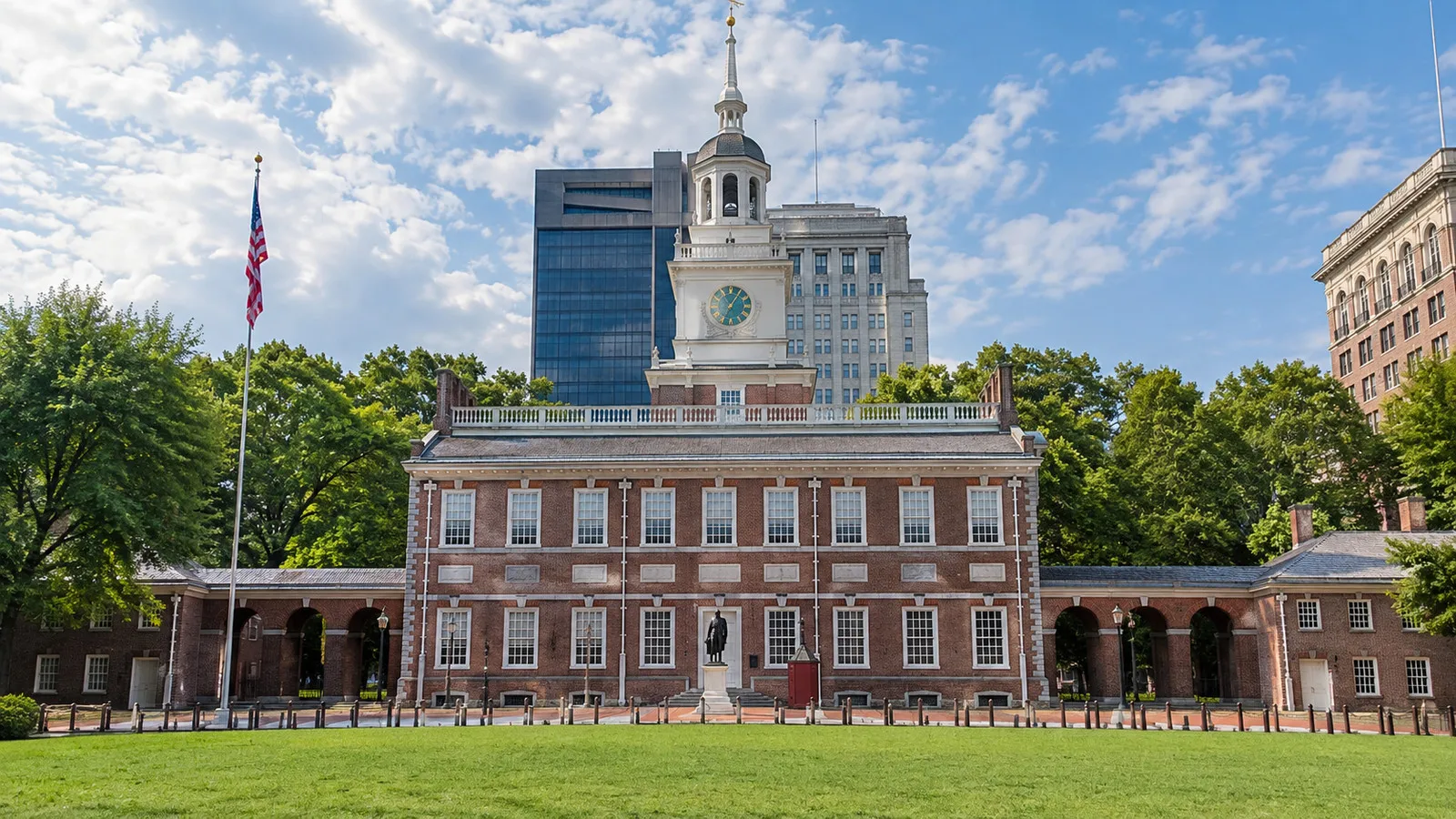
Independence National Historical Park is the essential Philadelphia stop, with Independence Hall, the Liberty Bell Center, Congress Hall, and Franklin Court within a walkable district. Security screening applies at the principal buildings, so travel light.
The National Park Service currently lists a ticket-free open house at Independence Hall from 9:00 to 9:50 a.m., followed by ticketed tours. Guided tickets are free with a small reservation fee, and the exact schedule can change.
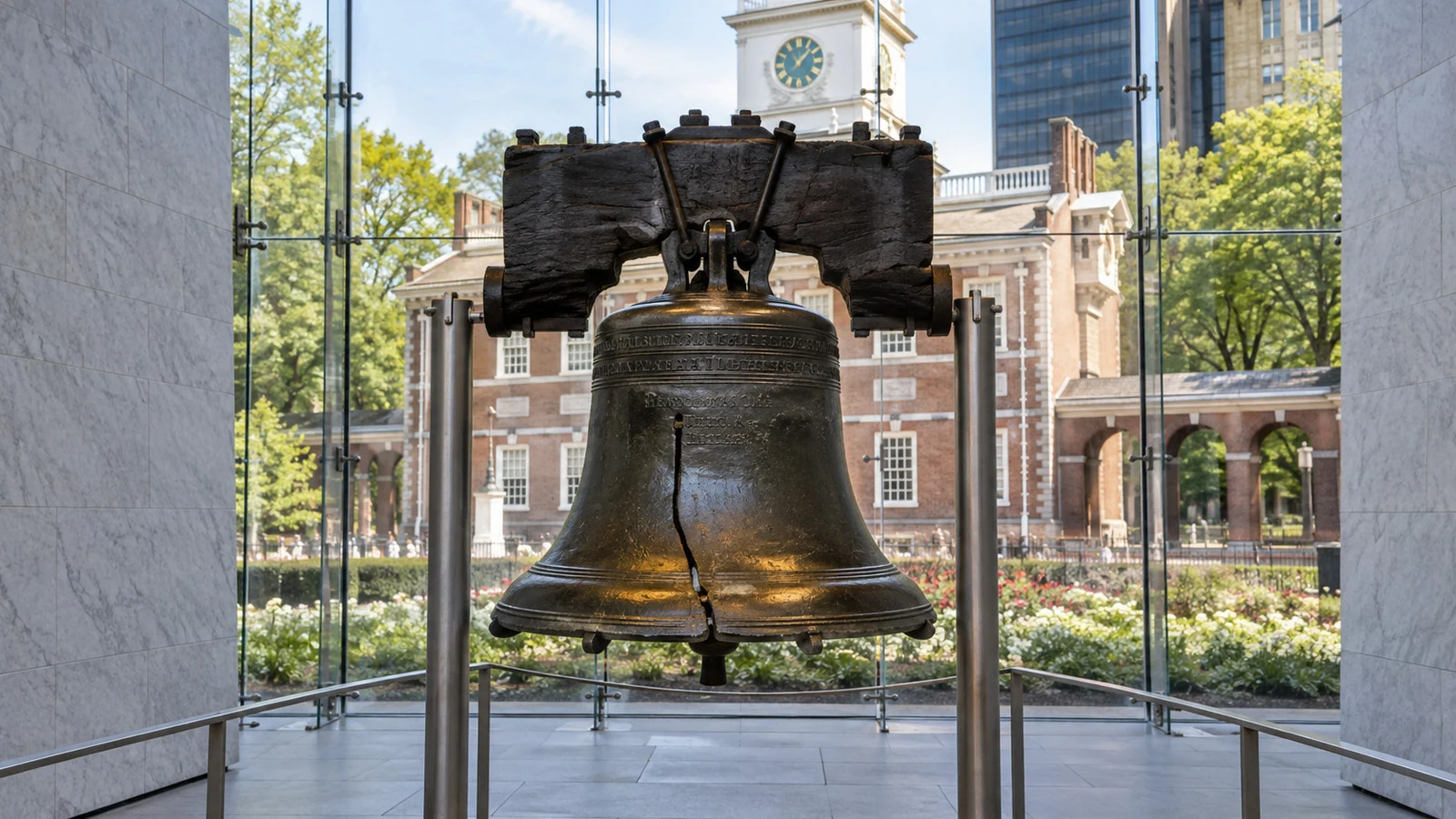
The Liberty Bell Center is free and normally does not require a ticket. Verify hours and ticket rules on the official National Park Service page before choosing a timed port-day itinerary.
Old City rewards walking, but brick sidewalks and cobblestones can be tiring for wheelchairs and small suitcase wheels. The accessible security entrance for Independence Square is on 5th Street between Chestnut and Walnut streets.
Reading Terminal Market

Reading Terminal Market is my favorite answer to a short Philadelphia food stop. Its stalls cover Pennsylvania Dutch baking, sandwiches, produce, seafood, sweets, and enough local specialties to make lunch happily indecisive.
The official market site lists normal daily hours of 8:00 a.m. to 6:00 p.m., with holiday exceptions. Arrive outside the lunch crush if you want room to browse.
Jefferson Station is beside the market, which makes SEPTA convenient from the airport. The market also pairs easily with City Hall or a walk east toward the historic district.
Museums and the Parkway
The Philadelphia Museum of Art deserves several hours, not a hurried photograph on its famous steps. Its collection spans American, European, and Asian art, while the Benjamin Franklin Parkway adds the Rodin Museum and other cultural stops.
The museum currently closes on Tuesday and Wednesday and stays open later on Friday. Confirm the official museum hours, exhibition access, and ticketing before committing to the cross-city trip.
Families may prefer the Franklin Institute, while maritime travelers can look toward the Delaware waterfront and Independence Seaport Museum. Pick one major museum rather than racing between several buildings.
Accessibility and Mobility
The ship berths alongside, avoiding the steps and movement of a tender. PhilaPort says wheelchair assistance is available at the terminal for guests who request it, although waits can vary with demand.
Arrange assistance with the cruise line before travel and bring a personal mobility aid if it improves comfort. Also confirm that any hotel or parking shuttle can accommodate the device.
All Airport Line stations are identified as wheelchair accessible by the airport, but the cruise terminal has no station of its own. A wheelchair-accessible taxi or prearranged vehicle remains the more direct choice.
Center City has curb cuts and accessible attractions, while historic brick, cobblestones, crowds, and construction create uneven routes. Ask each attraction about entrances, elevators, companion policies, and temporary closures.
Weather and Packing
Spring and fall can swing from cool rain to warm sunshine in a single day. Pack layers, comfortable walking shoes, and a compact waterproof shell.
Summer brings heat, humidity, strong sun, and afternoon thunderstorms. Lightweight clothing and water matter, but the ship, terminal, and museums can feel cold under air conditioning.
Weather elsewhere on the itinerary may be very different from Philadelphia. Bermuda calls require warm-weather gear, while Canada and New England sailings can turn cool quickly.
No reliable public source provides an audited percentage of Philadelphia cruise cancellations. River traffic, weather, ship operations, and itinerary decisions can still change a sailing even though the berth is alongside.
Three Sensible Trip Plans
For a late arrival, stay near the airport, eat locally, and transfer to the terminal during the assigned window. This is the simplest plan for travelers who have already seen Philadelphia.
For a first visit, spend one or two nights in Center City or Old City and focus on Independence National Historical Park and Reading Terminal Market. Move to the port only on embarkation morning.
For an art-focused stay, choose a hotel around Center City and devote half a day to the Parkway museums. Leave enough unscheduled time for meals, walking, and traffic.
The Final Take
Philadelphia’s new cruise terminal is an airport homeport, not a downtown pier. That distinction explains the easy flight transfer, the limited walkability, and the need to plan separate transportation for sightseeing.
Arrive early, use the live PhilaPort instructions, and give the city at least one unhurried night if you can. Philadelphia is far more memorable when Independence Hall and a market lunch are part of the trip, not scenery you pass on the highway.
How this guide was researched: No firsthand Philadelphia cruise-terminal visit is claimed. This guide was checked September 12, 2026 against live PhilaPort embarkation and parking guidance, Philadelphia International Airport transit information, National Park Service visitor hours, and current attraction sites.