Nile Cruise Ports: Luxor, Esna, Edfu, Kom Ombo and Aswan
A Nile cruise strings together some of Egypt’s greatest ancient sites, but the places ships stop are not all conventional cruise ports. Luxor and Aswan have long riverfronts with multiple mooring areas, while Esna, Edfu, and Kom Ombo are shorter calls shaped by lock traffic, local docking space, and the day’s temple schedule.
The classic route follows the Nile between Luxor and Aswan, with calls determined by the operator, sailing direction, and available time. The archaeology is extraordinary, but the everyday details matter too: ships often raft together, gangways can be steep, coaches leave early, and the heat can turn a simple walk into the hardest part of the day.
Quick Facts
- Main cruise corridor: Luxor to Aswan, usually with calls at Esna, Edfu, and Kom Ombo.
- Typical trip length: Three to seven nights on the river, depending on direction, ship, and whether hotel stays or extra destinations are included.
- Mooring style: Several ships may tie up side by side, and guests can be asked to walk through neighboring vessels to reach shore.
- Key transport: Motorcoach in Luxor and Aswan, road transport at Edfu, walking at Kom Ombo, and a small boat for Philae.
- Currency: Egyptian pound, with small notes useful for tips and minor purchases.
- Language: Arabic is official, while English is widely used by guides, ship staff, and major visitor sites.
- Biggest planning issue: Heat, uneven surfaces, early starts, and variable gangway access can matter more than distance from the dock.
How the Nile Cruise Route Works
Most first-time itineraries concentrate on Upper Egypt between Luxor and Aswan. Ships sail both directions, and the order of the temples changes with the direction rather than the basic experience becoming better or worse.
Do not assume every three-night or four-night cruise includes identical visits. Operators combine sailing time, lock passage, daylight, site hours, flight schedules, and local conditions differently, so compare the day-by-day itinerary rather than the route name alone.
Luxor and Aswan deserve special attention because they hold far more than a single half-day excursion. A package can technically include both cities while leaving very different amounts of time for the east bank, west bank, Philae, a felucca ride, or an optional Abu Simbel trip.
What Nile Moorings Are Really Like
Nile cruise ships commonly share a section of riverbank and tie up alongside one another. If your vessel is on the outside, the route ashore may pass through the reception areas of one or more neighboring ships.
This arrangement is normal, but it can surprise travelers expecting a private pier. It also means the view from a cabin can change from open river to the side of another ship with little warning.
Mooring positions are operational rather than guaranteed sightseeing addresses. A ship described as being in Luxor or Aswan may be some distance from the central waterfront, and included excursions will usually use coaches regardless.
Gangways vary in angle with the river level and the height of the adjacent bank or vessel. Ask specific accessibility questions before booking if narrow passages, steps, or walking through other ships would be difficult.
Luxor: The Essential Two-Bank Port
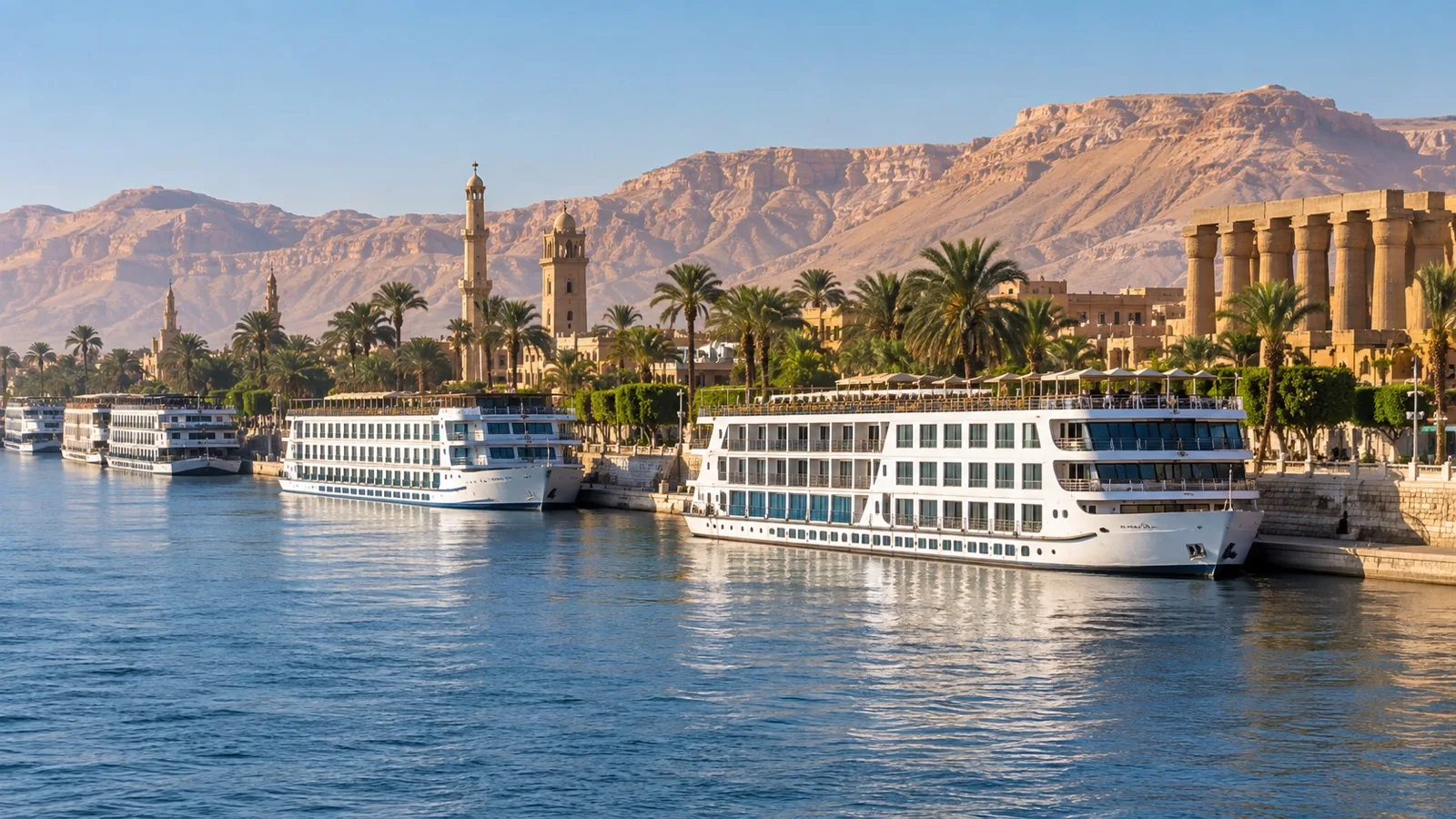
Luxor is the anchor of the itinerary and the place where rushed scheduling does the most damage. The modern city and the temples of Karnak and Luxor stand on the east bank, while the royal tombs and many mortuary temples lie across the river on the west bank.
UNESCO’s Ancient Thebes listing treats the temples of Karnak and Luxor together with the Valley of the Kings, Valley of the Queens, and other west-bank remains as one vast cultural landscape. Trying to absorb both banks in one compressed outing can mean long stretches on a coach and little time to look closely.
Luxor’s East Bank
Karnak is a huge temple complex rather than one building, with monumental courts, pylons, obelisks, and the Great Hypostyle Hall. Luxor Temple is more compact and sits within the modern city, connected to Karnak by the ancient Avenue of Sphinxes.
Some programs visit the east bank after dark, when lighting changes the atmosphere and temperatures can be more comfortable. Others schedule an early morning visit, so the experience depends more on timing and guide quality than the direction of the cruise.
Luxor’s West Bank
The Valley of the Kings is reached by road from the river and involves outdoor walking between transport points and tomb entrances. Admission arrangements can change, and special tombs may require separate tickets, so check the current official program and ticket inclusions before the excursion.
Hatshepsut’s terraced mortuary temple and the Colossi of Memnon are common companions to the valley. A more ambitious day may add the Valley of the Queens, Medinet Habu, or artisan tombs, but additional stops increase both heat exposure and walking.
If ancient Thebes is the main reason for the trip, add a hotel night in Luxor before or after the cruise. That buffer protects against flight delays and creates room for a site the standard package omits.
Esna: Lock Passage Before Sightseeing
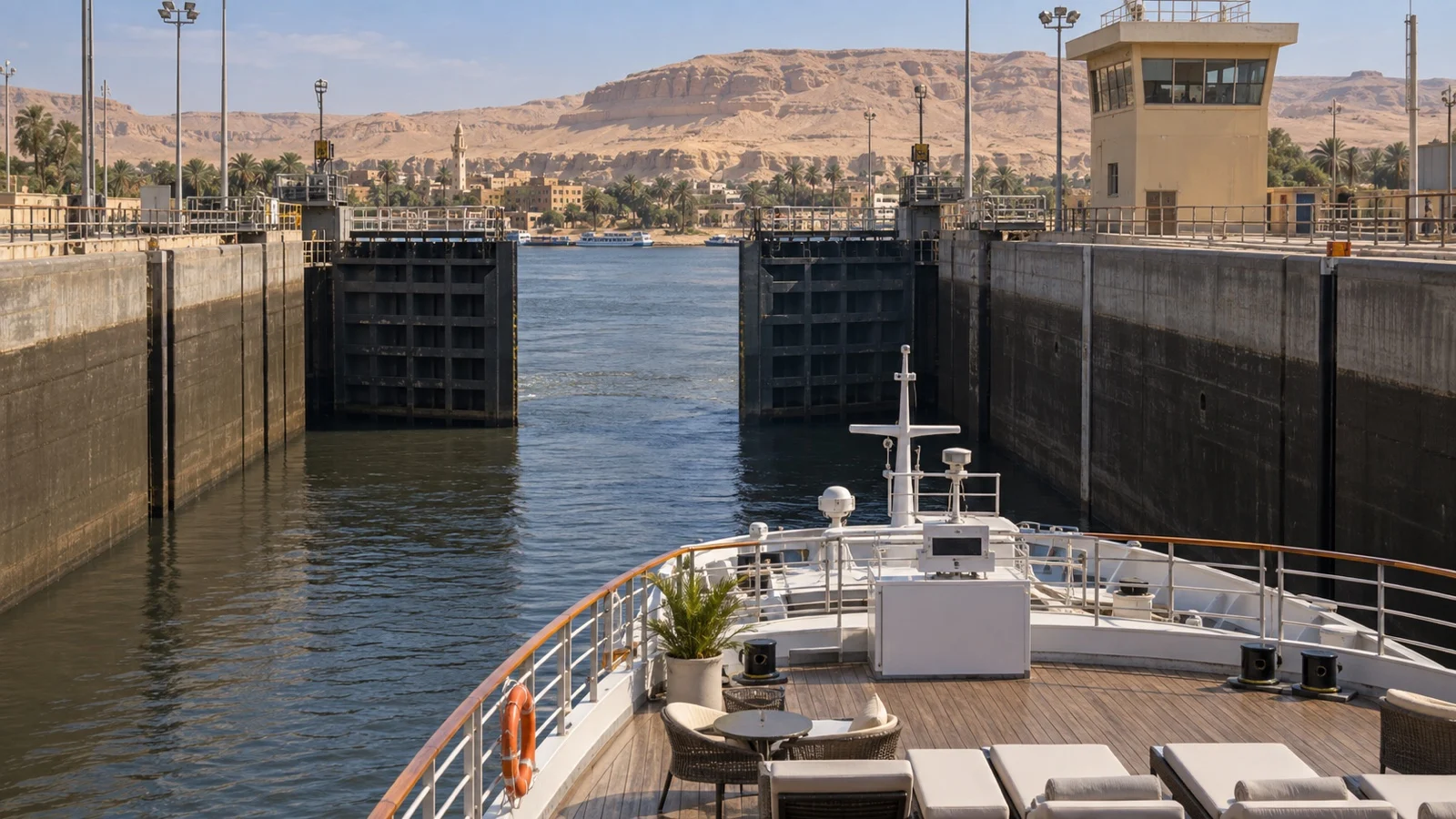
Esna is best understood as an operational point on the river because ships must pass through its lock system. Arrival timing can shift when traffic builds, maintenance affects capacity, or the day’s sailing plan changes.
Passengers may watch the vessel enter the lock and rise or fall with the chamber’s water level. The experience is interesting but not a fixed-time attraction, and it can happen during meals, after dark, or while guests are ashore.
The Temple of Khnum lies below the level of the surrounding modern town and may appear on longer programs. When it is not included, Esna can be little more than a sailing waypoint, so read the itinerary carefully if seeing the temple matters.
Vendors sometimes approach ships from small boats or call up from the bank with textiles and souvenirs. Treat this as part of the river scene without feeling obliged to buy, and follow crew instructions about passing money or packages between vessels.
Edfu: A Temple Call with a Road Transfer
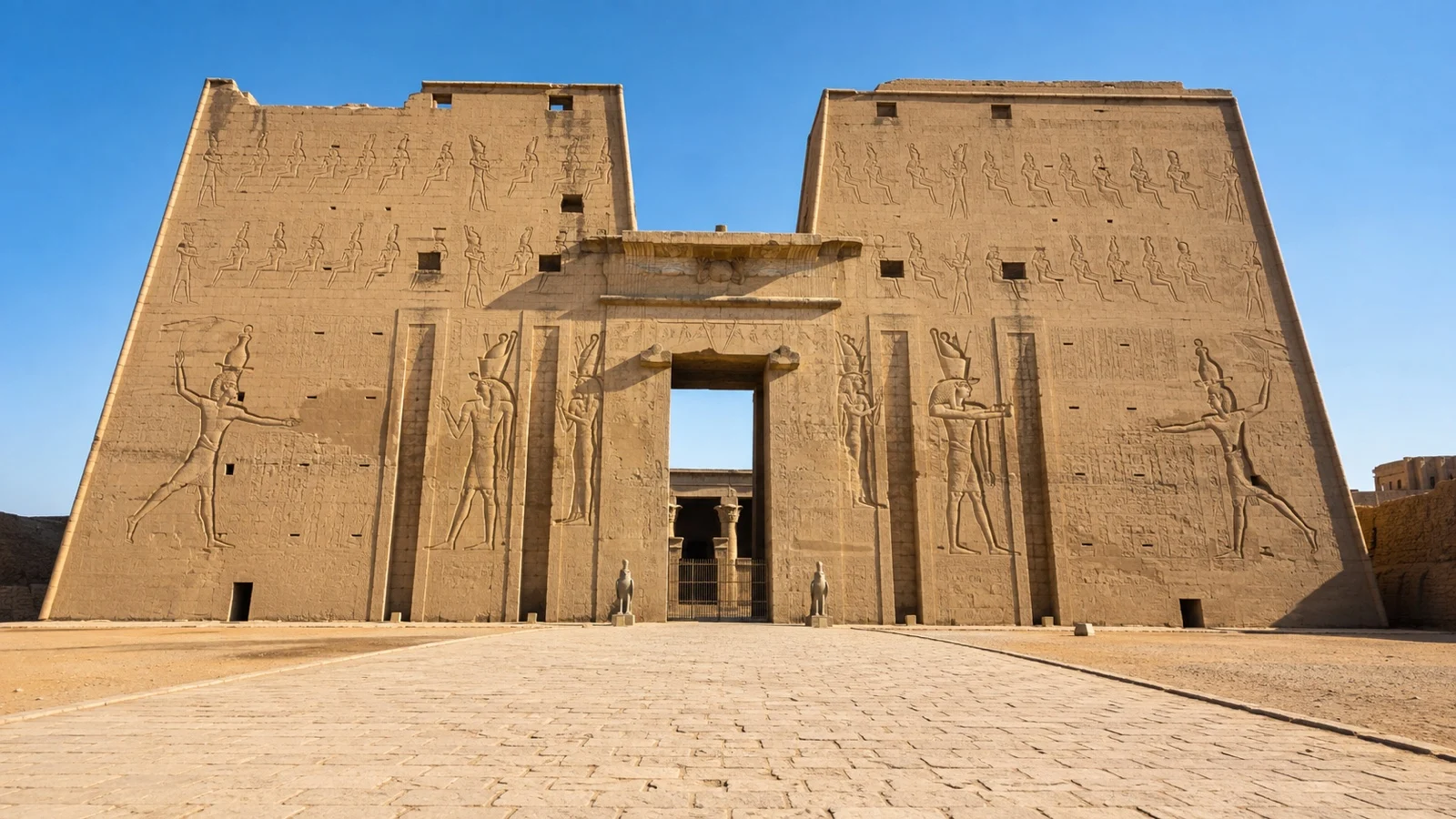
Edfu’s main attraction is the Ptolemaic Temple of Horus, set inland from the river. The final transfer is commonly arranged by the operator and may use a coach, minibus, tuk-tuk, or horse-drawn carriage depending on the program and local logistics.
The temple’s monumental pylons and extensive inscriptions reward time, but cruise groups often arrive in a concentrated wave. Staying close enough to hear the guide while leaving room to study details makes the visit more satisfying than racing for an empty photograph.
Travelers concerned about animal welfare should ask the cruise line whether a motorized transfer is available instead of a carriage. Do this before sailing if it is important, because alternatives may need to be arranged in advance.
The route from the dock can include uneven pavement, traffic, crowds, and persistent selling. Keep valuables secure, carry water, and allow the guide to manage the group’s timing rather than wandering away near departure.
Kom Ombo: The Closest Major Temple to the River
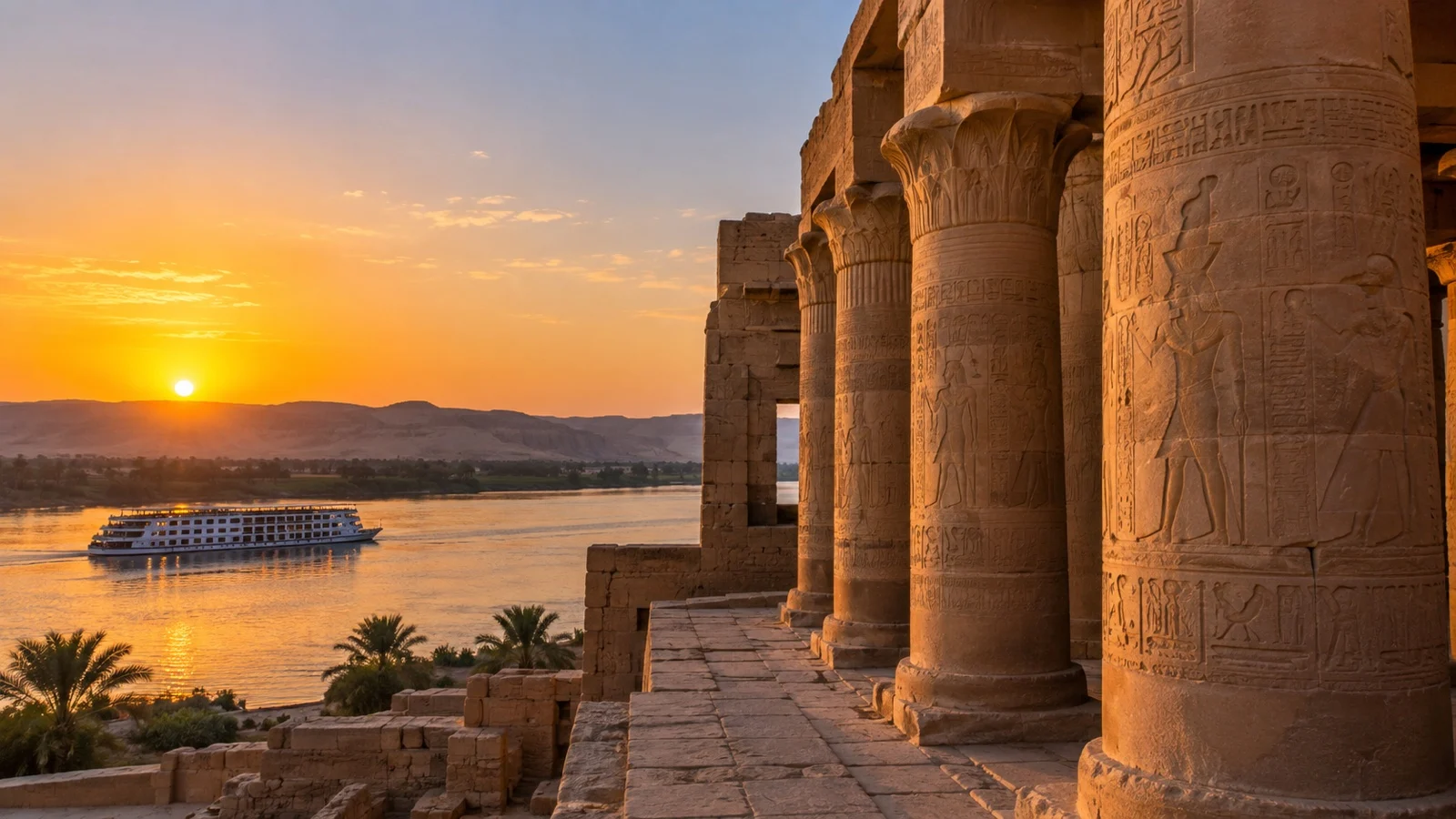
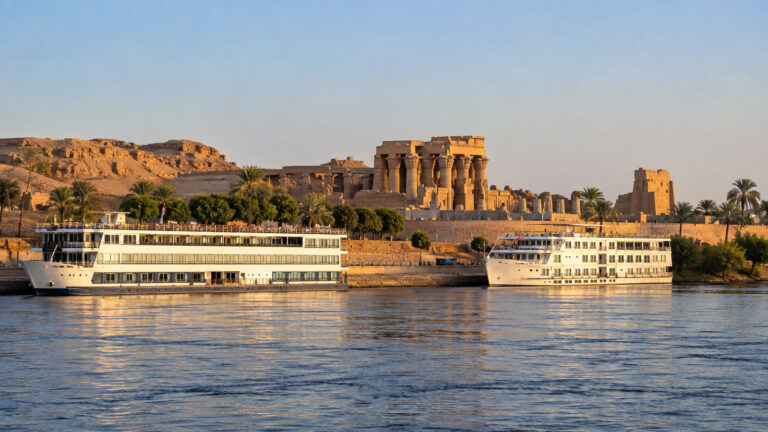
Kom Ombo offers the easiest visual connection between ship and monument because the temple rises beside the Nile. For many sailings, guests walk from the mooring rather than board a coach.
The temple is unusual for its paired plan, with worship associated with the crocodile god Sobek and the falcon god Haroeris. Reliefs, columns, and river views make it a compact but memorable call.
Easy proximity does not mean step-free access. Gangways, ramps, stone surfaces, stairs, crowds, and low evening light can still make the visit challenging.
Some itineraries call late in the day or after sunset, when the stone is illuminated and temperatures are milder. Bring a small light if you need help seeing uneven ground, but avoid shining it on other visitors or sensitive surfaces.
Aswan: Islands, Feluccas, and Nubian History
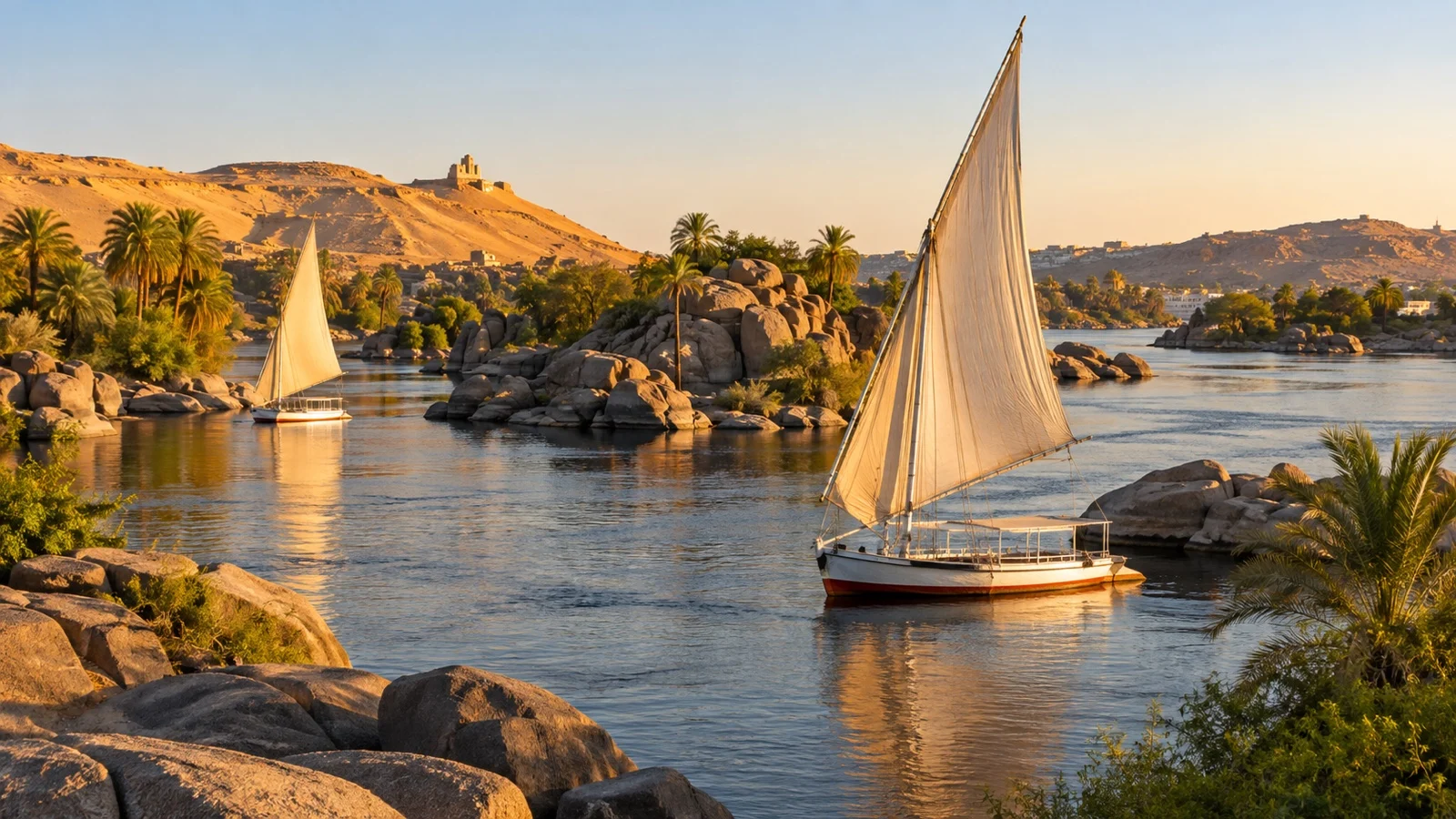
Aswan feels different from Luxor, with granite outcrops, islands, desert hills, and traditional sailing boats shaping the river view. It is a destination in its own right, not merely the southern end of the cruise.
Philae and the Dam Excursion
Philae is reached by a small motorboat because the temple complex now stands on Agilkia Island. The boat landing, steps, and sun exposure deserve consideration for anyone with limited mobility.
UNESCO’s Nubian Monuments listing explains that Philae and other monuments were moved during an international campaign to save them from rising water associated with the Aswan dam project. That rescue story gives the island setting more meaning than a quick photo stop can convey.
Many ship excursions combine Philae with the High Dam and an ancient granite quarry containing the Unfinished Obelisk. Confirm the sequence and walking demands, because the quarry can be hotter and rougher underfoot than the island temple.
Feluccas and the Aswan Waterfront
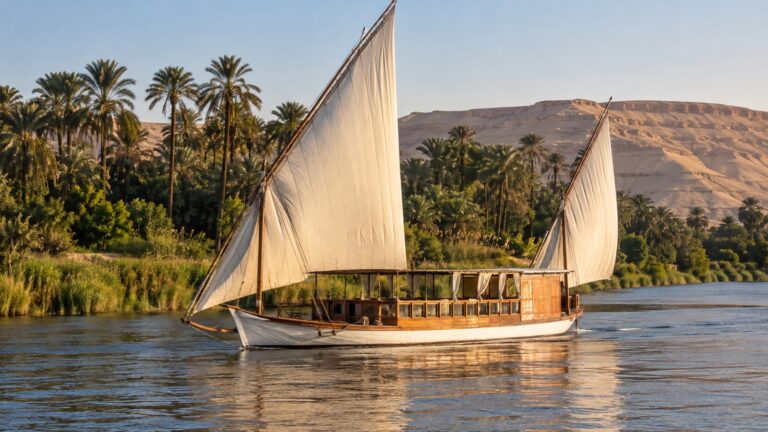
A felucca ride offers a quieter look at Aswan when the wind cooperates. Traditional boats depend on the breeze, so schedules and routes can be flexible, and some operators use a motorboat when sailing conditions are unsuitable.
The Nubian Museum is an excellent complement to the temples, especially for understanding the cultures affected by the creation of Lake Nasser. It is also a valuable indoor option during the hottest part of the day, though current hours should be checked locally.
Abu Simbel from Aswan
Abu Simbel is not a normal riverfront call on the Luxor to Aswan cruise. It is usually an additional trip from Aswan by road or air, often requiring a very early start and substantial extra time.
The temples are part of the same UNESCO Nubian monuments property as Philae, but the logistics are entirely different. Decide whether the scale and history justify the long day for you rather than treating the excursion as automatically essential.
Heat, Timing, and the Pace of Temple Days
Upper Egypt can be intensely hot, and exposed archaeological sites offer limited shade. Early departures are not simply a way to fit more into the itinerary; they can make walking safer and more comfortable.
Wear a breathable layer that covers shoulders, a secure sun hat, and shoes with grip for polished stone and dusty ground. Carry water according to site rules, and use sunscreen even when the morning initially feels pleasant.
Heat tolerance is personal, so build in permission to skip an included stop. A quiet hour aboard can be the better choice if fatigue would spoil the more important site later in the day.
Accessibility and Mobility Planning
A label such as accessible cabin does not describe the full shore experience. Ask about the gangway width and slope, elevator coverage, thresholds, rafting through other ships, coach steps, restroom access, and the surfaces at each included monument.
Some temples include stairs, narrow doorways, rough stone, or long exposed approaches, and tombs may have steep passages. Wheelchair assistance at one location does not guarantee step-free access throughout the itinerary.
Travelers using mobility equipment should give exact dimensions and weight to the operator and airline. Also ask who is responsible for carrying the device across a gangway and whether it can be safely secured during road or small-boat transfers.
Money, Tipping, and Persistent Selling
Small Egyptian-pound notes are useful for minor tips, restrooms, and simple purchases. ATMs can dispense larger denominations, so obtain change through the ship, hotel, or a legitimate purchase before a busy excursion.
Cruise lines handle gratuities differently, with some adding a suggested amount and others collecting a pooled tip. Read the operator’s current guidance so you know what covers ship staff, guides, drivers, boat crews, and local helpers.
Vendors near major sites can be energetic, and quoted prices may be negotiable. A calm no thank you and continued walking is usually more effective than entering a discussion you do not want.
Safety, Health, and Entry Requirements
Check current government travel advice close to departure because security guidance can change by region. The United Kingdom’s Egypt safety and security advice includes information on river travel, local transport, and areas subject to specific warnings.
Choose a reputable operator, attend the ship’s safety briefing, and follow crew instructions during docking and lock passage. Keep hands and feet away from railings when ships are coming alongside one another.
For entry rules, use the Egyptian government’s official eVisa portal and the advice of the authority that issued your passport. Visa eligibility, passport-validity rules, fees, and accepted entry points can change, so do not rely on an old forum post.
Ask a clinician about personal health needs in time to act on the advice. Heat illness, dehydration, stomach problems, and missed medication can derail a trip more easily than an exotic scenario.
Choosing the Right Nile Ship
Look beyond star ratings, which are not standardized in a way that makes every ship directly comparable. Recent maintenance, food handling, cabin ventilation, noise control, crew training, and clear emergency procedures matter more than decorative marble.
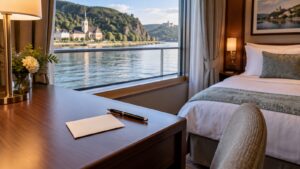
A cabin away from engines and gangways may be quieter, but the assigned side cannot guarantee a view when ships raft. Higher decks can improve outlook and reduce some mechanical noise, though they may add stairs if elevator service is limited.
Compare what the fare includes: entrance tickets, special tombs, guides, airport transfers, drinks, Wi-Fi, gratuities, and optional excursions. A cheaper cruise can become less attractive once the experiences you actually want are added.
Small dahabiyas offer a different style, often with fewer passengers and more emphasis on sailing, while larger motor vessels provide broader hotel facilities. Neither format is automatically better, and both remain subject to river, mooring, and itinerary conditions.
A Practical Booking Strategy
Start with the sites you would regret missing, then choose an itinerary that gives them realistic time. For most archaeology-focused travelers, extra time in Luxor is more valuable than an additional rushed shopping stop.
Arrive in the embarkation city at least one day early when flights and budget allow. That buffer helps with delays, luggage problems, and the possibility that the ship’s final mooring location is confirmed late.
Keep essential medication, documents, sun protection, and one change of clothes in hand luggage. If the operator changes ships, hotels, or domestic flights, those basics should remain with you.
Finally, read the cancellation terms and suitable travel-insurance coverage before paying. Verify covered reasons, medical limits, missed connections, trip interruption, supplier failure, and exclusions based on current government advice.
The Bottom Line
The Nile’s great strength is concentration: Luxor, Edfu, Kom Ombo, and Aswan place an astonishing span of history along one navigable corridor. Its challenge is intensity, with early starts, strong sun, uneven ground, and busy group logistics packed into a few days.
Choose the ship for sound operations, compare the actual excursion schedule, and leave room at either end for the place that matters most. Once the practical side is handled, the sight of temple pylons, palms, desert hills, and feluccas from the river can be every bit as memorable as the monuments themselves.
How this guide was researched: Mooring logistics, site context, entry rules, and security guidance were checked against UNESCO, the Egyptian government eVisa portal, current UK travel advice, and cruise operator information on September 12, 2026. Confirm live arrangements with the cruise line and relevant authorities, and see our Editorial Policy.