Bar Harbor Cruise Port: 2026 Tenders, Limits & Acadia
Bar Harbor is one of New England’s classic tender ports, where the ride ashore is part of the view. Once you reach town, restaurants, shops, the Shore Path, and transport toward Acadia National Park create a wonderfully flexible day.
The complication in 2026 is not the beauty but the operating framework. Cruise disembarkation permissions, grandfathered calls, tender facilities, park transportation, and Cadillac Mountain access all need current confirmation rather than a recycled port guide.
Every large-ship day begins with a tender
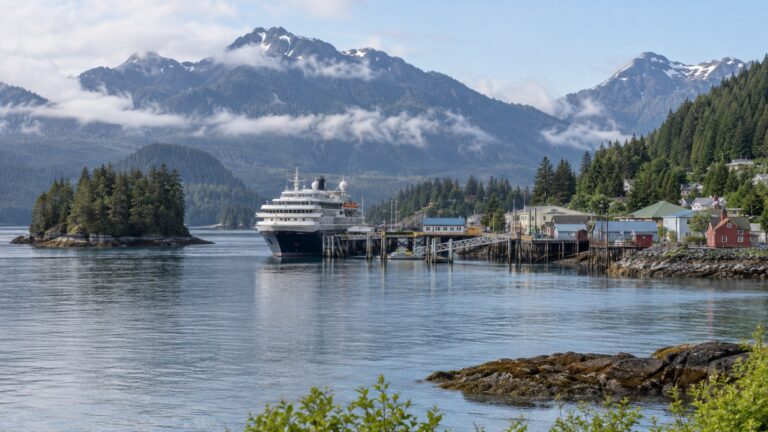
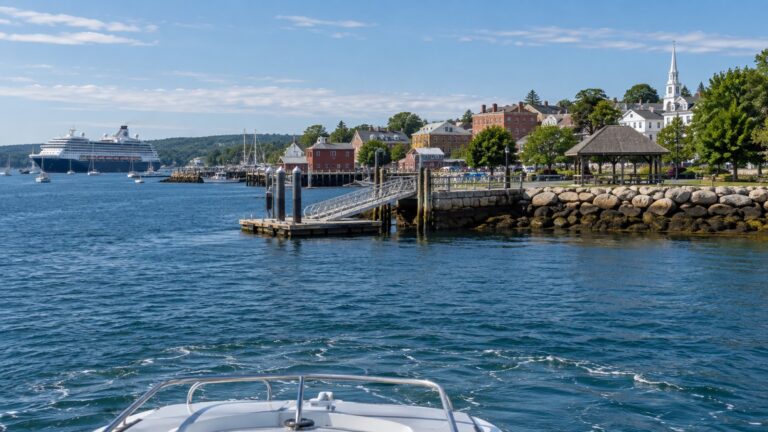
Bar Harbor has no conventional pier for large ocean cruise ships, so they anchor in Frenchman Bay and carry passengers ashore by tender. Smaller vessels may use the Town Pier under specific arrangements, which does not change the standard process for a large ship.
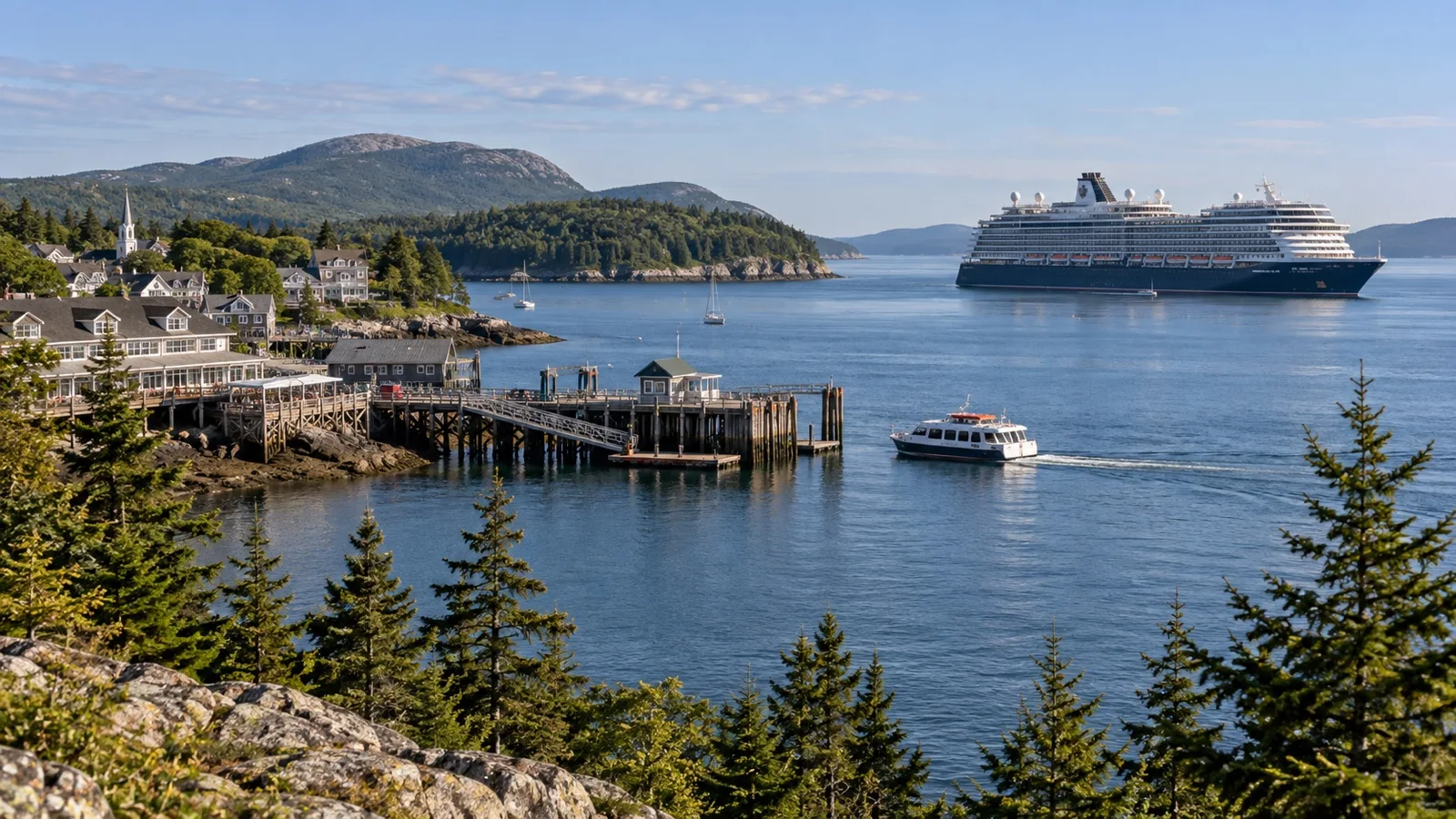
Tender operations depend on wind, fog, sea state, harbor traffic, and the captain’s safety decision. A smooth morning can become a slower afternoon, and poor conditions can delay or cancel the call entirely.
Your landing facility may be a private permitted property or the Town Pier arrangement used by certain smaller ships. Follow the ship’s announcement for the exact float, security point, return queue, and last tender.
The tender ride may include steps and transfer onto a moving boat. Ask the cruise line about mobility restrictions before arrival because crew decisions are vessel-specific and conditions can change on the day.
Quick Facts
- Arrival style: tender for large cruise ships anchored in Frenchman Bay
- Landing rule: use the facility and return point assigned by the ship
- 2026 operations: the town requires permits for properties disembarking cruise passengers
- Town access: downtown begins close to the tender waterfront
- Best easy plan: Shore Path, local streets, food, and waterfront views
- Acadia transport: seasonal Island Explorer buses connect village centers and park destinations
- Cadillac Summit Road: private vehicles require a separate seasonal reservation when the system is in effect
- Currency: United States dollar, with cards widely accepted
- Weather: fog, wind, rain, and cool coastal air can change tender and park plans
- Return rule: join the tender line early enough to absorb a full boat or marine delay
What the 2026 cruise rules mean
The Town of Bar Harbor says property owners who disembark cruise passengers must hold the required permits. The town operates a licensed facility at Ells Pier, commonly called Town Pier, through an agreement for American Cruise Lines.
For 2026, the town also lists certain larger calls reserved before March 2022 as grandfathered under prior rules. That makes the official town schedule more reliable than a cruise calendar copied by an independent travel site.
Litigation and local policy continue to shape the operating picture. Passengers do not need to decode every filing, but they should verify the live call with the cruise line and town rather than assuming an earlier season predicts this one.
A permitted call can still be altered by marine conditions. Cruise-management approval and safe tendering are separate questions, and both must cooperate before you step ashore.
From the tender float to town
Central Bar Harbor is compact, with Main Street, Cottage Street, the waterfront, and the Village Green all within a manageable radius. The best first move is often to confirm transportation, then enjoy town while crowds spread out.
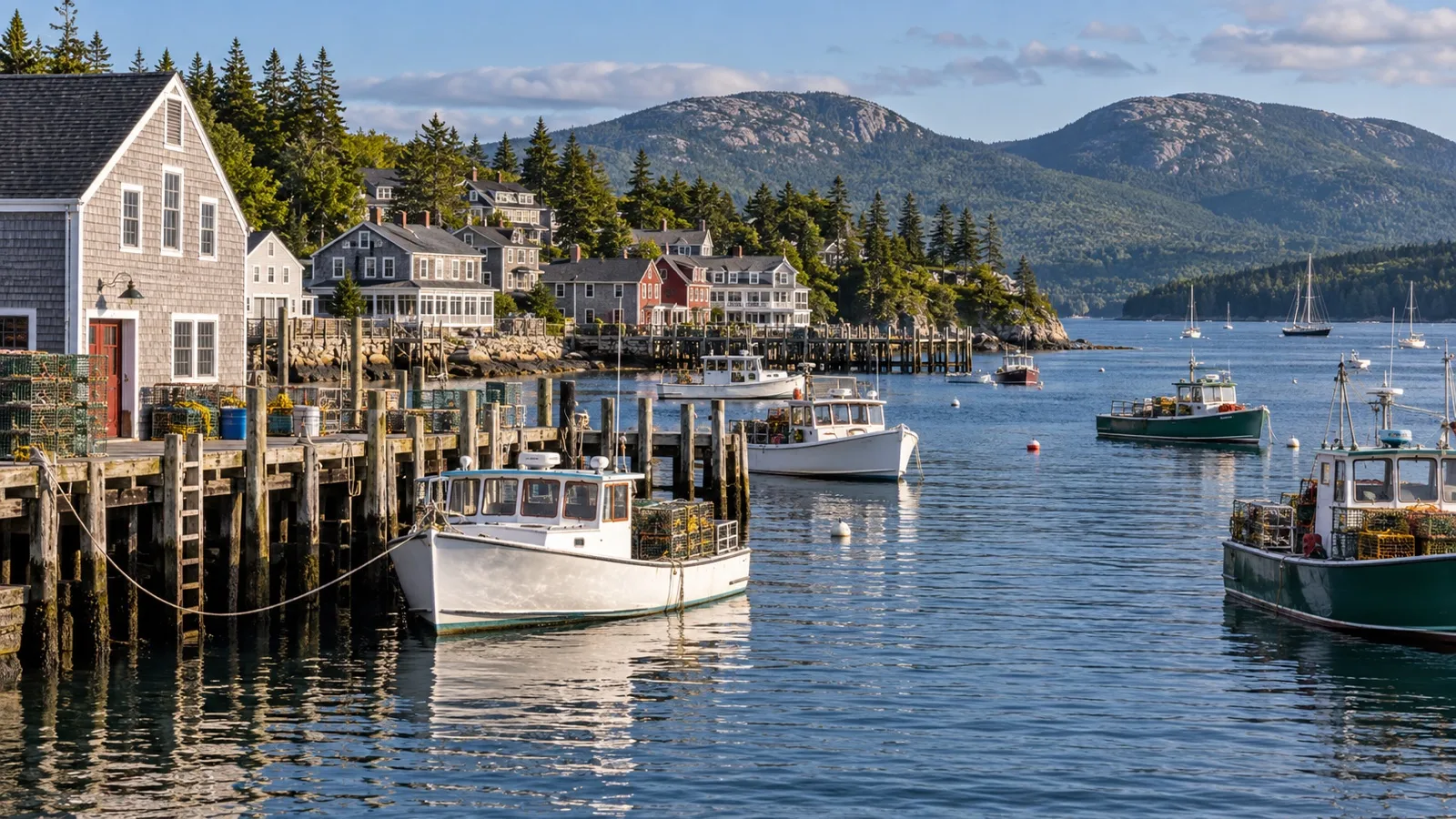
The Shore Path offers close-to-town water views and historic properties, but surfaces, private-property boundaries, and temporary maintenance can affect the route. Turn around whenever footing or time stops feeling comfortable.
Bar Island is reachable across a sandbar only within a tide-controlled window. Do not attempt it on casual timing, because the return can disappear under water and strand visitors until the next low tide.
Using the Island Explorer for Acadia
The fare-free Island Explorer links Bar Harbor and other village centers with Acadia destinations during its operating season. In 2026, most routes run from late June into mid-October, with selected spring services and a fall schedule change.
A free bus is not an unlimited shuttle. Route, stop, capacity, traffic, and seasonal frequency matter, so identify the return trip before boarding the outbound bus.
The Village Green is an important transfer point for many services, but the exact park destination may require a change. Build a simple route with one primary stop rather than trying to improvise the entire Park Loop Road by public bus.
Buses can fill when ships and fall visitors overlap. Take an earlier return than the last possible option and keep the tender queue after the bus ride in your calculation.
Cadillac Mountain needs its own plan
Cadillac Summit Road uses a seasonal vehicle-reservation system for private vehicles, separate from the park entrance pass. A park pass does not create a summit-road reservation, and arriving on a cruise excursion does not guarantee space.
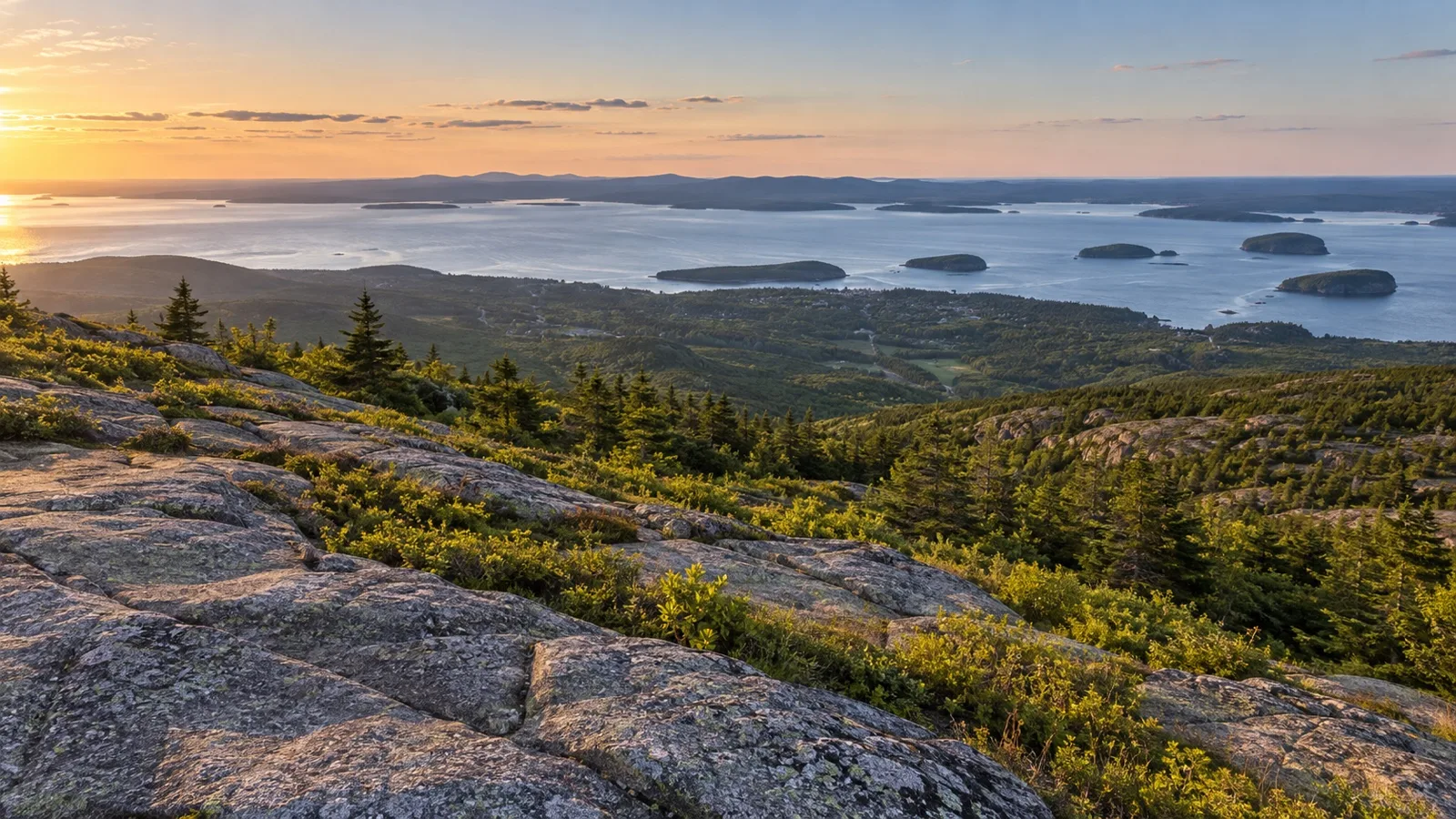
Check the National Park Service for the current operating period, release schedule, and closures. Construction, weather, or emergency operations can change access even after a reservation is secured.
Commercial tours may follow different authorization procedures, so ask exactly what the booking includes. If Cadillac is unavailable, Ocean Drive, Jordan Pond, Sieur de Monts, and other park areas can still support an excellent day.
Do not build the entire call around a summit view because fog can hide everything. The carriage roads, granite shore, ponds, and forests are Acadia, too.
Choose one Acadia experience
A Park Loop Road tour offers the broadest introduction, but stops vary by operator and traffic. Read the actual itinerary and ask how much time you spend outside the vehicle.
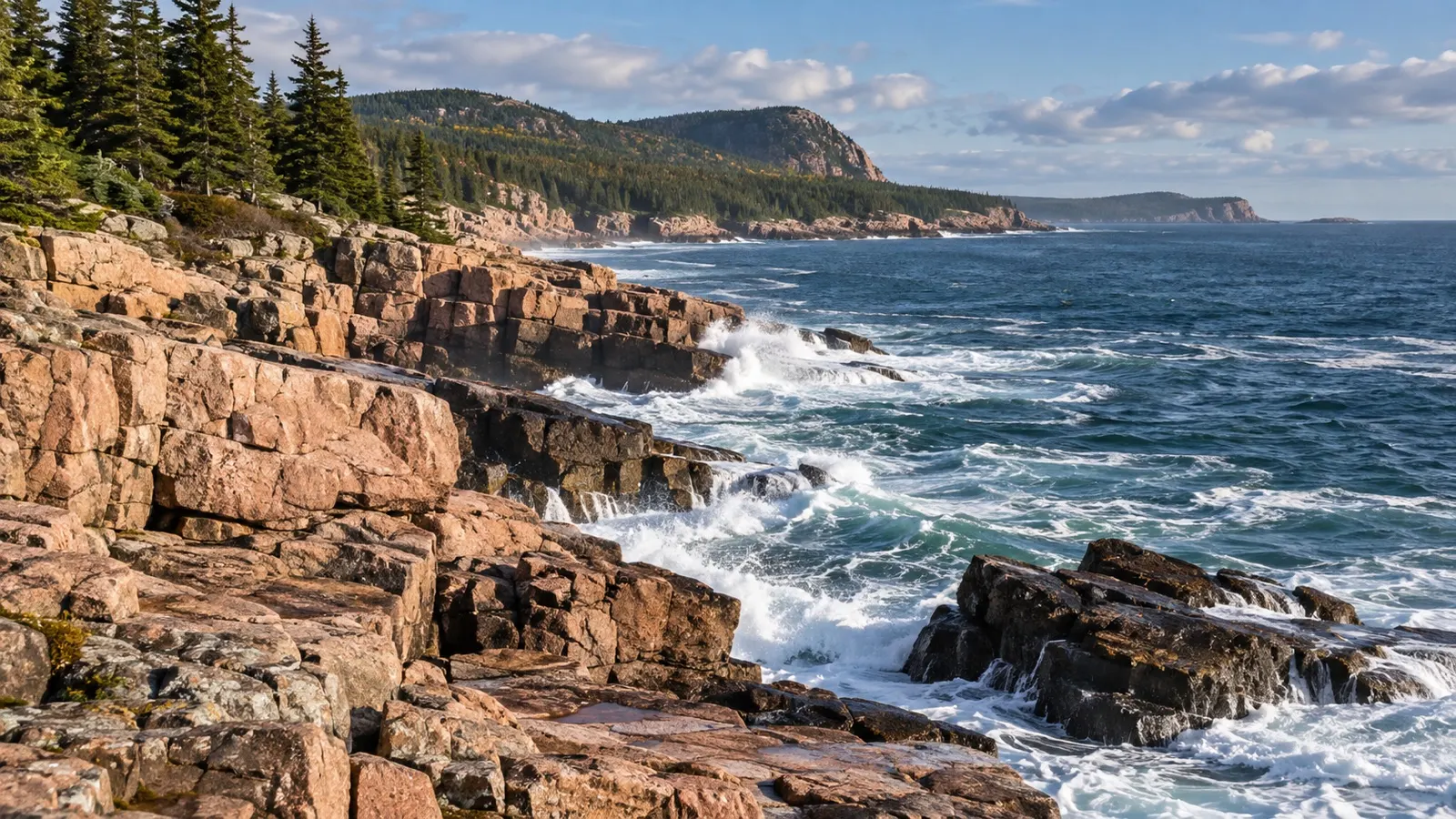
Hiking can be rewarding when the route fits weather, ability, and the tender schedule. Acadia trails range from gentle carriage roads to exposed iron-rung routes, so a general label such as moderate is not enough.
Jordan Pond and other popular areas can have parking and crowd pressure. A cruise-focused tour removes some logistics, but it still needs a conservative turnaround and a backup stop.
Three sensible port-day plans
The Bar Harbor classic
Walk the Shore Path, browse town, visit a museum or garden, and eat something from Maine waters. This plan stays flexible if tenders slow or fog settles over the island.
The Acadia overview
Use a ship excursion, local tour, or carefully planned Island Explorer route for one park circuit. Keep downtown as the optional finish after you know the return transportation is secure.
The active day
Choose one suitable trail or carriage-road outing and start early. Avoid stacking it with Bar Island or a distant lighthouse because tides and tendering already add variables.

Accessibility starts with the tender
The shore destination can be accessible while the tender transfer is not. Ask the cruise line whether wheelchairs or scooters can be carried, whether users must walk steps, and who makes the final safety decision.
Downtown includes slopes, older thresholds, crowds, and mixed sidewalk surfaces. The compact layout still makes it easier to shorten the route or return to the landing than a distant park excursion.
Island Explorer accessibility depends on the vehicle, stop, and mobility device, while park viewpoints may use uneven granite or gravel. Contact the provider for current equipment and securement information.
A scenic drive with carefully chosen paved stops can preserve the Acadia experience for travelers who cannot hike. Require the operator to describe vehicle steps, restroom access, and walking distance.
Fog, fall weather, and marine reality
Bar Harbor weather can shift from clear sun to wet fog and sharp wind quickly. Carry a waterproof layer and dress warmer for the tender and exposed park viewpoints than for a sheltered restaurant.
Fall color timing varies each year and no sailing date guarantees a peak. Fog can soften the coastline beautifully, but it can also slow tender traffic and obscure summit views.
Wet granite, roots, and fallen leaves are slippery. Choose footwear for Acadia rather than for a polished ship corridor.
Safety in town and park
Bar Harbor is easy to explore, but busy streets and tender crowds still require attention. Keep valuables zipped and do not step into traffic while following a phone map.
In Acadia, stay back from cliff edges and powerful surf, carry water, and keep wildlife wild. A harbor call does not shorten rescue time on a remote or exposed trail.
Tell someone the exact route if hiking independently and carry essential medication. Download park maps because mobile service can be unreliable away from town.
Return timing has two stages
First return from Acadia or another outing to Bar Harbor, then return from the tender landing to the ship. Many late plans fail because they protect only the first stage.
Know whether the time in the daily program means last tender departure or all aboard on the ship. Follow the cruise line’s language exactly and join the queue before urgency begins.
Tell every independent guide your ship’s published cutoff. Set an earlier town return target and do not spend the reserve on one final shop or lobster roll.
Money, food, and reservations
Bar Harbor uses the United States dollar, and cards are common, though a little cash can help with tips or small purchases. Avoid building the guide around fragile menu prices.
Restaurants fill rapidly on busy days, so eat early or choose a counter-service option. A long lunch is only relaxing if the tender return has already been protected.
Reserve timed park access or private tours after verifying the ship’s call and current town operations. Keep tickets, provider contacts, and the port agent number offline.
A practical way to remember Bar Harbor
Verify the call, tender landing, and park transport before choosing a destination. Then select one Acadia anchor or one flexible town day, with a weather alternative already in mind.
Use the Town of Bar Harbor for 2026 cruise operations, the National Park Service for Acadia, and the Island Explorer for seasonal transit. Your ship remains the final authority for tendering and all aboard time.
Bar Harbor feels generous when you stop trying to conquer the whole island. Let one shoreline, one trail, or one plate of seafood hold the day, and leave enough space for fog to change the mood.
The town limits the landings, the park limits some roads, and the sea controls the tender. Respect all three, and Bar Harbor becomes an exceptionally easy place to enjoy.