Cape Breton Cruise Port: Sydney, Cabot Trail & Louisbourg
Cape Breton cruise calls arrive in Sydney, a friendly waterfront city that serves as the gateway to some of Nova Scotia’s biggest landscapes and stories. The giant fiddle beside the terminal sets the mood immediately, but the real planning question is whether to stay close, visit the Fortress of Louisbourg, or spend your day chasing a carefully chosen piece of the Cabot Trail.
The island is much larger than it looks on a cruise map. One excellent regional excursion is realistic, while trying to combine Louisbourg, Baddeck, and the northern Highlands in a single port day usually creates more driving than discovery.
Cape Breton cruise port quick facts
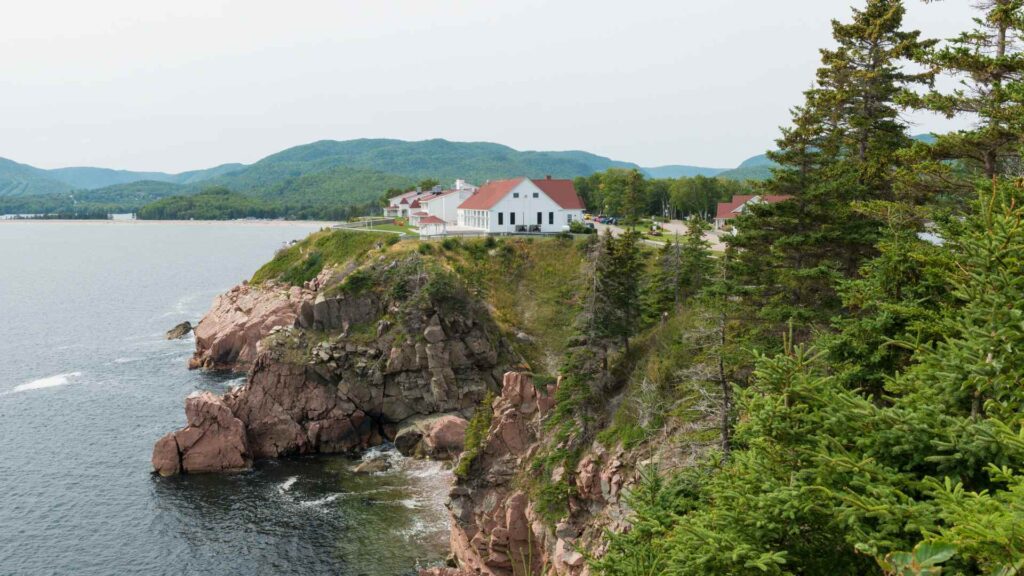
- Port city: Sydney, Nova Scotia, on the eastern side of Cape Breton Island.
- Terminal landmark: The world’s largest fiddle stands beside the Joan Harriss Cruise Pavilion.
- Best history excursion: Fortress of Louisbourg National Historic Site.
- Best scenic excursion: A timed section of the Cabot Trail rather than the entire loop.
- Best relaxed option: Downtown Sydney, the waterfront, and a local museum or food stop.
- Currency: Canadian dollars, with cards accepted widely at established businesses.
- Planning rule: Prebook transportation for regional sights and keep a generous return buffer.
Where ships dock in Sydney
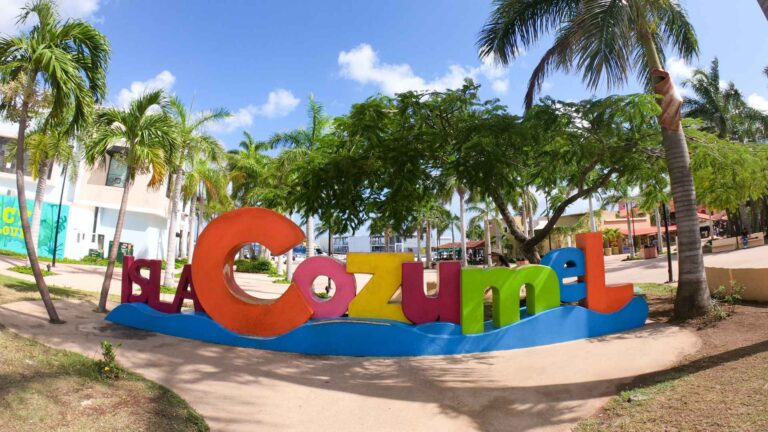
Ships dock on Sydney’s harbor waterfront near the Joan Harriss Cruise Pavilion. The main terminal area is easy to recognize by the enormous fiddle, which has become the city’s favorite cruise arrival photograph.
The pavilion typically brings together visitor information, local crafts, performances, and transportation contacts when ships are in port. Exact services depend on the call and season, so check the daily program before counting on a particular vendor or event.
Downtown begins within a manageable walk of the terminal, and the waterfront is flatter than many regional attractions. A second berth or special operational arrangement can change the exit route, which makes the ship’s gangway instructions the final word.
The Big Fiddle and Sydney waterfront
The Big Fiddle honors Cape Breton’s strong musical traditions, especially the fiddle music carried through generations of Scottish Gaelic settlement. It is more than a roadside novelty because music remains central to the island’s festivals, dances, pubs, and community life.
A waterfront walk gives you harbor views, public art, and an easy introduction without transportation. Continue into the compact center for cafes, shops, churches, and heritage streets, but verify museum hours because many attractions follow seasonal schedules.
Jost House and Cossit House are among the local historic sites travelers may encounter when open. They are modest in scale, which makes them a pleasant addition to a slow port day rather than a reason to skip a major regional excursion.
Fortress of Louisbourg
The Fortress of Louisbourg is my first choice for travelers who want a substantial shore excursion with a clear sense of place. Parks Canada has reconstructed part of the eighteenth century French colonial town, where furnished buildings and interpreters help turn military and trade history into a lived experience.
The site is extensive, and the experience changes with the season. Check the official Parks Canada page for current hours, services, fees, and daily programming because late season cruise calls may find reduced operations.
Comfortable shoes matter because streets and paths include uneven historic surfaces. Coastal wind and rain can make the fortress feel much cooler than Sydney, so bring layers even when the morning beside the ship seems mild.
A guided cruise excursion is the simplest way to coordinate the drive and visit length. Independent travelers should reserve transportation in advance and confirm the fortress schedule before paying for a nonrefundable ride.
The Cabot Trail reality check
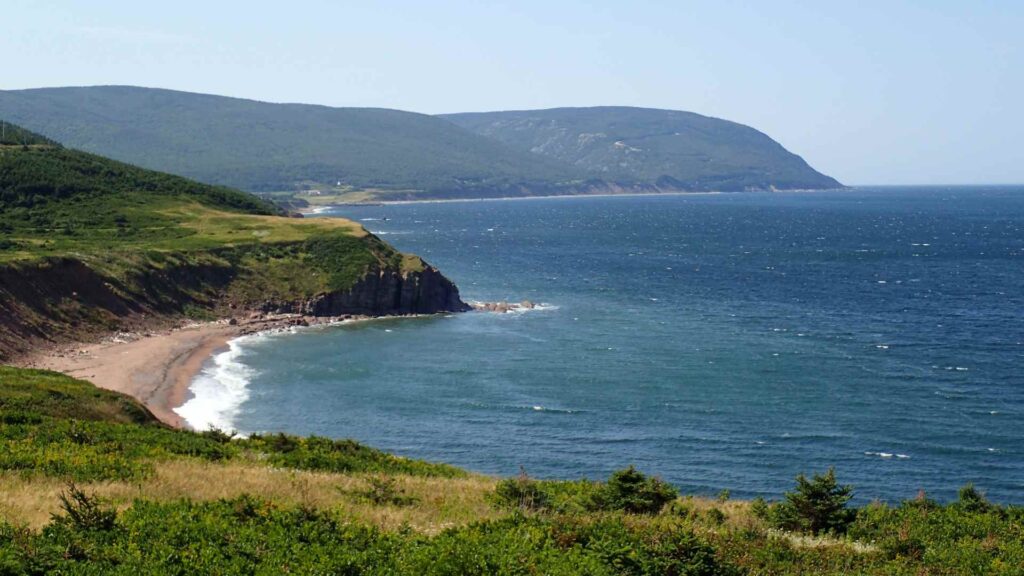
The Cabot Trail is one of Canada’s great scenic drives, curving around northern Cape Breton through coastal villages, steep highlands, forest, and sea views. It is also a long loop with winding roads, weather exposure, and enough stops to fill several days.
A typical cruise call is not the time to drive the complete circuit. Choose an excursion focused on one side of the island, with clearly stated viewpoints and a schedule built around the ship’s departure.
The eastern approach toward Ingonish can provide dramatic scenery and access to Cape Breton Highlands National Park without promising the whole trail. Parks Canada notes that a portion of the Cabot Trail runs through the park, where conditions, visitor services, and trail access vary by season.
The Cape Breton Highlands National Park site is the right place to check current notices and closures. A famous hike such as Skyline Trail lies far around the route from Sydney and should never be added casually to a short port call.
Baddeck and Alexander Graham Bell
Baddeck sits beside the Bras d’Or Lake and offers a gentler day than a Highlands drive. The village has waterfront views, local shops, and the Alexander Graham Bell National Historic Site, which explores the inventor’s experiments and life in Cape Breton.
The museum is more interesting than a simple telephone display suggests, with work involving flight, communication, marine engineering, and education. Check current Parks Canada hours before choosing it, especially on shoulder season sailings.
Baddeck pairs well with a Bras d’Or Lake viewpoint or a cultural stop, but it does not pair efficiently with every other island attraction. Choose it as the day’s anchor rather than treating it as a quick detour on a full Cabot Trail loop.
Mi’kmaw and Gaelic culture
Cape Breton is Unama’ki, part of the ancestral and unceded territory of the Mi’kmaq. Thoughtful interpretation should begin with that continuing presence rather than presenting the island’s story only through later European settlement.
The island is also celebrated for living Gaelic culture, music, dance, language, and storytelling. Cultural excursions may include performances, community museums, or the Gaelic College, with the exact program depending on the sailing date.
Highland Village Museum at Iona is another strong cultural destination when open, using historic buildings and interpreters to explore Gaelic settlement. It requires a dedicated drive from Sydney, so it works best as the central excursion rather than an add on.
Ask who is presenting cultural material and whether the visit supports the community involved. The best tours make room for contemporary voices instead of treating culture as a costume or backdrop.
Cape Breton’s coal mining story
Coal shaped industrial Cape Breton and generations of family life around Sydney. The Cape Breton Miners Museum in Glace Bay is the best known place to explore that story, with exhibits and experiences that vary by season.
Some underground components involve low spaces, stairs, uneven footing, and specific safety limits. Review the current tour description before booking, particularly for mobility, claustrophobia, respiratory concerns, or young children.
Glace Bay is closer than the Highlands and can pair with a coastal stop or city overview. It is a meaningful alternative when you prefer social history to a long scenic drive.
How to choose the right excursion
Choose Louisbourg for immersive history, a Cabot Trail segment for landscapes, Baddeck for a balanced village and museum day, or Sydney for an easy independent visit. That single decision prevents the most common Cape Breton mistake, which is spending nearly the entire call in transit.
Read the excursion description for actual stops rather than trusting a broad title such as Cabot Trail highlights. A route may include scenic road time but very little access to the national park or the locations shown in promotional photographs.
Check the vehicle size, restroom schedule, total walking distance, and whether lunch is included. Large coaches are comfortable and coordinated, while small group vans may reach viewpoints more flexibly but offer less room.

Getting around Cape Breton
Sydney is walkable around the waterfront and central streets, but the island’s headline sights require transportation. Regional public transit is not designed as a simple cruise sightseeing network, so it should not be the backbone of a time sensitive port day.
Taxis can handle local trips, but availability may tighten when a large ship arrives. Reserve a vehicle or tour in advance for Louisbourg, Baddeck, or rural viewpoints, and confirm that the operator tracks the ship’s schedule.
A rental car provides flexibility but also makes you responsible for navigation, fuel, weather, parking, and return time. Keep the route modest, download maps before leaving town, and never plan the full Cabot Trail circuit around a cruise deadline.
Weather and cruise season
Cape Breton weather can shift quickly between the harbor, open coast, and highlands. Fog, rain, wind, and bright sun can all appear during the same excursion, particularly in the shoulder season.
Dress in layers and carry a waterproof outer shell. Closed toe shoes with reliable grip work for historic streets, wet viewpoints, garden paths, and the uneven ground common at outdoor sites.
Fall foliage is a major draw, but peak color cannot be guaranteed for a particular sailing. Temperature, daylight, elevation, and yearly conditions all influence when the leaves change.
Late season calls also require close attention to attraction hours. A destination may remain physically accessible after its full interpretive program, food service, or transportation option has ended for the year.
Food and local flavors
Look for seafood chowder, lobster when in season, fish cakes, mussels, and other Atlantic seafood. Cape Breton oatcakes make an easy snack with tea or coffee, while local menus may also reflect Acadian, Mi’kmaw, and Scottish traditions.
Ask about market price before ordering seafood and tell staff clearly about shellfish allergies. A sit down lunch on a distant excursion should be built into the schedule rather than improvised when the return drive begins.
Established businesses generally accept cards, and Canadian dollars are the official currency. Carry a small amount of cash for tips, craft vendors, or a temporary card outage in a rural area.
Accessibility
The Sydney waterfront offers the simplest accessible experience, though gangway slope and berth conditions vary with the ship and tide. Confirm the terminal route, curb cuts, accessible restrooms, and any shuttle arrangement before leaving the vessel.
Regional tours need more specific questions because coaches and vans differ. Provide the dimensions and weight of a wheelchair or scooter, then confirm lift access, securement, vehicle steps, walking surfaces, and restroom availability.
Fortress of Louisbourg covers a large outdoor site with historic surfaces, while scenic viewpoints may have gravel, slopes, or curbs. Parks Canada publishes accessibility information, but the cruise operator must still confirm how its particular excursion handles transportation and assistance.

A practical port day plan
For a first visit, book one well timed regional excursion and leave a little space at the end for the Sydney waterfront. Louisbourg is the strongest all around choice for history, while a focused Highlands route wins for scenery.
If weather or mobility makes a long trip unappealing, stay in Sydney and enjoy the pavilion, waterfront, local heritage, and a relaxed meal. Cape Breton is most rewarding when you respect its distances, listen for the island’s music, and let one story unfold properly.