Charleston Cruise Port: The Cruise Era Has Ended
Charleston’s homeport era ended when the last ship left Union Pier on June 30, 2026, but that is not the same as every cruise visit ending. Transit ships can still be assigned a working cargo berth, so passengers with Charleston on an itinerary should follow the cruise line’s berth and transportation instructions.
My quick take
Do not book Charleston as an embarkation port unless a cruise line announces new service. If it is a port of call, plan it as a transit visit with less convenient access than the old downtown terminal.
Charleston is compact enough for a rewarding history-and-food day once you reach the peninsula. My East Coast cruise ports guide can help if you are comparing active homeports.
The quick facts
- Where you land: Union Pier no longer handles cruise operations. A transit call may use Columbus Street Terminal or another berth assigned by South Carolina Ports, so check your cruise line notice.
- Dock or tender: Charleston is normally a docked call, but a cargo-terminal berth is not a walk-straight-into-town experience. Use the transportation arranged or approved for your sailing.
- Into town: The old Union Pier location was downtown; Columbus Street is a working terminal north of the main visitor area. Do not assume independent pedestrians, taxis, or rideshares can enter the secure port.
- Currency and language: US dollars and English.
- Time zone: Eastern Daylight Time (EDT, UTC-4) from March to November, and Eastern Standard Time (EST, UTC-5) in winter.
- How often the call is missed: High (about 100%) only for homeport embarkations, because scheduled homeport service ended. That figure is not a cancellation rate for confirmed transit calls.
What actually ended in Charleston
The final cruise departure from Union Pier was Norwegian Jewel on June 30, 2026. South Carolina Ports is moving the former passenger-terminal site out of port operations, and there is no replacement homeport terminal announced.
That means you should not arrange flights, hotels, or parking for a Charleston embarkation based on an old listing. A current itinerary that names Charleston as a daytime stop is different and can be served through another port facility.
For a transit call, the cruise line controls the practical details because Columbus Street is an operating cargo terminal. Read the arrival letter and daily program for the berth, shuttle point, all-aboard time, and any restrictions on walking or private pickups.
Where to embark instead
Norfolk, Baltimore, and Jacksonville are the regional homeports I would compare first, depending on your starting point and the sailing you want. Check the line calendar before choosing, since routes and seasons vary.
My guides to Baltimore and Jacksonville cover their ground transportation and terminal basics. Norfolk can be a practical option for travelers north of the Carolinas, even when it is not the shortest drive on a map.
Getting from a transit berth into Charleston
Use the ship’s shuttle if one is offered, because it removes uncertainty at the secure gate. If taxis or rideshares are permitted, confirm the exact pickup point before leaving the ship and save it in your phone.
Once downtown, the free CARTA DASH network is useful for linking the Visitor Center, King and Meeting streets, Waterfront Park, City Market, and the aquarium area. Routes 210, 211, and 213 cover different loops, so check the live map instead of treating every DASH bus as interchangeable.

The stops worth your limited port time
Fort Sumter
Fort Sumter is the best choice if the Civil War history is the reason you came, but it is a timed commitment. The National Park Service directs visitors to the authorized ferry from Liberty Square downtown or Patriots Point.
The operator schedules about 30 minutes each way and one hour at the fort, and asks guests to arrive 30 minutes early. Budget at least 2.5 hours plus generous travel time back to the ship, and skip it on a short or late-arriving call.
The historic district on foot
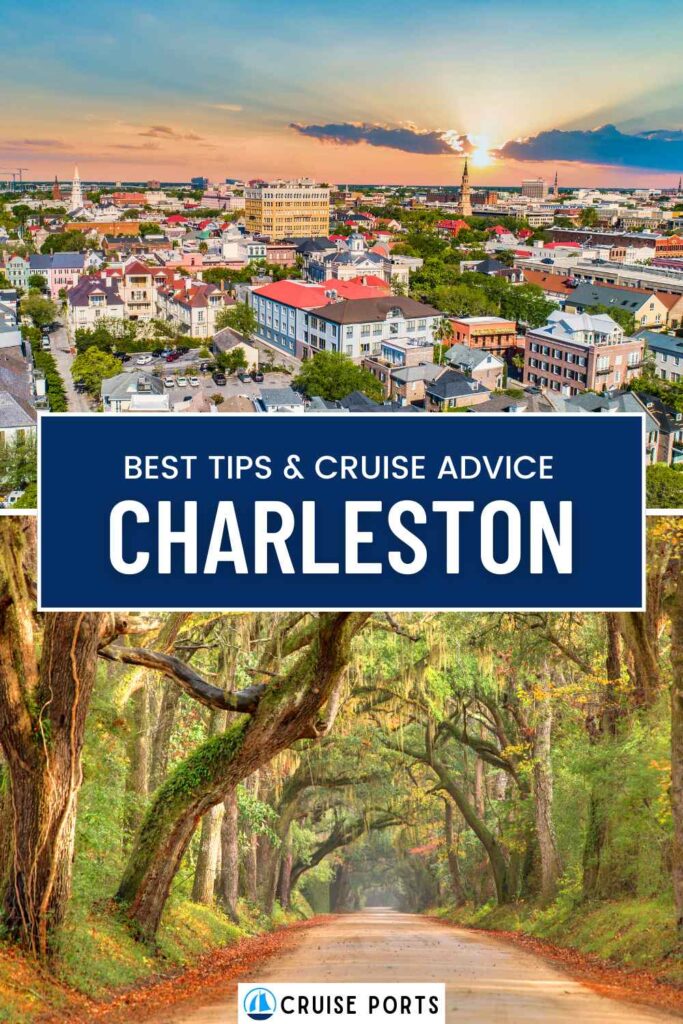
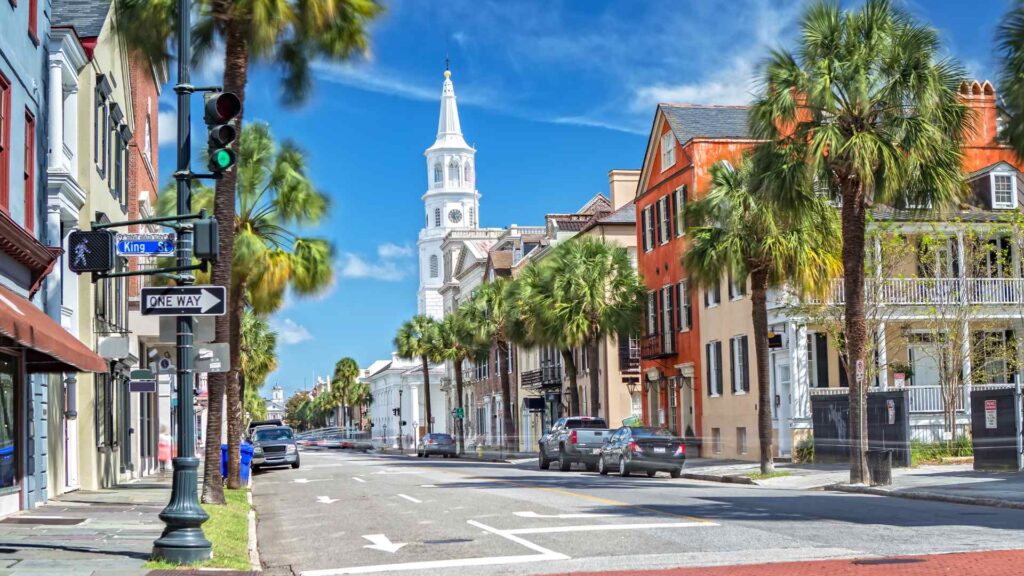
For the most flexible day, walk a loop through City Market, the French Quarter, Waterfront Park, Rainbow Row, and the Battery. The appeal is the streetscape and layered history, so leave room for a museum, churchyard, or guided walk rather than trying to photograph every landmark.
Charleston’s beauty sits beside histories of slavery, the domestic slave trade, war, and Reconstruction. Choose a guide or museum that treats those stories directly, since a pastel-house tour alone gives you an incomplete city.

Plantations and historic sites outside downtown
Boone Hall, Drayton Hall, Magnolia, and McLeod Plantation Historic Site are different experiences, not interchangeable photo stops. Compare how each site interprets enslaved people, preservation, gardens, and architecture before choosing one.
These sites require ground transportation and can consume most of a port day. I would only go with a long call, a reserved transfer, and a return plan that reaches the ship well before all-aboard.
How I would plan the day
With six hours ashore, I would take the authorized shuttle into town, do a focused walking loop, choose one museum or guided tour, and eat nearby. This plan stays easy to shorten if port transportation is slow.
With eight or more hours, Fort Sumter can anchor the day, followed by Waterfront Park and a meal. I would not pair the ferry with a plantation unless the cruise line operates the whole excursion and guarantees the return.
Accessibility and practical comfort
Ask the cruise line about the full route from gangway to terminal shuttle, including lift availability, mobility-device limits, and the downtown drop-off surface. A docked ship does not automatically make a working cargo berth step-free.
Downtown sidewalks can be narrow, uneven, and interrupted by cobblestones, while heat and humidity add strain. CARTA buses are generally accessible, but confirm current service and plan a shorter loop with indoor breaks.
Weather and timing
Spring and fall usually make walking easier, while summer is hot, humid, and storm-prone. Hurricane season runs from June through November, so keep plans flexible and monitor ship messages rather than a third-party port calendar.
Wear light layers, carry water, and use sun protection even on a cloudy day. Afternoon thunderstorms can arrive quickly, which is another reason to keep your final stop close to the shuttle pickup.
Quick answers
Can I still start a cruise in Charleston?
No scheduled homeport operation replaced Union Pier after June 30, 2026. Only book an embarkation if a cruise line publishes a new sailing and terminal instructions.
Can a cruise ship still visit Charleston for the day?
Yes, a transit call can use a different working port facility. Your cruise line’s notice is the authority for the berth and transfer arrangements.
Can I walk from Columbus Street Terminal?
Do not assume you can, because it is a secure cargo terminal. Use the ship’s directions and confirm whether a shuttle is required.