Kristiansand Cruise Port: Quay 10 & Walkable Sights
Kristiansand is a wonderfully forgiving Norwegian port call. The main cruise quay sits beside the center, the old wooden district is walkable, and a beach, market, fortress, museums, and ferry views can all fit without turning the day into an endurance event.
The one important detail is the assigned berth, because Quay 10 is the familiar central arrival but operational changes are possible. Confirm the gangway and exit in the ship’s daily program, then choose between an easy city loop and a vehicle excursion beyond town.
Quick facts about Kristiansand cruise port
- Arrival: Normally alongside at a central cruise berth, often Quay 10
- City center: Close enough to walk from the primary cruise area
- Best easy loop: Fiskebrygga, the fortress, Posebyen, Markens, and Bystranda
- Beach: Bystranda sits beside the center and Aquarama
- Family excursion: Kristiansand Zoo and Amusement Park with preplanned transport
- Currency: Norwegian krone
- Language: Norwegian, with English widely spoken
- Weather: Changeable coastal conditions, even in summer
- Main risks: Wrong berth assumptions, rain, wind, limited Sunday hours, and a distant excursion without a return cushion
Quay 10 puts the city within reach
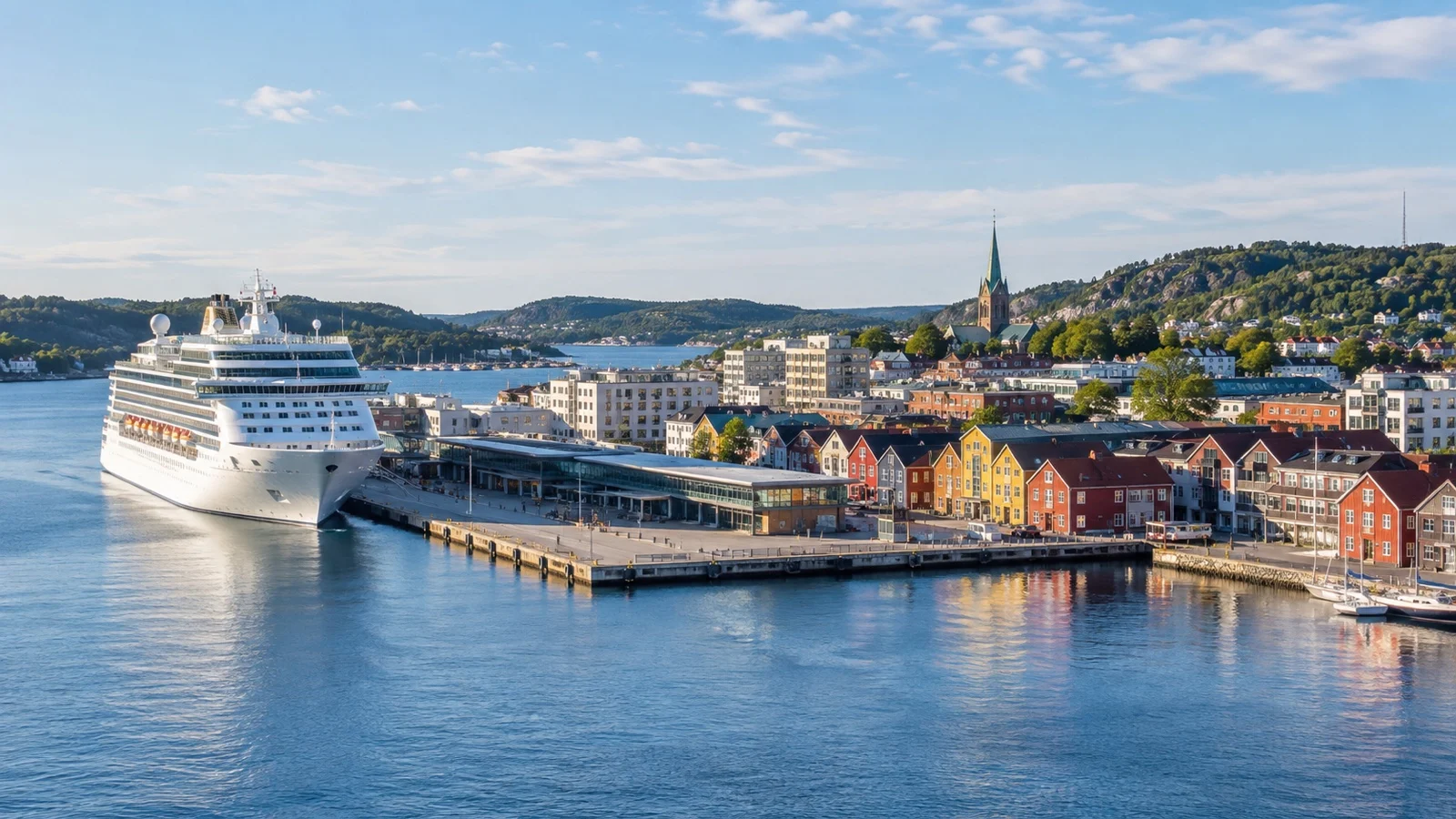
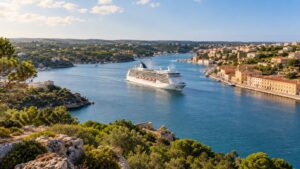
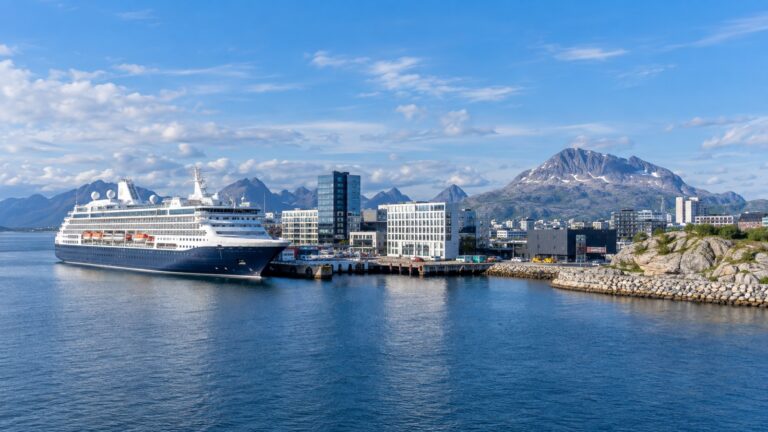
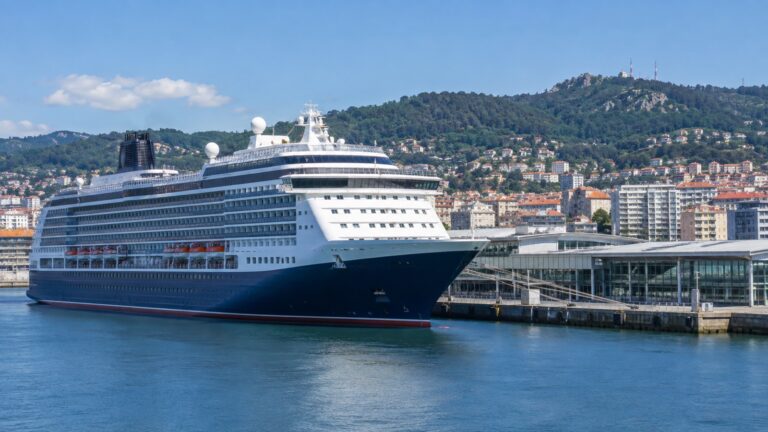
Most cruise passengers arrive alongside near Kristiansand’s western waterfront, commonly at Quay 10 by the central harbor. There is no routine tender ride, though gangway slope and the exact pedestrian route depend on the ship and berth.
Follow port signs toward the public waterfront rather than crossing working lanes. From the central cruise area, the fish wharf, fortress, shopping streets, and old town are all realistic on foot for travelers comfortable with a few miles over a full day.
If the ship is assigned elsewhere, shuttle arrangements and walking distance can change. Give any independent guide the ship name, date, quay, and gate instead of sending only the words Kristiansand port.
Fiskebrygga makes an easy first stop
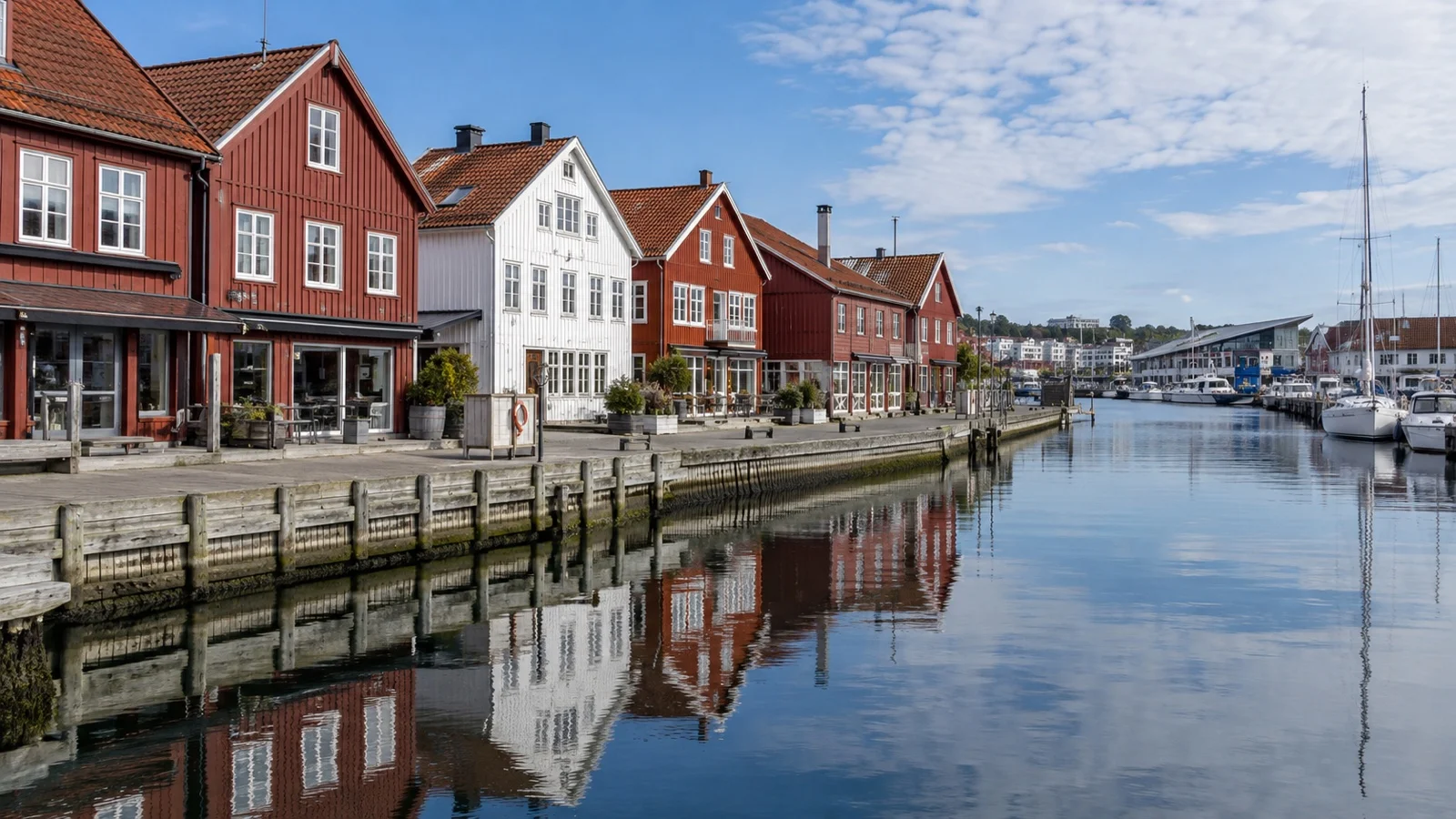
Fiskebrygga, the fish wharf, combines canals, wooden buildings, restaurants, boats, and a relaxed maritime atmosphere close to the cruise area. It works well early for photographs or later for lunch when the waterfront has woken up.
Restaurant hours and seasonal activity vary, especially on Sundays and shoulder-season calls. Check menus and opening times before making one specific venue the anchor of the entire day.
Christiansholm Fortress adds compact history
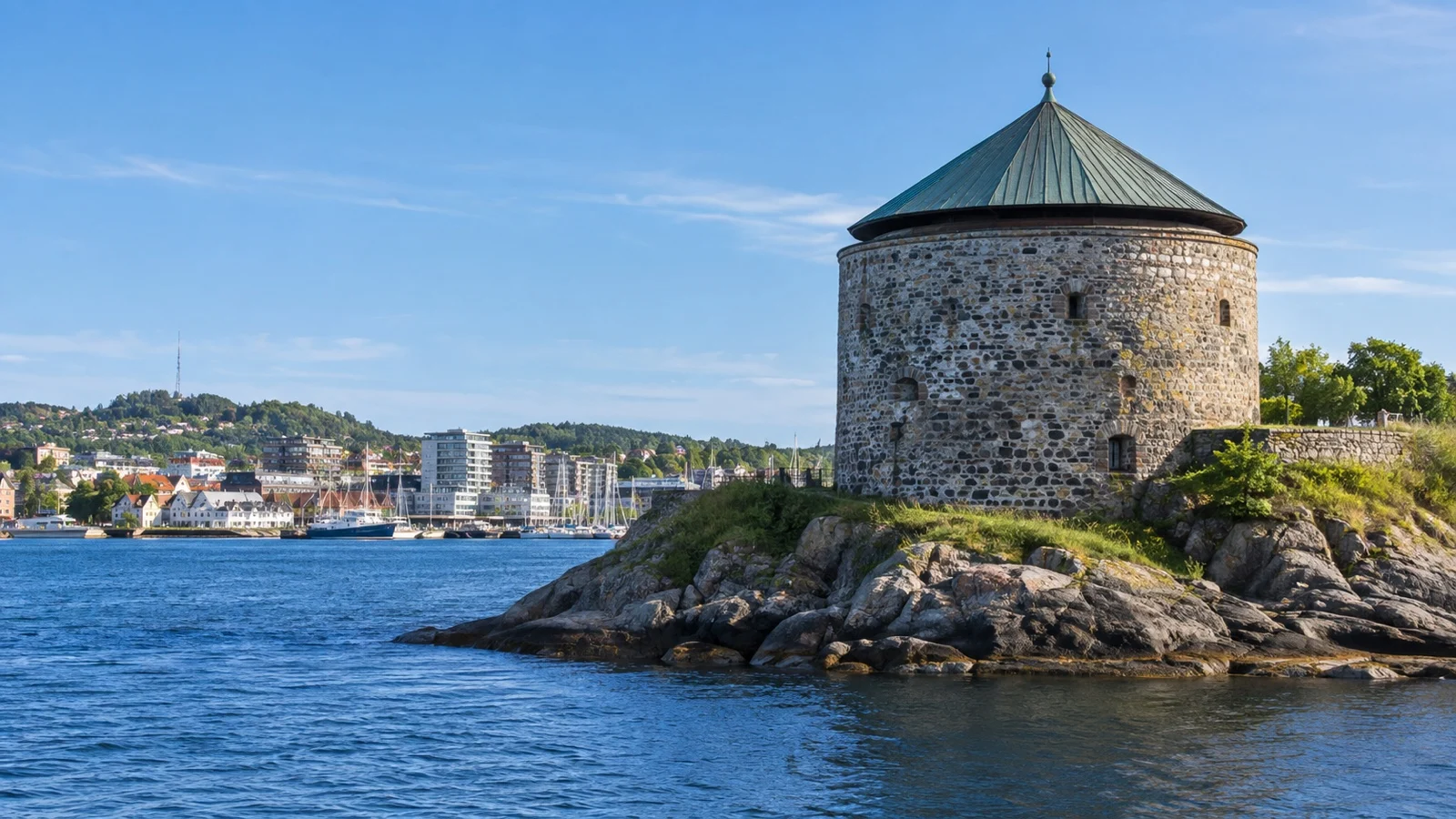
Christiansholm Fortress stands beside the waterfront and can be viewed as part of a city walk without a long detour. Interior access may depend on events and opening arrangements, but the exterior, harbor setting, and grounds still add context.
The route from Fiskebrygga to the fortress stays close to the water and suits a flexible morning. It also leaves an easy escape into cafés or shops when coastal weather decides to contribute enthusiastically.
Posebyen is the city’s most distinctive walk

Posebyen is a grid of traditional white wooden houses on the northeastern side of the center. It is a lived-in neighborhood rather than an outdoor museum, so enjoy the architecture quietly and respect private doors, gardens, and windows.
The streets are generally level, but curbs, occasional uneven paving, and the total walking distance still matter. Pair Posebyen with the cathedral area and Markens pedestrian street rather than zigzagging between distant attractions.
Markens and the cathedral form the practical center

Markens gate is Kristiansand’s main pedestrian shopping street, connecting the station area with the central squares and commercial district. It is useful for cafés, pharmacies, ordinary shops, and a weather-proof pause rather than only souvenir hunting.
Kristiansand Cathedral faces the central square and remains an active church. Opening hours can be limited by services and events, so treat interior access as a welcome addition and keep voices and clothing respectful.
Bystranda is a real city beach
Bystranda is a sandy urban beach east of the center beside the Aquarama complex. It makes a simple warm-weather stop for families, swimmers, or anyone who wants sea air without arranging a long transfer.
Norwegian coastal water can feel cold even on a bright day, and conditions should be judged locally. Watch children closely, use designated swimming areas, and leave valuables supervised while entering the water.
Aquarama offers indoor aquatic and wellness facilities, but admission, public hours, age rules, and busy periods vary. Check the official schedule if it is the main plan rather than assuming every pool is available to day visitors.
Odderøya gives the city a nature edge
Odderøya rises just beyond the harbor with walking paths, coastal viewpoints, cultural venues, and traces of military history. It is close on the map but hillier than the old-town grid, so footwear and energy matter.
Choose one marked loop and turn back early enough to enjoy the waterfront rather than rushing the final descent. Wet rock, leaves, roots, and coastal wind can make the route slower after rain.
The zoo is the major family excursion
Kristiansand Zoo and Amusement Park lies east of the city and can easily fill most of the usable port day. Transport, opening hours, seasonal attractions, ticket rules, and the amount of walking should all be confirmed before leaving the ship.
A ship excursion offers the simplest return protection, while an independent visit needs current public transport or a prebooked vehicle. Families should choose a few priority areas because the park is too large for a complete visit on a cruise deadline.
Setesdal and the coast need a focused tour
Excursions beyond Kristiansand may follow the coast, visit historic settlements, or head inland toward Setesdal landscapes and museums. These outings reveal more of southern Norway but expose the plan to road time, weather, and fixed attraction schedules.
Choose one regional theme and use a reputable operator with a conservative return. Do not combine a long countryside circuit with a full zoo visit or an ambitious city walk simply because all three appear on the same brochure page.
Food can keep the day comfortably local
Seafood, fish soup, shrimp, open sandwiches, waffles, and cinnamon buns fit the southern Norwegian setting. Fiskebrygga and the central streets provide plenty of choice, though prices and opening hours deserve a quick check.
Norway uses the krone, and cards are accepted almost everywhere in established businesses. Carry a backup payment method, but there is rarely a reason to withdraw a large amount of cash for one port day.
Accessibility is strongest in the city core
An alongside berth avoids routine tender boarding, yet gangway slope, quay distance, and port surfaces remain vessel-specific. Ask the cruise line about mobility assistance and the route from the ship to the public waterfront.
Central Kristiansand is relatively compact and generally level, with pedestrian streets and modern public facilities. Posebyen curbs, older thresholds, fortress access, beach sand, and Odderøya slopes require individual assessment.
For the zoo or a regional excursion, confirm vehicle lift or ramp, mobility-device storage, entrance route, restrooms, and total walking distance. Ask for measurements instead of relying on the single word accessible.
Weather and daylight shape the mood
Southern Norway can deliver warm sun, cool wind, rain, and another burst of sun within the same afternoon. Dress in layers, carry a light waterproof jacket, and wear shoes that remain reliable on wet paving.
Long summer daylight makes the call feel generous, but all aboard does not move with sunset. In shoulder months, shorter days, cooler air, and reduced seasonal hours make a compact city plan especially sensible.
Three realistic Kristiansand days
The easy walk links Fiskebrygga, Christiansholm Fortress, Posebyen, the cathedral, Markens, and a café. Add Bystranda if the weather is inviting, then return along the waterfront.
The family day uses preplanned transport to the zoo and treats it as the main event. Keep a small city walk only if the ship clears early and the return remains comfortably protected.
The active plan explores Odderøya, waterfront sights, and the old town with lunch near the harbor. It gives fresh air and city character without spending much of the call in a vehicle.
Protect the return even when the ship is visible
The central port feels reassuringly close, but all aboard is earlier than departure and security can control the final approach. Set a personal quay target before the published cutoff and enlarge it for the zoo or any countryside drive.
If rain, road traffic, or a delayed opening slows the plan, remove the final stop rather than using the buffer. Save the exact berth and port agent details offline before leaving the ship.
Families can let the center do the work
Families who skip the zoo still have a useful mix of boats, fortress views, playground pauses, ice cream, the beach, and pedestrian streets close to the harbor. Plan one indoor fallback for rain and avoid promising a swim before checking the actual temperature.
Public restrooms, changing facilities, and stroller access should be confirmed at the attraction rather than assumed from the city map. A short waterfront loop with a warm lunch can be far more successful than moving tired children through every marked sight.
Final thoughts
Kristiansand does not require a grand expedition to feel worthwhile. Walk the waterfront and white wooden streets, choose one family or nature outing if it truly fits, and let the compact harbor do the hard planning for you.
CruisePorts.co provides practical, independent planning guidance for cruise travelers. Berths, attraction hours, access rules, prices, road conditions, and weather can change, so verify critical details with official sources and your cruise line before travel.