Peru Cruise Ports: A Planner’s Guide to Every Stop
Peru’s three main cruise gateways open completely different doors. Callao leads into Lima’s food, museums, coastal neighborhoods, and historic center, Salaverry reaches the archaeological landscape around Trujillo, and Pisco connects the ship with Paracas, the Ballestas Islands, and the desert.
The distances are what decide the day. These are working ports where the signature experience usually begins with a transfer, so choosing one strong geographic focus matters more than collecting the longest attraction list.
Quick Facts
- Best first Peru port: Callao provides access to Lima’s broad mix of history, neighborhoods, museums, food, and Pacific views.
- Best archaeology call: Salaverry is the gateway for Chan Chan, the Moche temples, Trujillo, and Huanchaco.
- Best wildlife call: Pisco is the jumping-off point for Paracas and boat trips toward the Ballestas Islands.
- Official currency: The Peruvian sol is standard, while cards are common in established tourism businesses.
- Main planning risk: Port controls, traffic, road distance, weather, and boat conditions can reduce usable sightseeing time.
- Smartest strategy: Choose one anchor experience and protect a generous return margin to the assigned port gate.
Why a Peru cruise day feels different
Peru’s famous inland attractions can make the coast feel like a prelude, but the ports deserve to be planned on their own terms. Lima, the north-coast civilizations, Paracas, and the Pacific marine environment can fill an entire itinerary without trying to squeeze Machu Picchu into a shore excursion.
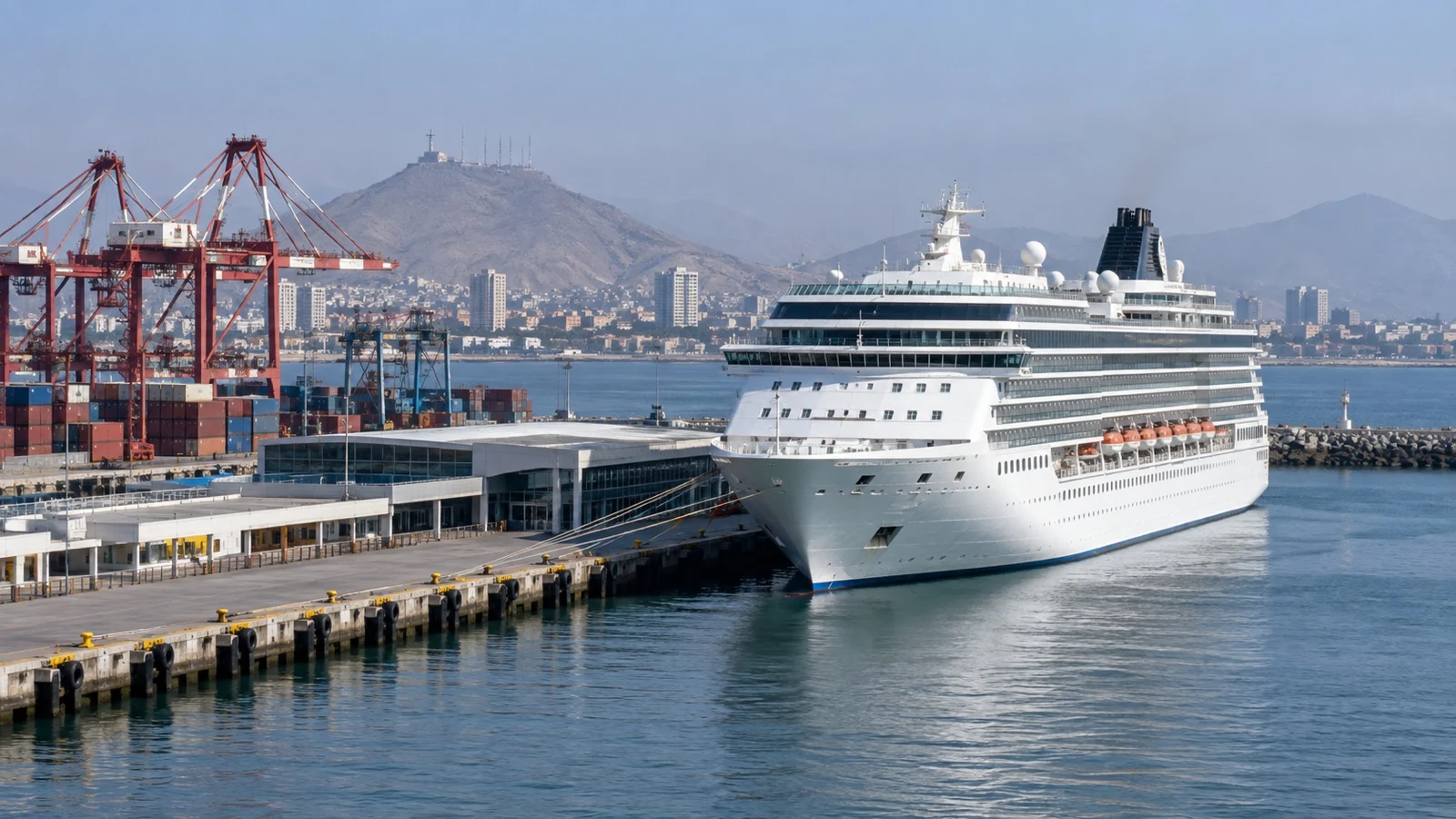
Callao, Salaverry, and Pisco are industrial or commercial-port environments where unrestricted walking may not be allowed. The cruise line may provide a shuttle to a gate or meeting point, and independent pickups must follow the day’s security instructions.
Start with the official Peru Travel site for destination context, then confirm operational details with the ship. The tourism authority explains what exists, while the cruise line controls where and when you can meet transportation.
Callao for Lima
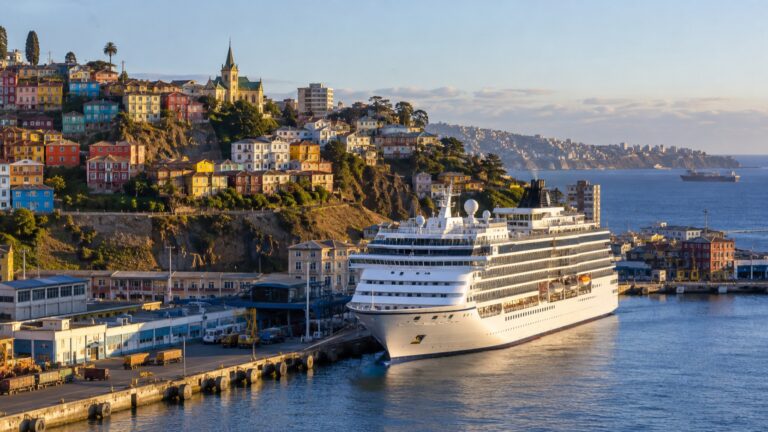
Callao is the port for Lima, but the two names should not be treated as the same place. The berth sits inside a working port, and reaching the capital’s principal visitor districts requires a planned transfer through unpredictable metropolitan traffic.
Lima’s historic center is the cultural heavyweight, with Plaza Mayor, the cathedral area, historic balconies, churches, and the San Francisco complex. UNESCO recognizes the Historic Centre of Lima for its role in the Spanish colonial world and its important architectural ensembles.
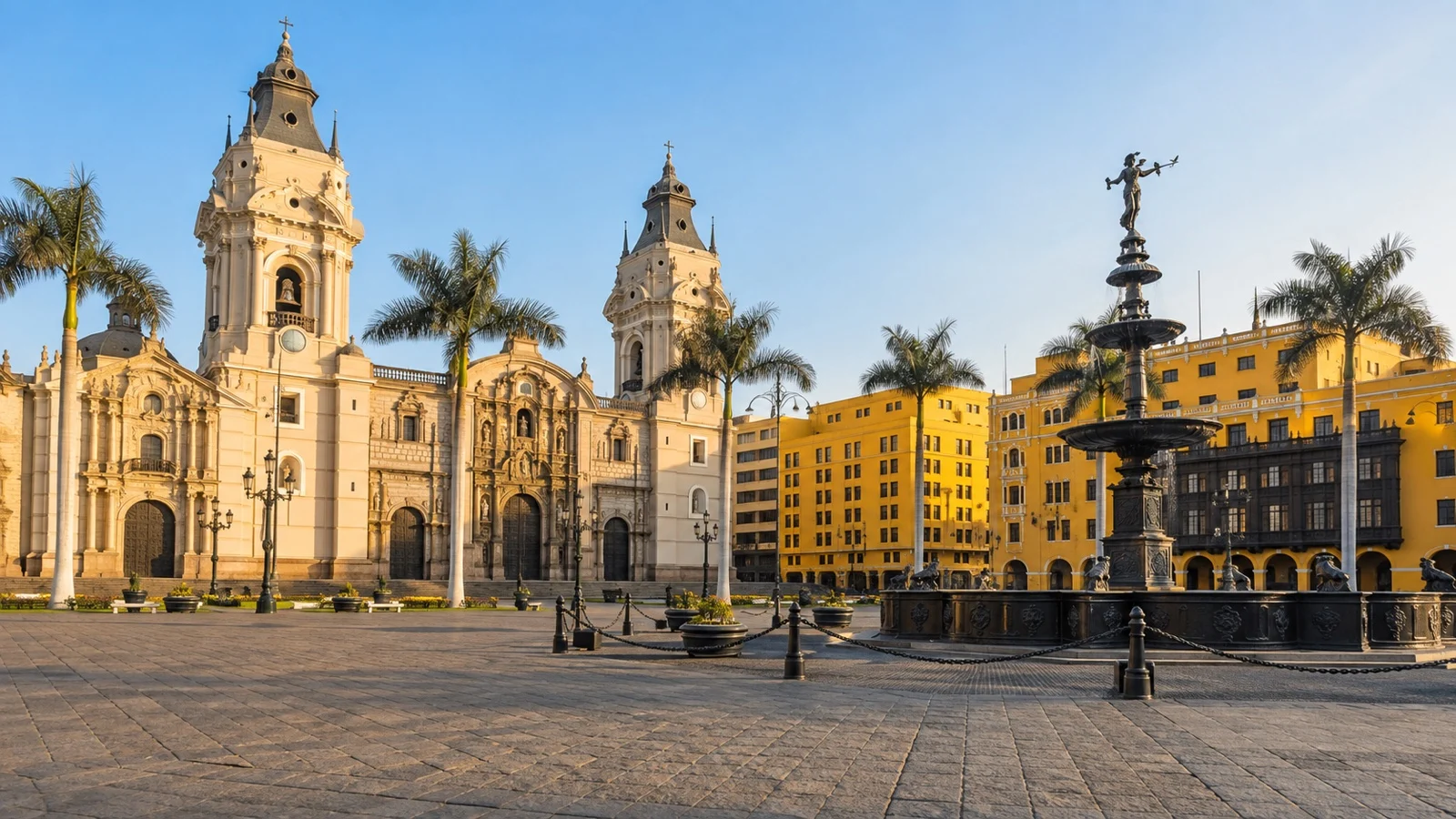
Miraflores and Barranco create an easier coastal pairing, with Pacific cliffs, parks, restaurants, galleries, and a more contemporary rhythm. I would choose that cluster for a relaxed independent-style day after arranging reliable transport from the port.
Trying to combine the historic center, Miraflores, Barranco, a major museum, and a long meal is where a good plan becomes a traffic experiment. Pick one area as the anchor and add a second only if the route remains compact.
Food is part of Lima’s appeal, from ceviche and causa to anticuchos and excellent contemporary cooking. A lunch reservation should include service time and the drive back, because a memorable meal loses some sparkle when dessert becomes a sprint.
Salaverry for Trujillo and Chan Chan
Salaverry serves Trujillo and one of Peru’s richest archaeological regions. The headline sites lie in different directions, which makes a coherent vehicle and guide far more useful than improvising separate rides.
Chan Chan was the capital of the Chimú kingdom and the largest earthen city in pre-Columbian America. The UNESCO World Heritage Centre notes its planned citadels, decorated walls, water-management systems, and exceptional testimony to Chimú society.
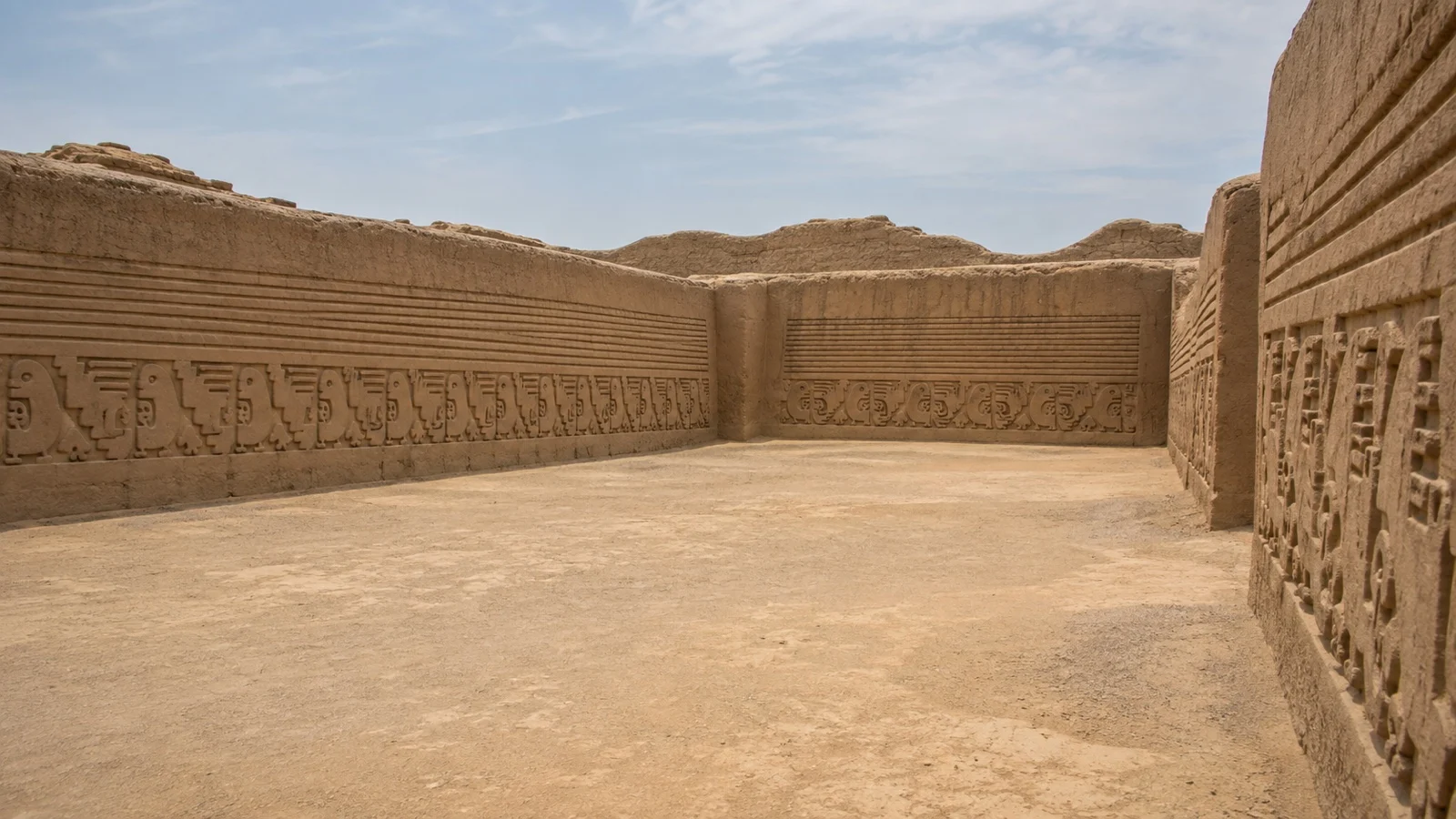
The site remains on UNESCO’s List of World Heritage in Danger because fragile earthen architecture faces environmental and development pressures. Stay on the visitor route, do not touch walls or carvings, and follow any closure even if an older guidebook shows broader access.
The Huacas del Sol y de la Luna provide a different view of north-coast history through the Moche civilization. Current visitor areas, opening hours, and conservation access should be confirmed with Peru’s Ministry of Culture or an authorized guide.
Trujillo’s center adds colonial and republican architecture, while Huanchaco brings a beach atmosphere and traditional reed craft traditions. One archaeological site plus either Trujillo or Huanchaco is usually more satisfying than rushing among all of them.
The coast can feel cool or hazy even when exposed ruins become hot under midday sun. Carry water, a hat, sunscreen, and shoes suited to dust and uneven surfaces.
Pisco for Paracas and the Ballestas Islands
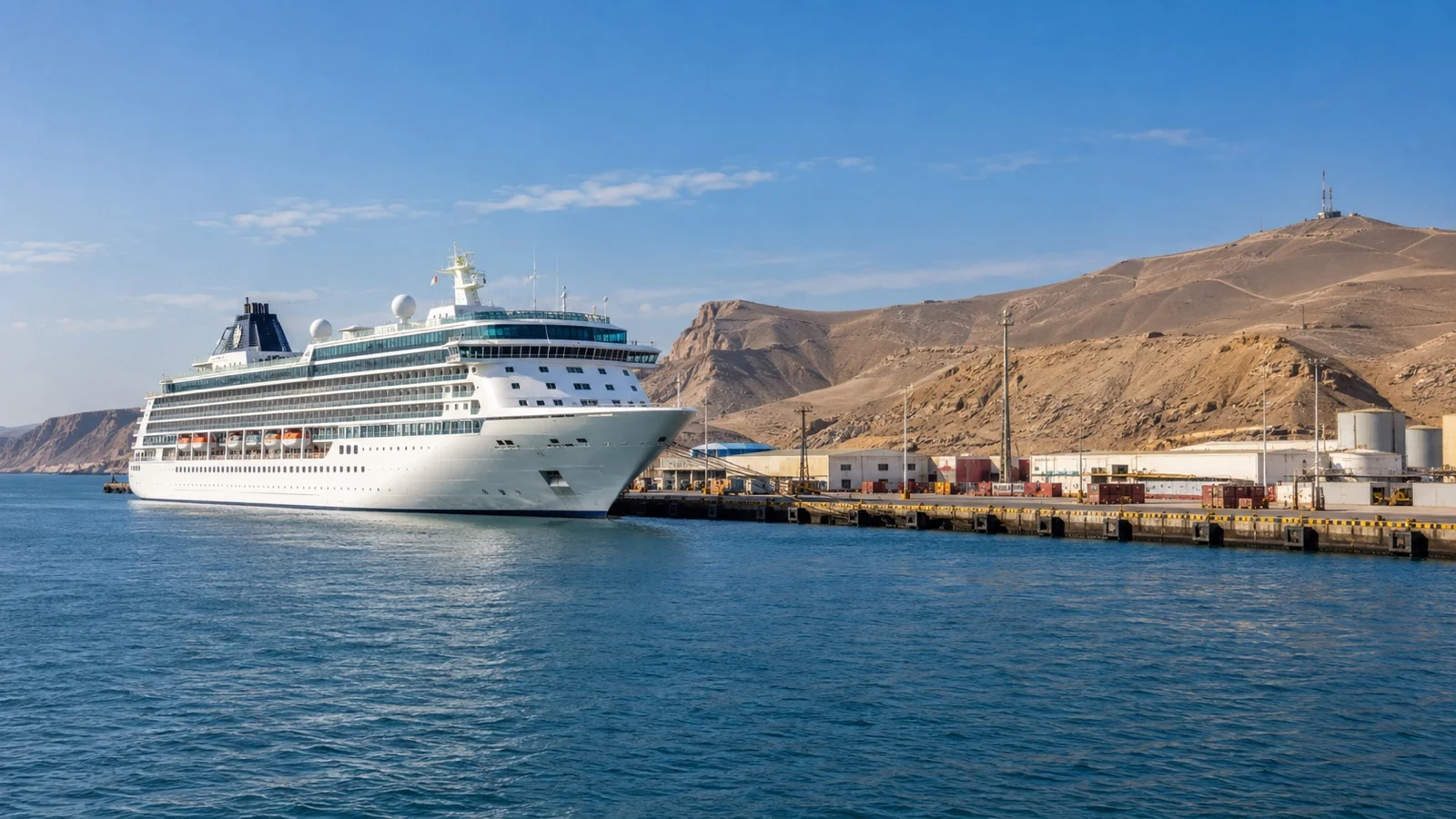
Pisco is the cruise gateway for the Paracas coast, with vessels often using the General San Martín port area or another sailing-specific arrangement. Confirm the exact shuttle and tour meeting point because the cruise label may not match where an independent operator expects to collect guests.
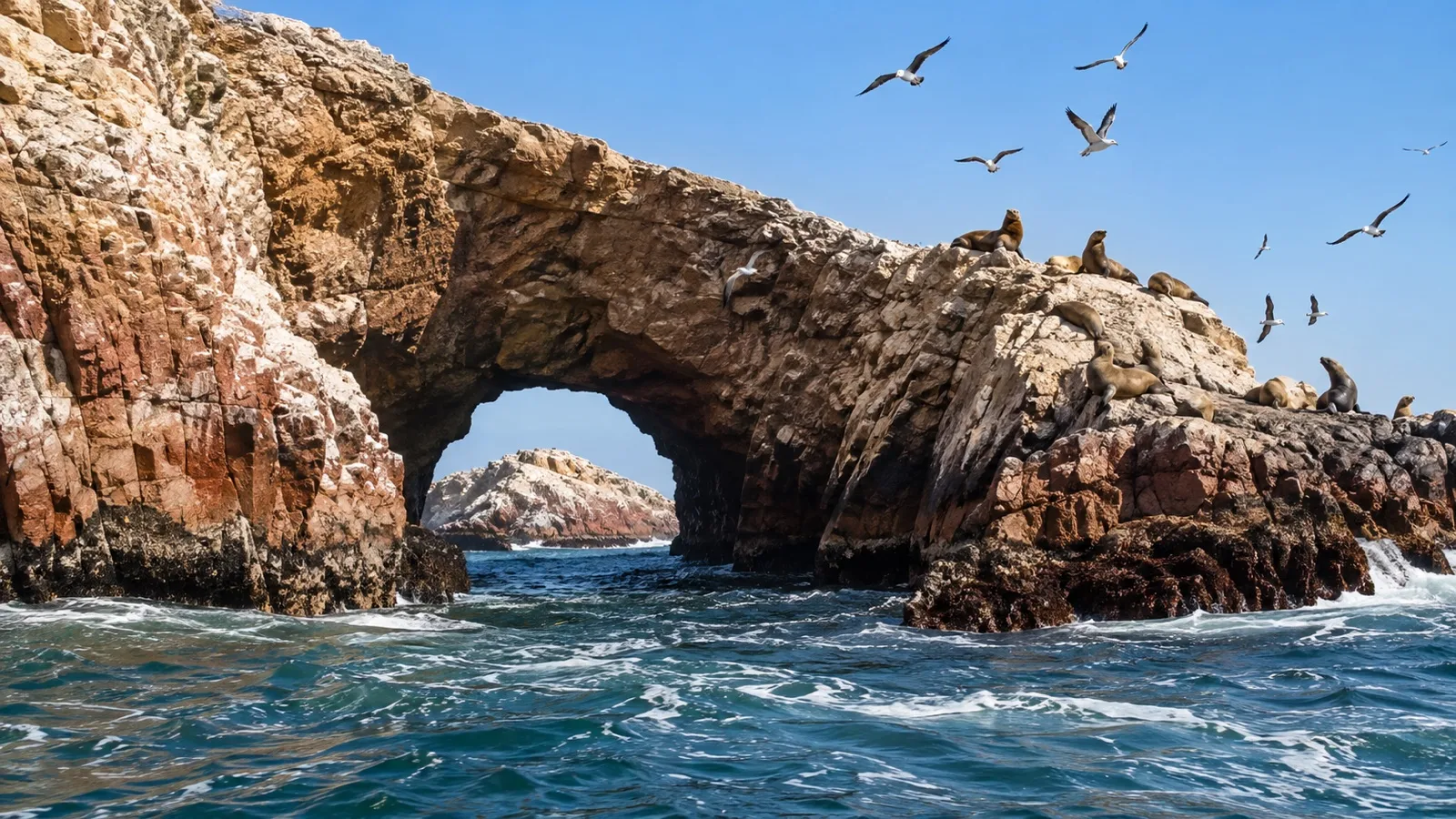
The Ballestas Islands are the signature marine outing, known for seabirds, sea lions, dramatic rock formations, and wildlife viewed from a boat. Landings are generally not the point, so the experience depends on sea conditions, visibility, and a responsible operator that respects protected-area rules.
The Paracas National Reserve adds desert cliffs, beaches, viewpoints, and a stark meeting of sand and ocean. Check current routes and permitted visitor areas through SERNANP’s official protected-area portal.
Huacachina and its dunes are tempting, but they create a longer inland road day with a very different pace. I would choose the marine and Paracas experience or the desert drive rather than forcing both into a tight call.
Morning boat trips are often favored because wind can build later, but no departure is guaranteed. Book flexible terms, carry motion-sickness support if needed, and keep an enjoyable land alternative ready.
Docking, shuttles, and daily changes
Peru’s cruise calls use active port environments where cargo operations and security shape passenger movement. Even when the ship docks, guests may need a shuttle before meeting a guide, taxi, or public street.
A tender arrangement is also possible depending on port, ship, berth availability, and operating conditions. Tendering adds boat queues and weather sensitivity, so travelers with mobility concerns should ask the cruise line how transfers work on the specific sailing.
Do not book transportation around the scheduled arrival minute. Clearance, gangway setup, shuttle loading, and the distance to the controlled gate can delay the moment you actually meet an operator.
Photograph the gate or shuttle sign after arrival and save the ship’s local contact. On the return, the exact controlled entrance is more useful than telling a driver only the port name.
Transportation and realistic timing
Callao demands the largest traffic cushion because Lima’s road conditions can change quickly across the day. I would aim to reach the assigned port entry about two hours before all aboard after a cross-city outing.
Salaverry’s risk is distance between archaeological sites rather than one sprawling metropolis. Use one vehicle for the complete route and avoid a plan that relies on finding a new taxi after every stop.
Pisco plans divide between water and road. An authorized Ballestas operator needs enough time for weather decisions and boat procedures, while a desert route needs a firm turnaround time that protects the long drive back.
Ship excursions are most valuable for long transfers, scarce tickets, protected-area boats, or multi-stop routes where a delay would be hard to solve independently. Private tours can be smaller and more flexible, but the passenger carries the risk of returning late.
Entry documents and customs
Peru’s entry requirements vary by nationality and can change, so check Migraciones and the cruise line before departure. The ship may hold passports, arrange group clearance, or require guests to carry a particular document ashore.
Do not rely on a generic visa website when an official government page and the cruise line can confirm the exact process. Passport validity, visa exemptions, onward travel, and boarding requirements are separate questions.
Peru’s SUNAT traveler portal explains customs controls, baggage declarations, cash, and prohibited or restricted goods. Declare anything required and leave archaeological material, feathers, plants, wildlife products, and natural souvenirs where they belong.
Money, language, and connectivity
The Peruvian sol is the official currency, and cards work at many established restaurants, museums, and tourism businesses. Small purchases, local markets, tips, and rural stops may be easier with modest sol notes.
Use a bank or established exchange service and avoid carrying more cash than the day requires. Keep one backup payment method separate from the wallet you use most often.
Spanish is the practical language in all three ports. A written pickup point, offline map, and saved phone number solve more problems than assuming roaming will work inside a concrete terminal.
Weather and what to pack
Peru’s coast is remarkably dry, but that does not mean every port day is sunny or warm. Lima and the north coast can be cool, gray, or misty in the coastal winter, while desert sun remains strong when clouds lift.
Fog, wind, and rough water can affect visibility, tendering, and Ballestas boat trips. Check the official SENAMHI forecast close to arrival rather than relying on the outlook from embarkation day.
Pack layers, sun protection, water, and sturdy closed shoes for archaeology. A windproof outer layer is especially useful on an open wildlife boat, where spray and moving air can feel much colder than the dock.
El Niño conditions can affect rainfall, marine systems, roads, and fragile earthen sites. Follow local closures and cruise-line changes without assuming a normal seasonal pattern guarantees the day’s plan.
Accessibility and slower-paced days
Working ports, shuttle steps, archaeological surfaces, small boats, sand, and long drives create different barriers. Ask whether the complete route accommodates the traveler, not merely whether the first vehicle has space.
Wheelchair and scooter users should provide dimensions, weight, and battery information before booking. A lift-equipped coach may still lead to an uneven site, narrow restroom, tender transfer, or boat that cannot take mobility equipment.
A slower Callao day can focus on one accessible museum or coastal district with private transport. In Salaverry and Pisco, an adapted panoramic route may work better than rough ruins or a small wildlife boat.
Planning with children or mixed ages
Children who enjoy history may love the scale of Chan Chan, but heat and limited shade can shorten attention spans. One archaeological site plus lunch or Huanchaco gives the day more balance.
Ballestas trips can be exciting for families who tolerate motion, noise, sun, and spray. Check minimum ages, life-jacket procedures, restroom availability, and cancellation terms before promising the boat as the day’s centerpiece.
Lima suits mixed interests because food, museums, parks, shopping, and scenic coast can be combined within one district. Set a clear meeting point and reunion time if the group separates.
How I would choose an itinerary
For a first visit, I would choose Callao because Lima offers the broadest cultural range. A Miraflores and Barranco day is the easiest introduction, while the historic center is the stronger choice for architecture and colonial history.
Choose Salaverry when pre-Columbian civilizations are the main interest. Chan Chan and a carefully selected companion stop can become one of the most memorable archaeology days on the Pacific coast.
Choose Pisco for wildlife, stark coastal landscapes, and the unusual meeting of desert and sea. The best version usually commits to Paracas and the Ballestas Islands instead of treating them as a warm-up for a distant dune drive.
If an itinerary includes all three, alternate intensity. A long Lima transfer, a focused ruins day, and a lighter marine or reserve route create more contrast than three dawn-to-dusk bus schedules.
Common planning mistakes
The biggest mistake is underestimating the time between the ship and the first attraction. Port shuttles, security, city traffic, boat check-in, and archaeological entrances all consume minutes that do not appear on a distance map.
Another mistake is packing too many geographic zones into one day. Lima alone is enormous, the Trujillo sites are dispersed, and Pisco’s marine and desert routes pull in different directions.
Finally, do not make the last practical transfer your planned transfer. A generous port-side finish is not wasted time when the alternative is watching the ship’s departure from a taxi.
Frequently asked questions
Which Peru cruise port is best for a first visit?
Callao is the broadest introduction because Lima combines history, food, museums, neighborhoods, and Pacific scenery. Salaverry is better for archaeology, while Pisco is strongest for wildlife and desert coast.
Can I explore independently?
Lima can be explored independently after arranging a safe port transfer and protecting a large traffic cushion. Salaverry and Pisco are more comfortable with a coherent tour because their principal sights are spread out.
Do ships dock or tender in Peru?
Both arrangements can occur depending on the destination, ship, berth, and operating conditions. Follow the sailing’s final instructions because even a docked call may require controlled shuttle transport.
Should I book through the ship?
Use the ship for long transfers, limited-capacity boats, hard-to-replace tickets, or routes where a delay would be difficult to solve. A reputable private operator is reasonable when the plan is compact and the return margin is generous.
My final advice
Peru rewards focus. Choose the city, civilization, wildlife, or landscape that made you book the port, then give it enough time to feel like an experience instead of a photograph collected between traffic jams.
I would plan the return first and the attraction order second. Once the transport chain is honest, the day can hold room for ceviche, a conversation, or one more look at the Pacific without becoming stressful.
How this guide was researched: This guide was independently checked on September 11, 2026, against Peru’s immigration and customs authorities, SERNANP, SENAMHI, Peru Travel, UNESCO World Heritage Centre, and current cruise-line operating guidance.
Reconfirm the berth or tender, entry documents, shuttle, protected-area access, tickets, weather, transportation, and final return time before sailing because live conditions can change.