Qaqortoq Cruise Port: Tenders, Sculptures and Timing
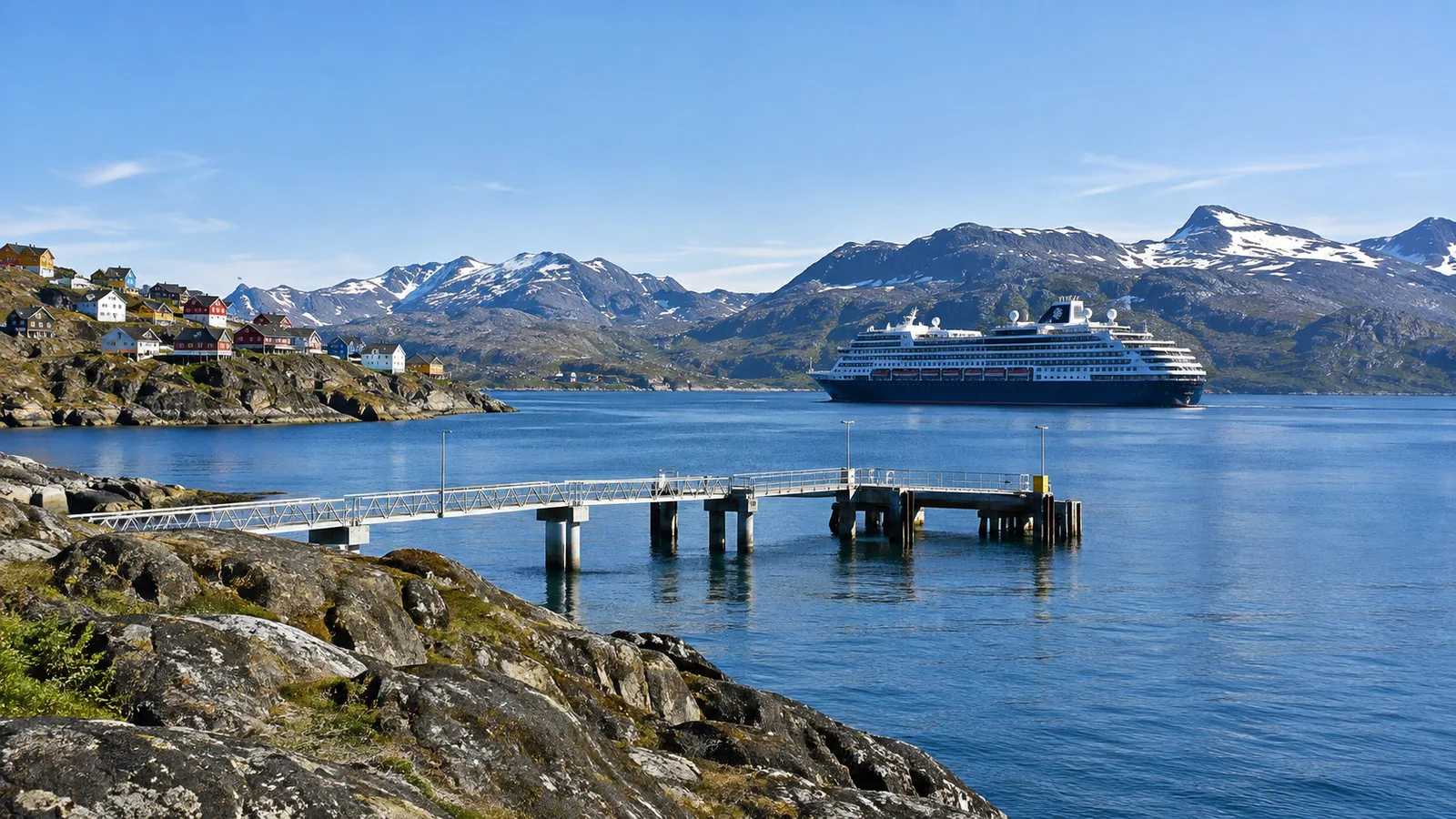
Qaqortoq is a colorful South Greenland town where the harbor, historic center, public art, and steep residential streets form a rewarding walking day. It is also a tender port, so wind, fog, ice, and boat operations can decide how much time you actually get ashore.
The strongest plan is flexible: explore the town first, know the last-tender procedure, and treat every fjord excursion as conditional. The master and local operation, not a published schedule, decide whether tendering is safe.
Quick Facts
- Country: Greenland, within the Kingdom of Denmark
- Port type: Anchorage and ship’s tender for typical cruise calls
- Landing area: Small-boat harbor close to the town center
- Main local sights: Stone and Man sculptures, Mindebrønden fountain, Qaqortoq Museum, churches, and the working harbor
- Major excursion: Hvalsey Church ruin in the UNESCO-listed Kujataa landscape
- Currency: Danish krone
- Languages: Greenlandic and Danish, with English available in many visitor services
- Main season: June through September for the broadest visitor services and excursions
- Terrain: Compact but steep, with asphalt, gravel, rock, and steps
- Essential check: Tender eligibility, meeting location, and final tender time from your ship
How the Anchorage Works
Cruise ships normally anchor in the fjord and carry passengers ashore in their own tender boats. Visit Greenland’s digital cruise list is based on information from the country’s port agents, but it remains a schedule rather than a guarantee of safe landing conditions.
The tender typically reaches the small-boat harbor in the middle of Qaqortoq. Once ashore, the main square and oldest streets are close, so no town shuttle is normally needed.
Large ships need repeated boat runs, and tender ticket systems may prioritize excursions or guests with early assignments. Read the daily program, collect any required ticket promptly, and listen for changes.
Return queues can build as weather shifts or everyone heads back at once. Aim for an earlier tender than the final one, especially if your ship has set separate deadlines for independent guests.
The Best Walking Route
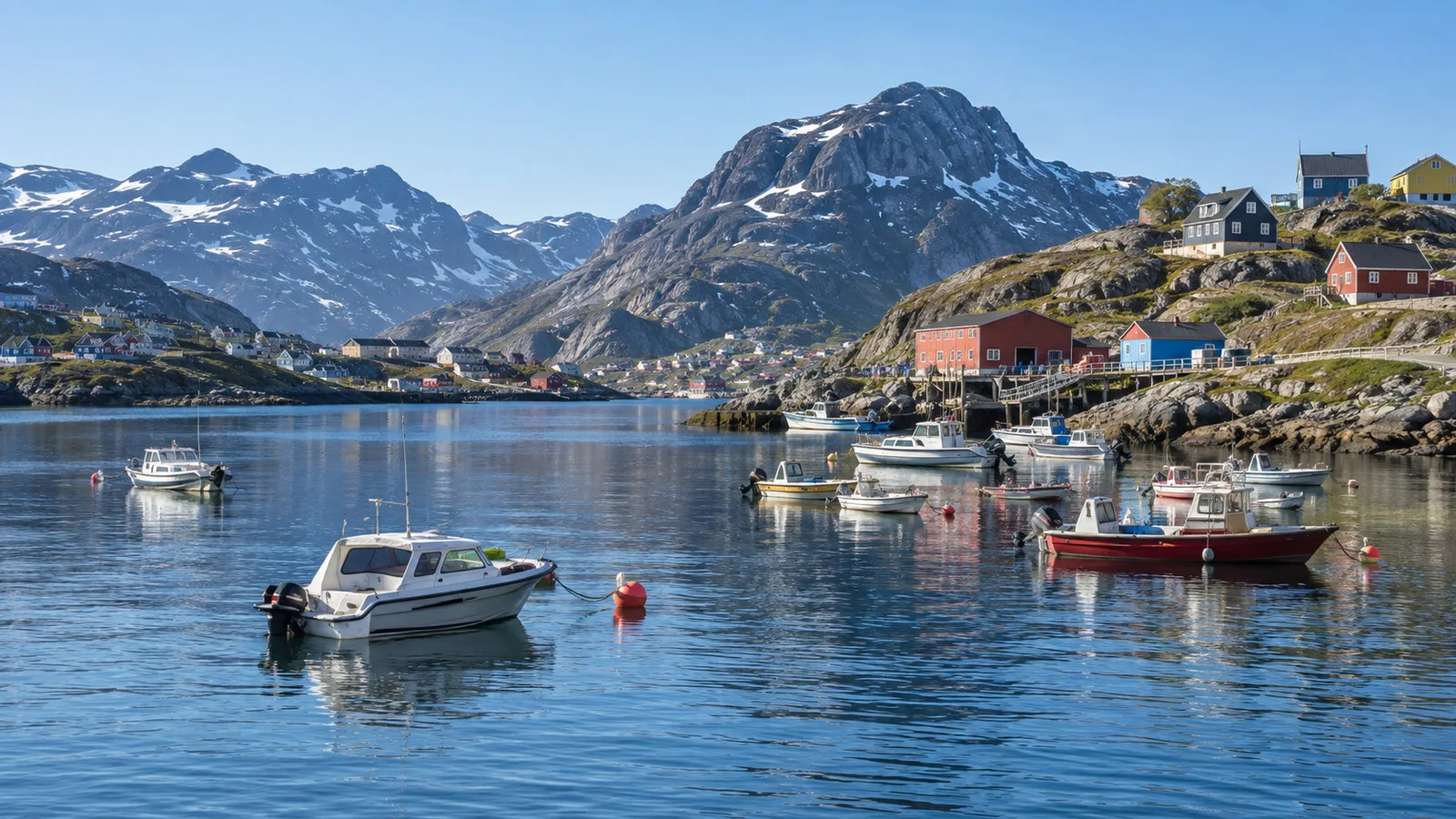
Start at the harbor and walk to the compact colonial center around the main square. Mindebrønden, identified by Visit Greenland as the country’s oldest fountain, anchors a public space where local life continues even on a busy cruise day.
Qaqortoq Museum occupies the large black building beside the plaza in what Visit Greenland describes as the town’s oldest building. Its collections include carved tupilaks by Aron and Cecilie Kleist, along with changing exhibitions and regional history.
Seasonal hours can be limited, so ask the tourist information office or museum directly rather than relying on an old listing. A closed museum does not spoil the day because the town’s architecture and outdoor art remain accessible.
Continue through the harbor area and climb only as far as conditions and mobility allow. The view improves quickly, but the streets rise sharply enough that a short distance can demand real effort.
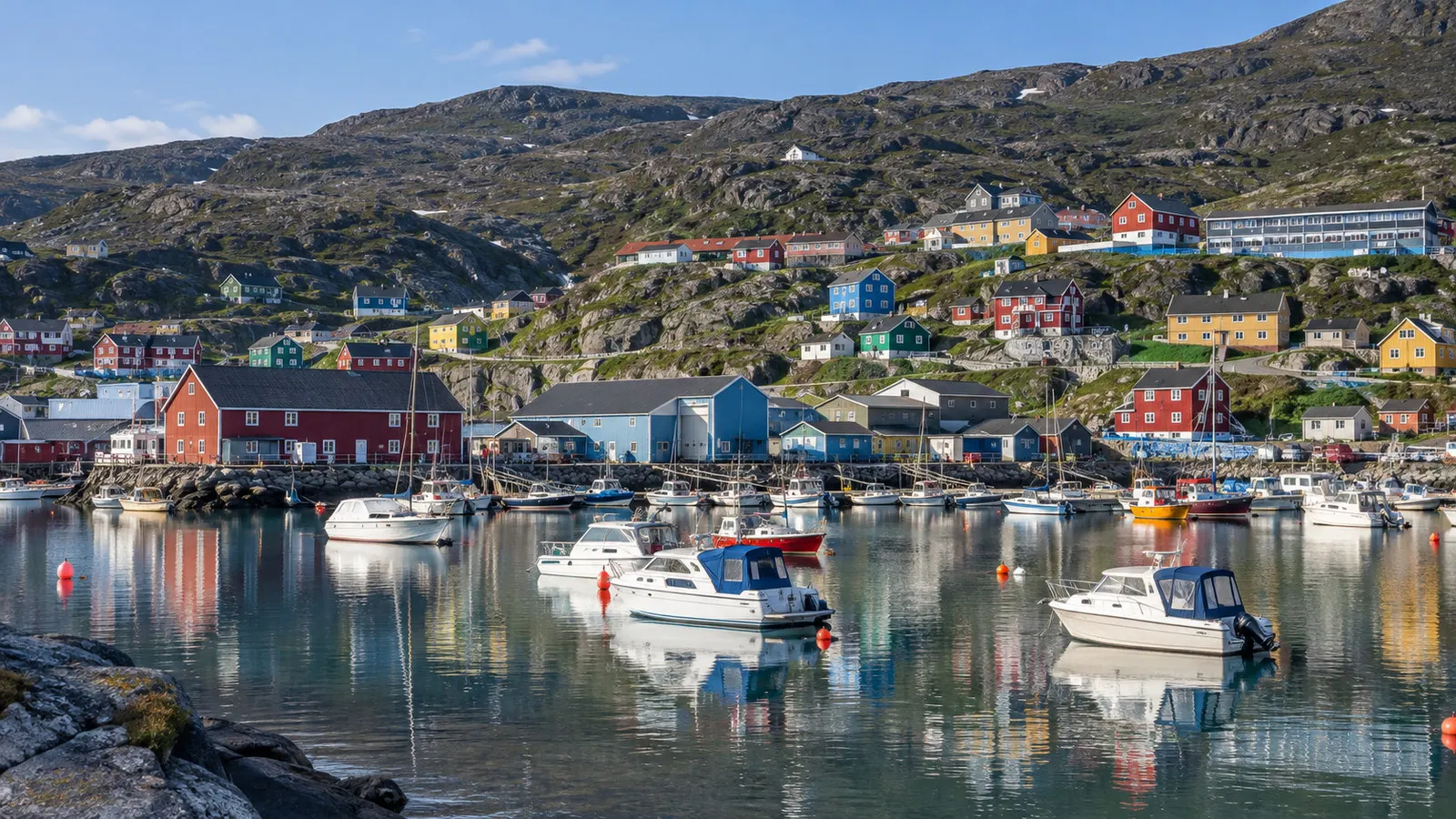
Stone and Man
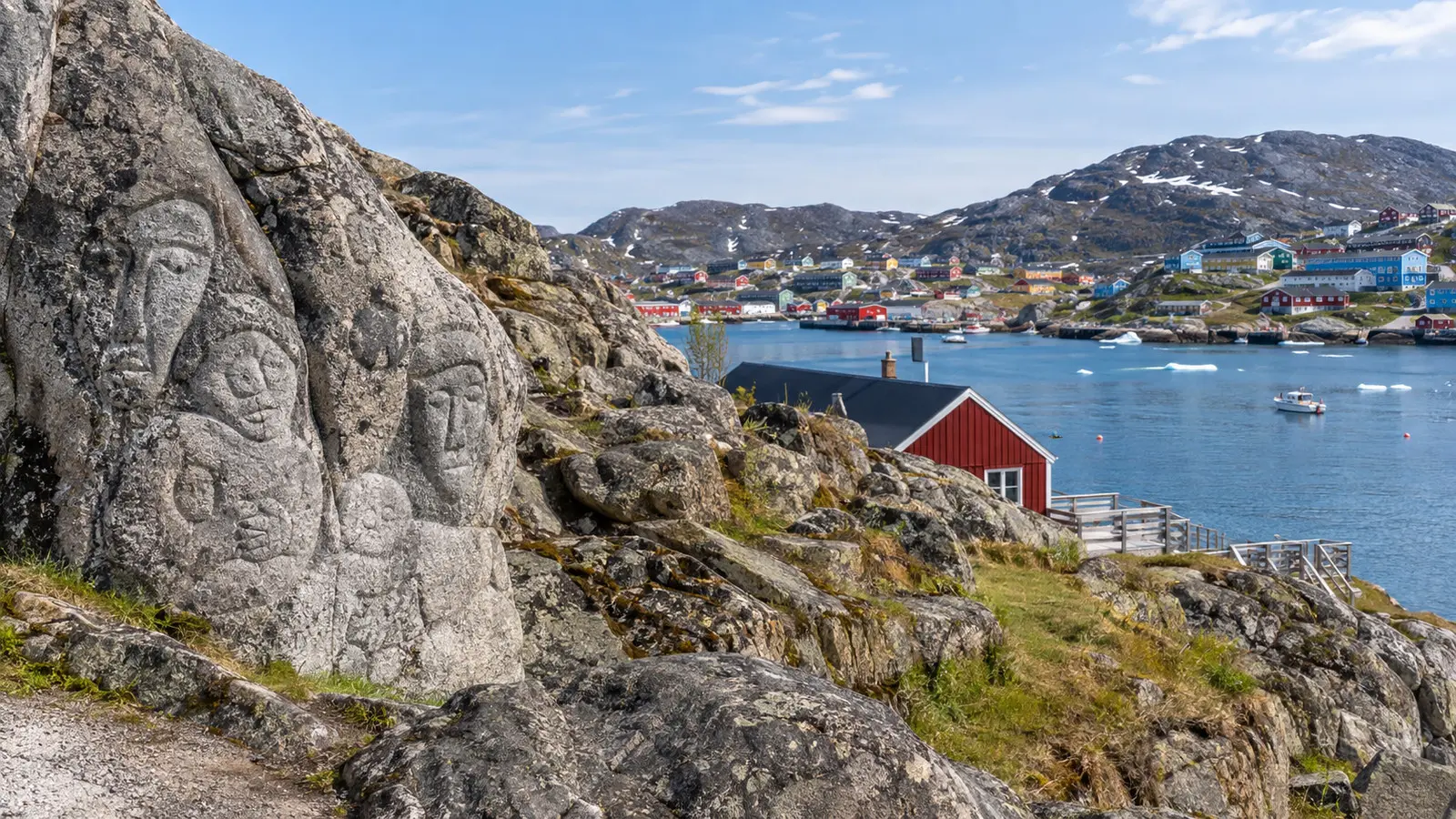
The open-air Stone and Man project is Qaqortoq’s signature experience. Greenlandic artist Aka Høegh initiated it in the mid-1990s and invited artists from Nordic countries to contribute works throughout town.
Visit Greenland says 40 sculptures are hidden around Qaqortoq, many carved directly into rock faces. They are scattered rather than displayed in one park, turning an ordinary walk through residential streets into a loose treasure hunt.
Do not make finding every work the condition for a successful visit. Ask for a current route suggestion locally, then enjoy the pieces you encounter without climbing farther than your time and footing support.
Great Greenland and Local Shopping
Across the harbor, Great Greenland operates tanning and production facilities with a showroom and organized facility visits. Visit Greenland currently includes the company among Qaqortoq’s local cruise providers.
A guided visit can explain the processing and cultural role of sealskin, while the showroom sells finished products. Before buying, check the customs and wildlife-product rules of every country where you will transit or return home.
Local stalls, the tourist office, museum, cafés, and other shops may also sell crafts and gifts when ships are in port. Cards are widely useful, but carrying a modest amount of Danish kroner helps with small purchases or a temporary connection failure.
Hvalsey and Kujataa
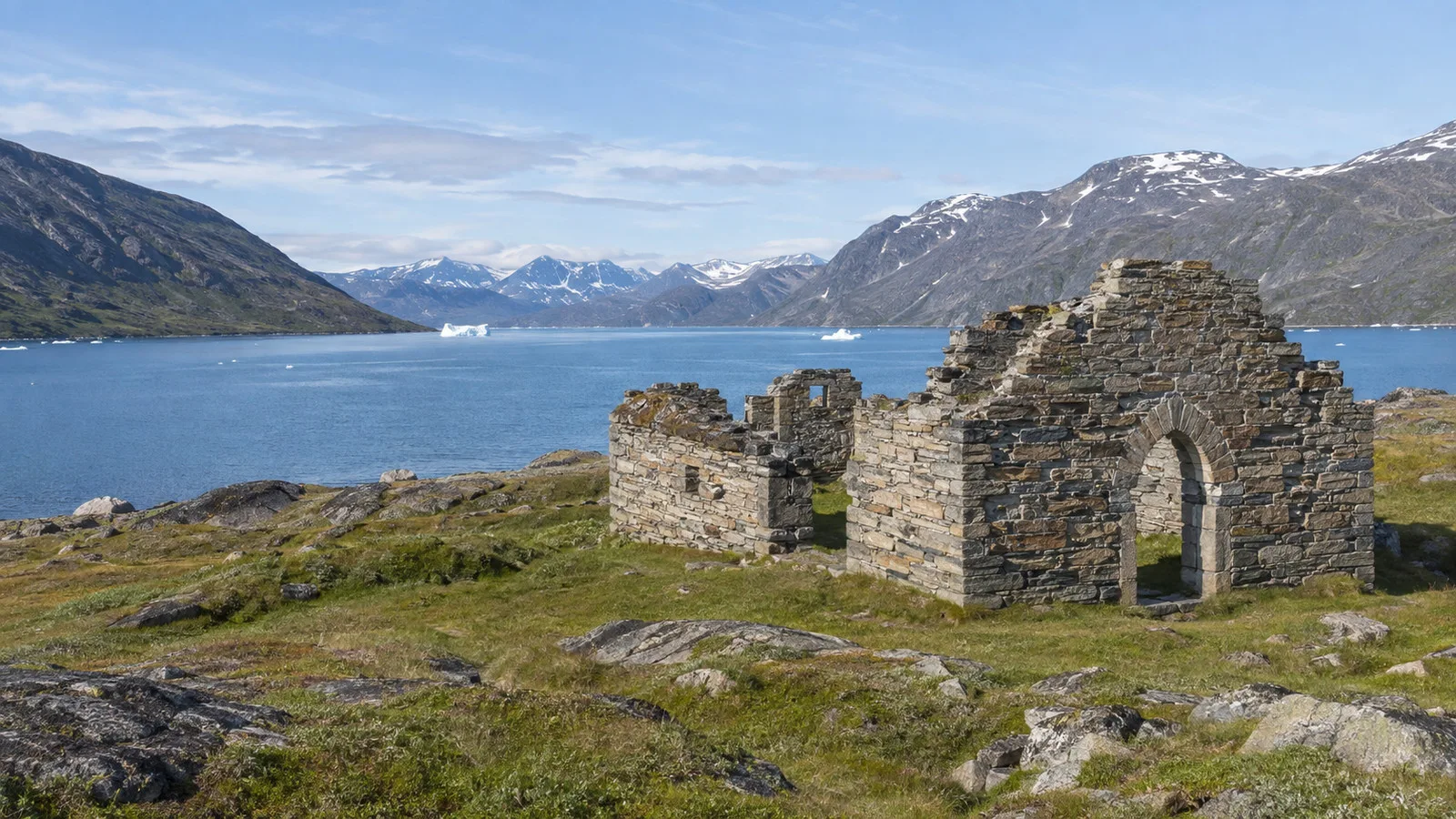
Hvalsey Church ruin is one of the most compelling excursions from Qaqortoq. Its surviving stone walls stand in the Kujataa cultural landscape, which UNESCO inscribed for the meeting of Norse and Inuit farming at the edge of the ice cap.
Reaching Hvalsey requires a boat trip and an unimproved shore landing. Weather, sea state, boat size, and site protection rules all shape whether the excursion can operate.
A ship-sponsored excursion is the practical choice when the schedule is tight because the cruise team coordinates the return. An independent booking should finish well before all-aboard and use a provider recognized by local tourism authorities.
Follow all landing and heritage guidance, keep away from fragile structures, and leave artifacts where they are. The farming landscape is the protected story, not merely a dramatic backdrop for the church.
Uunartoq, Hiking, and Longer Excursions
Boat trips may also reach the Uunartoq hot spring, farms, fjords, or other South Greenland sites. These outings consume much of a port day and remain dependent on weather and the local operator’s boat.
Qaqortoq also has hiking possibilities, including routes toward viewpoints and around Lake Tasersuaq. The surrounding terrain is not a signed urban park, so ask locally about current trail conditions and carry proper outdoor clothing.
For a first visit from a large ship, town often provides the better balance. Small expedition ships with long calls and coordinated landings make Hvalsey or another boat trip easier to justify.
The New Qaqortoq Airport
Visit Greenland reports that Qaqortoq’s new airport opened on April 16, 2026, allowing direct access from destinations including Nuuk and Iceland. This is a major change for travelers building independent time around a South Greenland cruise.
The airport does not change the tender procedure for a normal cruise call. Flight schedules in Greenland remain weather-sensitive, so independent pre-cruise and post-cruise plans still need generous buffers.
Accessibility Reality
The tender transfer is the first and most important barrier. Cruise lines may require passengers to step into a moving boat and may restrict wheelchairs or mobility devices according to sea state and equipment.
Ask the ship for a specific decision about your device and assistance needs. Approval given before the cruise can change on the day if the platform, swell, wind, or staffing makes the transfer unsafe.
Once ashore, the harbor and main square provide the most manageable zone. Streets climb almost immediately, surfaces vary, and many sculpture locations or viewpoints demand more effort than their map distance suggests.
Taxis operate in town and can reduce uphill walking, although availability may be limited during a busy call. Boat excursions add another transfer and an unimproved landing, so request a complete access description before paying.
Weather and What to Wear
South Greenland may be milder than the far north, but summer conditions still demand layers. Wind, cold rain, fog, and rapidly changing visibility can turn a comfortable harbor morning into a much colder return.
Wear a waterproof outer layer, warm midlayer, hat, and shoes with grip. Carry essential medication ashore in case tender operations pause temporarily after you land.
Keep electronics protected from spray and rain, and use a small backpack so both hands remain available while boarding. A bright, sunny forecast is useful information, not permission to leave the rain shell onboard.
Three Sensible Port Plans
A Short or Delayed Call
Walk to the main square, visit the museum if open, and search for several Stone and Man sculptures near the center. Return before the final tender rush.
A Full Independent Town Day
Combine the square, museum, sculpture walk, churches, harbor, and a café or local shopping stop. Add a taxi-assisted viewpoint only after checking the weather and return queue.
A Coordinated Excursion Day
Choose Hvalsey or another fjord trip through the ship or a recognized local operator with a conservative return. Keep a simple town walk as the fallback if boats cannot operate.
Common Questions
Is Qaqortoq a tender port?
Yes for normal cruise operations. Ships anchor offshore and use tender boats to bring passengers into the small-boat harbor.
Can I walk into town?
The tender landing is already in central Qaqortoq. The challenge is vertical rather than horizontal because streets climb steeply away from the water.
What currency should I use?
The local currency is the Danish krone, and cards are useful in established businesses. Carry some cash for small stalls or service interruptions.
Should I book Hvalsey independently?
Only with a recognized operator and a large time buffer. A ship excursion is usually safer because the boat trip and heritage landing are weather-dependent.
Final Take
Qaqortoq is rewarding without an elaborate excursion because the town itself combines public art, Greenlandic history, harbor life, and dramatic terrain. Solve the tender logistics first, then let the weather decide whether the day stays local or reaches farther into the fjord.
Schedules, hours, and access can change quickly, so verify critical details with the ship and official local sources. This guide supports general planning and does not replace the master’s same-day safety decision.
How this guide was researched: No firsthand Qaqortoq visit is claimed. This guide was checked September 12, 2026 against current Visit Greenland destination and airport information, UNESCO’s Kujataa listing, and live cruise planning material.