Djúpivogur Cruise Port: Berth, Tender and Eastfjords
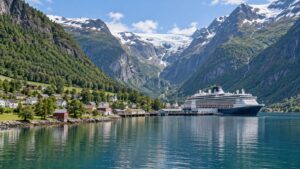
Djúpivogur is the kind of Icelandic port that rewards restraint. The village, harbor, outdoor art, birdlife, old trading house, and mountain views can fill a beautiful day without sending you hours down the Ring Road.
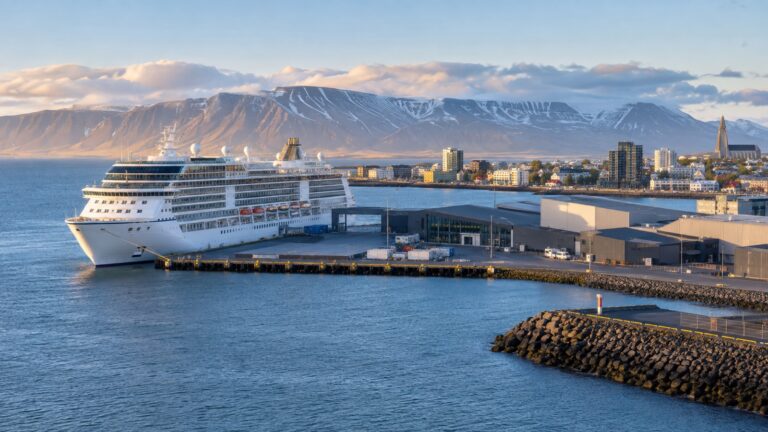
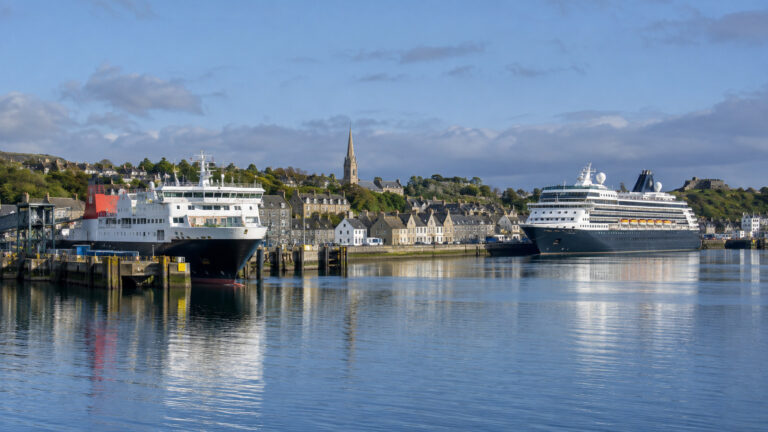
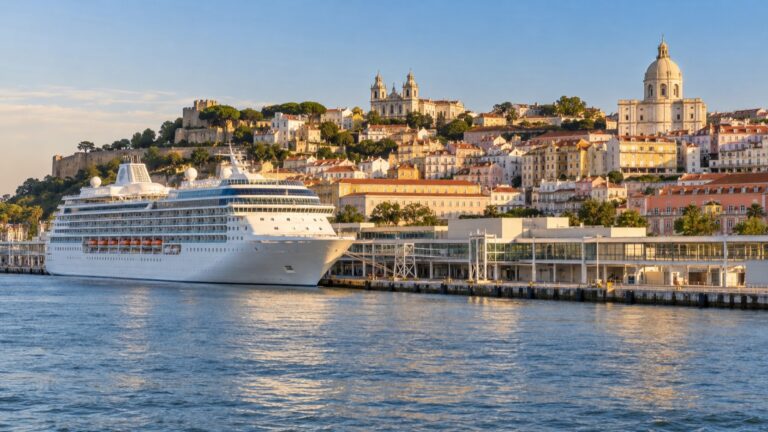
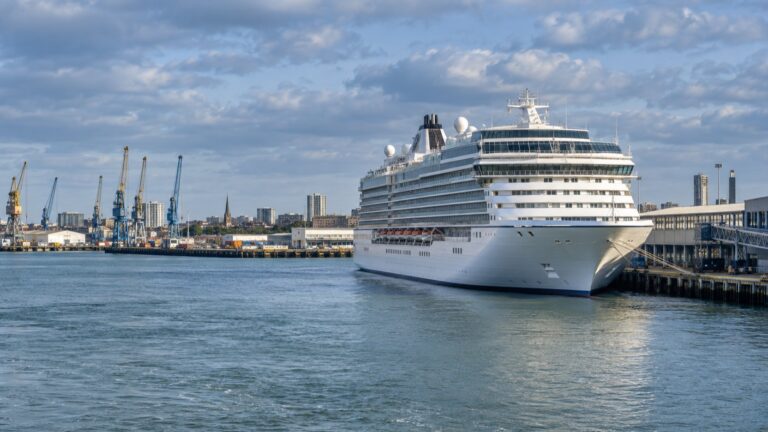
Your arrival may be alongside at the small harbor or at anchor with tenders, depending on the ship and port plan. That single detail shapes accessibility, useful time ashore, and the return buffer, so confirm it before booking anything beyond the village.
Djúpivogur Cruise Port Quick Facts
- Arrival style: Small ships may berth alongside, while larger vessels can anchor and tender
- Village access: The harbor area and central sights are generally walkable after reaching shore
- Best easy day: Langabúð, Eggin í Gleðivík, harbor views, and a relaxed village walk
- Best close excursion: Teigarhorn or a short Eastfjords panorama with reserved transport
- Long excursion: Jökulsárlón only with a full call, cruise-aware transport, and a large road buffer
- Currency: Icelandic króna, with cards widely accepted
- Time zone: Greenwich Mean Time throughout the year
- Planning rule: Check port, road, weather, and boat status together before leaving town
Locate Your Actual Arrival First
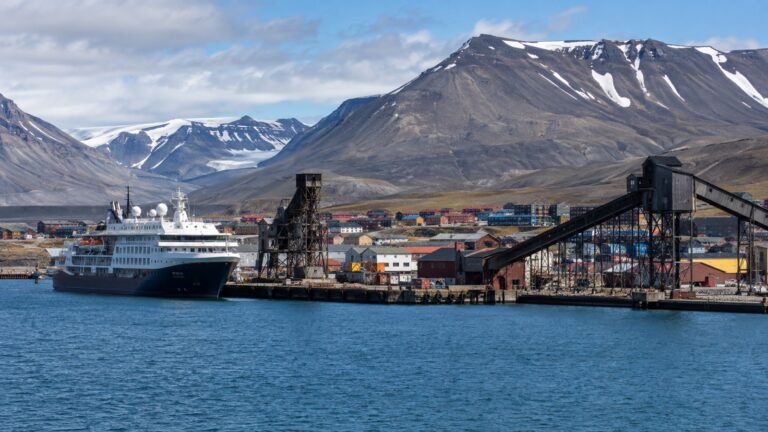
Djúpivogur has a compact working harbor that can receive smaller passenger ships alongside, while larger vessels may remain offshore and use tenders. Berth availability, vessel size, wind, swell, and local operations decide the method for each call.
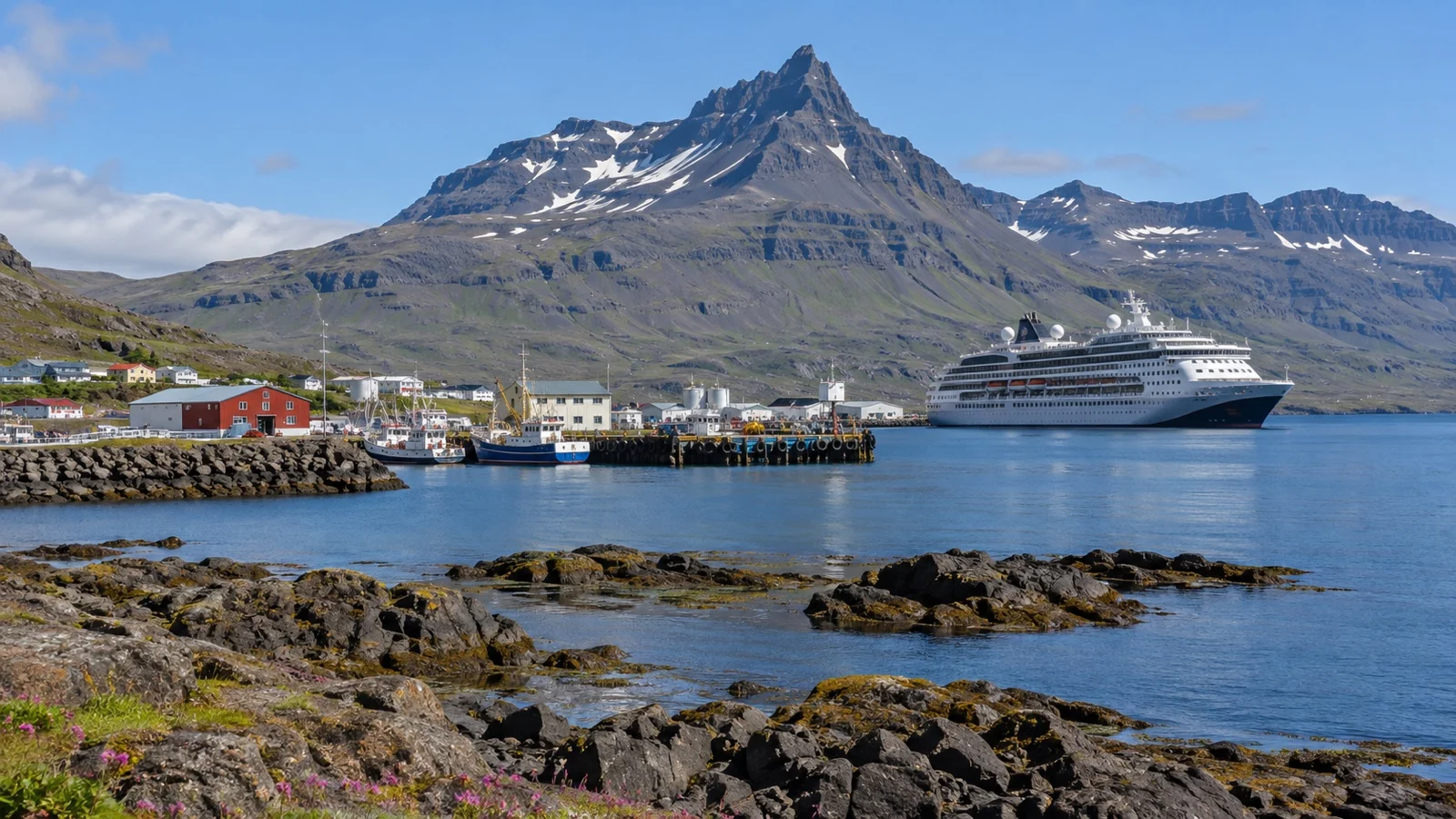
Read the daily program for the gangway or tender location, first and last boat times, shuttle arrangements, and mobility restrictions. Do not assume a friend’s experience on another ship will match yours.
The village is close once you are ashore, which makes a flexible independent day easy. I still photograph the landing and save the ship’s local contact details because small harbors can have more than one quay or pickup area.
Walking Into Djúpivogur
Central Djúpivogur is small, quiet, and shaped by the waterfront. The harbor, Langabúð, church, shops, outdoor art, and viewpoints can be connected without a formal excursion if weather and mobility allow.
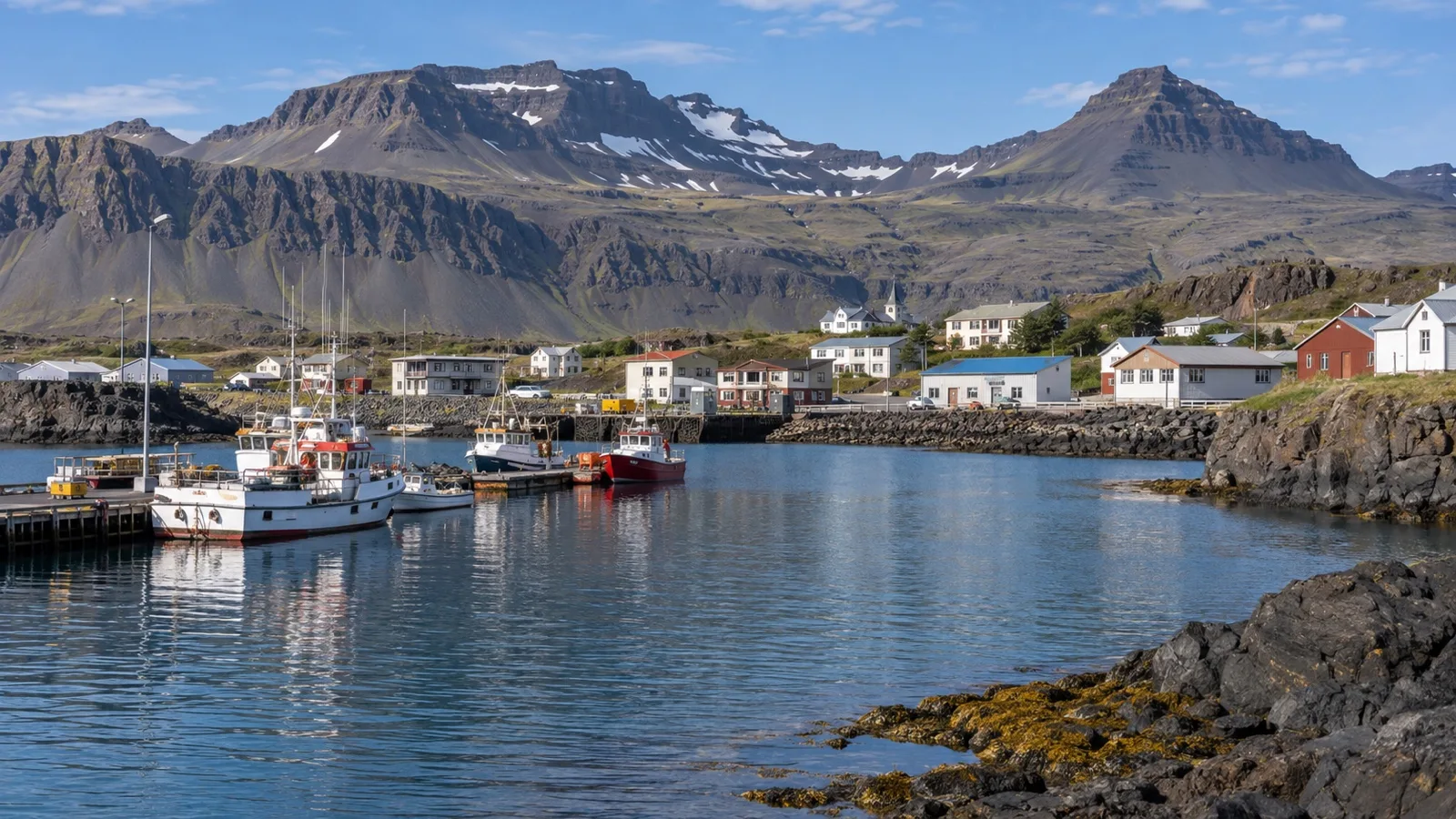
Distances are modest, but wind, rain, uneven ground, and limited sidewalks can change the effort. Use marked pedestrian routes, step aside for working vehicles, and never wander through an active dock because it appears to shorten the walk.
The village belongs to the international Cittaslow network, which emphasizes local character, environment, food, and a more thoughtful pace. That philosophy fits a cruise day perfectly when you resist turning every minute into a transfer.
Eggin í Gleðivík Is the Signature Walk
Eggin í Gleðivík, or the Eggs of Merry Bay, is an outdoor work by Icelandic artist Sigurður Guðmundsson. Thirty-four large egg forms represent birds that nest in the area and create a striking line along the shore.
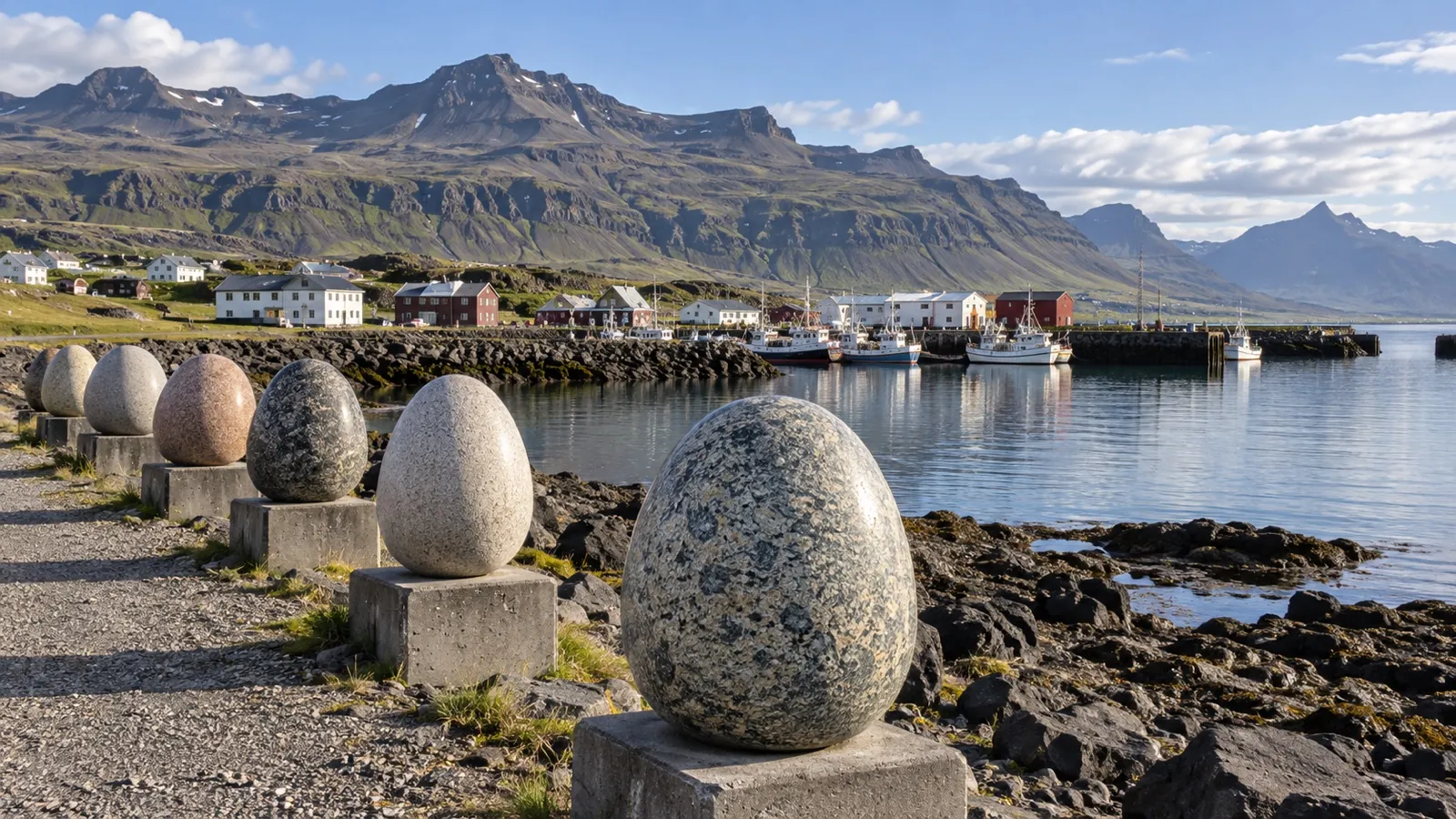
The sculpture works best as part of a waterfront walk rather than a rushed photo stop. Look toward the fjord and mountains, watch actual birdlife from a respectful distance, and let the changing light become part of the artwork.
Stay on established surfaces and do not climb on the eggs. Coastal wind can be strong, and wet ground may be slippery even when the village itself feels calm.
Langabúð Holds the Village Story
Langabúð is Djúpivogur’s historic trading building, with its oldest part dating from the late eighteenth century. It now serves as a cultural center where local history, art, and food can meet under one red roof.
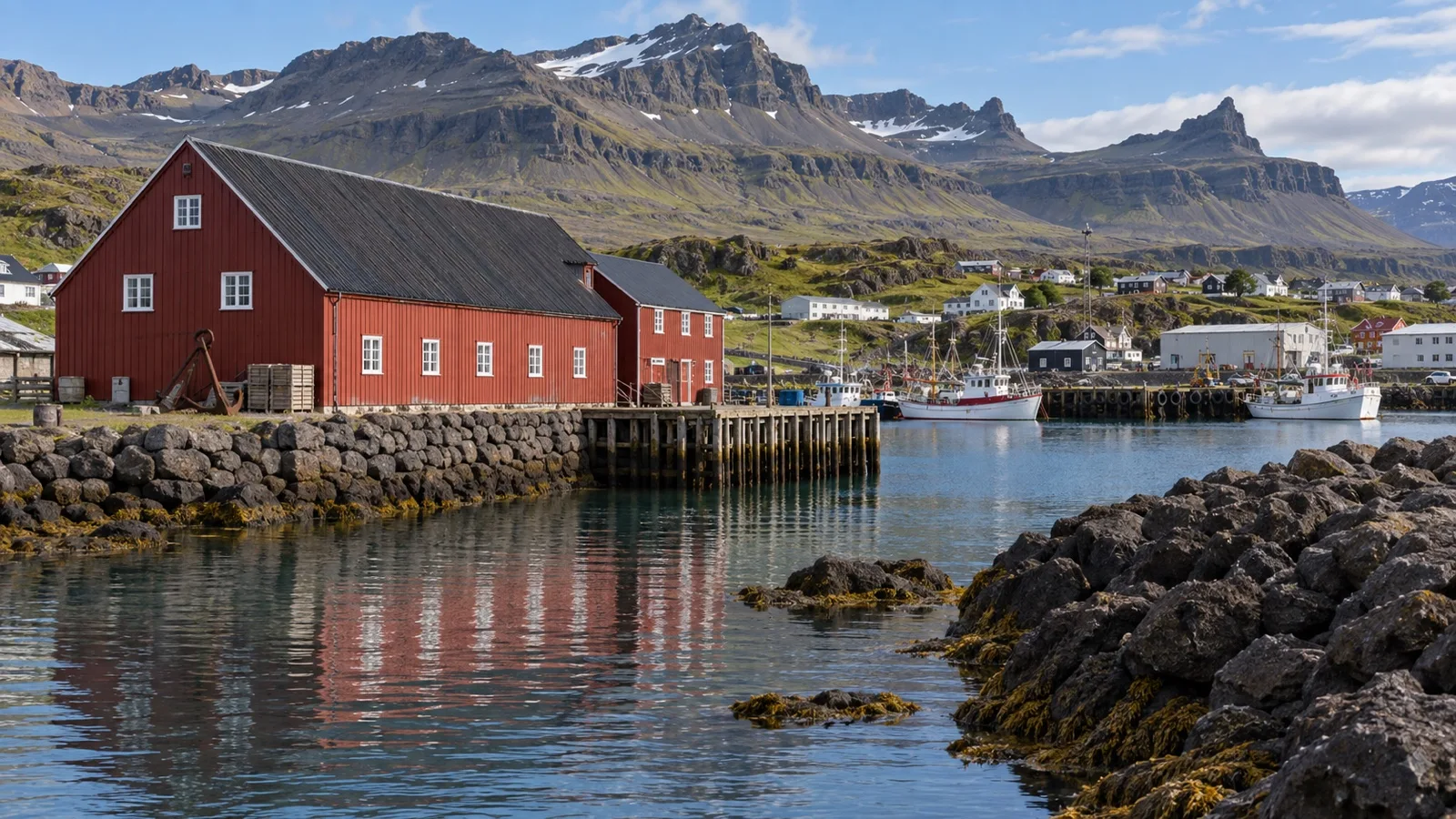
Exhibitions may include regional heritage and work connected with sculptor Ríkarður Jónsson, while the cafe can offer a welcome warm break. Opening hours are seasonal, so check the official local listing close to the call.
Give the building time instead of treating it as a quick pastry stop. The trading history explains why this small settlement faces the sea and how the harbor connected East Iceland with a wider world.
Harbor, Church, and Búlandstindur Views
Búlandstindur rises above the area in a distinctive pyramid form and dominates many views from the village. You do not need to climb it to appreciate the mountain, and ordinary cruise calls are rarely suitable for a serious summit attempt.
A central walk can include the church area, small shops, the working harbor, and viewpoints across the water. Respect services and private spaces, and ask before photographing people at work.
Look for short local paths or a low viewpoint recommended by the visitor information available that day. Conditions on a hillside can be very different from conditions beside the cafe.
Teigarhorn Is the Smart Close Excursion
Teigarhorn is a protected nature area beside Berufjörður, close enough to Djúpivogur for a focused outing with planned transport. The site is known for zeolite minerals, coastal landscape, cultural history, and one of Iceland’s long-running weather observation locations.
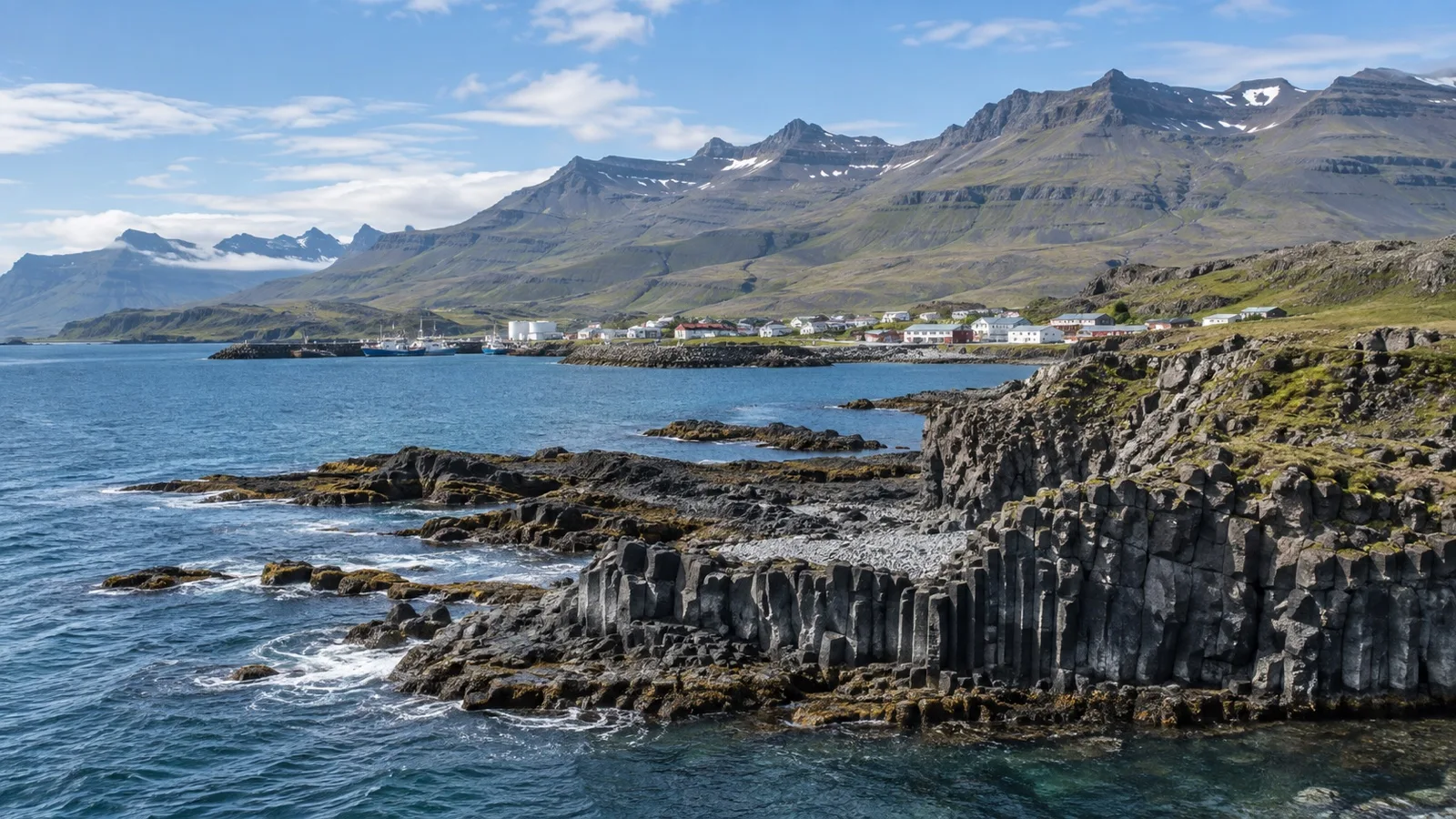
Use the official environment authority page for access, current rules, facilities, and any closure. Removing stones or crystals is forbidden, and a protected geological site is not a free souvenir shelf.
Ask a driver or guide where visitors may walk and how long the stop takes in current conditions. Road shoulders, wet ground, wind, and limited services make an improvised roadside visit less simple than the map suggests.
Eastfjords Viewpoints Need Reserved Transport
The roads north and south of Djúpivogur reveal steep mountains, narrow fjords, waterfalls, black shorelines, farms, and small settlements. A local guide can build a route around the weather and call length without pretending the whole Eastfjords region fits into one day.
Reserve transport before sailing because taxis and tour vehicles are limited when a ship arrives. Confirm the exact pickup point, route, duration, restroom stops, walking demands, and guaranteed return to the berth or tender landing.
Choose a few scenic stops rather than a mileage record. The road itself is beautiful, but stopping safely matters more than pulling onto an unmarked shoulder for every waterfall.
Papey Island Requires a Current Operator
Papey lies offshore and is associated with birdlife, history, and traditional island visits. Access depends entirely on a currently operating licensed boat excursion, suitable weather, landing conditions, and wildlife protections.
Do not assume an older guidebook’s daily boat still runs. Verify the operator, season, vessel, boarding method, duration, clothing requirements, cancellation policy, and cruise return margin directly.
Puffins and other seabirds are seasonal wild animals, not guaranteed performers. Follow the guide, keep distance from nests, avoid loud movement, and never use a drone without the necessary permission.
Jökulsárlón Is Spectacular and Far Away
Jökulsárlón glacier lagoon is one of southeast Iceland’s headline landscapes, but it requires a long road journey from Djúpivogur. Weather, single-road incidents, construction, livestock, and visitor traffic can stretch both directions.
A ship-sponsored excursion offers the strongest coordination if the road runs late. An independent trip should use a reputable cruise-aware operator with a conservative turnaround, direct port pickup, and a written plan for delays.
Do not add a lagoon boat ticket, Diamond Beach, and several waterfalls unless the operator has protected the return margin. Shore conditions and timed activities can turn an already long day into a fragile chain.
Road Conditions Decide the Radius
Iceland’s Ring Road is paved through this region, but that does not make travel time fixed. Strong wind, snow, ice, fog, flooding, rockfall, road work, and accidents can slow or close a route.
Check the Icelandic Road and Coastal Administration and SafeTravel before departure, then ask the local operator about actual conditions. A navigation app cannot see every gust, one-lane constraint, or temporary closure.
If the road picture is uncertain, stay in the village or choose Teigarhorn. Djúpivogur is a destination in its own right, not a waiting room for a glacier lagoon.
Birdlife Needs Quiet Distance
The shallow water, lagoons, mudflats, and shore around Búlandsnes support varied birdlife. Observe from established routes with binoculars or a long lens and avoid pushing closer for a photograph.
Nesting birds can abandon or defend sites when disturbed, and low-flying drones create stress. Follow seasonal restrictions, keep dogs controlled where required, and never handle an egg, feather, or chick.
Wildlife sightings depend on date, tide, weather, and luck. A good guide explains the habitat even when the hoped-for species remains out of view.
Accessibility Without Wishful Thinking
On an alongside call, accessibility begins with the gangway angle and working-harbor route. On a tender call, it begins with the ship’s ability to transfer you and your mobility device into a moving boat under the day’s conditions.
Ask about device weight and size limits, manual lifting, companion seating, the landing surface, and any shuttle. The final tender decision may remain conditional until the bridge team evaluates wind and swell.
Village routes may include gravel, slopes, curbs, wet surfaces, and limited accessible restrooms. For tours, request vehicle step height, secure device storage, walking distance, seating, and the exact surface at each stop.
Icelandic Weather Belongs in Every Decision
Djúpivogur can move through sun, rain, fog, and strong wind in a single port call. Dress in breathable layers with a windproof and waterproof shell, then carry warm gloves and a hat even in summer.
Shoes need grip for wet harbor surfaces, paths, and roadside viewpoints. Secure loose items near the water because a sudden gust can take a hat or destabilize someone focused on a camera.
Check the Icelandic Meteorological Office shortly before leaving the ship. If warnings apply, follow local authorities and the cruise line rather than trying to rescue a prepaid itinerary.
Food, Money, and Small-Port Manners
Djúpivogur has cafes, restaurants, and shops, but choices and hours are naturally limited in a small village. A ship can create a sudden lunch rush, so eat early, reserve when possible, or keep a simple backup.
Iceland is highly card friendly, and some businesses may prefer cashless payment. Carry a working payment card with a PIN and a second method rather than relying on foreign currency.
Stay out of private yards, respect working docks, and ask before photographing residents or crews. The village’s calm atmosphere depends on visitors behaving like guests rather than an occupying crowd.
Return Planning for Berth and Tender Days
On an alongside day, work backward from all-aboard and include the route to the correct gate, security, and slower movement in bad weather. On a tender day, use the final ship boat as the hard cutoff and arrive before the line forms.
For a road excursion, add time for a blocked lane, photo-stop loading, and the final approach through the harbor. For a local boat, return with enough margin to absorb changing sea conditions.
Ship-sponsored excursions usually offer the strongest coordination when delayed, while independent plans remain your responsibility. I would rather have coffee near the landing than watch the village disappear while my driver fights the clock.
Djúpivogur Cruise Port Questions
Do cruise ships dock in Djúpivogur?
Small ships may berth alongside, while larger vessels can anchor and tender. Use the current arrival instructions for your specific call.
How far is town from the port?
The village center is close to the harbor once you are ashore. Your exact walk depends on the assigned berth or tender landing.
Can I see Djúpivogur without a tour?
Yes, and the village is one of the best independent small-port days in Iceland. Langabúð, the waterfront, outdoor art, and mountain views create an easy flexible route.
Is Jökulsárlón too far from Djúpivogur?
It is a long excursion that fits only a generous call with good road conditions and cruise-aware transport. A short or delayed visit should stay closer to Djúpivogur.
Is the tender accessible?
That depends on the ship, device, transfer method, and sea conditions. Ask the accessibility team before sailing and expect the final decision to be made on the day.
Let the Slow Port Stay Slow
Djúpivogur is most memorable when you give the village its own value. Walk the eggs, learn the trading story, watch the harbor, and notice how Búlandstindur changes every time the cloud moves.
My ideal first call stays close unless a reserved Teigarhorn outing fits effortlessly. Confirm the arrival, respect protected nature, and keep enough margin to enjoy the last view without hurrying.
Planning details were checked against Visit Austurland, the Environment Agency of Iceland, the Icelandic Road and Coastal Administration, and the Icelandic Meteorological Office. Berths, tender operations, tours, protected-area access, roads, and weather can change, so reconfirm them with your cruise line and the relevant official provider before you sail.