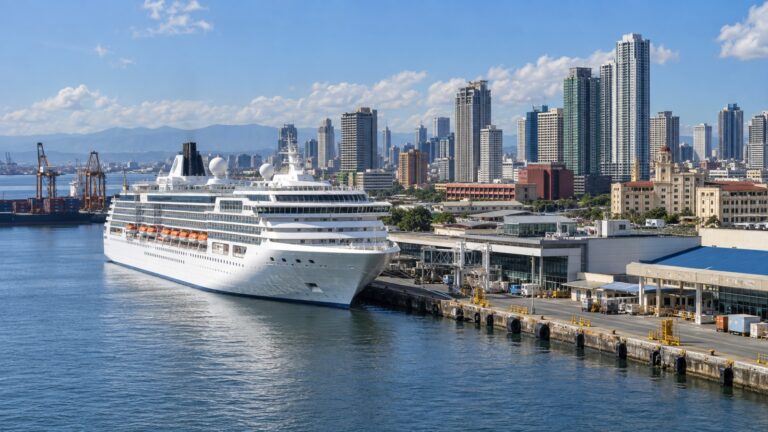
Fukuoka Hakata Cruise Port: Wharves, Transit & Dazaifu
Fukuoka is one of my favorite Japanese cruise calls for a simple reason: the city gives you real choices without demanding a heroic commute. You can spend the day among Hakata’s old temples, shop and eat in Tenjin, walk around Ohori Park, or make a focused train trip to Dazaifu.
The only catch is that Hakata Port is not one single cruise doorstep. Your berth, immigration process, and connection into the city determine how much time you truly have, so begin with the ship’s current notice rather than an old terminal map.
Fukuoka Hakata Cruise Port Quick Facts
- Port: Hakata Port in Fukuoka, on the north coast of Kyushu
- Berth: Often the Hakata Port International Cruise Center area, but assignments can vary by ship and operation
- Downtown transfer: Local bus, cruise shuttle, taxi, or ship excursion according to the day’s arrangements
- Nearest major hubs: Tenjin and Hakata Station, neither of which should be assumed walkable from every berth
- Best easy day: Hakata Old Town, Kushida Shrine, canal-side neighborhoods, and a ramen lunch
- Best independent excursion: Dazaifu by Nishitetsu train with a generous return margin
- Currency: Japanese yen, with cards and transit IC cards useful but cash still important
- Planning rule: Allow for immigration on arrival and use the ship’s all-aboard time as the hard deadline
Hakata Port Has More Than One Cruise Wharf
Many international cruise calls use the cruise facilities around Chuo Wharf, including the Hakata Port International Cruise Center. Other assignments are possible, and a berth name that looks nearby can have a different gate, transfer point, or walking policy.
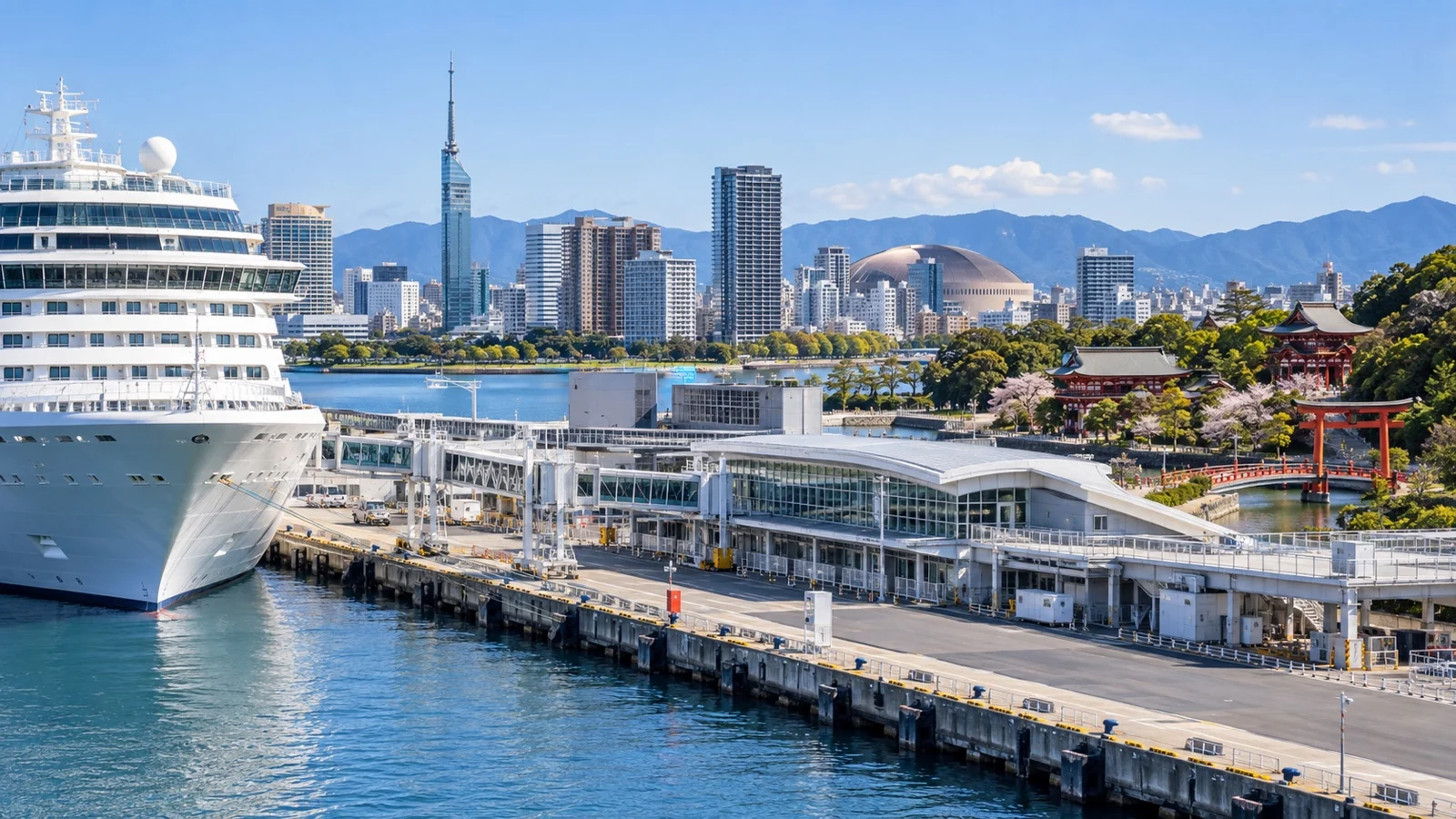
Check the exact terminal on the daily program or port notice before planning a taxi or bus. A map pin for Hakata Port is too broad to use as a meeting point, and drivers need the current pier or terminal name.
Even at the main cruise center, do not picture stepping directly into the subway system. The waterfront terminal area requires a road transfer to the urban rail network, which is why your first city connection matters so much.
Immigration Can Shape the Morning
Fukuoka is often an international entry point or a return to Japan after another country, so immigration, customs, and document checks may happen before passengers can explore. The process depends on the itinerary, nationality mix, ship procedures, and the instructions of Japanese authorities.
Keep your passport or approved landing document ready exactly as directed by the cruise line. Do not build a timed independent train plan around the scheduled arrival alone, because clearance and the release of your passenger group can take additional time.
I wait until I am physically through the terminal before committing to a specific departure. If the morning runs late, a compact Hakata day is an excellent fallback rather than a disappointing consolation prize.
From the Wharf to the City
Your ship may provide a shuttle, while regular buses and taxis can also connect the port with Tenjin or Hakata Station. Routes, stops, and cruise-day traffic controls can change, so confirm the current option with terminal staff before boarding.
Tenjin is the better rail gateway for Dazaifu because Nishitetsu Fukuoka (Tenjin) Station starts the Tenjin Omuta Line. Hakata Station is the major JR and subway hub, and it is the more natural starting point for Hakata Old Town or a broader city trip.
Save the Japanese name of the terminal and take a photograph of the correct return stop. If you use a taxi, show the berth information supplied by the ship instead of saying only Hakata Port.
Hakata Old Town Is the Best Flexible Plan
Hakata Old Town sits between the station area and the historic neighborhoods closer to the waterfront. Its temples, shrines, narrow streets, shops, and small museums can be combined in short sections, which makes it easy to adjust after a slow arrival.
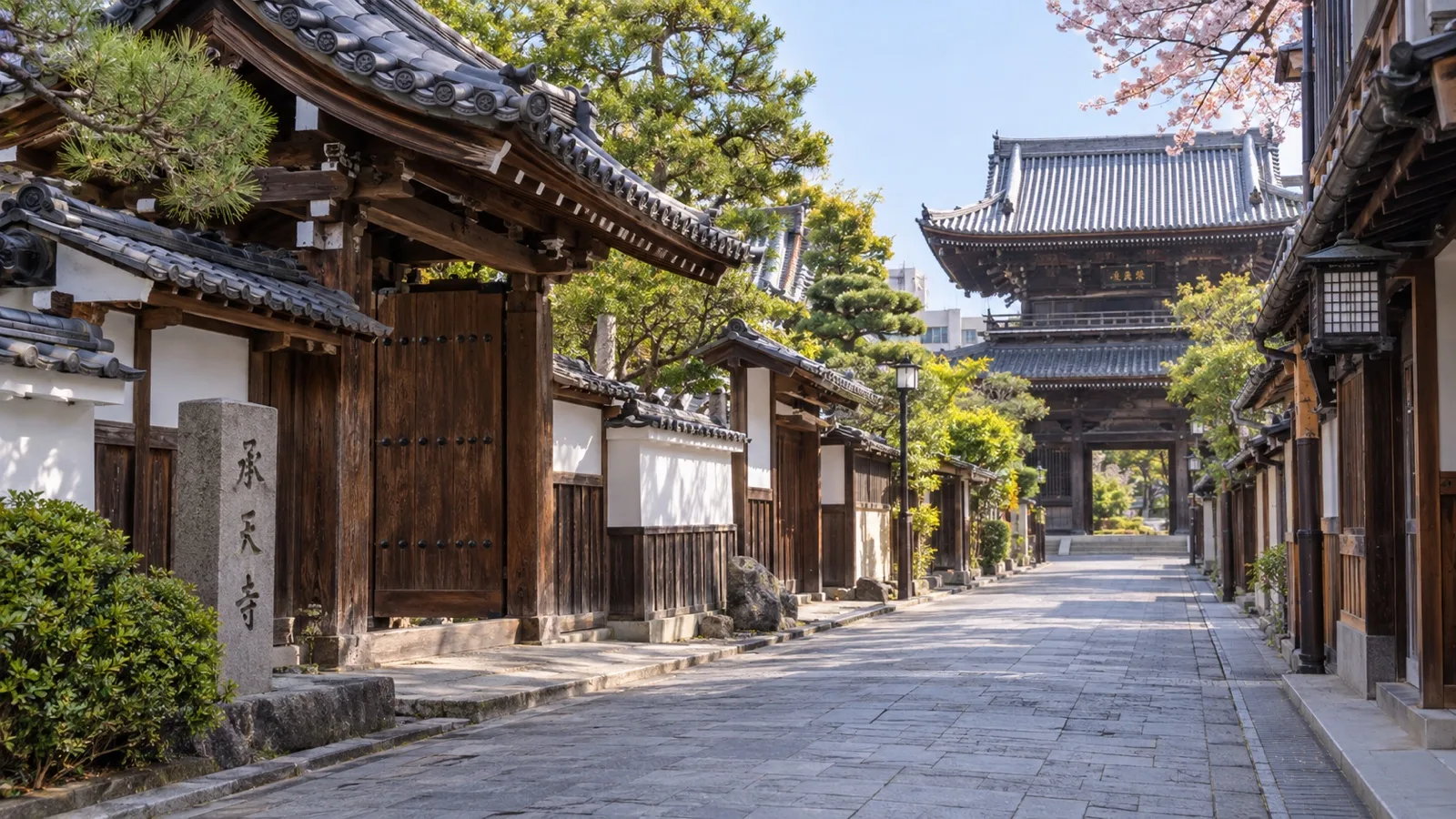
Kushida Shrine is a natural anchor for a first visit, especially for travelers curious about the city’s Hakata Gion Yamakasa tradition. Nearby cultural sites may include Tochoji, Shofukuji, traditional merchant streets, and the Hakata Machiya Folk Museum, subject to current hours and closures.
This is a neighborhood to experience slowly rather than treat as a checklist. Choose two or three places, leave room for a bowl of Hakata ramen or another local specialty, and keep the final walk pointed toward your confirmed port transport.
Tenjin Is the Modern Center
Tenjin is Fukuoka’s energetic shopping and business district, with department stores, underground passages, restaurants, cafes, and transport connections. It works particularly well on a rainy day or for passengers who want food and shopping with limited outdoor walking.
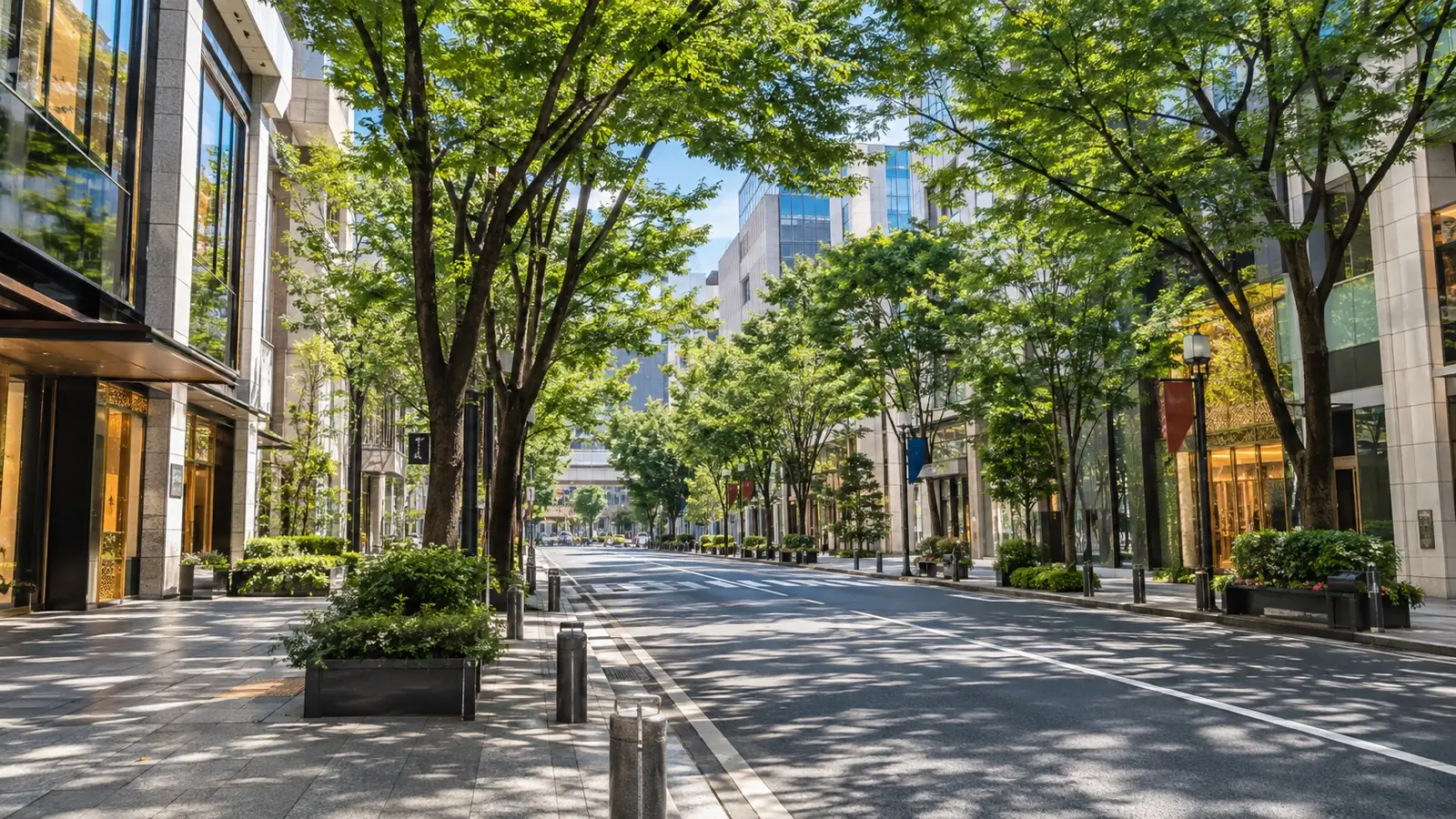
The underground spaces are extensive, so note the exit number and landmark you need before surfacing. Nishitetsu Fukuoka (Tenjin) Station, Tenjin subway station, and Tenjin Minami subway station are connected through the district but are not the same platform.
Fukuoka’s famous yatai food stalls are primarily an evening experience and may not fit a normal daytime port call. For lunch, look for current restaurant hours and order at a pace that protects the return buffer.
Ohori Park Adds Green Space
Ohori Park offers water views, level paths, and a calmer rhythm west of the central shopping districts. The nearby Fukuoka Castle ruins and Maizuru Park add history and seasonal scenery, although the ruins involve more slopes and steps than the lakeside route.
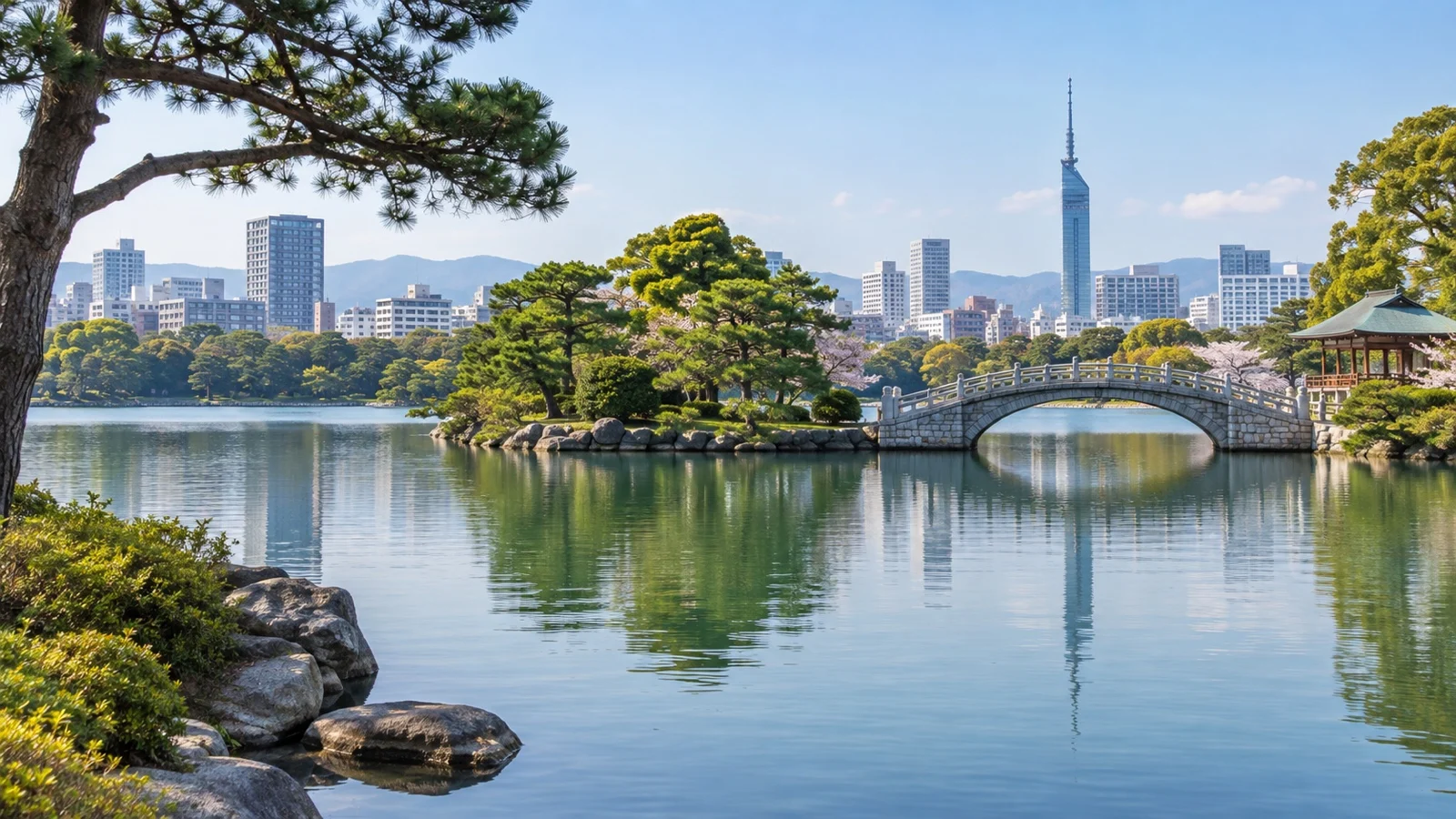
The park is accessible by city subway from central Fukuoka, making it a practical half-day choice after you have reached the rail network. Check current museum, garden, and event hours separately because each venue follows its own calendar.
I would pair Ohori Park with just one central neighborhood rather than crossing the city repeatedly. Tenjin is the easiest companion, while Hakata Old Town creates a longer east-to-west day.
Dazaifu Is the Standout Independent Excursion
Dazaifu Tenmangu is a major shrine dedicated to Sugawara Michizane, revered as Tenjin, the deity of learning, culture, and the arts. The approach from Dazaifu Station is lined with shops and local treats, and the grounds blend old trees, ritual spaces, bridges, art, and seasonal interest.
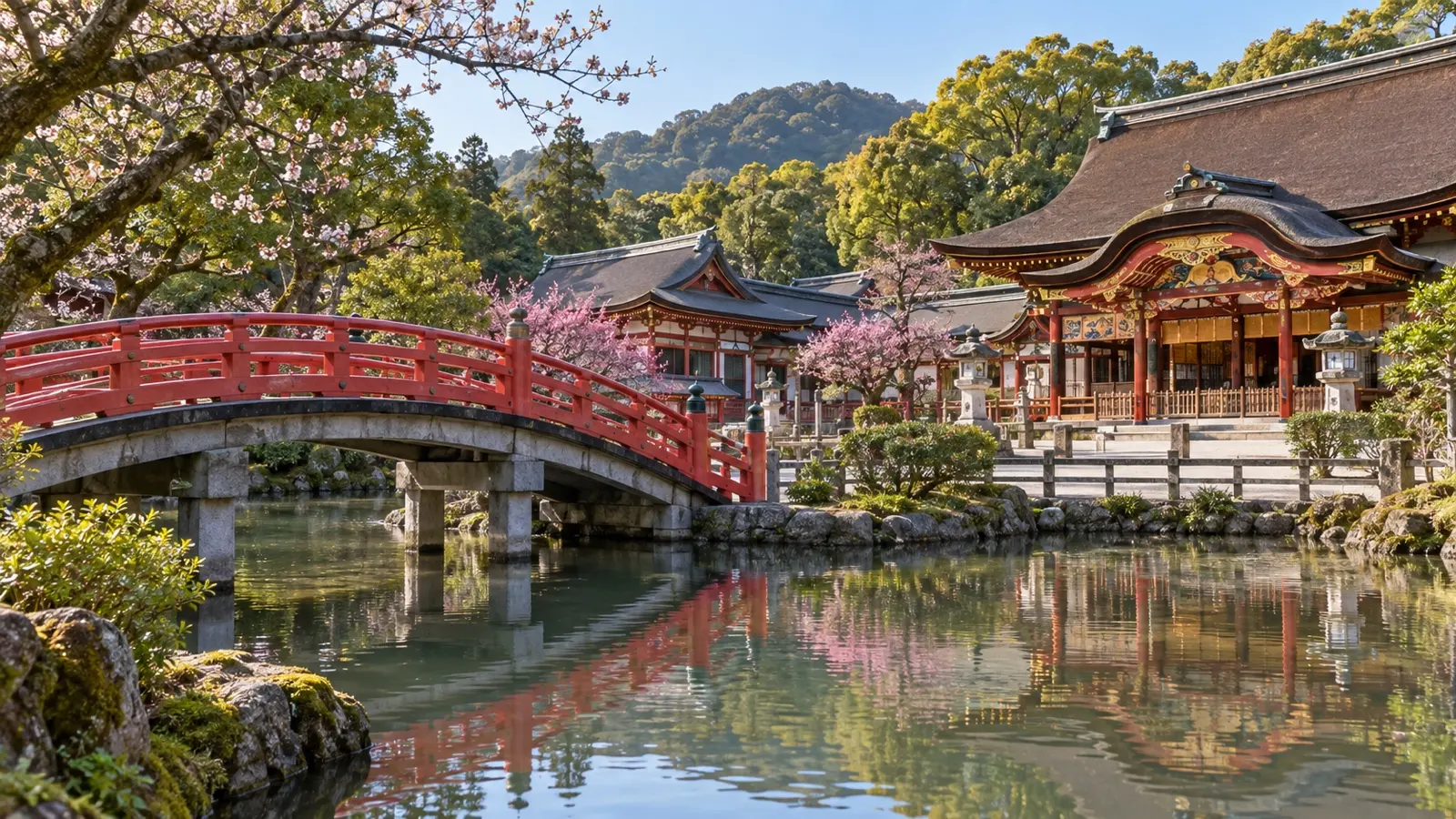
From central Fukuoka, the most useful independent route usually begins at Nishitetsu Fukuoka (Tenjin) Station. Travelers take the Tenjin Omuta Line toward Nishitetsu Futsukaichi and connect to the short Dazaifu Line, unless the current timetable provides a suitable through service.
Train patterns, platforms, and fares can change, so verify them in the official Nishitetsu planner on the day. Remember that you still need road transportation between the cruise berth and Tenjin at both ends of the outing.
Give Dazaifu a Missed-Connection Fallback
Dazaifu is realistic on many full-day calls, but it is not a good choice after a very late release or with an early all-aboard. Decide on a latest possible departure from Tenjin, and switch to the city plan if you miss it.
On the return, aim for a train that leaves room for a missed connection at Nishitetsu Futsukaichi. Once back in Tenjin, you still need to find the correct port bus or taxi and clear any terminal access process.
The shrine’s official site includes visit planning information and notices, which should be checked shortly before sailing. Festivals, school examination seasons, holidays, and seasonal blossoms can bring heavy crowds even when the train ride itself runs smoothly.
Momochi Is the Seaside Alternative
Seaside Momochi offers a modern waterfront, broad views, Fukuoka Tower, and nearby cultural attractions. It is west of the central port and works best as a deliberate taxi or transit outing rather than an add-on after Dazaifu.
Check the opening schedule and ticketing for any paid attraction before traveling. The waterfront can be windy, and the distances between stops may feel longer than they look on a flat tourist map.
This area makes sense for travelers who prefer contemporary architecture and bay scenery to temples. It can also pair with Ohori Park if transportation is efficient and the ship has a generous call.
Food Is Part of the Fukuoka Day
Fukuoka’s official tourism guide highlights a food culture that includes Hakata ramen, udon, yakitori, gomasaba, and motsunabe. Not every specialty is equally practical for a short lunch, so choose a place with current daytime hours and a manageable queue.
Ramen shops often use vending machines or compact counter seating, and some popular restaurants build a line quickly. Carry a little cash, look for an English or picture menu when needed, and let staff know about allergies before ordering.
Raw mackerel and shared broths may not suit every diet or medical situation. Travelers with allergies, religious restrictions, or vegetarian needs should ask about stock, sauces, garnishes, and cross-contact rather than judging by appearance.
Payment and Connectivity Need a Backup
Japan is increasingly card friendly, but yen remains useful for small shops, shrine offerings, older ticket machines, and unexpected transit needs. A physical transit IC card can simplify many local rides, although accepted services and purchase availability should be confirmed when you travel.
Do not rely on a foreign phone wallet working exactly like a locally issued card. Keep a payment card and enough cash for a taxi or train backup, and tell your bank you will be traveling.
Download the city and rail maps before leaving the ship, then save the terminal name in Japanese. Public Wi-Fi is helpful when available, but an offline route and screenshot are far more dependable under time pressure.
Accessibility Requires a Door-to-Door Check
The cruise terminal may have modern passenger facilities, but accessibility depends on the assigned berth, gangway, immigration route, and road transfer. Ask the cruise line whether the shuttle can carry your wheelchair or scooter and how mobility devices are secured.
Fukuoka’s major stations generally provide elevators and accessible routes, yet the most convenient exit may not be the accessible one. Allow extra time for station staff assistance, elevator detours, and the transfer between different Tenjin stations.
Dazaifu’s approach includes crowds and varied paving, while shrine buildings and smaller historic sites may have steps. Contact the attraction directly for the current accessible route, restroom location, seating, and any construction-related detour.
Weather and Seasonal Crowds Change the Pace
Fukuoka summers are hot and humid, with strong sun and a risk of heavy rain or tropical weather. Spring and fall can be comfortable but busy, while winter calls may bring cold wind along the harbor.
Pack a compact rain layer, water, and sun protection, then check official weather and transport alerts before leaving the terminal. During severe weather, follow the ship and local authorities even if an attraction appears open online.
Temple and shrine visits also become crowded during festivals, holidays, and blossom periods. Start early when possible, move respectfully through worship areas, and never block a path for a photograph.
Return Math Begins at the Berth
Work backward from the ship’s all-aboard time, then include the terminal transfer, traffic, a possible wait for a bus or taxi, and the walk through security. The correct return time is earlier than the travel app’s fastest estimate.
For Dazaifu, add a missed-train margin and a second buffer for the road trip from Tenjin to the wharf. For a city day, finish in the same district as your confirmed port connection instead of squeezing in one last cross-town stop.
Ship-sponsored tours usually offer the strongest coordination if a delay occurs, while independent travelers own the timing risk. I would rather enjoy one neighborhood properly than watch Fukuoka disappear through a taxi window while worrying about the gangway.
Fukuoka Hakata Cruise Port Questions
Where do cruise ships dock in Fukuoka?
Many calls use the Hakata Port International Cruise Center area at Chuo Wharf, but assignments can vary. Use the berth and terminal name provided for your specific sailing.
Can I walk from the cruise terminal to downtown?
Walking is not the practical default from the main cruise facilities, and it may be restricted at some berths. Use the cruise shuttle, local bus, or taxi described by terminal staff.
Is Dazaifu realistic during a cruise call?
Yes on many full-day calls after timely clearance, provided you understand the port transfer and Nishitetsu connection. Set a firm turnaround point and switch to central Fukuoka if the morning runs late.
Which city area is easiest for a short call?
Hakata Old Town is the most flexible cultural choice, while Tenjin is easiest for shopping and an indoor plan. Pick the area that matches your port transportation rather than trying to cover both at speed.
Do I need cash in Fukuoka?
Cards are widely useful, but a modest amount of yen remains sensible for smaller purchases, shrine offerings, and transit contingencies. Keep enough for an emergency taxi without depending on one payment method.
Fukuoka’s Winning Formula
Fukuoka rewards a clean plan: confirm the berth, clear the terminal, connect to one city hub, and choose either a focused urban day or Dazaifu. The city’s compact rail core makes exploring feel easy once you have solved that first and last waterfront transfer.
My ideal first visit is Hakata Old Town with an excellent lunch, while Dazaifu wins when the call is long and immigration moves smoothly. Leave space for the city to surprise you, but never borrow that space from the return buffer.
Planning details were checked against the Fukuoka City Official Tourist Guide, Japan Tourism Agency Cruise Port Guide, Nishitetsu railway information, and Dazaifu Tenmangu. Berths, border procedures, transit schedules, attraction hours, and weather can change, so reconfirm them with your cruise line and the relevant official provider before you sail.