Maputo Cruise Port Guide (Mozambique)
Maputo is a rewarding Southern Africa call for architecture, markets, and Mozambican food, but the working port and current security context favor a planned route. The compact center works best with an authorized guide or driver.
Before you book: a current status note
The U.S. State Department currently rates Mozambique Level 2, Exercise Increased Caution. Maputo carries no separate elevated rating, but the far-north Cabo Delgado province is Level 4, “Do Not Travel.”
Cruise ships call at Maputo in the far south, nowhere near Cabo Delgado. Still, unplanned protests can flare and petty crime happens, so I’d check the current Mozambique advisory before sailing and lean toward organized tours here.
My quick take
Maputo rewards curiosity, not a checklist. It is a walkable, faded-grand port city best done as a relaxed half day on foot plus one focused excursion, and it pairs naturally with other stops on my Africa cruise ports and South Africa cruise ports guides.
The quick facts
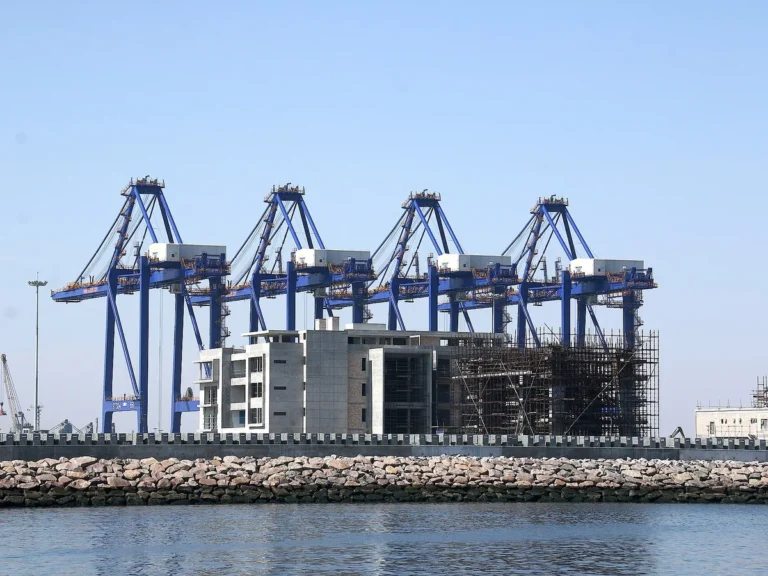
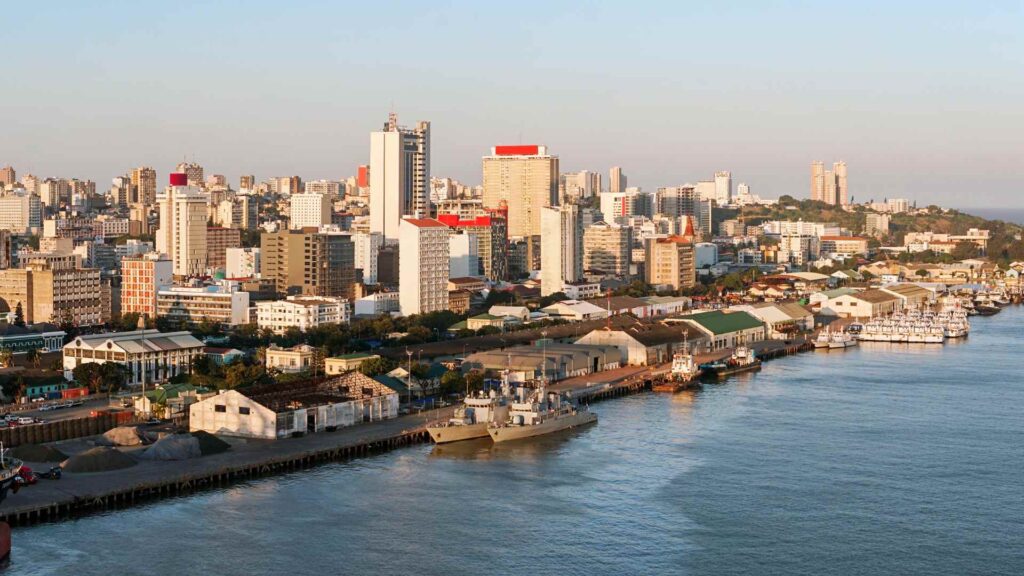
- Where you land: the Port of Maputo, run by the Maputo Port Development Company (MPDC). It is a commercial cargo port that also handles cruise calls, sitting right against the downtown Baixa district on the north shore of Maputo Bay.
- Dock or tender: Ships normally berth alongside, although the exact cargo berth and secure-area transfer are confirmed for each call.
- Into town: Central sights like the railway station and the Central Market are roughly a 15 to 20 minute walk, or a very short taxi ride.
- Currency and language: The Mozambican metical (MZN), and Portuguese as the official language.
- Time zone: Central Africa Time (CAT, UTC+2).
- How often the call is missed: Low (roughly 1 to 2%): tropical storms can make the approach unsafe.
Because Maputo is a working freight port, exact berth and gate arrangements vary by call. Confirm your specific pier and any port-gate transport with your cruise line, and check the Port of Maputo site for context.
Getting around
- On foot: the Baixa and central grid are flat and compact. This is the easy, rewarding way to see the core, and it makes Maputo a decent pick among walkable cruise ports.
- Taxis: available but not always metered. Agree a price before you get in, and have small metical notes ready.
- Organized tours: given the advisory and language barrier, a ship excursion or reputable private guide is the low-stress choice, especially for anything outside the center.
The stops I’d actually spend time on
1. Maputo Central Railway Station (Estacao Central dos CFM)
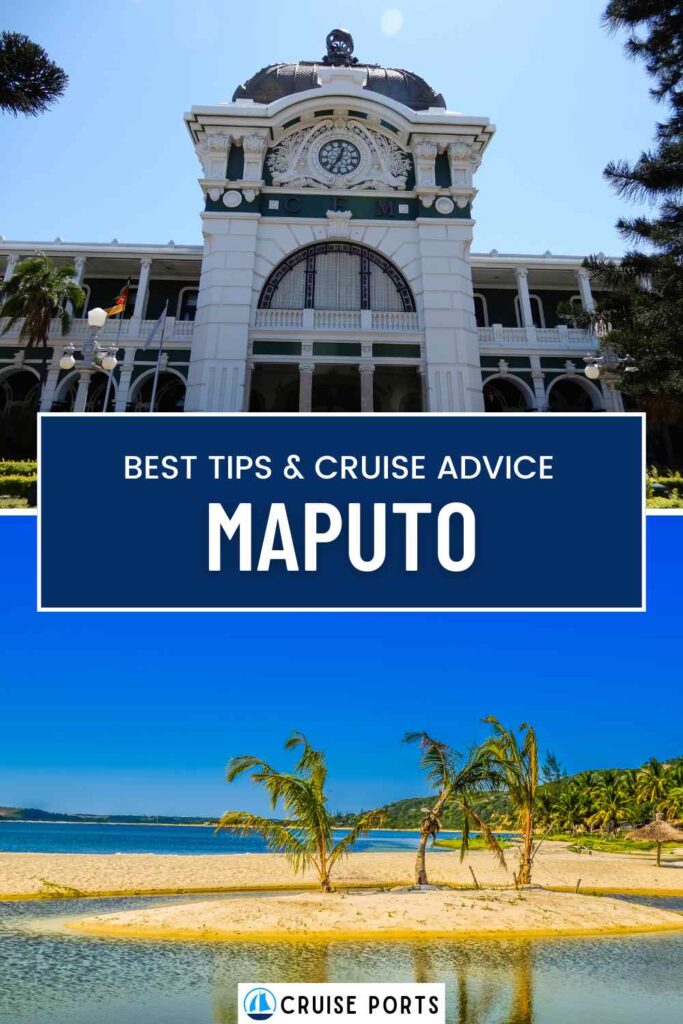
This is Maputo’s showpiece and my first stop. The green-and-cream terminus of the Mozambican railways (CFM) is regularly named among the world’s most beautiful stations.
Fun fact worth getting right: the ornate dome is often credited to Gustave Eiffel, but that attribution is a myth. The building was designed by Alfredo Augusto Lisboa de Lima and Mario Veiga and completed around 1916, with the dome executed by other engineers.
2. The Iron House (Casa de Ferro)
A prefabricated all-metal house widely attributed to Gustave Eiffel’s studio, built in the late 1800s. It famously turned into an oven in Mozambique’s heat, so nobody could live in it comfortably.
3. The Municipal Fortress (Fortaleza de Nossa Senhora da Conceicao)
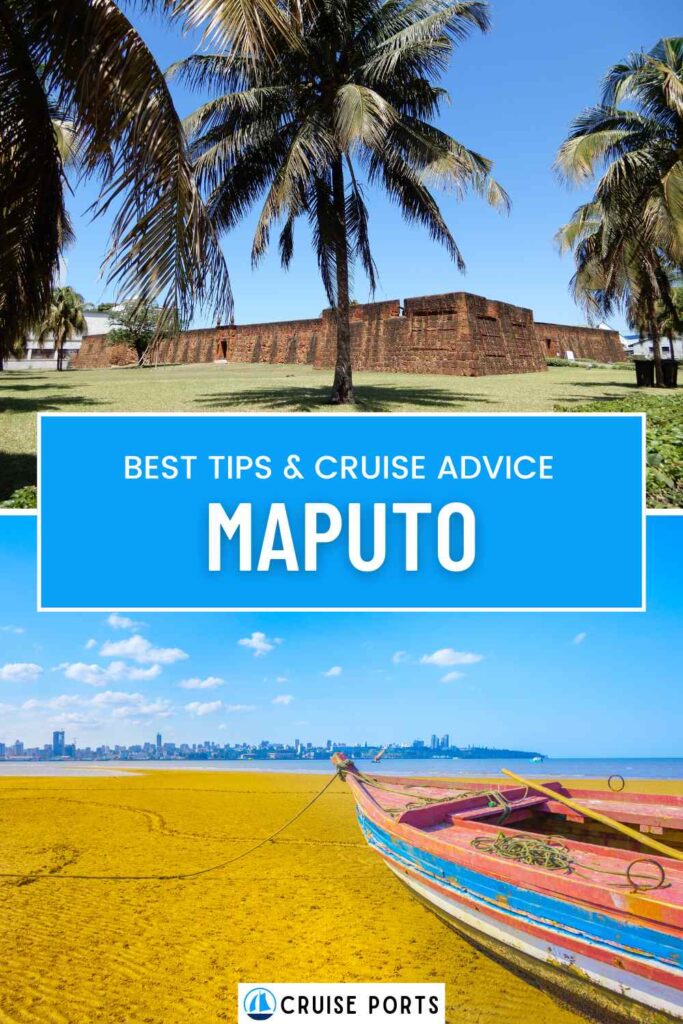
A restored red-stone Portuguese fort in the old town, with cannons, courtyards and a small museum covering the city’s colonial history.
4. Tunduru Botanical Gardens
A shaded, century-old garden in the heart of the city. It is a calm place to slow down between the harder-edged downtown sights.
5. Maputo Central Market (Mercado Central)
The city’s main covered market, a short walk from the port. Expect produce, spices, cashews and craft stalls, plus plenty of everyday street life.
6. FEIMA craft market (Feira de Artesanato)
An open-air arts and crafts fair, good for wood carvings, beadwork and paintings direct from makers. It is the tidier, more relaxed place to shop for souvenirs.
7. Nucleo de Arte
Mozambique’s oldest artists’ collective, a small, informal studio-gallery known for contemporary work and its famous “arms into art” projects. A quick, genuine cultural stop.
8. Costa do Sol
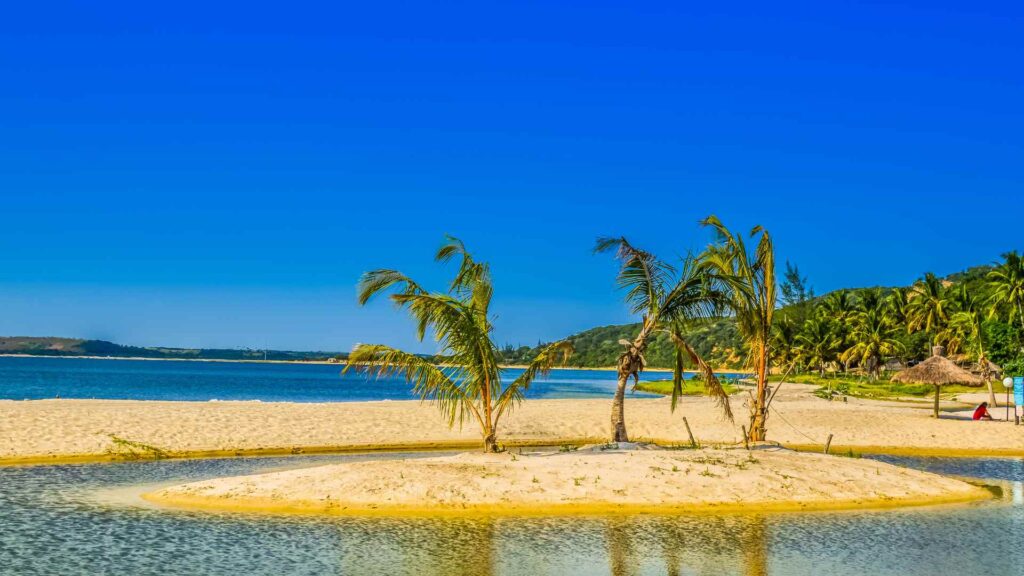
The classic beachfront strip northeast of the center, anchored by its long-running seafood restaurant. A short taxi ride if you want sand, prawns and sea air over more museums.
9. Inhaca Island (day trip)
An island across Maputo Bay known for reefs, beaches and a marine biology station. It is a full-day boat outing, so only viable on a long port day and best arranged through a tour.
10. Maputo National Park (day trip)
Formerly the Maputo Special Reserve, this reborn wilderness of elephants, wetlands and coastline was named Mozambique’s first natural UNESCO World Heritage Site. See the official Peace Parks Foundation park page; go only via an organized tour on a long call.
Heads up: some links below are affiliate links. If you book through one, I may earn a commission at no extra cost to you. It never changes which hotels or tours I recommend. Full disclosure.
How I’d plan the day
- Short call (about 3 hours): a compact downtown loop on foot, the Railway Station, Iron House, the Fortress and Central Market, then back aboard.
- Half day (about 5 hours): add Tunduru Gardens, FEIMA for crafts, and a sit-down seafood lunch.
- Full day (8 hours plus): commit to one big excursion, Inhaca Island or Maputo National Park, and build in a generous return buffer.
Whatever you pick, give yourself margin. This is a working port with real traffic, and you do not want a long day trip cutting it close to all-aboard.
Maputo can be a rewarding first African port, and it sits well alongside my first-timer cruise ports notes.
A realistic word on accessibility
Maputo’s core is flat, which helps, but sidewalks are uneven and curb cuts are inconsistent. Older buildings and markets have steps and tight spaces.
If step-free access matters, a private accessible vehicle beats trying to walk it, and confirm gangway and port-gate arrangements with your ship before the day.
When to go, and the weather
Maputo is warm year-round on Central Africa Time (UTC+2). The cooler, drier months from roughly May to September are the most comfortable for walking.
The wetter, hotter season runs November to March. Whenever you visit, carry water, sun cover and a plan for the midday heat.
Quick answers
Is Maputo safe for a cruise stop?
Use busy central areas by day, watch your belongings, favor planned transport, and check the current advisory map.
Do I need meticals, or is USD fine?
Carry some local meticals for markets and taxis, with a card as backup at larger businesses.
Can I visit a safari park on a port day?
Maputo National Park fits only a long call with a prearranged tour and a substantial return buffer.
Keep the day proportional to the call
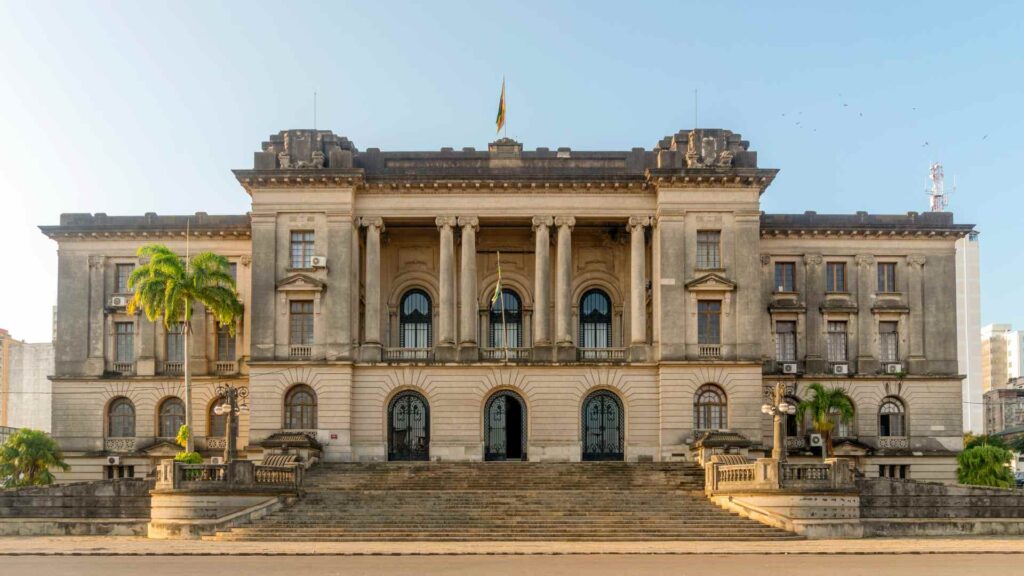
A guided Baixa loop covering the station, fortress, Iron House, and market is the best plan for a short call. Add FEIMA or Costa do Sol on a longer day, but use a driver rather than stringing together uncertain taxis.
Inhaca Island is a full boat-day commitment and Maputo National Park requires substantial road time. Book either only on a long call with a protected excursion and a published return at least 90 minutes before all-aboard.
Port exit, safety, and money
Follow the ship’s secure-port transfer instructions and meet the guide at the named gate or inside the terminal area. Keep phones and jewelry discreet, avoid demonstrations, and do not photograph port or security facilities.
Carry small metical notes but keep a card and emergency cash separate. Confirm the taxi fare, waiting time, admissions, and final port drop before leaving.
Entry, health, and accessibility
Mozambique visa exemptions and electronic-visa procedures vary by nationality and can change, so use the official immigration guidance and cruise-line instructions. Yellow-fever documentation may depend on prior travel, and malaria prevention deserves advice from a travel-health clinician.
Central streets can be uneven and crossings busy, while island boats and park vehicles are harder. Arrange a private vehicle with confirmed step-free access if mobility is limited.
How this guide was researched: Unless a first-hand visit is explicitly identified above, this guide is based on independent research using official port, tourism, transit, government, and attraction sources where available. Logistics and time-sensitive details were reviewed in September 2026; see our Editorial Policy.