Korčula Cruise Port: Tender, Old Town and Lumbarda
Korčula is a small port with a wonderfully clear promise: stone lanes, sea on both sides of a compact peninsula, and enough local wine and history to fill a day without crossing the island. The cruise challenge is simply getting the scale right.
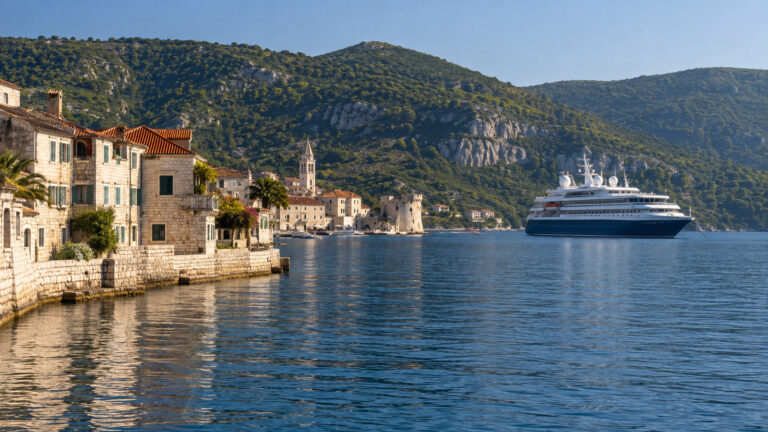
Larger ships often anchor and tender, while smaller vessels may use a berth. Once you know which version belongs to your sailing, the old town and nearby Lumbarda become easy to compare.
Tender or berth: let the ship decide
Cruise arrangements in Korčula depend on vessel size, traffic, wind, and the local operating plan. Expect a tender on many larger-ship calls, but use the daily program for the exact landing, ticket process, and final boat.
Smaller ships may come alongside, which removes the tender crossing but does not guarantee the same quay used on another date. Save the berth or landing point before you explore because Korčula has several active waterfront areas.
If tender tickets are distributed, do not promise a private driver an exact meeting based only on scheduled arrival. Clearance, boat loading, and the morning queue can consume time before your feet reach shore.
Quick facts
- Port style: Larger ships commonly anchor and tender, while some smaller vessels may berth
- Shore base: Korčula Town waterfront, with the exact landing or berth confirmed onboard
- Currency: Euro
- Language: Croatian, with English widely used in visitor settings
- Best easy day: Old Town lanes, Saint Mark’s Cathedral area, museum time, waterfront lunch, and a swim if conditions suit
- Best nearby outing: Lumbarda by checked bus, taxi, bicycle, or prearranged driver
- Main return risk: Tender queues, wind, and relying on an infrequent island bus
- Accessibility: The tender transfer and stepped old-town lanes are the decisive variables
Let the old town set the pace
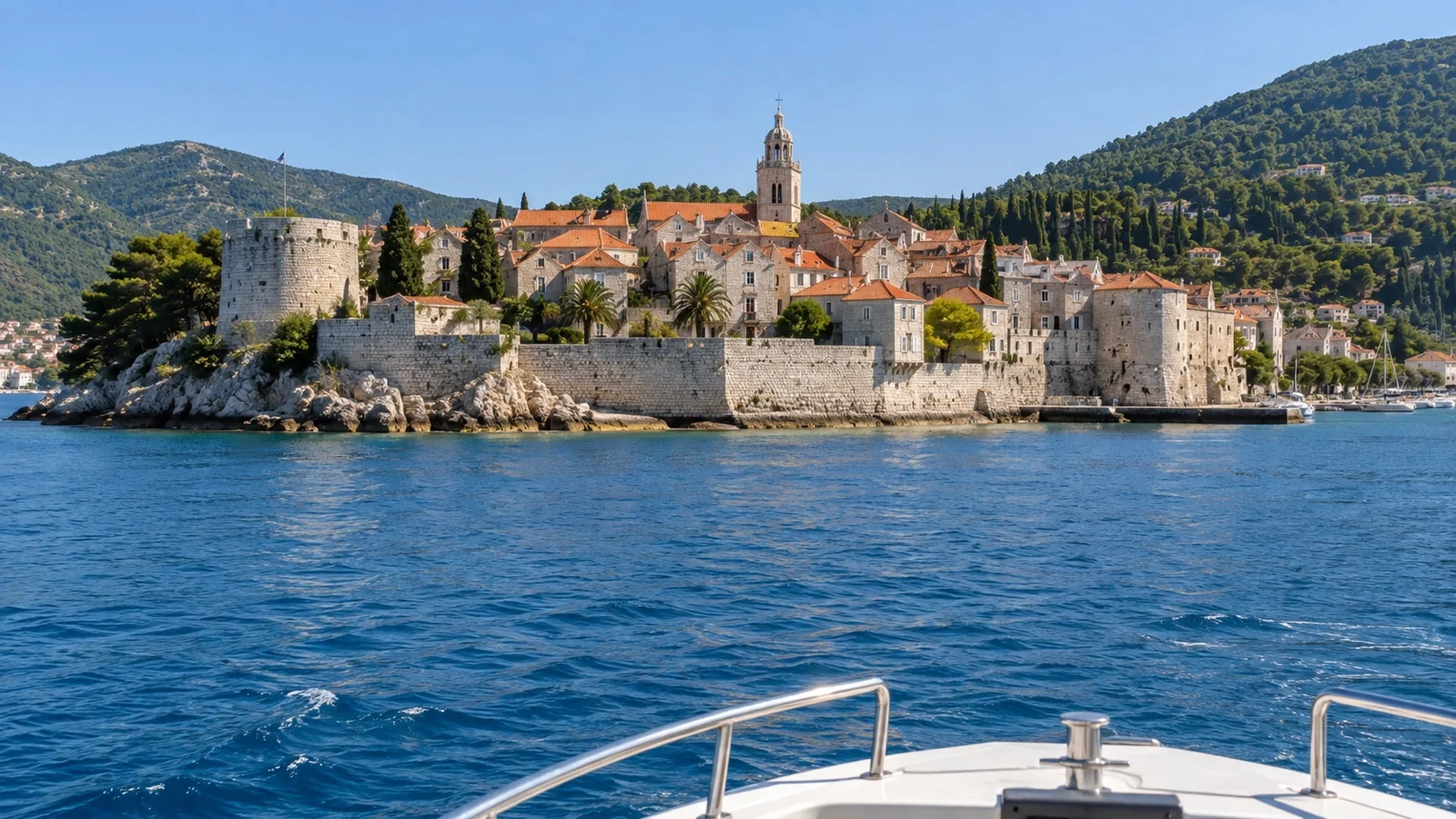
Korčula Old Town occupies a compact fortified peninsula with narrow stone streets branching from a central spine. Its scale invites wandering, but steps, polished stone, and summer crowds mean the shortest route is not always the easiest.
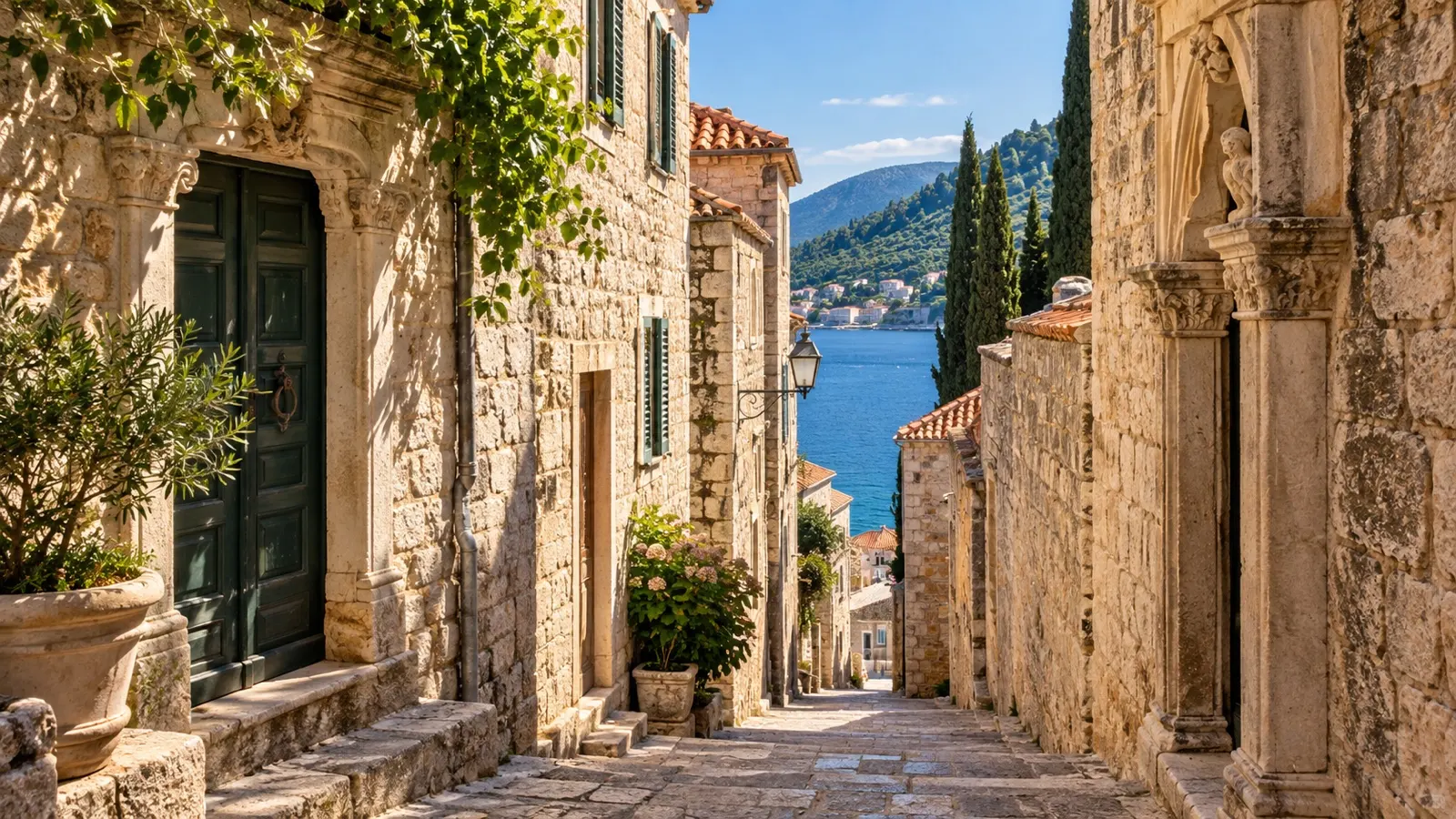
UNESCO lists the historic town on Croatia’s Tentative List, which is different from full World Heritage inscription. That distinction matters because the architecture is genuinely significant without needing an inaccurate label.
Saint Mark’s Cathedral
Saint Mark’s Cathedral anchors the old town and gives the central square its visual focus. Check current opening, dress respectfully, and remember that worship or local events can change visitor access.
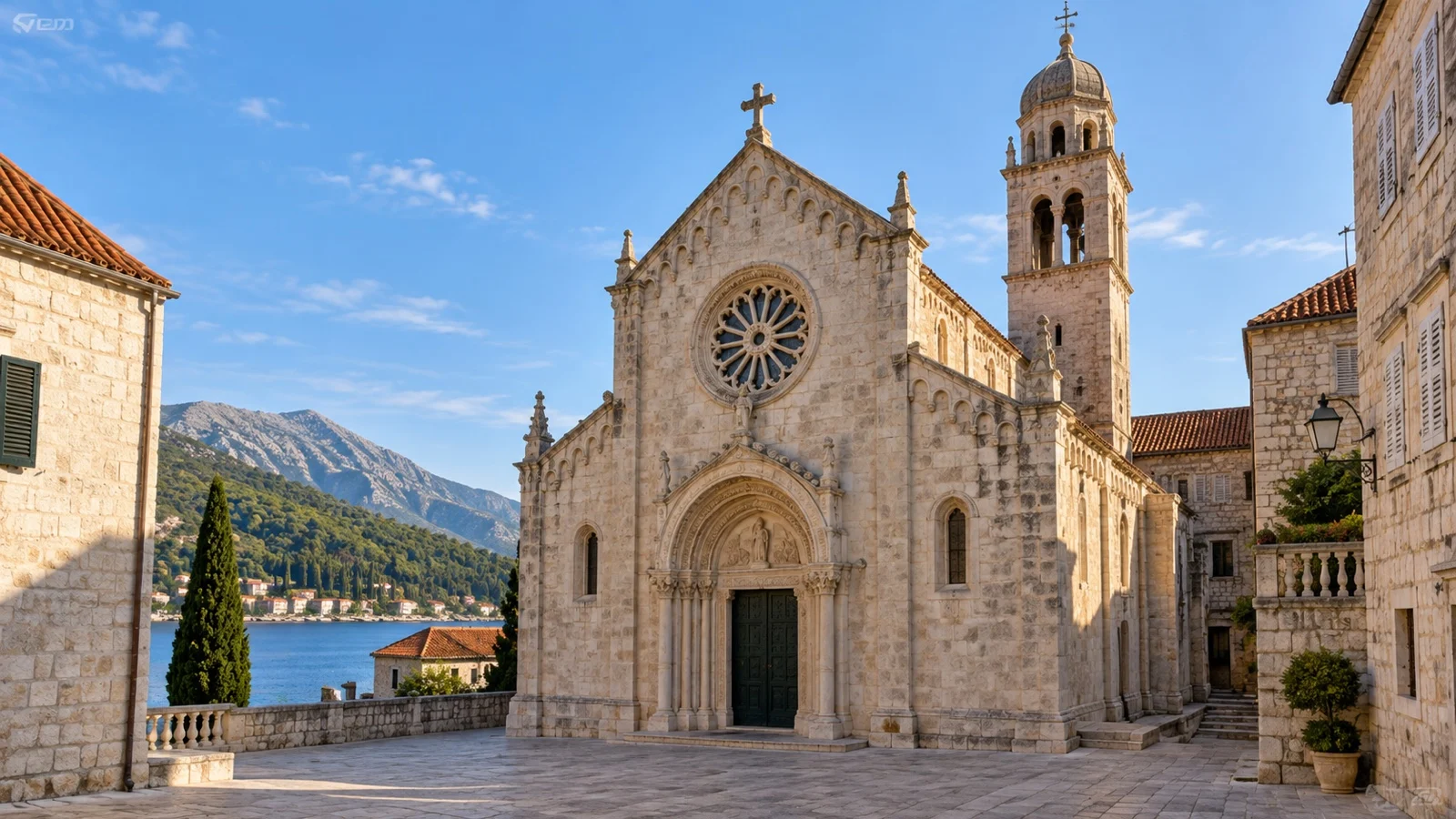
The tower and elevated viewpoints may involve narrow stairs and controlled admission. Decide whether the climb suits you before buying a ticket, especially in heat or when a tender deadline limits time.
Korčula Town Museum
The city museum offers a useful introduction to island life, trade, domestic culture, and the town’s development. Its historic building and interior access may involve stairs, so confirm hours and mobility details directly.
A museum visit adds depth to the beautiful streets. Without context, it is easy to leave with photographs of stone and very little understanding of the people who shaped it.
Marco Polo stories
Korčula celebrates a connection with Marco Polo, but claims about his exact birthplace are debated. Enjoy the interpretation and local tradition without presenting an uncertain historical claim as settled fact.
The dedicated visitor attractions and displays can still be entertaining when open. Check what is operating on your call date because projects, exhibitions, and ticket arrangements can change.
Moreška sword dance
Moreška is one of Korčula’s distinctive cultural traditions, performed on scheduled dates rather than continuously for passing ships. The official tourism calendar is the right place to check whether a performance aligns with your evening or daytime call.
If no performance fits, do not chase an unofficial promise from a street seller. Learn about the tradition through local interpretation and leave the full event for a future visit.
A day that stays within sight of the ship
A local day can be satisfying from the first coffee to the final tender. Begin before the busiest excursion groups fill the narrow lanes, visit one interior site, then slow down along the waterfront.
Morning old-town loop
Walk the central spine and choose side streets according to light and crowd flow. Keep doorways clear, lower voices in residential lanes, and step aside when deliveries or local workers need to pass.
Look up at carved details and rooflines, but check the ground often because polished stone can be slick. Comfortable shoes matter more here than an outfit planned around photographs.
Waterfront lunch
Restaurants ring the old town and offer views toward the channel and Pelješac peninsula. Reserve only if the venue’s service time and cancellation policy fit a tender day.
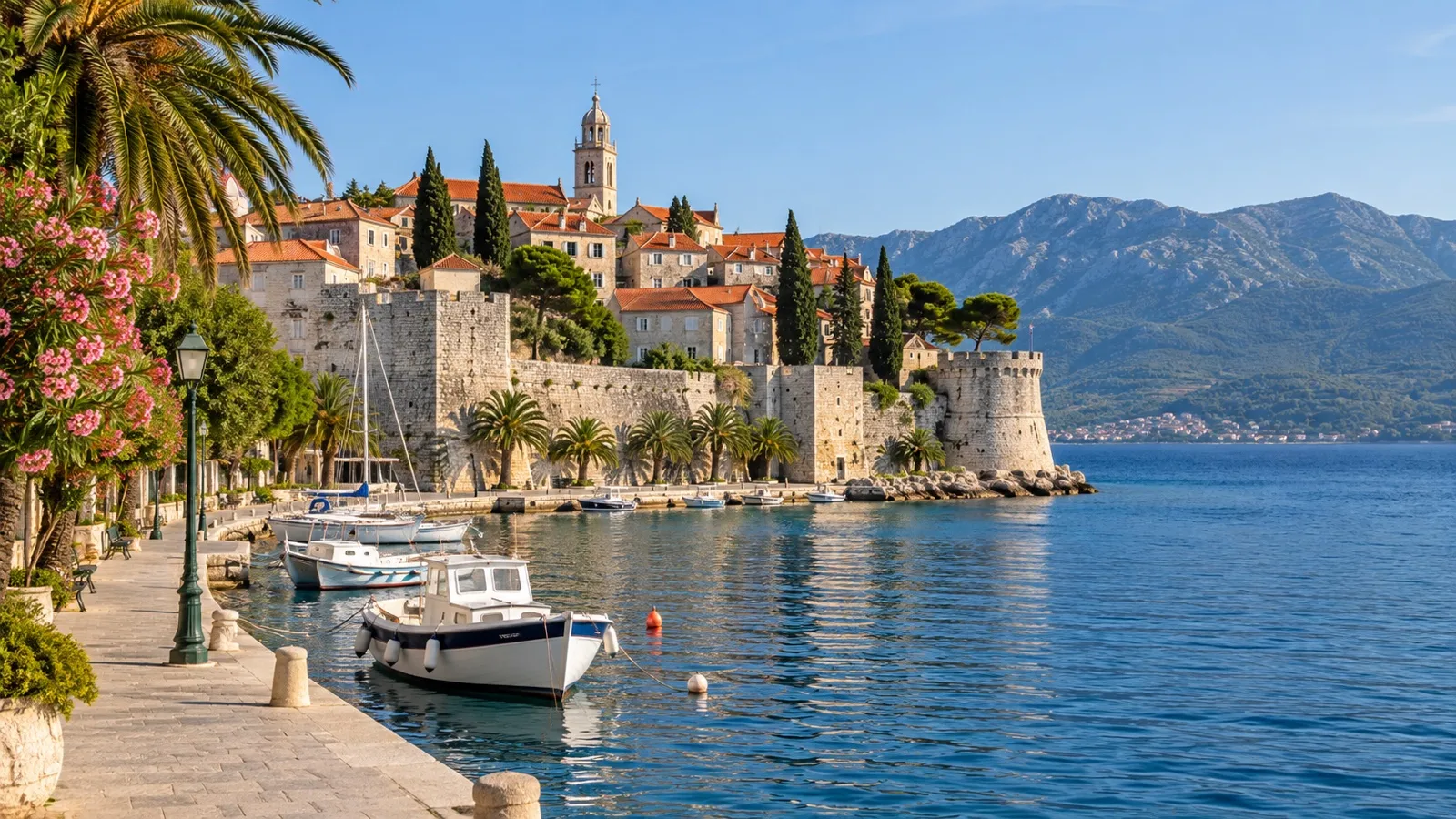
Seafood, local olive oil, and island wines can make lunch the main event. Ask about the catch, preparation, allergies, and whether tap or bottled water is being served rather than assuming.
Swimming and beaches
Small beaches and swimming spots near town can work when weather, water quality, and sea conditions are suitable. Croatia’s coast often means pebbles, stone edges, ladders, or urchins rather than a wide strip of soft sand.
Wear water shoes, protect valuables, and never swim where boat traffic or local signs make it unsafe. Leave enough time to dry, change, and return with cruise documents secure.
A slow final hour
Korčula is especially pleasant once you stop trying to complete it. Sit beside the water, taste something local, or retrace one beautiful lane instead of adding a distant stop.
That slower finish also protects the tender return. You are already close when the queue forms or the ship advances the final boat.
Lumbarda: wine, villages, and beach time
Lumbarda lies a short distance southeast of Korčula Town and offers vineyards, village landscapes, and access to beaches. It is the logical nearby escape for travelers who want something beyond the old town without committing to a cross-island drive.
Arriva’s official route information lists the road distance between Korčula and Lumbarda at about 12 kilometers and describes a journey of roughly 15 minutes in normal conditions. The useful cruise fact is the exact timetable on your date, not the average ride.
By local bus
Arriva operates service between the Korčula and Lumbarda bus stations, but frequency varies by date and season. Check both directions, identify the stops, and select a return with a realistic backup.
The Korčula bus station is near the old town, which helps, but a delayed or missed bus still threatens the tender margin. Do not make the final plausible service your primary return.
By taxi or driver
A taxi provides more control and can combine a winery, village walk, and beach. Agree on the total fare, waiting time, pickup place, and port return before departure.
Book the return instead of assuming an empty car will appear at the beach or tasting room. Give the driver the ship’s all aboard time and your earlier personal deadline.
By bicycle
Cycling can be rewarding for experienced riders who are comfortable with island roads, traffic, grades, heat, and navigation. An electric bicycle helps with effort but does not remove road-safety or battery concerns.
Ask the rental shop about helmets, locks, route conditions, emergency support, and return time. Do not drink beyond safe limits at a tasting and then ride back.
Grk and local wine
Lumbarda is closely associated with Grk, a local white grape and wine tradition. Tasting is most enjoyable when booked with a producer who confirms opening and understands your return schedule.
A tasting room visit should be one anchor, not the first of five improvised stops. Ask about food, duration, transportation, and shipping rules before assuming purchases can follow you easily.
Beaches near Lumbarda
Lumbarda is known for beach options, including sandy stretches that feel different from much of the Croatian coast. Facilities, shade, sea conditions, and seasonal opening vary, so confirm the specific beach rather than traveling on the village name alone.
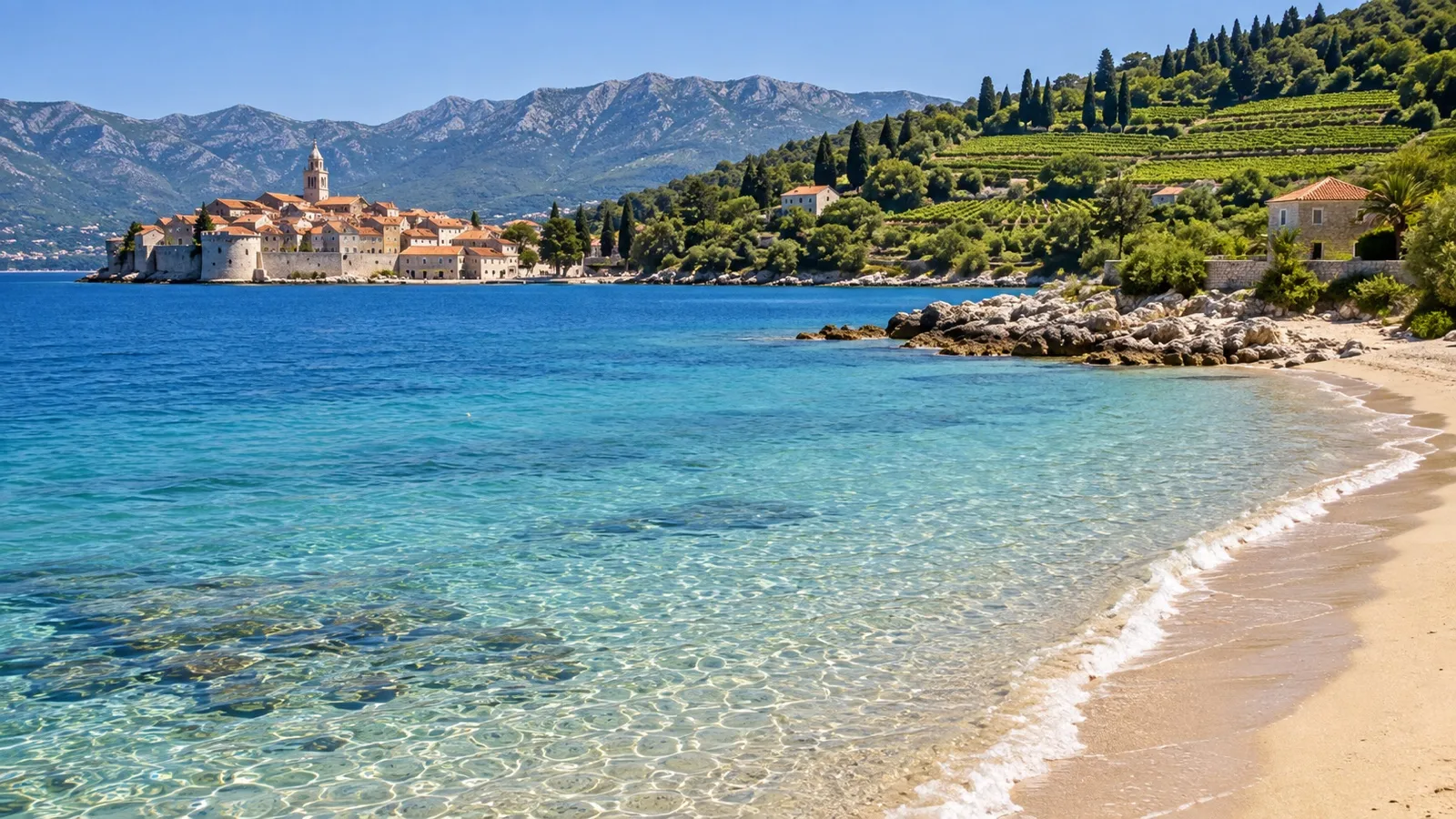
Combine one beach with lunch or one tasting, not both plus a long coastal ride. The closer the day comes to departure, the less time should depend on a changing bus or taxi.
How far should you roam?
Korčula Island is long enough that westward destinations such as Vela Luka are not sensible casual additions to a short port call. Road time can absorb the day, and traffic or a slow stop can erase the return buffer.
A ship excursion may offer a broader island circuit with coordinated transport. Independent travelers usually get more from Korčula Town, Lumbarda, or a compact nearby village plan.
Žrnovo and nearby countryside
Žrnovo can add stone villages, countryside, and another view of island life without crossing all of Korčula. Use a driver or a route confirmed for the day, then keep the number of stops modest.
A short inland visit pairs well with the old town if transport is arranged in advance. It should remain optional when tendering begins late.
Orebić across the channel
Orebić on the Pelješac peninsula is visible across the water and linked by local marine services, but public ferries are separate from cruise tenders. Never board based only on the direction of travel.
Check operator, port, timetable, ticket, and return before considering the crossing. A canceled or shifted public boat can create a much harder recovery than a delayed taxi in Lumbarda.
Accessibility starts at the water
For many passengers, the cruise tender is the largest barrier. Steps, movement between vessels, narrow boarding points, and crew safety procedures can determine whether a transfer is permitted in the day’s conditions.
Ask the cruise line before sailing and the onboard team again after the local plan is known. Crew members make the operational decision, and a calm-looking harbor from your balcony is not the final assessment.
Korčula Old Town includes steps, slopes, narrow lanes, and polished stone. A waterfront circuit may be more manageable than the interior grid, while an appropriate taxi can reduce distance to selected accessible points.
Contact museums, cathedral facilities, wineries, and tour providers directly about steps, restrooms, seating, and vehicle access. A historic center can offer meaningful experiences without every building being fully step free.
Lumbarda may be easier with a private vehicle than a fixed bus if mobility equipment is involved. Confirm vehicle storage, curb access, beach surfaces, and the distance from drop-off to the actual venue.
Sun, wind, and shoulder-season changes
Korčula’s Adriatic setting means sun and heat can be intense in summer, while wind can affect tendering and local boats. Bring water, sun protection, and footwear that grips on stone.
In spring and fall, cooler air and rain can arrive even when the island photographs suggest endless summer. A light waterproof layer keeps a city walk enjoyable and takes little room.
Wind direction can make one side of the peninsula feel comfortable and the other exposed. Follow local warnings and ship announcements rather than assuming every beach or boat route remains open.
Money, entry, and island respect
Croatia uses the euro and is part of the Schengen Area, but border and document procedures depend on the ship’s itinerary and your nationality. Follow the cruise line and official government guidance for passports, visas, and landing documents.
Cards are widely useful, while cash can help with small purchases or a local operator. Carry a backup payment method because a phone wallet or single card can fail.
Korčula’s lanes are lived-in spaces as well as visitor attractions. Keep noise down, do not block homes, avoid sitting on private steps, and follow waste and smoking rules.
Water is precious on islands, and summer crowds strain local systems. Refill responsibly, reduce disposable waste, and choose marked paths rather than cutting through vineyards or private land.
Return without drama
Begin with the ship’s final tender or all aboard time, then set an earlier personal deadline. Your margin should grow when you add a bus, taxi pickup, public ferry, bicycle ride, or beach stop.
For Korčula Town, be near the correct landing before the cutoff and allow for a queue. For Lumbarda, choose a return that gives you another transport option if the first one fails.
Do not confuse a public ferry terminal, marina, or excursion pier with the cruise tender landing. Save a phone photo of the correct point and any posted instructions as soon as you arrive.
Carry your cruise card, required identification, ship contact information, and enough funds for alternate transport. If a delay develops, contact the operator or port agent early instead of hoping the next connection restores the schedule.
Four port-day plans
Old Town only
Take an early tender if practical, visit Saint Mark’s Cathedral area and the town museum, then explore the lanes before lunch. Finish with the waterfront, a swim, or coffee close to the landing.
This is the most resilient plan and the best introduction for first-time visitors. It also works beautifully when wind makes longer boat activity uncertain.
Old Town and Lumbarda
Spend the morning in the historic center, then use a checked bus or reserved taxi to Lumbarda for one winery or beach. Return early enough to allow another ride if the first plan fails.
Do not add multiple tastings and a second beach. One well-chosen stop preserves both pleasure and punctuality.
Active day
Rent a bicycle from a reputable operator and follow a route matched to fitness, weather, and traffic comfort. Visit one Lumbarda producer or beach, then return before heat and tender queues become the final challenge.
Carry water, wear a helmet, and set a turnaround alarm. The outbound ride is not a reliable estimate if wind changes for the return.
Culture and performance
Build the day around museums, sacred heritage, and a scheduled Moreška performance only if the official calendar aligns with the call. Reserve timed attractions and leave the surrounding hours flexible.
If the performance is later than your final tender, it is not available to you on this visit. Enjoying the tradition responsibly includes respecting its actual schedule.
Frequently asked questions
Do cruise ships dock in Korčula?
Some smaller ships may berth, while larger vessels commonly anchor and use tenders. The exact arrangement comes from the daily program and can change with operations or weather.
Where do tenders land?
They normally bring passengers to the Korčula Town waterfront, but the precise landing is sailing specific. Identify and photograph the return point before exploring.
Is the old town walkable?
It is compact and walkable for many visitors, though steps, grades, polished stone, and crowds matter. A waterfront route can reduce barriers for travelers who do not want the steepest lanes.
Can I visit Lumbarda independently?
Yes, by current bus service, taxi, bicycle, or prearranged driver. Protect the return with a backup and do not rely on the final possible bus.
Is Korčula a UNESCO World Heritage Site?
The historic town is on Croatia’s UNESCO Tentative List, not inscribed on the World Heritage List. Its heritage value is real, but the status should be described accurately.
Is Korčula Town enough for a full call?
Yes, especially if you enjoy architecture, maritime atmosphere, museums, food, local wine, and a slower pace. Staying near the landing also gives you the best buffer on a tender day.
Can I take the public ferry to Orebić?
Possibly, if the current timetable fits, but public ferries are separate from cruise tenders. Verify both terminals and a safe return before boarding.
Sources and update note
This guide was checked against the Korčula Tourist Board, the City of Korčula, the UNESCO Tentative List entry, Arriva Croatia’s Korčula to Lumbarda route information, and current ship operating guidance. Tender points, bus times, museum hours, performance dates, winery access, and marine conditions can change, so verify them for your call.
Korčula is most generous when you allow the old town, the channel, and one nearby island experience to be enough. Confirm the landing, protect the tender return, and the day can feel rich without ever becoming rushed.