Otaru Cruise Port Guide: Canal, Sushi & Sapporo
Otaru is a compact Hokkaido port for canals, glass workshops, music boxes, and sushi, while Sapporo is a realistic but separate rail day. The correct choice depends on the berth and how much of the call you want to spend in transit.
My quick take on Otaru
Otaru rewards slow wandering more than a packed excursion schedule. The historic core is compact enough to do on foot.
If it is your first port in Japan, this is a gentle, rewarding introduction. For more of the country, see my Japan cruise ports hub and my nearby Hakodate guide.
The quick facts
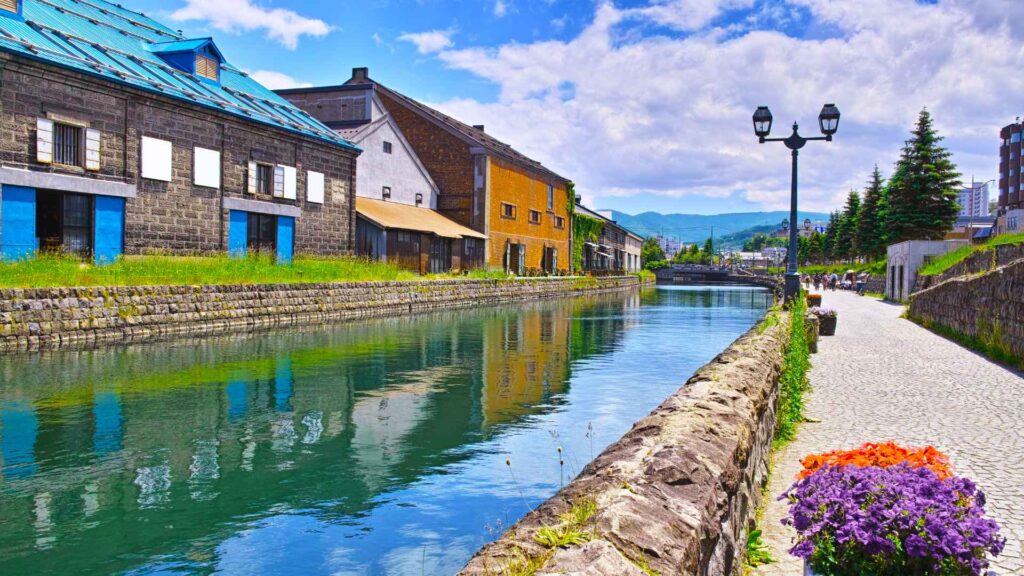
- Where you land: per Japan’s official cruise port guide, ships use Wharf No. 3 (berths 16 and 17), right beside the historic core, or Katsunai Wharf (berths 2 and 3) further along the bay. Ship-size limits and berth assignments are operational, so use the current port and cruise-line notice.
- Dock or tender: Both named wharves are alongside berths, although the public exit and any shuttle vary by assignment.
- Into town: From Wharf No. 3 the canal, glass ateliers, and shops are within walking range, and JR Otaru Station is about a 15 minute walk.
- Currency and language: Japanese yen (JPY) and Japanese. Carry some cash, as small shops and sushi counters may not take cards.
- Time zone: Japan Standard Time (JST, UTC+9).
- How often the call is missed: Low (roughly 1 to 2%): dense fog or tropical storms can disrupt pilotage.
How I’d confirm my own berth
Because Otaru uses two different wharves, the walk into town varies with where your ship ties up.
Check your ship’s daily program for the exact berth, and whether the line runs a complimentary or paid shuttle. If a shuttle is offered, it usually drops near the canal or station.
Getting around
Honestly, walking is the move here. The canal, Sakaimachi Street, and the sushi district all sit within a compact, flat historic core.
- On foot: most of what you came for is a 15 to 25 minute stroll from the wharf.
- Train to Sapporo: JR Hokkaido runs frequent trains on the line between Sapporo and Otaru, a quick and scenic coastal ride that makes a half-day city trip realistic.
- Taxis: available near the station and port for shorter hops or if you are tight on time.
The stops I’d actually spend time on
These are the named, verifiable places I would build a day around, all within the walkable core or a short train ride.
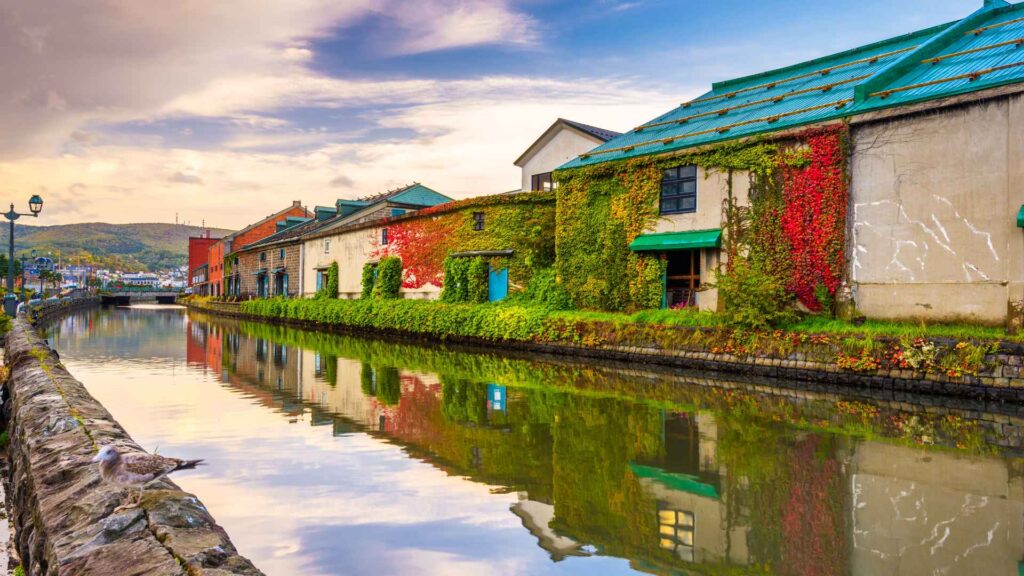
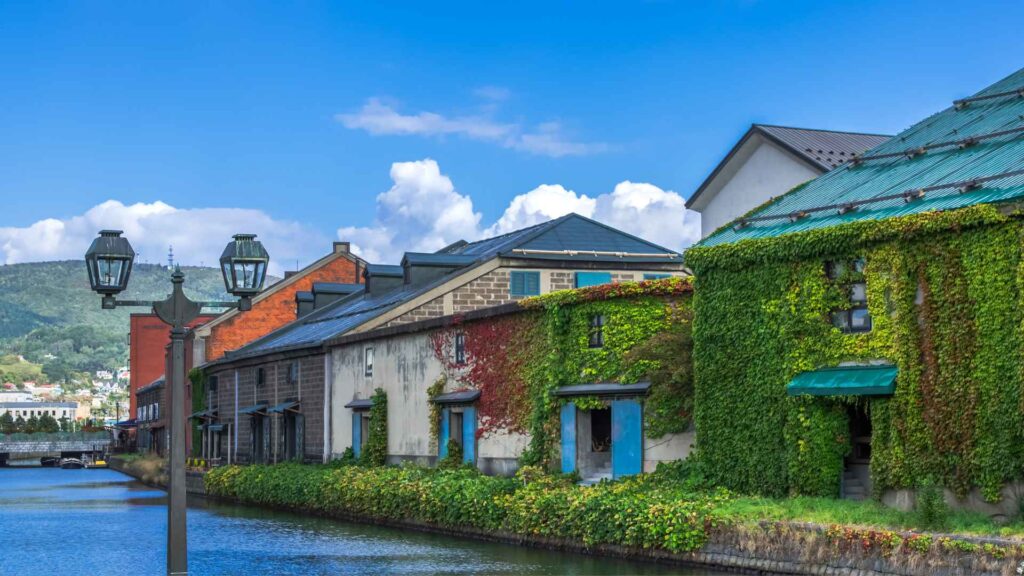
- Otaru Canal: the city’s icon, completed in 1923 and lined with converted stone warehouses. Fun fact: 63 gas lamps light the promenade at dusk, which is why the canal glows in every photo.
- Sakaimachi Street: the historic merchant district, now a run of glassworks, music-box shops, and confectioners in restored storefronts.
- Otaru Music Box Museum: set in a 1912 landmark building. Fun fact: the steam clock out front whistles a five-note tune every 15 minutes.
- Kitaichi Glass: the anchor of Otaru’s glassmaking scene, with shops and lamp-lit displays you can browse for free.
- Bank of Japan Otaru Museum: a grand former bank branch. It anchors the stretch of stone financial buildings from the herring-boom era once nicknamed the “Wall Street of the North.”
- Sushiya-dori (Sushi Street): Otaru is famous for sushi, and this lane near the canal packs in counters serving Hokkaido crab, scallop, salmon roe, and sea urchin.
- Otaru City General Museum: good for the port’s herring-trade and railway history if the weather turns.
- Mount Tengu (Tenguyama): a ropeway climbs to a lookout over the city, harbor, and the Sea of Japan.
- Nikka Whisky Yoichi Distillery: one stop past Otaru by train, this historic distillery offers tours and tastings for whisky fans.
Want a bigger city? Sapporo’s Odori Park and Sapporo Beer Museum are an easy train trip and make a satisfying half day.
How I’d plan the day
Otaru is forgiving, but Japanese cruise lines are strict on all-aboard times. Build in a buffer and you cannot go wrong.
- 3 hours: walk the canal, browse Sakaimachi Street and Kitaichi Glass, and grab a sushi lunch. Back aboard with time to spare.
- 5 hours: add the Music Box Museum and the Bank of Japan Otaru Museum, then a slow loop back along the water.
- 8 hours: ride the train to Sapporo or Yoichi, then return to Otaru with at least 90 minutes before all-aboard.
A realistic word on accessibility
The canal promenade and Sakaimachi are largely flat, but some surfaces are cobbled or uneven, and older shops may have steps.
Gangway steepness shifts with the tide and berth, so confirm arrangements with your cruise line if steps or slopes are a concern. If step-free ports matter to you, my walkable cruise ports roundup is a useful companion read.
When to go, and the weather
Most cruises call in the milder months, roughly late spring through autumn, when walking the canal is at its best.
Hokkaido winters are cold and snowy, and February brings the Otaru Snow Light Path Festival, though that falls outside the typical cruise season. Pack layers whenever you sail.
Quick answers
Can I walk into town from the ship?
Yes. The downtown district and canal are within walking range of the wharf, and JR Otaru Station is about 15 minutes on foot.
Is Otaru a good base for Sapporo?
It is. Frequent JR trains connect the two cities along the coast, so a half-day in Sapporo is easy if you watch your all-aboard time.
What should I eat here?
Sushi and fresh seafood. Otaru’s Sushi Street and canal-side counters are known for Hokkaido crab, scallops, and sea urchin.
New to Japan? My first-timer cruise ports guide helps you plan.
Choose Otaru or Sapporo
Stay in Otaru for a low-stress first visit, especially on a call under six hours. Choose Sapporo for a specific museum, market, or seasonal event, accepting roughly 35 to 50 minutes on the train each way plus station transfers.
Do not try to add Sapporo, Yoichi, and the Otaru canal in one ordinary call. Nikka’s Yoichi distillery may require advance reservations and sits in the opposite direction from Sapporo.
Berth-to-rail chain
Wharf Number 3 is closer to the canal and station, while Katsunai can add a shuttle or taxi. Confirm the berth, public exit, shuttle fare, and last pickup in the ship notice.
For Sapporo, choose the return train before departing and aim to reach Otaru 90 minutes before all-aboard. Rail disruption from weather is uncommon but more consequential when the ship cannot wait.
Weather, food, and accessibility
okkaido weather changes quickly, and canal paving can be slick in rain, snow, or ice. Pack layers and use traction-friendly shoes outside summer.
Small sushi counters may have steps, limited seating, or cash-only payment, so choose a larger restaurant if access or dietary communication matters. The main canal promenade is manageable, while station and wharf distances may justify a taxi.


How this guide was researched: Unless a first-hand visit is explicitly identified above, this guide is based on independent research using official port, tourism, transit, government, and attraction sources where available. Logistics and time-sensitive details were reviewed in September 2026; see our Editorial Policy.