United States Cruise Ports: A Planner’s Guide to Every Coast
A United States cruise can begin beside Miami’s palms, Seattle’s skyline, Manhattan’s towers, or an Alaska rail line, and those trips have almost nothing in common once the ship leaves. The useful way to choose is by region, season, and the kind of port day you actually enjoy.
This guide links every United States destination guide currently on CruisePorts and explains the decision each one helps you make. I would start with the route, then check terminal geography, flight risk, docking or tendering, and how much transportation the day requires.
Quick Facts
- Best first-time embarkation region: Florida for the widest choice of Caribbean sailings
- Best urban sailaway: New York, San Francisco, or Seattle
- Best wildlife region: Alaska, where weather and excursion capacity shape the day
- Best island itinerary: Hawaii for volcanic landscapes and longer inter-island planning
- Best fall route: New England for coastal towns and seasonal color
- Most important port-day rule: Confirm the terminal, local time, and all-aboard time in the cruise line’s current information
- Document advice: The United States Department of State recommends a passport book for cruise passengers, even when a different document may technically qualify
- Accessibility advice: Confirm the full route from terminal to vehicle to attraction, not only the destination’s general label
Florida, the Gulf Coast, and the Southeast
This is the country’s biggest concentration of warm-weather home ports, but the terminals range from downtown-adjacent to genuinely remote from the attraction named on the brochure. Arrive at least one night early and choose a hotel around the actual terminal, not the airport name alone.
Fort Lauderdale
Port Everglades is one of the easiest major cruise gateways to combine with a nearby airport, beaches, and a pre-cruise hotel. The terminal number still matters, so use the cruise line’s final documents rather than assuming every ship uses the same entrance.
Miami
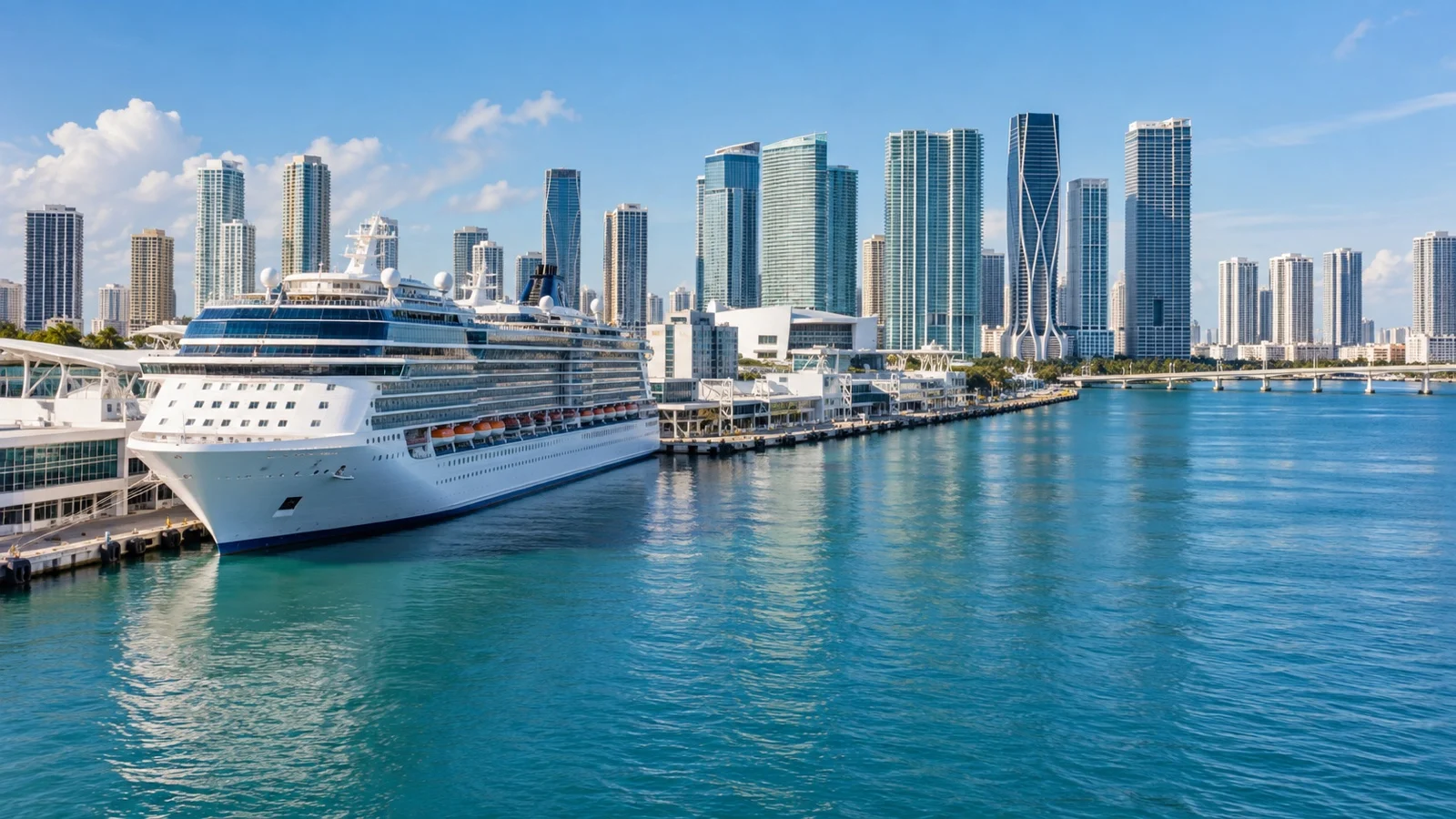
PortMiami delivers the classic megaship sailaway with downtown and Biscayne Bay as the backdrop. Stay in downtown or Brickell for city time, but reserve a vehicle to the assigned terminal because the port complex is not a pleasant luggage walk.
Port Canaveral
Port Canaveral is the practical gateway for Orlando-area vacations and Space Coast attractions, though Orlando itself is well inland. Build the airport, hotel, theme park, and terminal transfers as separate legs instead of calling everything a short Orlando ride.
Tampa
Tampa combines a downtown waterfront with easy pre-cruise dining and attractions, making it friendlier than many sprawling home ports. Ship size and bridge clearance influence the itineraries available, so choose Tampa for the route as much as the city.
Jacksonville
Jacksonville’s cruise terminal sits away from the city’s beach and downtown hotel clusters. It can be a straightforward regional embarkation point, but a car or prearranged ride is part of the plan rather than an optional convenience.
Key West
Key West is a compact destination call where the berth determines how quickly you reach Old Town. Keep the day simple with walking, a trolley, or one focused attraction, and remember that heat and sudden rain can slow the return.
New Orleans
New Orleans turns embarkation into part of the vacation, with music, food, and historic neighborhoods available before the ship leaves. The river journey adds distinctive scenery, while airport and cruise traffic justify arriving early rather than flying in on sailing day.
Galveston
Galveston offers a beach-town overnight and a growing range of Caribbean departures. Houston airports are a substantial transfer away, so price the full ground journey before deciding that a cheaper flight creates a cheaper cruise.
Charleston
Charleston pairs a walkable historic core with a port story that can shift as cruise operations and policies evolve. Check the live sailing and terminal information before booking a nonrefundable hotel around an assumed location.
Norfolk
Norfolk’s downtown waterfront makes it one of the more approachable Mid-Atlantic gateways. Maritime attractions fit naturally around an embarkation stay, while flight options may require more planning than at the biggest Florida ports.
New York, New England, and the Mid-Atlantic
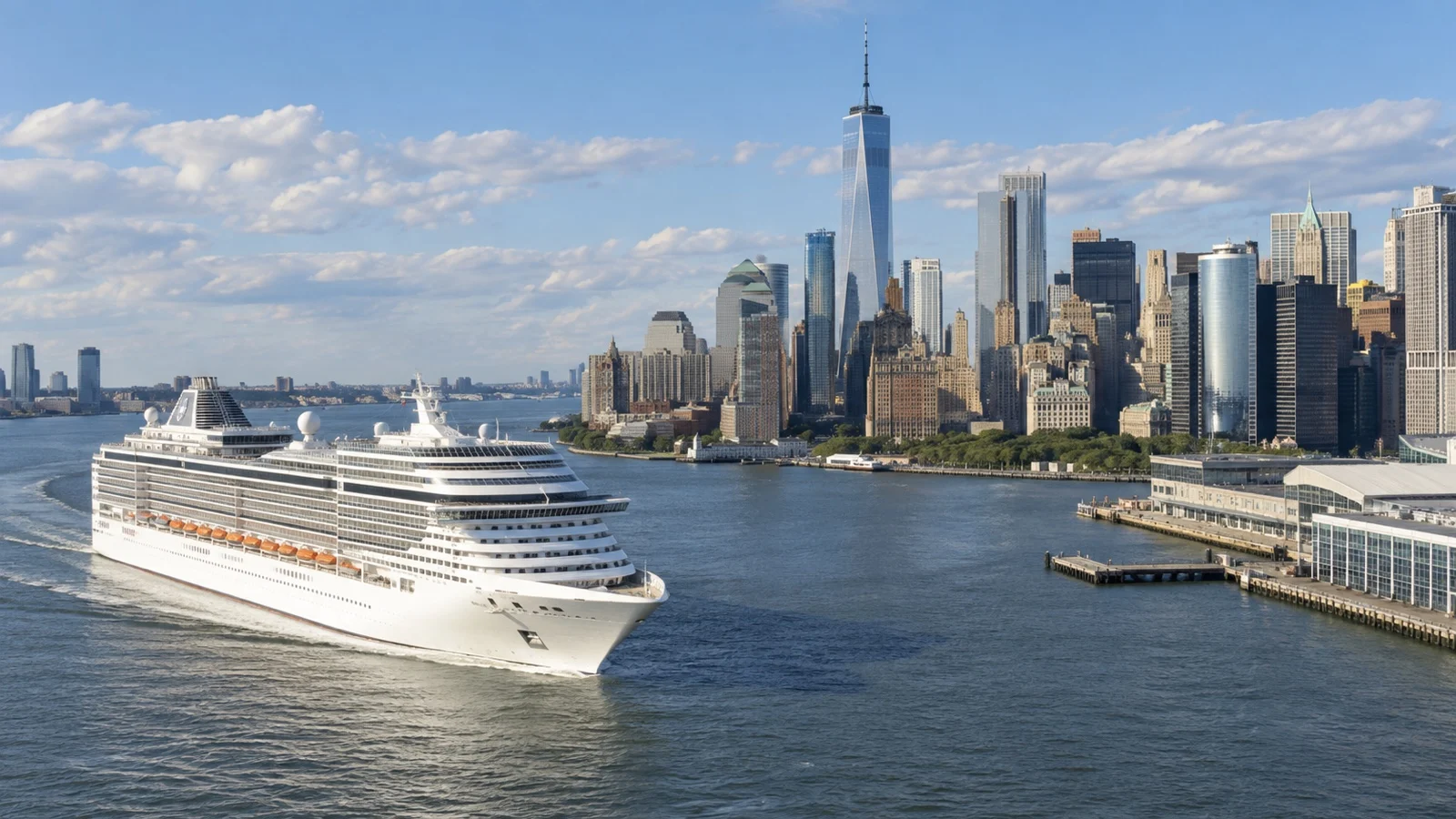
Northeast itineraries mix major home ports with smaller seasonal calls, many of which use tenders. Fall color is never guaranteed on a particular date, and fog or sea conditions can change the most delicate harbor plans.
Cape Liberty
Cape Liberty is in Bayonne, New Jersey, not beside Manhattan’s main attractions. It offers dramatic harbor views and regional access, but the final hotel choice should account for the airport, traffic, and whether you want New York sightseeing before the cruise.
New York
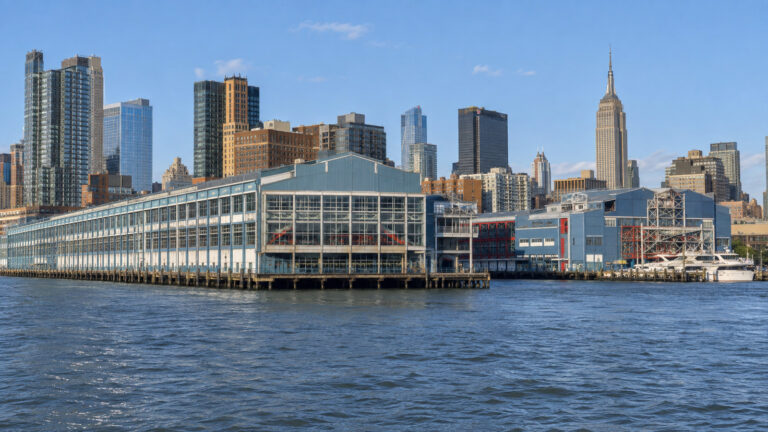
New York may mean Manhattan, Brooklyn, or a wider harbor-area terminal, and those locations are not interchangeable. Match the ship to the terminal first, then choose a hotel and airport that reduce cross-city travel.
Boston
Boston is both a seasonal home port and a rewarding destination call for history, neighborhoods, and waterfront time. The city is compact by American standards, but airport, tunnel, and event traffic still deserve a real buffer.
Baltimore
Baltimore is a convenient drive-to option for much of the Mid-Atlantic and can pair with an Inner Harbor stay. The cruise terminal and tourist core are close enough for easy planning, but they are not one seamless pedestrian zone with luggage.
Bar Harbor
Bar Harbor is a tender port and a gateway to Acadia National Park, which makes weather and transportation capacity central to the day. Reserve scarce park access or tours early, but keep a walkable town plan ready if conditions change.
Portland, Maine
Portland offers food, working-waterfront character, and an easy independent day when the berth is central. Lighthouse plans require transportation, so compare the travel time with what you could enjoy on foot near the Old Port.
Newport, Rhode Island
Newport usually means a tender arrival into a compact harbor city known for mansions and coastal scenery. Pick one main experience and leave time for the tender queue, especially when several ships or events share the waterfront.
Martha’s Vineyard
Martha’s Vineyard rewards a slower port day built around one town, beaches, or an island tour. Tendering and limited island transportation punish overpacked plans, so keep the return margin generous.
Provincetown
Provincetown combines Cape Cod character, galleries, food, and beaches in a compact destination. Sea conditions can affect small-boat operations, so the best plan stays enjoyable even if an outer activity is canceled.
Rockland, Maine
Rockland is a smaller Maine call with art, maritime atmosphere, and a gentler pace than a major city. Treat any tender schedule as weather-sensitive and avoid committing the entire day to a distant connection.
Pacific Coast ports
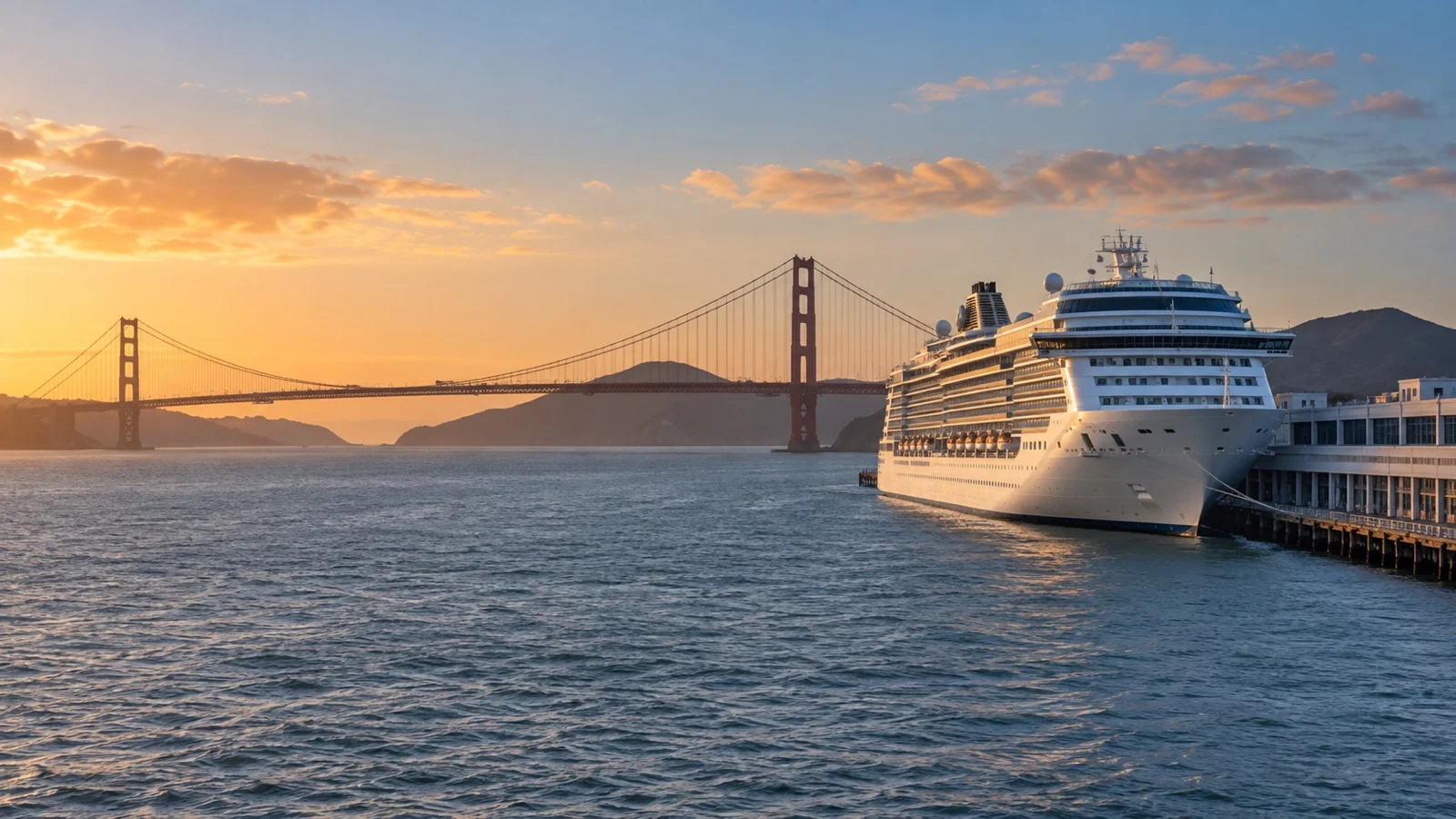
Pacific home ports serve Alaska, Mexico, Hawaii, coastal, and repositioning itineraries. City size and terminal location vary enormously, so compare the real transfer rather than the metro-area name.
Seattle
Seattle is the country’s most convenient large gateway for round-trip Alaska cruises, with major air service and city attractions worth an extra night. Pier 66 and Pier 91 create different hotel and transport choices, so identify the terminal before booking.
Los Angeles
Los Angeles cruises commonly use San Pedro, while some regional sailings use Long Beach, and neither is close to every famous city attraction. Stay near the terminal for an easy morning or add several nights in another neighborhood and transfer once.
San Francisco
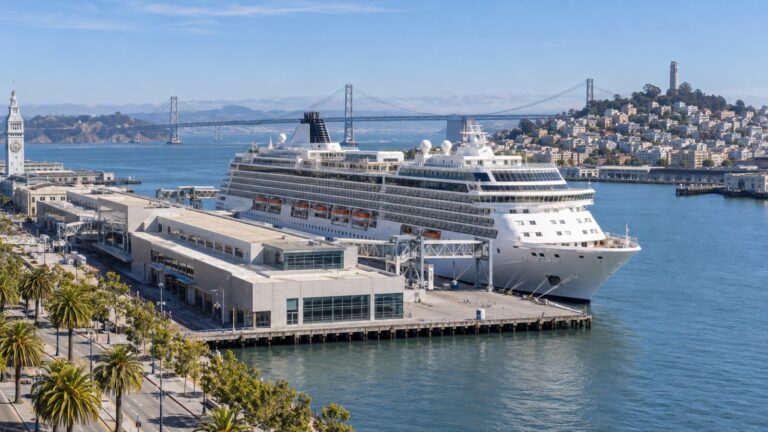
San Francisco offers one of America’s great sailaways and a terminal near a genuinely interesting waterfront. Hills, traffic, fog, and luggage complicate short mapped distances, so choose transport around the real route rather than optimism.
San Diego
San Diego’s cruise terminal is unusually convenient to downtown, the airport, and waterfront attractions. That compact geography makes it an excellent first embarkation city, though border and Mexico itinerary documents still deserve careful checking.
Astoria
Astoria is a Columbia River call with maritime history, viewpoints, and a small-city pace. Coastal weather and transportation to farther scenery can consume the day, so decide whether the town itself is enough before reserving a long excursion.
Avalon, Catalina Island
Avalon is a tender port where the waterfront town is easy to enjoy independently. Island tours, golf carts, and water activities can sell out, but a simple walking day remains a strong backup when sea conditions alter the schedule.
Hawaii cruise ports
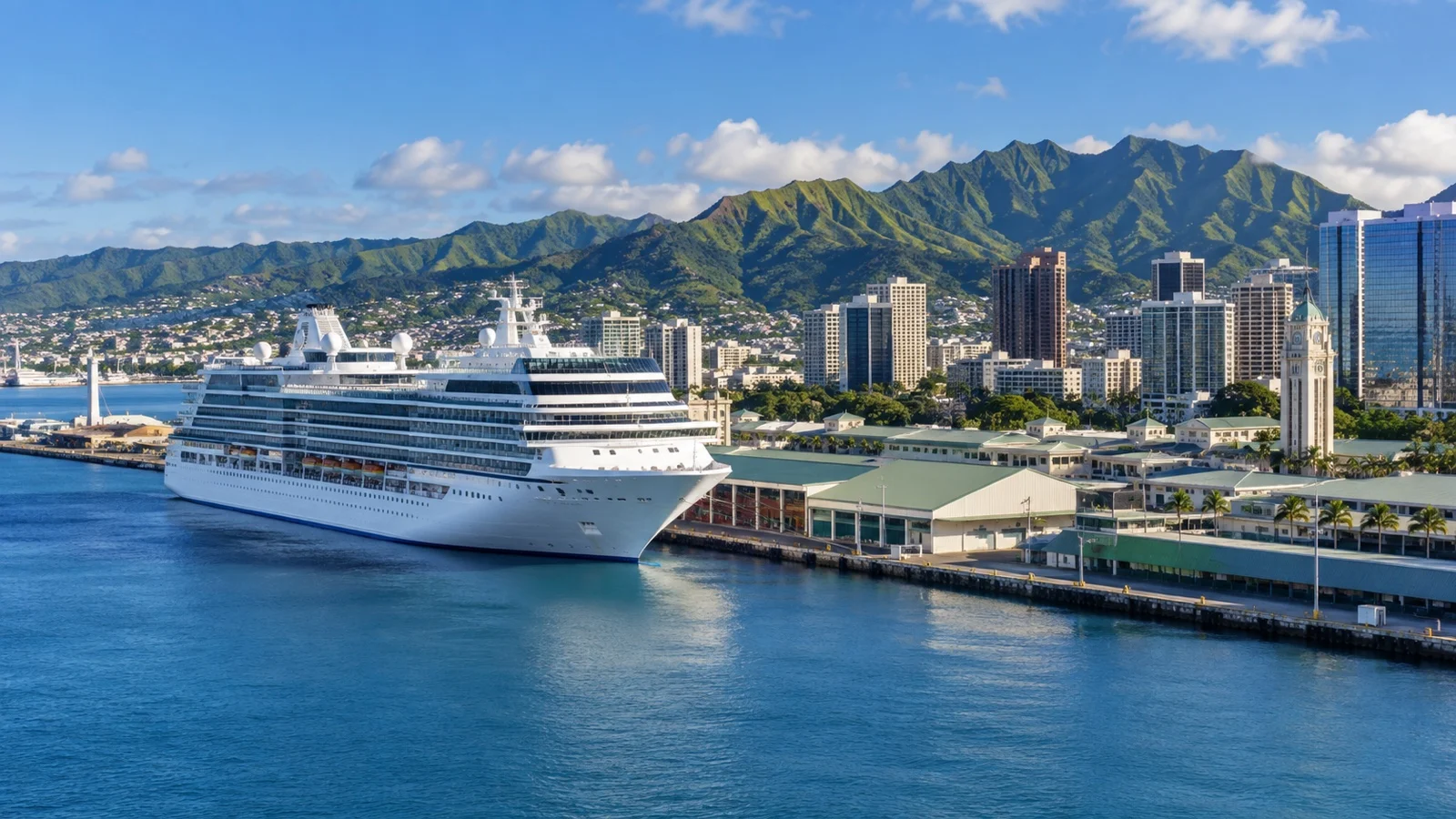
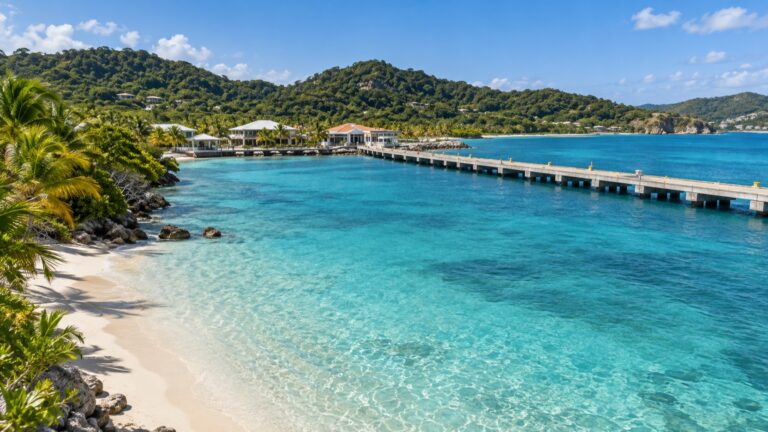
Hawaii rewards travelers who treat each island as a different destination rather than repeating the same beach day. Rental cars, timed attractions, volcanic conditions, and tender operations can all change what is realistic.
Honolulu
Honolulu is Hawaii’s main air gateway and the natural place to add pre-cruise nights. Cruise piers are not the same as Waikiki, so allow for city traffic and choose lodging based on sightseeing goals rather than an imagined terminal walk.
Kahului, Maui
Kahului is a working harbor and transportation base, not a resort promenade. A rental car or organized tour opens more of Maui, but long island drives need conservative timing and a clear return plan.
Hilo, Big Island
Hilo is the greener Big Island gateway for waterfalls, gardens, and trips toward Hawaiʻi Volcanoes National Park. The park is not beside the ship, so excursion timing and current volcanic or road conditions matter.
Kailua-Kona
Kona is commonly a tender call into a compact waterfront center with restaurants and easy local wandering. Sea state can disrupt tendering, which makes prepaid independent plans riskier than at a docked port.
Alaska cruise ports and scenic days
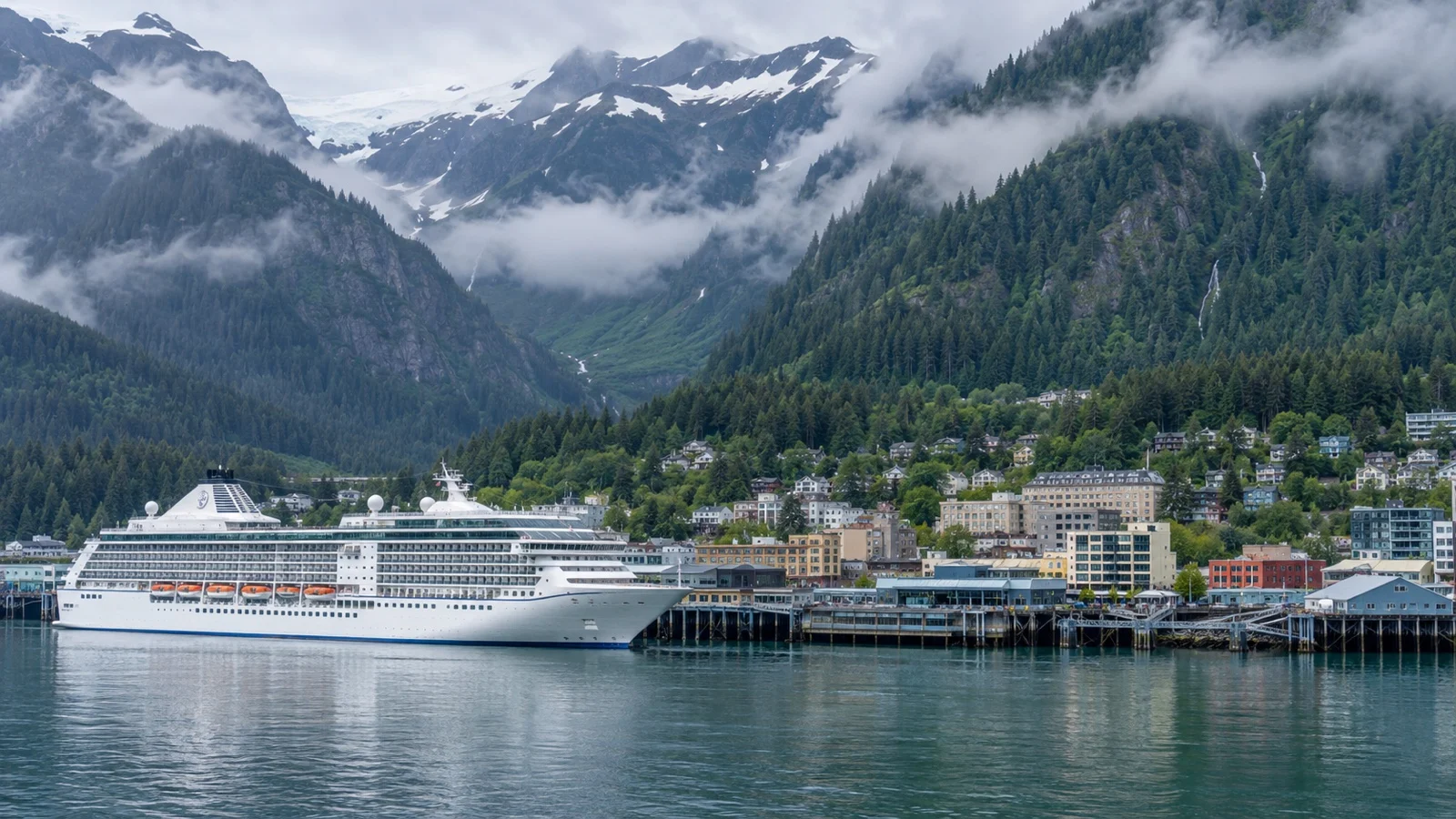
Alaska is the region where berth, tendering, weather, wildlife timing, and transportation capacity most directly shape the experience. Book limited-capacity excursions early, then pack a flexible independent backup for every port.
Juneau
Juneau combines a walkable center with flights, boats, wildlife tours, and trips toward Mendenhall Glacier. The exact berth affects the first transfer, and several ships in town can pressure buses, taxis, and popular tour times.
Ketchikan
Ketchikan offers history, Native culture, rainforest, fishing, and floatplane experiences, but ships may use downtown berths or a farther facility. Read the line’s transfer plan before promising yourself a quick walk to Creek Street.
Skagway
Skagway pairs a compact historic center with the White Pass railway and road trips into mountain scenery. Rail seats and cross-border tours need early attention, while pier access can change with operational or slope-safety restrictions.
Sitka
Sitka blends Tlingit culture, Russian-era history, wildlife, and a beautiful island setting. Many ships use a terminal outside the center with shuttle service, so include that transfer in the day’s usable time.
Icy Strait Point
Icy Strait Point is a managed destination near Hoonah with wildlife tours, cultural experiences, and outdoor attractions concentrated around the port. Capacity matters more than urban navigation here, so reserve the one activity you care about most.
Haines
Haines feels quieter and more independent than Alaska’s busiest ports, with dramatic scenery and access to wildlife country. Excursions spread into a large landscape, so transportation and return time deserve more attention than the town map suggests.
Wrangell
Wrangell is a smaller Southeast Alaska call with deep Indigenous history and access to powerful river landscapes. Boat and wildlife trips can be the highlight, but weather and limited capacity make a town-based backup essential.
Seward
Seward is a major embarkation gateway connected with Anchorage by road and the Alaska Railroad. Arrive early enough to enjoy Resurrection Bay, and coordinate train, hotel, luggage, and the ship’s current terminal as separate pieces.
Whittier
Whittier is another Southcentral Alaska embarkation port, reached through distinctive road and rail geography. Tunnel timing and cruise transfers make improvisation unwise, so use a scheduled connection with meaningful buffer.
Anchorage
Anchorage is the air and hotel hub for many Alaska cruises, even when the ship actually departs from Seward or Whittier. Read the itinerary wording carefully and never assume “Anchorage” means a downtown cruise terminal.
Kodiak
Kodiak offers working-harbor character, museums, coastal scenery, and wildlife possibilities. Distances and limited tour inventory favor early booking, while weather can alter small aircraft and boat plans.
Valdez
Valdez is surrounded by mountains and waterfalls at the head of Prince William Sound. Boat tours and longer drives can be superb, but a short call requires a tightly focused plan with weather flexibility.
Homer
Homer spreads its attractions between the Spit, town, and the wider bay, making transportation more important than the friendly scale implies. Wildlife and flightseeing trips need early booking, while the waterfront itself supports a relaxed backup day.
Dutch Harbor and Unalaska
Dutch Harbor and Unalaska deliver remote Aleutian history, fishing culture, and fierce scenery. Weather and limited local services should simplify your plan rather than inspire a race between distant stops.
Petersburg
Petersburg is a small working community with Norwegian heritage and close ties to the surrounding marine environment. Smaller ships and local operations create an intimate visit, but the schedule can be especially sensitive to weather and tide.
Klawock
Klawock is an emerging Prince of Wales Island call where Indigenous culture and nature are central to the experience. Follow the cruise line’s current transport instructions because facilities and visitor operations can evolve quickly.
Metlakatla
Metlakatla offers a culturally important visit within Alaska’s only federal Indian reserve. Approach the day with respect for local guidance, limited capacity, and the community’s own rules for tours and photography.
Nome
Nome is a remote expedition gateway rather than a standard big-ship port, with flight reliability and small-boat transfers often shaping the journey. Build spare time into every connection and follow the expedition operator’s baggage limits closely.
Glacier Bay scenic cruising
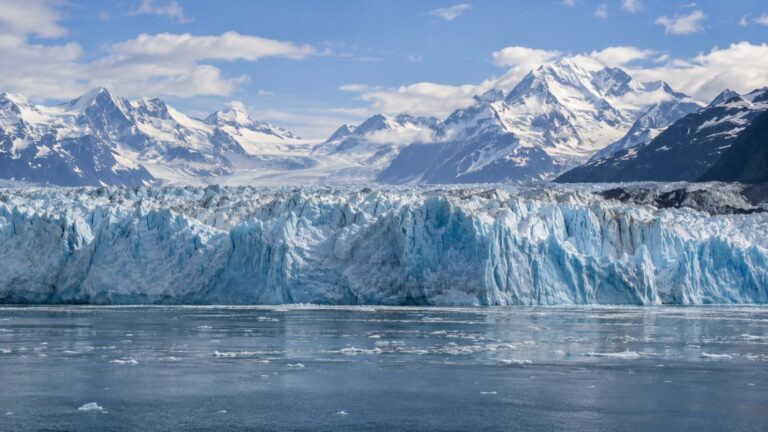
Glacier Bay is a full scenic day aboard the ship, not a port where cruise passengers dock. The National Park Service says rangers board participating ships, and the day’s program and park map are the best tools for timing glacier viewing and talks.
Hubbard Glacier scenic cruising
Hubbard Glacier is another ship-based scenic experience where ice, visibility, and safe navigation determine how close the vessel can approach. Dress for open-deck viewing and avoid judging the day only by a promised map position.
How to choose the right itinerary
Choose Florida or the Gulf when ship choice and warm-weather itineraries matter most. Choose the Northeast for city stays and seasonal coastal calls, the Pacific Coast for Alaska or Mexico access, Hawaii for island variety, and Alaska for wildlife and landscape.
Then decide how much uncertainty you enjoy. A walkable docked city gives you freedom, while a tender port, flightseeing excursion, remote road trip, or wildlife boat requires firmer bookings and a stronger backup.
Docking, tendering, and transportation
A city can use several terminals, and a scheduled berth can change because of ship size, traffic, construction, weather, or port operations. The cruise line’s app, daily program, and final documents outrank an old map or a general destination description.
Tendering adds waiting, mobility questions, and sea-state risk at ports such as Bar Harbor, Newport, Kona, and Avalon. Keep independent reservations flexible and ask the cruise line about boarding assistance if steps or small-boat transfers are a concern.
For home ports, price the entire trip from airport to hotel to terminal. A low airfare can lose its advantage after a long private transfer, an extra rental day, or a risky same-day connection.
Documents, weather, and practical planning
Document rules depend on citizenship, itinerary, departure port, and every foreign country visited. The United States Department of State cruise guidance strongly recommends a passport book because an emergency flight home can require one even when the original sailing accepted another document.
Weather has different consequences on every coast, from tropical systems in the Atlantic to fog in New England and wind in Alaska. Check official forecasts close to the day, but also choose clothing and reservations that remain workable when the forecast changes.
Bring required identification, a backup payment method, water, and footwear suited to the actual surface. Add sun protection, rain gear, warm layers, motion-sickness preparation, or insect repellent according to the region rather than the calendar alone.
Accessibility and family planning
“Accessible port” is too broad to answer the question most travelers have. Confirm the gangway or tender, terminal surface, curb, vehicle, restroom, attraction entrance, and the ship’s rules for mobility aids.
Families should build each day around one anchor experience and one easy backup. Snack breaks, weather changes, tender queues, and long bus rides affect children and grandparents long before they appear in a tour description.
Frequently asked questions
Which United States cruise port is best for a first trip?
Fort Lauderdale, Miami, San Diego, and Seattle are approachable major gateways with strong flight and hotel choices. The best one is the port serving the itinerary you want, because a convenient terminal cannot rescue an uninteresting route.
Do ships dock or tender at United States ports?
Both arrangements are common, and one destination may use different facilities for different ships. Check the sailing itself, then treat a weather-sensitive tender call as flexible rather than guaranteed.
Can I explore independently?
Often, yes, especially in compact downtown ports and island waterfronts. Independent does not mean walkable, so price transport and protect the return buffer before committing.
When should I book a ship excursion?
A ship excursion is most useful for long transfers, limited-capacity wildlife trips, boat connections, or places where a delay would be hard to solve. A simple city walk or nearby beach can be just as rewarding independently.
How early should I arrive before embarkation?
Arrive at least one night early for any major sailing, and add more margin for winter flights, remote Alaska connections, or long ground transfers. Treat the extra night as part of the vacation rather than wasted time.
This guide was researched with current United States Department of State cruise guidance, National Park Service Glacier Bay information, official port and destination resources, and the linked CruisePorts guides. Terminal assignments, document rules, accessibility, tours, and weather can change, so verify time-sensitive details with the cruise line and see our Editorial Policy.