The Best Cruise Sail-Ins, and Which Side of the Ship to Stand On
The best sail-in can happen before breakfast, halfway through the afternoon, or hours before the ship reaches its berth. The trick is knowing when the landmark passes, not setting the same painfully early alarm in every port.
These are the arrivals I would make time for, where I would start watching, and the terminal details that can completely change the view.
My quick take
For a compact landmark moment, I would prioritize the entrances to Sydney, Rio, San Francisco, or Valletta. For a longer stretch of scenery, I would choose Geirangerfjord or a confirmed archipelago approach into Stockholm.
I would start on a public deck with room to change viewpoints, but a sheltered lounge or accessible balcony can be the better choice in bad weather. You do not earn a better vacation by shivering behind a blocked railing.
The quick facts
- Timing: Ask when the ship expects to pass the landmark or enter the scenic channel; the itinerary arrival time is not a guaranteed gangway-opening time.
- Side: Port is left and starboard is right when facing the bow; the useful side depends on the direction of approach and changes as the ship turns.
- Best spot: Choose a permitted viewing area with a clear sightline, suitable access, and shelter when needed; the highest forward deck is not always best.
- Bring: Check the actual weather and bring appropriate layers, a charged camera or phone, and anything you need to watch comfortably.
- Access: Confirm public-deck opening hours and have an accessible backup; never enter a closed or crew-only area for a photograph.
Ask for the landmark time, not just the arrival time
A published port time does not tell you exactly when the pilot boards, the bridge passes overhead, or passengers can leave the ship. Treat those as separate events when planning your morning.
The night before, ask which approach the ship expects to use and when the scenic section should begin. A navigation announcement or a specific scenic-cruising notice is more useful than assuming every good view starts an hour before docking.
- Check ship time: Confirm the clock used onboard before setting an alarm, especially when the ship and local time differ.
- Check the actual berth: A city name can cover terminals with very different approaches.
- Check daylight: A scheduled early arrival does not guarantee enough light for the view you pictured.
- Check the viewing area: Find the doors, elevator route, seating, and backup location before the passage starts.
A cabin navigation display can help you follow progress, but it is not a promise that the route or speed will stay unchanged. Another sailing’s tracking history is background information, not a reliable alarm clock for yours.
How to use the side recommendations
The suggestions below describe the named approach, not the side that will face the pier after docking. A ship can turn around or back into a berth, which is why a harbor view during arrival and a balcony view all day are different purchases.
An open forward viewpoint lets you see both sides coming into view, while a side promenade can put you closer to a particular landmark. I would choose a route between viewpoints that is easy to follow rather than race through a crowded lounge at the last second.
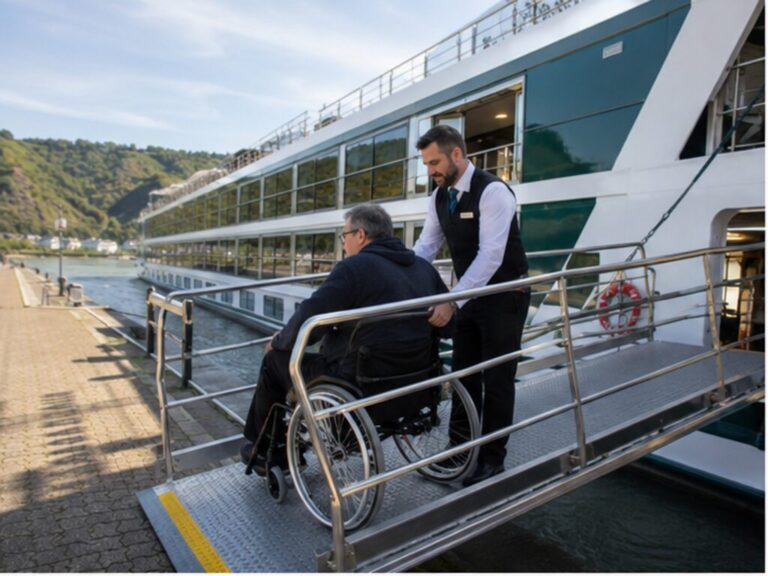
For mobility needs or a long passage, a sheltered seat with a good window may beat an exposed upper rail. Check whether lifeboats, tinted glass, deck equipment, or the railing obstruct the view from your actual seated position.
I would not pay for a cabin side solely to guarantee one arrival. The same caution applies to river-cruise cabin sides: route, mooring, and the ability to use public viewing areas matter more than a blanket port-or-starboard rule.
Dress for the deck you will actually use
Wind and spray can make an exposed viewpoint much less comfortable than a sheltered spot on the same ship. For cold-weather scenery, I would bring layers, gloves, and a hat; for a warm-weather arrival, I would still check the forecast rather than assume one jacket suits everyone.
Keep hands free on stairs and wet decks, secure loose belongings, and follow crew instructions about closures. A warm drink is lovely, but missing the entrance while hunting for an unopened coffee station is not.
Sydney and Hong Kong: first confirm the terminal
Sydney: watch forward, then follow the Opera House
For Sydney, I would start with a forward view through the harbor, then move toward the Opera House side as the ship approaches Circular Quay. On the usual westbound inner-harbor approach, that landmark is to port, but turns change the angle.
The terminal information distinguishes the Overseas Passenger Terminal at The Rocks, opposite the Opera House, from White Bay at Rozelle. White Bay lies beyond the Harbour Bridge from the seaward approach, whereas an Overseas Passenger Terminal call does not require passing beneath it.
Do not promise yourself a bridge transit until the actual terminal and route are confirmed. I would watch the approach from a flexible viewpoint instead of choosing a balcony based on which side might face the pier afterward.
Hong Kong: eastbound and westbound reverse the skyline
In Hong Kong, distinguish Ocean Terminal at Tsim Sha Tsui from Kai Tak farther east. Neither name alone tells you that the ship will make a sightseeing run through every part of Victoria Harbour.
When traveling west through the main harbor from the eastern approach, Hong Kong Island is to port and Kowloon is to starboard. Reverse the direction and those sides reverse, so confirm the approach before choosing your rail.
I would favor a viewpoint with room to watch both shorelines and keep an evening departure in mind as another opportunity. Haze, rain, darkness, and the actual route decide how much skyline you see, not a claim that one terminal always gets the better show.
Rio and Cape Town: give the mountains room in the frame
Rio de Janeiro: start on the port side of the entrance
On a northbound entry into Guanabara Bay, Sugarloaf is on the western, port side, while Niterói is to starboard. That makes port my starting choice for Rio de Janeiro, with a forward viewpoint a good option for the full entrance.
Look toward the hills for Christ the Redeemer when visibility allows, but do not expect a clear statue view through low cloud. Keep watching after the entrance: the bay approach and the final turn toward the cruise berths are different scenes.
Cape Town: find the shoreward view before choosing a side
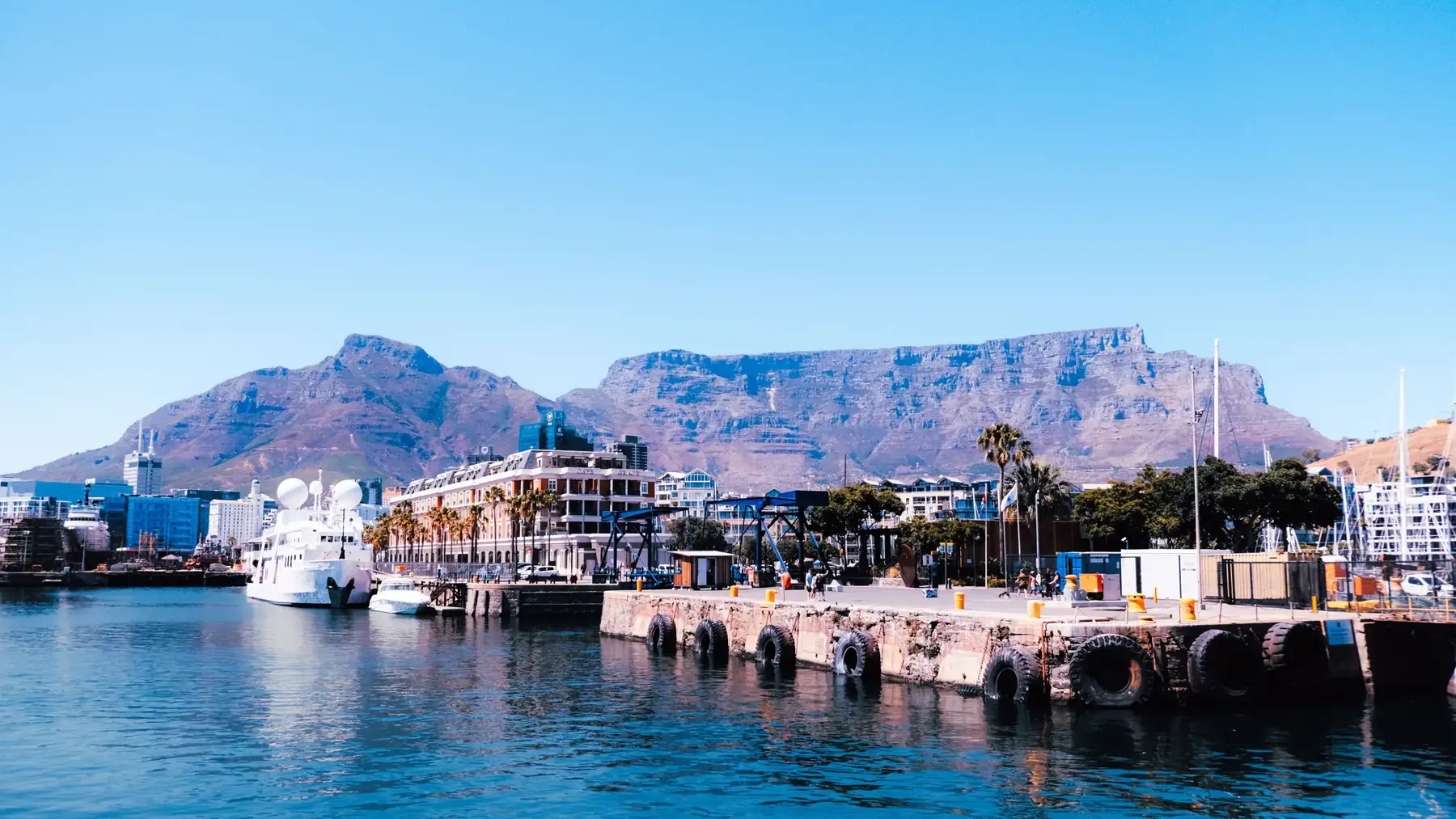
For Cape Town, I would choose a broad view toward Table Mountain rather than prescribe one rail. Its position relative to the bow depends on where the ship is approaching from and how it turns toward the harbor.
Cloud can hide the summit at any time, and a morning arrival is not a guarantee of a clear top. Even with the mountain partly covered, the change from open water to the city and working harbor can be worth watching.
New York and San Francisco: the terminal changes the sequence
New York: port for Liberty on the Manhattan approach
For a ship entering from sea and continuing north toward a Manhattan berth, I would start forward for the Verrazzano-Narrows Bridge, then favor port for the Statue of Liberty. Farther up the Hudson, Manhattan is to starboard.
That is the Manhattan route, not a universal answer for every New York cruise terminal. The city terminal operator places Manhattan on the Hudson and Brooklyn in Red Hook, while Cape Liberty is across the harbor in Bayonne.
Brooklyn or Bayonne can mean a different turn and a different relationship to the landmarks. Do not assume that every New York booking includes a long trip along Manhattan’s west side.
San Francisco: starboard for the city, then watch the turn
Entering eastward beneath the Golden Gate Bridge puts the Marin Headlands to port and San Francisco to starboard. I would begin forward for the span, then favor starboard for the city shoreline.
On an approach continuing toward the Embarcadero cruise piers, Alcatraz is generally on the port side of that part of the route. Check the assigned berth with the Port of San Francisco rather than assume every call finishes at the same pier.
Fog can hide either bridge tower or the skyline, so I would keep the camera ready without expecting the postcard frame. The San Francisco port guide handles what comes after the ship is secured.
Vancouver and Lisbon: watch both banks beneath the bridge
Vancouver: starboard for Stanley Park on the inbound narrows
On an eastbound arrival through First Narrows toward Canada Place, Stanley Park is to starboard and the North Shore is to port. A forward view is useful for the Lions Gate Bridge, followed by the city waterfront as the ship turns.
I would not lock myself to one rail for the whole passage because the wooded shore and the mountain side offer different views. Ask about the actual transit timing rather than assuming every Alaska voyage makes this approach in daylight.
Lisbon: port for the city on the upriver approach
Coming upriver from the Atlantic toward central Lisbon, I would favor port for the north-bank waterfront, including Belém, and look to starboard for the south-bank Cristo Rei statue. A forward viewpoint gives you the approach to the 25 de Abril Bridge.
The Lisbon terminal directory lists several cruise facilities, so the final stretch and docking angle depend on the berth. Keep watching after the bridge rather than treating it as the end of the arrival.
Geirangerfjord: the waterfall side changes with the bend
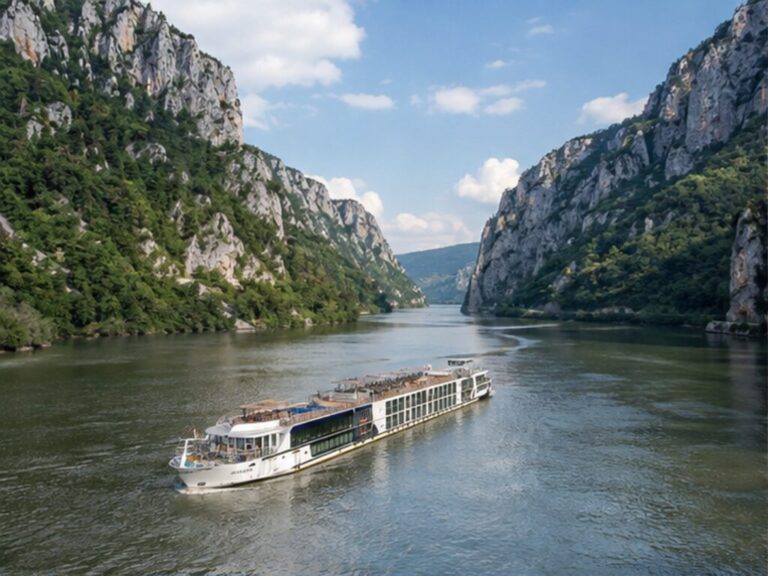
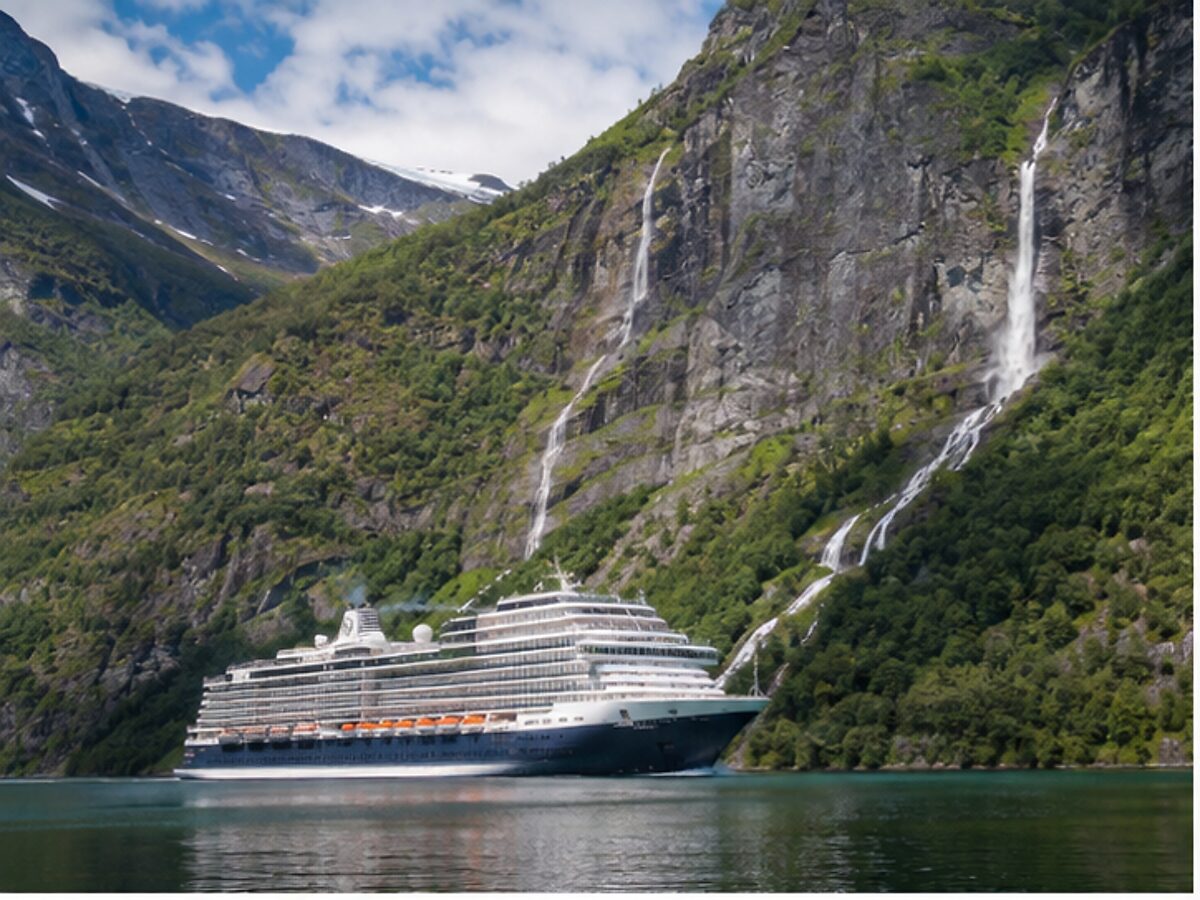
I would treat the Geiranger approach as a passage to settle into, not a single landmark to catch between breakfast and a tour. The fjord system and any Hellesylt call need their own timing; sailing toward Geiranger does not guarantee a close pass of Hellesylt’s quay.
The Geirangerfjord scenery includes the Seven Sisters and the Suitor on opposing sides. A forward viewpoint or an easy walk between side decks is more useful than claiming one side wins the entire fjord.
Waterfall flow, light, cloud, and the direction of travel change the experience. I would ask about both the inbound and outbound passage, then choose the one that best fits the available daylight and shore plans.
For future booking decisions, the adopted fjord requirements apply from January 1, 2026 to passenger ships under 10,000 gross tonnage and from January 1, 2032 to larger passenger ships. The rules include an alternative biogas provision, so do not read them as a simple promise that every affected ship disappears.
Check the fjord access rules against the actual ship and itinerary. For a broader route, compare other Norway cruise ports, including Bergen, instead of assuming every Norwegian arrival resembles Geiranger.
Stockholm: confirm that you are getting the long approach
For a call actually reaching the Stockholm city berths, I would plan for an extended archipelago passage rather than one brief sail-in moment. Islands and channels appear on both sides, making a comfortable viewing spot more valuable than defending a particular rail.
Ask when the most scenic portion is expected and which route the ship will use. Do not assume a fixed four-hour duration or promise a particular fortress on every approach.
The important booking caveat is Nynäshamn cruise calls: the port authority describes short approach lanes there. An itinerary marketed as Stockholm can therefore mean an outlying port rather than the long journey into the city.
I would verify that distinction before paying extra for a balcony specifically to watch the archipelago. Check the departure as well, because a daylight outbound passage may fit your day better than an arrival in darkness.
Valletta and Dubrovnik: one entrance, two very different expectations
Valletta: starboard for the city on the way in
Entering Grand Harbour from the sea, I would favor starboard for Valletta and look to port for the Three Cities. Transport Malta places the northeast-facing entrance between the breakwaters, with Valletta on the northwest shore.
That gives you a useful starting side, not a guarantee of which side faces the quay after maneuvering. I would watch from before the entrance until the ship has turned toward its Valletta berth, because the walls change shape as you move.
Dubrovnik: Gruz is not the Old Town harbor
For Dubrovnik, establish whether the ship is using Gruz or a tender arrangement near the Old Town. A Gruz call does not automatically include a close sail past the famous walls.
A northbound coastal approach from the south may place the Old Town to starboard, but distance offshore and the route matter. Coming from another direction can produce a completely different view, so I would not book a cabin side around that possibility.
Keep the Old Town visit in your shore plan rather than relying on the arrival to replace it. Save time for the shore visit instead of counting on a brief view from a moving ship.
Santorini and Funchal: broad views beat a fixed rail
At Santorini, I would start with a forward view while entering the caldera, then move toward the cliff towns as the route becomes clear. The entrance channel and final ship position determine the useful side.
Do not assume every ship anchors in the same place or stays facing the same direction throughout the call. For the wide view, give yourself time before joining the tender routine; the cliffs deserve more than a glance over somebody’s shoulder in line.
For Funchal, the attraction is the city rising up the hillside above the harbor. Choose a shoreward-facing viewpoint as the ship approaches rather than one universal port-or-starboard answer.
A pre-dawn arrival can show the hillside lights, while daylight reveals the buildings and slopes more clearly. I would enjoy whichever version the schedule provides instead of suggesting the view stops being worthwhile half an hour after sunrise.
Alaska’s narrows and the Beagle Channel: ask which way you travel
Seymour Narrows belongs on the watch list only when the ship actually uses that part of the Inside Passage. An Alaska itinerary can follow a different route, so do not assume the transit is included or that it happens at the same hour every sailing.
Ask about the expected passage and available public viewpoints, with navigation and tidal conditions controlling the timing. For a long scenic section, I would alternate short periods outside with a comfortable sheltered view rather than stay cold for hours.
Approaching Skagway through Lynn Canal and Taiya Inlet offers mountain scenery on both sides. I would prioritize a wide view of the narrowing waterway instead of claiming one rail gets all the worthwhile scenery.
For Ushuaia, the direction is crucial: traveling west along the Beagle Channel from the east puts the Argentine shore to starboard. Arriving from the west while traveling east puts it to port.
A Ushuaia call by itself does not promise a Glacier Alley passage or every Beagle Channel landmark. Check the navigation plan and any separately listed scenic cruising before choosing the alarm and viewpoint.
Venice and Hamburg: the arrival you picture may not be yours
Venice: do not book the old big-ship postcard
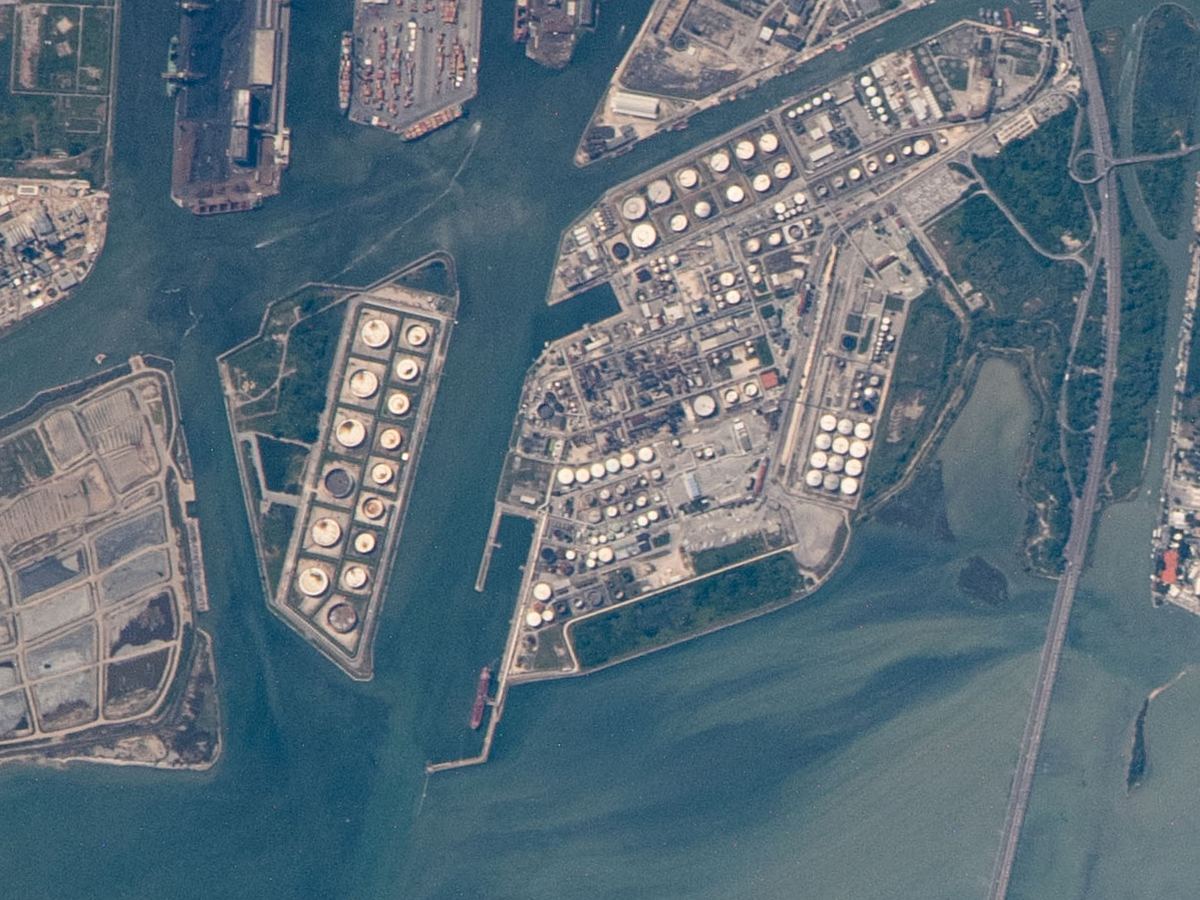
Large cruise ships no longer make the classic passage through the San Marco Basin and Giudecca Canal. The Venice cruise commissioner explains the restrictions and the development of alternative facilities at Marghera.
Check the actual Venice-area cruise port in your documents, not just the city used in the itinerary title. A call using Marghera, or another port marketed as a gateway to Venice, is not the same arrival as gliding past St. Mark’s.
A smaller ship is not an automatic promise of access either. Ask the operator to confirm the approved route and terminal instead of treating one tonnage figure as a complete eligibility test.
Hamburg: the Elbe passage depends on where you stop
For Hamburg, think of a river approach rather than one quick harbor entrance. I would choose a stretch of the Elbe that fits the available daylight and ask when the ship expects to reach its particular terminal.
Cruise Gate Hamburg operates several terminals, including Altona, Steinwerder, HafenCity, and Baakenhöft. Their positions mean that not every arrival includes the same close view of the concert hall or warehouse district.
On much of the upriver approach, the northern, city-side bank is to port, but bends and the terminal turn change that relationship. I would use a forward or flexible viewing area for the final approach rather than promise the same last twenty minutes to everyone.
My practical plan for one unmissable arrival
- Choose the moment: Ask for the expected landmark passage and set the alarm with enough time to reach your chosen viewing spot.
- Choose the comfortable route: Use elevators when needed, allow extra time, and do not assume stairs are the right option for everybody.
- Pack before bed: Have layers, camera, glasses, and any other essentials ready rather than search the cabin in the dark.
- Keep a backup: Pick a sheltered or alternative public area in case the first deck is closed or crowded.
- Share the view: Keep passageways clear and give others room at the rail instead of trying to reserve every angle.
When the ship turns, pause and look before moving: the landmark may be coming into your view without a dash across the deck. Crew instructions and safe footing matter more than getting a particular photograph.
Quick answers
How early should I get up for a sail-in?
Work backward from the expected scenic passage, not a universal morning arrival window. A short harbor entrance and a long fjord or archipelago approach require different plans.
Which side should I choose when I cannot move between decks?
Confirm the route and choose the side facing the landmark you most want to see during that segment. Ask about an accessible lounge or viewing area as well, because comfort and a clear seated sightline may matter more than the nominal side.
Does the side facing the pier get the best arrival view?
Not necessarily: the ship may turn or reverse before securing alongside. A docking-side answer does not automatically tell you which side faces the scenery on the approach.
Can I always use the forward deck?
No: ship design, public access, weather, and operational closures decide what is available. Find a permitted alternative instead of opening a closed door or following crew into a restricted area.
Can I watch the same scenery on departure instead?
Often there is another opportunity when the route is retraced, but check the planned track and daylight. An evening sail-out can be a lovely alternative, not a guarantee that every missed arrival will repeat.
Final word
I would put the best arrivals in the calendar, but I would plan around the ship’s actual route rather than collect a list of compulsory early alarms. Confirm the landmark time, choose a comfortable view, and leave room for a change of plan.
The goal is to enjoy the entrance, not win the highest, coldest spot on the ship. A well-chosen seat and a little preparation can be a much better bargain.
How this guide was researched: Port and terminal information, harbor geography, and current maritime access rules inform this guide. Side suggestions describe the stated direction of travel rather than a guaranteed route; confirm your sailing’s timing and access with the crew, and see our Editorial Policy for the research approach.
More on this topic: browse every guide on port logistics and timing.