Cozumel or Grand Cayman: Which Port Is Better for Snorkeling?
Cozumel and Grand Cayman are both outstanding Caribbean snorkeling ports, but they reward different swimmers. Cozumel is famous for clear water and current driven reef trips, while Grand Cayman offers a broader mix of guided boats, protected shallows, and convenient shore entries.
My short answer is Cozumel for experienced reef lovers who want a boat adventure, and Grand Cayman for mixed ability groups seeking flexibility. The real winner depends on current, tender time, shore access, and how comfortable you are entering deep water.
Quick Facts
- Best for dramatic boat reefs: Cozumel
- Best for varied shore options: Grand Cayman
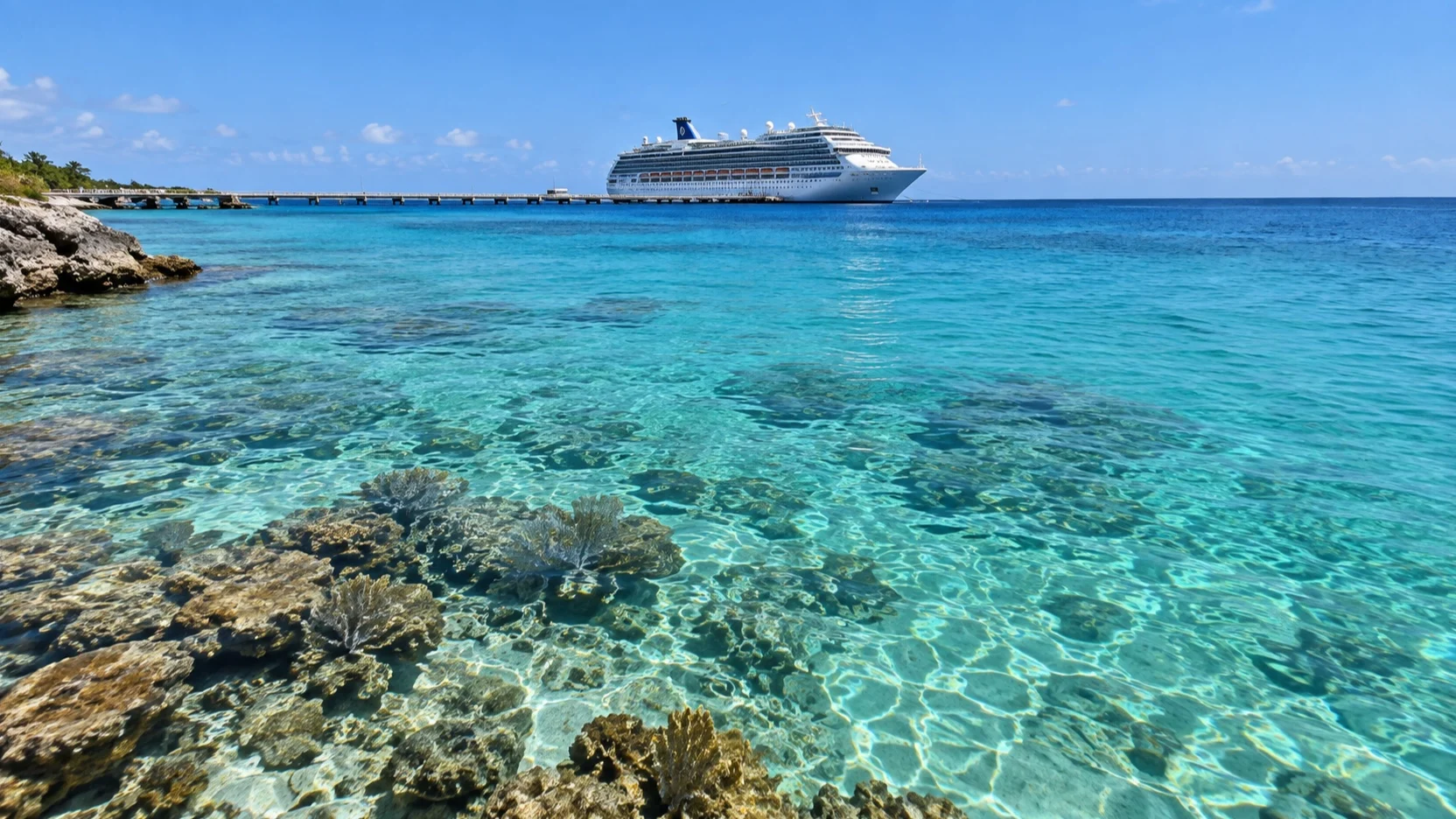
- Cozumel arrival: Most ships dock at one of several cruise piers
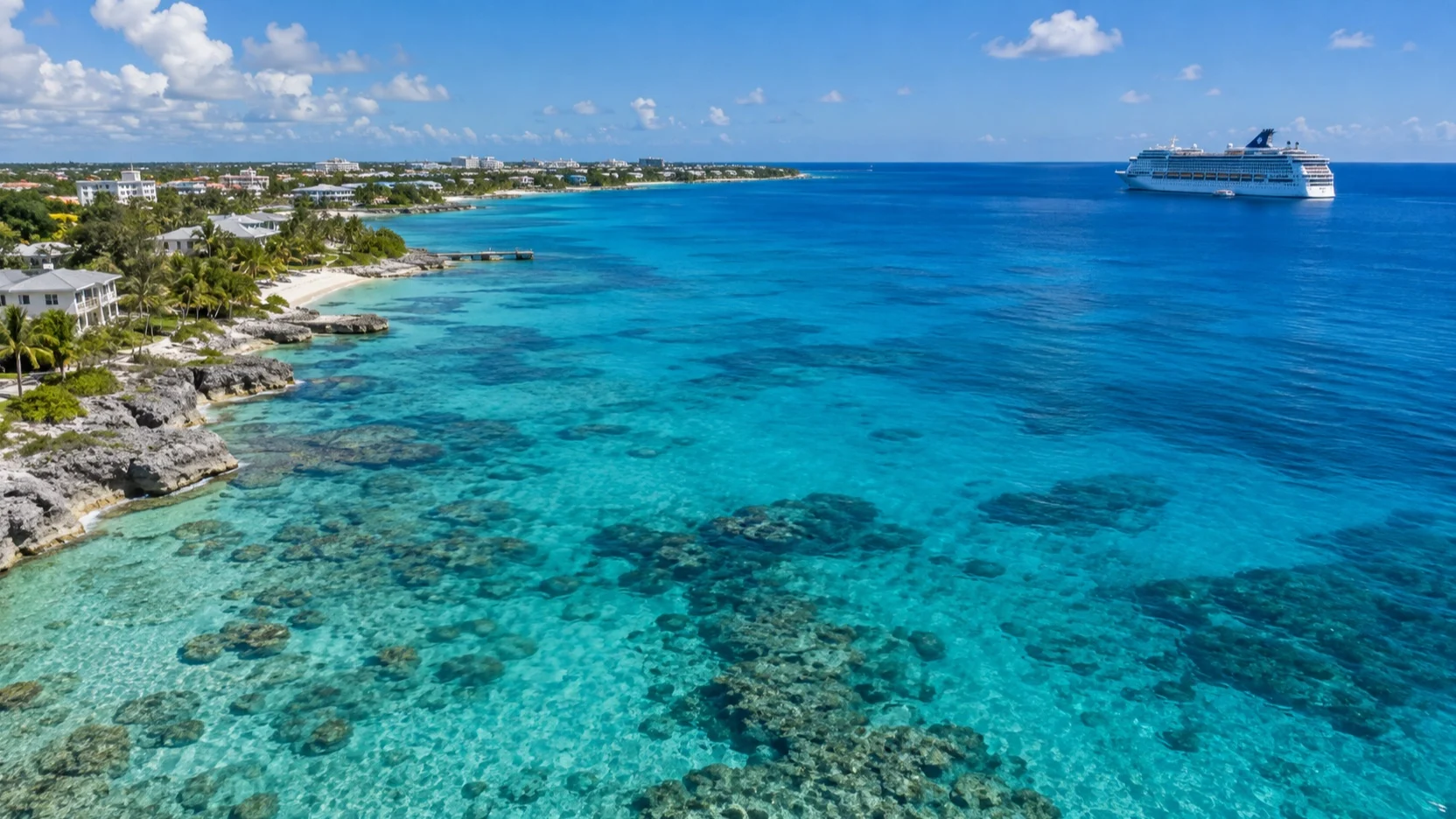
- Grand Cayman arrival: Ships normally anchor and tender into George Town
- Cozumel style: Drift snorkeling with noticeable current at many reef sites
- Grand Cayman style: A mix of calm bays, shore entries, and boat excursions
- Beginner advantage: Grand Cayman, when a sheltered supervised site is chosen
- Marine rule: Never touch coral, feed wildlife, or stand on the reef
- Planning priority: Match the operator and site to the day’s sea conditions
The verdict in plain English
Choose Cozumel when your priority is a guided boat trip over a healthy reef landscape and everyone can handle open water. Choose Grand Cayman when your group wants easier shore choices, a sandbar outing, or the ability to split between snorkeling and a beach.
Neither island guarantees calm water, perfect visibility, turtles, rays, or a specific reef. Daily wind, current, boat traffic, rain, and protected area decisions matter more than destination reputation.
Why Cozumel stands out
Cozumel’s western and southern waters include reefs protected within Arrecifes de Cozumel National Park. Clear water, coral formations, walls, channels, and abundant reef fish create an experience that can feel more like a true dive destination than a casual beach swim.
Many sites are best reached by boat and experienced as a drift. The current carries the group while the boat follows, reducing the need to swim back to a fixed point but demanding comfort in moving water.
Cozumel’s current
Current strength and direction vary by site and day. A responsible operator chooses the reef for the weakest swimmer, explains entry and pickup, and keeps a guide positioned to monitor the group.
Beginners should not book a famous reef by name and hope conditions cooperate. Ask for a sheltered site, a flotation vest, and a clear option to remain aboard.
Why Grand Cayman stands out
Grand Cayman offers more ways to build the day around the group’s comfort. You can join a reef boat, visit the Stingray City sandbar area, arrange a snorkel and beach combination, or use an appropriate shore entry near George Town or Seven Mile Beach.
That variety is valuable when one traveler loves snorkeling and another wants sand, shade, or a shorter session. The tradeoff is tendering, which reduces usable time and can be disrupted by sea conditions.
Cruise arrival changes the comparison
Cozumel piers
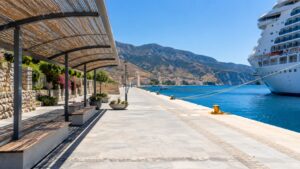
Most cruise ships dock at one of Cozumel’s main piers, and the distance to town or a tour departure depends on the assigned terminal. A boat operator may collect guests near the pier, at a marina, or after a taxi transfer.
Confirm the exact pier and meeting instructions because San Miguel, Punta Langosta, International Pier, and Puerta Maya are not one interchangeable pickup. A wrong terminal can cost enough time to miss the boat.
Grand Cayman tenders
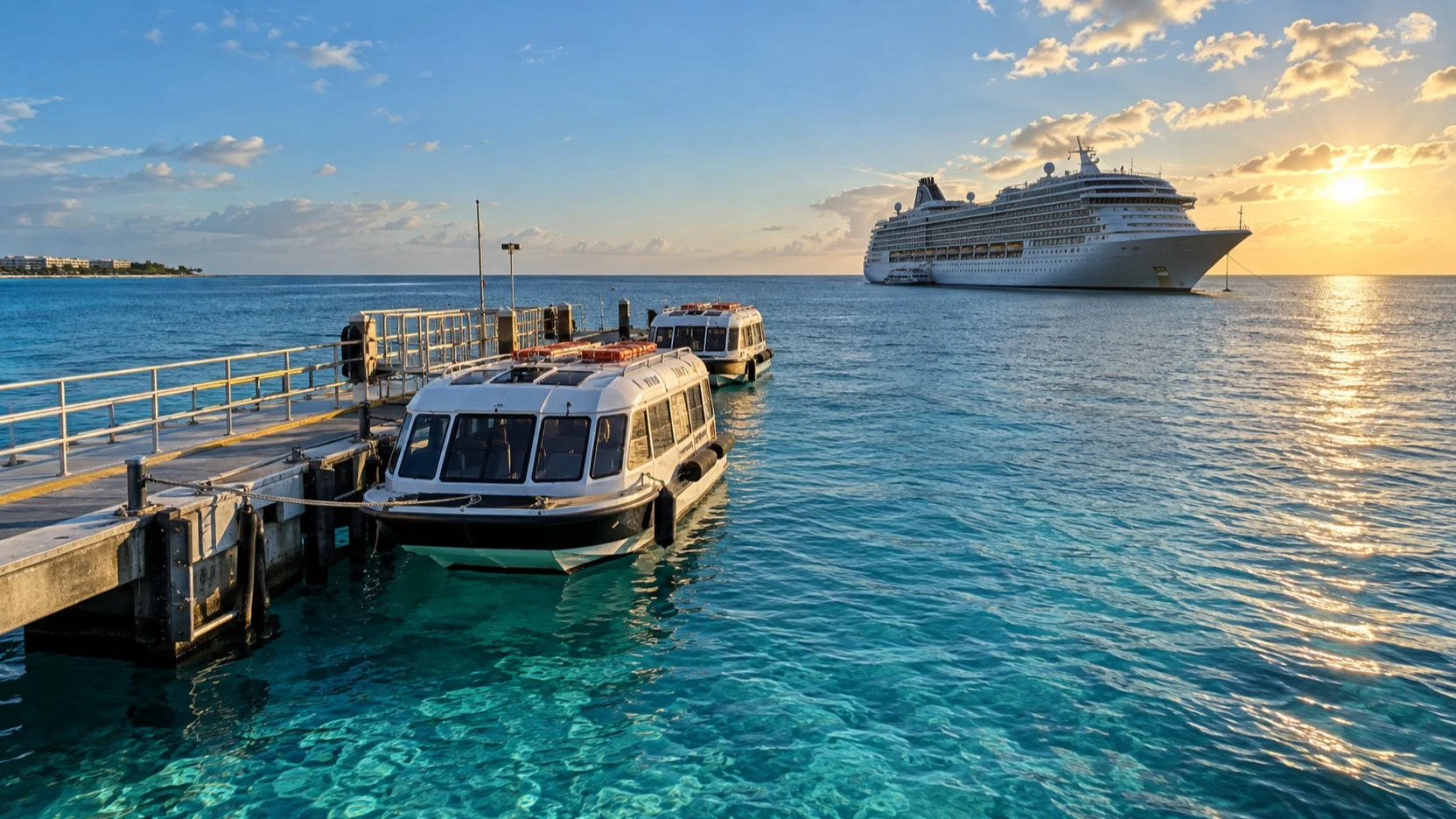
Grand Cayman cruise ships normally anchor offshore and tender passengers into George Town. The first independent guests may reach land later than scheduled, while the return requires another queue and boat ride.
Do not book a local departure too close to scheduled arrival. Give the operator your ship name and confirm how it handles late tender clearance.
Boat snorkeling in Cozumel
A good Cozumel boat trip often includes two reef stops selected for conditions, with a guide leading the drift. Travel time depends on the departure marina and how far south the sites lie.
Ask whether the boat has shade, a marine toilet, water, flotation, correctly sized masks, and a ladder you can climb. Small fast boats may reach reefs efficiently but feel rougher than larger vessels.
Palancar and famous names
Palancar is a celebrated reef system, yet the best section for divers may not be the best snorkel site. Depth, current, marine park rules, and visibility determine whether a particular stop is suitable.
Let the captain select a legal site for the day rather than demanding one brand name. Reef closures and conservation measures should be treated as protection, not an inconvenience.
Shore snorkeling in Cozumel
Cozumel’s west coast has shore entries at clubs, hotels, and rocky waterfront locations. Many of the best nearshore habitats begin over ironshore or steps rather than a soft sandy beach.
Entry can be slippery, waves can push swimmers toward rock, and current may make a return to the same ladder difficult. Ask staff where to enter and exit, then stay within the managed area.
Beach club expectations
A beach club can combine loungers, food, restrooms, and snorkel access, but the prettiest sand does not automatically hold the best reef. Sandy swimming zones may have fewer fish than rocky entries.
Confirm admission, minimum spending, equipment, lockers, and transport before leaving the pier. Keep enough taxi and port security time for the return.
Boat snorkeling in Grand Cayman
Grand Cayman boat excursions can combine a reef stop with Stingray City or focus on coral gardens and marine life. Vessel size, passenger count, ladder design, and time in the water make a major difference.
Choose an operator licensed for the activity and willing to adapt to current conditions. Ask whether the trip departs near the tender landing or requires a vehicle transfer.
Stingray City
Stingray City refers to shallow sandbar and nearby water experiences where southern stingrays gather. It is memorable, but it is a wildlife encounter rather than a conventional coral reef snorkel.
Follow the guide and current Cayman Islands Department of Environment rules. Do not chase, lift, restrain, or crowd an animal for a photograph.
Shore snorkeling in Grand Cayman
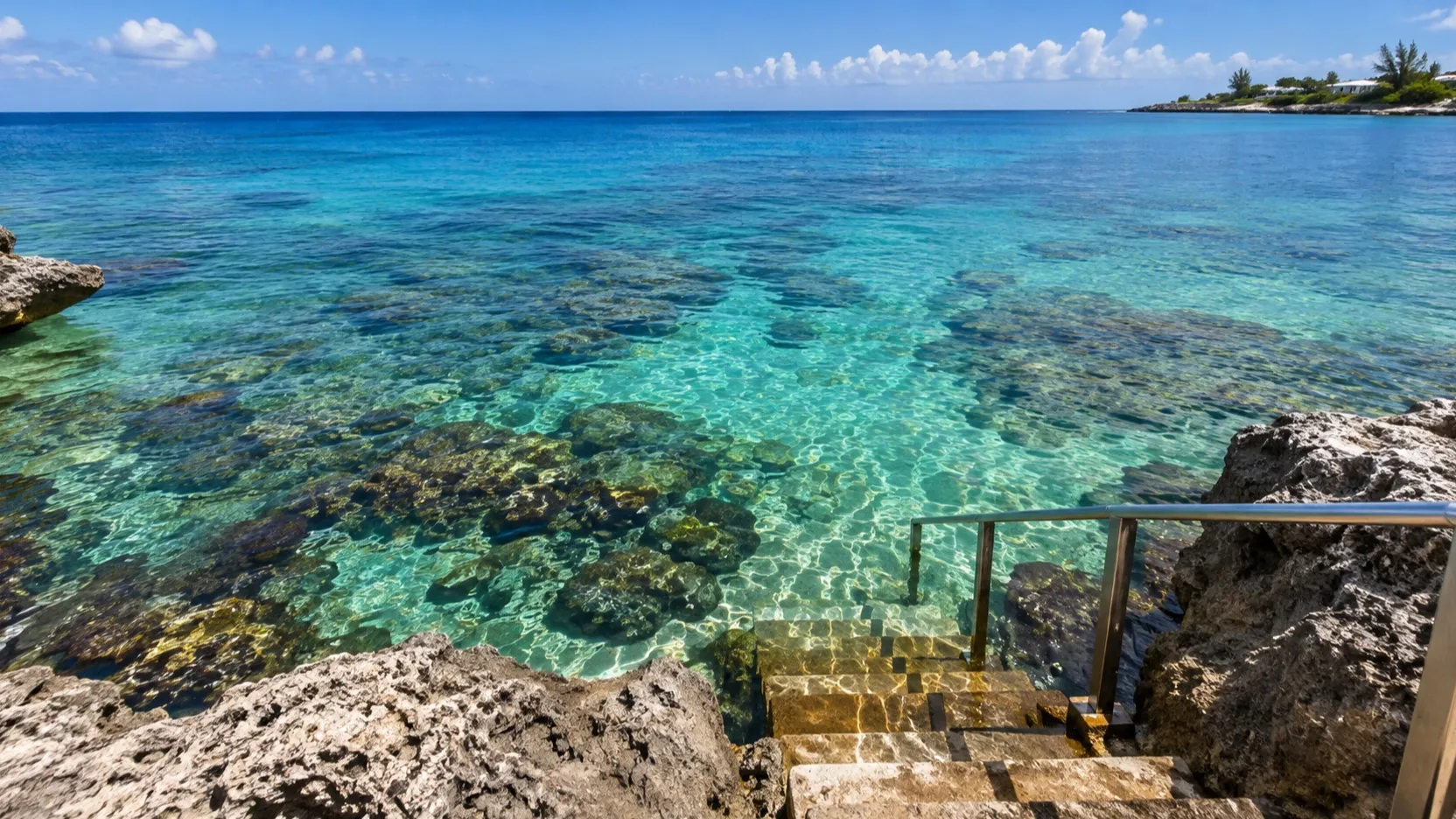
George Town has recognized shore entries where confident swimmers can reach reef habitat without a long island transfer. Conditions, boat lanes, access policies, and entry ladders must be checked locally.
A nearby site can be excellent on a calm morning and unsuitable after wind changes. Rent from an established operator and ask for a current assessment before entering.
Eden Rock and Devil’s Grotto area
The reef area south of central George Town is popular with divers and snorkelers, with ladders and shore operator support at established entries. Depth and open water exposure make it a better fit for competent swimmers than nervous first timers.
Stay clear of boat traffic and follow the operator’s boundaries. Do not swim beyond the supervised area simply because another group is visible.
Seven Mile Beach
Seven Mile Beach is superb for swimming and a beach day, but not every sandy section has strong snorkeling directly offshore. Reef quality and fish life vary, while facilities and public access points differ along the coast.
Ask a local dive shop or guide about the best appropriate entry for conditions. Never cross private property or assume a hotel chair is available to the public.
Cemetery Beach
Cemetery Beach is often mentioned for shore snorkeling farther north, but it requires transport from George Town. The swim to reef habitat can be substantial and may expose guests to current, waves, and boat activity.
It is not automatically a beginner site just because entry begins from sand. Use a buddy, flotation, local advice, and a secure return taxi plan.
Which is better for beginners?
Grand Cayman has the advantage because it offers more sheltered or shallow experiences and easier ways to combine a short snorkel with a beach. The exact site still matters, and a calm guided boat or supervised shore entry is better than a famous location chosen without context.
Cozumel can work beautifully for beginners when an operator deliberately selects a protected area and provides close guidance. A standard drift trip marketed to confident swimmers may be overwhelming.
Which is better for strong swimmers?
Strong swimmers who love reef structure and moving water often prefer Cozumel. The drift format can cover more terrain with less fighting against the current when the group follows the guide properly.
Grand Cayman remains excellent for experienced snorkelers, especially on a dedicated small group reef trip. Its advantage is choice rather than a single dominant style.
Which is better for families?
Grand Cayman is easier for many families because a shallow sandbar or beach combination creates options for different ages. Tender boarding and the wildlife rules at Stingray City still require careful supervision.
Cozumel families should choose a reputable operator with child sized gear, flotation, shade, and a conservative site. Confirm minimum age, swimming requirements, and whether a parent can stay on the boat.
Which is better for nervous swimmers?
Grand Cayman wins when you select a shallow, protected experience with a guide and easy exit. A flotation vest helps, but it does not replace basic comfort breathing through a snorkel.
Practice with the mask in a pool or calm water before the cruise. Tell the guide about anxiety before boarding so the group is not surprised at the entry point.
Accessibility and mobility
Both destinations present barriers, but the type differs. Cozumel often allows direct gangway access before a vehicle or boat transfer, while Grand Cayman adds the cruise tender before any excursion begins.
Ask about every step: ship transfer, pier distance, vehicle height, boat boarding, ladder design, and restroom access. A tour labeled easy may still require climbing from open water into a moving boat.
Adaptive snorkeling
Some operators can provide flotation, seated entry, extra crew assistance, or private timing, but these services must be arranged in advance. Give accurate mobility, weight bearing, and transfer information.
Sea conditions can cancel an adapted transfer even when the reservation was accepted. Keep a shore based backup that remains enjoyable.
Marine conservation
Cozumel’s national park and the Cayman Islands marine park system protect coral, seagrass, mangroves, fish, turtles, rays, and other habitat. Visitor rules may control entry zones, vessels, anchoring, fishing, and wildlife interaction.
Use moorings where required, never stand on coral, and keep fins away from the reef. Take only photographs and leave shells, sand, coral fragments, and animals where they belong.
Sun protection
Covering up with a rash guard and applying sun protection well before entering reduces the amount that washes into the sea. Follow local product rules and avoid claiming that any lotion is completely harmless to marine life.
Shade, hydration, and limited exposure are more reliable than repeated heavy application in the water. Reapply according to the label after drying off.
Wildlife expectations
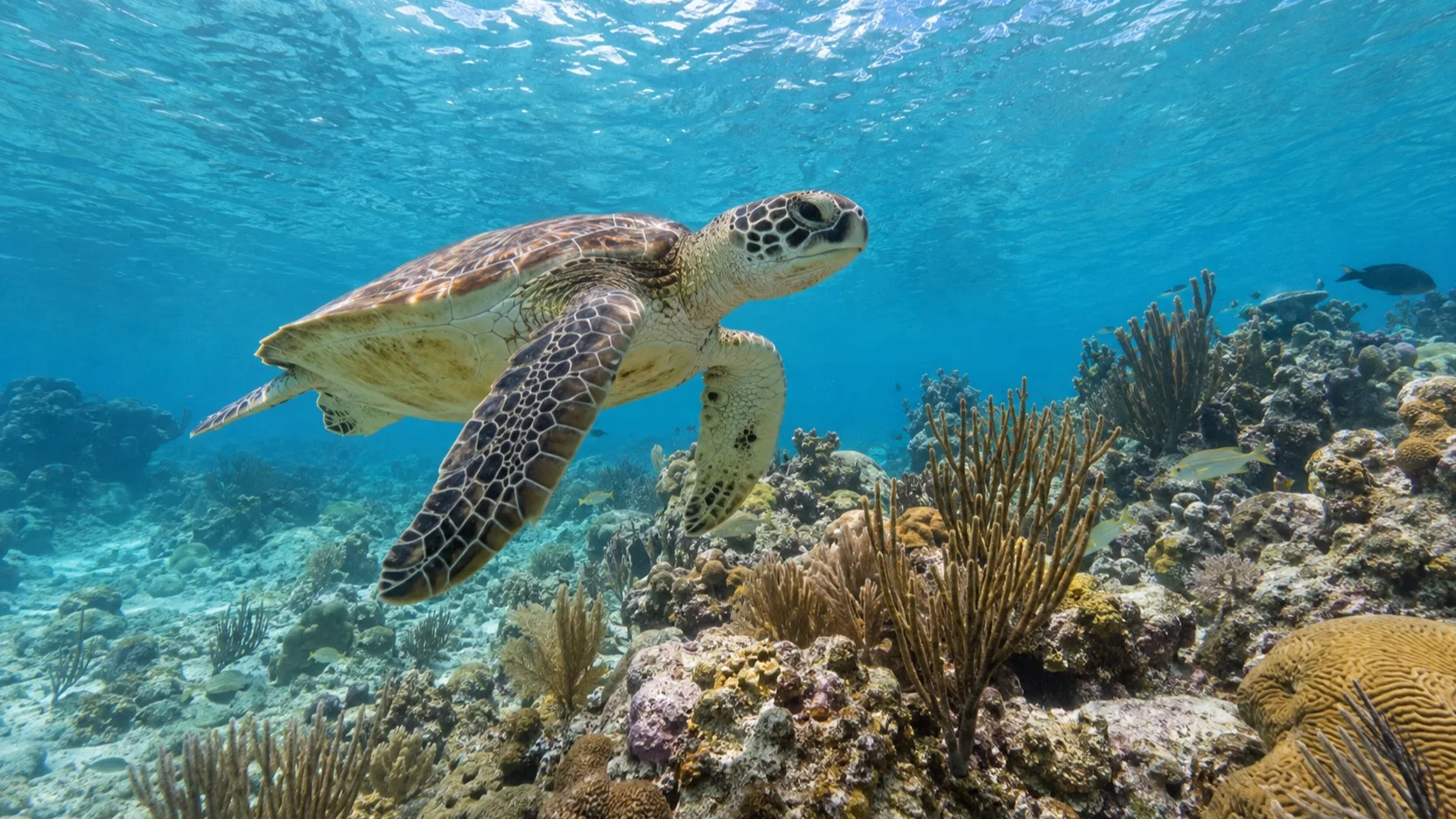
Turtles, rays, colorful fish, barracuda, and other animals are possible in both destinations, but nothing is guaranteed. Water clarity and sightings change with season, time, weather, and luck.
Do not select an operator that promises handling or a guaranteed close encounter. Ethical guides let wildlife control the distance.
Weather and water conditions
Trade winds, cold fronts, tropical systems, and local showers can affect visibility and surface comfort. Cozumel’s west coast is often protected from open Caribbean swell, while Grand Cayman’s usable coast depends strongly on wind direction.
Use official forecasts and the operator’s same day assessment. A clear sky does not mean current or sea state is safe.
Hurricane season
Both destinations lie in the wider Atlantic hurricane region, and cruise season overlaps months when tropical systems can develop. Ships may reroute, shorten, or cancel a call well before local weather looks severe.
Book with a clear cancellation policy and avoid nonrefundable arrangements that ignore ship diversions. The captain’s decision always controls whether guests can go ashore.
Equipment
Rental gear is convenient, but mask fit determines whether snorkeling feels easy or miserable. Test the seal before leaving shore and ask for another size if water enters.
Use fins appropriate to the site and a vest when the operator recommends it. Full face snorkel masks have specific safety concerns and may be prohibited by some operators.
Food, valuables, and payment
Bring only essential valuables, keep cards and ship identification in a proper dry pouch, and use lockers when available. A phone case described as splash resistant may not survive repeated submersion.
Cozumel uses Mexican pesos, while Grand Cayman uses Cayman Islands dollars and accepts cards widely in visitor businesses. Ask about exchange and card charges rather than assuming United States cash receives the best rate.
Return timing
Cozumel guests must allow taxi or boat time back to the correct cruise pier. Grand Cayman guests must reach the tender landing early enough for the queue and crossing.
Use ship time and keep a private buffer before the official deadline. A later tour is not better if it leaves no recovery option.
A strong Cozumel plan
Book a morning boat with pickup logistics matched to your pier, complete one or two reef drifts, and return with time for food near the terminal. This keeps the best snorkeling first and leaves the final part flexible.
If wind or current cancels the boat, switch to a managed shore club after asking about entry conditions. Do not chase a distant alternative across the island.
A strong Grand Cayman plan
Take an early tender and join a reef or sandbar trip that ends well before the final boats, then use remaining time in George Town. A shore snorkel near the tender area can replace the boat when conditions and operator advice support it.
If tendering begins late, drop the farthest site. The waterfront provides shopping, food, and a view of the ship without adding another transport risk.
Frequently asked questions
Which port has better coral?
Cozumel generally offers the more dramatic reputation for reef structure and drift experiences. Grand Cayman has excellent coral too, but the quality depends heavily on the chosen site.
Which port is easier from the ship?
Cozumel usually wins because most ships dock. Grand Cayman normally requires a tender in both directions.
Can I snorkel without a tour?
Yes, both islands have shore options, but local conditions, legal access, boat traffic, and entry difficulty must be checked. Renting equipment does not create supervision or rescue support.
Is Stingray City a reef snorkel?
It is primarily a shallow wildlife and sandbar experience, sometimes paired with a separate reef stop. Read the operator’s itinerary carefully.
Are currents stronger in Cozumel?
Many Cozumel sites are known for drift conditions, but strength varies daily. Grand Cayman also experiences current, especially at exposed sites.
Which is best if I only want a beach?
Grand Cayman offers an easy beach centered plan around Seven Mile Beach, while Cozumel offers clubs with bundled facilities. Choose by transport, crowd level, and what is included.
My final choice
For pure reef adventure, I would choose Cozumel and book a small guided boat matched to the day’s current. For a mixed group or a first snorkeling experience, I would choose Grand Cayman and prioritize a supervised sheltered site.
The best port is not the one with the longest list of famous names. It is the one where the operator, site, weather, and swimmer all fit together safely.
Before booking, check protected area guidance from Mexico’s CONANP and the Cayman Islands Department of Environment, plus cruise arrival information from the relevant port authority. Confirm same day sea conditions with a licensed operator and follow your cruise line’s current pier, tender, and all aboard instructions.
More on this topic: browse every guide on shore excursions and DIY port days.