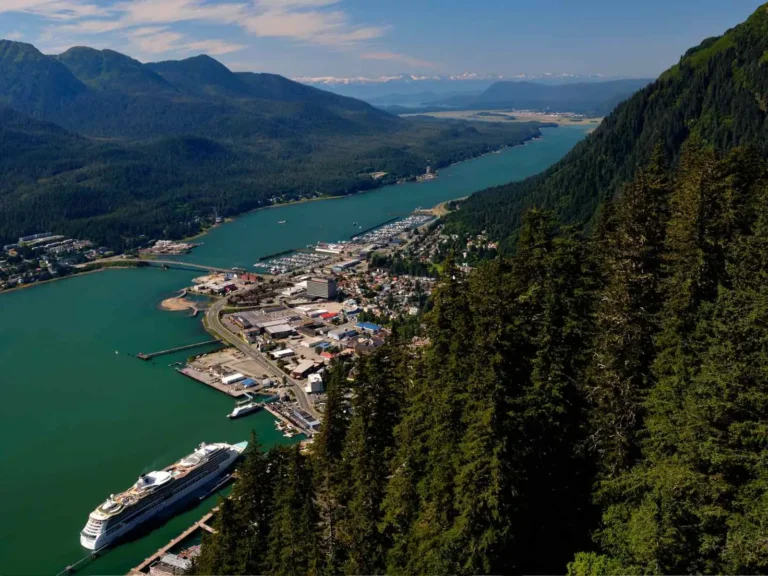
Cruise Ports Where You See Wildlife Without Booking an Excursion
A salmon creek, a penguin colony, or a sea otter beside the harbor can turn an ordinary port walk into the part you remember most. You do not always need an excursion, but you do need the right place, season, and expectations.
Here is where I would try independently, what still costs money, and when I would save the wildlife budget for a proper guided trip.
My quick take
My first choices would be Ketchikan for an in-season creek walk, Sitka for a park-and-river day, and Whittier when there is genuinely spare time before a transfer. Those plans still offer something worthwhile if the animals do not cooperate.
For penguins, flamingos, or a distant headland, separate three questions: can I visit independently, can I get there without paid transportation, and is admission free? Those are very different versions of a budget day.
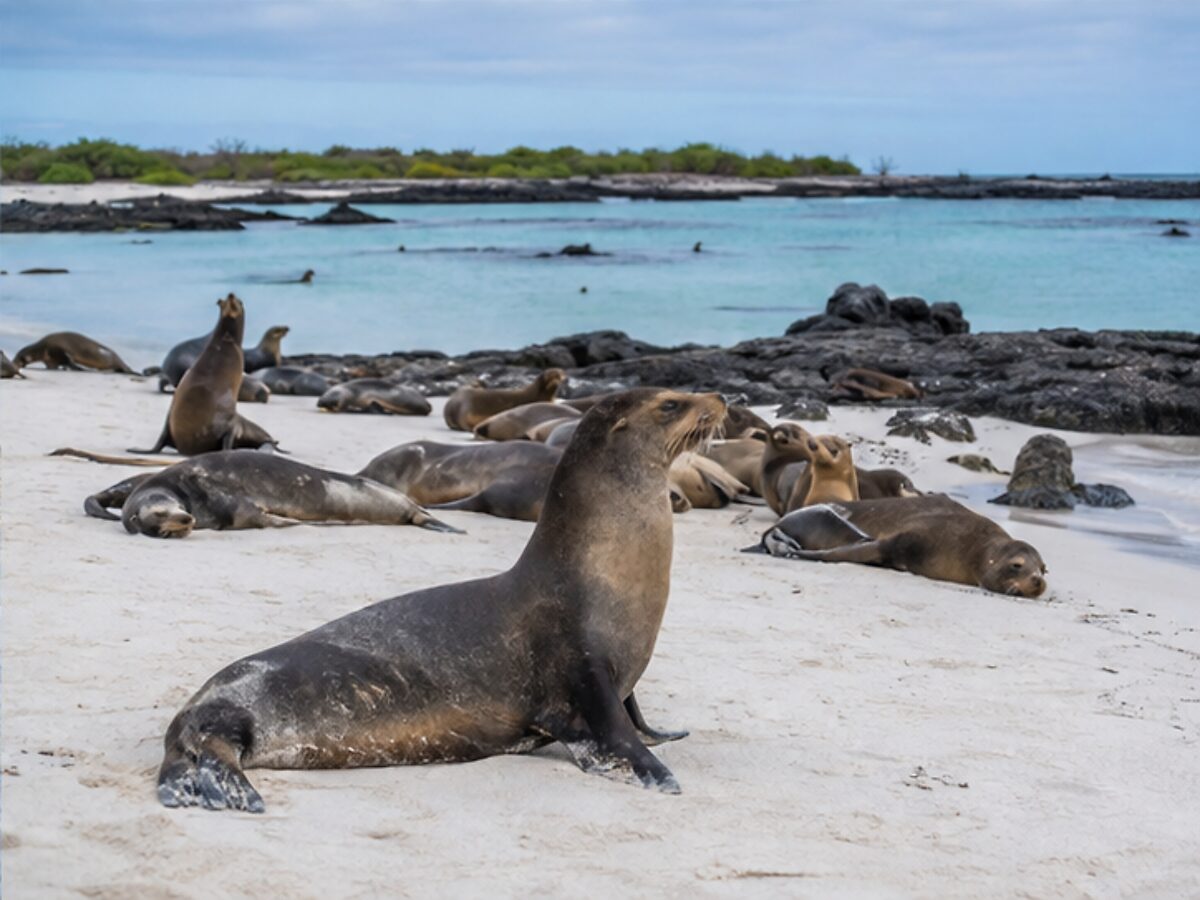
The quick facts
- Best free odds: Start with an in-season salmon creek or an established public viewing area, not a promise of animals beside every berth.
- Season beats location: Match your date to the particular species and viewing site; a regional whale season is not a shore-sighting guarantee.
- Cost: Free walks, paid transportation, and ticketed self-guided sites are separate categories; price the complete return trip.
- Distance: Follow the local species-specific rules; NOAA viewing recommendations are not one universal U.S. legal distance.
- Book the boat: Consider a responsible wildlife operator when finding a particular offshore animal is the main purpose of your day.
What a good independent wildlife day looks like
Choose a viewing stop that fits the day you already want, then give yourself time to stand quietly and look. I would rather spend an unhurried half hour beside a creek than rush between five map pins hoping one produces a whale.
Keep your return plan independent of the sighting: a seal appearing at departure time does not extend the last shuttle. Check the actual berth or tender landing, usable daylight, permitted access, and the journey back before committing to a distant colony.
Alaska: the easiest places to build wildlife into a walk
Ketchikan: Creek Street, with an important berth check
In Ketchikan, head for Creek Street and the bridges over Ketchikan Creek. Alaska Fish and Game identifies downtown salmon viewing here, with July and August a useful target for the spawning spectacle.
I would start by watching from a bridge, continue along the public creekside route, and leave time for the historic boardwalk rather than making the whole day a fish stakeout. Paid indoor attractions or hatchery visits are optional, not a requirement to look into the creek.
The catch is where your ship docks: downtown berths and Ward Cove are not interchangeable. Ward Cove shuttles take approximately 20 minutes each way to Berth IV, followed by more walking to central downtown.
Allow for boarding lines as well as the drive, and check the last return shuttle for your ship. This is still an appealing independent outing from Ward Cove, but it is not five minutes from every gangway.
Sitka: a coastal park with a seasonal salmon river
Sitka National Historical Park is my choice for someone who wants scenery and an easy-to-understand wildlife plan rather than an animal guarantee. The park charges no admission, and you can combine its public trails with the Indian River.
Pink salmon return to the river from roughly mid-July through September, according to the park’s fish information. Look from established paths and bridges rather than stepping into the river or crowding wildlife attracted to the run.
Check your transfer into town before treating this as a walk from the ship. A downtown arrival and an outlying cruise berth produce different plans, especially when a shuttle queue uses part of a short call.
I would make the park the main outing and keep any paid rehabilitation-center visit as a separate choice. Seeing an animal in care can be worthwhile, but it is not the same promise as a free wild sighting.
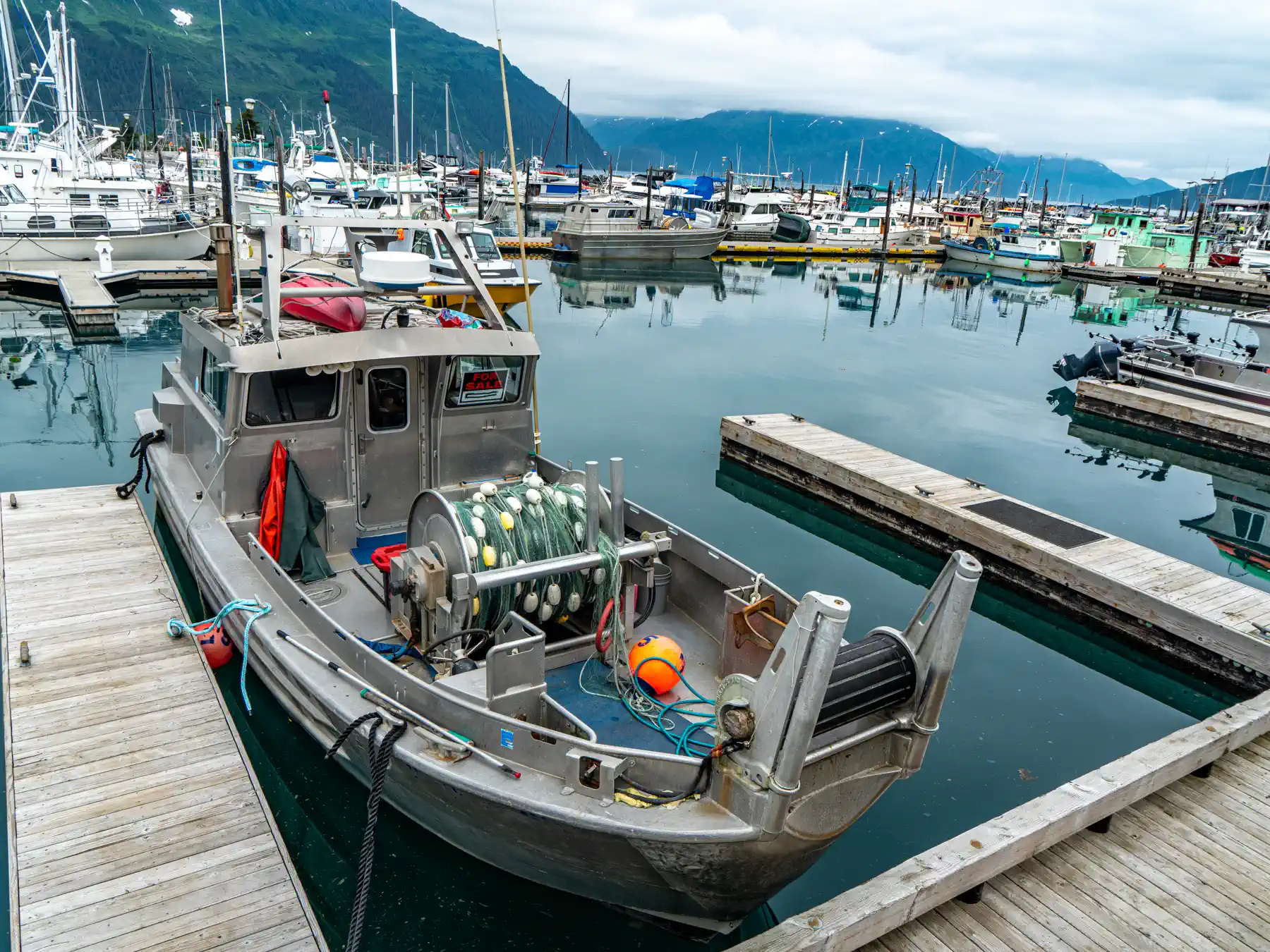
Whittier: look around the small-boat harbor
At Whittier, the small-boat harbor is a sensible place to pause when your transfer schedule allows it. Alaska wildlife guidance identifies harbor seals and sea otters as animals seen in the basin.
Use public viewing areas, stay clear of working docks, and scan the water without expecting an otter to be waiting in a particular corner. A brief harbor look fits much better than an improvised wildlife hunt with your bags in a coach.
Arrange luggage and the actual departure time first. On a turnaround day, I would never miss a booked onward transfer because a wildlife article implied everybody gets an extra hour in town.
Icy Strait Point: a shoreline bonus, not a whale appointment
At Icy Strait Point, I would build a relaxed waterfront walk around the cannery area and pause at open shoreline viewpoints. Treat possible blows or eagles as a bonus, not a reason to stand there all day refusing to do anything else.
Follow the current walking route from your assigned landing and check local signs or staff advice about access. Do not head into the woods looking for bears or assume that seeing a crowd means approaching an animal is safe.
For a whale-focused day, compare a responsible boat trip with the free shoreline option before deciding where to spend. The whale-watching port comparison helps frame that choice without turning either location into a guarantee.
Check the season for the actual viewing spot
- Ketchikan Creek: July and August are particularly useful months to target spawning salmon; the creek is not equally busy throughout every Alaska sailing season.
- Sitka’s Indian River: The park gives roughly mid-July through September for returning pink salmon.
- Puerto Madryn: Chubut tourism distinguishes June through October for shore watching at El Doradillo from the longer June-through-December boat-watching season.
- Penguin colonies: Check the particular colony’s current activity and access instead of assuming every bird is ashore all day.
- Reserves and headlands: Weather, breeding activity, conservation closures, and permitted viewing hours can matter as much as the month.
Patagonia and the Falklands: worthwhile independent trips
Puerto Madryn: El Doradillo in the right months
For Puerto Madryn, El Doradillo is the shore-watching option I would investigate first during the appropriate season. It is about 9 miles north of town, so plan transportation rather than a casual stroll from the pier.
The southern right whales use the region for mating, calving, and nursing; this is not a feeding spectacle. Chubut whale guidance recommends checking tide and road conditions before heading to the beach.
Arrange the return ride before leaving town and ask which legal viewing location is suitable that day. A beach where whales sometimes come close is not permission to enter the water or move toward them.
Outside the useful shore-watching window, I would not spend a short call chasing old photographs. Choose a different confirmed wildlife or sightseeing plan instead.
Stanley: Gypsy Cove without a boat excursion
From Stanley, Gypsy Cove is approximately 4 miles away and has Magellanic penguins nesting in burrows. The public viewing route makes it an option to investigate independently rather than automatically buying a boat trip.
Four miles out also means approximately four miles back, before walking at the site. I would arrange a return ride unless the walk itself is the main activity and the weather, daylight, and ship schedule make it comfortable.
Ask the visitor center about current access, any charges or transport services, and wildlife restrictions before setting out. Stay on the designated route, avoid burrows, and do not follow penguins onto a closed beach.
Follow the islands’ biosecurity advice and local instructions about cleaning footwear. A temporary closure is a reason to change plans, not search for a quieter way in.
Southern Africa: lagoon birds, harbor seals, and paid penguins
Walvis Bay: choose the lagoon promenade
For Walvis Bay, I would target the lagoon rather than wander around the commercial port hoping for wildlife. The municipality describes a roughly 1.9-mile lagoon promenade beside habitat used by flamingos, pelicans, and other waterbirds.
Arrange an authorized exit and transportation from your actual berth, then choose a manageable stretch of the promenade. Do not assume the entire port-to-lagoon route is a permitted or pleasant pedestrian route.
Bring binoculars and let the birds stay where they are. Their position can make the difference between a lovely view and distant pink specks, so I would enjoy the waterside walk rather than promise a close-up flamingo photograph.
Cape Town: two very different wildlife budgets
In Cape Town, a walk around public parts of the V&A Waterfront offers the possibility of Cape fur seals. The Two Oceans Aquarium Foundation works with the waterfront on marine wildlife management, but that does not mean every quay is open or a seal is guaranteed beside your ship.
For African penguins, Boulders at Simon’s Town is a different outing: paid admission and a journey away from central Cape Town. Its penguin viewing boardwalks can be visited independently when open, so a packaged cruise excursion is not the only way to go.
I would compare a prearranged round-trip ride with an organized excursion and include traffic, admission, and the return margin. Do not treat an hour each way as a dependable promise or tack the colony onto a short call simply because the photographs look irresistible.
Use the boardwalks and keep hands and food away from the penguins. For a short stay, the waterfront is the simpler outing, but seals and penguins are not interchangeable sightings.
The Caribbean: plan a bird stop, not a guaranteed photo
Bonaire: flamingos require a route beyond the pier
At Bonaire, I would choose either a northern or southern bird-watching route rather than promise both on a short call. Both require a transport plan beyond a simple Kralendijk waterfront stroll.
In the north, Gotomeer’s observation area overlooks the lagoon from a rise beside the access road. In the south, Pekelmeer viewing is from permitted roadside areas or nearby Pink Beach, not inside the sanctuary.
The sanctuary is closed to tourists, even when a bird looks close enough for a better photograph. Stop only where the driver can park safely, use binoculars, and do not cross saltworks or protected ground.
I would pair the chosen viewing area with other stops on the same route instead of repeatedly driving across the island. The ABC island comparison is useful when deciding which call gets the bigger nature budget.
Aruba: Bubali is a bird-watching alternative
For Aruba, Bubali Bird Sanctuary offers ponds and an observation tower near the Palm Beach area. Look for wetland birds such as herons and egrets rather than treating it as a guaranteed flamingo encounter.
It is not beside the Oranjestad cruise terminal, so check transportation and current access before building it into your day. I would combine it with a north-coast outing rather than cross the island just to tick off a bird list.
New Zealand and Australia: independent does not mean nearby
Dunedin: free headland viewing versus a paid colony tour
From Port Chalmers, Taiaroa Head is on the other side of Otago Harbour, not a quick walk across the water. Arrange a road transfer or another confirmed transport option before choosing it for a cruise day.
The Royal Albatross Centre confirms a free cliff-viewing platform where albatross may be seen flying. Access to its nesting-colony observatory is through a paid guided tour; do not walk beyond public boundaries.
The center warns that public transport leaves an unsuitable final walk without a sidewalk. It advises roughly 50 to 60 minutes driving from central Dunedin, which is not the same starting point as your berth.
I would only pay for the longer transfer when the headland itself appeals, even if flying birds are scarce. Wind and breeding activity affect viewing, and the free platform is not a substitute for guaranteed access to nests.
Kangaroo Island: check Seal Bay’s current access first
On Kangaroo Island, Seal Bay’s boardwalk is a ticketed self-guided option for viewing Australian sea lions. The return boardwalk route is about 0.6 mile and is wheelchair accessible.
The park currently says beach access is temporarily paused, while the boardwalk remains open with a roaming guide. Check the active notice for your visit; do not book around an assumed beach walk.
Admission and transport are separate costs, and this is not a stroll from the cruise landing. I would arrange a confirmed return vehicle, check the available time after tendering, and skip extra distant stops if they squeeze the return margin.
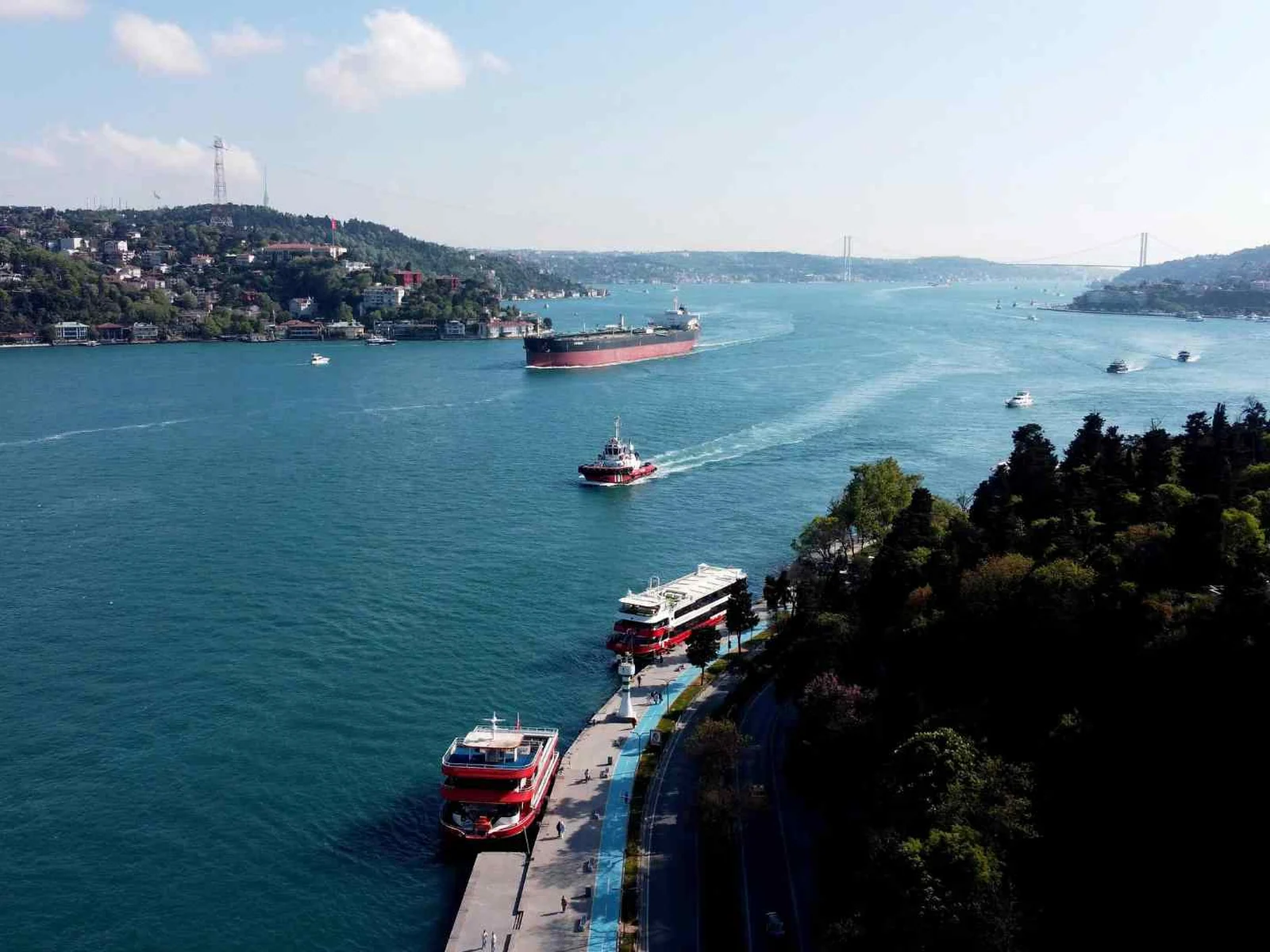
Galapagos and Svalbard: different kinds of independence
Puerto Ayora: wildlife around town still needs space
In Puerto Ayora, the waterfront around the fish market is somewhere to look for sea lions and pelicans during a town visit. Do not crowd working fish sellers or treat animals attracted to the area as a petting opportunity.
Give wildlife at least 7 feet of space, more when needed, and wait or take another route when an animal blocks the way. The Galapagos visitor rules also prohibit feeding wildlife and require compliance with site-specific access and guiding rules.
A town walk is not blanket permission to enter protected visitor sites independently. Confirm each proposed stop with your operator or the park, and do not treat existing park or itinerary charges as evidence that an entire Galapagos day is free.
Svalbard: do not turn a town walk into a bear search
A permitted town visit and an expedition landing are different situations. I would never use a no-excursion list as a reason to leave the approved route in search of a polar bear.
The Governor’s environmental rules include wildlife-distance and guiding restrictions for relevant tourist landings. Follow your operator’s instructions and the applicable Svalbard cruise rules rather than applying ordinary waterfront-walking advice to a remote landing.
What I would put in the day bag
Binoculars are more useful here than a promise of a close approach. I would favor a compact pair I can comfortably carry, such as 8×32, or 8×42 when the extra size is not a nuisance.
Add rain protection, an extra layer for exposed viewpoints, water, and the return-transport details saved offline. For a long transfer, bring whatever identification and emergency contact information your ship tells you to carry.
Keep the camera ready without making the photograph the whole outing. A wide view of an animal behaving naturally is a better souvenir than a close-up you obtained by making it move.
Viewing rules: guidance and law are not the same thing
NOAA viewing guidance generally recommends at least 100 yards from whales and 50 yards from seals, sea lions, and dolphins. Specific species and jurisdictions have different, sometimes stricter, legal requirements; those general figures are not permission to approach everywhere.
For example, federal rules prohibit approaching humpback whales within 100 yards in Alaska and Hawaii, while other protected whales have larger exclusion distances. Feeding wild marine mammals is prohibited, and harassment can be unlawful even beyond a suggested viewing distance.
- Keep it short: Leave sooner if your presence affects the animal; do not turn a suggested observation period into permission to keep disturbing it.
- Stay on the structure: Use designated paths, boardwalks, and viewpoints rather than stepping into a colony or onto closed land.
- Never between: Keep clear of an animal’s route to the water and do not separate adults from young.
- No bait, no snacks: Do not feed animals or encourage them toward people for a photograph.
- Drones: Check the specific aviation, park, and wildlife restrictions before flying; a scenic location is not automatic permission.
Do not touch a sick, injured, or stranded animal. Keep other people back and notify local staff or the responsible wildlife authority.
When I would still pay for a wildlife excursion
Paying makes sense when a particular animal is the main reason for the stop, when the desired viewing area is offshore, or when safe access depends on a qualified guide. Ask what the tour actually visits rather than buying a generic wildlife label.
For Juneau, Akaroa, Ushuaia, or the Azores, compare the dedicated wildlife options with the exact shore plan you would otherwise follow. A passing glimpse from land and a trip designed around searching a wider area are not equivalent products.
That does not mean a boat can promise every sighting or that shore watching is impossible. Read any guarantee carefully, check the return timing, and favor an operator that explains how it avoids disturbing wildlife.
Across several calls, I would choose one priority excursion rather than buy a similar trip everywhere. The Alaska excursion tradeoffs help you keep a creek walk and a dedicated wildlife outing in different parts of the budget.
Quick answers
Which options work best without a long drive?
Ketchikan’s downtown creek walk, Sitka’s park after reaching town, and Whittier’s harbor are useful starting points. Confirm the berth and transfer arrangements before assuming any of them begins beside the gangway.
Can I see whales without a tour?
It is possible, but no shoreline can schedule a whale for your arrival. Choose an appropriate viewing site and season, and build a day you would still enjoy without the sighting.
Does a self-guided visit mean it is free?
No: Boulders and Seal Bay illustrate the difference between buying admission yourself and booking a packaged excursion. Transportation can cost more than the viewing itself, so compare the complete return trip.
Should I walk several miles to save a taxi fare?
Only when the walk itself appeals and the route, weather, daylight, and return margin are suitable. I would not turn a short wildlife stop into an exhausting deadline just to call it free.
What should I do when a colony is closed?
Choose another permitted activity and follow the posted restrictions. Wildlife closures protect animals and visitors, and an older recommendation is not an exception to the current rules.
Final word
My favorite budget wildlife plan has a good walk underneath it, a clear way back, and room for the animal to decide whether it appears. Spend money where transport, expertise, or permitted access genuinely improves the experience.
Plan for a pleasant port day rather than an animal appointment. The surprise is much better when you are not mentally demanding a refund from a seal.
How this guide was researched: Wildlife-agency guidance, park information, port transport details, destination authorities, and current attraction notices inform these recommendations. Confirm access, wildlife restrictions, transportation, and admission for your sailing; our Editorial Policy explains the research approach.
More on this topic: browse every guide on shore excursions and DIY port days.