Which Cruise Port Should Get Your Excursion Budget?
Excursion money has a talent for disappearing before the ship even leaves port. I spend it where it buys access or removes a real headache, not where it merely adds a lanyard to an otherwise easy day.
The practical answer
Give the biggest share of your excursion budget to ports with long distances, complicated transportation, timed-entry attractions, wildlife that requires a boat or aircraft, or a meaningful risk of missing the ship. Save money in compact waterfront cities, beach ports with straightforward local transportation, and destinations where the main attraction begins just beyond the pier.
A useful rule is to ask whether a paid tour buys access, efficiency, confidence, or expertise. If it buys none of those, you are probably paying for coordination rather than a better port day.
Four questions that matter
1. Does it need special transport?
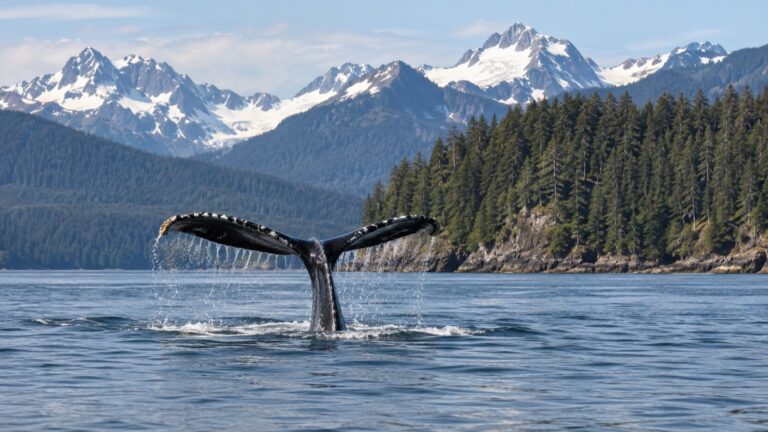
Whale watching, reef snorkeling, helicopter landings, glacier flights, remote ruins, and small-island boat trips usually require an operator. These are genuine access purchases, and wildlife tours should also follow current guidance such as the NOAA Fisheries marine-life viewing guidelines.
A tour becomes even more valuable when the usable port day is short. Organized transportation can connect several steps efficiently, although you should still compare the tour duration with the ship’s all-aboard time.
2. Is the main attraction far from the port?
Distance is not automatically a reason to buy a ship excursion, but it raises the cost of a mistake. Rome from Civitavecchia, Florence from Livorno, Ephesus from Kusadasi, and some Maya sites from Caribbean-facing Mexican ports involve more planning than a waterfront old town.
For a distant day trip, compare the total door-to-door time rather than the advertised driving time. Port shuttles, lines, train changes, meeting points, security, and the walk back to the gangway all belong in the calculation.
3. Is capacity tight?
Limited boats, popular train departures, small wildlife permits, and timed museum entries can disappear well before sailing. In those cases, booking ahead protects the experience rather than merely organizing it.
Do not assume a cruise-line listing is the only route to a scarce activity. Check the attraction or operator’s official website, compare cancellation terms, and confirm that the stated return leaves a sensible buffer.
4. Would a guide add real value?
Some destinations are visually impressive but far more meaningful with context. Archaeological sites, historic battlefields, complex religious landmarks, and wildlife habitats often justify a knowledgeable guide even when transportation is easy.
A good guide should do more than recite dates. Look for licensed or credentialed professionals, small-group limits, a clear itinerary, and recent reviews that discuss the guide’s knowledge rather than only the vehicle or lunch.

Quick Facts: a port-by-port scoring system
Score every stop from zero to two in five categories: distance, transport complexity, reservation pressure, specialized access, and consequence of delay. A port scoring eight to ten belongs near the top of the budget, while a score of zero to three is a strong candidate for a thoughtful independent day.
- Distance: zero for the main sights beside the port, one for a moderate transfer, and two for a long journey.
- Complexity: zero for a walkable day, one for one dependable ride, and two for connections or uncertain availability.
- Reservation pressure: zero when plans can stay flexible, one when advance booking helps, and two when capacity is genuinely scarce.
- Specialized access: zero for public spaces, one for a standard ticketed attraction, and two for boats, aircraft, restricted sites, or equipment.
- Delay consequence: zero when returning is simple, one when options narrow later in the day, and two when a disruption could threaten the ship.
This score is a planning tool, not a verdict. A low-scoring port may still deserve your money if it holds the one experience you care about most, while a high-scoring port may not be worth an expensive tour if its headline attraction leaves you cold.
Ports where spending often pays off
Wildlife and wilderness ports
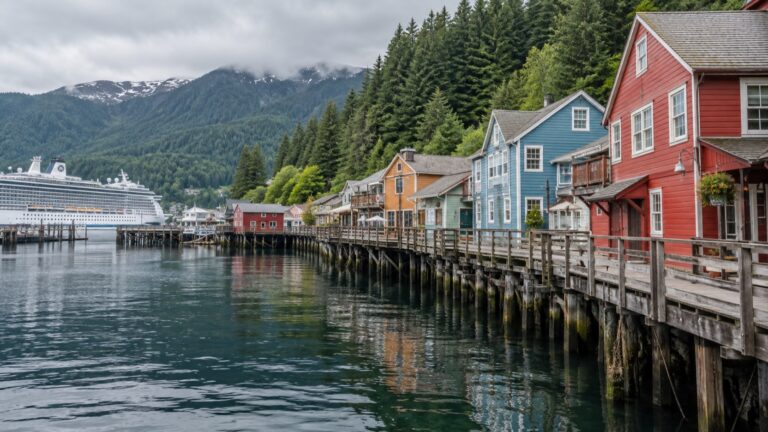
Alaska is the clearest example because many signature experiences begin with a boat, rail journey, floatplane, or helicopter. In Juneau, money can buy access to whale habitat or aerial glacier views, while in Skagway the White Pass route turns transportation into the attraction itself.
That does not mean every Alaska stop needs a premium booking. Read our Alaska cruise ports overview, then reserve the costly experience for the port that offers the strongest match for your interests and schedule.
Gateway ports
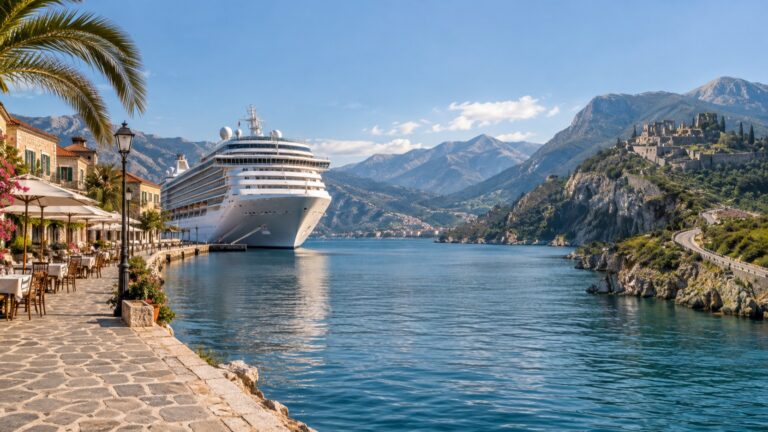
Gateway ports are places where the name on your itinerary is not the destination many passengers intend to see. Civitavecchia for Rome and Livorno for Florence or Tuscany are classic examples, and the transfer can consume a large part of the call.
I call this the headache test: if money removes a genuine obstacle, it is doing useful work.
A tour is most useful here when it locks together transportation, timed admission, and a realistic route. It is less useful when the itinerary spends hours at commission-based shopping stops or promises too many distant highlights in one day.
Tender ports with time-sensitive plans
Tendering adds a variable before the day even begins because passengers must travel ashore in smaller boats. Independent plans can still work beautifully, but a tight private pickup or a distant attraction needs more margin than it would at a docked port.
Our guide to tender ports that still feel easy helps separate manageable tender days from those that demand more caution. Always follow the ship’s own tender instructions because priority systems and operating conditions vary.
Ports where saving often makes sense
Compact historic centers
Old San Juan, Rhodes Old Town, central Barcelona, and Willemstad can reward a simple walking plan when your berth and mobility make it practical. Money is often better spent on one meaningful admission, a local meal, or a focused guide than on a panoramic bus that duplicates what you can reach yourself.
Compact does not always mean effortless because heat, cobblestones, slopes, and crowds can change the calculation. A traveler with limited mobility may gain far more from door-to-door transportation than an active couple following the same route.
Flexible beach days
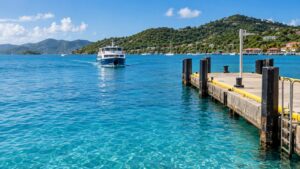
A port with reliable local taxis and several established beaches can be a good place to protect the budget. You keep control of arrival time, choose the amount of comfort you want, and leave when weather or energy changes.
Research the beach before you go because facilities, sea conditions, access charges, and return transportation differ. Our Caribbean cruise ports guide is a useful starting point for comparing island styles.
Purpose-built port areas
Some cruise destinations place pools, restaurants, shops, or a beach inside or beside the port complex. Staying nearby is not the deepest possible cultural experience, but it can be exactly right for families, short calls, low-energy days, or itineraries with several expensive adventures already booked.
Do not spend from guilt. A relaxed, inexpensive day that fits your group is better than an ambitious tour chosen only because you feel obligated to maximize every hour.
How to split a limited excursion budget
Start by protecting one non-negotiable experience, then fund the ports where logistics are hardest. Leave one or two stops deliberately unbooked so a weather change, tired morning, or unexpected local idea does not become a financial disappointment.
For a seven-night itinerary with three or four ports, a balanced plan might include one premium signature excursion, one modest guided activity, and one or two independent days. The percentages matter less than making the expensive day distinct from what you can do cheaply elsewhere.
If that is a concern on your sailing, Can You See Florence and Pisa During One Livorno Port Day goes into it properly.
Choose experiences that do not repeat
Three boat-and-beach excursions can blur together even when each one is lovely. A stronger mix might pair a wildlife boat with a food walk, an archaeological visit, and a free waterfront day.
Look across the whole itinerary before booking anything. If several islands offer snorkeling, compare reef quality, boat time, tender risk, and what else each port does well rather than buying the first snorkel trip displayed in your cruise planner.

Price the complete day
The lowest headline price is not always the least expensive choice. Add transportation to the meeting point, admission, equipment, meals, tips, cancellation terms, and the cost of any nonrefundable booking if the itinerary changes.
Cruise-line tours often cost more but may offer simpler coordination and ship-arranged handling when their excursion is delayed. Read the exact terms from your cruise line because protections, refund rules, and itinerary-change policies vary by company and sailing.
Ship tour, independent tour, or DIY?
Choose a ship excursion when
The destination is far from the ship and the schedule has little room for disruption.
The activity uses scarce capacity or complicated transfers that the cruise line coordinates.
You value one point of contact more than a smaller group or lower price.
Mobility, language, or anxiety makes tightly managed logistics genuinely valuable.
Choose an independent local tour when
You want a smaller group, more focused theme, or itinerary the ship does not offer.
The operator clearly serves cruise passengers and states a conservative return plan.
Pickup details, cancellation terms, licensing, and recent operational reviews are easy to verify.
The savings remain meaningful after every extra cost is included.
Choose DIY when
The experience is close, flexible, and reachable without fragile connections.
Tickets are available directly and the route remains safe if one step runs late.
Your group enjoys navigating and can agree on a firm turnaround time.
A change in weather would make you prefer changing the plan without penalty.
Return margins that change the score
A compact docked-city plan should normally put you back at the terminal 60 minutes before all-aboard. Use at least 90 minutes after a tender, boat, rural route, or uncertain pickup, and around two hours after a distant gateway city or multi-connection public-transport trip.
These are planning targets, not cruise-line guarantees, and local conditions may require more. Work backward through every final connection, including the last train, shuttle, tender cutoff, security screening, and walk from the meeting point.
Booking safeguards that protect the budget
Confirm the ship’s local all-aboard time, not only the departure shown on a third-party itinerary. Keep the daily program or cruise app handy, take a photo of the port-agent contact details, and use a phone or watch set to ship time if your cruise line instructs you to do so.
I would rather fund one unforgettable day than collect three expensive versions of perfectly pleasant.
For independent tours, obtain the meeting point in writing and ask what happens if the ship arrives late or skips the port. Favor clear refund language over vague promises, especially where tendering or seasonal weather creates regular disruptions.
Check accessibility directly with the operator instead of relying on a generic accessible label. Vehicle steps, boat transfers, uneven ruins, beach entries, walking distances, and restroom access can matter more than whether a tour is technically described as easy.
Use official resources to verify changing information, including your cruise line’s shore-excursion terms, the destination tourism authority, the port authority, and the attraction itself. The National Park Service trip-planning guidance and UNESCO World Heritage List are useful starting points for many protected or historic destinations, but operating hours must still be checked on the individual site.
If that is a concern on your sailing, Juneau or Icy Strait Point goes into it properly.
The final decision
The best port for your excursion budget is the one where payment turns an otherwise difficult, inaccessible, or shallow day into the experience you actually want. Spend for transformation, not for the reassuring sight of a tour voucher.
If two ports score similarly, choose the activity that is most specific to its location and hardest to reproduce on another vacation. Keep the easier port flexible, give yourself a comfortable return buffer, and enjoy the satisfying feeling that every expensive booking has a clear job.
Quick answers
Do I need a tour in every port?
You do not need an excursion in every cruise port because many destinations support excellent independent days. Reserve tours for specialized experiences, difficult transportation, or places where a guide substantially improves understanding.
Which port should get the most money?
Usually the port containing your highest-priority experience or the most complicated logistics should get the largest share. On many Alaska itineraries that may be a wildlife or flight excursion, while on a Mediterranean cruise it may be a distant gateway city or archaeological site.
Are ship tours safer for timing?
They simplify responsibility when the cruise line has arranged the tour, but you still need to read that line’s current terms and follow instructions. Independent touring can be reasonable when the destination is close, transportation is dependable, and your return buffer is conservative.
When should I book the splurge?
Book after verifying the itinerary, physical requirements, cancellation policy, and operator, then act before scarce capacity disappears. There is no universal deadline because popular small-group, wildlife, rail, and flight activities can fill at very different speeds.
What if weather ruins the splurge?
Choose bookings with clear weather and port-cancellation terms, then keep expectations flexible. Nature-based activities cannot promise sightings or perfect conditions, so the most trustworthy operators explain limits plainly before purchase.
How this guide was researched: This planning framework was checked on September 11, 2026 against current official sources, including NOAA Fisheries, the National Park Service, UNESCO, destination authorities, port operators, and cruise-line guidance. Policies, operating conditions, all-aboard times, pickup details, accessibility, admission, and cancellation terms can change, so verify them directly for your sailing; see our Editorial Policy.
More on this topic: browse every guide on shore excursions and DIY port days.